Evoflex clamping device changing head system for flexible production
Clamping devices are among the inconspicuous but crucial components in production. Without reliable clamping, neither precise turned parts nor stable milling results can be achieved.
With the Evoflex system, the manufacturer Blessing is presenting a solution that addresses precisely this interface - with a clear focus on flexibility, changeover speed and adaptability during operation. The focus is not on a completely new clamping principle, but on the consistent further development of existing systems. The decisive factor is the modularity, which is immediately noticeable in daily use.
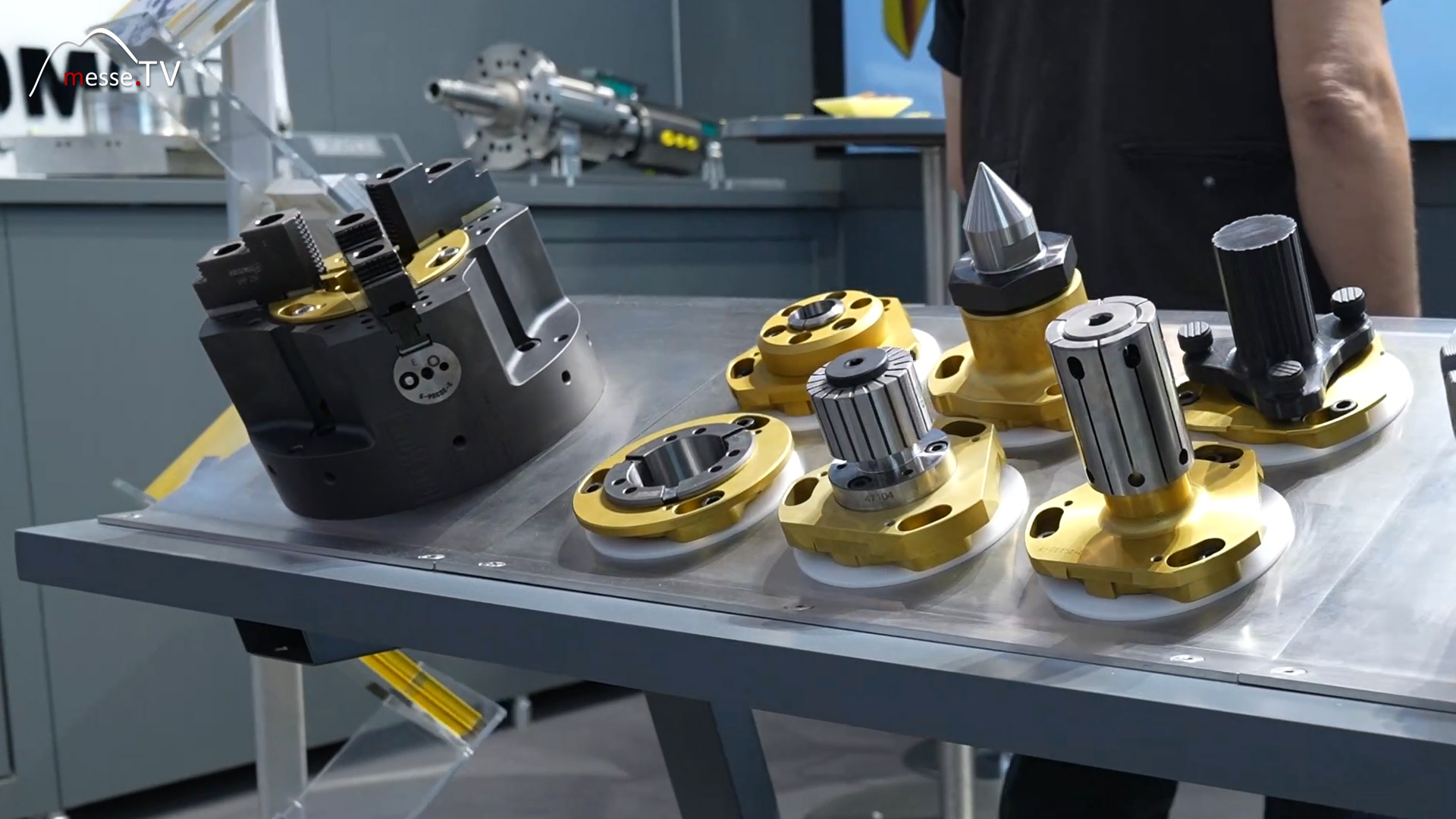
Blessing Evoflex interchangeable head system significantly reduces set-up times
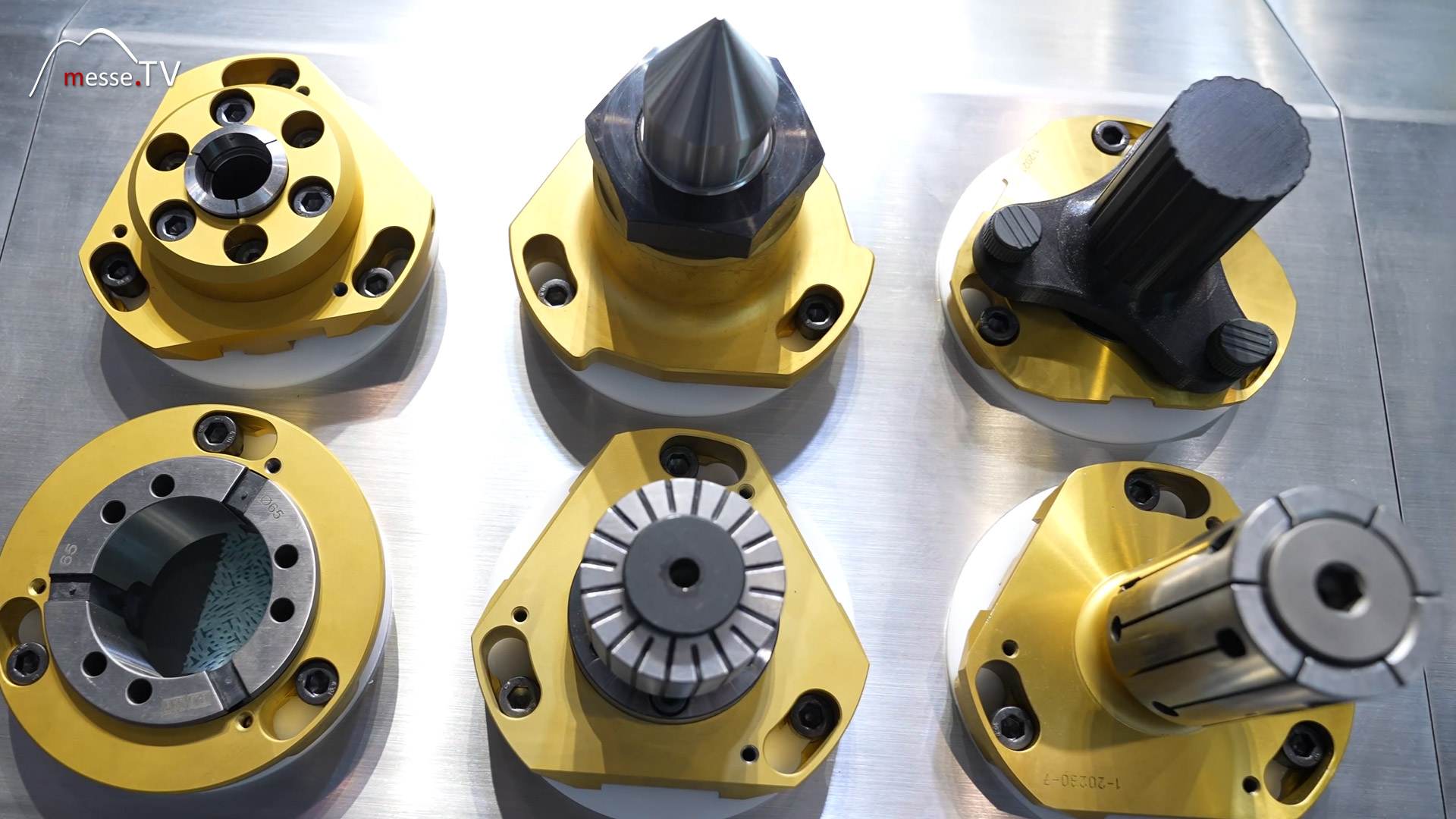
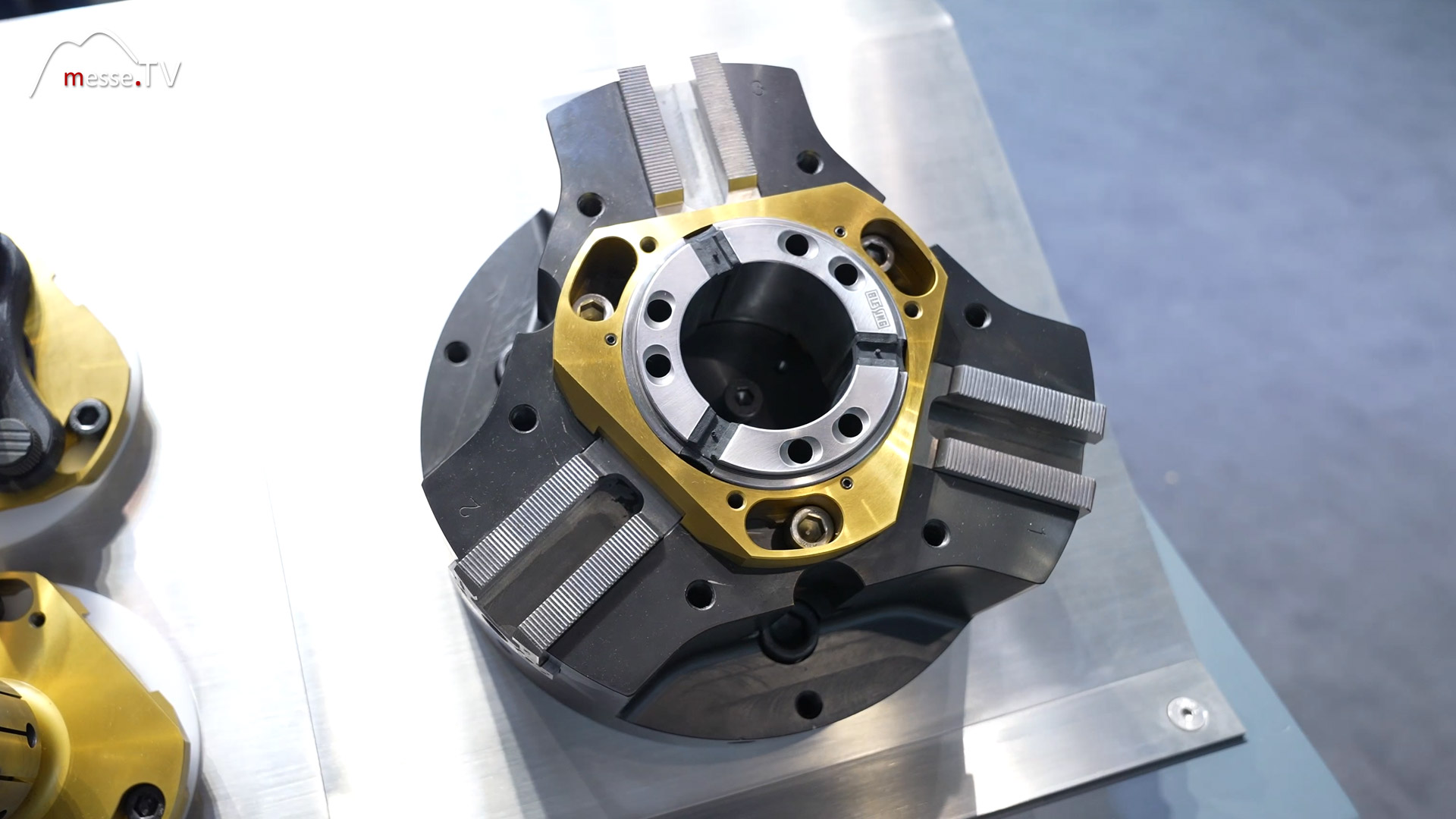
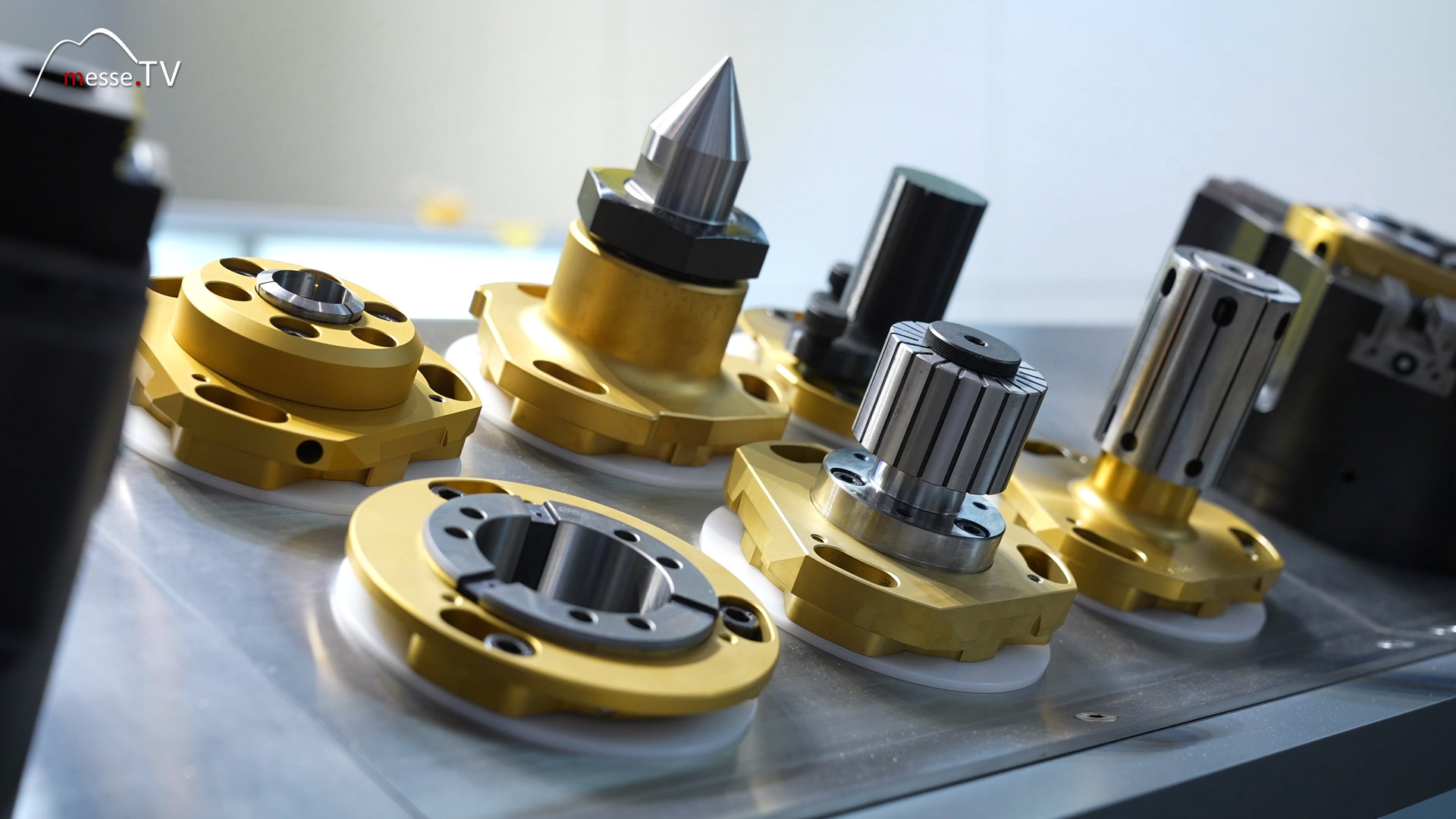
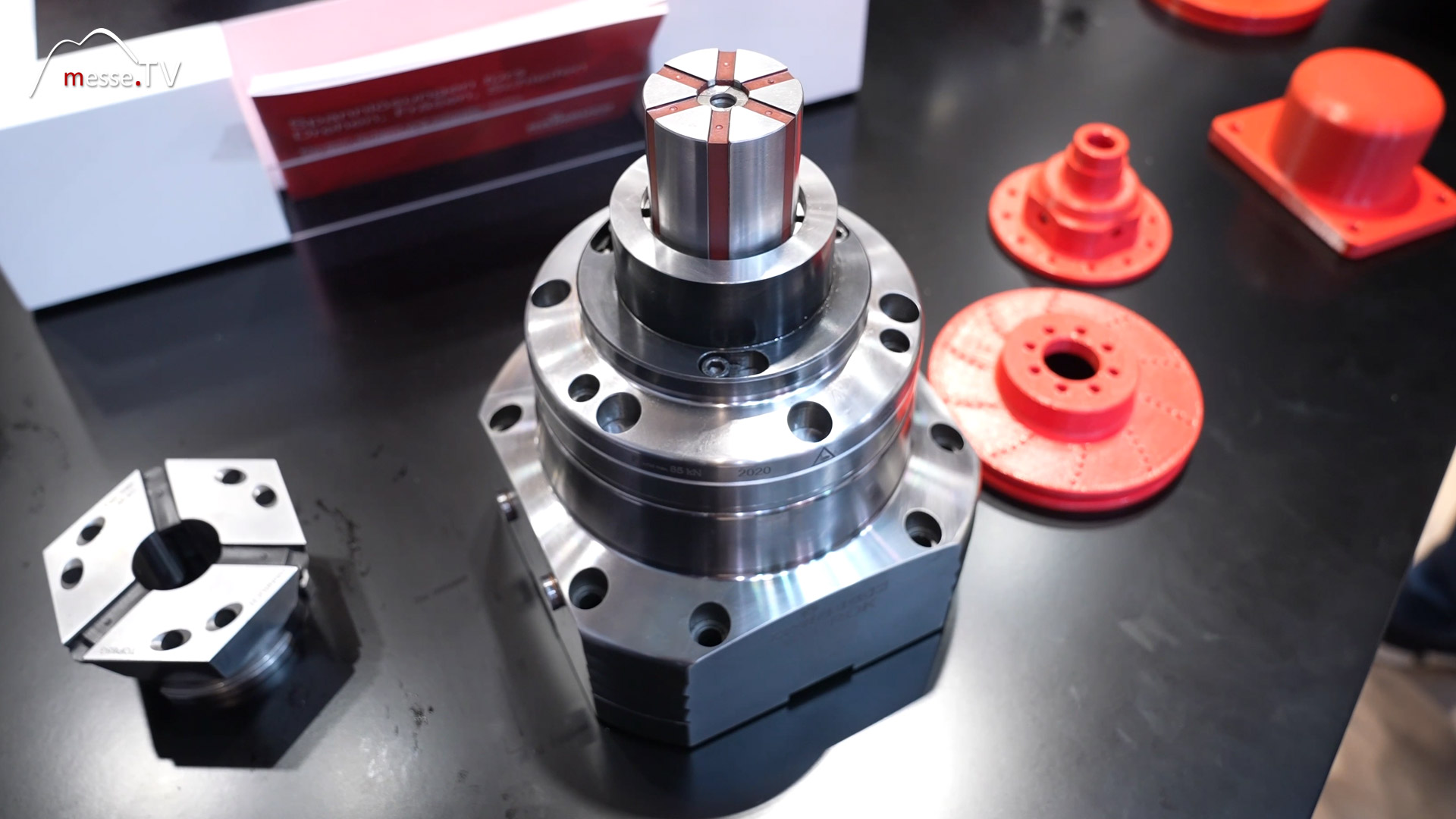
The Evoflex system is based on an interchangeable head concept. Users can switch between different clamping variants without having to dismantle the entire base body. The change is made by loosening three screws to replace the respective head. In practice, this process takes less than a minute. This simple mechanism noticeably changes the production process. Instead of complete conversions, only the required head is used. This reduces downtimes and enables a faster response to changing workpieces or production orders. Different clamping solutions are used within the same system:
- Three-jaw chucks for classic applications
- Collets for precise round parts
- Clamping mandrels for specific internal fixtures
- Togged jaws in metric or imperial design
- Quick-change systems for jaws
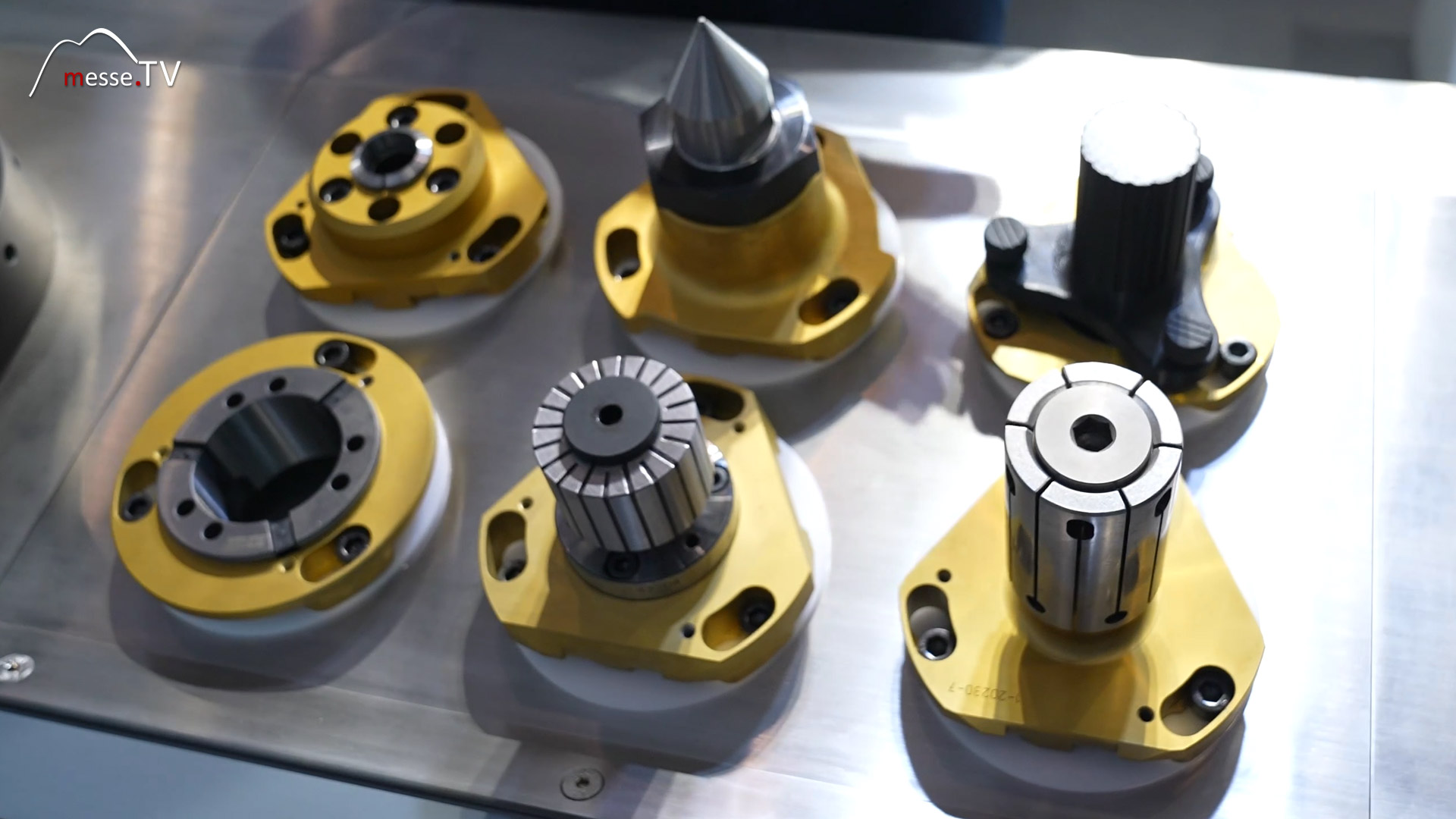
Collet integration without additional adaptations
One design detail sets the system apart from conventional solutions: The collet chuck is integrated directly into the chuck. Many other systems require additional adapters to fulfil this function. The direct integration reduces the overall height. At the same time, the overall length of the structure is shortened, which is a decisive advantage, especially where installation space is limited. Machines can be operated more compactly without having to dispense with different clamping methods. This approach also has an impact on stability. Fewer interfaces mean fewer potential weak points in the force flow. This can be a relevant factor, especially for demanding machining operations.

Areas of application from turning to milling in various industries
The Evoflex system is not limited to a single manufacturing process. It can be used for both turning and milling. The modular design allows it to be adapted to different workpieces and requirements. Typical fields of application are
- Automotive industry with high quantities
- General mechanical engineering with varying components
- Smaller industrial companies with frequently changing orders
- Special production with customised clamping solutions
Cooperation with machine manufacturers such as DMG MORI
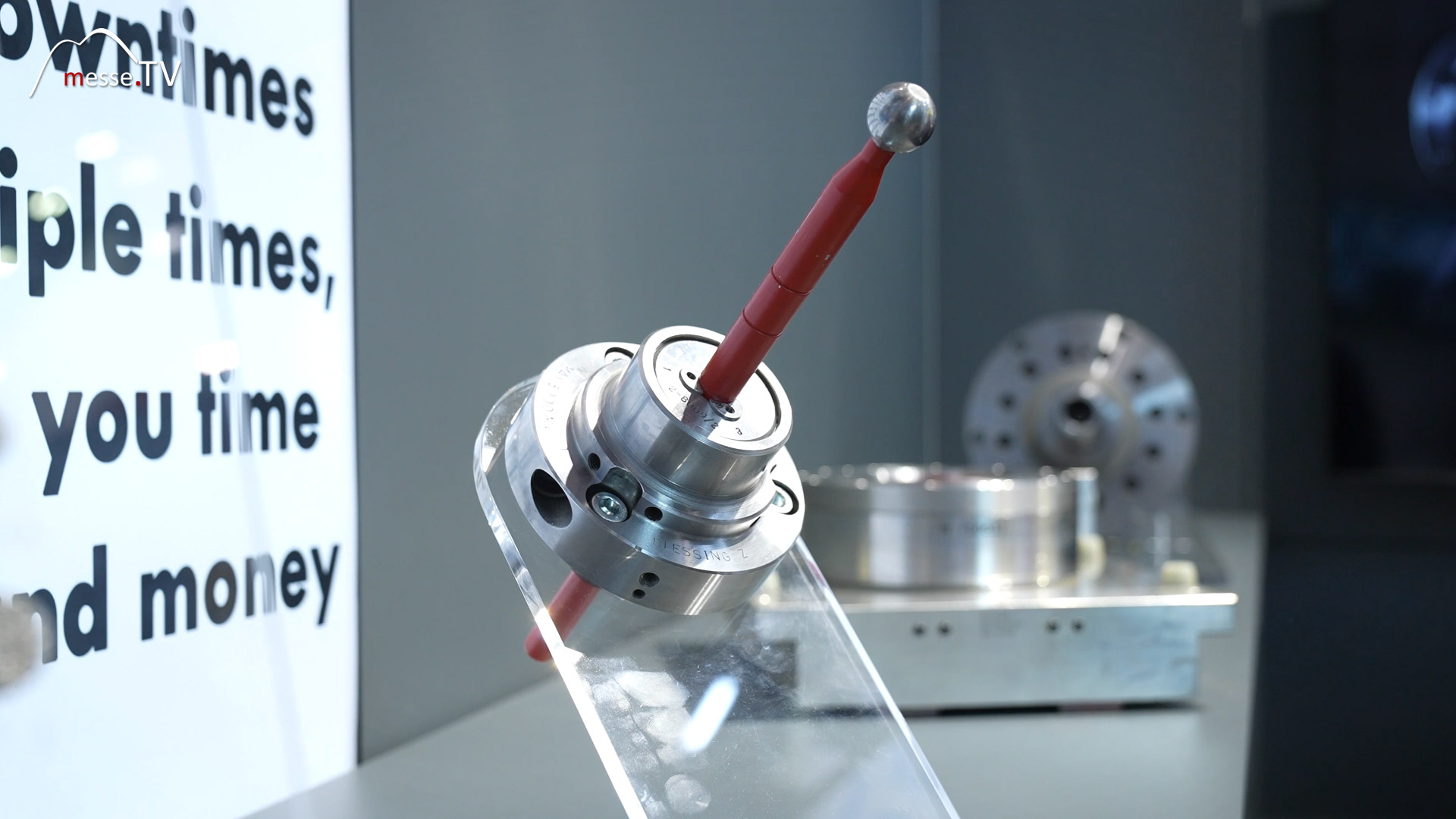
Blessing's systems are not only used in individual operations, but are also integrated with machine manufacturers. These include DMG MORI, whose machines are equipped with corresponding clamping solutions. According to information from practical applications, the chucks have been extensively tested and trialled in real operation. Such feedback is crucial for further development, as it reflects specific requirements from industrial applications.
Customised clamping device development in the special area
In addition to standard solutions, customised machine construction plays a central role. Customers often provide specific workpieces for which no suitable clamping solution exists. In such cases, a customised development process begins. This is based on technical data such as drawings or 3D models. On this basis, a concept is first created, which is then further developed together with the customer. The aim is to create a solution that is precisely customised to the component in question. This approach means that many clamping solutions remain one-offs. Series production takes a back seat, while customisation gains in importance. This is precisely where Blessing's specialisation lies.
Modular clamping system as the answer to flexible production
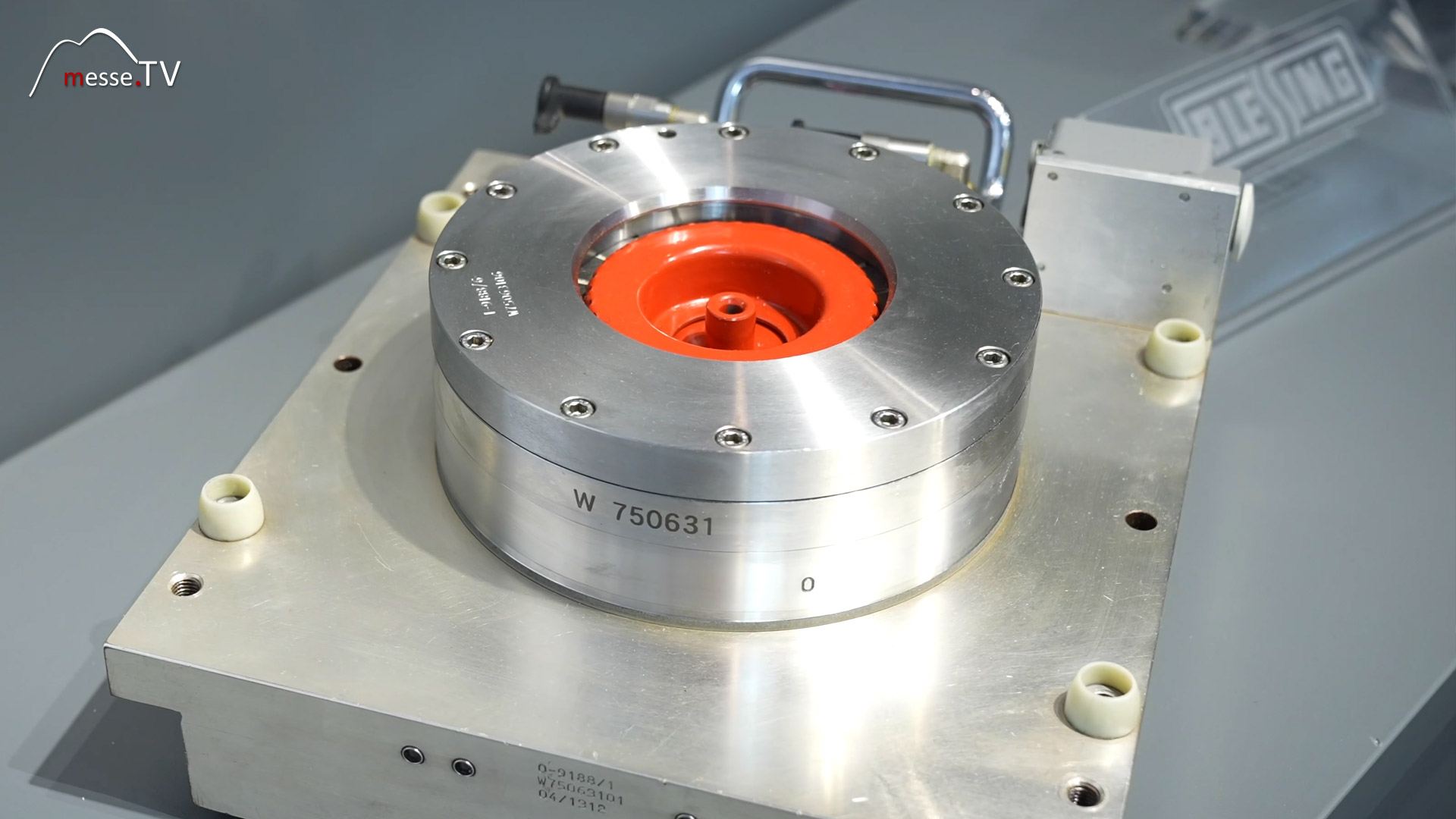
The requirements in production are changing. Smaller batch sizes, frequent variant changes and increasing time pressure call for solutions that can be quickly customised. Traditional clamping systems are increasingly reaching their limits. The Evoflex system addresses this change without abandoning the basic principles of clamping technology. Instead of radical innovations, the focus is on consistent optimisation: less set-up time, more flexibility and a clear separation between the basic system and the application level. This makes it clear that innovation in production does not necessarily come from new technologies, but often from the well thought-out further development of existing systems.
Trade fair reporting Germany - Trade fair knowledge, dates & events


