Automationsspanner für Zerspanung und Kleinserien
von Bastian Velonavy - 2024-09-18In der Metallbearbeitung verändert sich die Spanntechnik spürbar. Serien werden kleiner, Bauteile wechseln häufiger, zugleich steigt der Druck, Maschinen länger und möglichst mannarm laufen zu lassen.
Gerade in der Zerspanung entscheidet deshalb nicht nur die Maschine selbst über Produktivität, sondern auch die Frage, wie Werkstücke gespannt, übergeben und automatisiert bearbeitet werden.
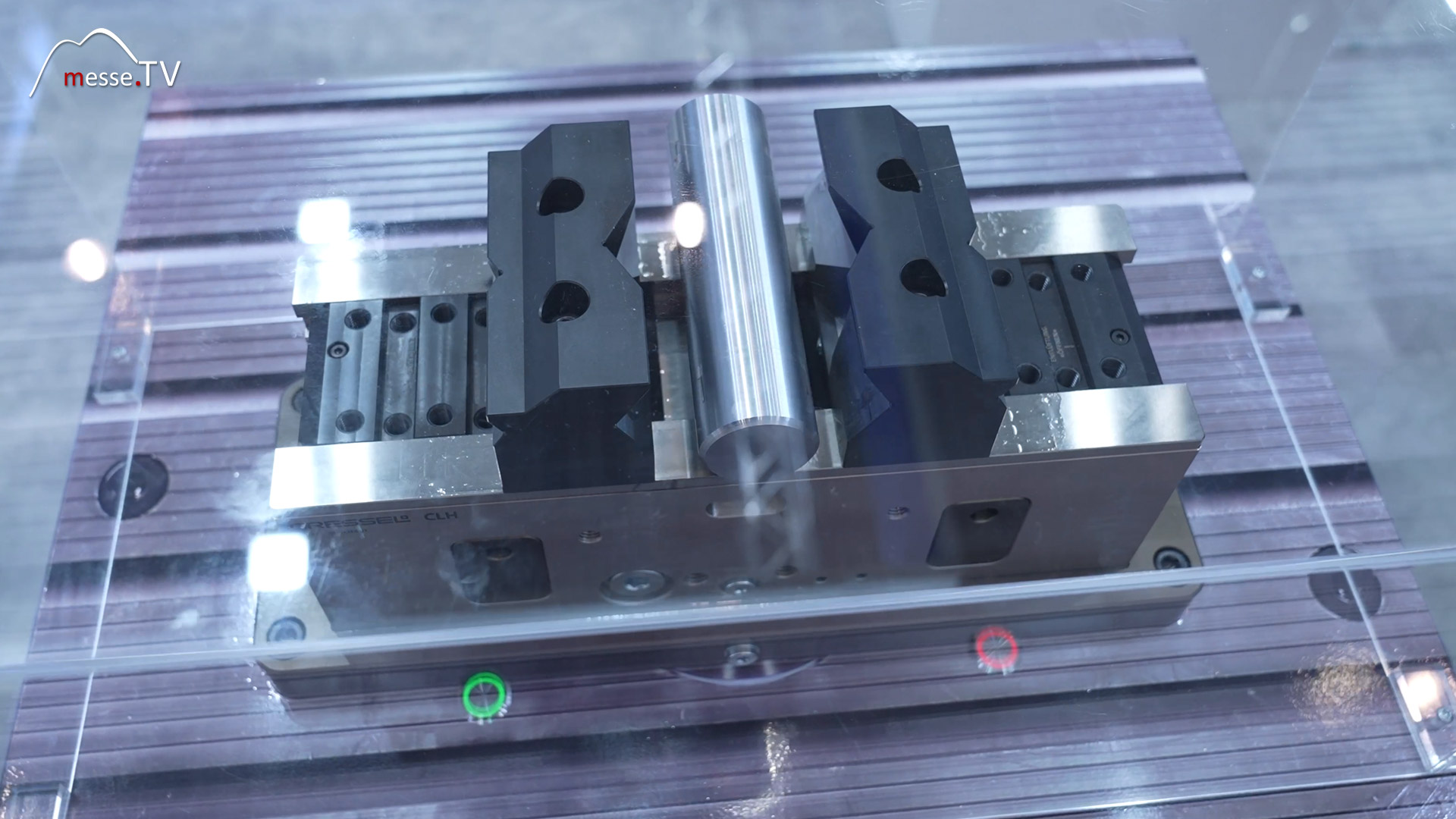

Gressel Grosshubspanner für flexible Bauteile
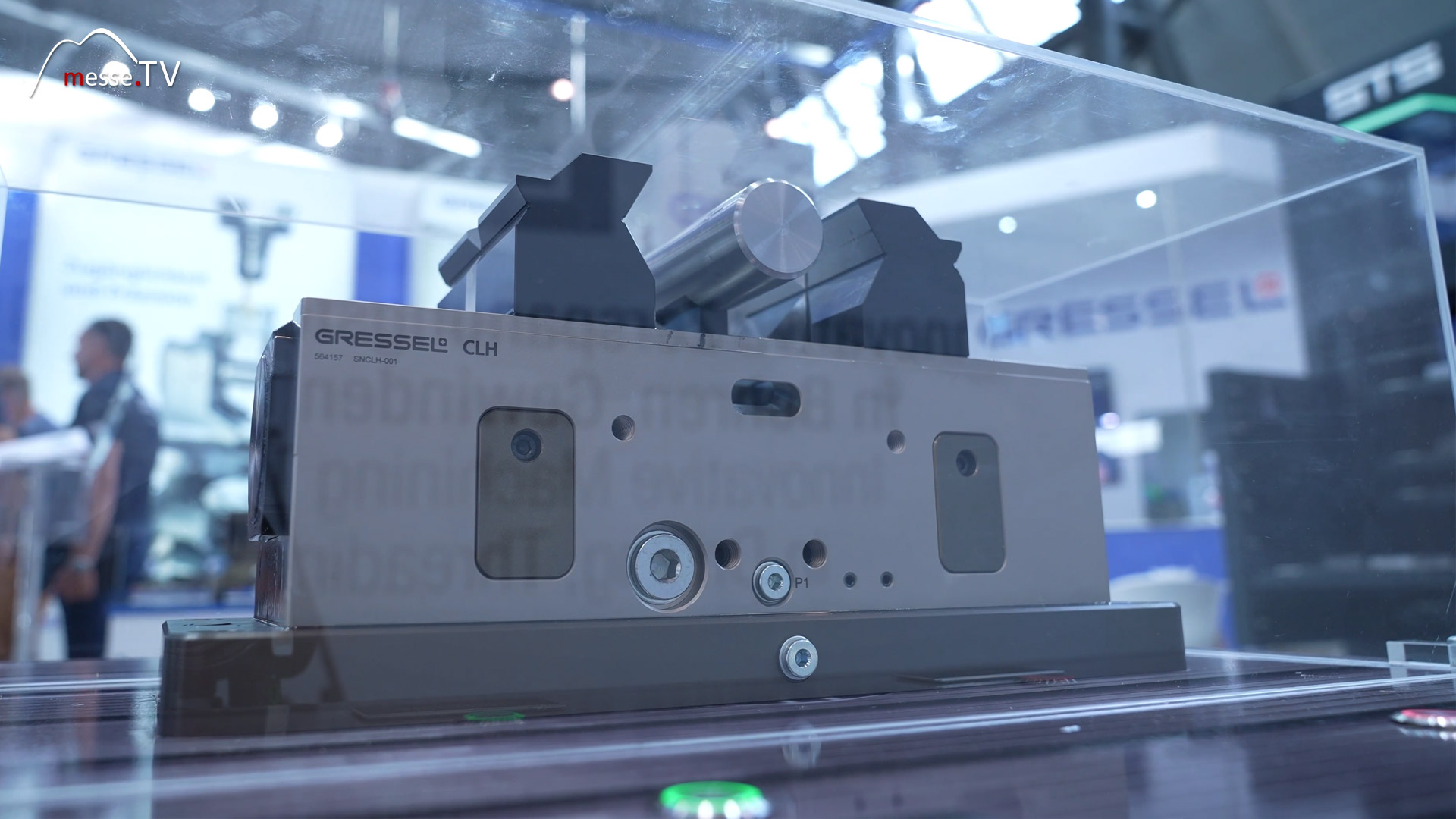
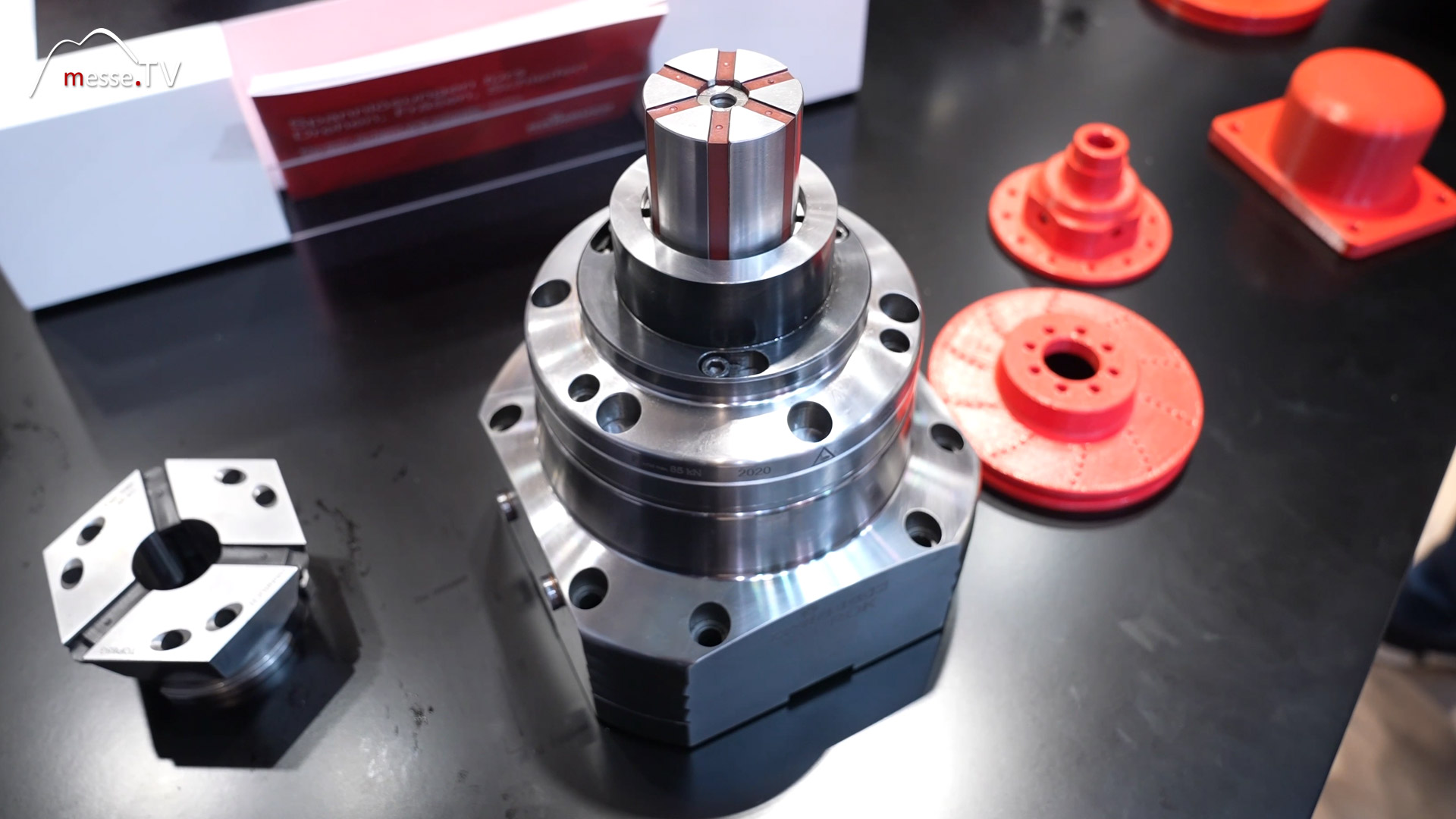
Gressel zeigt dafür einen neuen hydraulischen Grosshubspanner, der besonders auf automatisierte Fertigungsprozesse ausgelegt ist. Bei 230 Bar erreicht das System eine Summenspannkraft von 80 Kilonewton und einen Hub von 110 Millimetern. Diese Kombination ist vor allem dann relevant, wenn unterschiedliche Bauteile mit einem Spannmittel abgedeckt werden sollen. Der große Hub ermöglicht es, mehrere Werkstückgrößen innerhalb eines Spannbereichs aufzunehmen. Gleichzeitig sorgt die Bauhöhe für gute Zugänglichkeit auf 5-Achsmaschinen. In der Metallzerspanung ist das ein wesentlicher Punkt, weil Werkstücke möglichst frei bearbeitet werden müssen, ohne dass Spannmittel den Werkzeugweg unnötig einschränken. Eingesetzt werden kann der Spanner in unterschiedlichen Bereichen – von der Automobilbranche über Lohnfertiger bis hin zur Serienfertigung. Entscheidend ist die Fähigkeit, wechselnde Bauteile zuverlässig zu positionieren.
Wegmesssensor statt Steuerung über Ölmenge
Ein technisches Detail ist der integrierte Wegmesssensor. Er ermöglicht es, die Backenposition exakt zu erfassen und über Software vorzubelegen. Damit unterscheidet sich das System von Lösungen, die über die Durchflussmenge des Hydrauliköls arbeiten. Für automatisierte Prozesse ist diese Genauigkeit wichtig. Die Anlage muss wissen, wo sich die Spannbacken befinden und welches Bauteil gespannt wird. Nur so lassen sich unterschiedliche Werkstücke ohne manuelle Eingriffe sicher verarbeiten.
Elektrospanner mit 120 Millimeter Hub
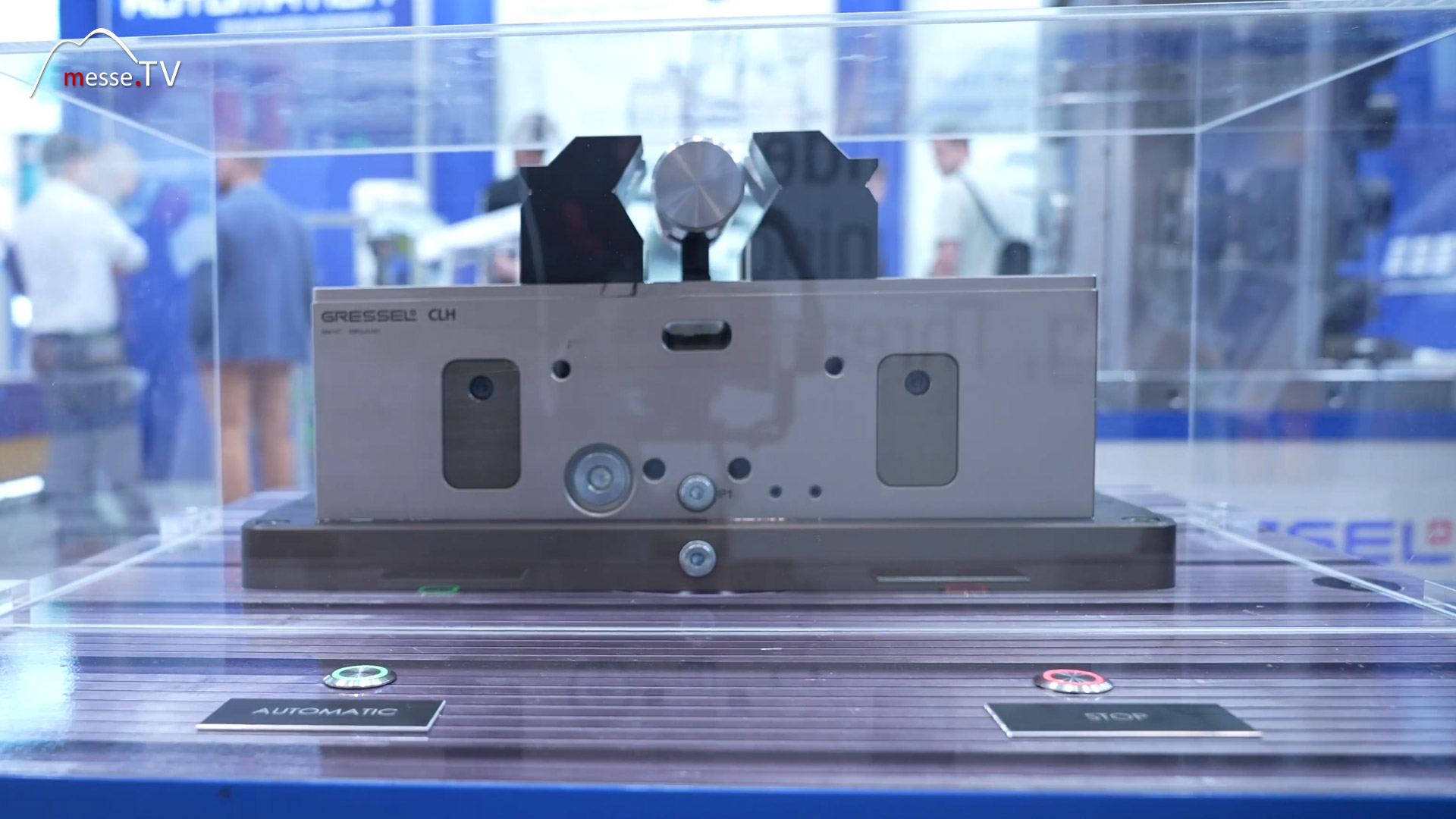
Neben dem hydraulischen Grosshubspanner stellt Gressel auch einen Elektrospanner vor. Dieser arbeitet vollständig elektrisch, erreicht einen Hub von 120 Millimetern und kommt ebenfalls auf 80 Kilonewton Summenspannkraft. Die Spannkraft verteilt sich dabei auf 40 Kilonewton pro Seite. Der Aufbau ist modular gedacht. Durch den Wechsel der Spindel können unterschiedliche Längen realisiert werden, während der Hub erhalten bleibt. Motor und Elektronik sind in den Schlitten integriert, die Stromversorgung erfolgt von unten. Damit richtet sich der Elektrospanner besonders an Anwendungen, bei denen elektrische Ansteuerung und flexible Integration gefragt sind.
R-C2 Modul für Roboter und mechanischen Schraubstock
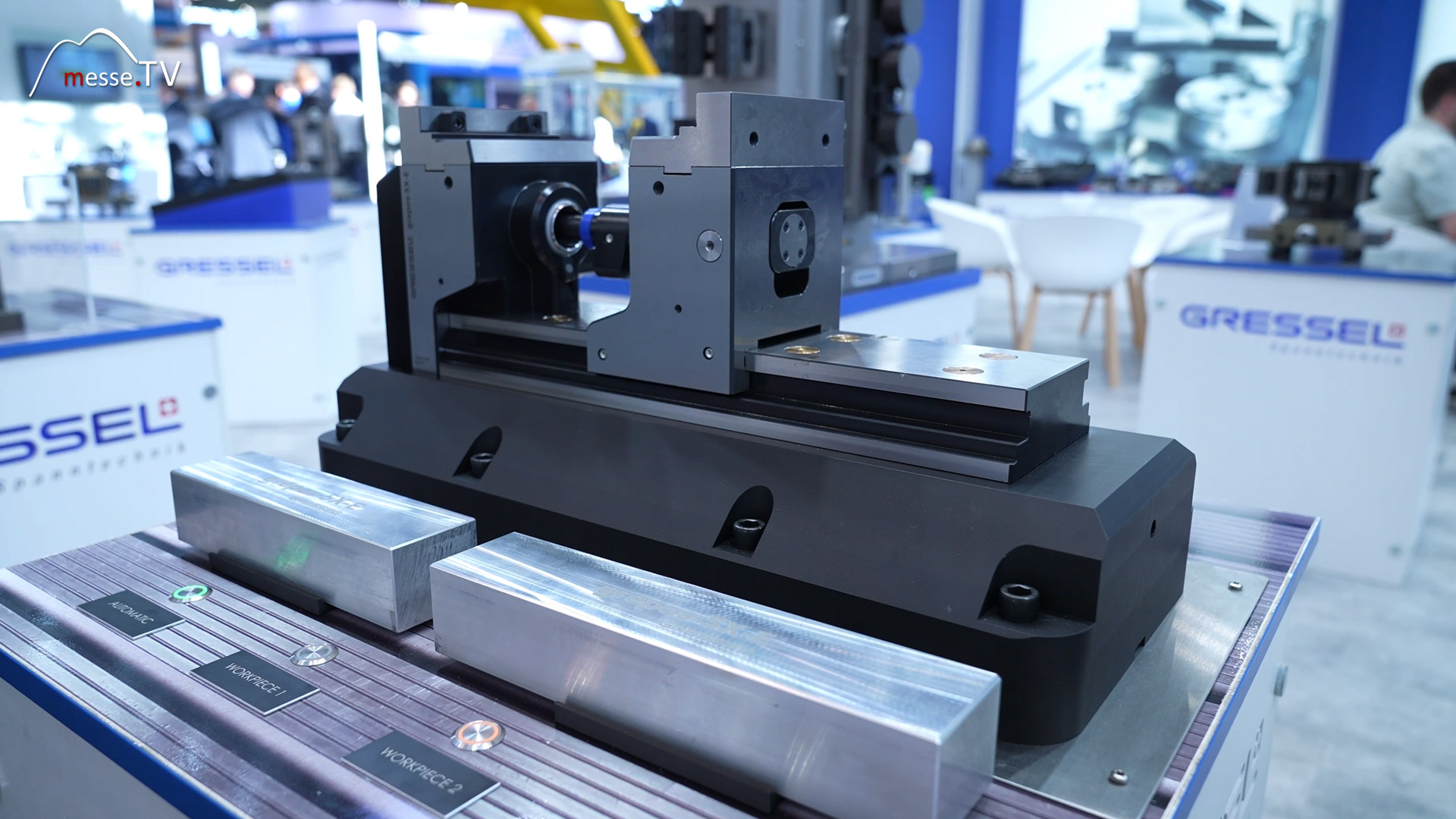
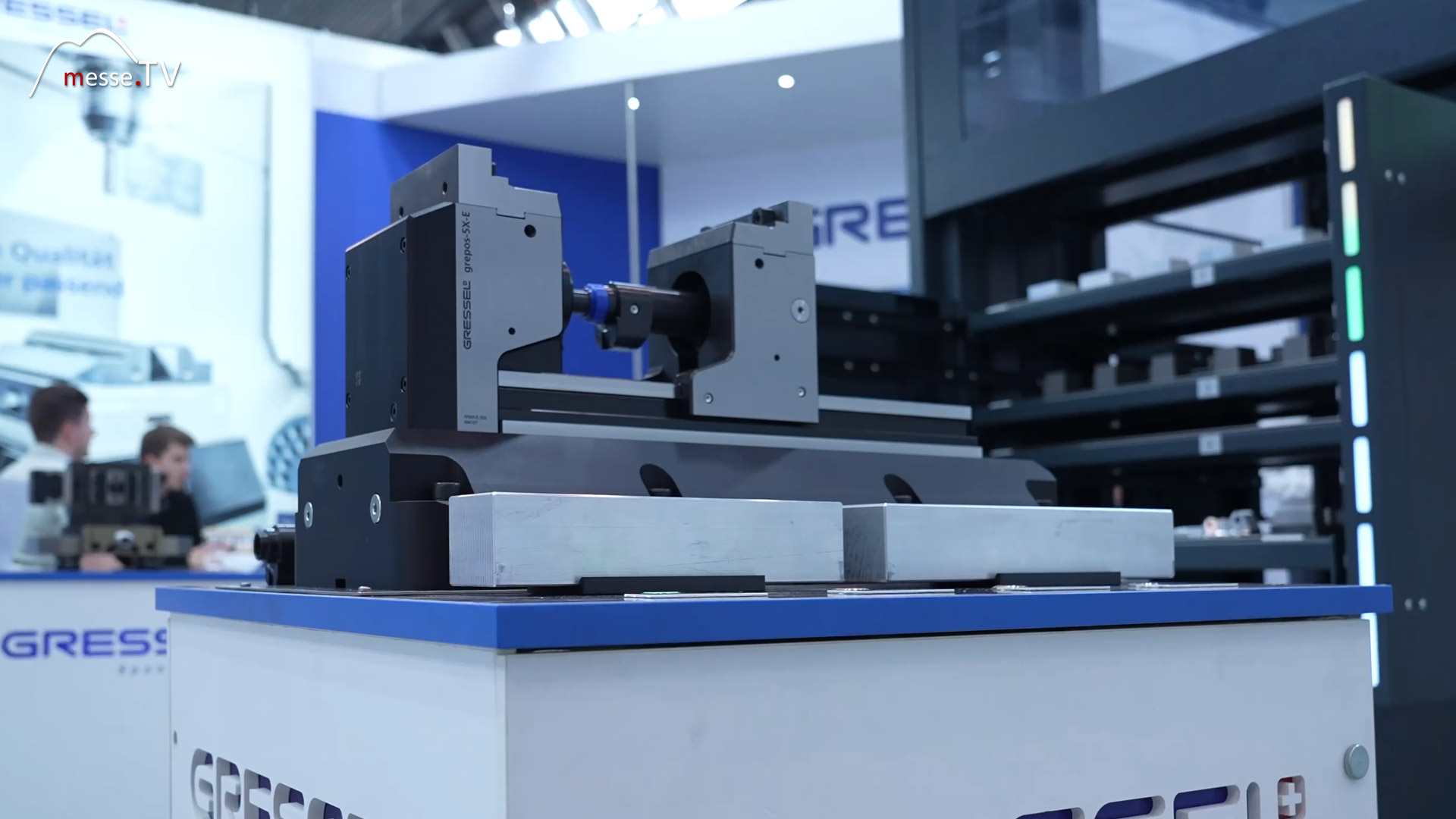
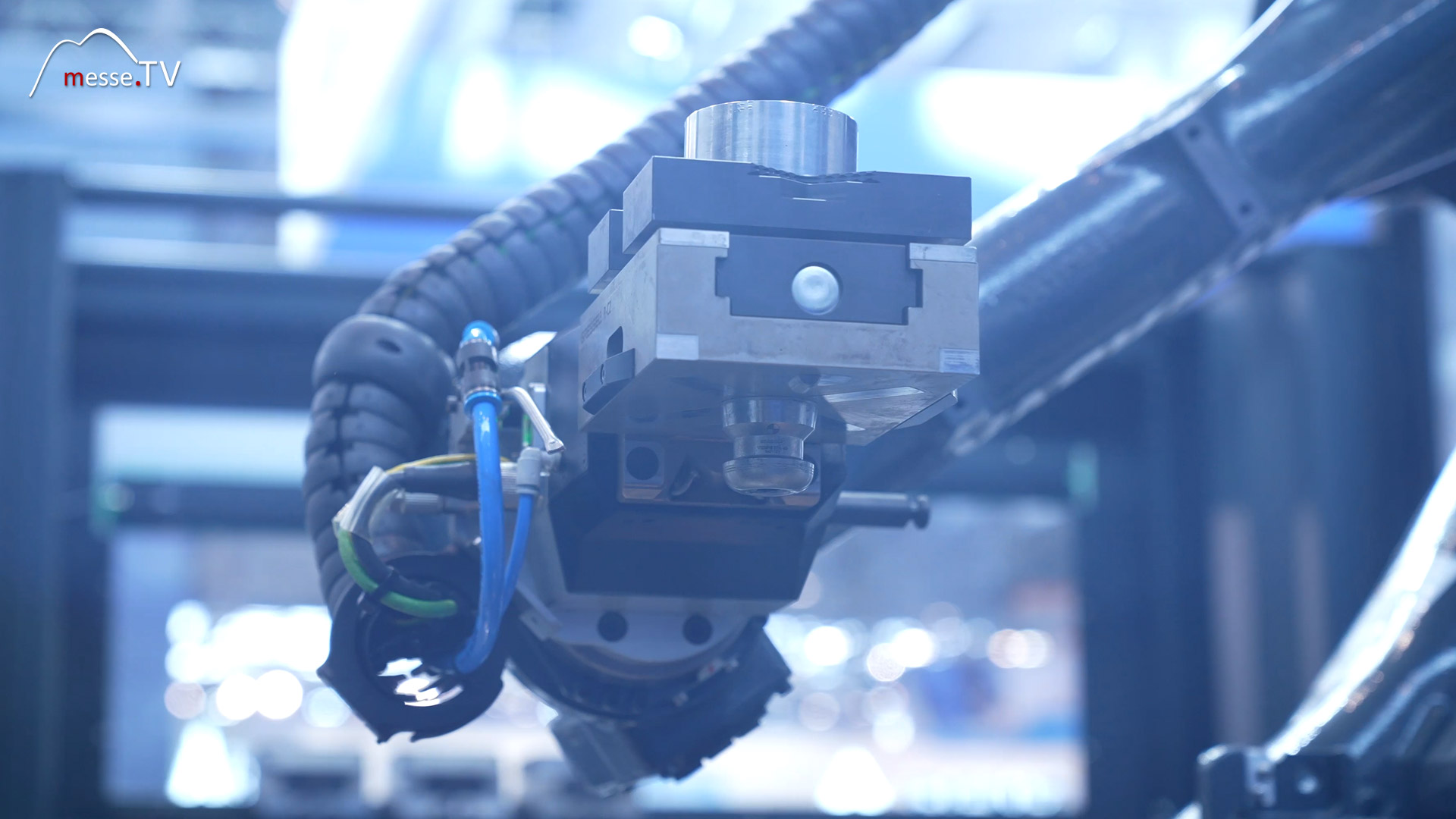
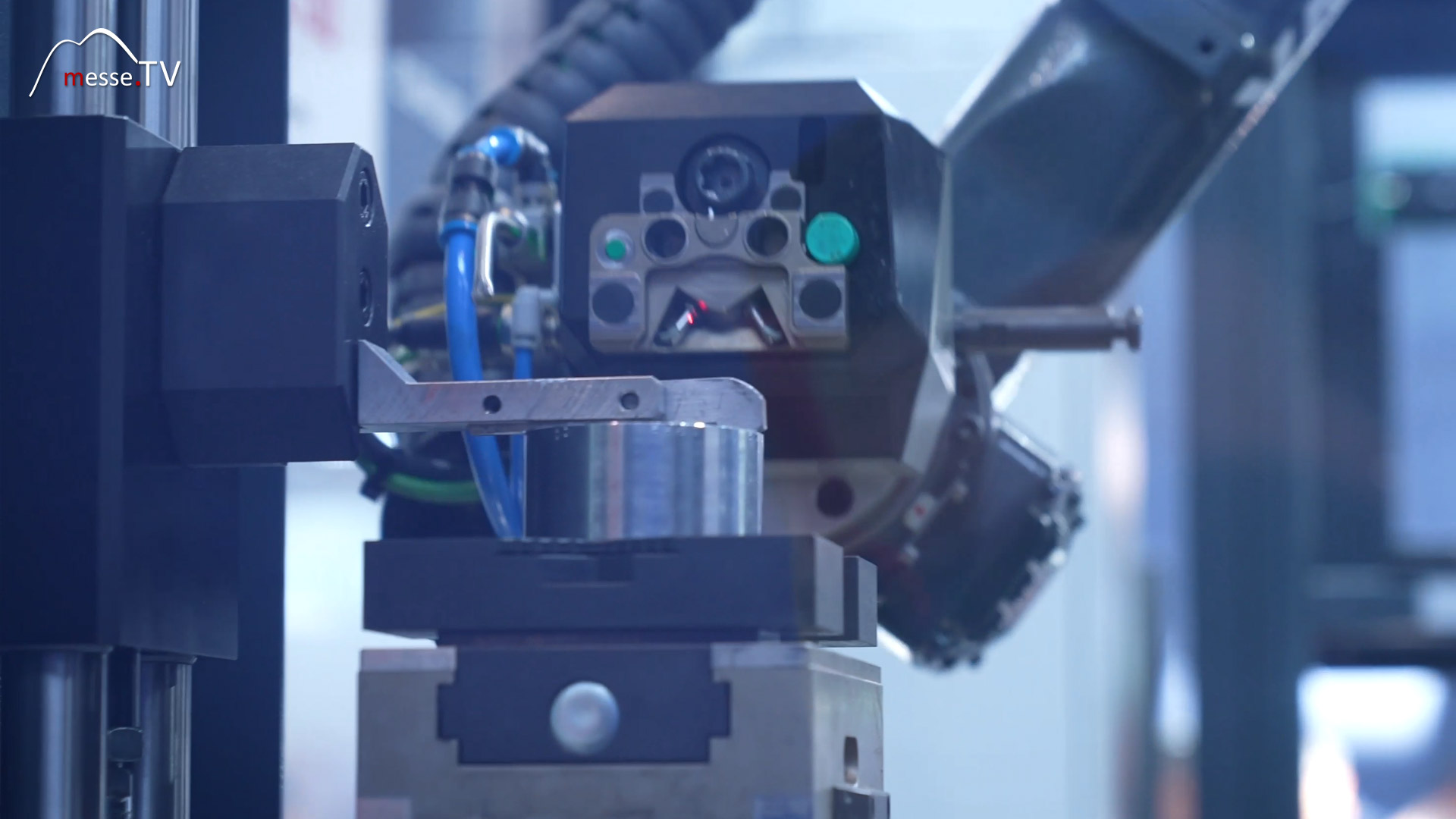
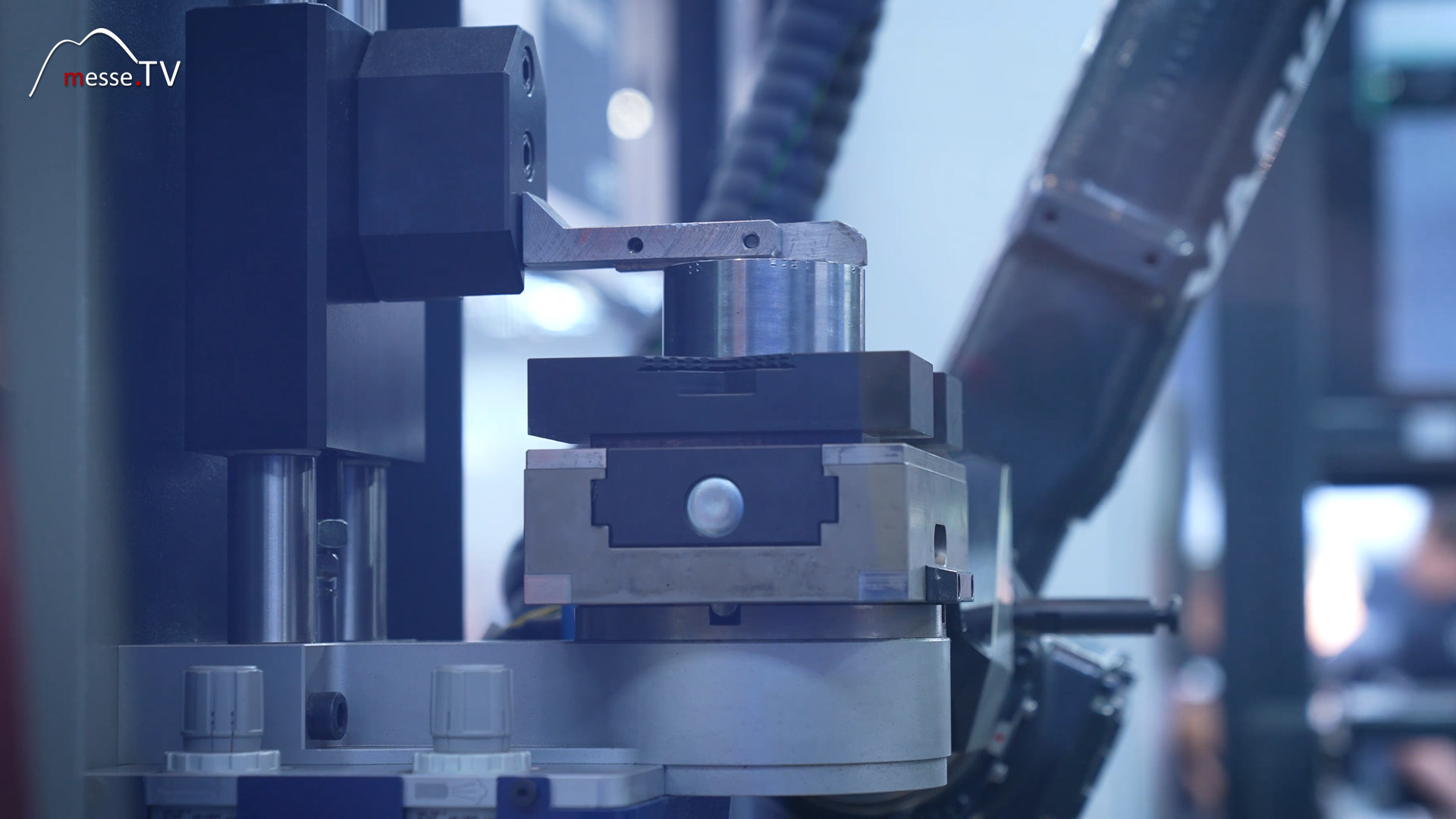
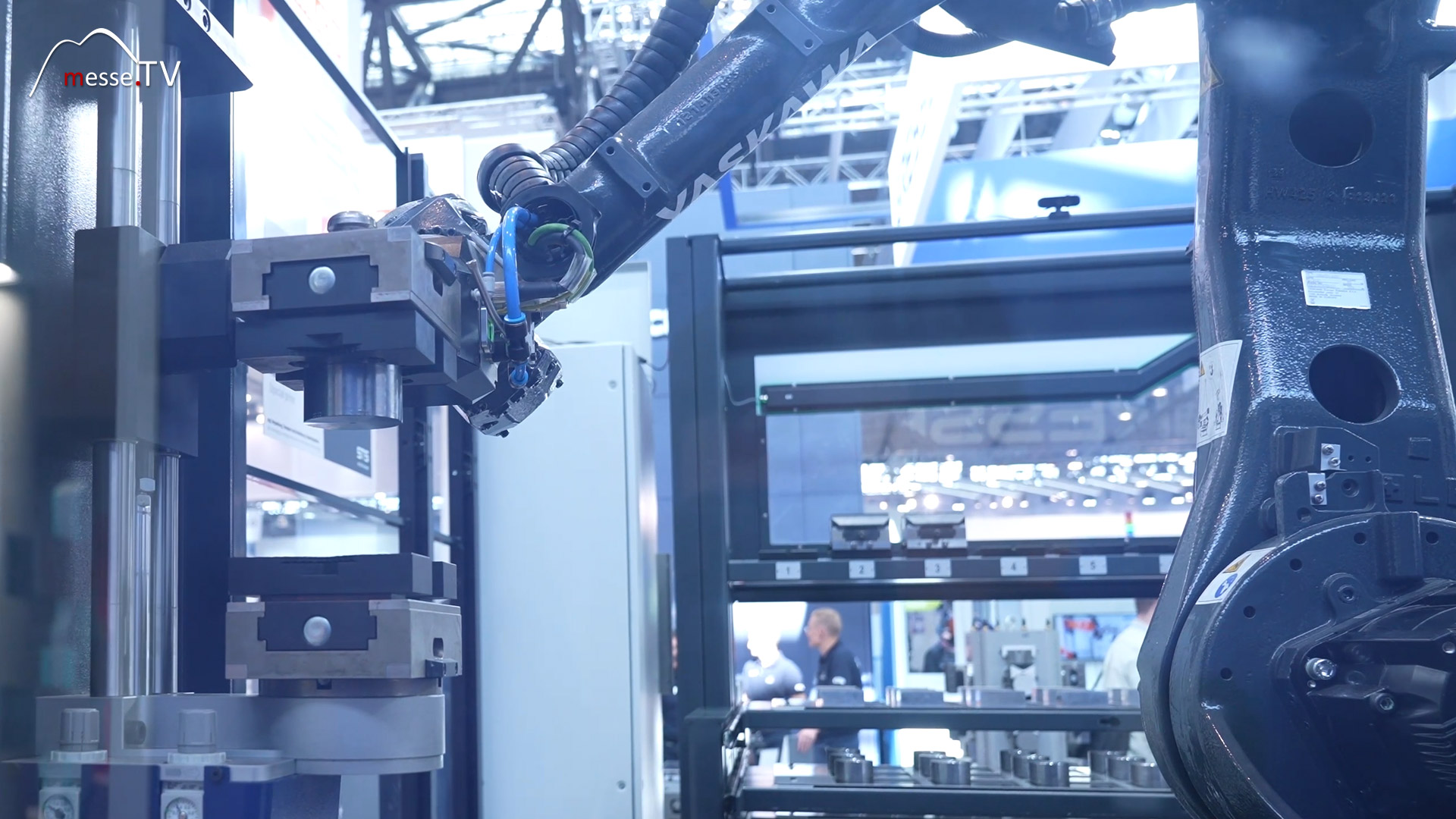
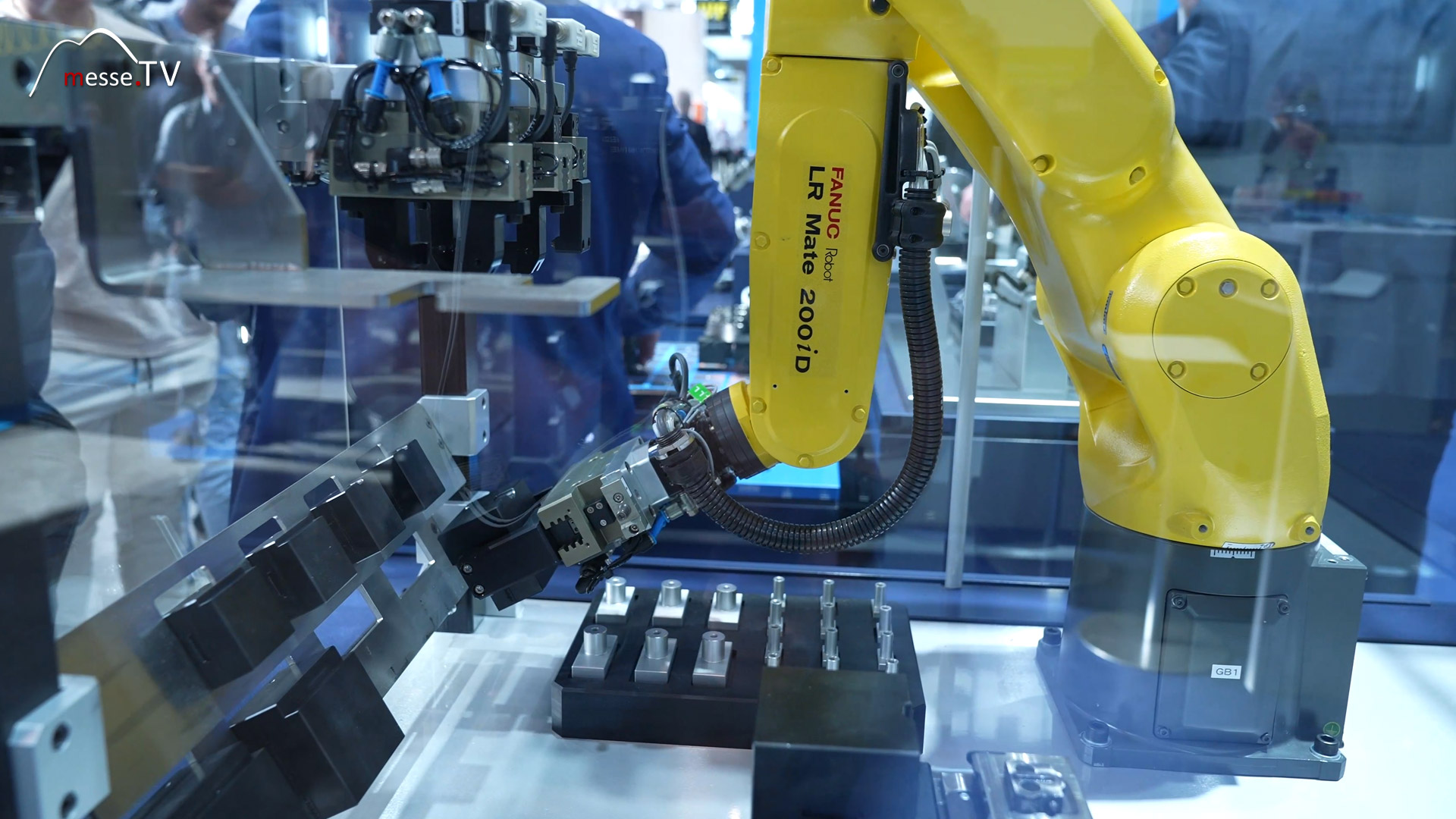
Ein weiterer Schwerpunkt liegt auf der automatisierten Werkstückhandhabung. Das R-C2 Modul wird am Roboter eingesetzt und steuert einen mechanischen Schraubstock. Der Schraubstock übernimmt dabei mehrere Aufgaben gleichzeitig: Er greift das Werkstück, spannt es und dient zugleich als Palette. Der Ablauf ist auf mannarmen Betrieb ausgelegt. Das Bauteil wird an einer Übergabestation aufgenommen, in die Maschine auf ein Nullpunkt-System eingesetzt und dort bearbeitet. Nach der Bearbeitung von fünf Seiten wird es an einen zweiten Schraubstock übergeben, erneut in die Maschine gebracht und fertiggestellt. Die zentralen Vorteile liegen in der Prozesskette:
- Werkstückaufnahme direkt aus der Ablage
- Greifen und Spannen mit demselben Schraubstock
- Bearbeitung mehrerer Seiten ohne manuelles Umspannen
- Einsatz für Kleinserien und wiederkehrende Einzelteile
- mannarmer Betrieb über längere Laufzeiten

Automation bei Fachkräftemangel und kleinen Losgrößen
Die Bedeutung solcher Lösungen ergibt sich aus der Entwicklung in der Fertigung. Viele Betriebe arbeiten nicht mehr mit langen, gleichförmigen Serien. Stattdessen müssen verschiedene Teile in kleinen Mengen gefertigt werden. Gleichzeitig fehlen Fachkräfte, die einfache Einlege- und Umspannarbeiten übernehmen könnten. Mit automatisierter Spanntechnik kann eine Anlage nachts mehrere unterschiedliche Bauteile bearbeiten, während tagsüber Einzelteile oder anspruchsvollere Aufgaben auf derselben Maschine laufen. Der Facharbeiter wird damit nicht ersetzt, sondern von Routinetätigkeiten entlastet.
Reinigung als Teil des automatisierten Prozesses
Ein oft unterschätzter Punkt ist die Reinigung. Späne und Kühlmittel müssen möglichst in der Maschine bleiben. Deshalb sollte das Werkstück bereits innerhalb des Bearbeitungsraums gereinigt werden – etwa mit Blasdüsen, Propellerlösungen, Luftvorhang oder zusätzlicher Blasbox.
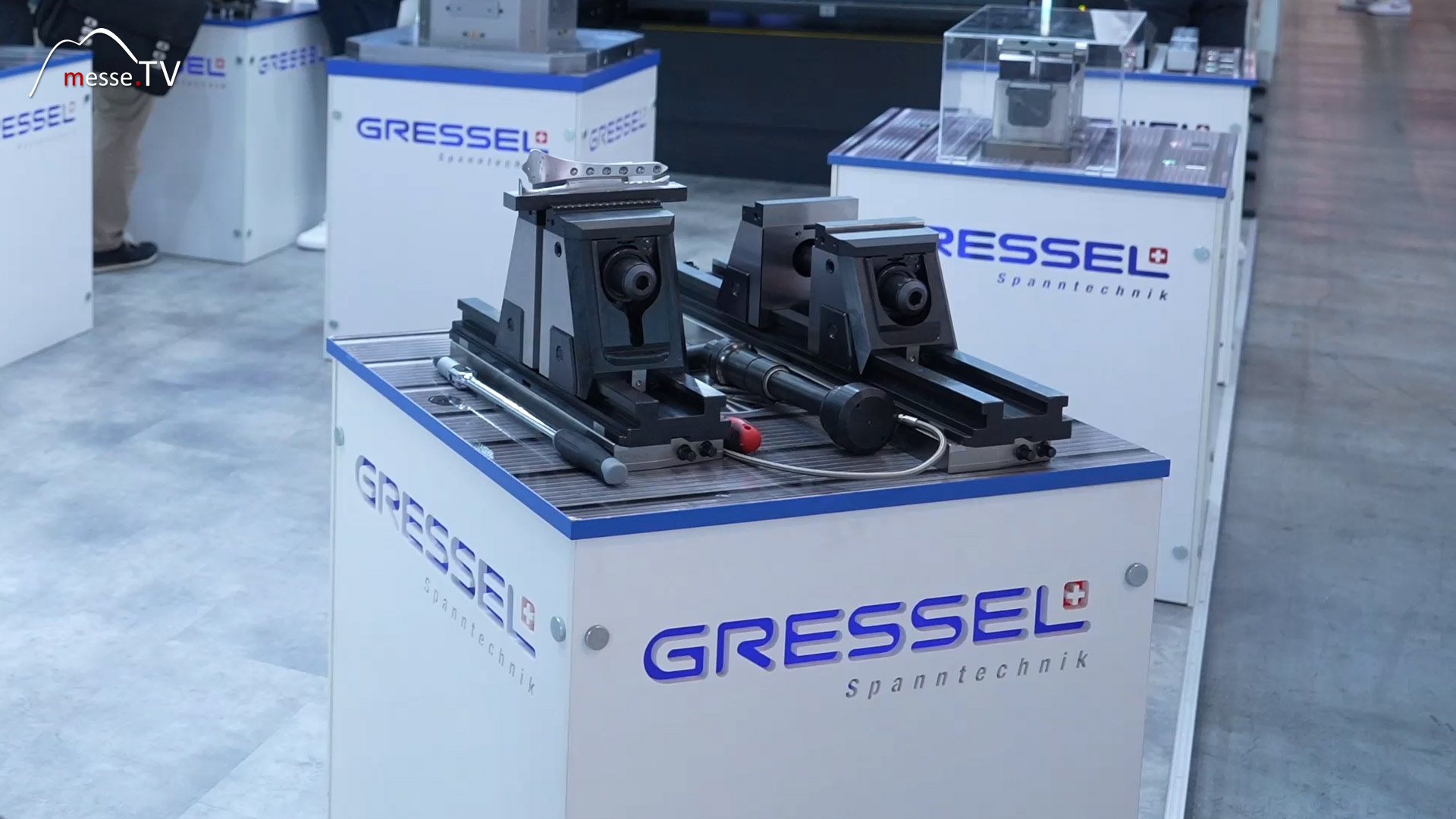
Für Gressel ist dieser Schritt Teil der Automation. Nur wenn Werkstücke sauber übergeben werden, bleibt der Prozess stabil. Spanntechnik, Roboterhandling und Reinigung gehören deshalb zusammen, wenn automatisierte Zerspanung zuverlässig funktionieren soll.
Messe-Berichterstattung bundesweit - Messewissen, Termine & Veranstaltungen


