Aktives Schulter Exoskelett für Montage und Überkopf Arbeiten
von Andreas Bergmeier - 2024-09-17Die körperliche Belastung bei manuellen Tätigkeiten ist in vielen Industriebereichen nach wie vor ein zentrales Thema. Besonders Arbeiten über Kopf oder in erhöhter Armposition führen zu dauerhafter Beanspruchung der Schultermuskulatur.
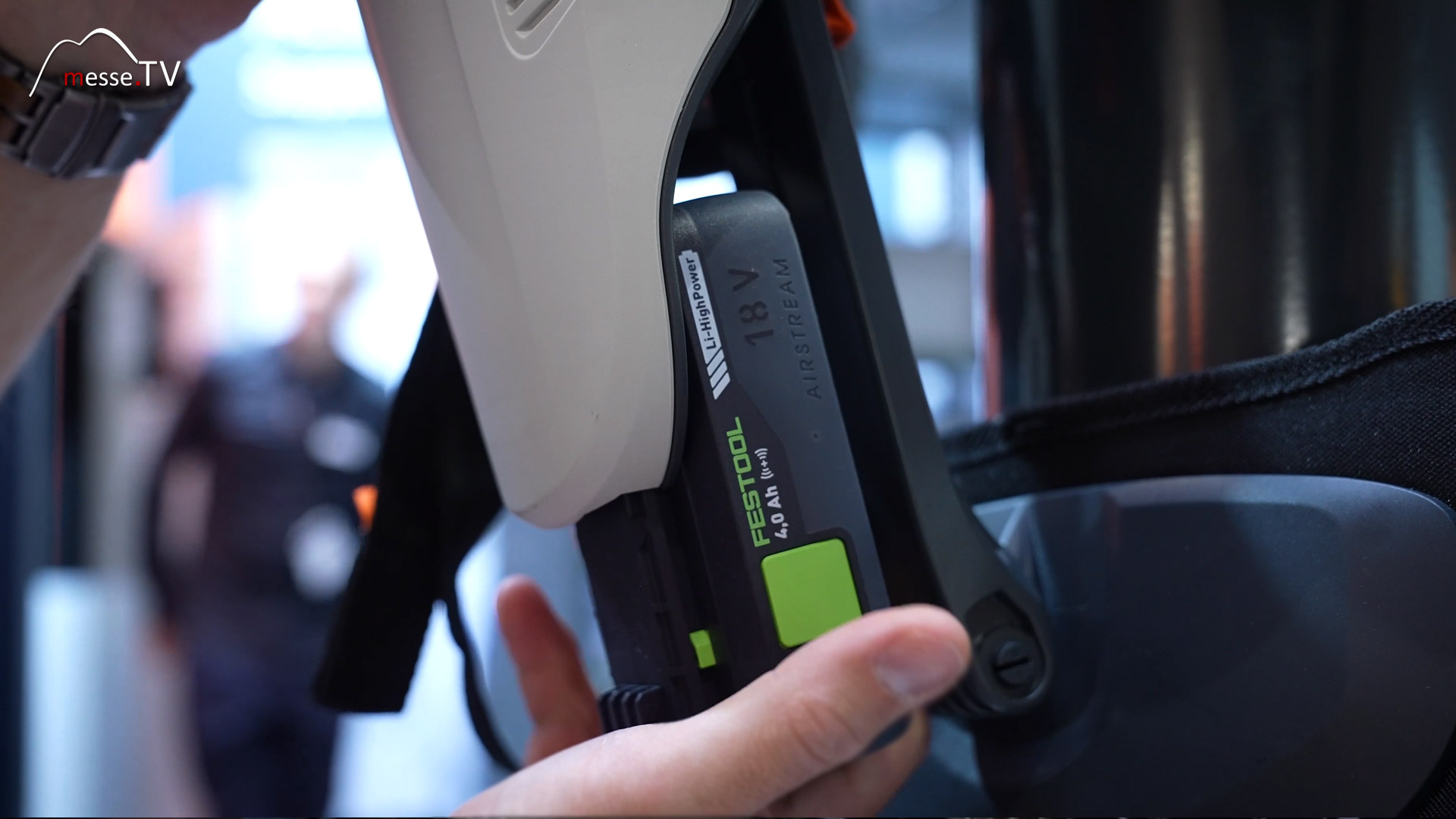
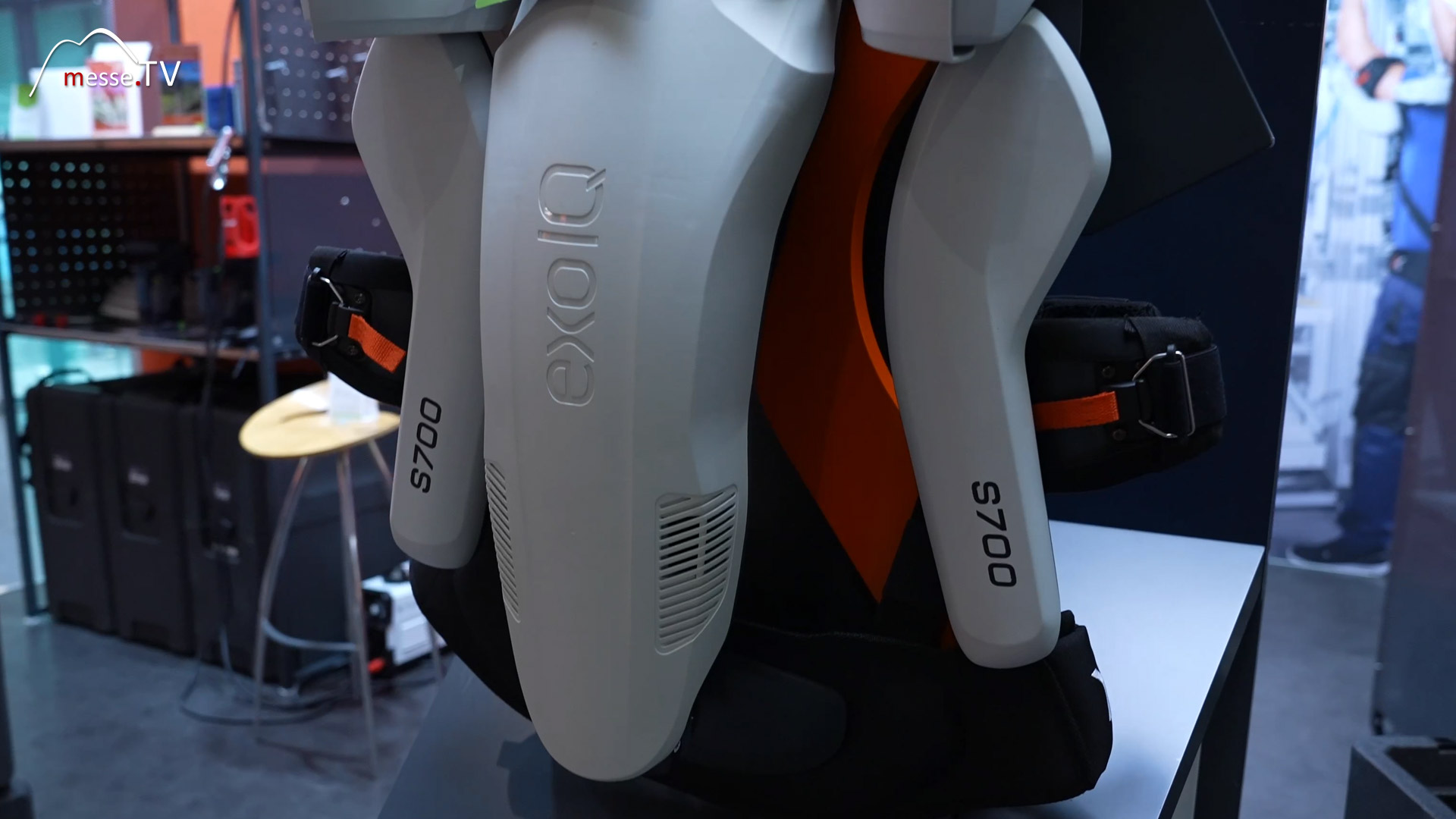
Mit einem aktiven Schulter Exoskelett zeigt exoIQ einen Ansatz, der genau hier ansetzt: mechanische Unterstützung durch ein tragbares System, das Bewegungen erkennt und gezielt entlastet. Im Unterschied zu passiven Lösungen arbeitet dieses System mit einem integrierten Antrieb. Ein Akku versorgt die Einheit, wodurch aktiv Kraft aufgebracht werden kann. Ziel ist es, nicht nur punktuell zu unterstützen, sondern die Belastung im Arbeitsalltag spürbar zu reduzieren.
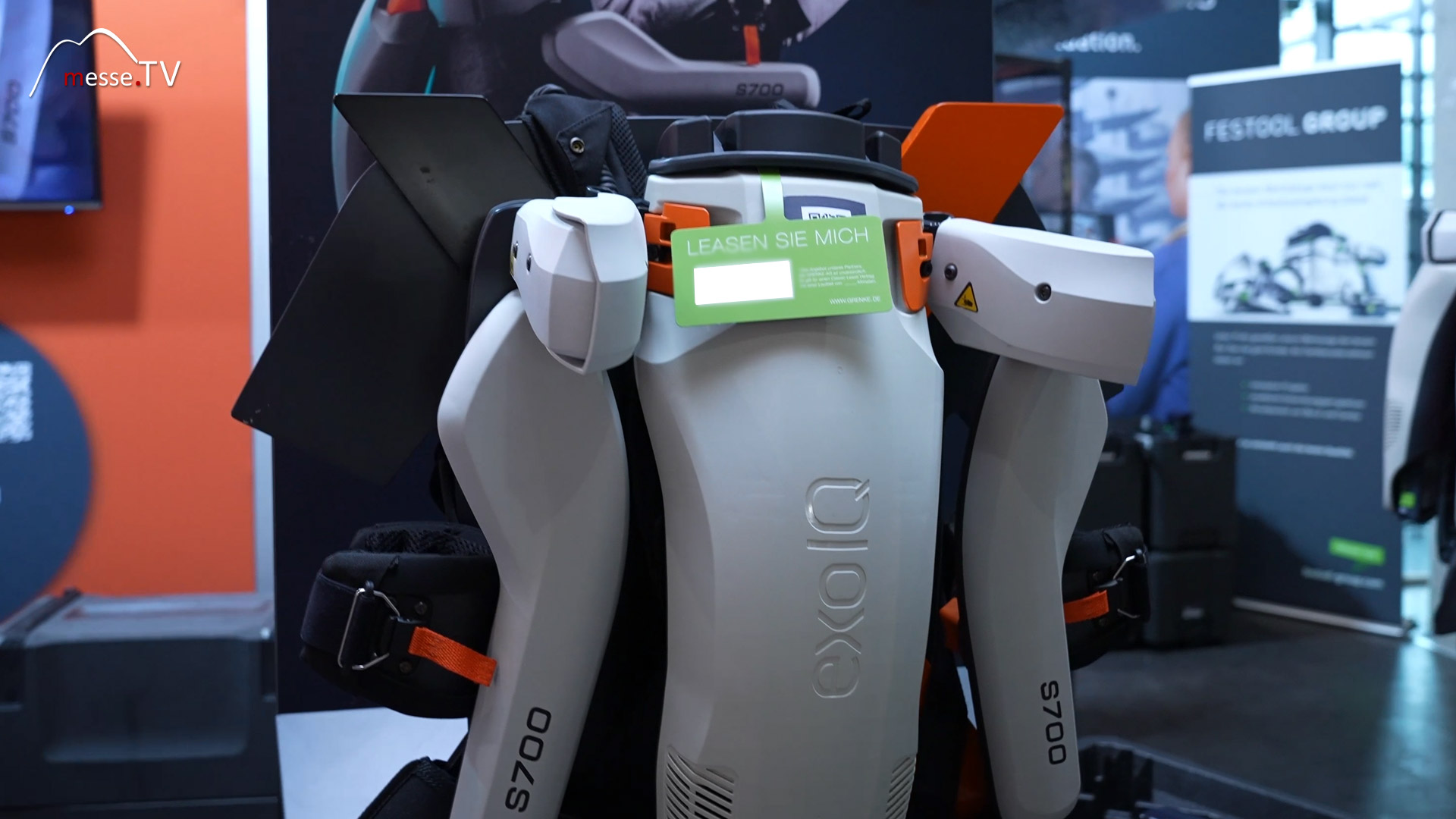
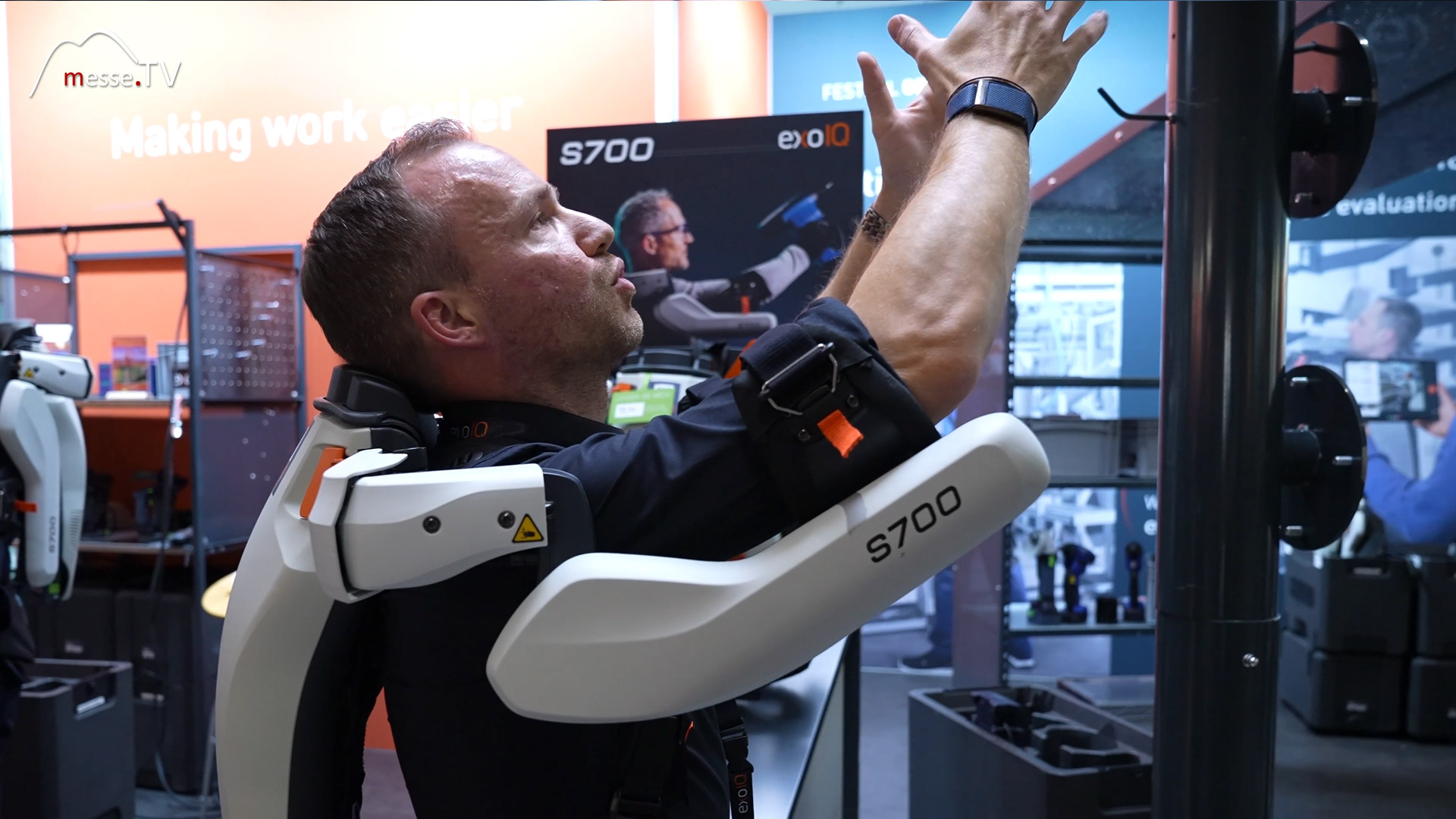
exoIQ Schulter Exoskelett unterstützt gezielt bei Überkopf Arbeiten
Das Grundprinzip ist klar definiert: Das Exoskelett entlastet die Schultern, indem es das Gewicht der Arme teilweise übernimmt. Gerade bei Tätigkeiten, bei denen Arme über längere Zeit angehoben werden, entsteht eine gleichmäßige Dauerbelastung im Muskel- und Gelenkbereich. Hier setzt das System an und reduziert diese Belastung aktiv. Die Unterstützung erfolgt nicht statisch, sondern dynamisch. Sensorik erfasst Bewegungen und steuert die Kraftzufuhr entsprechend. Dadurch entsteht kein starres System, sondern eine Art Assistenz, die sich an den Nutzer anpasst. Typische Einsatzbereiche lassen sich klar benennen:
- Schweißarbeiten mit längeren Nahtführungen
- Montageprozesse vor dem Körper oder über Kopf
- Instandhaltung und Wartung an Maschinen
- Fertigung mit wiederkehrenden Bewegungsabläufen
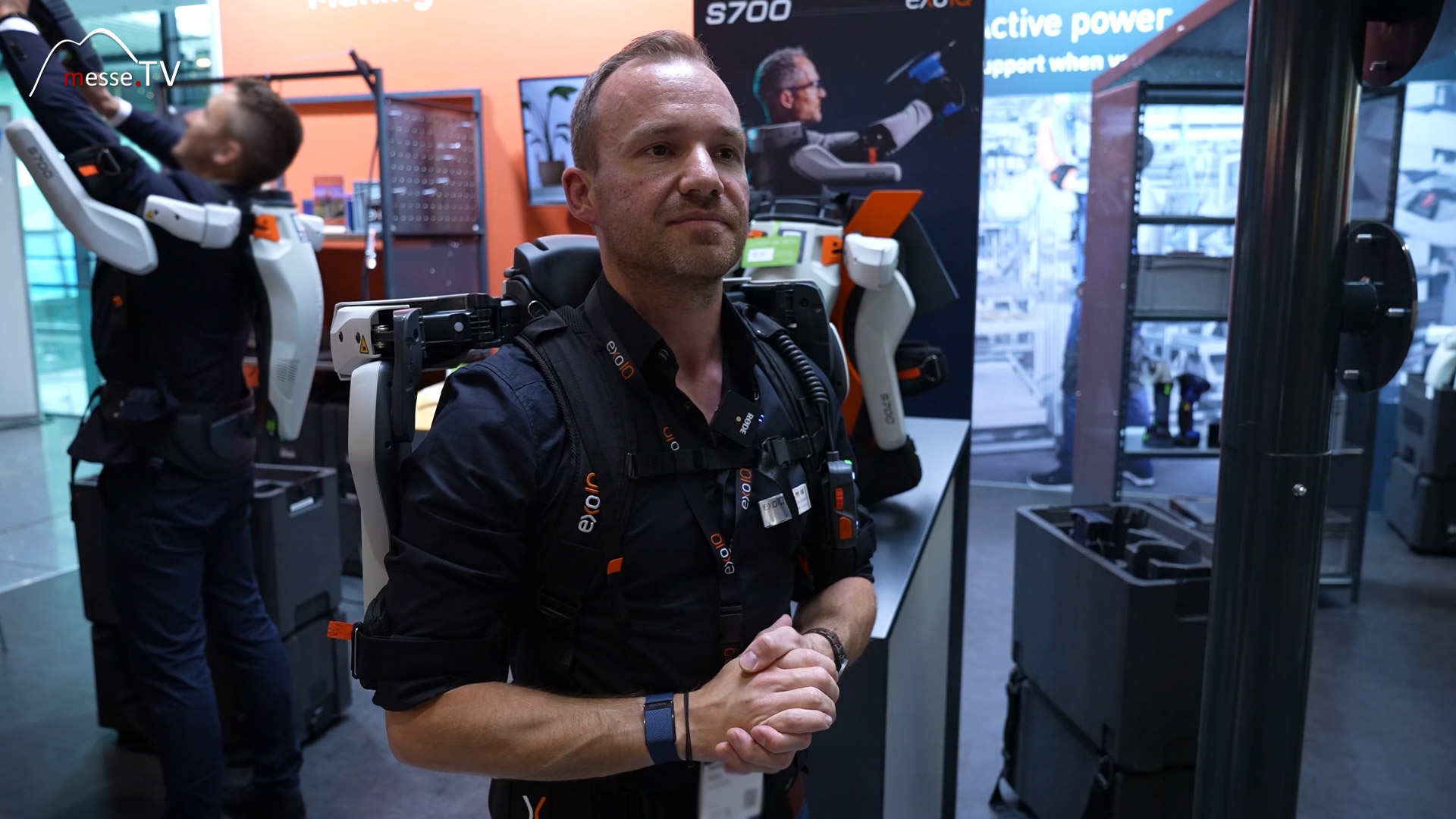
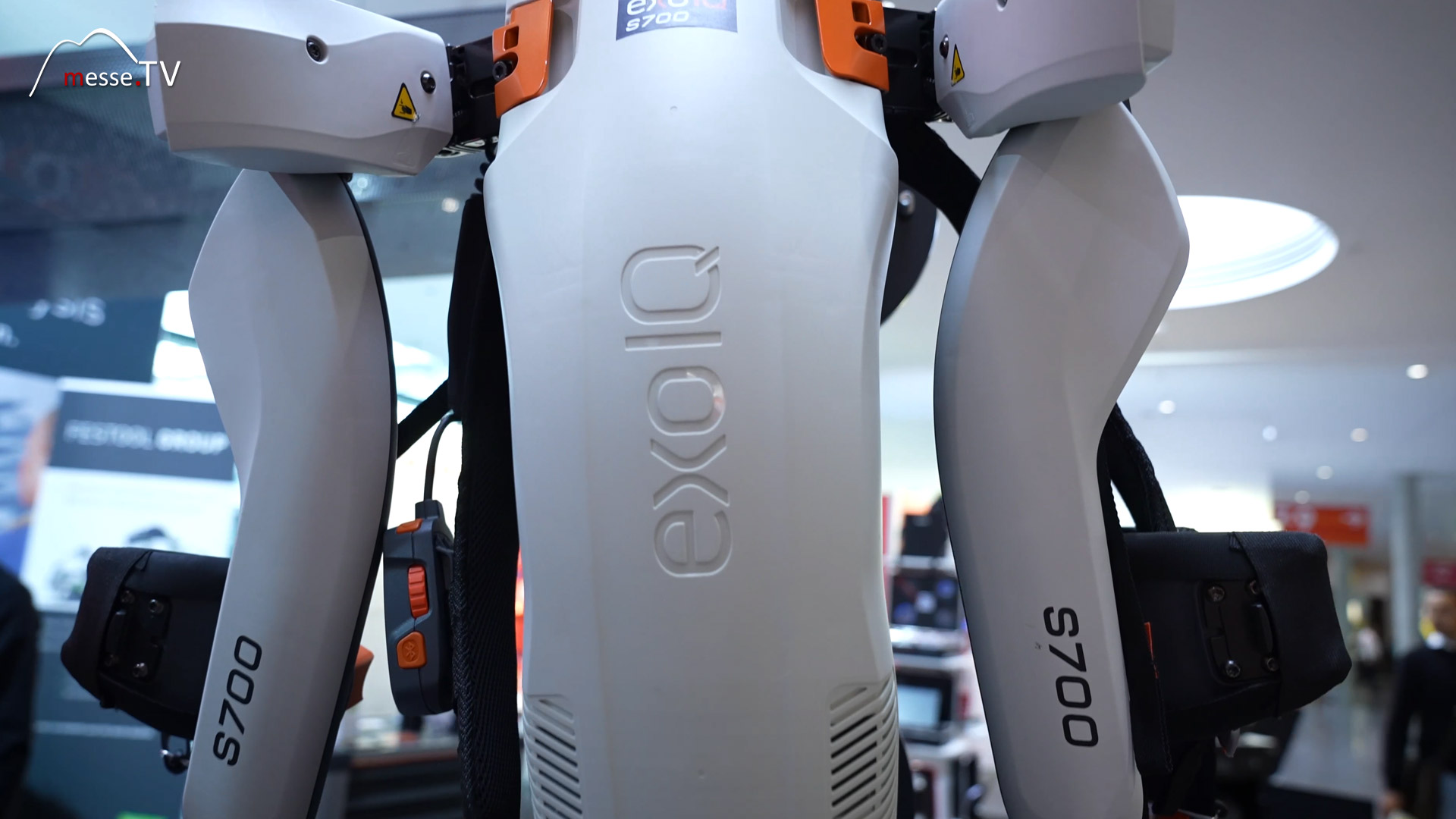
Tragesystem wie Rucksack mit stabiler Gewichtsverteilung
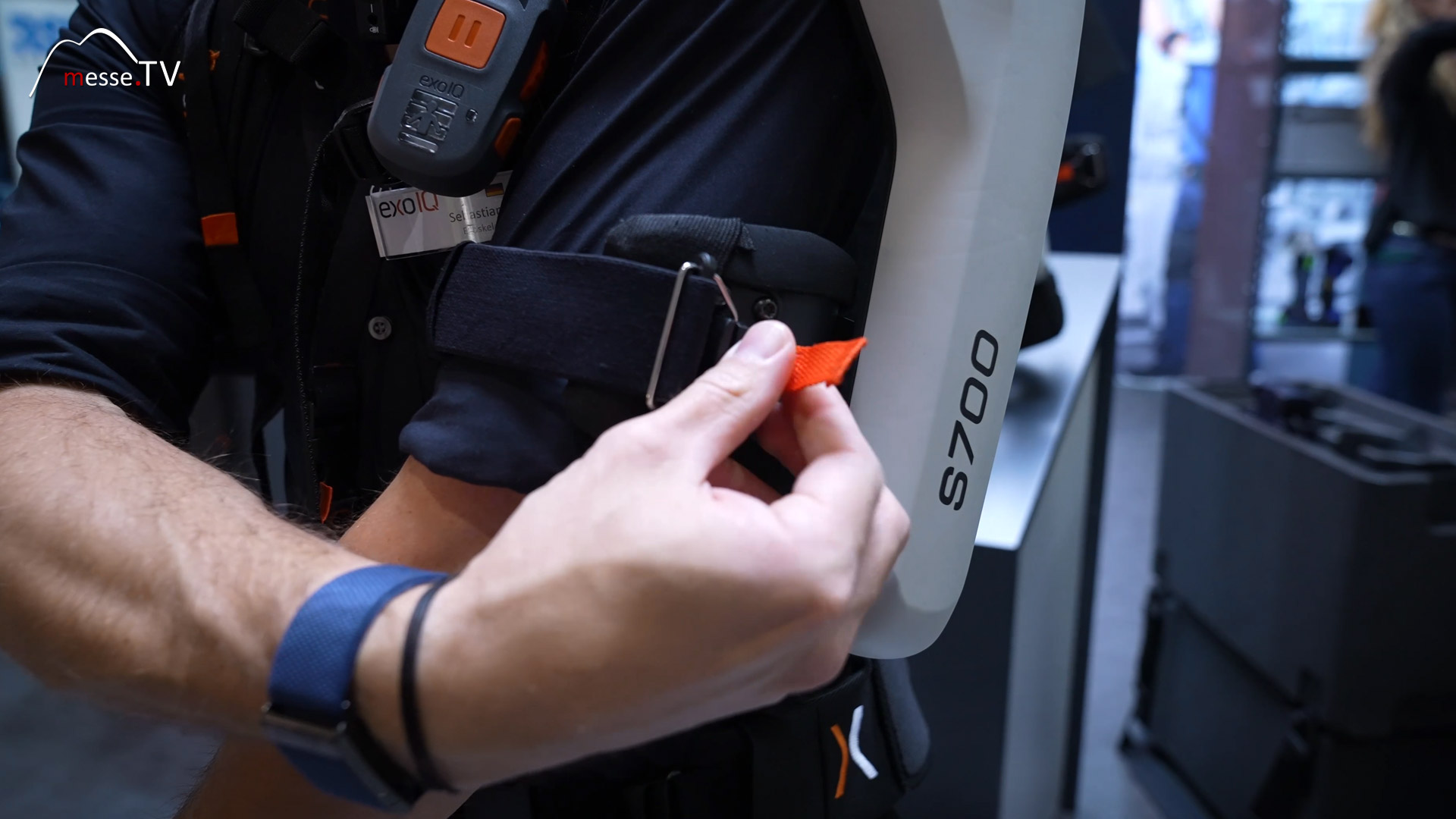
Konstruktiv orientiert sich das System an einem bekannten Prinzip: dem Tragen eines Rucksacks. Das Exoskelett wird auf dem Rücken positioniert und über Schulter-, Brust- und Beckengurte fixiert. Entscheidend ist dabei die Gewichtsverlagerung. Die Last liegt nicht auf den Schultern, sondern wird über das Becken aufgenommen. Dadurch entsteht ein stabiler Sitz, der auch bei längerer Nutzung nicht zu zusätzlicher Belastung führt. Die Einstellung erfolgt individuell, sodass unterschiedliche Körpergrößen und Arbeitspositionen berücksichtigt werden können. Ein zentrales Element ist die Armschale. In diese wird der Oberarm eingelegt und fixiert. Die Bedienung erfolgt seitlich und ist so ausgelegt, dass sie intuitiv genutzt werden kann. Überschüssige Bänder lassen sich verstauen, was auch unter Sicherheitsaspekten relevant ist.
Aktive Unterstützung durch Kompressor und Sensorik
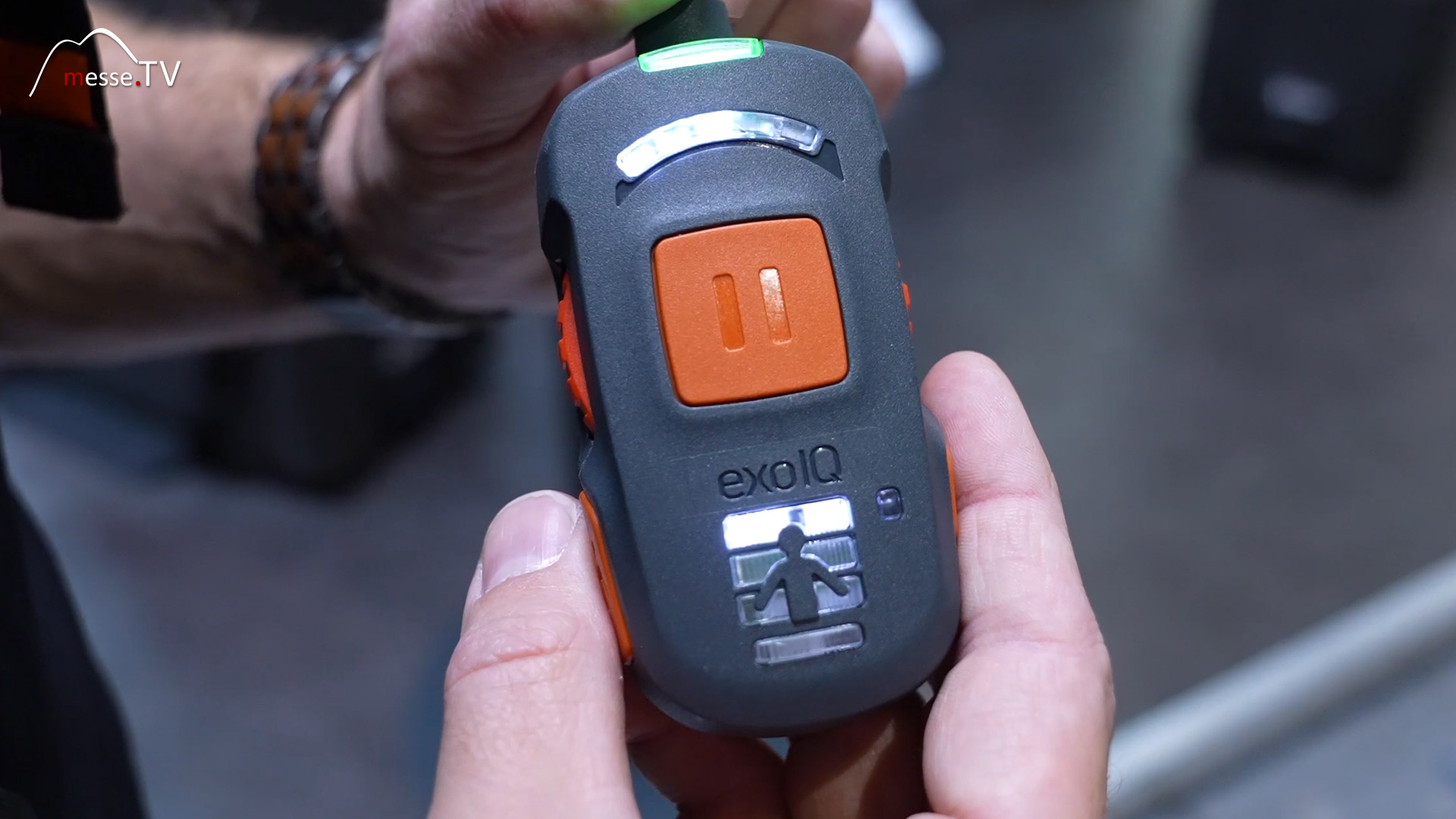
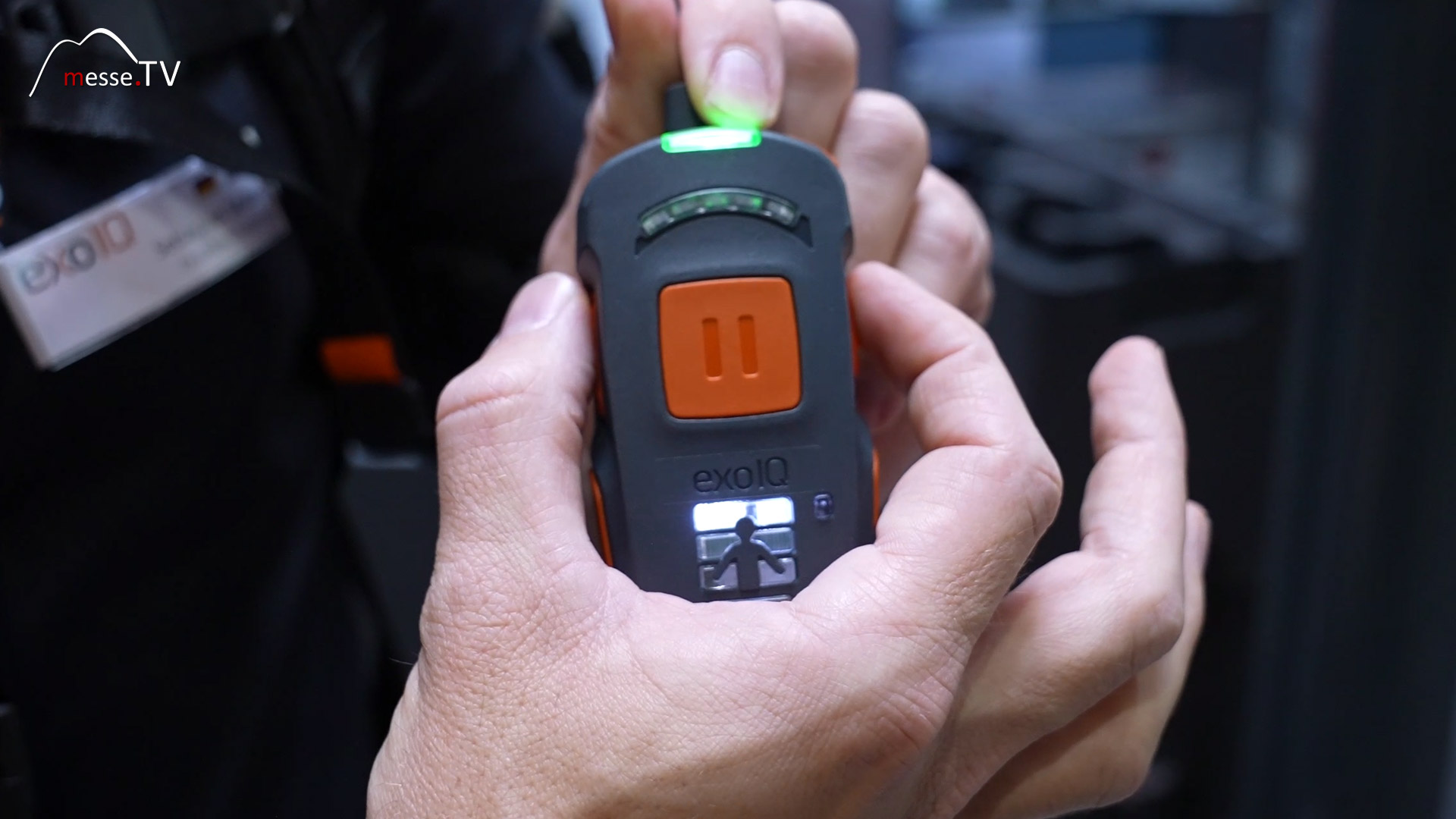
Die eigentliche technische Besonderheit liegt im Antriebssystem. Nach dem Einschalten befindet sich das Gerät zunächst im Standby-Modus. Über ein Bedienelement wird die gewünschte Unterstützung eingestellt. Im Inneren arbeitet ein Kompressor, der Druck aufbaut und zwischenspeichert. Dadurch läuft das System nicht dauerhaft, sondern nur bei Bedarf. Die Steuerung erfolgt über Sensorik, die die Bewegung des Arms erkennt. Sobald eine Bewegung registriert wird, aktiviert sich die Unterstützung automatisch.
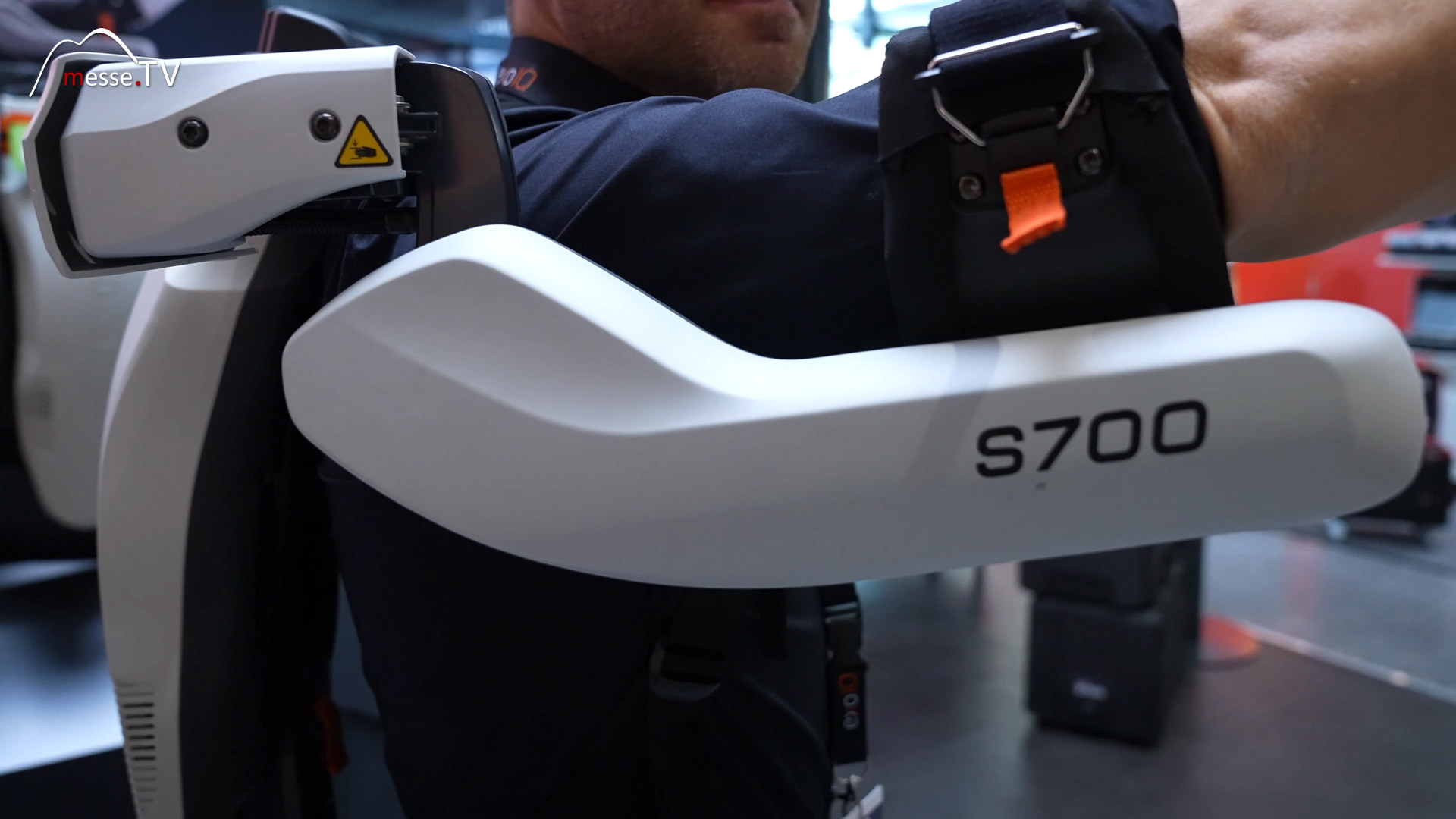
Der Effekt ist unmittelbar spürbar: Das System übernimmt einen Teil der Kraft, die normalerweise vom Nutzer aufgebracht werden müsste. In der Praxis bedeutet das, dass selbst das Eigengewicht des Arms gehalten werden kann. Arbeiten über Kopf lassen sich dadurch deutlich entspannter ausführen. Eine Pausenfunktion ermöglicht es, die Unterstützung temporär vollständig zu deaktivieren. Das ist wichtig für Nebentätigkeiten oder Positionswechsel. Mit einem Knopfdruck wird die Kraft wieder zugeschaltet.

Anpassung an den Nutzer und Gewöhnung im Arbeitsalltag
Der erste Kontakt mit einem solchen System ist ungewohnt. Das liegt weniger am Gewicht als an der aktiven Unterstützung. Das Gerät reagiert auf Bewegungen und erzeugt Kräfte, die der Nutzer zunächst einordnen muss. Mit zunehmender Nutzung stellt sich jedoch eine Gewöhnung ein. Vergleichbar mit neuen Arbeitsschuhen passt sich das Tragegefühl an, und das System wird zunehmend als Unterstützung wahrgenommen, nicht als Fremdkörper. Entscheidend ist dabei die korrekte Einstellung und ein sauberer Sitz am Körper. Das Gesamtgewicht verteilt sich über das Tragesystem und bleibt dadurch im Arbeitsalltag beherrschbar. Auch längere Einsätze sind möglich, ohne dass zusätzliche Ermüdung durch das Gerät selbst entsteht.
Wirtschaftliche Einordnung und Einsatz im industriellen Umfeld
Mit einem Preis von rund 3.500 Euro inklusive Akkus, Trageeinheit und Ladegerät bewegt sich das System in einem Bereich, der für industrielle Anwendungen relevant ist. Die Herstellung in Deutschland unterstreicht den Anspruch an Qualität und Verfügbarkeit. Die wirtschaftliche Bewertung hängt stark vom Einsatzbereich ab. In Branchen mit hoher körperlicher Belastung kann sich die Investition über reduzierte Ausfallzeiten, geringere körperliche Beanspruchung und stabilere Arbeitsleistung relativ schnell amortisieren. Das exoIQ-System zeigt damit, wie sich klassische manuelle Tätigkeiten durch technische Assistenzsysteme verändern. Nicht als Ersatz für den Menschen, sondern als Ergänzung, die Belastungen reduziert und Arbeitsprozesse langfristig stabilisiert.
Messe-Berichterstattung bundesweit - Messewissen, Termine & Veranstaltungen


