Perlenhandel zwischen Tradition, Qualität und modernen Farben
von Franziska Zuber - 2024-02-14Eine Perlenkette gehört zu den wenigen Schmuckstücken, die nahezu jeder sofort erkennt. Das Bild ist klar: weiße Perlen, gleichmäßig gereiht, klassisch und elegant. Doch genau dieses vertraute Bild greift zu kurz.
Auf der Inhorgenta Munich wird deutlich, wie vielschichtig die Welt der Perlen tatsächlich ist. Zwischen seltenen Naturprodukten, modern interpretiertem Schmuck und hochspezialisiertem Handel entsteht ein Markt, der weit komplexer ist als sein zurückhaltendes Erscheinungsbild vermuten lässt. Schoeffel zählt dabei zu den traditionsreichen Namen der Branche. Das Unternehmen existiert seit 1921 und wird inzwischen in vierter Generation geführt. Gerade im Perlenhandel spielt Erfahrung eine zentrale Rolle, denn keine Perle gleicht der anderen. Herkunft, Oberfläche, Lüster, Form und Farbe entscheiden darüber, wie ein Exemplar bewertet wird und ob es später Teil eines Schmuckstücks oder sogar eines Sammlerbestands wird.
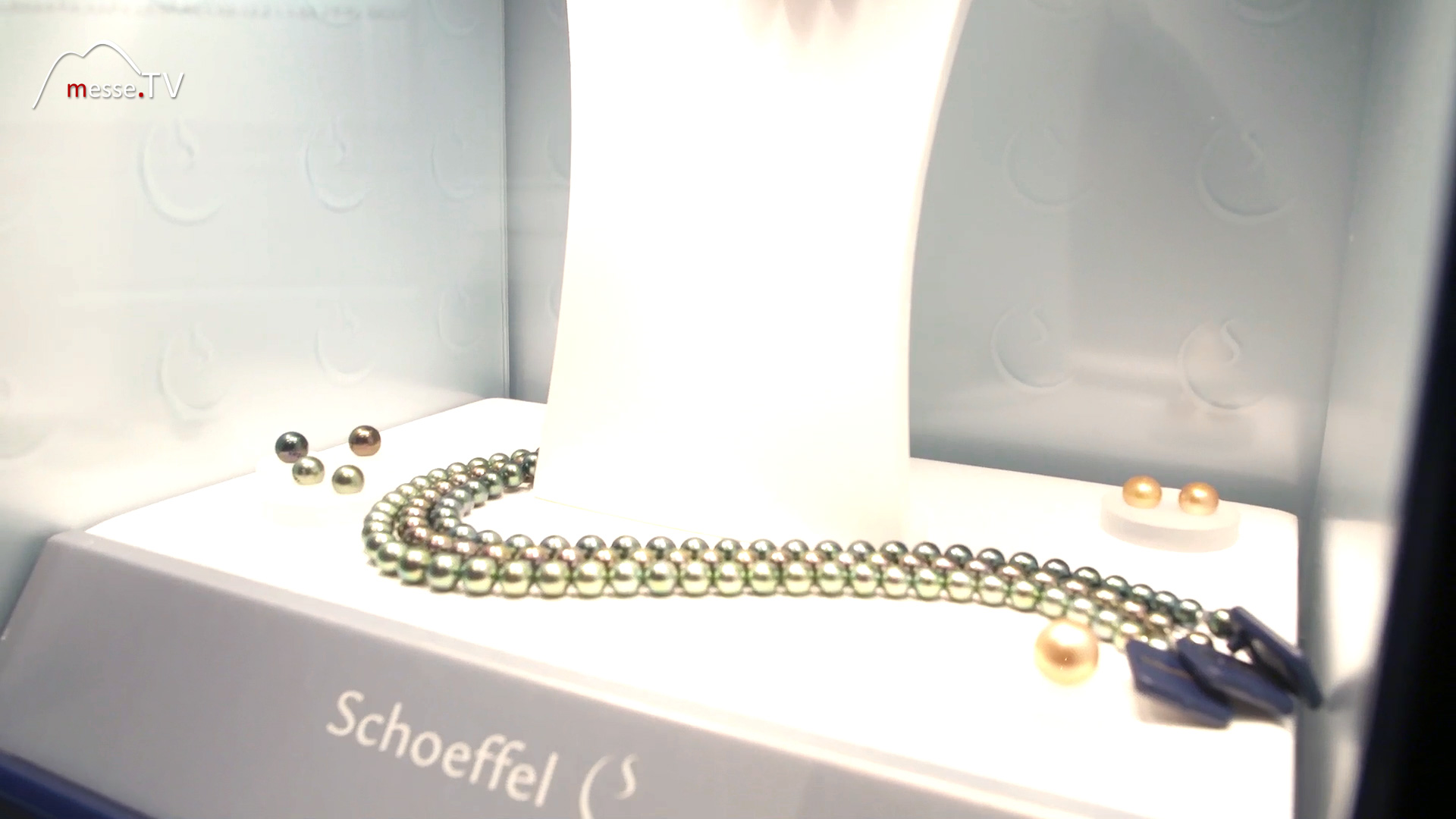

Schoeffel und der persönliche Einkauf von Perlen
Im Gespräch wird schnell deutlich, dass der Einkauf hochwertiger Perlen wenig mit anonymer Massenware zu tun hat. Perlen werden nicht einfach katalogisiert bestellt, sondern persönlich ausgewählt. Jede Perle, die später verkauft wird, wurde zuvor direkt begutachtet. Der Handel funktioniert dabei international. Ein Teil der Ware stammt unmittelbar von Farmen, ein anderer Teil wird über japanische Unternehmen bezogen, die Ernten sortieren, vorbereiten und für unterschiedliche Märkte aufbereiten. Nicht jede Farm produziert automatisch die Qualitäten oder Farbwelten, die in Europa gefragt sind. Genau deshalb bleibt die persönliche Auswahl entscheidend. Der Einkauf führt regelmäßig nach Südostasien oder in Regionen wie Französisch-Polynesien. Dort entscheidet sich, welche Stücke später in Kollektionen auftauchen oder als Einzelstücke gehandelt werden. Gleichzeitig zeigt sich hier auch ein wichtiger Unterschied zu vielen anderen Schmuckbereichen: Perlen entstehen in natürlichen Prozessen. Der Händler kann auswählen, aber nicht vollständig kontrollieren, was die Natur hervorbringt.

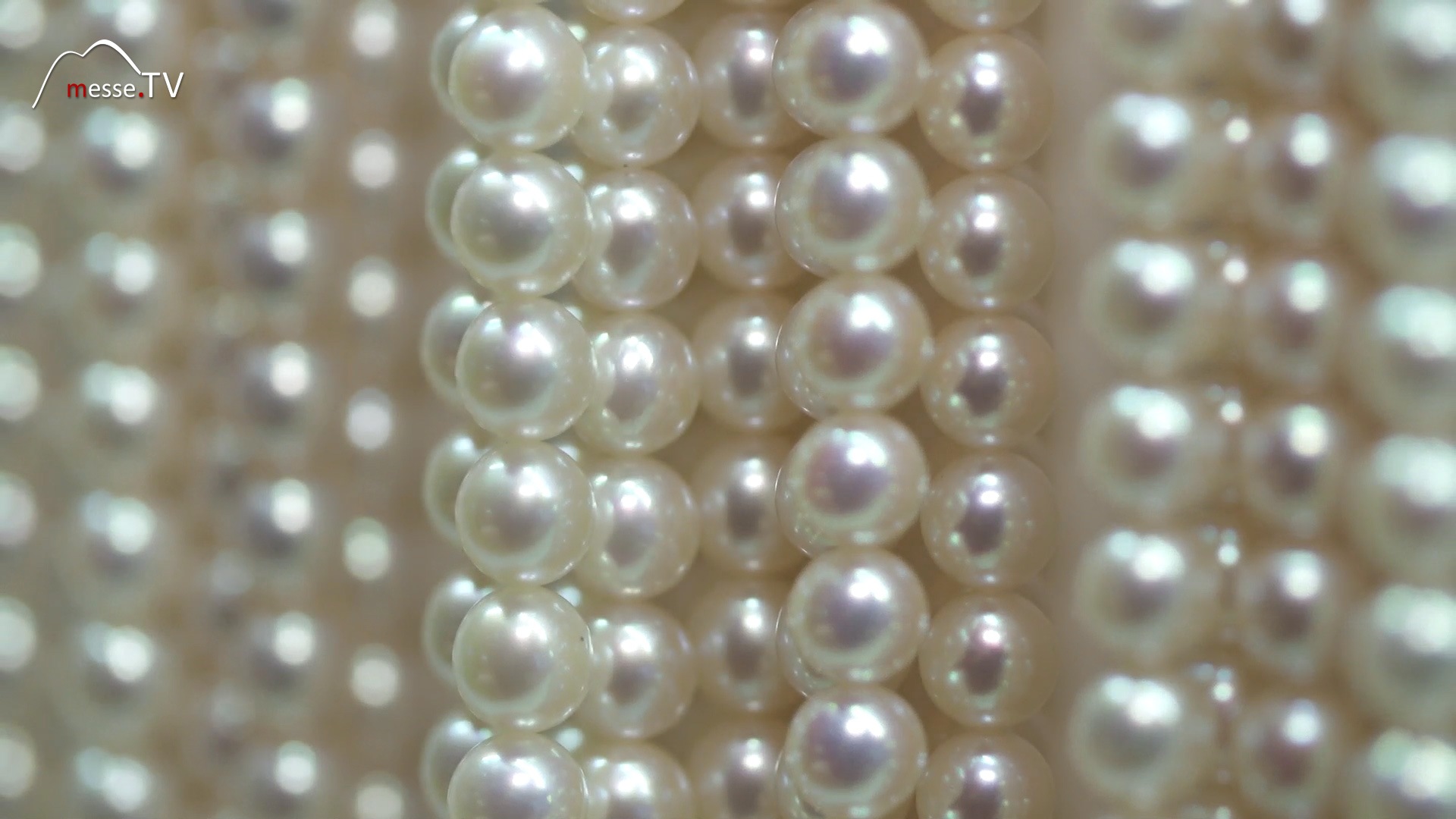
Lüster und Perlmuttschicht als Qualitätsmerkmal
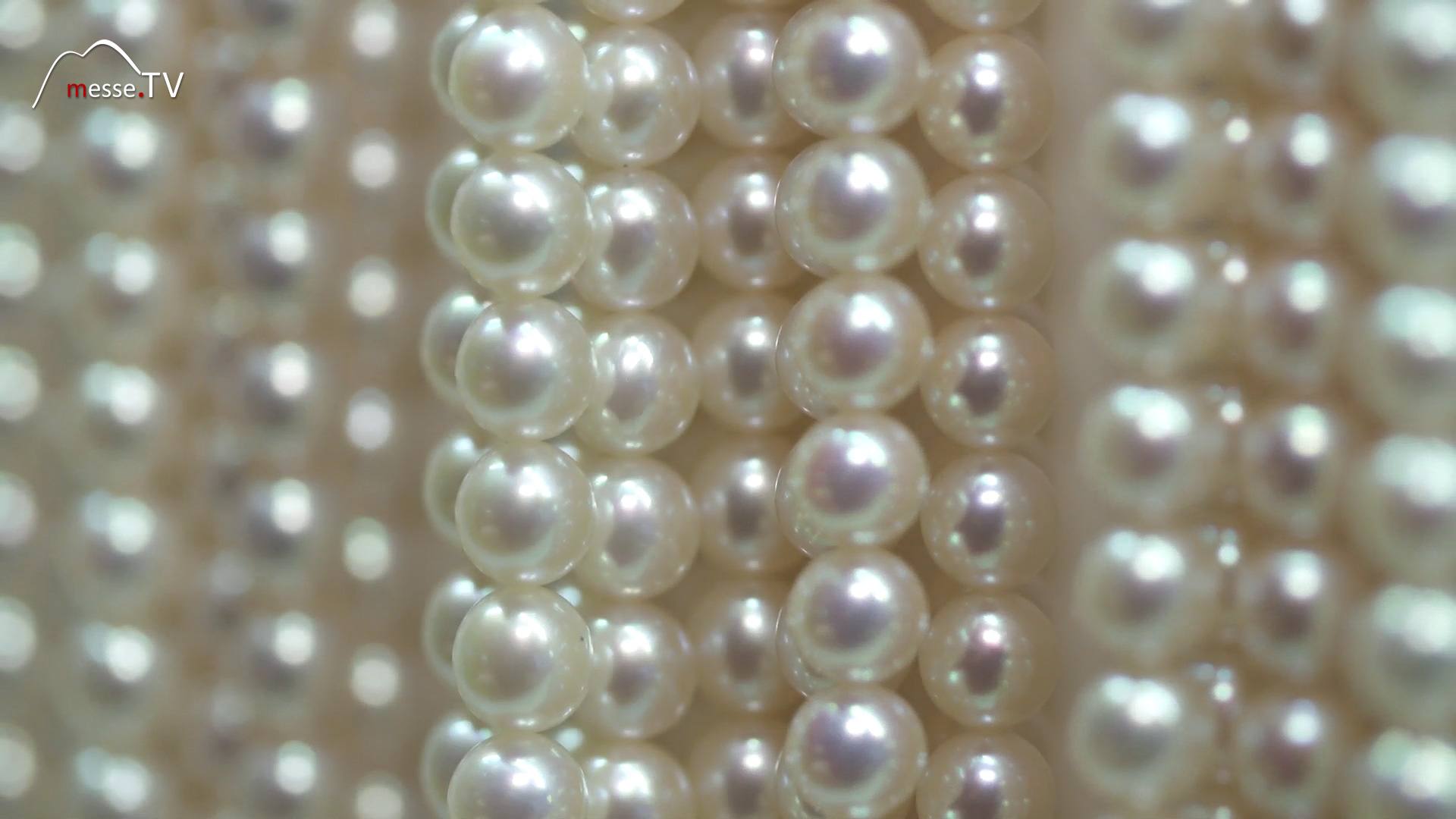
Für Laien wirkt eine Perle oft schlicht. Fachleute achten dagegen auf sehr konkrete Merkmale. Besonders wichtig ist der sogenannte Lüster – also die Intensität des inneren Glanzes. Genau dieser Punkt wird im Gespräch mehrfach hervorgehoben. Eine stark glänzende Perle besitzt in der Regel eine dicke Perlmuttschicht. Diese Schicht beeinflusst nicht nur die optische Wirkung, sondern auch die Haltbarkeit. Je intensiver der Lüster, desto hochwertiger gilt die Perle meist auch technisch.


Der Unterschied lässt sich unmittelbar erkennen, wenn hochwertige und schwächer ausgeprägte Exemplare nebeneinanderliegen. Während matte Perlen eher flach wirken, besitzen hochwertige Stücke Tiefe, Reflexion und eine besondere Strahlkraft. Typische Kriterien bei der Auswahl hochwertiger Perlen sind:
- intensiver Lüster und starke Lichtreflexion
- möglichst gleichmäßige Oberfläche
- ausdrucksstarke Farbe und Tiefe
- harmonische Form und Proportion
- dicke Perlmuttschicht für langfristige Haltbarkeit
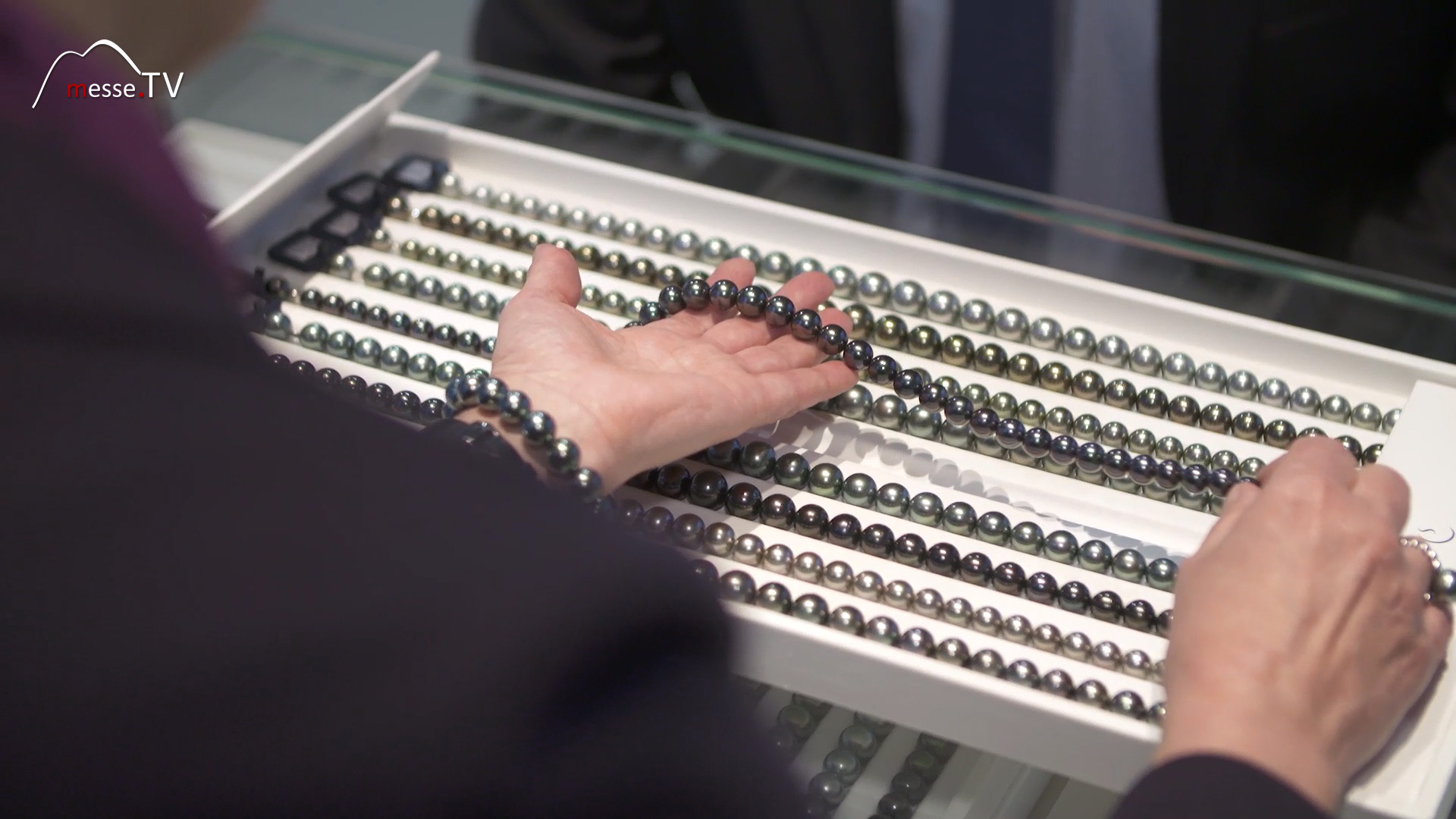

Tahiti Perle aus Französisch-Polynesien als Ausnahmeerscheinung
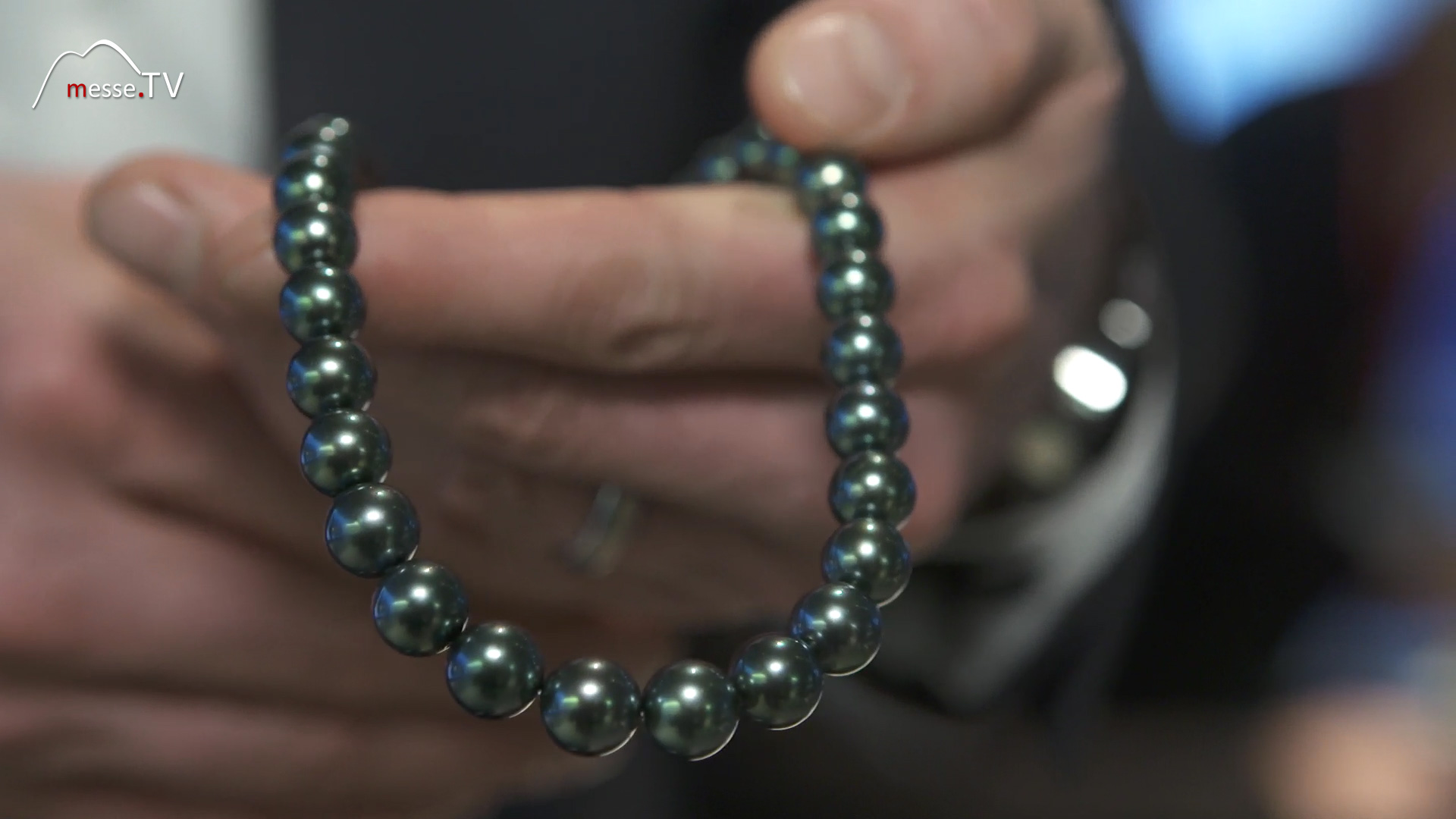
Besonders eindrucksvoll wird die Bedeutung von Seltenheit bei einer Tahiti Perle, die während des Gesprächs vorgestellt wird. Das Exemplar stammt aus Französisch-Polynesien, ist perfekt rund und misst mehr als 20 Millimeter. Solche Größenordnungen gelten selbst im internationalen Handel als außergewöhnlich. Der Händler beschreibt die Perle sehr zurückhaltend als mögliche Weltrarität. Gerade diese vorsichtige Formulierung macht deutlich, wie selten solche Stücke tatsächlich sind. Nach eigener Einschätzung tauchen pro Jahr nur zwei oder drei Perlen dieser Qualität auf.


Interessant ist dabei, dass solche Perlen häufig gar nicht verarbeitet werden. Statt Teil einer Halskette oder eines Rings zu werden, landen sie in Sammlungen. Dort erfüllen sie eine ähnliche Rolle wie seltene Kunstwerke, Uhren oder Oldtimer. Auch wirtschaftlich bewegt sich dieser Bereich in einer eigenen Kategorie. Für eine einzelne Perle kann ein sechsstelliger Betrag fällig werden. Gleichzeitig verweist der Gesprächspartner darauf, dass die Seltenheit solcher Stücke oft größer ist als bei vielen Luxusobjekten vergleichbarer Preisklassen.

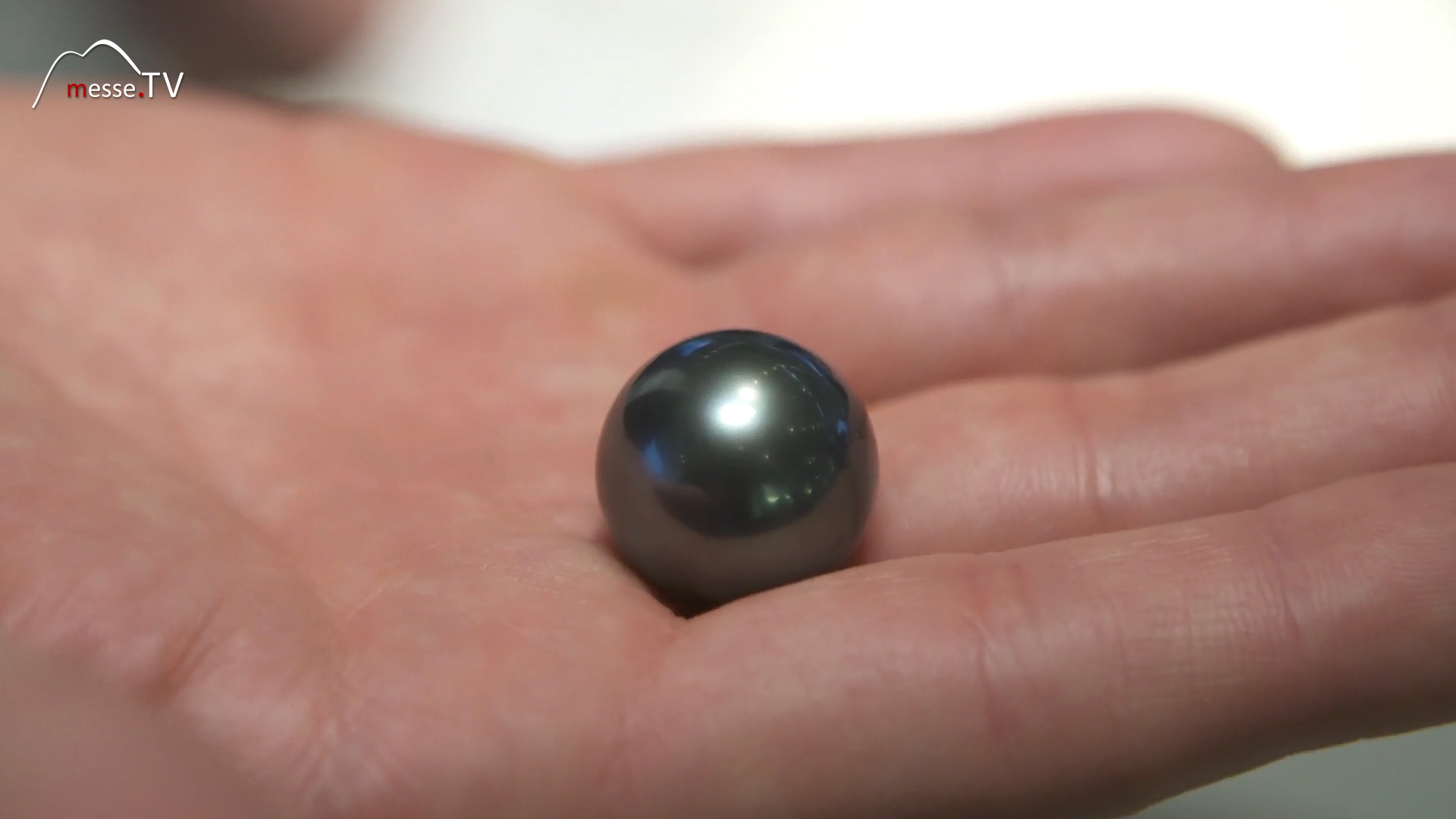
Moderne Perlenketten für Alltag und Business
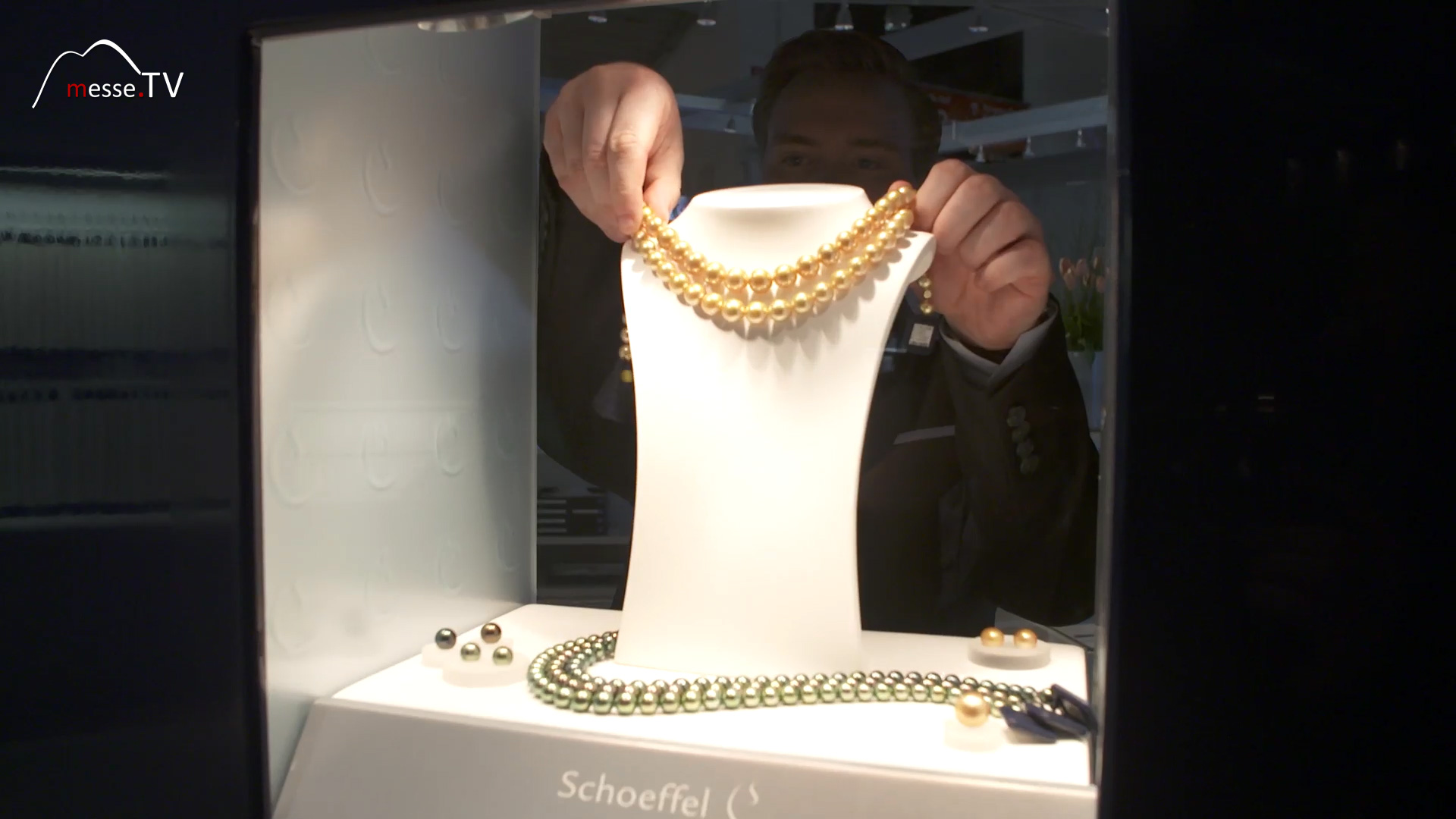
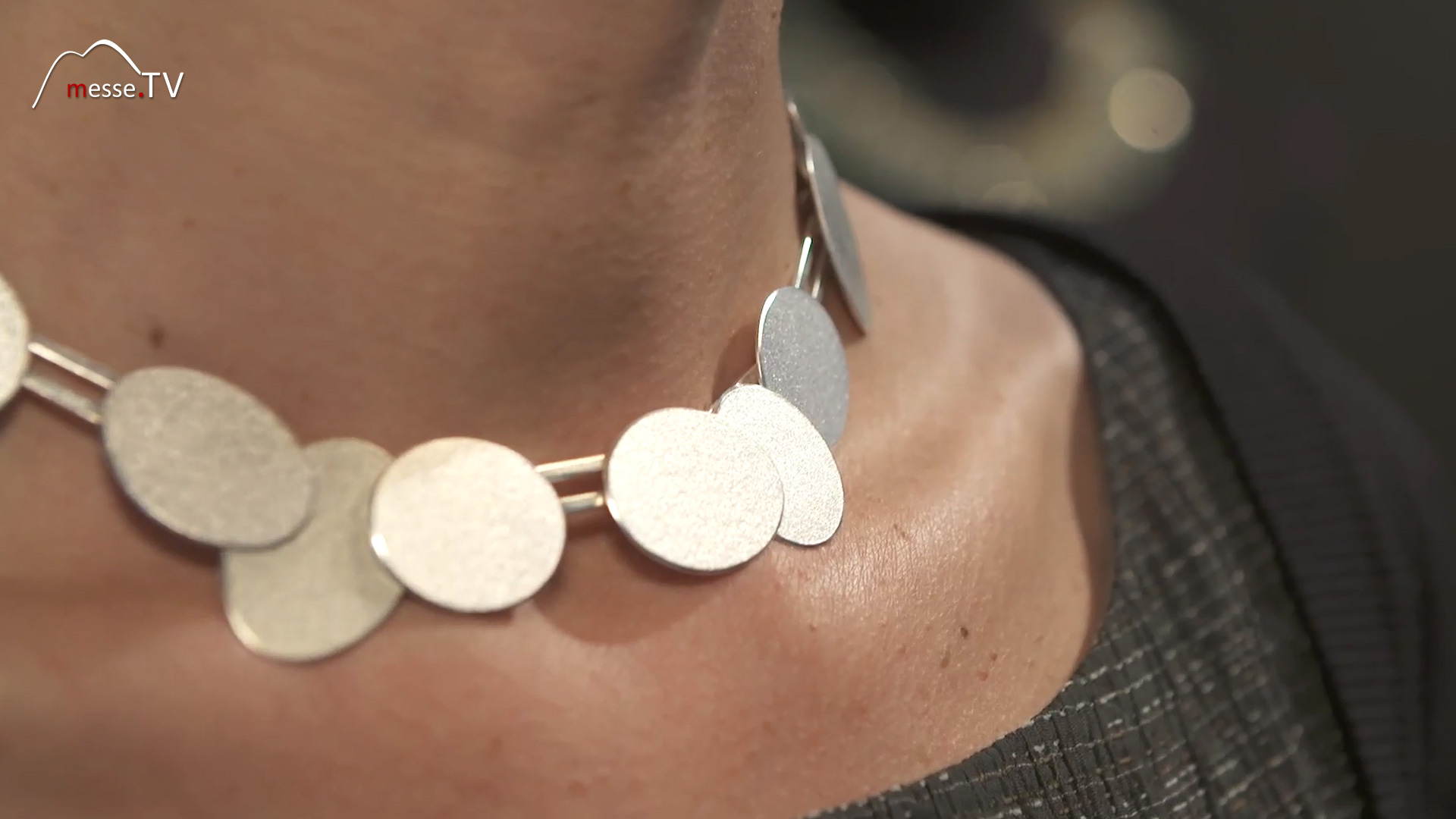
Neben exklusiven Einzelstücken verändert sich auch die Rolle klassischer Perlenketten. Früher galten sie oft als rein formeller Schmuck. Heute werden Perlen deutlich moderner interpretiert. Im Gespräch fällt der Begriff „Twenty Four Hour Schmuck“ – also Schmuck, der den gesamten Alltag begleitet. Perlen sollen nicht nur zu festlichen Anlässen getragen werden, sondern auch im beruflichen Umfeld oder in casual interpretierten Kombinationen funktionieren.
Dadurch verschiebt sich auch die Gestaltung. Schmuckstücke wirken leichter, moderner und vielseitiger. Perlen werden mit zeitgenössischen Fassungen kombiniert oder bewusst reduziert eingesetzt. Gleichzeitig bleibt der Einstieg in die Produktwelt vergleichsweise breit. Neben außergewöhnlichen Raritäten existieren Kollektionen, die sich preislich im Bereich hochwertiger Designermode bewegen und damit deutlich zugänglicher sind.

Neue Farben durch unterschiedliche Atolle und Farmen
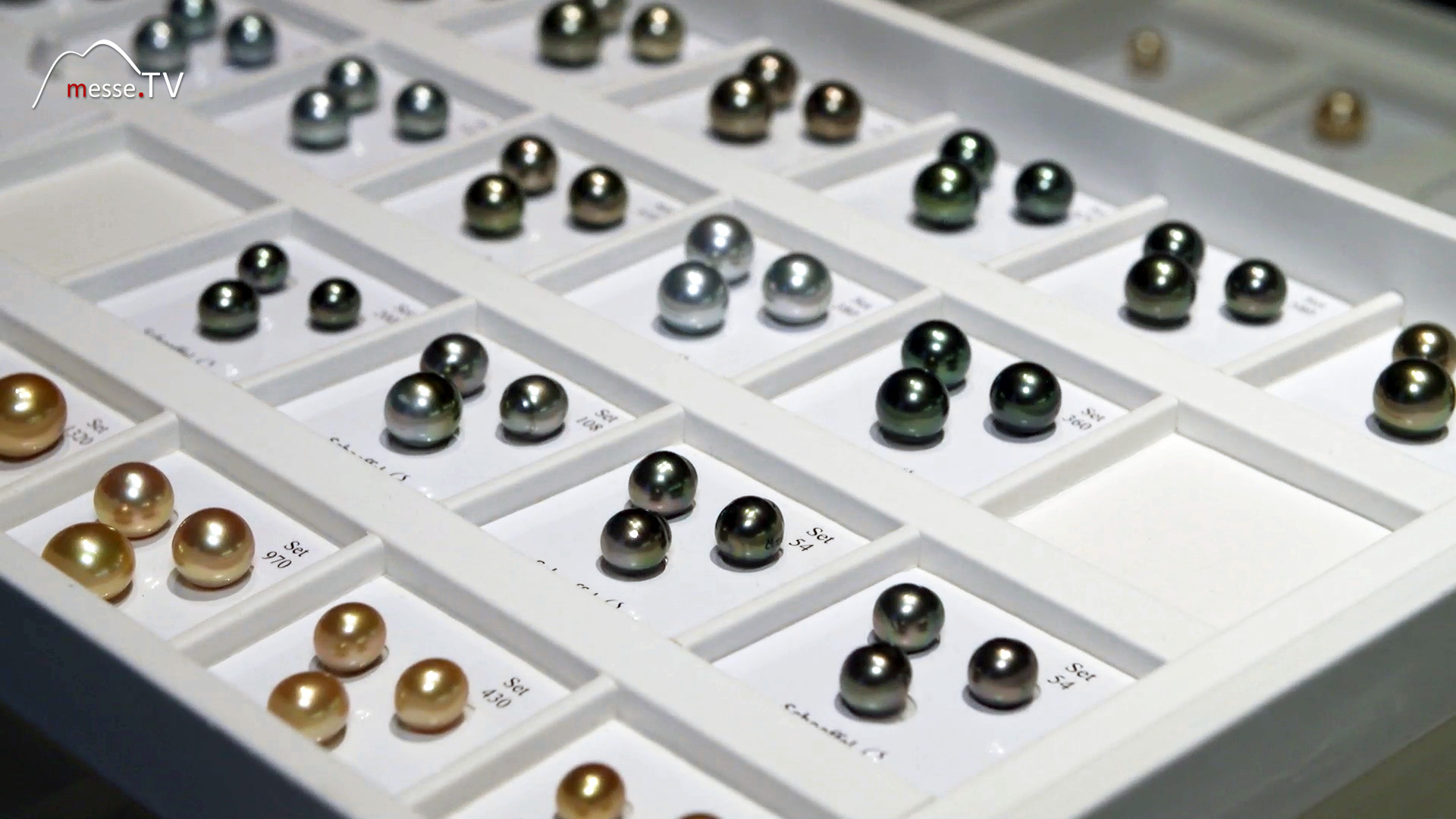
Ein weiterer Schwerpunkt des Gesprächs ist die Farbvielfalt moderner Perlen. Die klassische weiße Perlenkette bleibt zwar präsent, wird aber längst durch andere Farbtöne ergänzt. Gezeigt werden grüne, bräunliche und bläuliche Varianten. Hinzu kommen Rosa- und Lachstöne. Viele dieser Farben sind vergleichsweise neu auf dem Markt und entstehen nur unter bestimmten natürlichen Bedingungen. Entscheidend ist dabei das jeweilige Atoll, auf dem eine Perlfarm arbeitet. Wasserbedingungen, Umgebung und biologische Faktoren beeinflussen die spätere Farbgebung der Perlen erheblich. Dadurch entstehen Unterschiede, die nicht künstlich erzeugt werden, sondern direkt aus der Natur stammen. Gerade diese Unvorhersehbarkeit beschreibt der Händler als einen der faszinierendsten Aspekte seines Berufs. Keine Einkaufsreise verläuft identisch. Jede Ernte bringt neue Formen, Farben und Qualitäten hervor.
Perlen zwischen Schmuck, Naturprodukt und Sammlerobjekt
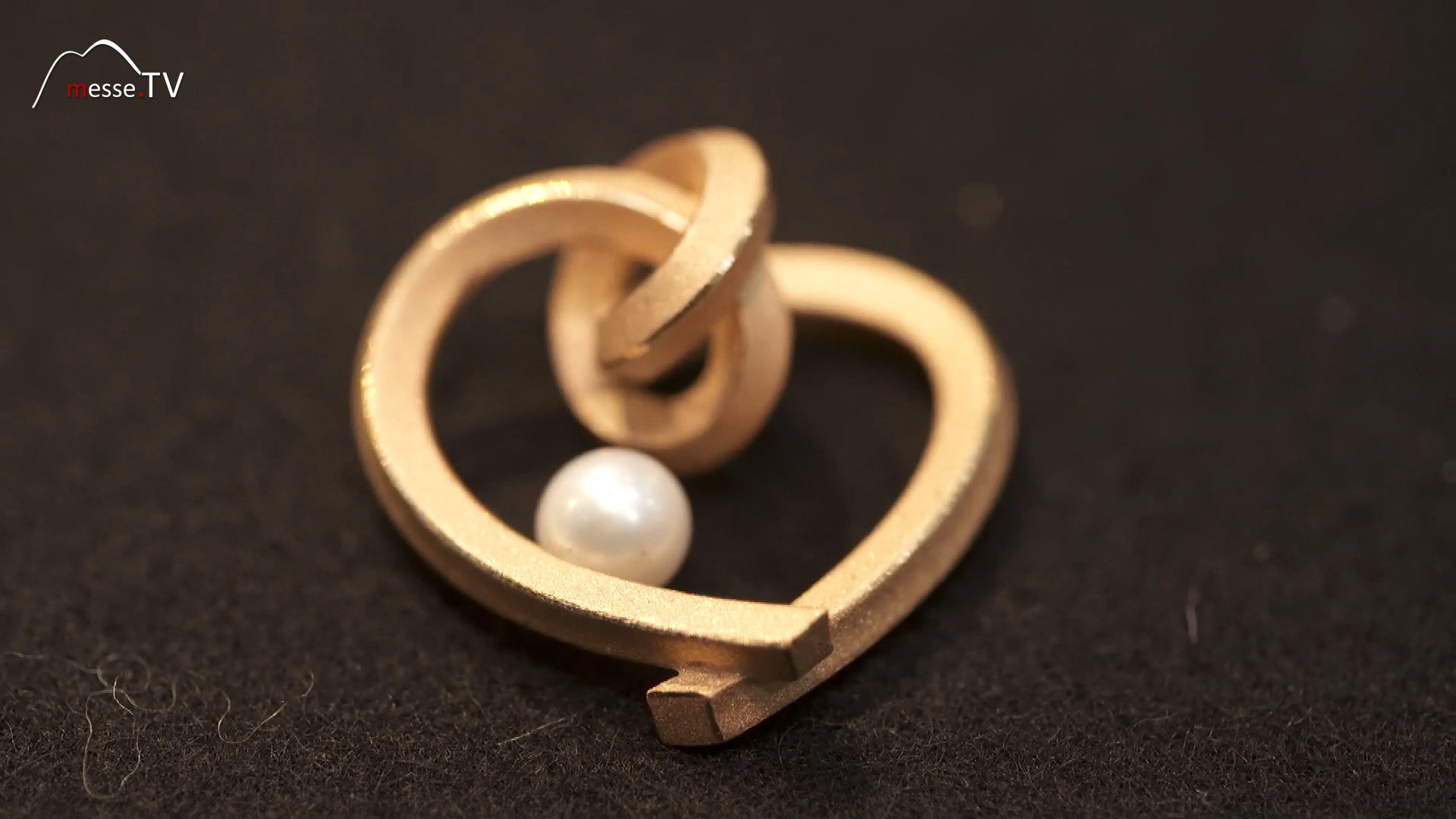
Die Perle nimmt innerhalb der Schmuckwelt eine besondere Stellung ein. Sie wird nicht geschliffen wie ein Edelstein und nicht gegossen wie Metall. Ihre Wirkung entsteht bereits in der Natur. Genau daraus ergibt sich ihre Vielfalt. Perlen können klassisch, modern, zurückhaltend oder spektakulär wirken. Sie reichen von alltagstauglichem Schmuck bis hin zu hochpreisigen Sammlerobjekten. Schoeffel zeigt auf der Inhorgenta Munich deshalb nicht nur einzelne Schmuckstücke, sondern eine gesamte Produktwelt. Hinter jeder Perle stehen Herkunft, Auswahl, natürliche Bedingungen und handwerkliche Bewertung. Gerade diese Kombination macht deutlich, warum die Perle trotz ihrer langen Geschichte nichts von ihrer Faszination verloren hat.








Messe-Berichterstattung bundesweit - Messewissen, Termine & Veranstaltungen


