Schmuck mit Knoten als Symbol für Verbindung und Halt
von Franziska Zuber - 2024-02-14Schmuck erzählt oft Geschichten. Mal geht es um Erinnerungen, mal um Status, manchmal um Gefühle, die sich nur schwer in Worte fassen lassen.
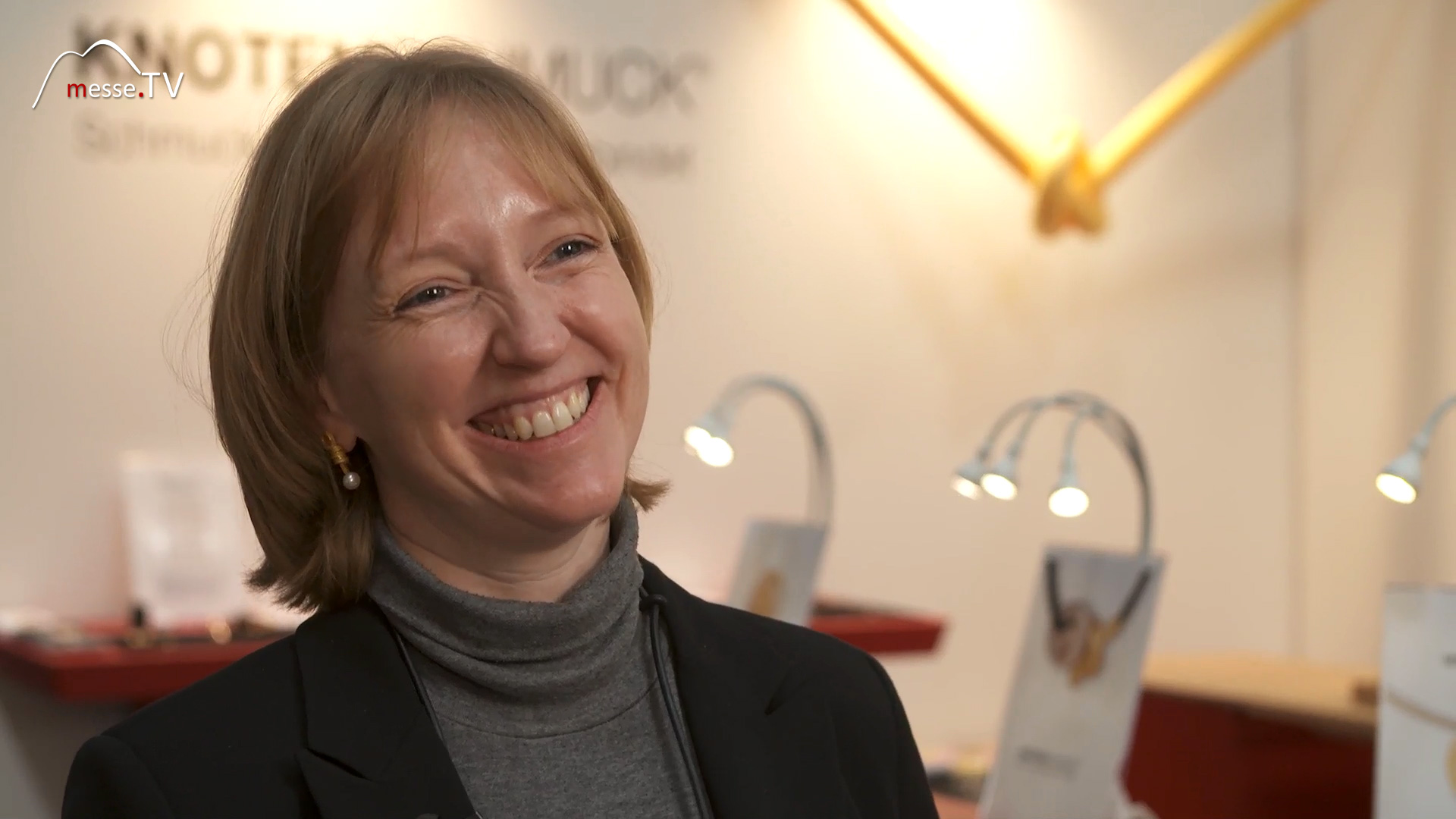
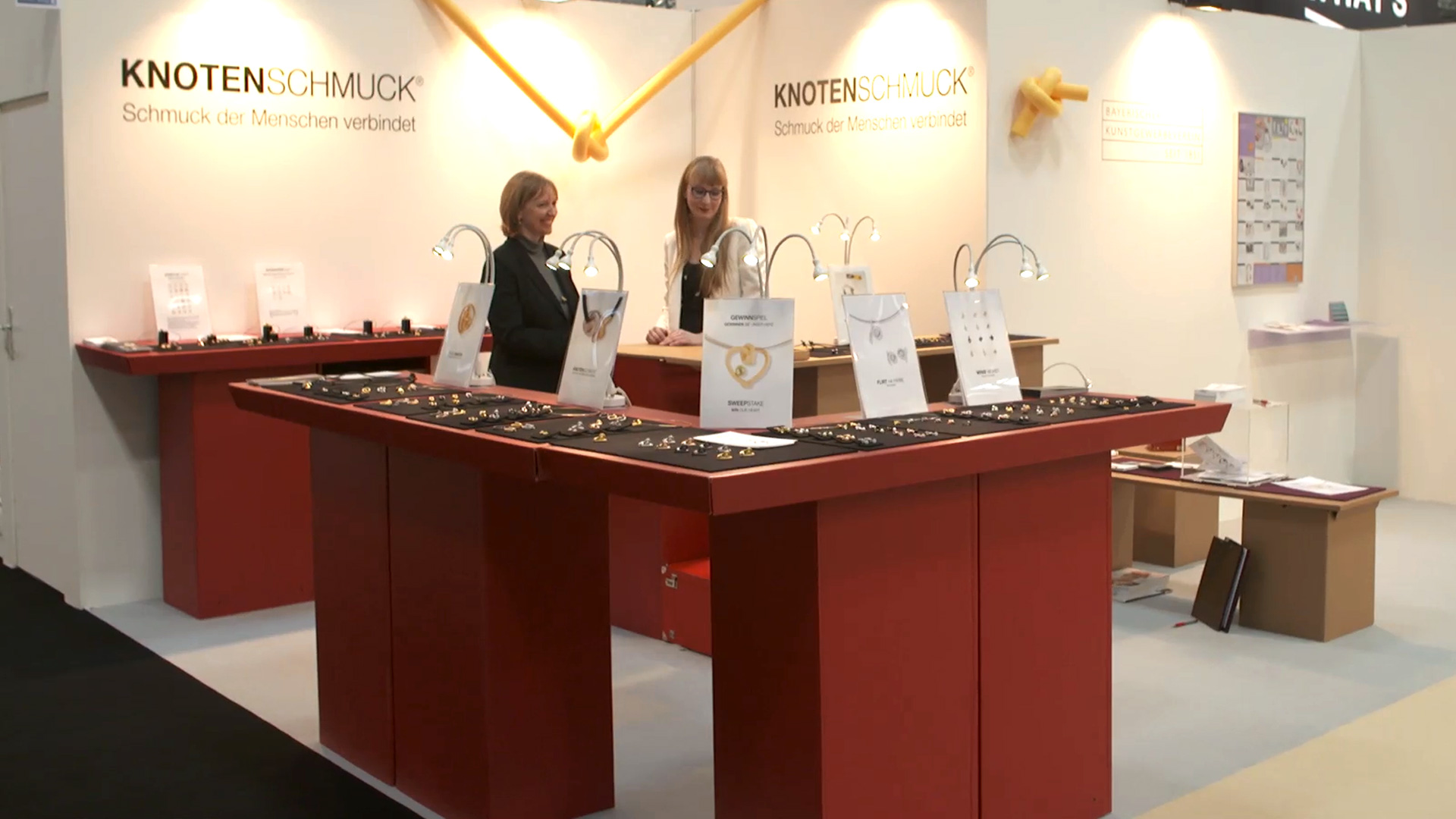
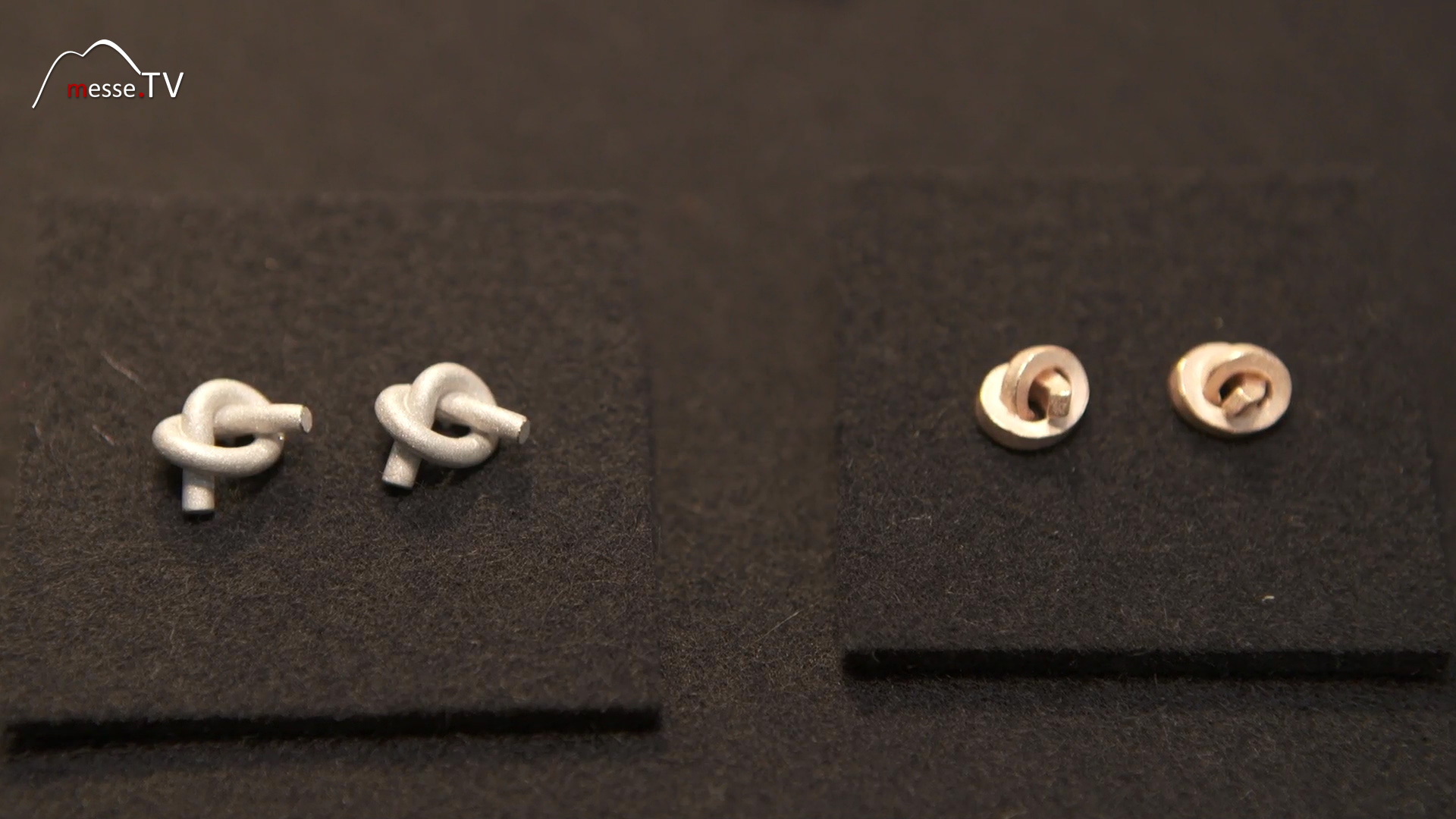
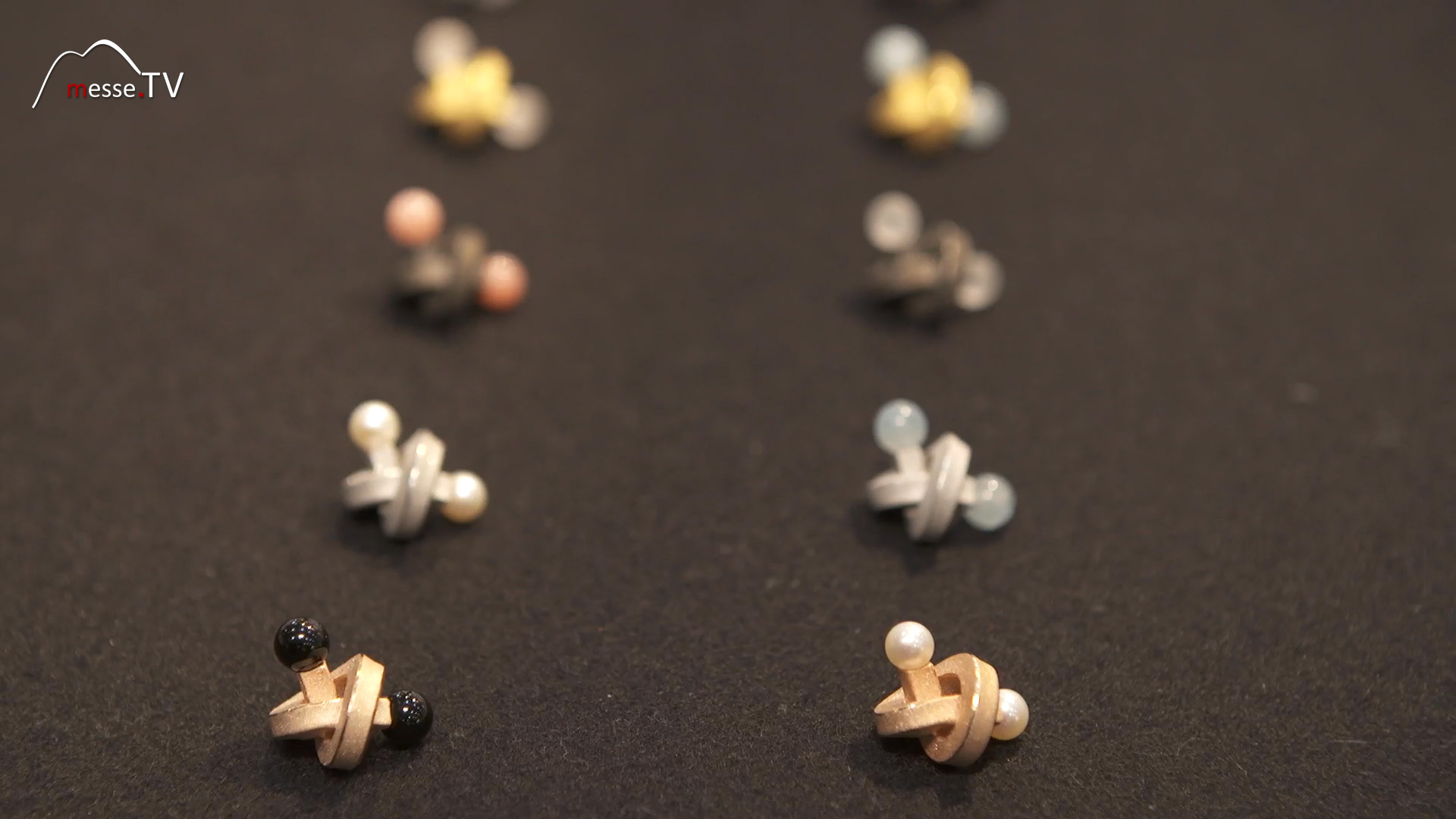
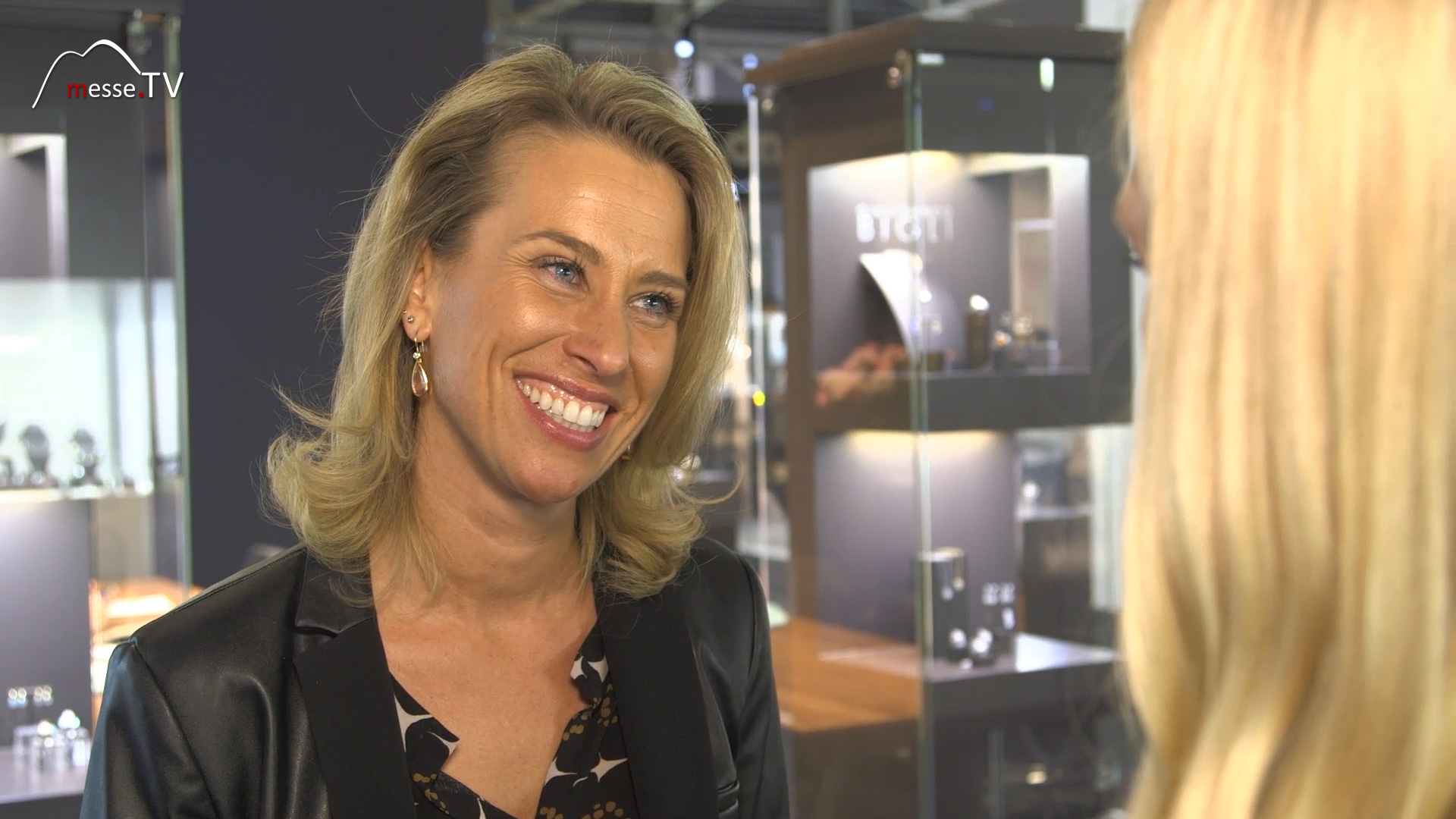
Auf der Inhorgenta Munich zeigte sich mit den Arbeiten von Knotenschmuck ein Ansatz, der eine alltägliche Form in den Mittelpunkt stellt: den Knoten. Er begegnet Menschen täglich – beim Binden von Schnürsenkeln, beim Festmachen eines Seils oder als Symbol für Verbundenheit. In der Schmuckgestaltung wird daraus eine eigenständige Formensprache, die bewusst offen für persönliche Interpretationen bleibt. Hinter der Marke steht die Designerin Martina Tornow, die aus handwerklichen Einzelstücken und experimentellen Knotenformen über viele Jahre hinweg eine eigene Kollektion entwickelt hat. Der Weg dorthin war lang. Aus zunächst einzigartigen, immer wieder neu entstandenen Knotenformen entwickelte sich über rund zehn Jahre hinweg eine Serie, die inzwischen fest am Markt etabliert ist.
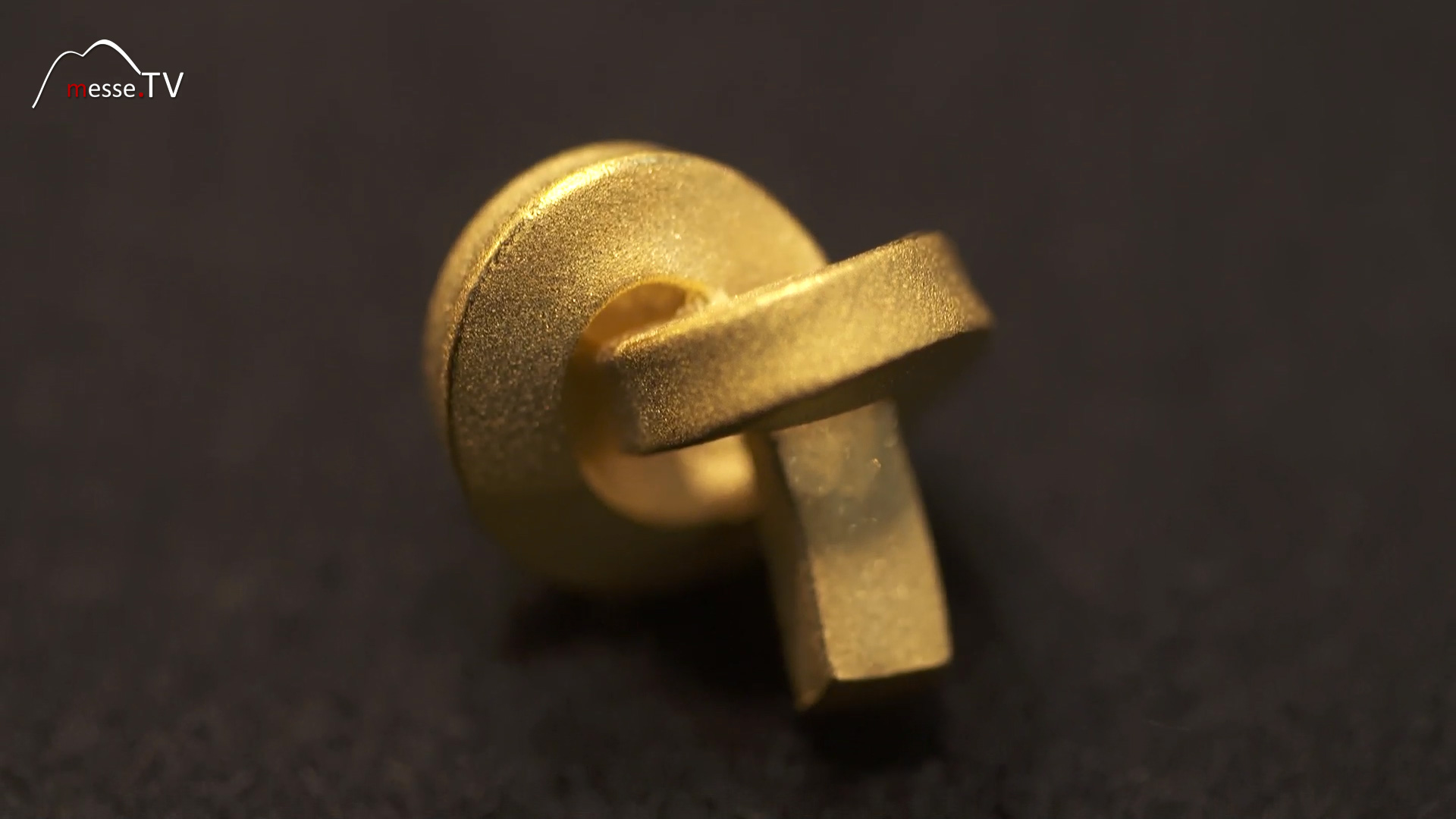
Knotenschmuck entwickelt aus Unikaten eine eigenständige Designsprache
Der Ursprung der Kollektion liegt in der klassischen Goldschmiedearbeit. Aus zunächst stark verzwirbelten und komplexen Einzelstücken entstand die Erkenntnis, dass sich viele der Arbeiten auf eine einfache Grundform zurückführen lassen. Der Knoten wurde zum Konzentrat früherer Entwürfe.
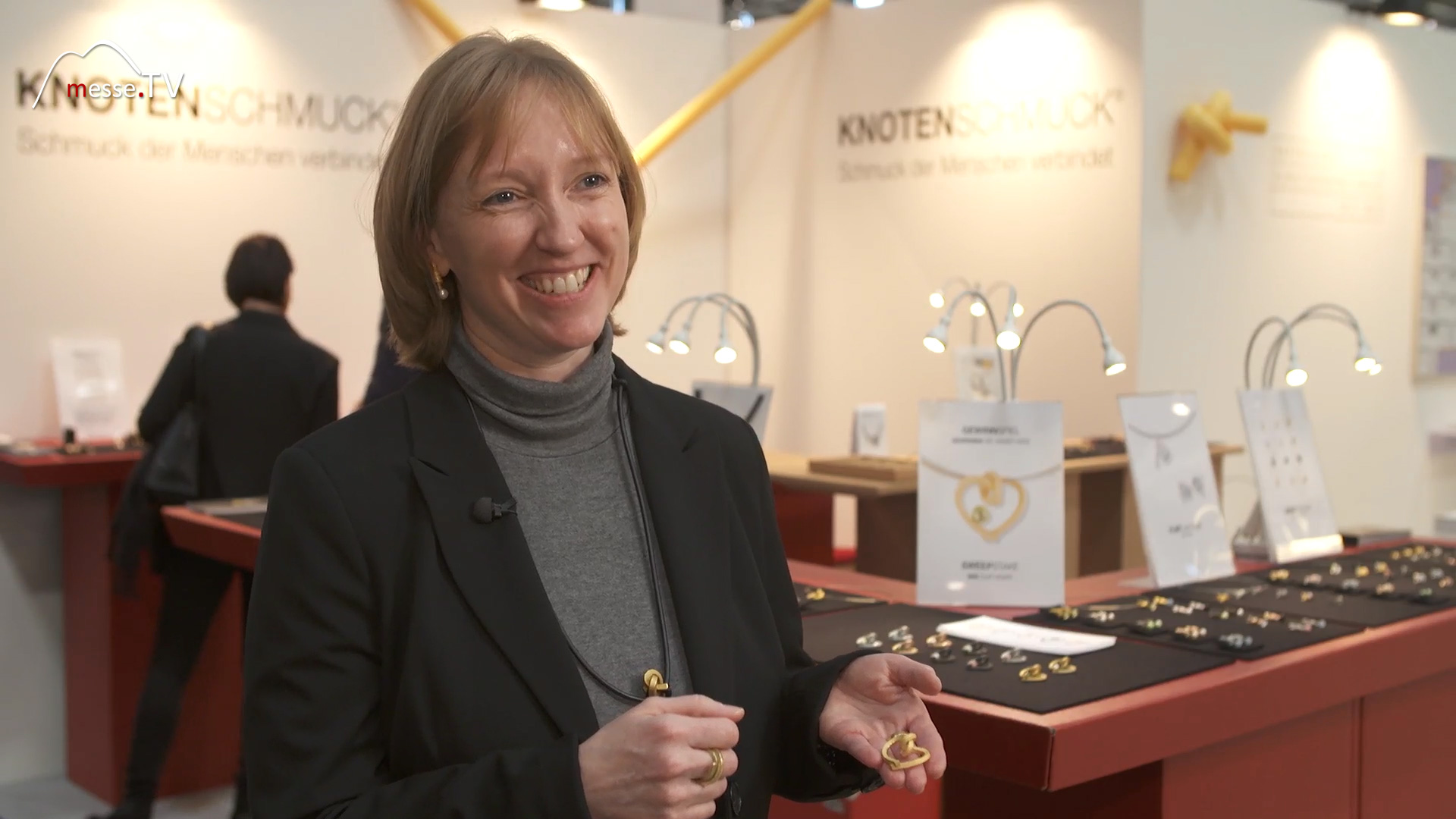
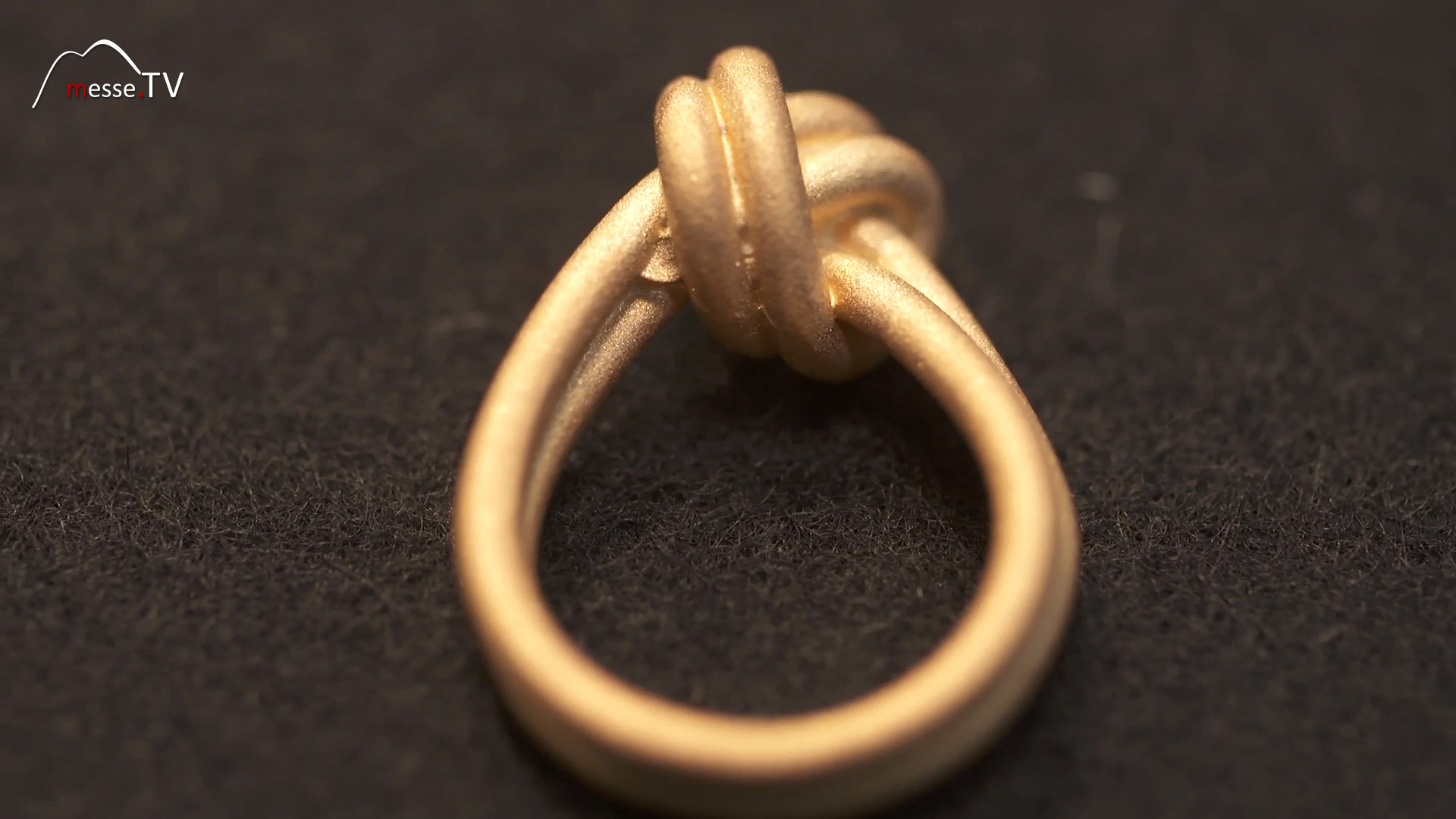
Dabei versteht die Designerin den Knoten nicht als dekoratives Element, sondern als Symbol mit unterschiedlichen Bedeutungsebenen. Jeder Betrachter kann darin eigene Erfahrungen und Gefühle wiederfinden. Gerade diese Offenheit macht die Gestaltung so zugänglich. Der Knoten kann für Halt, Zusammengehörigkeit oder Verlässlichkeit stehen. Gleichzeitig bleibt er lösbar und verändert sich. Damit trägt das Motiv eine Ambivalenz in sich, die auch zwischenmenschliche Beziehungen prägt.
Knoten als positives Symbol statt komplizierter Verknotung
Im Alltag werden Knoten häufig mit Problemen oder Verhedderungen verbunden. In der Kollektion von Knotenschmuck ist die Symbolik bewusst anders angelegt. Der Knoten soll Stabilität und Verbindung ausdrücken. Wer einen Knoten bindet, schafft zunächst etwas Verlässliches. Ein Knoten hält Dinge zusammen und gibt Sicherheit. Gleichzeitig erfordert er Aufmerksamkeit und Pflege, damit seine Funktion erhalten bleibt. Genau darin sieht die Designerin eine Parallele zu Beziehungen zwischen Menschen. Die Kollektion greift diesen Gedanken auf und übersetzt ihn in klare, reduzierte Formen. Die Schmuckstücke verzichten auf übermäßige Ornamentik und setzen stattdessen auf eine konzentrierte, fast grafische Wirkung.
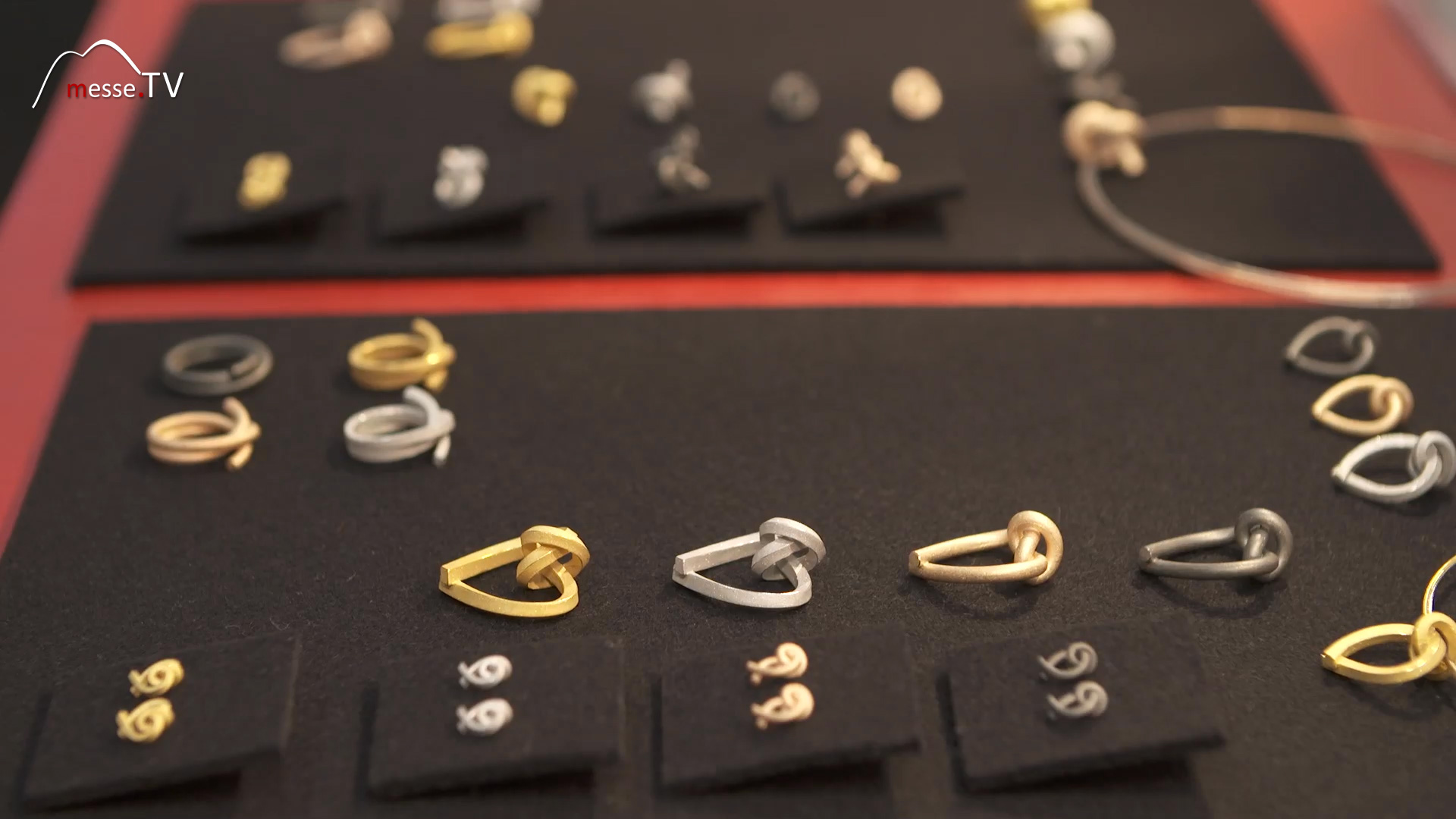
Zu den charakteristischen Merkmalen der Kollektion gehören:
- Knoten als zentrales Gestaltungselement
- Entwicklung aus handgefertigten Unikaten
- klare Symbolik von Verbindung und Stabilität
- reduzierte und nicht verspielte Formensprache
- offene Interpretationsmöglichkeiten für den Träger
- Schmuckstücke für unterschiedliche Altersgruppen
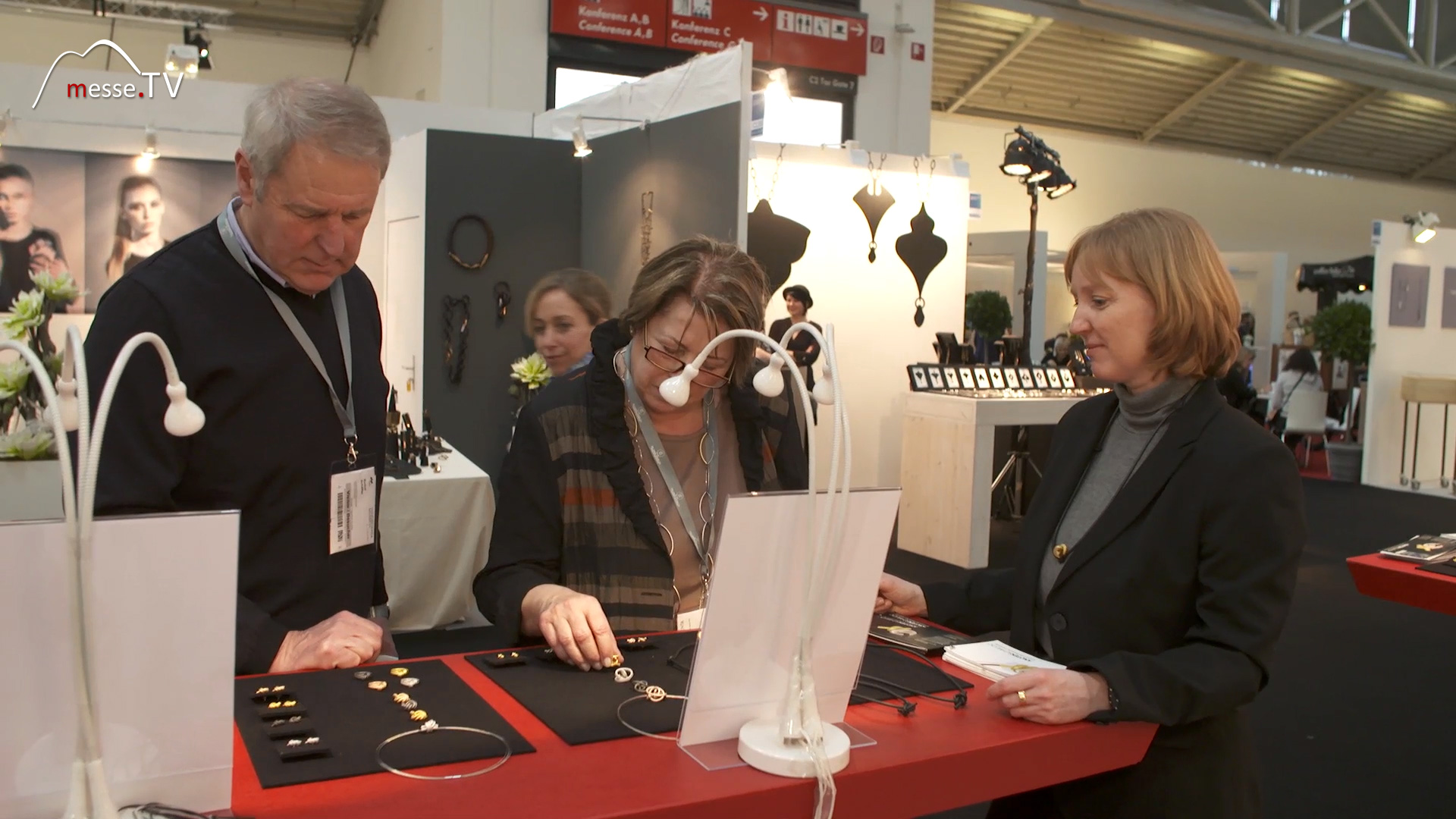

Maritimer Bezug stärkt die emotionale Wirkung der Knoten
Interessanterweise reagieren Menschen mit maritimem Hintergrund häufig besonders positiv auf das Motiv. Wer an der Küste gelebt hat oder eine Nähe zum Wasser verspürt, verbindet Knoten oft mit Segeln, Seefahrt und handwerklichen Traditionen. Die Designerin selbst hat zahlreiche Knotenbücher und Modelle gesammelt. Viele Entwürfe blieben allerdings bewusst außerhalb der Serie. Nicht jeder Knoten eignet sich als Schmuckstück. Entscheidend ist vielmehr, ob die Form eine eigenständige Aussage entwickeln kann. Gerade im maritimen Kontext werden Knoten häufig als Zeichen für Verlässlichkeit und Gemeinschaft verstanden. Diese Assoziationen verleihen den Schmuckstücken zusätzliche emotionale Tiefe, ohne dass sie auf eine bestimmte Zielgruppe beschränkt bleiben.
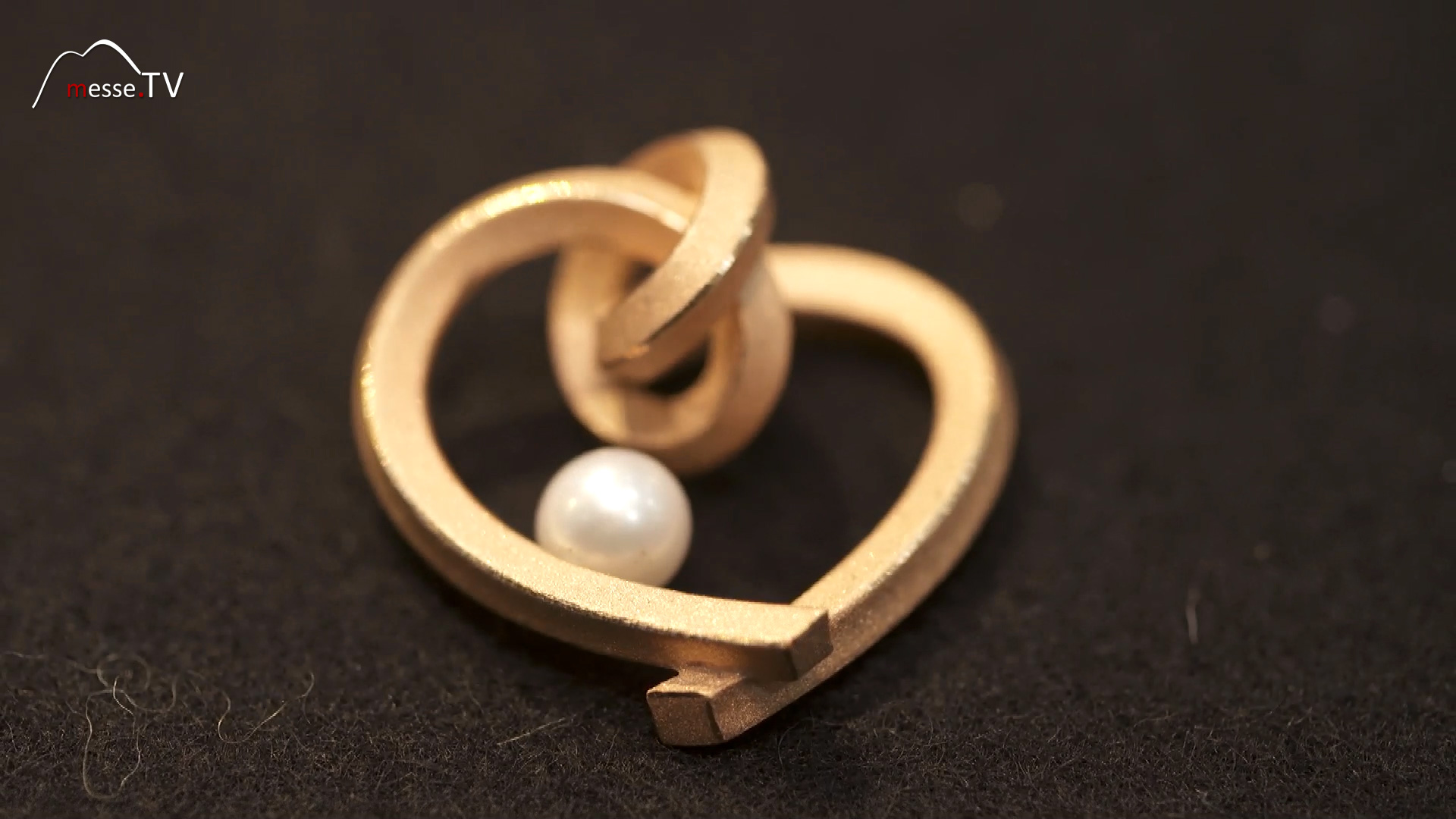
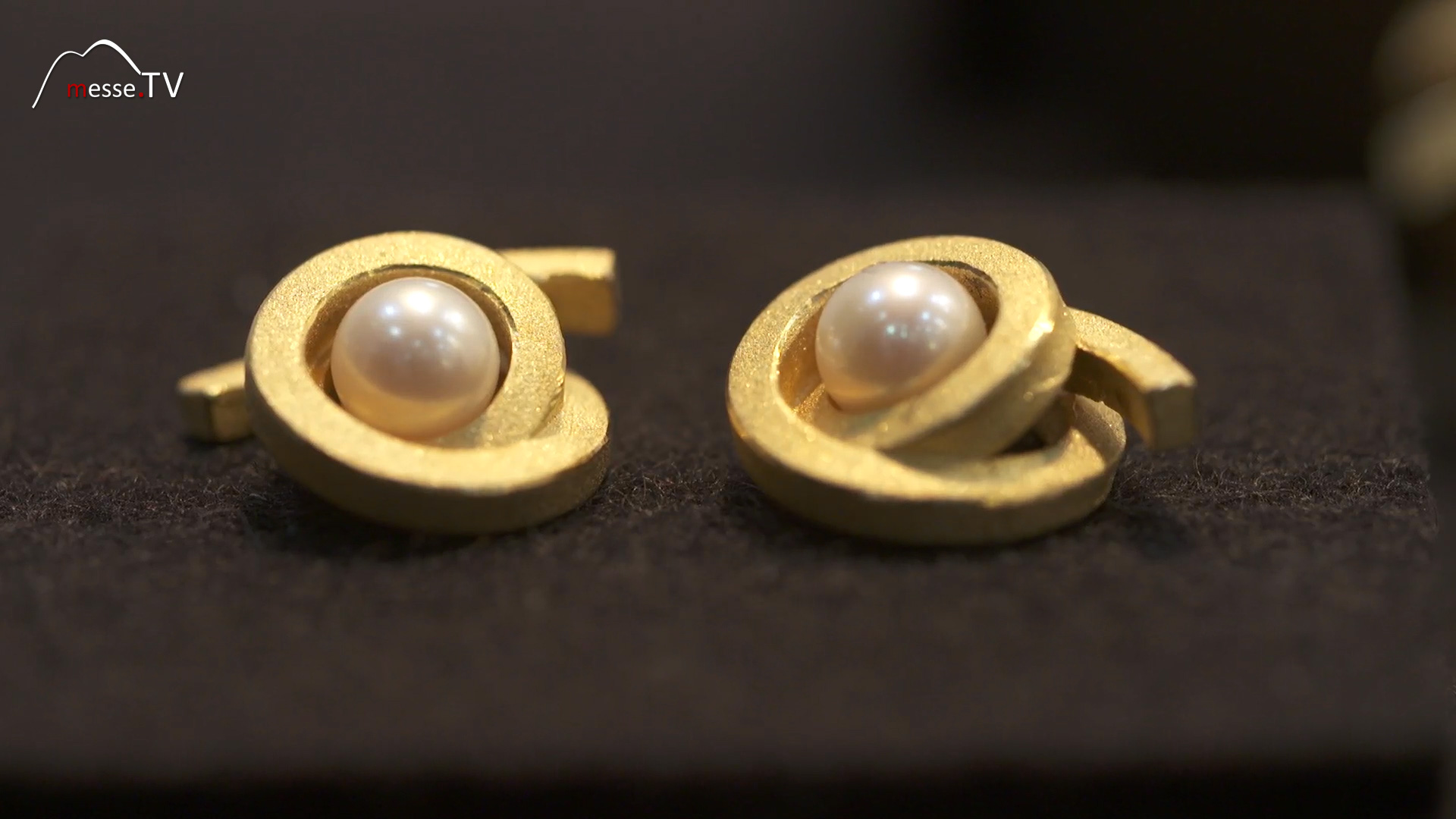
Knotenherz entstand aus dem Motiv beinahe von selbst
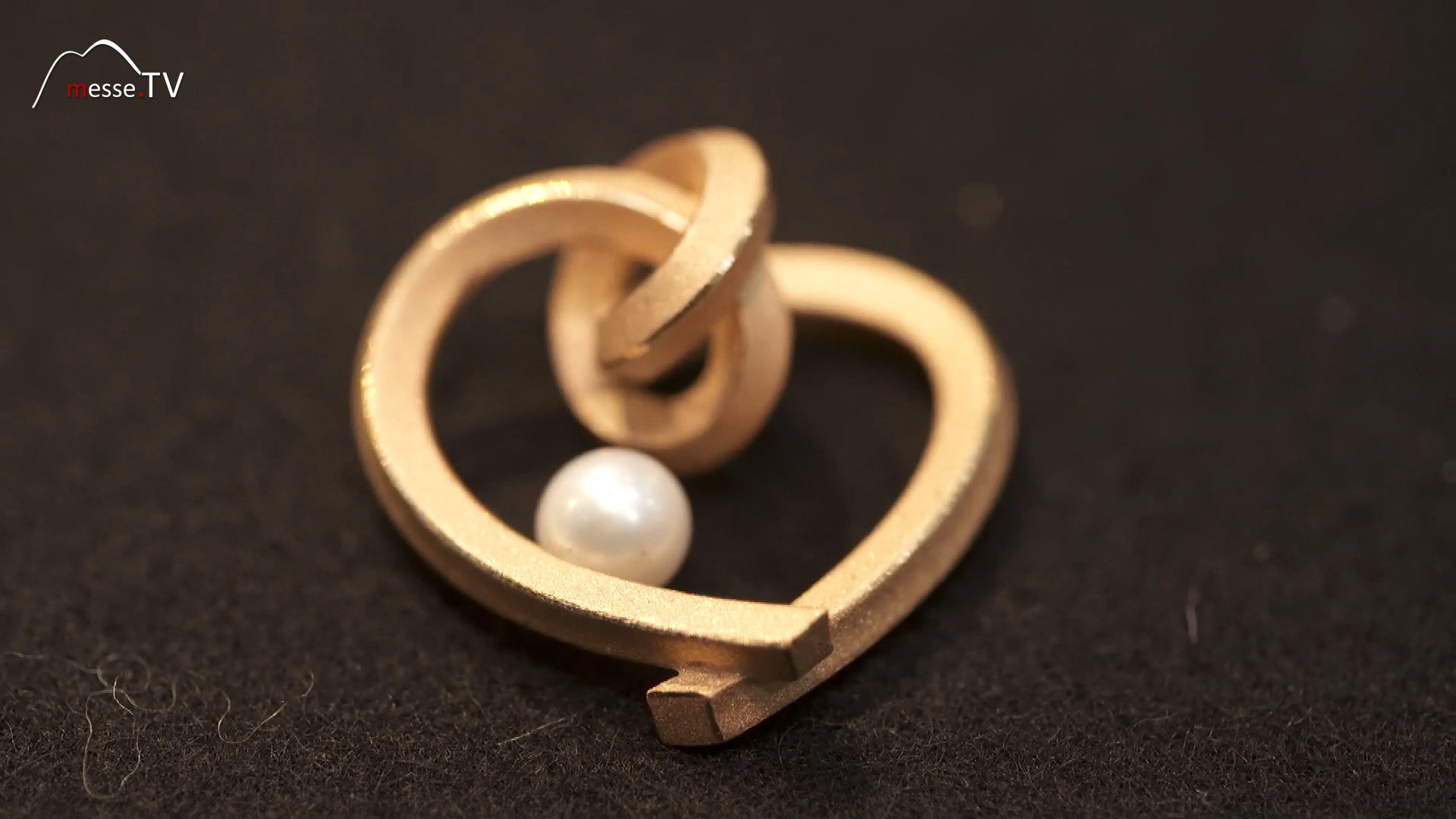
Eine besondere Entwicklung innerhalb der Kollektion, die auf der Inhorgenta Munich präsentiert wird, ist das Knotenherz. Bemerkenswert ist dabei, dass die Designerin ursprünglich keine Herzmotive gestalten wollte. Das Herz entstand vielmehr organisch aus der Beschäftigung mit der Knotenform. Das Ergebnis unterscheidet sich deutlich von klassischen Herzsymbolen. Das Knotenherz wirkt nicht verspielt oder romantisch überhöht. Es verzichtet auf Schnörkel und übertriebene Symbolik. Stattdessen vermittelt es eine schlichte Aussage: Menschen fühlen sich verbunden. Gerade deshalb findet das Motiv bei jungen Käufern großen Zuspruch. Immer wieder entscheiden sich junge Männer dafür, das Knotenherz als erstes bedeutungsvolles Geschenk für ihre Partnerin auszuwählen. Häufig wird dafür das erste selbst verdiente Geld investiert – eine Geste, die den emotionalen Charakter des Schmucks unterstreicht.
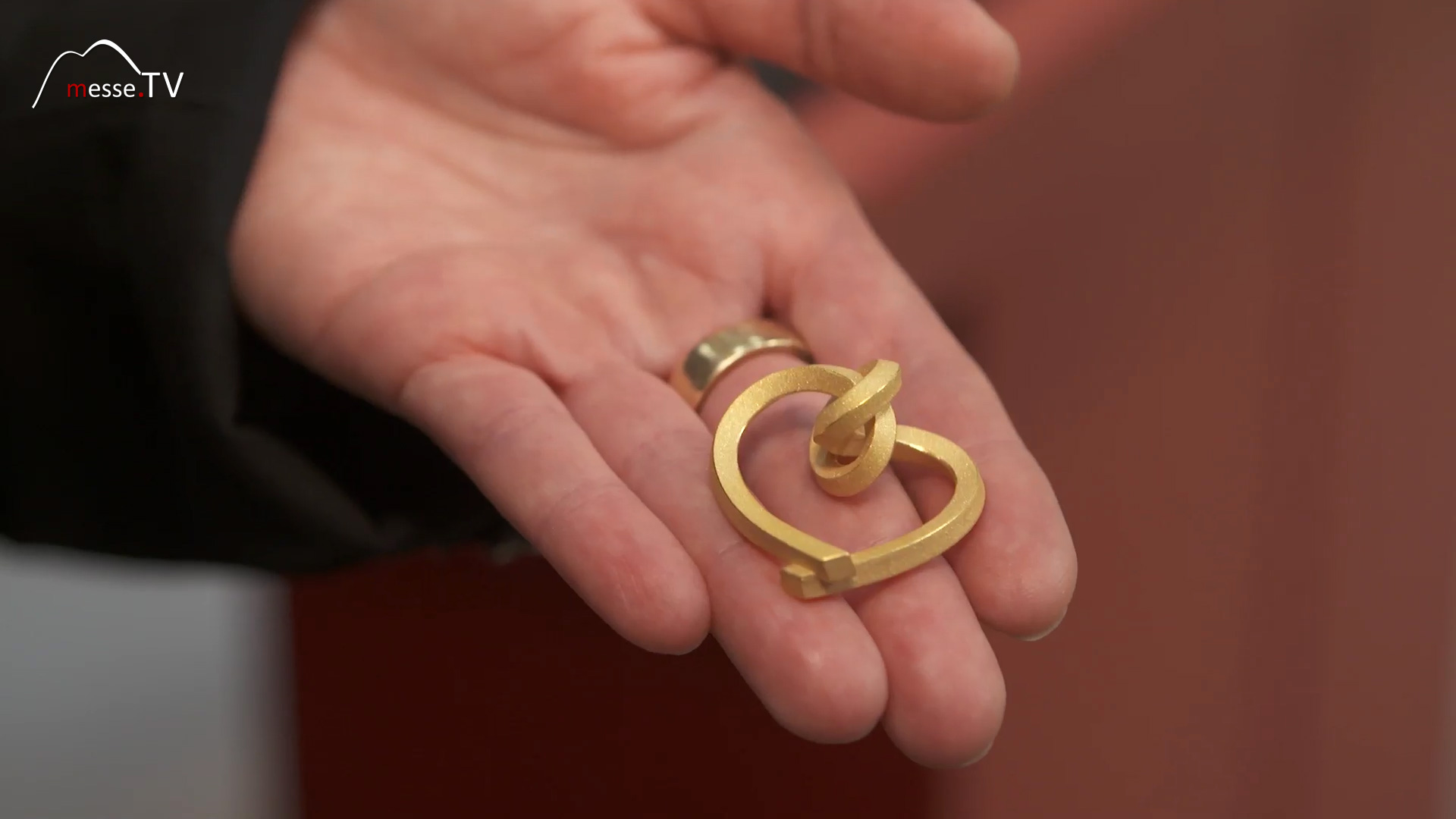
Designschmuck zwischen persönlicher Bedeutung und zeitloser Form
Die Arbeiten von Knotenschmuck zeigen, dass zeitgenössischer Schmuck nicht zwingend von Edelsteinen oder aufwendiger Dekoration leben muss. Oft genügt eine klare Form mit einer nachvollziehbaren Aussage. Der Knoten ist dabei weit mehr als ein gestalterisches Motiv. Er wird zum Symbol für Halt, Verbundenheit und die Bereitschaft, Beziehungen aktiv zu gestalten. Seine Form ist einfach, seine Interpretationsmöglichkeiten sind dagegen erstaunlich vielfältig.
Gerade in einer Zeit, in der Produkte häufig nach kurzfristigen Moden bewertet werden, setzt diese Art von Designschmuck einen anderen Akzent. Die Schmuckstücke laden dazu ein, persönliche Bedeutungen zu entdecken – und genau darin liegt ihre besondere Stärke.

Messe-Berichterstattung bundesweit - Messewissen, Termine & Veranstaltungen


