DHL: Globale Logistik zwischen Infrastruktur, Digitalisierung und Nachhaltigkeit
DHL zählt zu den weltweit führenden Anbietern von Logistik- und Versanddienstleistungen und ist in nahezu allen Bereichen moderner Warenströme aktiv. Das Unternehmen deckt ein breites Spektrum ab – von der Paketzustellung über zeitkritische Expresssendungen bis hin zu komplexen, international verzahnten Lieferkettenlösungen. Charakteristisch für DHL ist die Kombination aus globaler Präsenz, standardisierten Prozessen und kontinuierlicher technologischer Weiterentwicklung.

Von einem Nischenservice zur globalen Logistikmarke
Gegründet wurde DHL 1969 in den USA von Adrian Dalsey, Larry Hillblom und Robert Lynn. Ausgangspunkt war ein vergleichsweise spezialisiertes Geschäftsmodell: der schnelle Transport von Frachtpapieren per Flugzeug, um Zollabfertigungen zu beschleunigen. Dieses Konzept traf den Bedarf internationaler Handelsunternehmen und bildete die Grundlage für das spätere Wachstum. In den folgenden Jahrzehnten baute DHL ein weltweites Netzwerk für Express- und Frachttransporte auf und etablierte sich als internationaler Logistikdienstleister. Mit der vollständigen Übernahme durch die Deutsche Post im Jahr 2002 wurde DHL zur globalen Logistikmarke des Konzerns und bündelte fortan internationale Aktivitäten unter einem einheitlichen Markenauftritt.
DHL im Messe- und Branchendialog
DHL ist regelmäßig auf internationalen Fachmessen und Branchenveranstaltungen präsent, insbesondere im Umfeld von Logistik, E-Commerce, Digitalisierung und Supply-Chain-Management. Dort stehen weniger einzelne Dienstleistungen im Fokus als vielmehr übergreifende Logistikkonzepte, technologische Entwicklungen und Zukunftsszenarien für globale Warenströme. Für eine redaktionelle Betrachtung sind diese Messeauftritte relevant, da sie zeigen, wie DHL auf strukturelle Veränderungen reagiert. Themen wie Automatisierung, datenbasierte Steuerung von Lieferketten und neue Zustellmodelle werden hier im Kontext realer Anwendungen vorgestellt und diskutiert.
Beiträge zu DHL auf Messe.TV
DHL Group: Logistik weltweit – digital, nachhaltig, vernetzt
Wer DHL hört, denkt oft an gelbe Paketwagen in deutschen Städten. Doch das greift zu kurz. Der Konzern präsentiert sich auf der transport logistic in ... Logistik im Wandel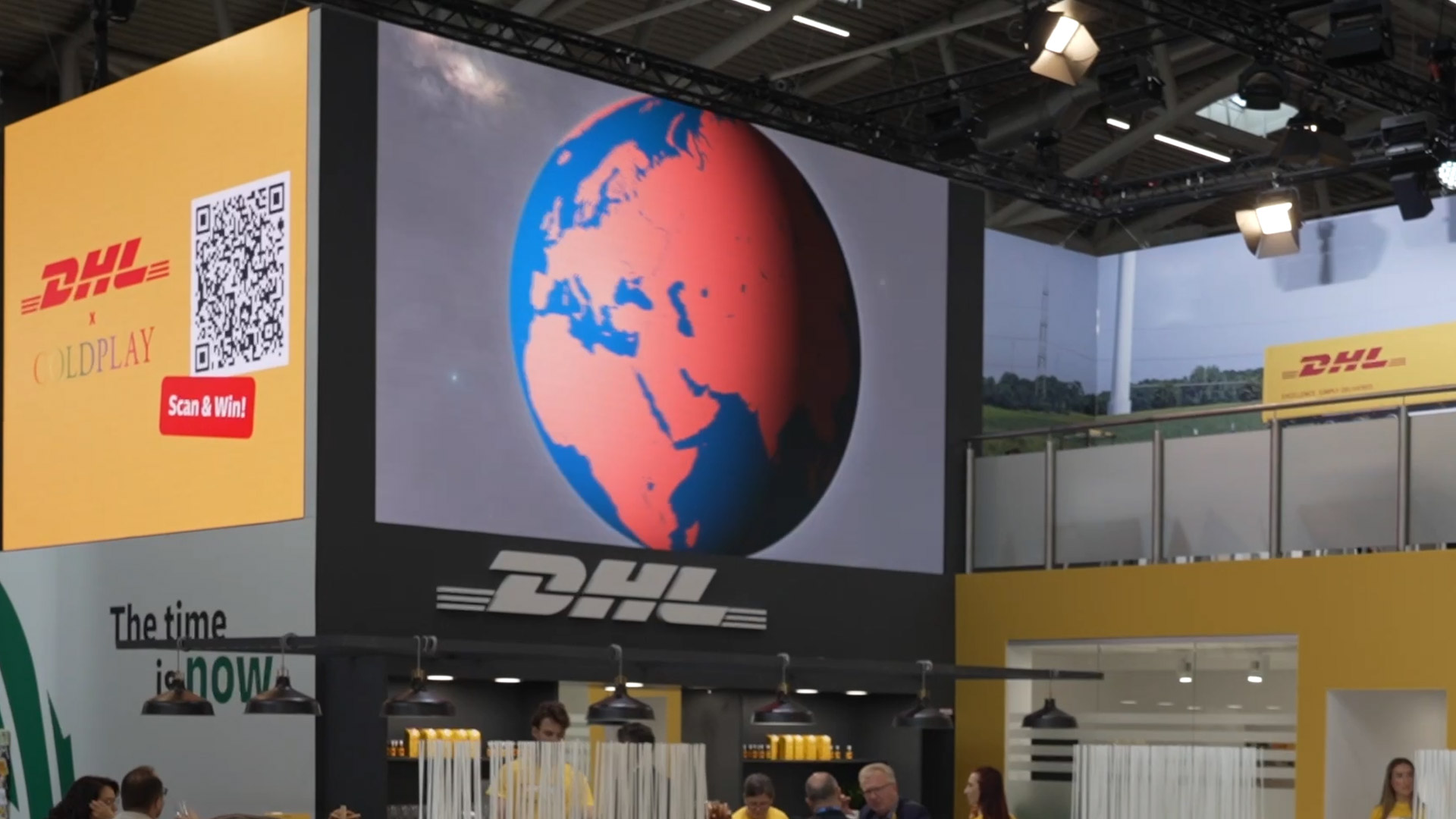
Deutsche Post - DHL: Print Mailings
Der Messeauftritt von Deutsche Post DHL zeigt, dass Print im digitalen Marketing keineswegs an Bedeutung verloren hat. Im Gegenteil: Gerade im Umfeld ... Print Mailings im E-Commerce
Drohnenlogistik in der Paketversorgung
Die Vorstellung, dass Pakete künftig massenhaft von Drohnen ausgeliefert werden, hält sich hartnäckig. Bilder autonomer Fluggeräte über Innenstädten p... DHL: Drohnen in der Logistik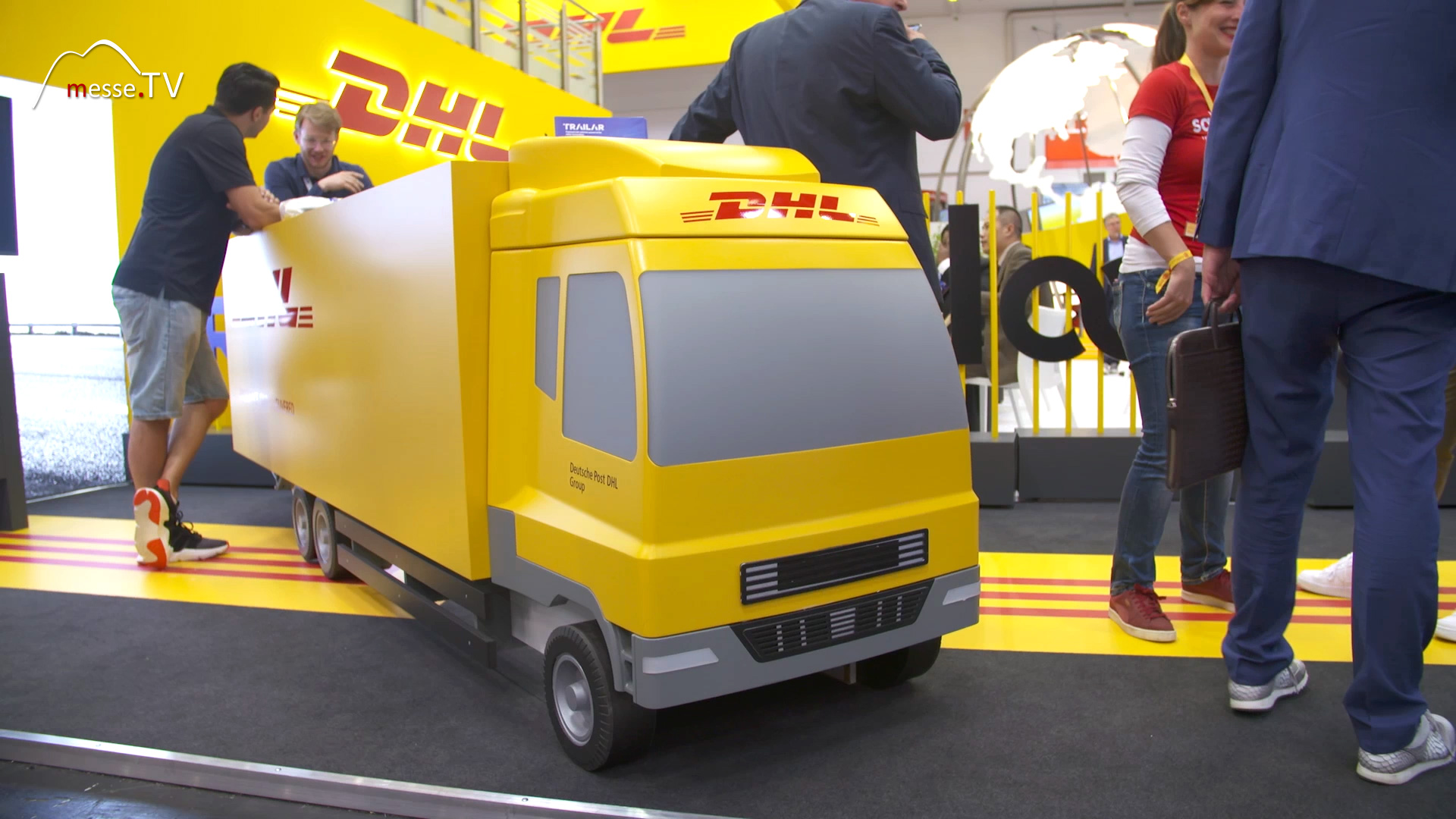
Robotics und Automation bei DHL
Die Logistikbranche steht vor einer strukturellen Herausforderung, die weit über kurzfristige Konjunkturzyklen hinausgeht. Gesellschaften altern, der ... DHL: Roboter in der Logistik
Green Energy Logistics bei DHL
Die Logistik steht an einem Punkt, an dem technologische Entwicklung und gesellschaftliche Erwartungen unmittelbar aufeinandertreffen. Kunden erwarten... DHL Trend Radar: Green Energy Logistics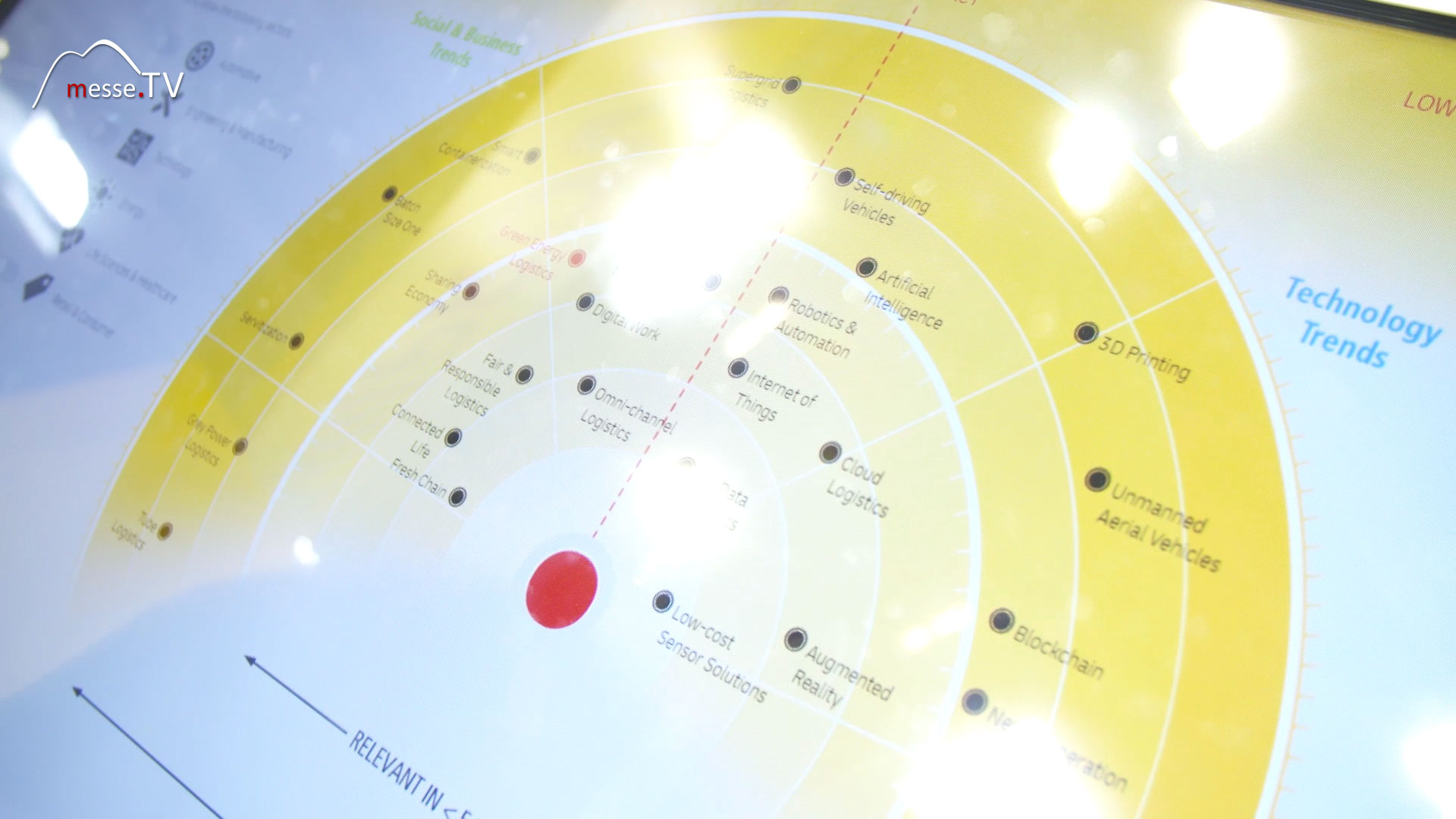
Breites Dienstleistungsportfolio für unterschiedliche Anforderungen
Das Leistungsangebot von DHL ist in mehrere Geschäftsbereiche gegliedert und richtet sich an Privatkunden ebenso wie an Unternehmen aus Industrie, Handel und E-Commerce. Neben klassischen Versanddienstleistungen bietet DHL umfassende Lösungen für internationale Logistikprozesse. Zentrale Leistungsbereiche sind unter anderem:
- Paket- und Briefdienstleistungen für nationale und internationale Sendungen
- Expresslösungen für zeitkritische Lieferungen
- internationale Luft-, See- und Landfracht
- Supply-Chain-Management und Kontraktlogistik
- spezialisierte Branchenlösungen, etwa für Healthcare oder E-Commerce
Digitalisierung und Automatisierung der Logistik
Ein wesentlicher Schwerpunkt der Unternehmensstrategie liegt auf der Digitalisierung logistischer Prozesse. DHL investiert kontinuierlich in IT-Systeme, Datenanalyse und Automatisierung, um Transparenz, Geschwindigkeit und Planbarkeit zu erhöhen. Sendungsverfolgung in Echtzeit, intelligente Routenplanung und automatisierte Lagerprozesse sind zentrale Elemente dieser Entwicklung. Darüber hinaus erprobt das Unternehmen neue Technologien wie autonome Fahrzeuge, Robotik in Logistikzentren oder den Einsatz von Drohnen für spezielle Anwendungsfälle. Aus journalistischer Sicht zeigt sich hier der Wandel der Logistik von einer primär physischen Dienstleistung hin zu einem datengetriebenen Systembetrieb.
Nachhaltigkeit als strategischer Handlungsrahmen
Nachhaltigkeit spielt bei DHL eine zunehmend zentrale Rolle. Der Konzern verfolgt langfristige Klimaziele und arbeitet daran, logistikbedingte Emissionen schrittweise zu reduzieren. Dazu zählen der Einsatz elektrisch betriebener Zustellfahrzeuge, alternative Kraftstoffe im Luft- und Seeverkehr sowie die Optimierung von Transport- und Lagerprozessen. Diese Maßnahmen sind Teil eines umfassenden Transformationsprozesses, der sowohl ökologische als auch wirtschaftliche Aspekte berücksichtigt. Für Kunden bedeutet dies, dass Nachhaltigkeit zunehmend als integrierter Bestandteil logistischer Dienstleistungen angeboten wird.
Einordnung im globalen Logistikmarkt
Im internationalen Vergleich nimmt DHL eine Schlüsselposition ein. Das Unternehmen verbindet ein dichtes weltweites Netzwerk mit standardisierten Abläufen und hoher operativer Skalierbarkeit. Diese Struktur macht DHL zu einem zentralen Akteur für globale Handels- und Lieferketten. Aus journalistischer Perspektive steht DHL exemplarisch für die Entwicklung der Logistikbranche insgesamt. Die Marke zeigt, wie sich klassische Transportdienstleistungen zu hochkomplexen, technologisch gestützten Infrastruktursystemen entwickeln, die maßgeblich zur Funktionsfähigkeit der globalen Wirtschaft beitragen.
Messe-Berichterstattung bundesweit - Messewissen, Termine & Veranstaltungen


