Cars between technology, drive systems and social reality
Cars are much more than just a means of transport. They are part of established infrastructures, an expression of individual lifestyles and, at the same time, the subject of intense political and social debate. Hardly any other topic combines technical development, economic interests and ecological conflicts of interest so strongly. Anyone writing about cars today cannot avoid questions of drive systems, energy consumption, emissions and climate change. At the same time, its significance is not decided in political papers, but in the everyday lives of millions of people.
Contributions on the topic of cars on Messe.TV
Wolf eMobility: Lightweight vehicle from Tyrol for urban mobility
In Kirchberg in Tyrol, a young start-up is working on rethinking urban transportation. Wolf eMobility GmbH is developing a lightweight vehicle that is radically different from prev... Wolf eMobility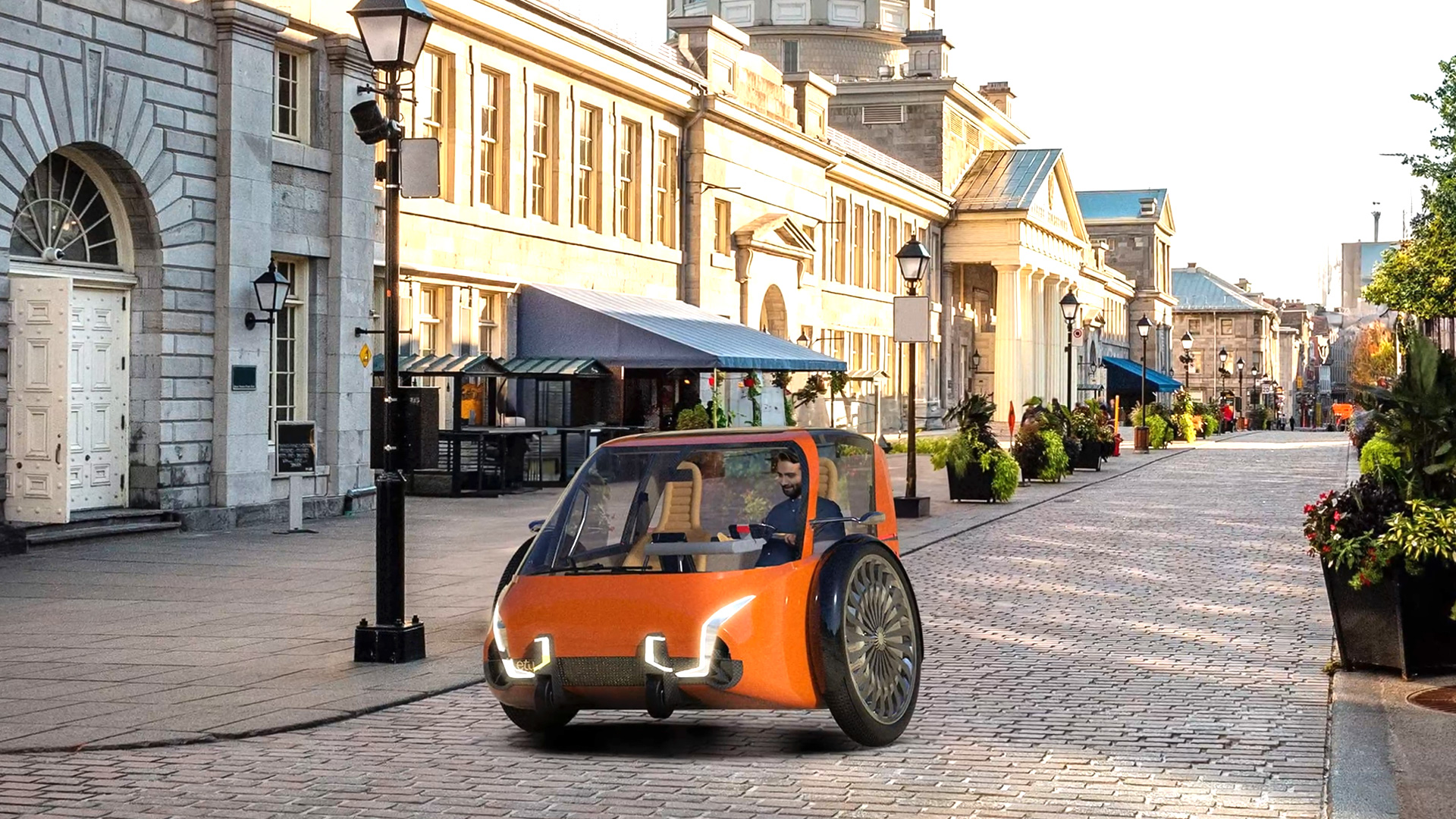
Ultre revolutionizes lightweight construction
Ultre is revolutionizing lightweight construction with free internal pressure forming, fundamentally rethinking lightweight construction and vehicle design with Ultre free internal... Ultra-free internal pressure forming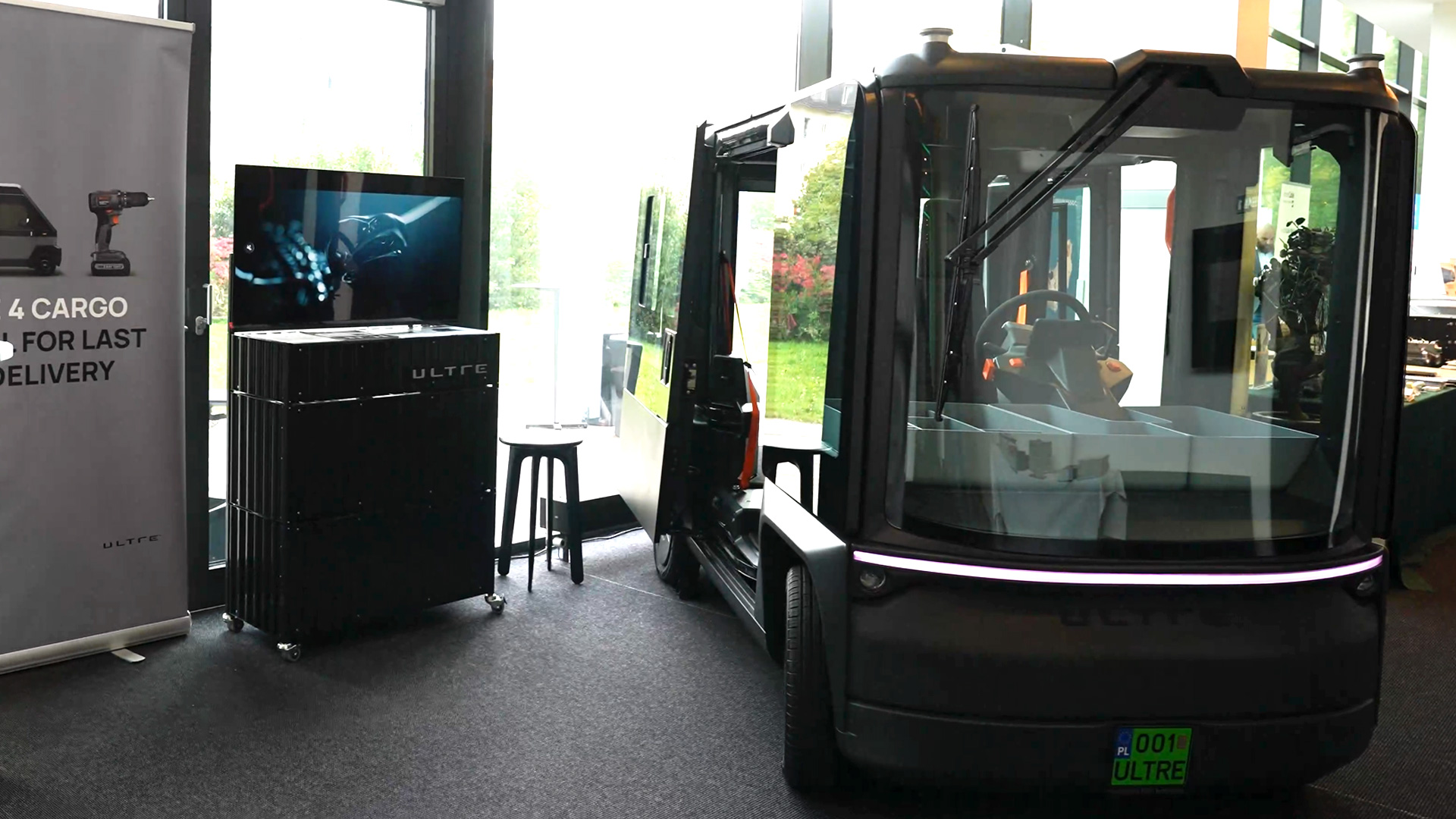

Audi Q3 e-hybrid – Premiere of the compact SUV at IAA MOBILITY
Audi presented the new Q3 e-hybrid at the IAA MOBILITY in Munich. The compact SUV has been a bestseller in the premium segment for more than ten years and is now even more confiden... Audi Q3 e-hybrid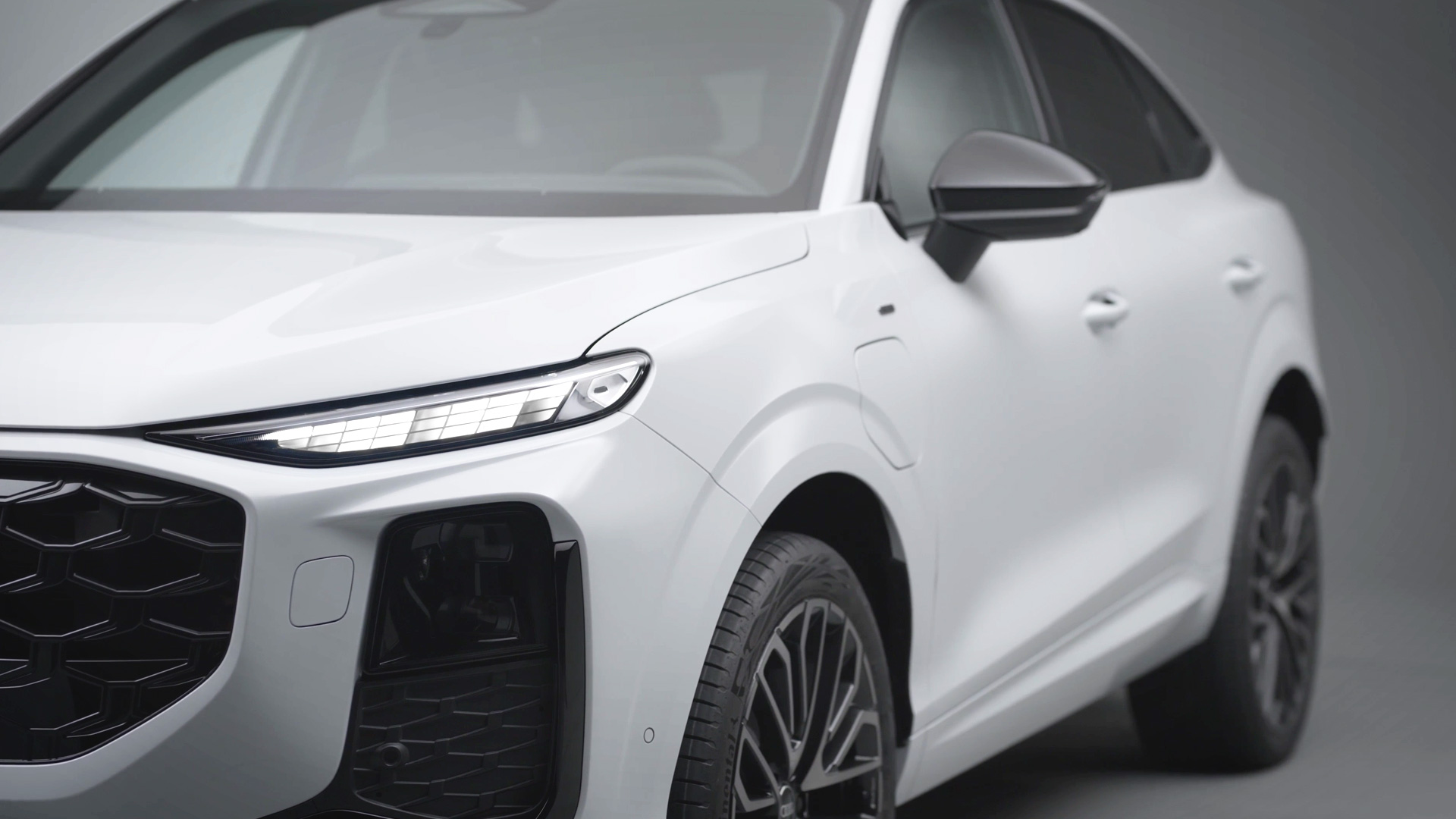
Leapmotor electric cars with a range of up to 434 km at the IAA 2025
With an impressive appearance at the IAA 2025, Leapmotor is presenting two models that underline the ambitions of the young Chinese car brand. Still relatively new on the German ma... Leapmotor new e-car models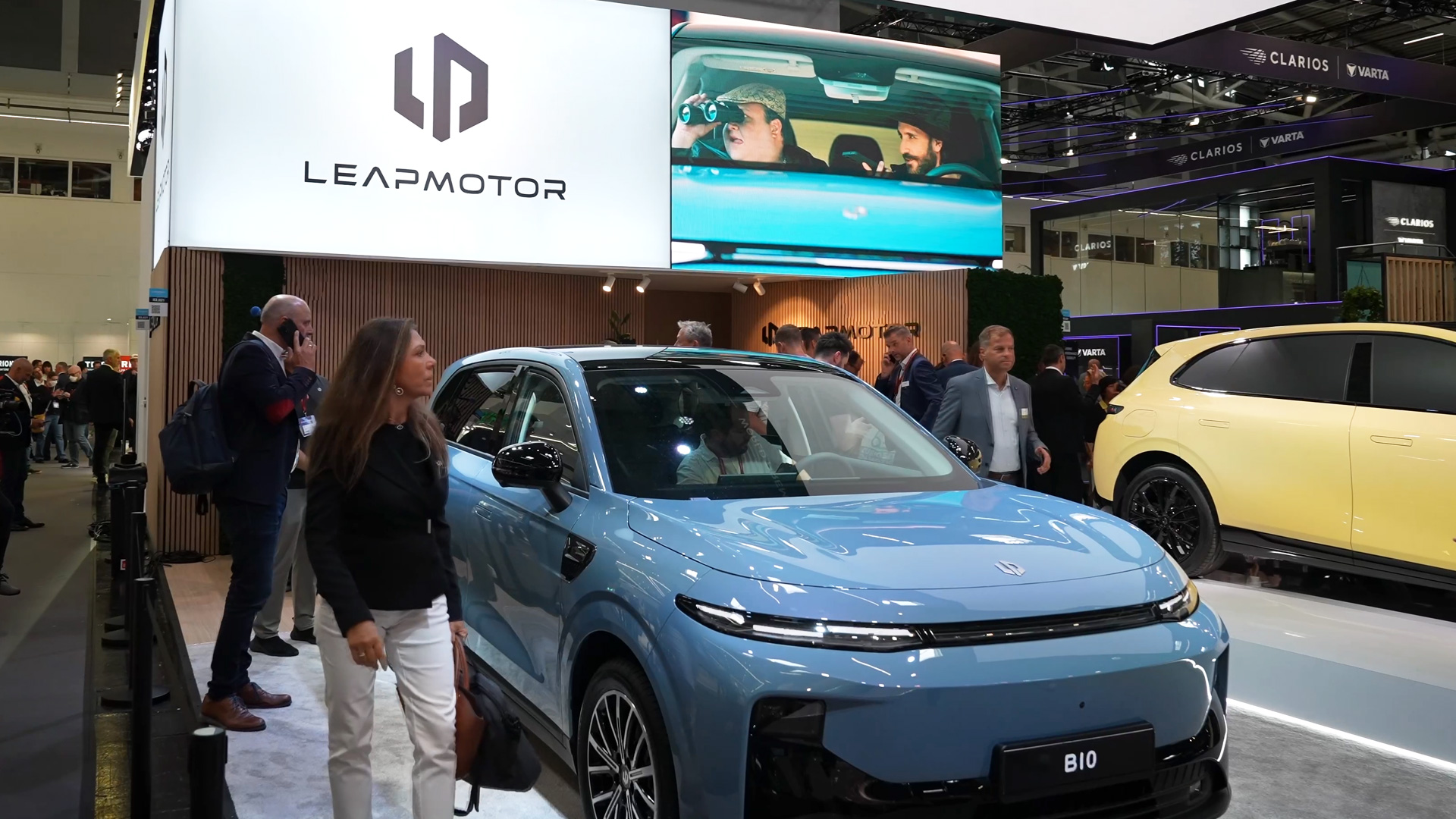
Mercedes GLC electric - premiere of the all-electric SUV
The new all-electric GLC from Mercedes-Benz took center stage at the IAA MOBILITY in Munich. The model brings the familiar GLC DNA into an uncompromisingly electric form and combin... Mercedes GLC electric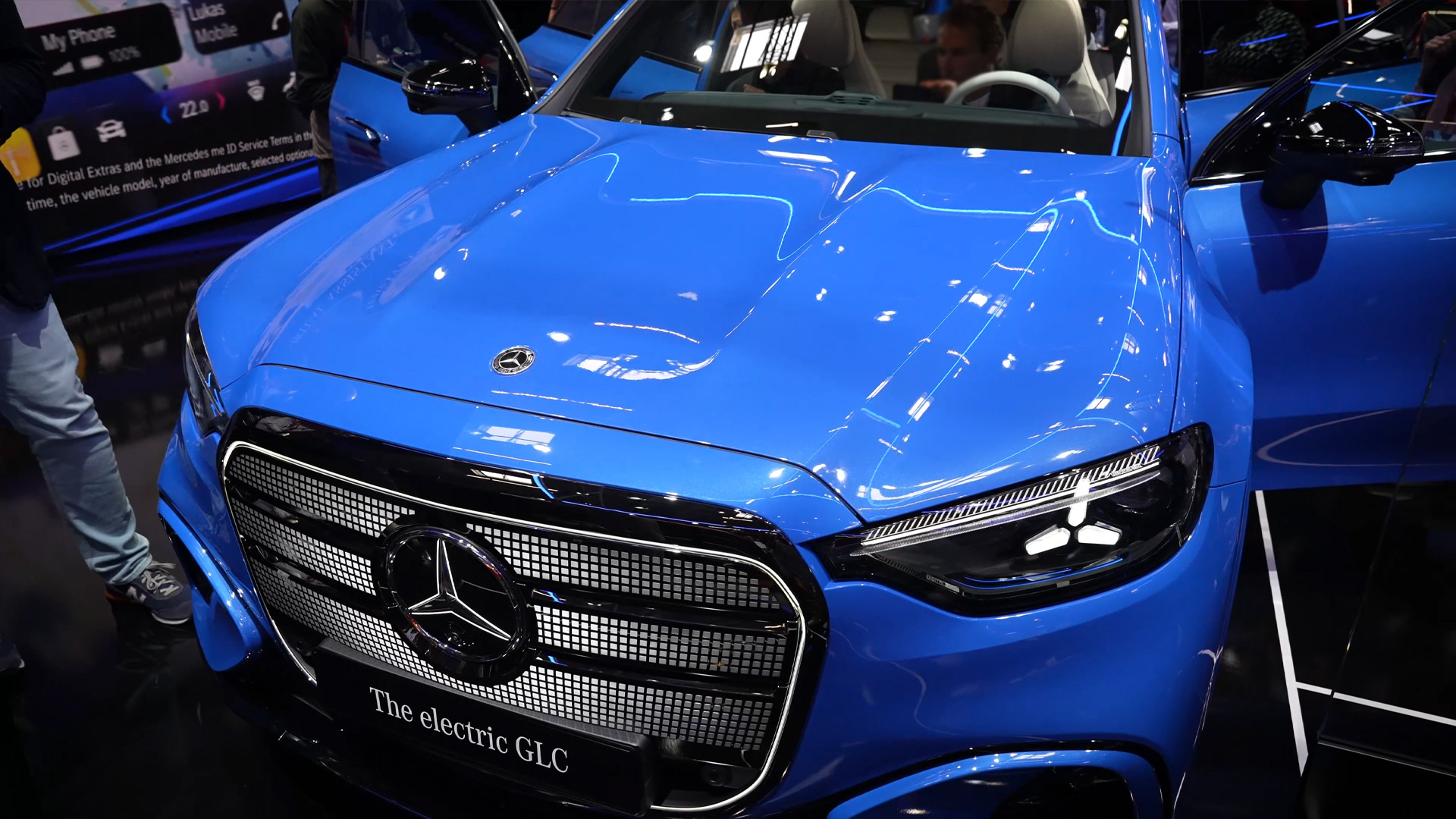
NIO electric SUV: Model EL6 - Messe.TV
NIO is a Chinese manufacturer of electric vehicles headquartered in Shanghai and was founded in 2014. The company offers a range of intelligent electric vehicles, including sedans ... NIO model EL6 - Electric SUV for everyday use + craftsmen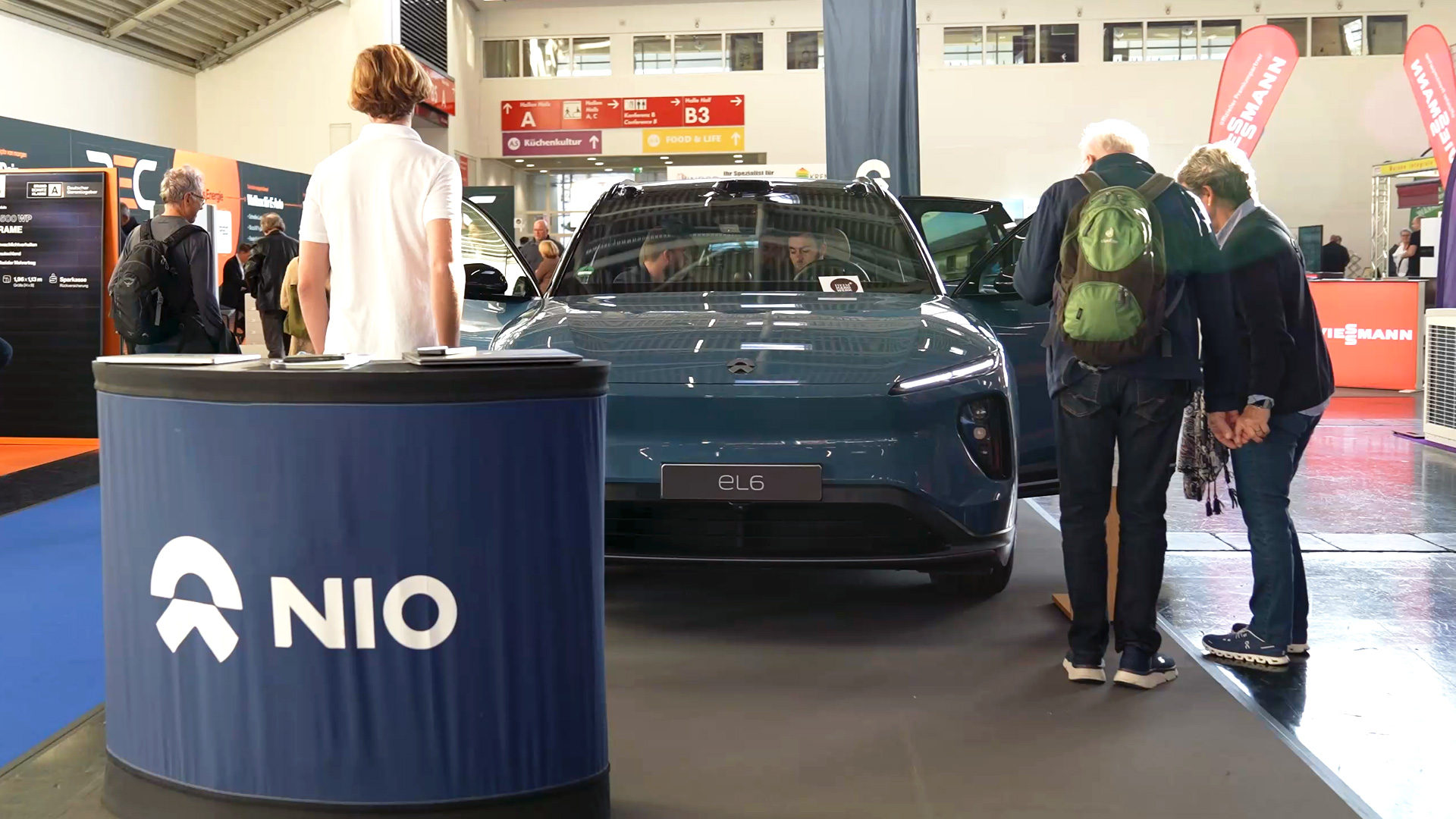
Volvo, premium vehicles, trucks and construction machinery
Volvo is a Swedish manufacturer of vehicles and mobility solutions with an exceptionally strong international presence. Since its founding in the late 1920s, the Volvo name has sto... Volvo
Mercedes-Benz, German luxury car brand - Messe.TV
Mercedes-Benz is one of the defining brands in automotive history and also stands for a present in which mobility is being reorganized technically, ecologically, and digitally. The... Mercedes-Benz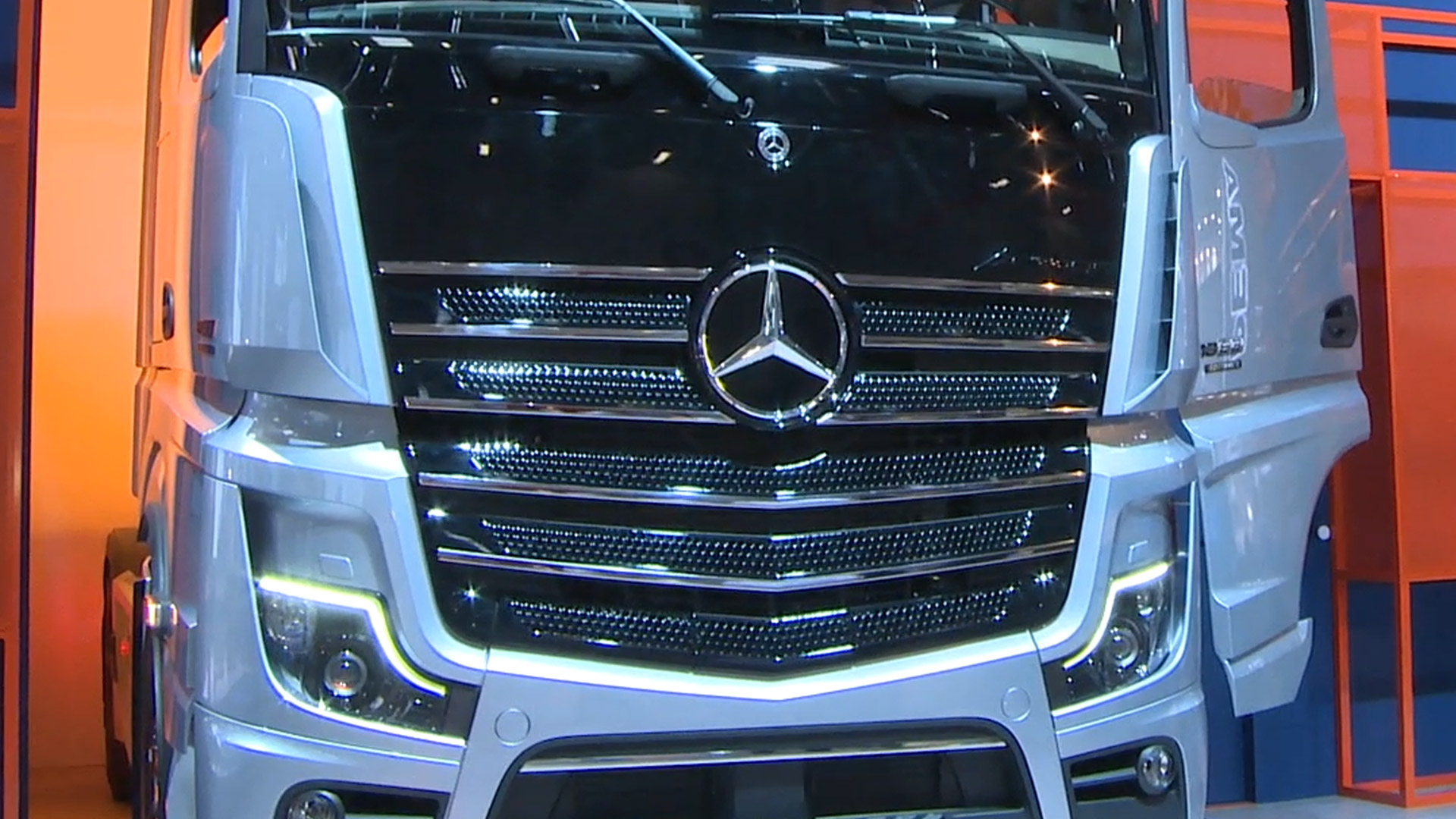
Smart: Concept #5 all-electric midsize SUV - ISPO 2024
Smart is a car brand that was founded in 1994 and specializes in the production of small and subcompact cars. Originally launched as a joint venture between the Swiss company Swatc... Smart: Concept #5 all-electric midsize SUV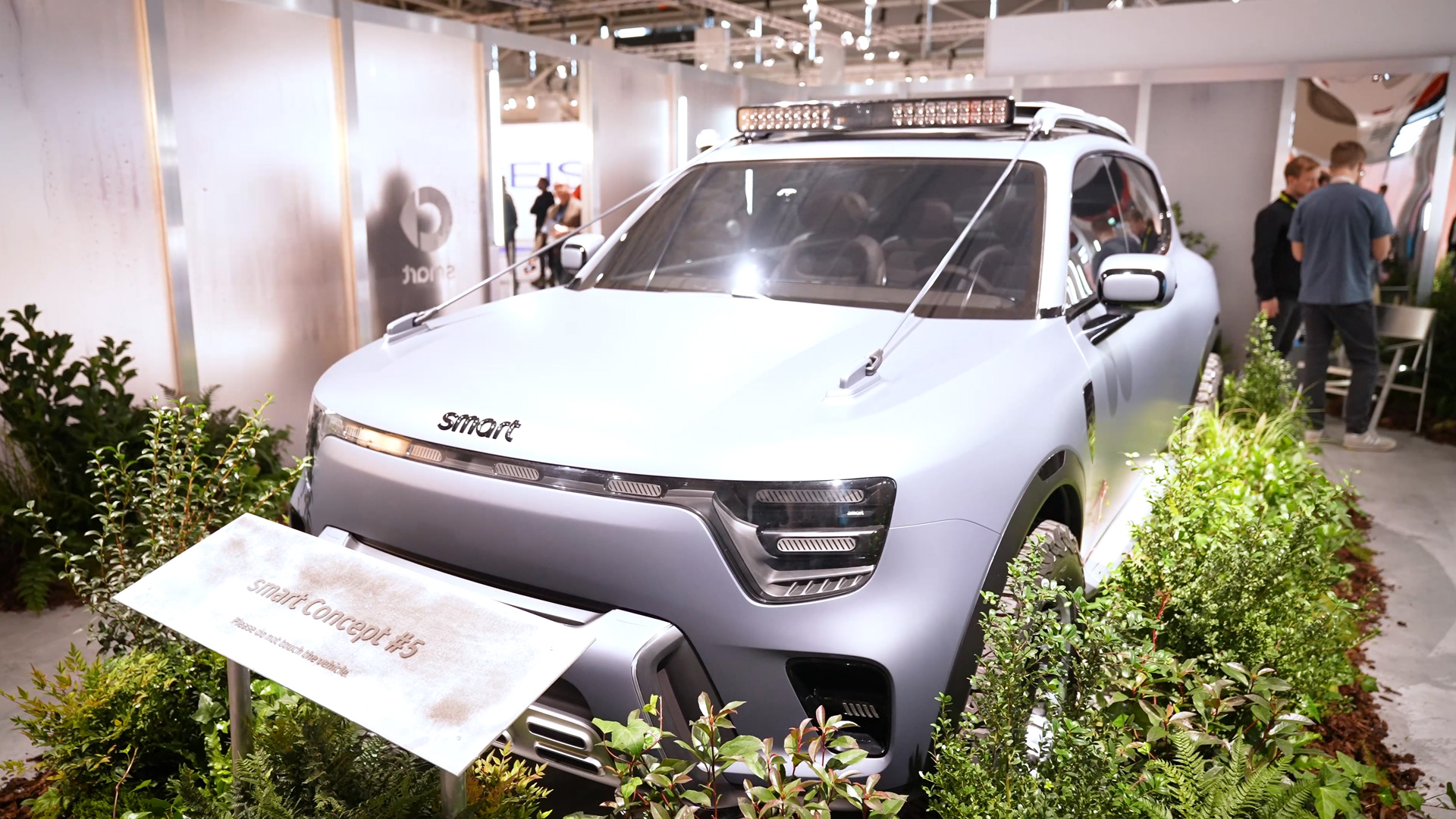
TU/ecomotive: Prototype Phoenix sustainable e-car - Messe.TV
TU/ecomotive is a student team at Eindhoven University of Technology dedicated to the development of sustainable mobility solutions. Since 2012, the students have designed and buil... TU/ecomotive: Prototype Phoenix sustainable e-car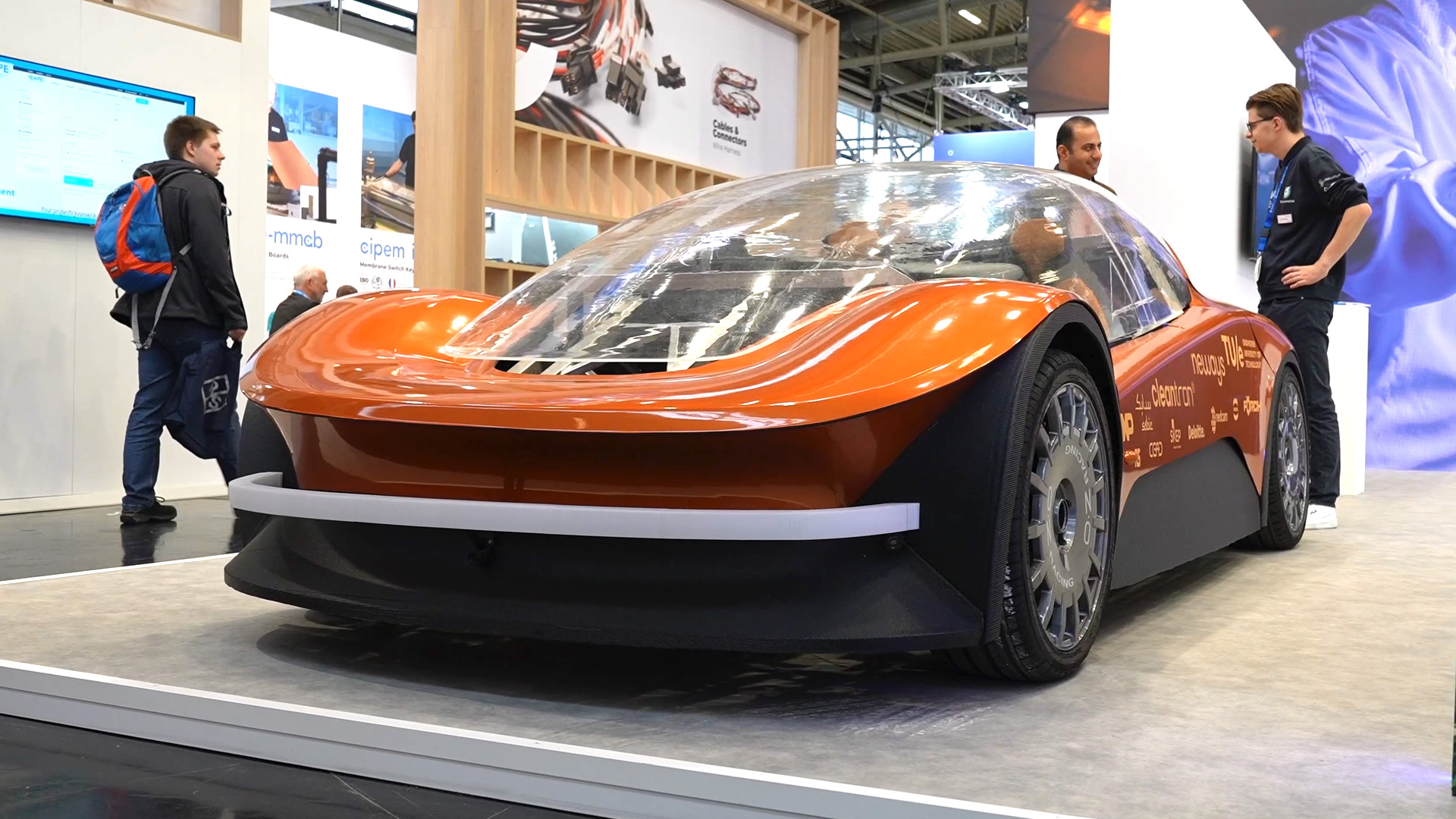
Electric mobility for the last mile at VW Commercial Vehicles
At VW Commercial Vehicles, electric mobility is no longer an abstract promise for the future, but a concrete field of work with clearly defined application scenarios. The focus is ... VW I.D. Buzz Cargo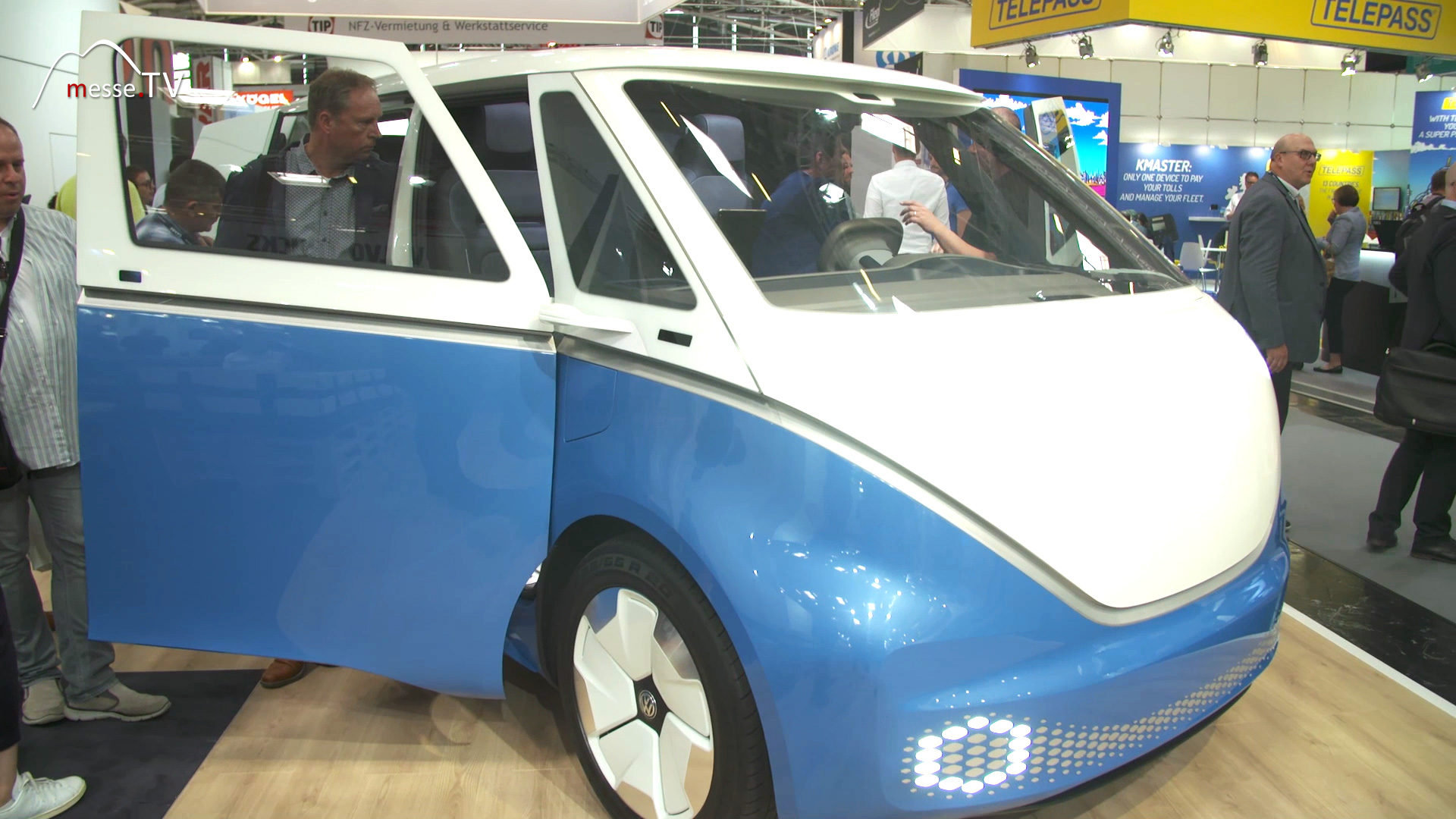
Microlino fully electric city car for urban areas
The first impression is clearly emotional. The little bubble car elicits spontaneous sympathy, a smile, that brief moment when technology does not seem sober, but creates a sense o... Fully electric city car Microlino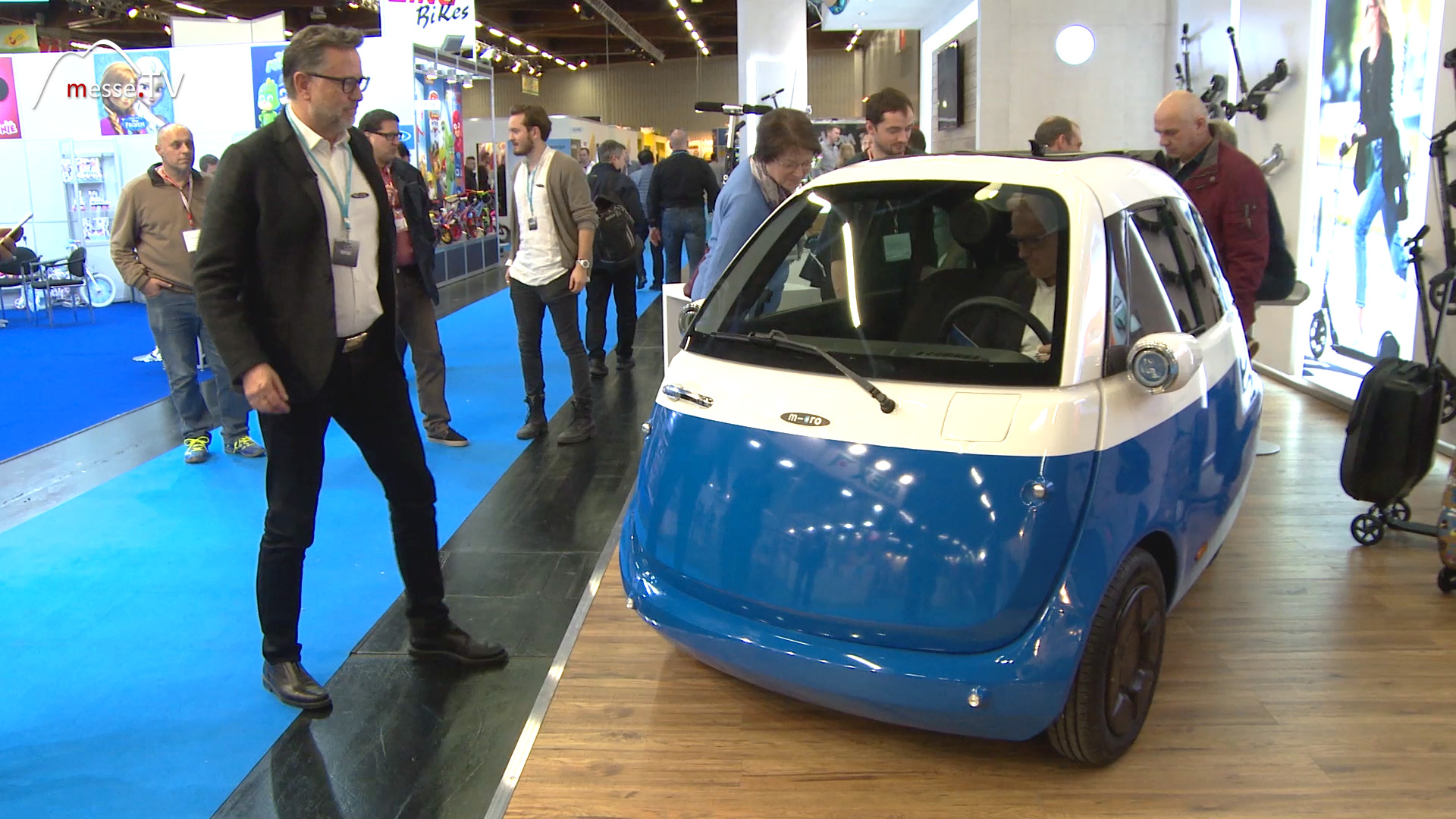
Buying cars in everyday life in modern societies
For many households, the car remains indispensable. Commuting, family obligations, shopping and leisure activities can often only be reliably organised with a private vehicle. Outside of large cities in particular, there is a lack of alternatives that are competitive in terms of time, space and cost. This shows that debates about new drive technologies often ignore reality when they fail to take existing structures into account. Petrol and diesel vehicles dominate the vehicle fleet not for nostalgic reasons, but because they have been optimised for these requirements over many years. Range, fast refuelling and a comprehensive network of petrol stations are practical advantages that are difficult to replace in everyday life. For many users, buying a car is not an ideological statement, but a tool that has to work.
Drive technologies in transition
Technological change is currently focused heavily on drive systems. While petrol and diesel have long been considered the standard, they are coming under increasing pressure. Their contribution to CO2 emissions is undisputed, as is their role in the context of climate change. Legal limits, driving bans and tax incentives are noticeably changing the market and influencing purchasing decisions. Electric cars are emerging as an alternative that is gaining importance, especially in urban areas. Locally emission-free, quiet and technically highly integrated, it is well suited to short distances and predictable driving profiles. At the same time, it is becoming apparent that the transition is more complex than political targets suggest. Charging infrastructure, charging times, electricity prices and the actual carbon footprint depend heavily on the electricity mix. For many users, the electric car remains an option, but not a universal solution. Diesel plays an ambivalent role in this context. On the one hand, it symbolises past regulatory mistakes, but on the other hand, it remains technically efficient in commercial transport and for high mileage. The departure from existing drive technologies is therefore not abrupt, but gradual and often contradictory.
CO2, climate change and political control
Hardly any other sector is as heavily regulated as road transport. Reducing CO2 emissions is a key objective of national and international climate policy. Cars are often perceived as the main culprit, even though emissions occur throughout the entire value chain. Manufacturing, energy production and disposal are increasingly coming into focus. Climate change is lending these issues a new urgency. Extreme weather events, rising temperatures and political commitments set the framework for decisions that have a profound impact on the car market. Subsidy programmes for electric cars, stricter emission standards and long-term bans on certain drive systems are changing the planning security for manufacturers and consumers alike. At the same time, there is a tension between political goals and individual realities. Those who depend on a car experience immediate restrictions. The acceptance of measures therefore depends less on abstract climate targets than on their suitability for everyday use. Technical solutions must be practicable, otherwise they will meet with resistance.
Use, ownership and new models
In addition to the drive system, the way we use our vehicles is also changing. Ownership is no longer a given for everyone, especially in cities. Sharing models, flexible leasing offers and commercial fleets are gaining in importance. Own vehicles are increasingly being replaced by situational use. In rural areas, on the other hand, there is often no alternative to ownership. Typical developments can be summarised as follows:
- Increase in electric cars in municipal and commercial fleets
- Decline in average mileage per vehicle in cities
- Diesel continues to be important for long distances and load profiles
- Greater consideration of CO2 values in purchasing and subsidy decisions
Between continuity and adaptation
Despite all the upheavals, the car remains an integral part of modern societies. Neither petrol nor diesel will disappear from the streets in the short term, nor will the electric car meet all requirements equally. The coming years will be marked by transitions, not clear end points. Climate change is forcing adjustments, but it does not eliminate existing needs. The decisive factor is how technology, regulation and everyday life can be reconciled. The car is a prime example of the challenge of combining ecological responsibility and individual mobility. The future lies less in simple answers than in differentiated solutions that take technical possibilities and social reality seriously.
Trade fair reporting Germany - Trade fair knowledge, dates & events


