Unique oak table from Austria with a length of 6.70 metres
by M. Kollmar - 2026-03-15Solid wooden tables made from a single trunk are among the most spectacular pieces of modern furniture design. They combine natural history, precision craftsmanship and technical processing in a single piece of furniture.
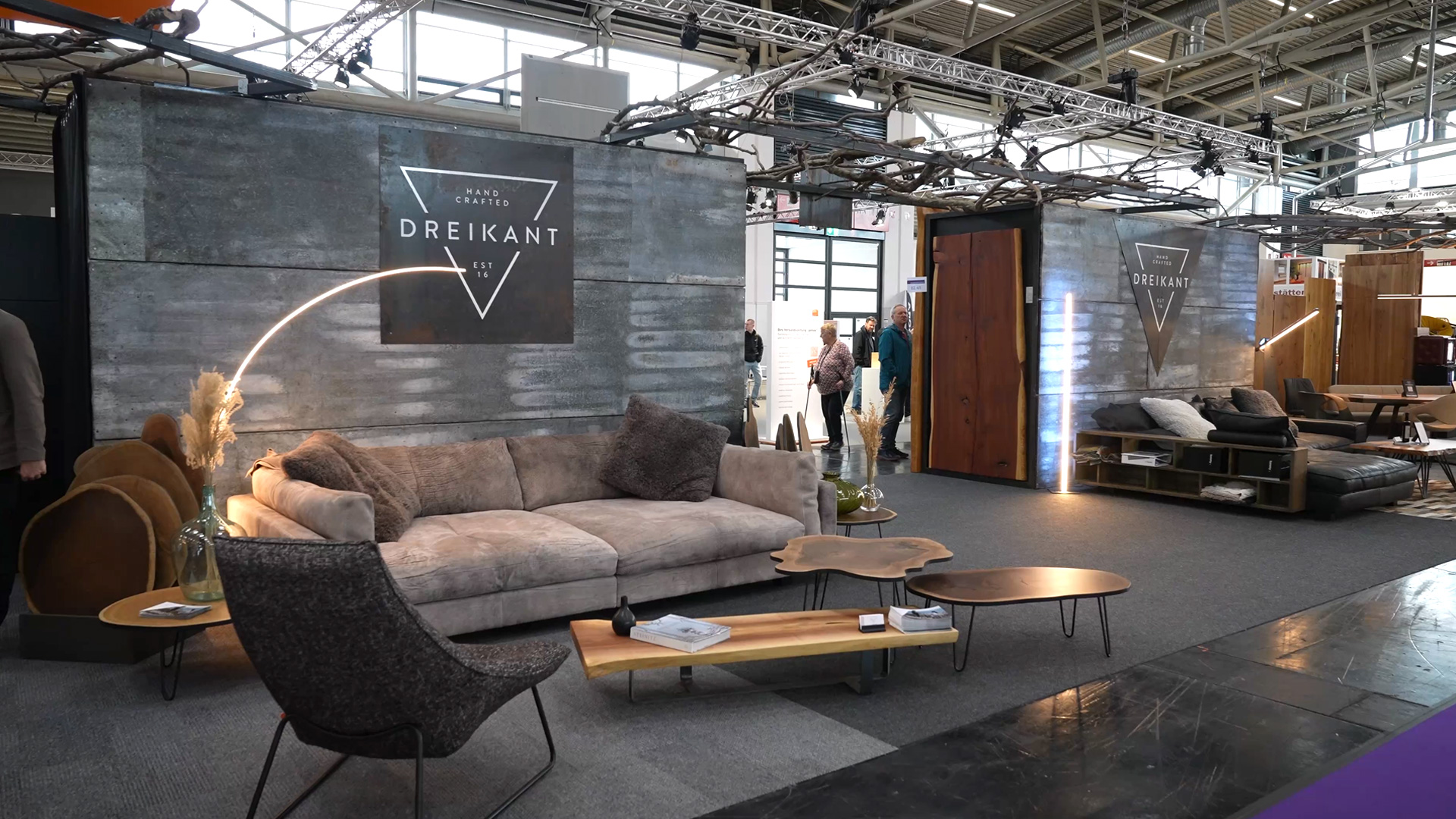
One particularly impressive example is a unique table from Austria, which was made from an oak tree that is around 350 years old. The finished table reaches a length of 6.70 metres, making it one of the exceptionally large solid wood tables currently being made in Europe. The piece of furniture was manufactured by ‘Dreikant’, a company that specialises in unique tables made from local wood. It's not just about the size of the table top, but also about the origin of the material and the history of the tree from which the table was made.
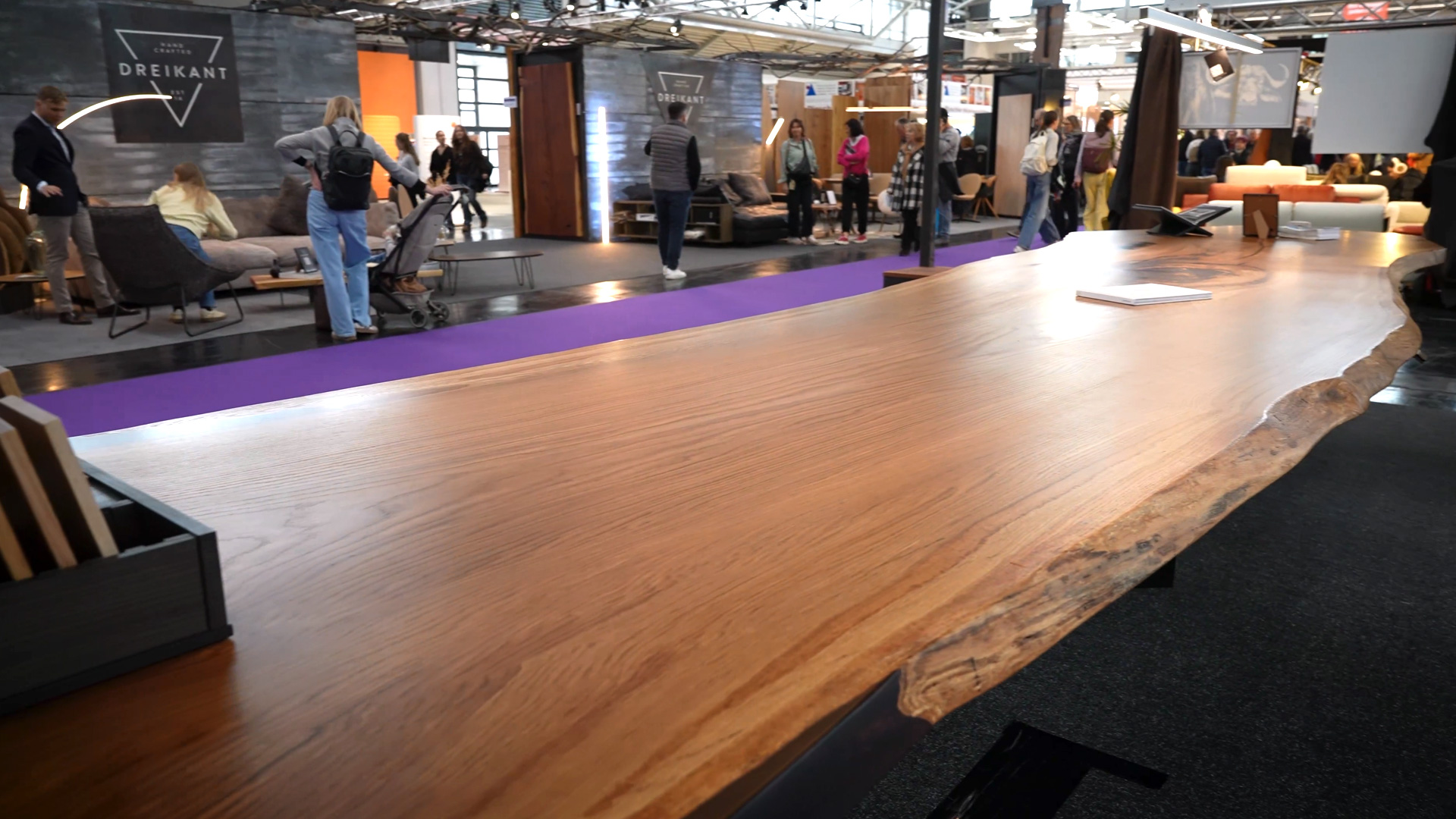

350-year-old oak from Styria as the starting point
The origin of this extraordinary table lies in Styria. An oak tree grew there over several centuries, eventually reaching a trunk diameter of around 2.5 metres and weighing around 28 tonnes. This makes it one of the largest trees that ‘Dreikant’ has ever processed. The tree was around 350 years old and had been looked after for a long time. It was only a storm at the end of 2019 that brought the oak down. Dreikant found out about the fallen tree through contacts and organised the further processing of the trunk together with partners. A table is not immediately made from such a tree. First, the trunk has to be professionally cut open to create individual wooden boards that can later be used to make furniture.
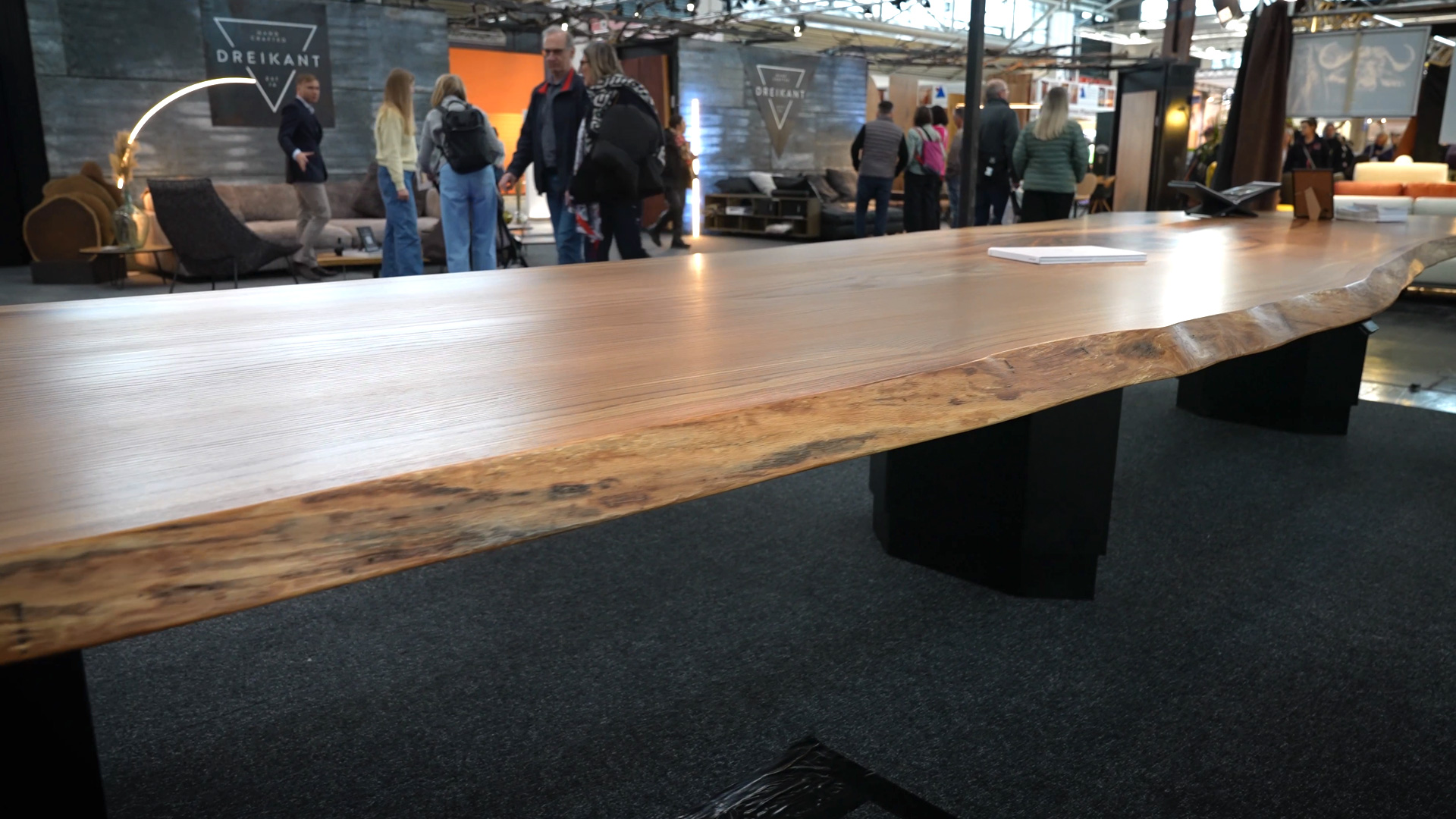
From tree to table - years of drying the wood
After cutting, a crucial step in wood processing begins: drying. Solid wood panels cannot be processed directly, as they would crack or warp later on. The boards are first air-dried for several years. Depending on the thickness of the wood, this process can take between three and six years. This is followed by additional technical drying in a special drying chamber, which takes several months. In the case of the table made from Styrian oak, it took a total of around six years until the wood was ready for further processing. Only then could the actual production begin. The wood preparation process involves several steps:
- Slicing the trunk into solid wood slabs
- multi-year air drying over several years
- additional drying in a drying chamber
- Preparation of the surface for further processing
CNC router enables processing of huge wooden panels
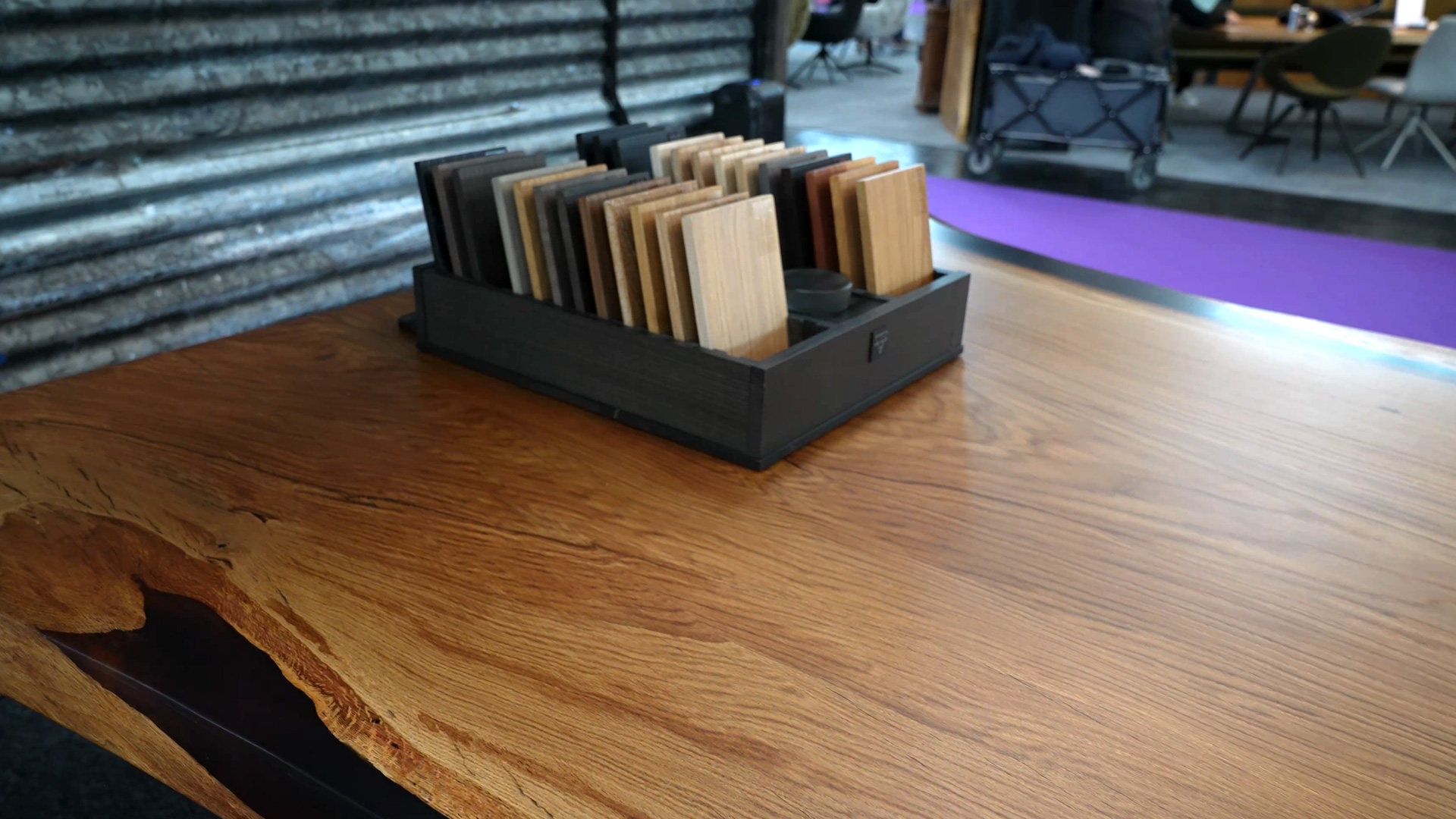
Traditional woodworking methods are not sufficient for wooden boards of this size. While smaller boards can be planed, large solid boards have to be treated differently. Dreikant relies on a CNC milling machine for this. With this machine, the entire surface is first milled flat in order to obtain an exactly flat panel. This step replaces traditional planing for such dimensions. Further processing steps follow after milling. These include filling natural cracks or cavities with epoxy resin. The surface is then sanded or brushed, depending on the desired result. In the case of the table shown, the top was first milled flat, then brushed and finally varnished. Epoxy resin was used to stabilise natural structures in the wood and at the same time keep them visible.
Rustic or plain wood structure depending on the tree
Not every tree produces the same wood structure. Some trunks grow very straight and contain only a few knots. Other trees develop numerous knots, branches or irregular shapes as they grow. These differences later determine the appearance of a table. Rustic tops often have many knots, cracks or irregular structures. With simpler trees, the wood is calmer and more uniform. Dreikant deliberately works with both variants. Depending on the project, either highly structured or particularly calm wood panels are selected. Mainly domestic wood species from Central Europe are used. These include
- Oak
- Ash
- Beech
- Maple
- Cherry
- Ulm
Height-adjustable technology for large solid wood tables
In addition to wood processing, technology is also playing an increasingly important role in modern solid wood tables. Dreikant has developed its own system for this, which was originally intended for height-adjustable desks. This system is now also used for large tables. The oak table on display stands on three height-adjustable legs that can be controlled electronically. It is operated either via a smartphone app or via an integrated control panel on the table. Several heights can be saved and recalled at any time. A quick press of a button is all it takes to automatically move the table to a saved position.
Unique tables from Dreikant are created from different types of construction
Solid wood tables can be constructed in different ways. Dreikant basically distinguishes between three types of construction. The first variant consists of glued wooden panels. Several pieces are joined together. Such tables are usually priced between around 3,000 and 5,000 euros. A second variant is so-called mirrored boards. Here, two pieces of wood come from the same trunk and are joined together in mirror image. This type of construction allows for larger table widths and usually ranges between around 6,000 and 9,000 euros. The most exclusive variant is made from a single slab of wood from a single trunk. Such unique pieces usually start at around 10,000 euros and can be significantly higher for particularly large specimens. The 6.70 metre long oak table from Styria belongs to this category. A piece of furniture has been created from a centuries-old tree that not only impresses with its size, but also with its combination of natural history and modern wood processing.
Trade fair reporting Germany - Trade fair knowledge, dates & events


