Custom-made concrete furniture from Design in Beton
by B. Velonavy - 2026-03-04Concrete has been regarded as a robust, functional material in construction for decades. In recent years, however, the material has also established itself in furniture design. One example of this is the company Design in Beton from Emsland.
The approach is clearly formulated: concrete furniture is not mass-produced, but individually custom-made for each customer. The focus is not on a fixed range, but on an open design process. Size, shape and design are adapted to the customer's requirements. As long as a suitable form can be constructed, the piece of furniture can also be produced.
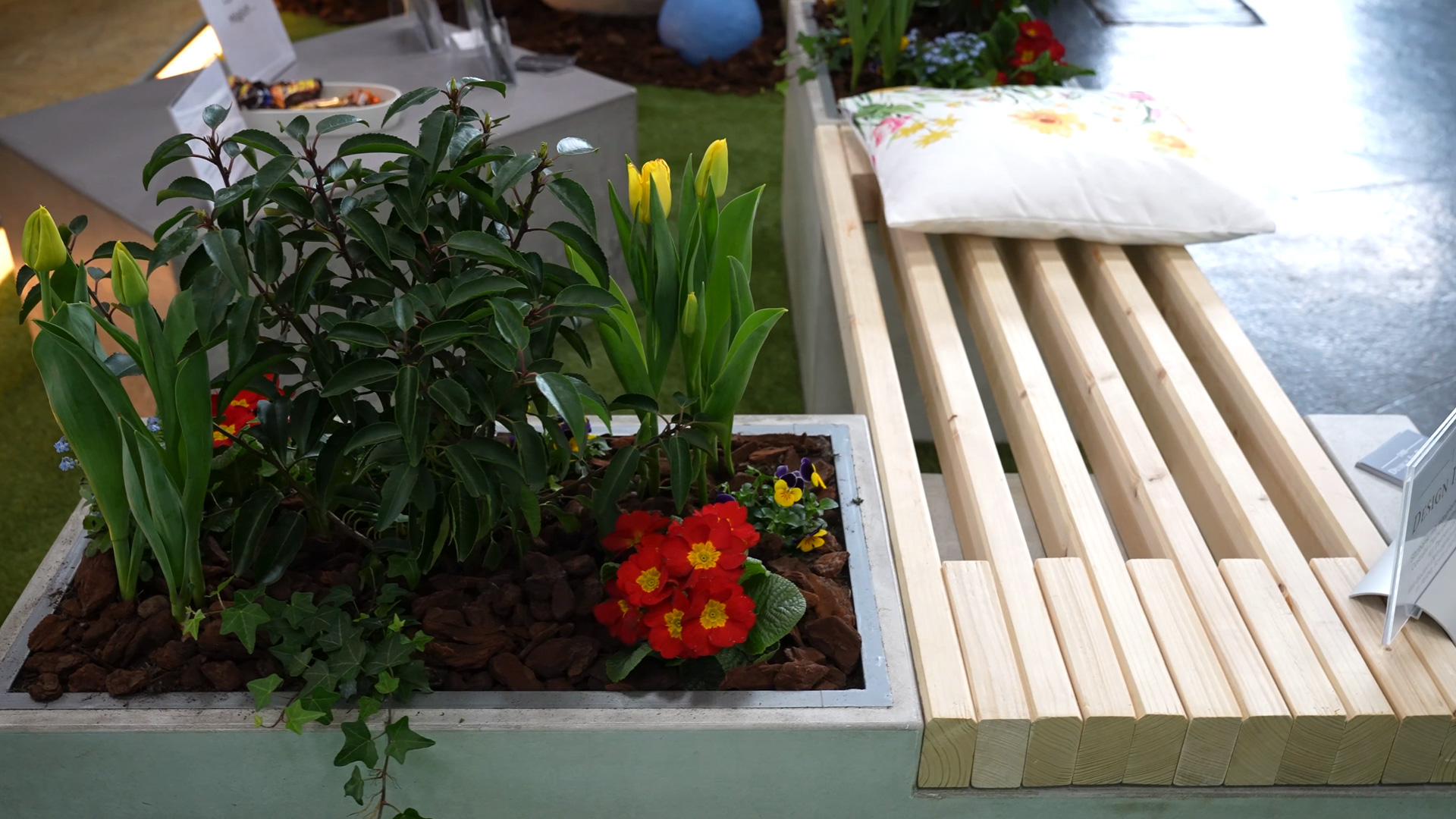

Design in Beton manufactures customised concrete furniture
The basic principle is simple, but consistently implemented. Design in Beton develops furniture that is precisely tailored to the customer's needs. This is not limited to classic tables or seating furniture. Architectural elements can also be part of the design. One example is a concrete column into which house numbers, street names or family names can be integrated. Such elements combine function with design and create individual solutions for entrance areas or gardens. In addition to individual pieces, complete seating groups are also produced, for example with integrated plant pots. The dimensions can be varied: longer, wider, higher or in different colour variations. The material itself offers a high degree of design freedom.
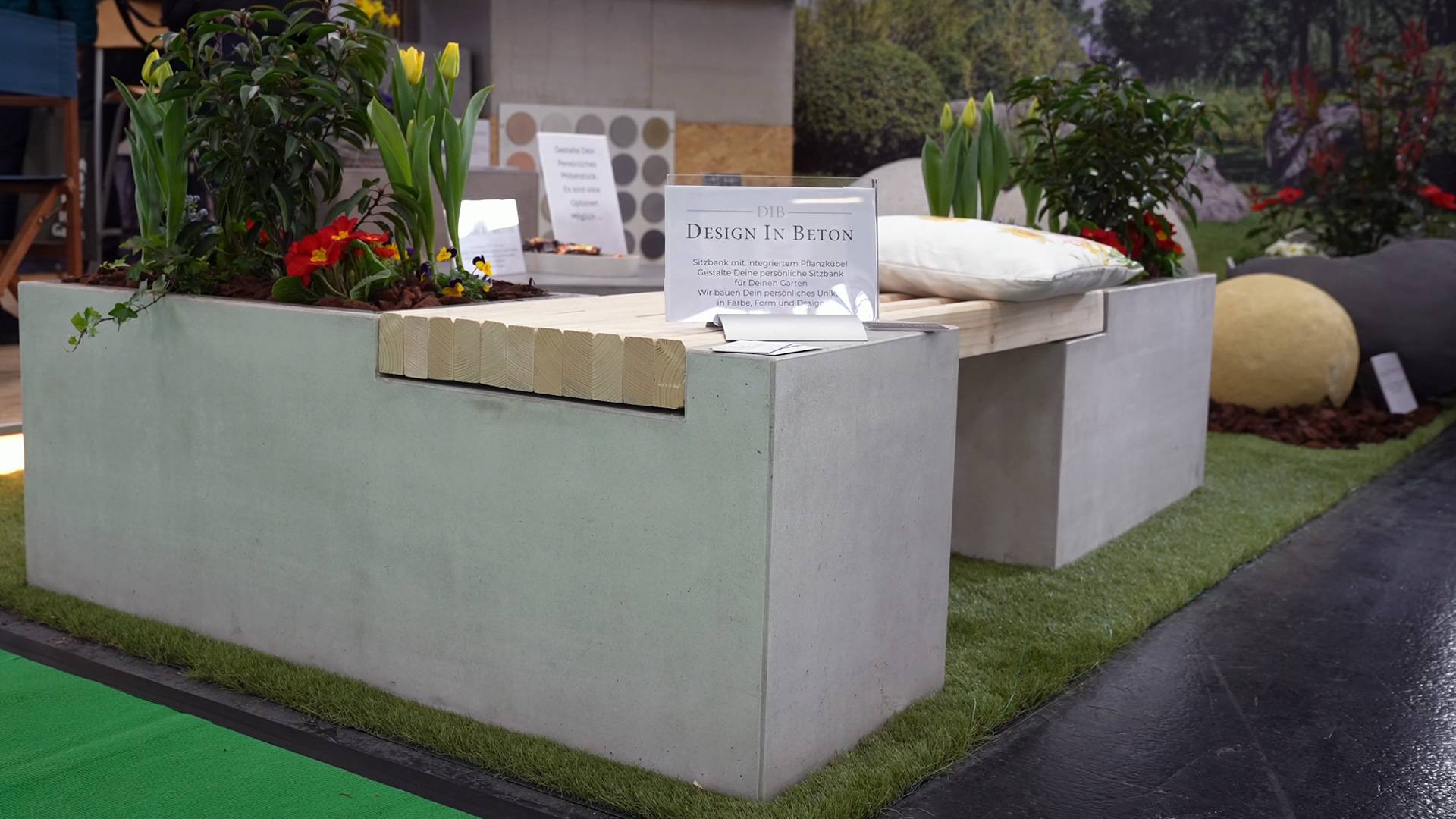
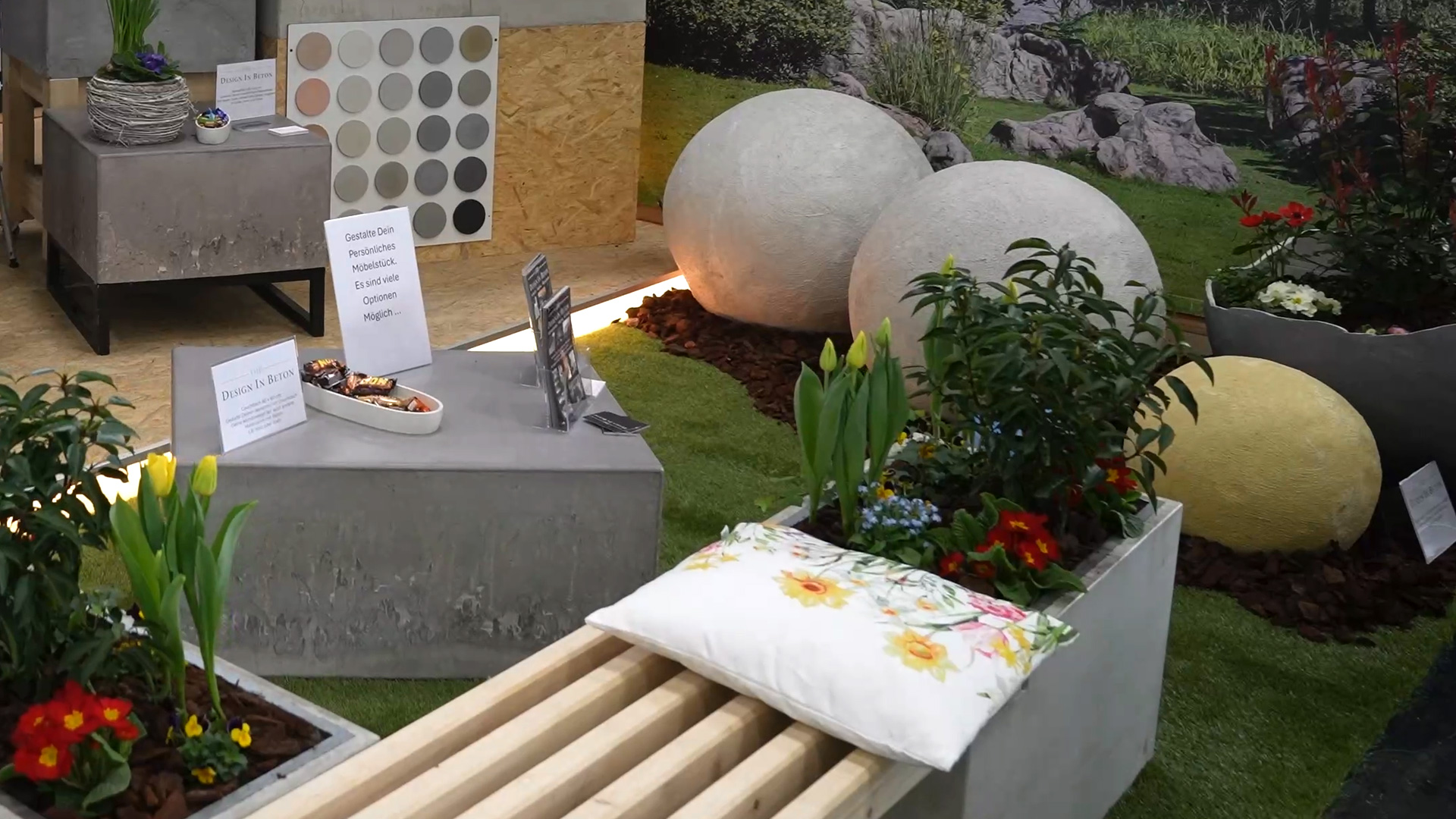
Concrete furniture for indoor and outdoor use
The areas of application extend far beyond the garden. Concrete furniture can be used both outdoors and indoors. Individual solutions made of concrete are increasingly being created, especially in the living area. Typical applications include:
- Washbasins and sinks
- Kitchen worktops
- Dining tables and coffee tables
- Side tables
- Benches and stools
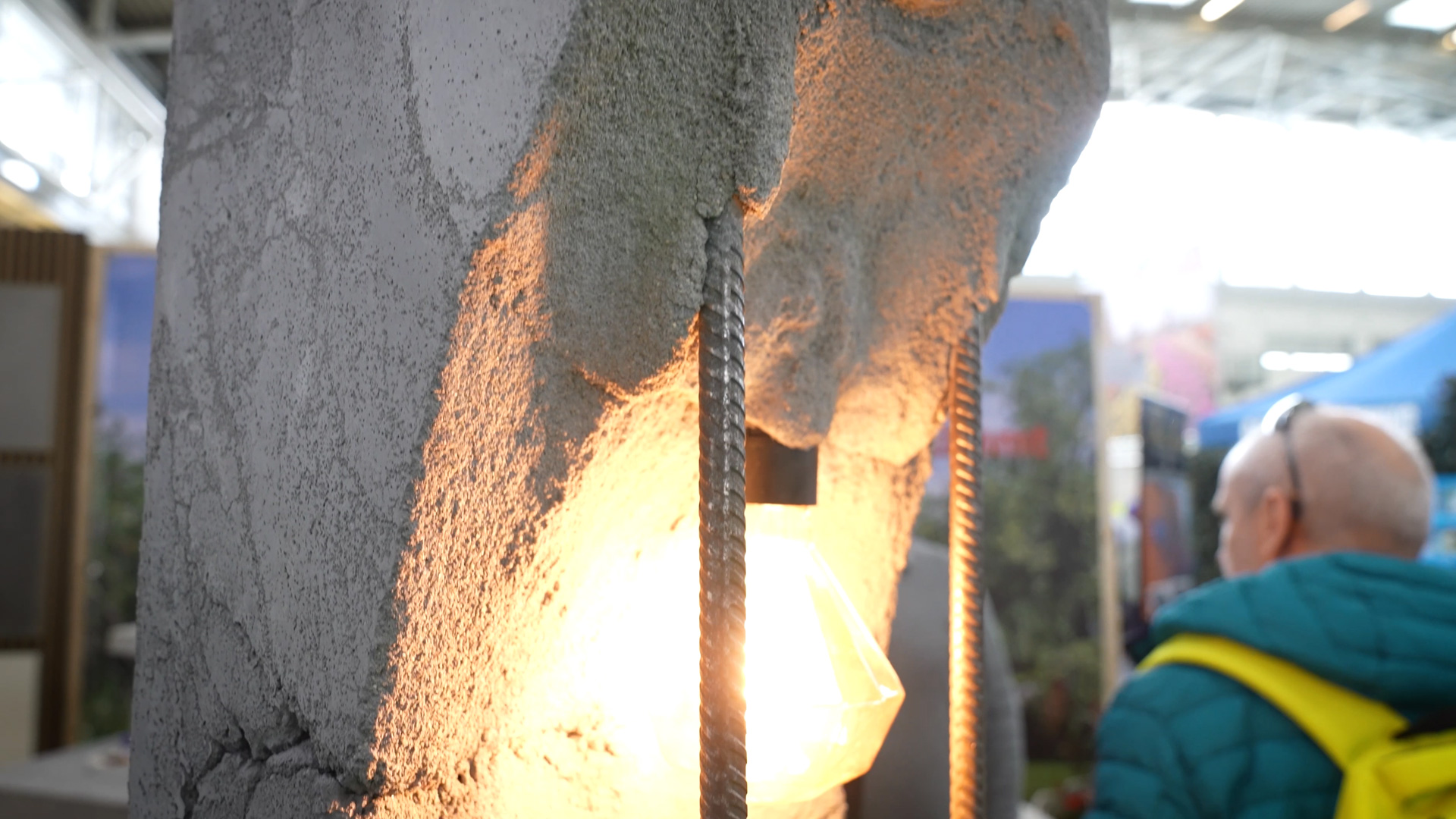
Custom-made instead of mass-produced
Unlike many furniture manufacturers, Design in Beton deliberately avoids standardised mass-produced products. Each piece of furniture is individually crafted. This decision is based on practical reasons: mass-produced products require a broad demand for exactly the same model. With concrete furniture, however, demand is often strongly project-related. Production is therefore based on specific orders. A piece of furniture is planned, the corresponding form is designed and then manufactured. Only then is it delivered. This approach allows for a high degree of flexibility. An order can be for a single piece of furniture, but also for a larger project. For example, several hundred washbasins and numerous washstands with integrated basins were manufactured for a hotel. Such series can also be produced, provided that a corresponding order is placed.
Production, delivery and assembly
Manufacturing takes place in Wietmarschen in the Emsland region. From there, Design in Beton organises both the production and delivery of the furniture. The service does not end at the kerbside. The furniture is transported to its intended location – whether in the garden or inside a house. In many cases, assembly is carried out in collaboration with regional craft partners. These partnerships are spread across Germany and enable larger or heavier structures to be assembled on site. The combination of in-house production and local craftsmen ensures that even complex projects can be implemented.
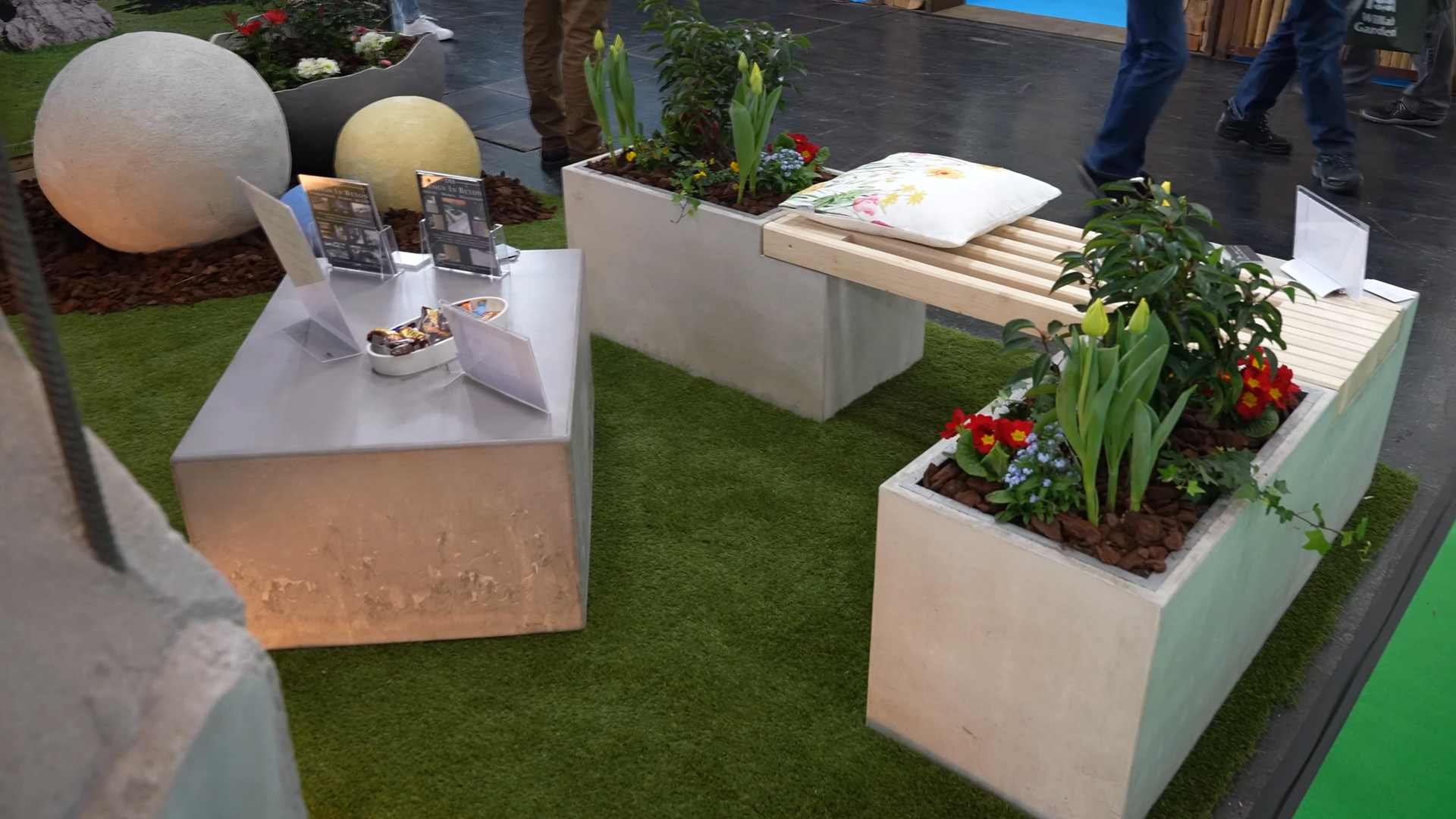
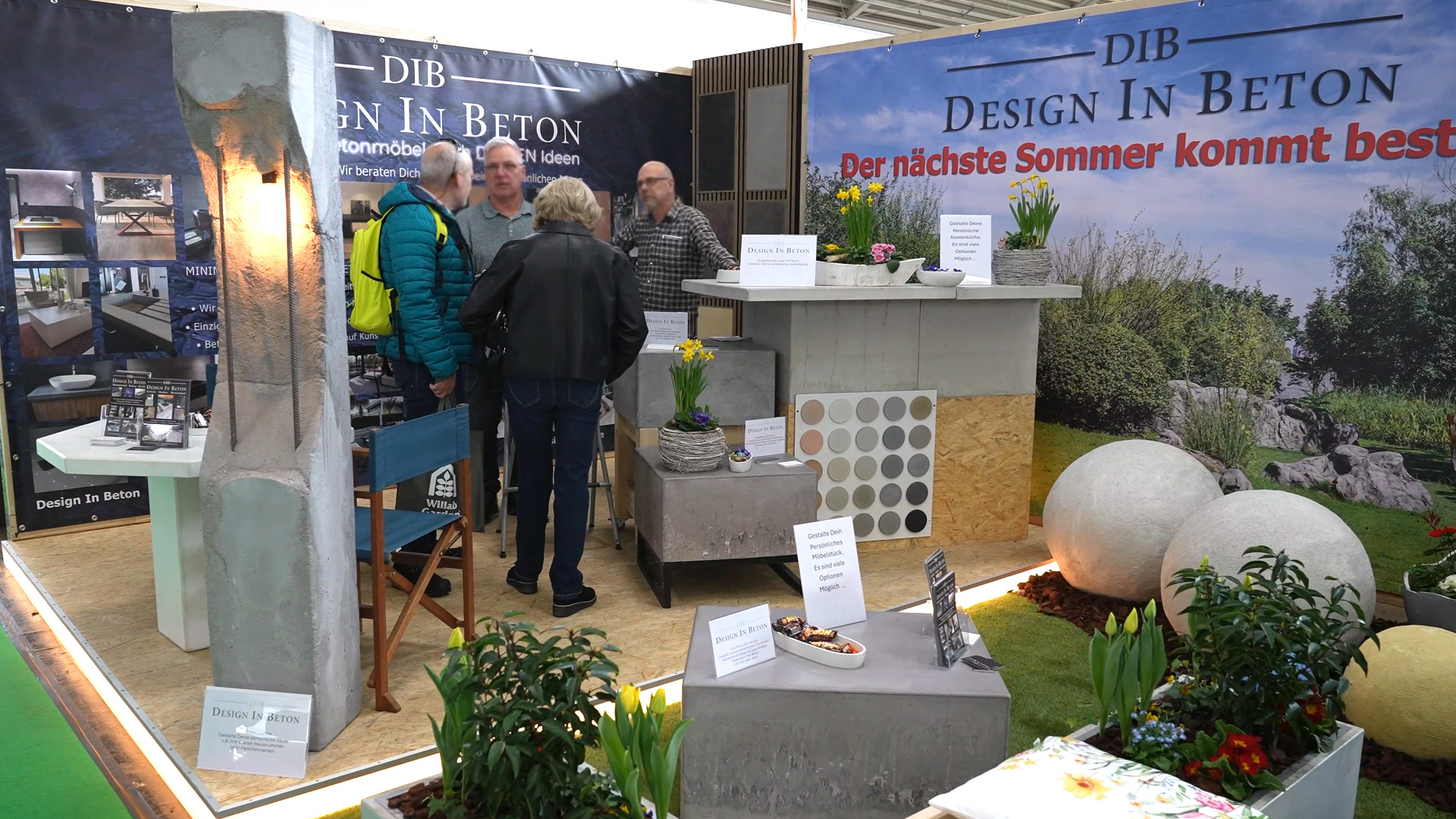
Concrete as a material offering creative freedom
Concrete has a property that makes it particularly interesting for furniture: it can be shaped in almost any way. The only decisive factor is the design of the corresponding mould. Once this exists, the desired object can be produced. This flexibility opens up numerous design possibilities. Concrete furniture can appear solid or be designed to be delicate. It can be combined with other materials, such as wood or steel substructures. At the same time, concrete impresses with its durability. The material is long-lasting, stable and, with the appropriate sealant, also frost-resistant. This makes it equally suitable for indoor and outdoor use. The maintenance required is comparatively low. Regular cleaning is usually sufficient to preserve the surface permanently.
Individual prices instead of a fixed price list
As each piece of furniture is individually designed, there is no fixed price list. The price is determined by several factors: size, shape, material combinations and manufacturing costs. An outdoor kitchen made of concrete, for example, has different requirements than a coffee table or a washbasin. Substructures made of wood or steel also play a role. Accordingly, each project is calculated separately. This approach follows the company's fundamental philosophy: concrete furniture is not a standardised product, but a handcrafted solution for individual spaces. Design in Concrete thus shows how a classic building material can be used in a new context. A material traditionally associated with architecture is used to create pieces of furniture that can be both functional and design-defining.
Trade fair reporting Germany - Trade fair knowledge, dates & events


