Royal Padel Aniversario 36 – Traditional brand with special material structure
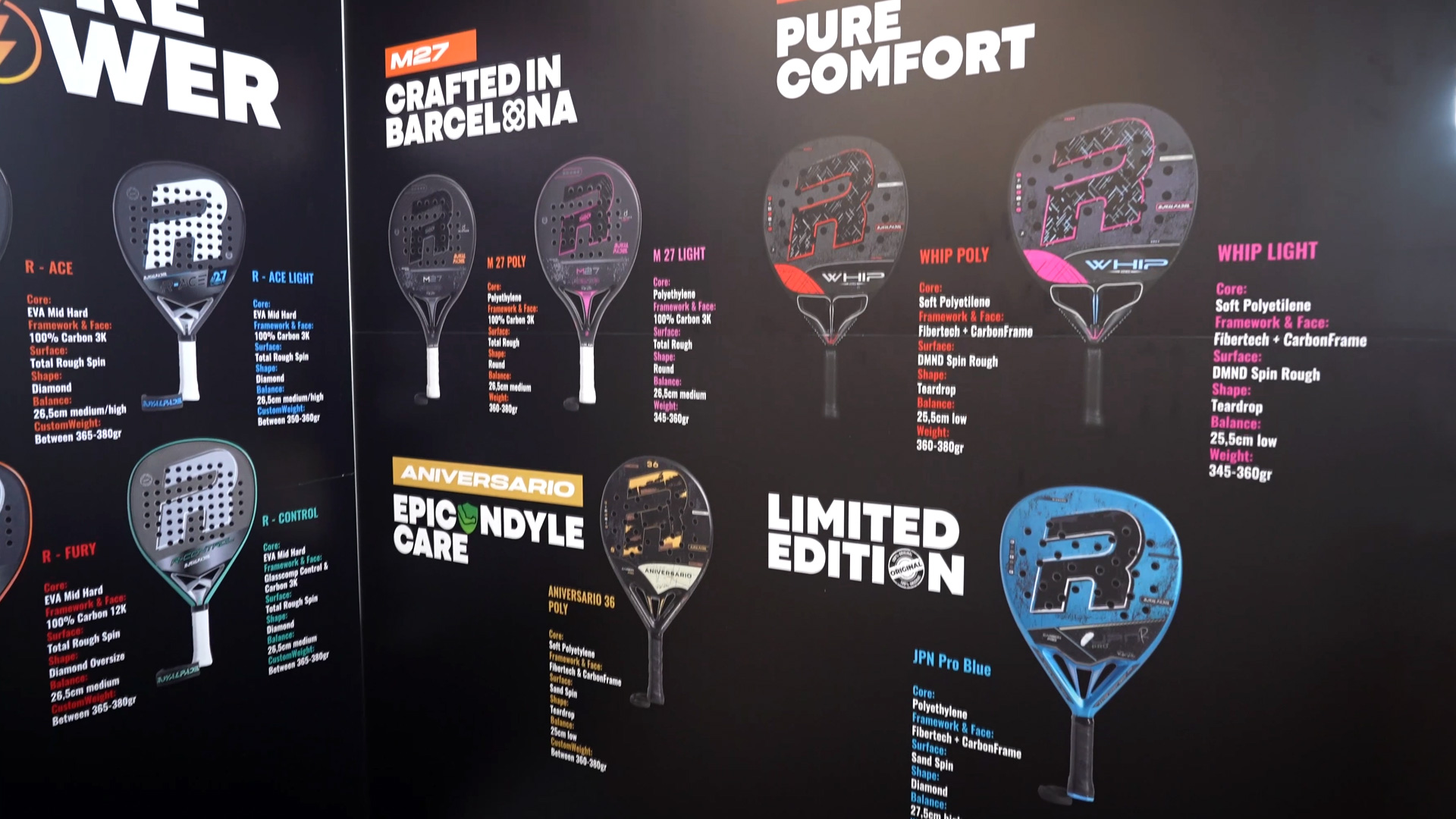
by J. Groh - 2025-11-30The Royal Padel Racket 2026 – construction, sweet spot, and playing characteristics – is exemplified by the Royal Padel Aniversario 36, a traditional brand with a special material structure. The Aniversario 36 features a soft foam core, a clearly defined sweet spot, and control-oriented playing characteristics that specifically support arm protection and precision. The material construction of carbon or fiberglass layers in combination with the dampening core ensures stability and a smooth feel when striking the ball. This model demonstrates how Royal Padel, as a traditional brand, combines technical experience, material structure, and playing practice, and why construction, sweet spot, and balance point are crucial for the playing characteristics of modern padel rackets.
The Aniversario 36 exemplifies the development of a sport that has long since set its own standards. The model shows why specialized manufacturers play such an important role in padel: material structure, balance point, and foam core determine every detail of the game. Royal Padel combines this technical aspect with decades of experience.
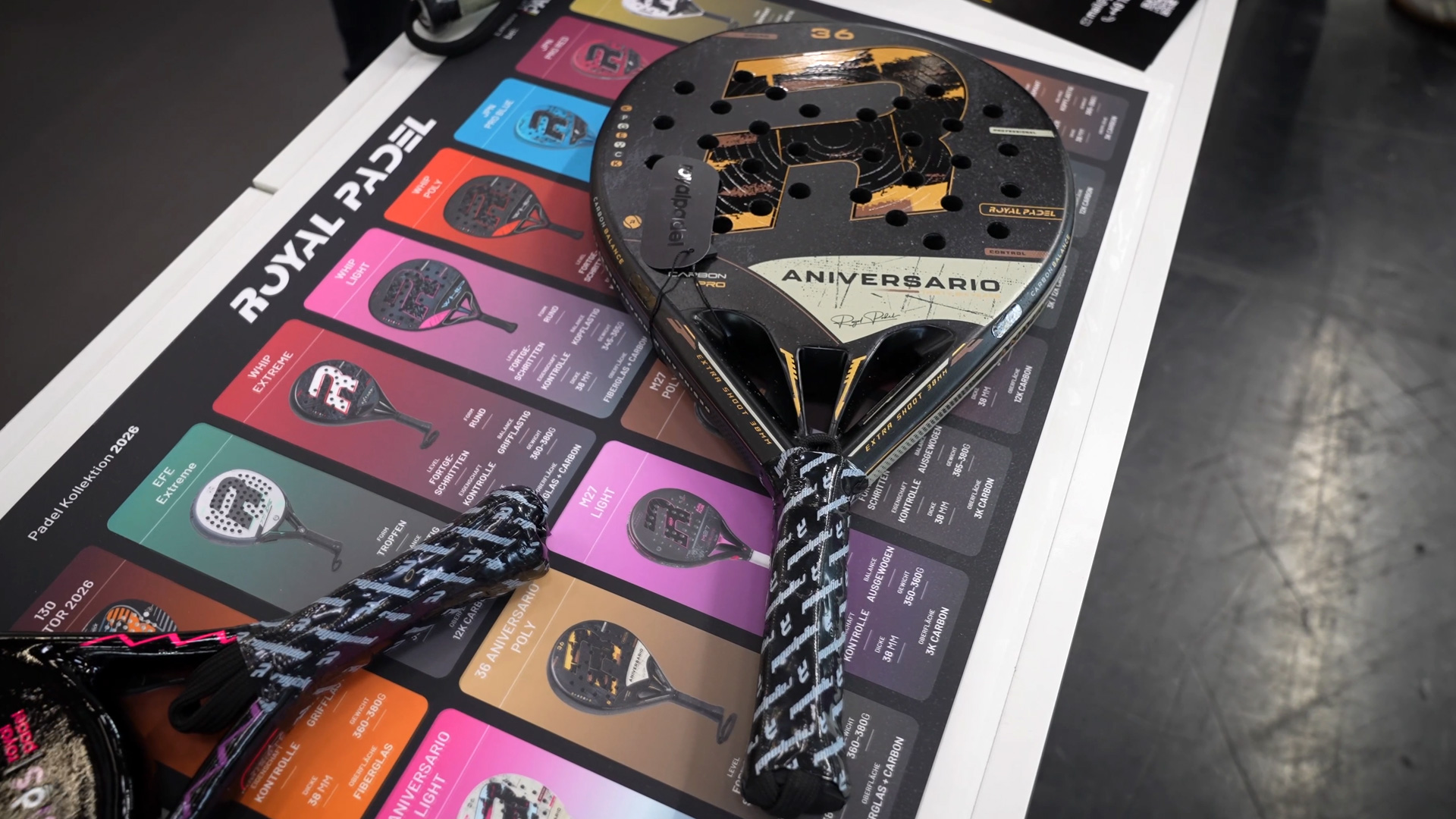
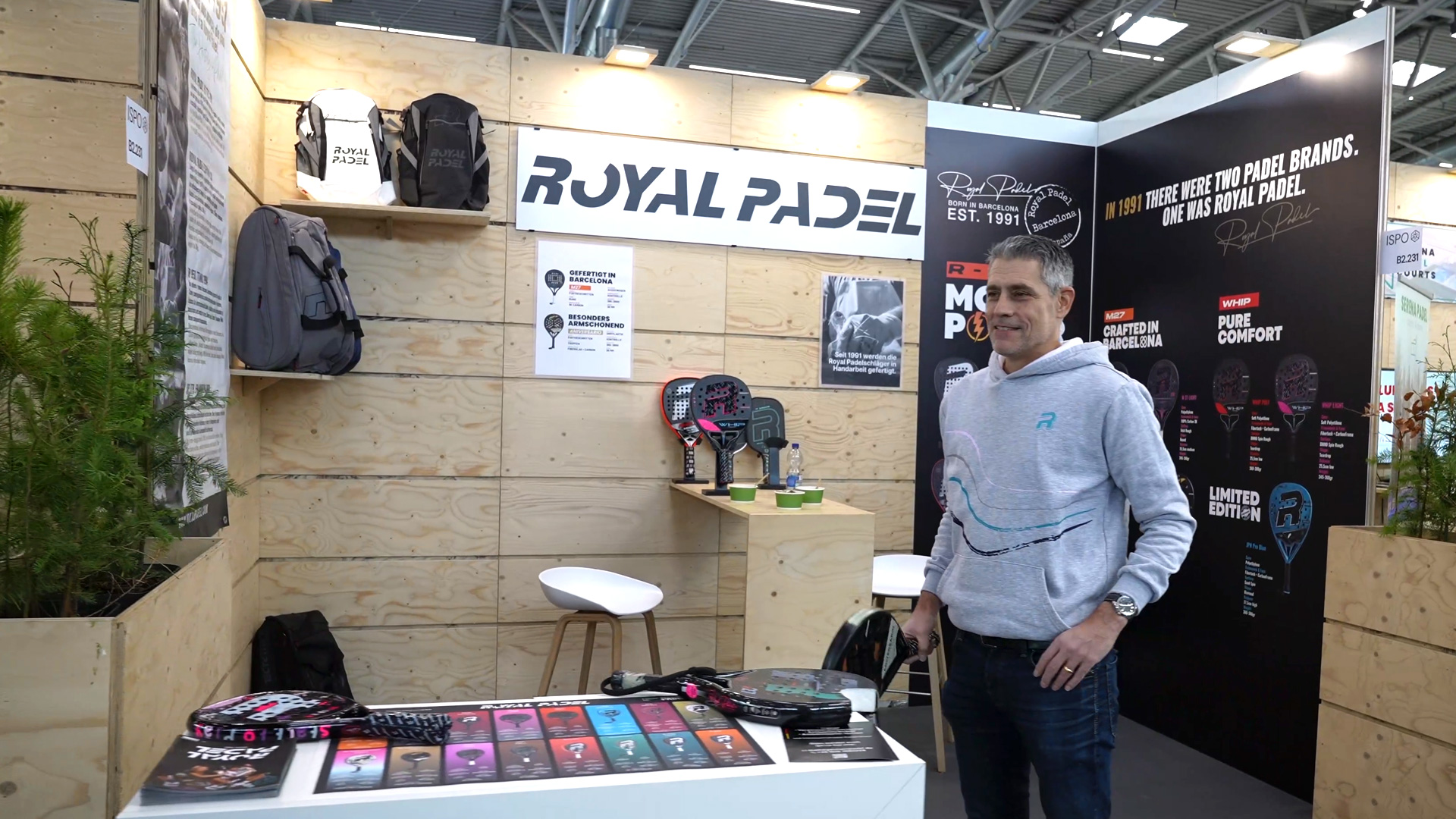
Since the early nineties, Royal Padel has been one of the defining brands in the sport. The Aniversario 36 underlines this claim with a soft core, fine control, and manufacturing that takes place partly in Barcelona and partly in Argentina. The racket was developed for players who are looking for precision, arm protection, and a balanced feel.
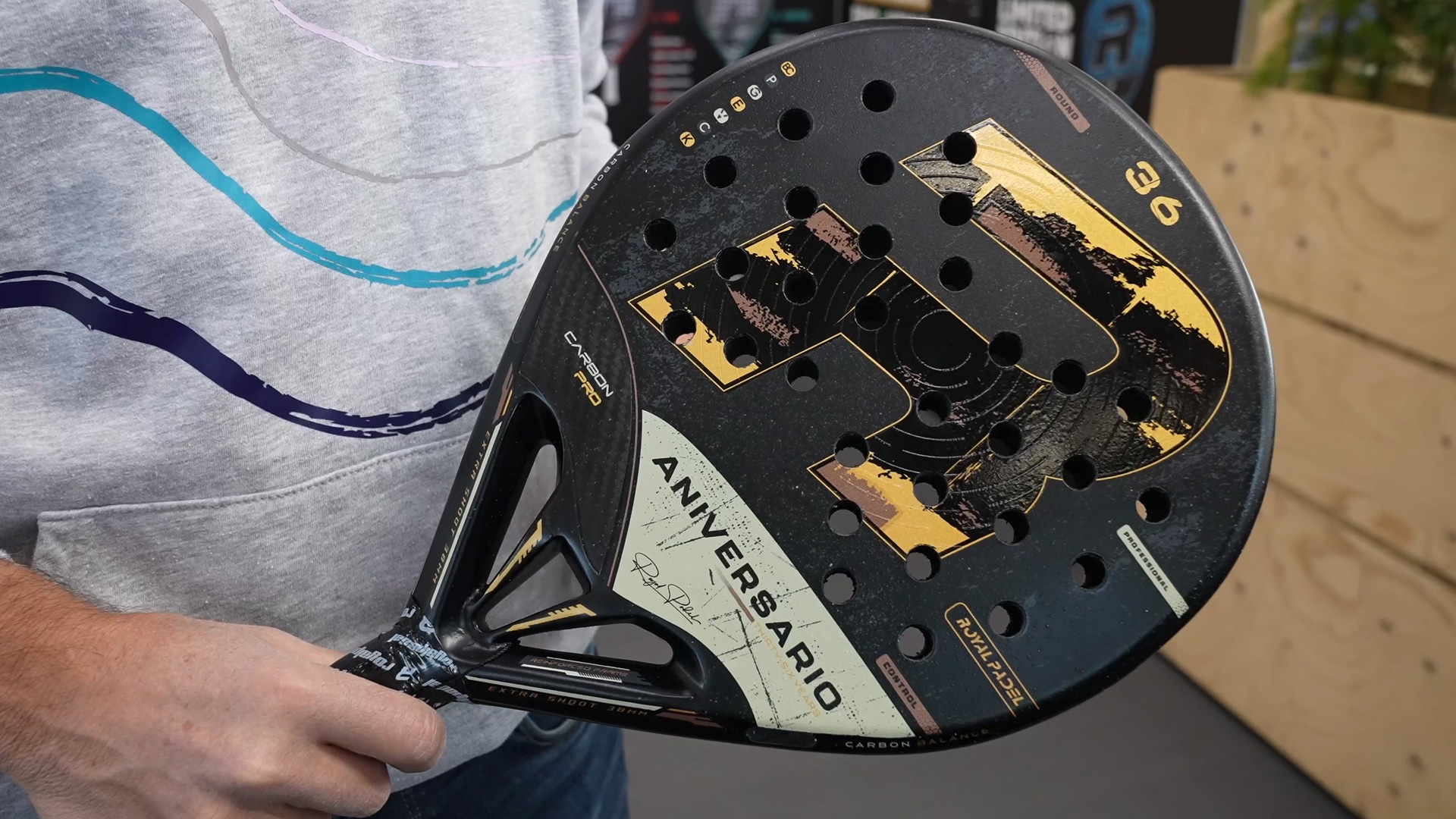
Royal Padel Aniversario 36 model: soft foam core for controlled play
Royal Padel is one of the oldest manufacturers in the industry and has been in existence since the early 1990s. To this day, the brand relies on production sites in Barcelona and Rosario, where selected models are manufactured. The Aniversario 36 is part of the 2026 collection and stands out thanks to its particularly soft, cushioning foam core. This design reduces strain on the arm and is often chosen by players with sensitive elbows because it significantly reduces vibrations and supports smooth, controlled play.

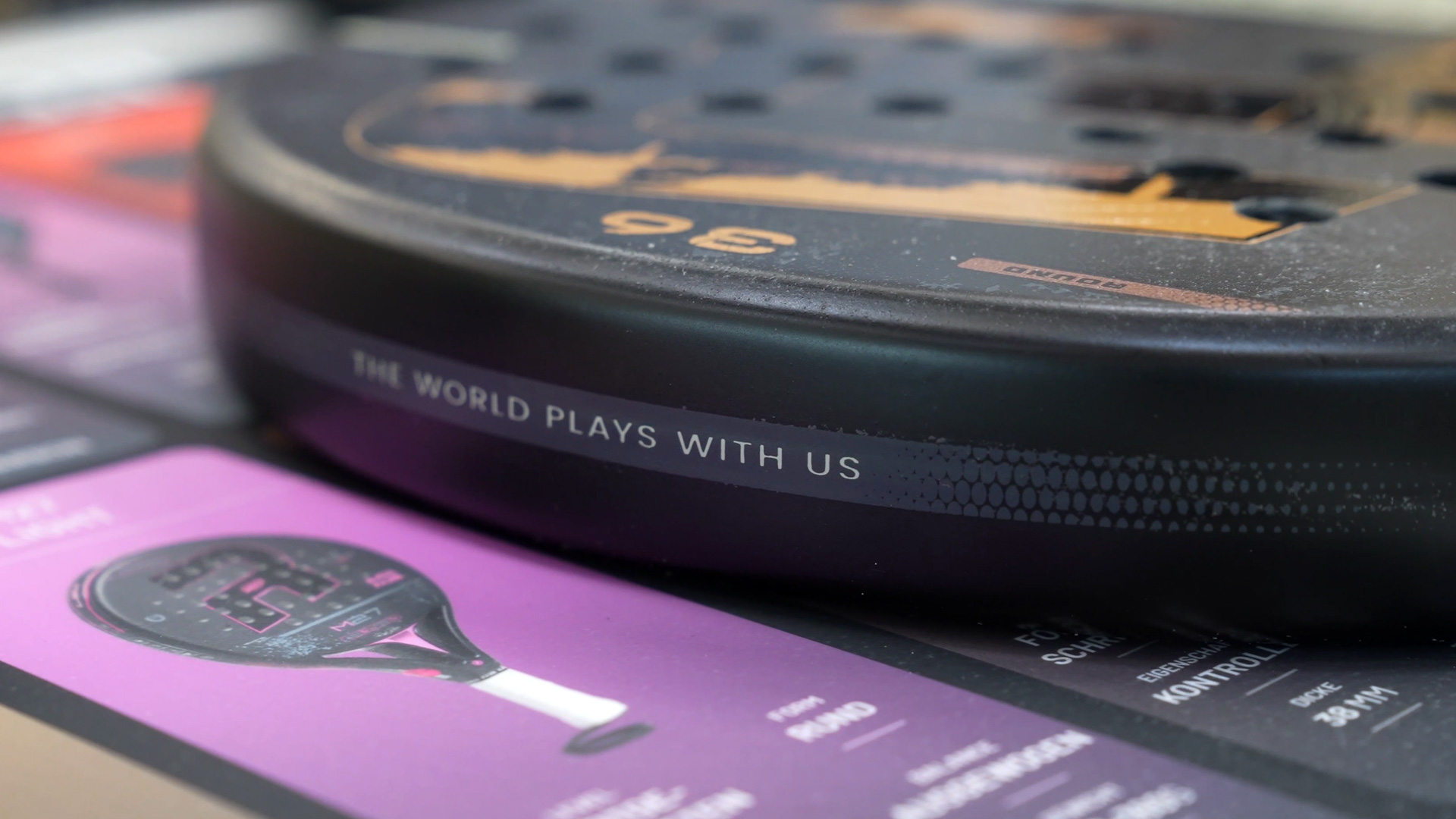
The racket is aimed at users who prefer long rallies and rely on precise placement. At the same time, the basic power is retained, as the carbon or fiberglass layers stabilize the shot. The soft core ensures that even fast-played balls are caught well and the point of impact remains clearly noticeable.
Structure of a padel racket: carbon layers, foam core, and compact format
A padel racket differs significantly from a tennis racket in terms of structure. The compact shape without strings, the shortened length, and a thickness of just under four centimeters define the playing style. Typical models measure around forty-five centimeters and consist of carbon or fiberglass on the outside and foam of varying degrees of hardness on the inside. This mixture of materials determines whether a racket generates more power or control. The sweet spot is crucial here: if it is closer to the handle, the racket feels more control-oriented. Centrally located sweet spots provide a balanced mix of power and precision, while an upper position in combination with harder core material makes a racket a particularly powerful model.
Hole arrangement, hitting behavior, and typical playing techniques
Another special feature is the hole pattern. Different arrangements influence air resistance and thus the handling of the racket. Closed surfaces would create too much resistance, which is why hole sizes and distribution are deliberately designed. Many brands rely on their own patterns here to create a specific playing feel. The difference to tennis is particularly evident in the hitting behavior. Forehands and backhands are similar, but topspin loses its importance because the ball bounces back too strongly in the glass box. Instead, slices, lobs, and a controlled basic tempo dominate. The walls open up additional angles, creating tactical variations that do not exist in tennis.
Padel worldwide: development, infrastructure, and ease of entry
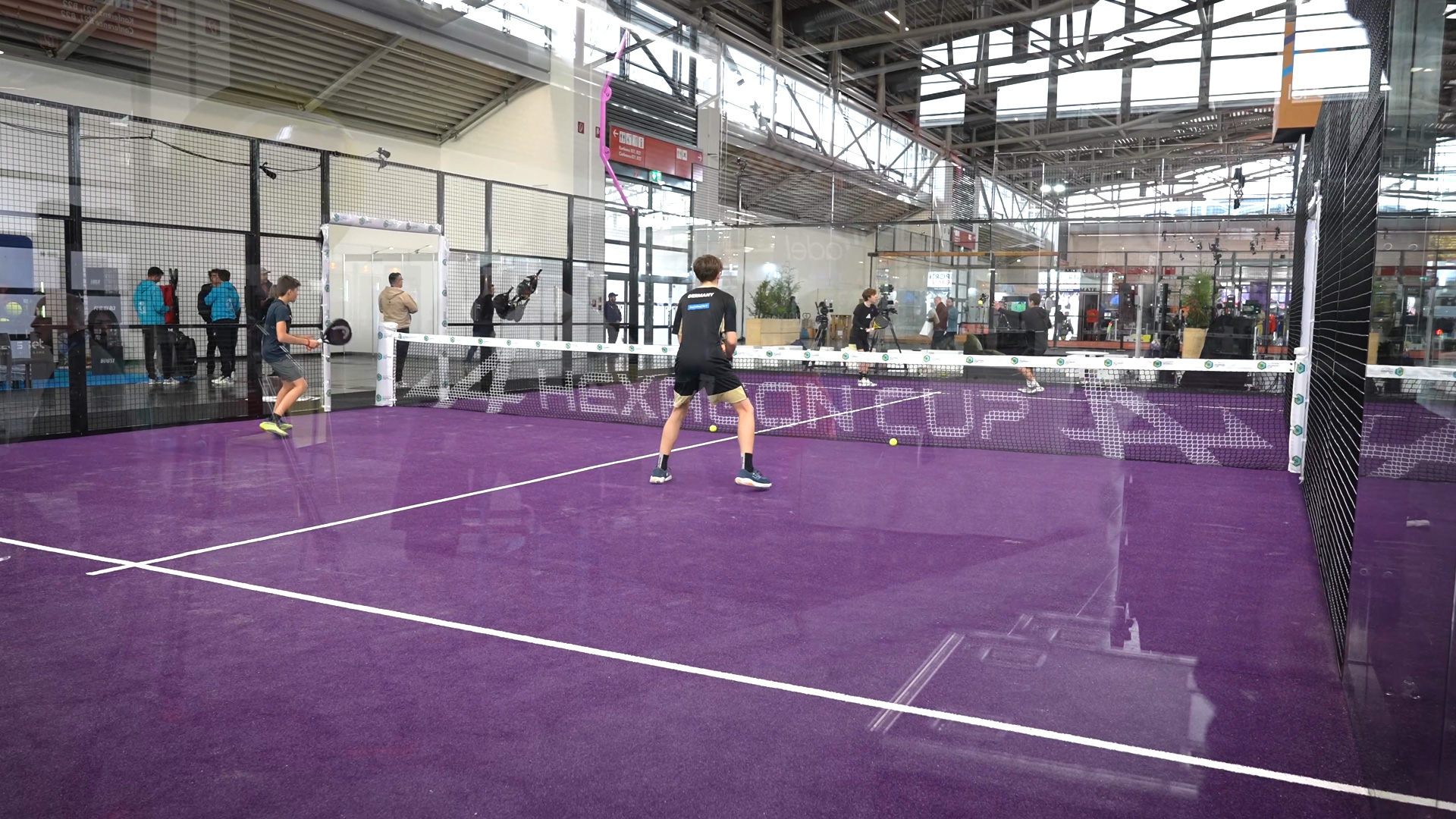
In Spain, padel has become one of the most played racket sports in recent years. The number of players now even exceeds that of tennis, although the country traditionally has strong tennis structures. France and Italy are also seeing growing infrastructure, while Germany is still catching up but has also seen significant growth within a few years. Many find it easier to get started than with tennis. Four people with no previous experience can play stable rallies within a short time.
Trade fair reporting Germany - Trade fair knowledge, dates & events


