BSI talks about changes in the sports industry
by J. Groh - 2025-12-08The German Sporting Goods Industry Association (BSI) classifies key developments that are changing the market. From AI-supported data exchange and legal requirements to new studies on consumer behavior and water sports.


BSI on the future of the sporting goods industry
For the BSI, digitalization is a key area of action, especially with regard to the exchange of data between brands, retailers, and consumers. The association recognizes this as a necessary foundation for both leveraging efficiency potential and enabling new business models. High-quality, structured data plays a special role here, as it is not only necessary for automation in the value chain, but also for the successful use of artificial intelligence. Only when the data basis is right can AI systems deliver reliable results and support strategic decisions. According to the BSI, these developments will have a transformative effect similar to that of the breakthrough of e-commerce. Accordingly, the association promotes the digital development of its member companies through its own offerings, such as webinars on topics related to marketing, logistics, and data management. Another example is the BSI's own clearing center, which handles master data and transaction data—an essential infrastructure for digitized commerce.
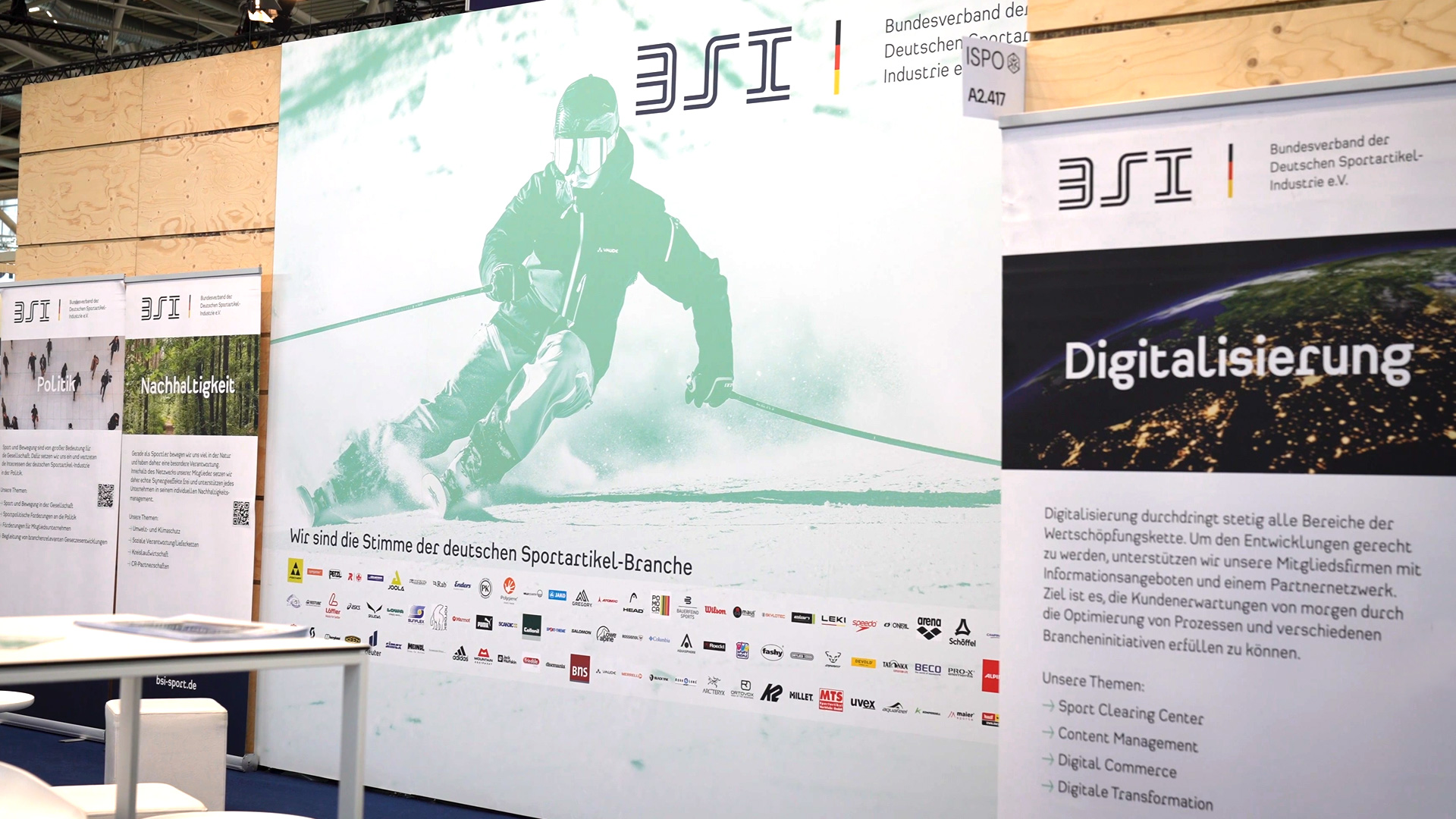
Networked data as the basis for digital business models
The association is convinced that artificial intelligence will not only automate processes, but also change entire markets. However, the BSI sees itself not only as a driver of technological developments, but also as a voice for long-term responsibility – especially in the area of sustainability. Sport often takes place outdoors in nature, according to the association, and therefore the industry has a special obligation to the environment and society. Despite politically contradictory signals – such as the complex requirements of EU legislation such as CSRD or CSDDD and the simultaneous rhetoric against bureaucracy – sustainability remains an indispensable issue for the BSI. The association does not see regulatory requirements as an obstacle, but as an impetus for further strategic development. Banks and financial institutions are increasingly evaluating sustainability strategies as part of creditworthiness – another reason why the BSI actively encourages its member companies to address this issue.


Taking supply chains and global responsibility seriously
Another key area is corporate due diligence in global supply chains. Many member companies manufacture in Asia or Eastern Europe, and for the BSI, one thing is clear: responsibility for fair working conditions does not end at national borders. That is why the association is also committed to sustainable production at the international level – not for image reasons, but out of conviction. True sustainability can only be achieved through global cooperation. Observation of energy strategies in China underscores that serious efforts are also being made outside Europe to develop alternative energies. Despite geopolitical uncertainties—particularly with regard to the US—the BSI remains convinced that sustainability will prevail as a global standard. Companies that act strategically at an early stage could derive decisive competitive advantages from this.
BSI wants to understand consumer behavior: studies as a basis for decision-making
In addition to strategic issues, the BSI regularly analyzes consumer behavior in the sports sector. Its own studies provide insights into how attitudes and purchasing behavior have changed, one example being the study on water sports.
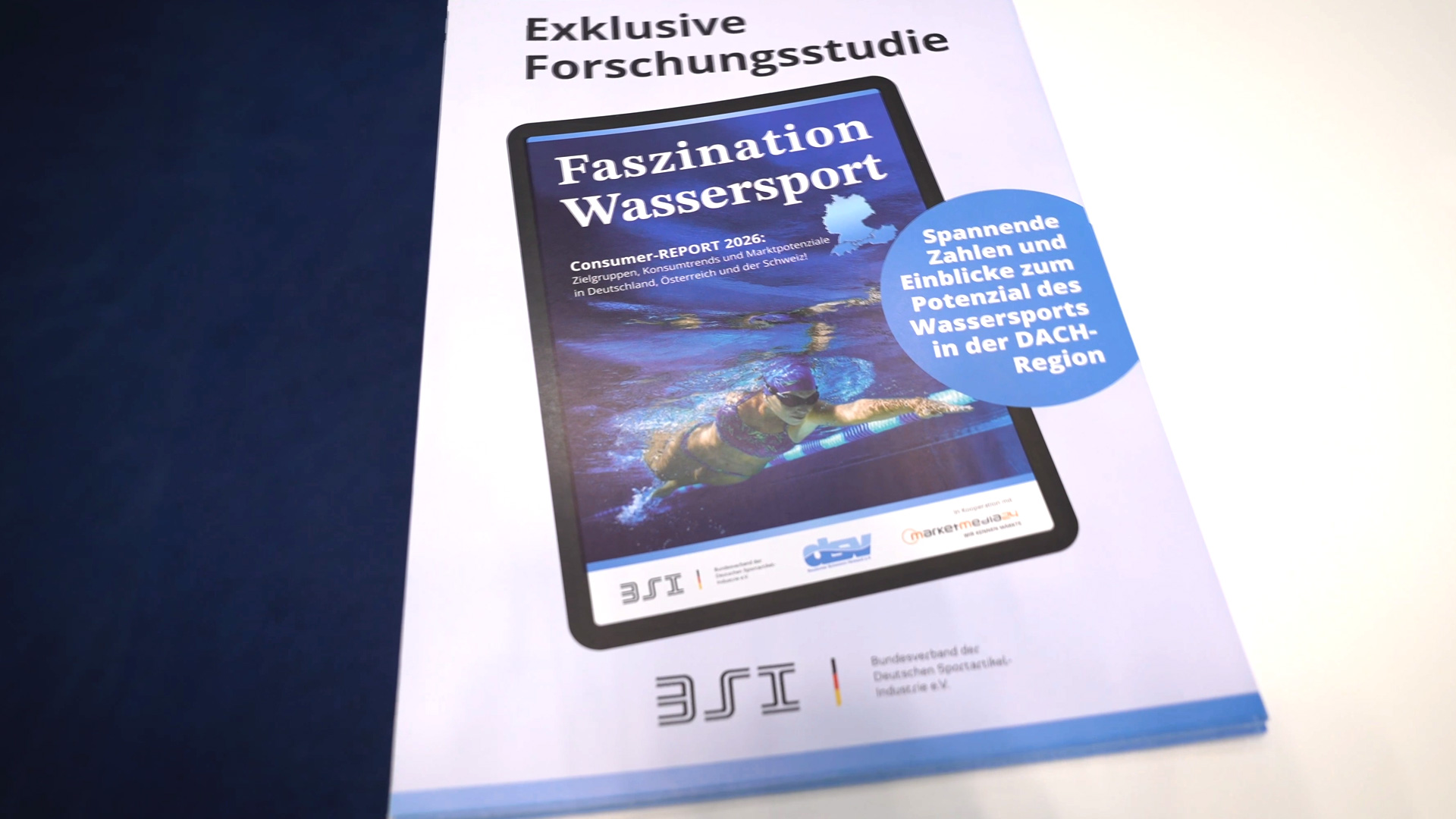
An initial survey was conducted back in 2016, and a new study is now available that analyzes developments since the pandemic. This study not only looks at the use of swimming pools or lakes, but also addresses questions such as: Where do people shop? How often do they swim? What trends are emerging? These studies are incorporated into the work of the BSI's specialist departments, including outdoor, team sports, water sports, winter sports, gymnastics equipment, and equestrian sports. The data is intended to help not only optimize products, but also to better respond to the needs of consumers. After all, understanding how target groups are changing makes it easier to respond to them—a key objective of the association.






Trade fair reporting Germany - Trade fair knowledge, dates & events


