AllPadel and the development of padel in the DACH region
by B. Velonavy - 2025-12-02Padel is continuing to spread throughout Central Europe, and this growth is changing the infrastructure of the sport. AllPadel is one of the players involved in building facilities and providing mobile courts for events, thereby highlighting how the sport is developing from a fringe phenomenon into an established discipline.
Padel facilities and mobile systems
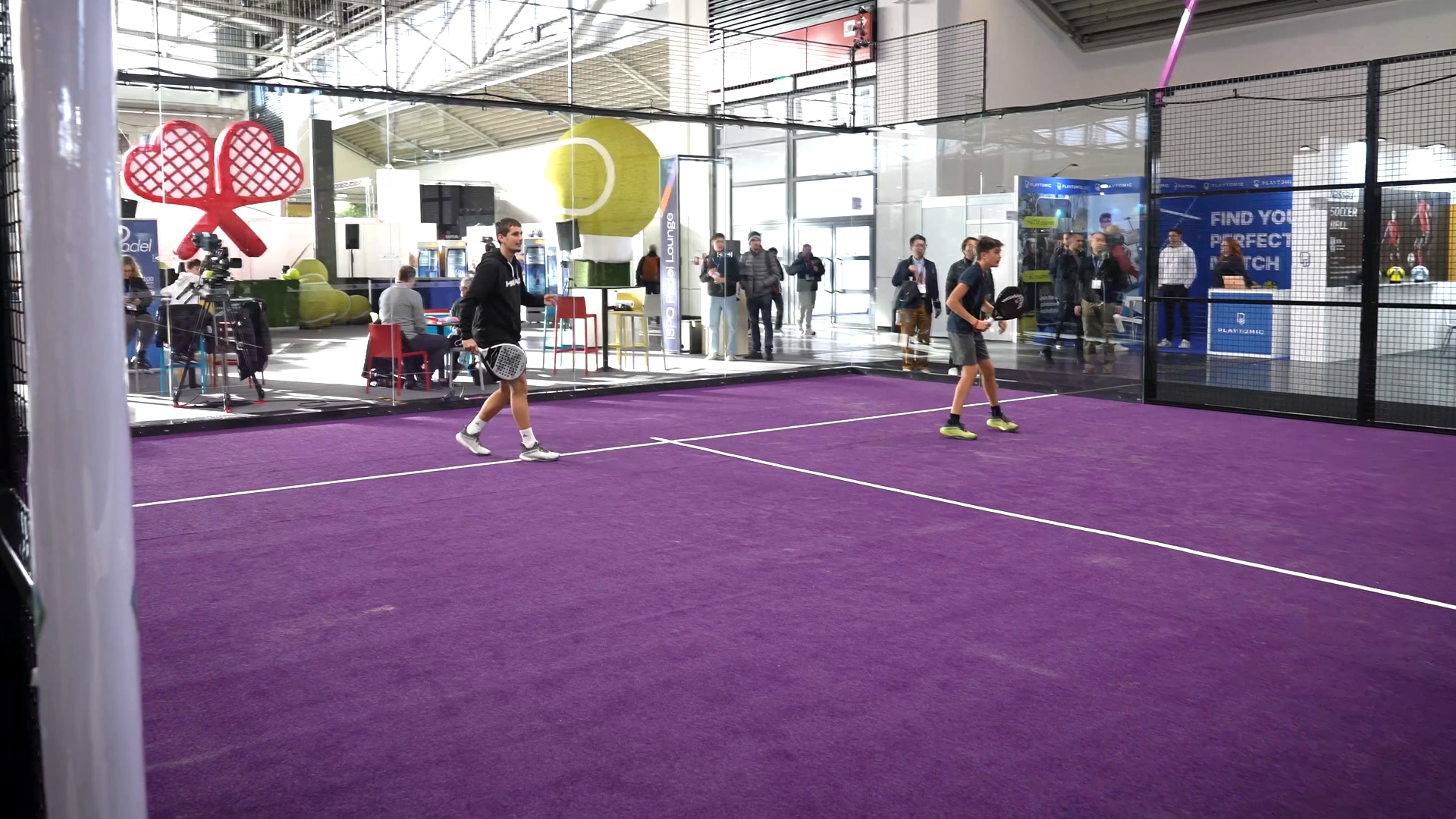
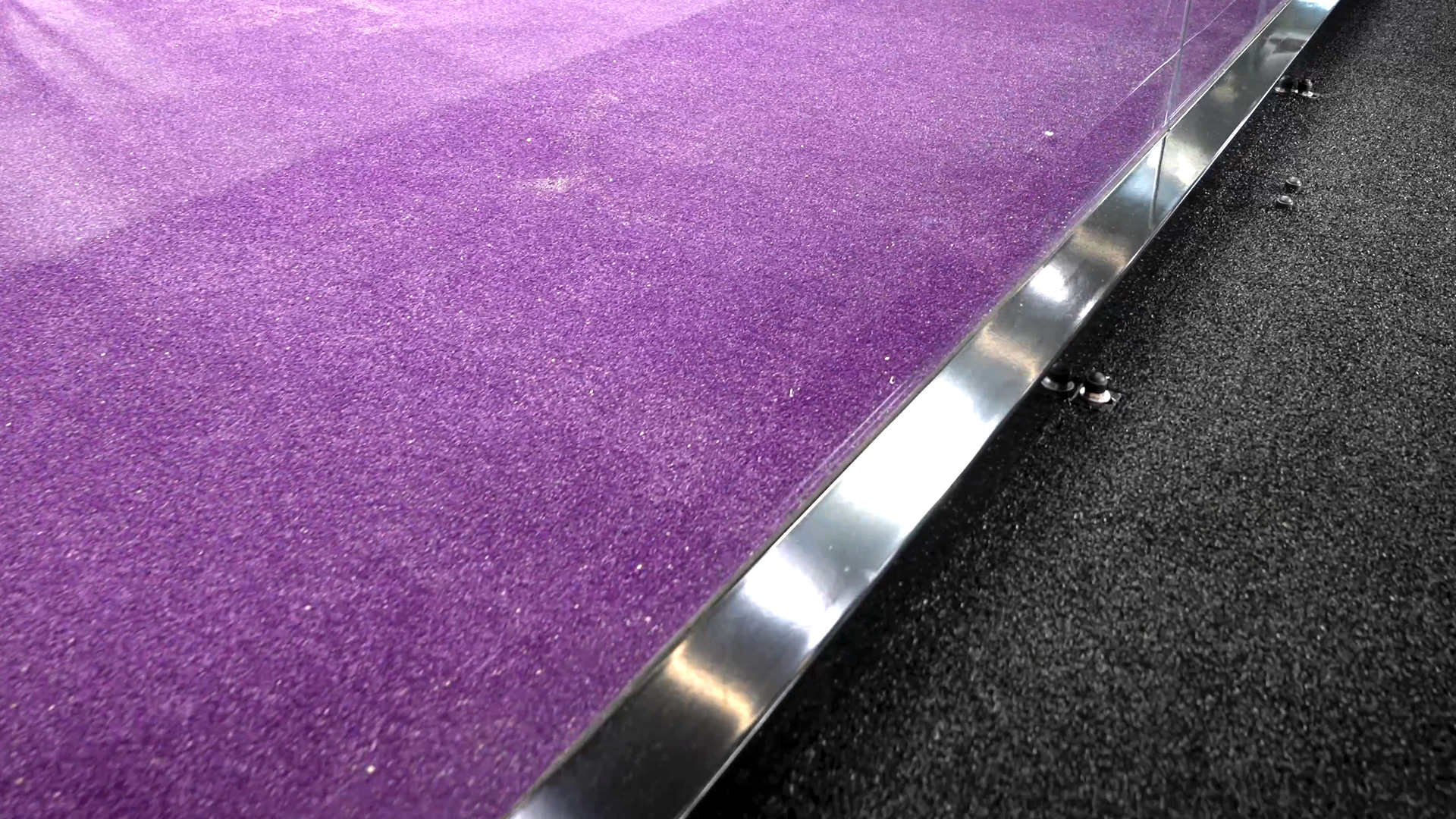
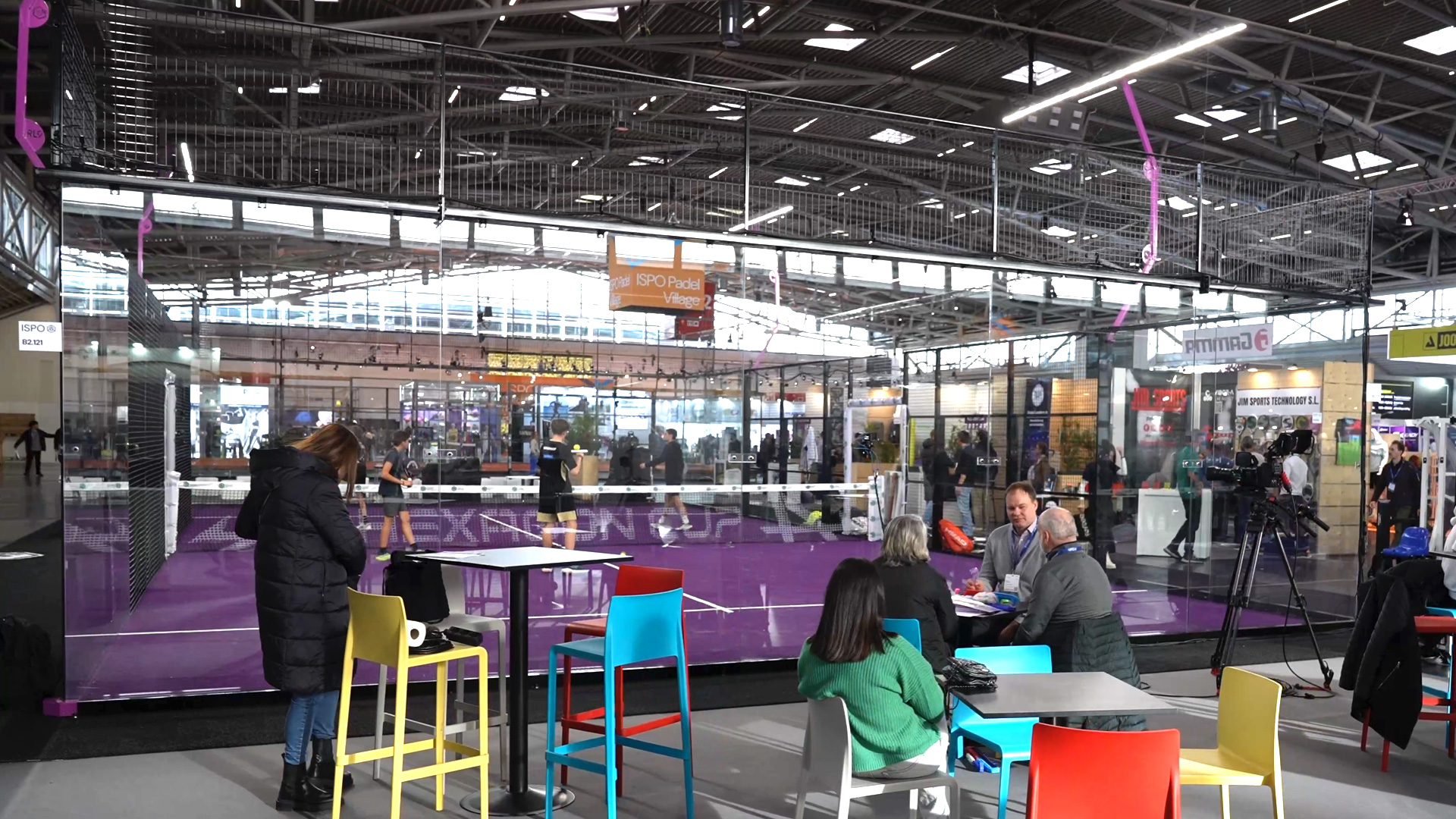
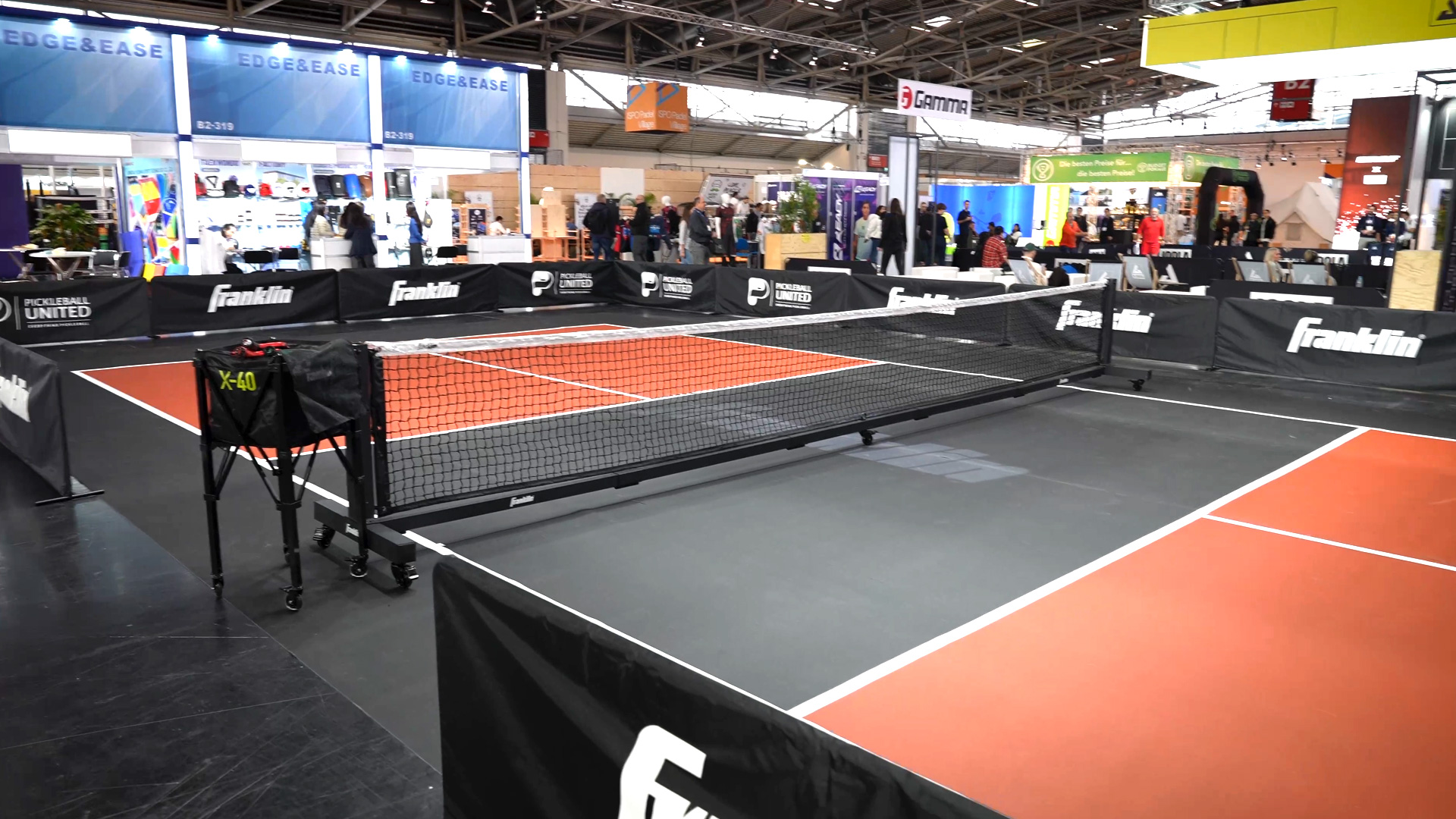
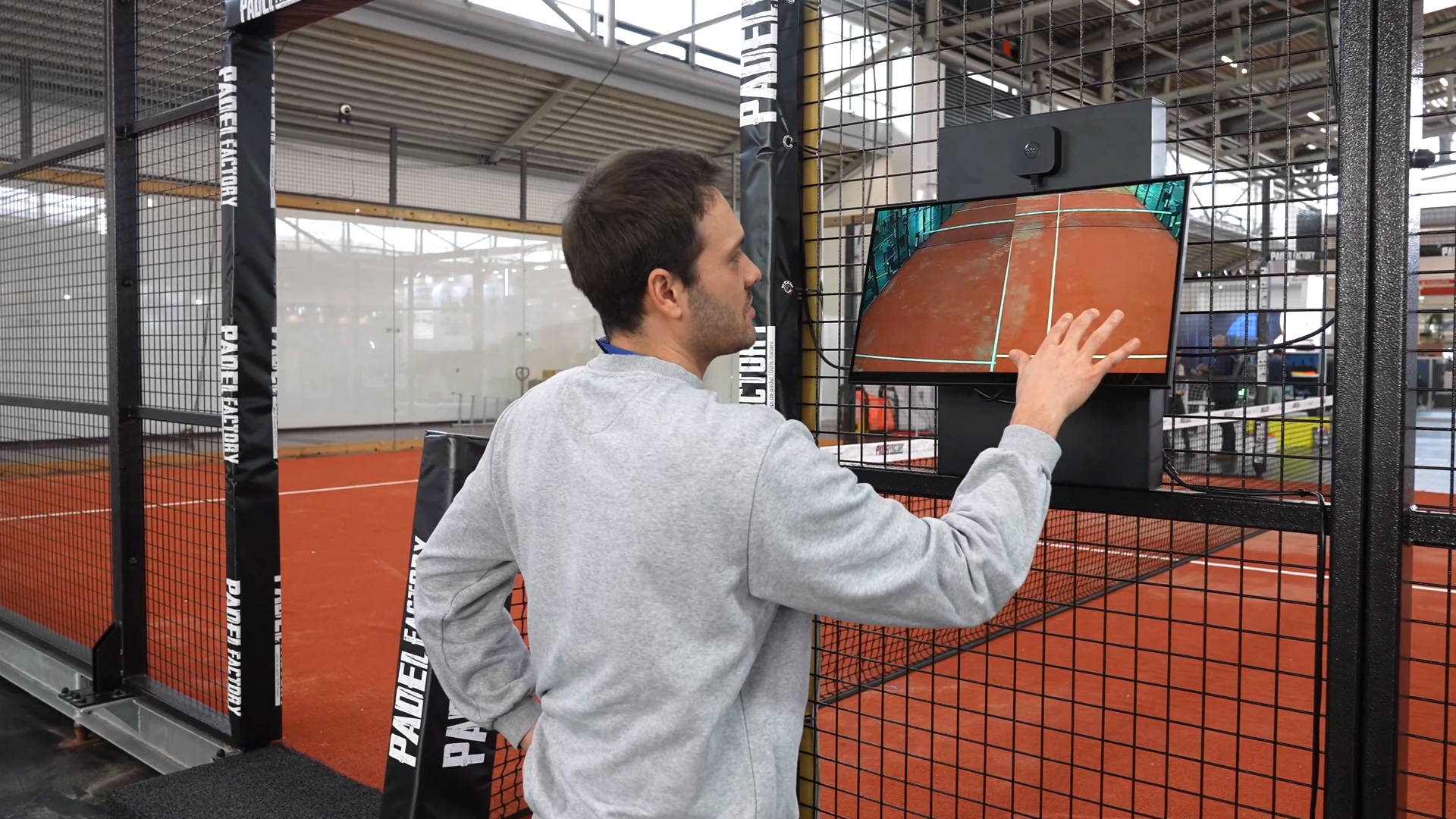
The expansion of padel facilities is becoming increasingly standardized in the DACH region. AllPadel relies on both stationary constructions and mobile systems for this purpose. These mobile courts are based on modular steel plates, which make it possible to set up tournament areas at short notice. Within a few days, a playing area is created that is technically hardly any different from a permanent court. This construction method has proven itself at trade fairs and temporary sporting events, as it is flexible in use and can be quickly dismantled again.
Padel events between competitive and popular sports
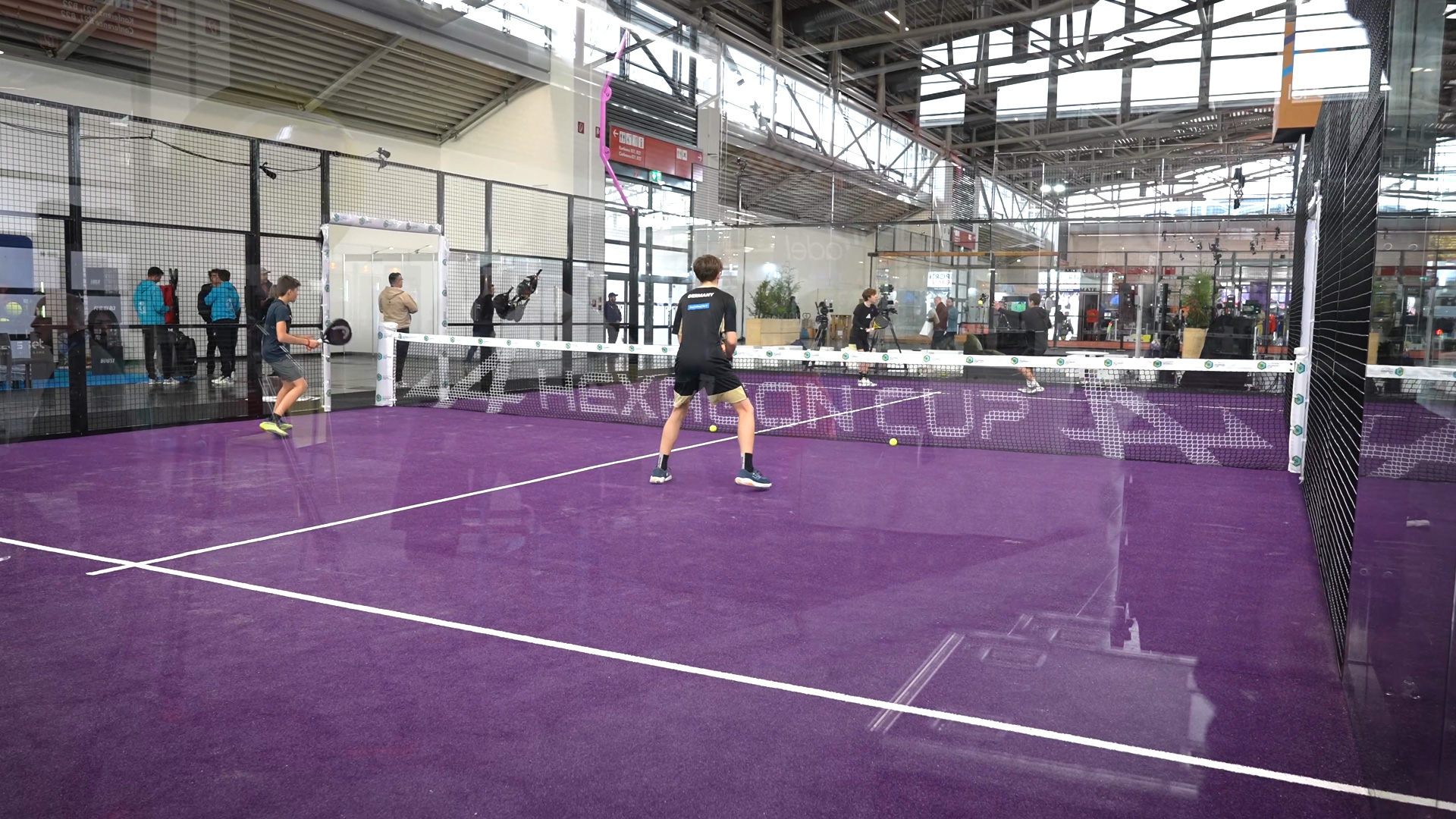
The direct contact between national teams, professional players, and the amateur audience is striking. At many events, youth and adult national teams appear alongside invited professionals. In addition, there are formats in which spectators can become active themselves. The nature of the sport encourages this openness: padel thrives on short distances, uncomplicated communication, and a style of play that does not immediately separate players based on their skill level. This creates a social mix that has become typical for the perception of the sport.

Temporary courts at trade fairs and the Hexagon Cup in Madrid
Mobile courts are not only used for regional events, but also in larger formats. These include international series such as the Hexagon Cup in Madrid, where complete competition areas are created within a few days. Construction times for events are around three days, and around one week for tournament formats. Such structures make it possible to present padel in places where there is no permanent infrastructure and help the sport reach a wider audience.
European growth and developments in German-speaking countries
The sport originated in Spain and Argentina, from where it spread to Italy, France, and the Benelux countries. For some time now, the sport has also been growing in Germany, Austria, and Switzerland. The number of courts is increasing significantly, and many operators—both clubs and private providers—are responding to rising demand. The German-speaking region is currently in a phase of establishing structures that have already existed in southern Europe for years.
Construction of padel courts with roofing
In addition to court construction, padel facilities require foundations and often lightweight roofing, as this facilitates year-round play. This plays an important role for clubs because it stabilizes utilization. This is supplemented by support programs from cities and associations, which cushion investments and enable facilities to be implemented economically. This support structure has a significant impact on the speed of the current expansion.
Importance of club and association structures
The established club landscape in Germany provides an organizational foundation that is relevant for the spread of a young sport. At the same time, there is increasing discussion about how the sport can be embedded in association structures in the long term. In this environment, AllPadel assumes the role of a technical partner, while clubs and associations form the institutional framework.
Trade fair reporting Germany - Trade fair knowledge, dates & events


