Lux Elements: Innovative rigid polystyrene foam for individual pool and spa projects
Lux Elements operates in a segment that is crucial for many wellness and bathroom concepts, but often remains in the background: the structural substructure. The starting point for the products is rigid polystyrene foam, which is not intended as an end product, but as a moldable base material. This is used to create building panels, constructions and complete room elements that serve as the basis for steam baths, wellness areas or individual room solutions. The decisive factor here is not only the material itself, but also the almost free shaping that is possible with it.

From the building panel to the individual room shape
The Lux Elements approach goes far beyond classic, rectangular constructions. Cabins, lounging areas or so-called loungers can be realized in almost any desired geometry. This shifts the focus from standardized products to architectural room solutions. The material makes it possible to not only plan wellness areas functionally, but also to think in terms of design. This is precisely the core of the field of activity: individual shapes instead of predetermined grids.
Multifunctional steam showers as a room concept
Multifunctional steam showers are a clear example of this approach. These are not individual appliances, but complete room concepts that can be used in different ways. Depending on the setting, the room functions as a classic steam bath or as a warm room with a moderate temperature. The heat is uniform and the room can be used flexibly. Instead of having several separate wellness facilities, functions can be bundled and combined in one area.
From a component to a coordinated overall system
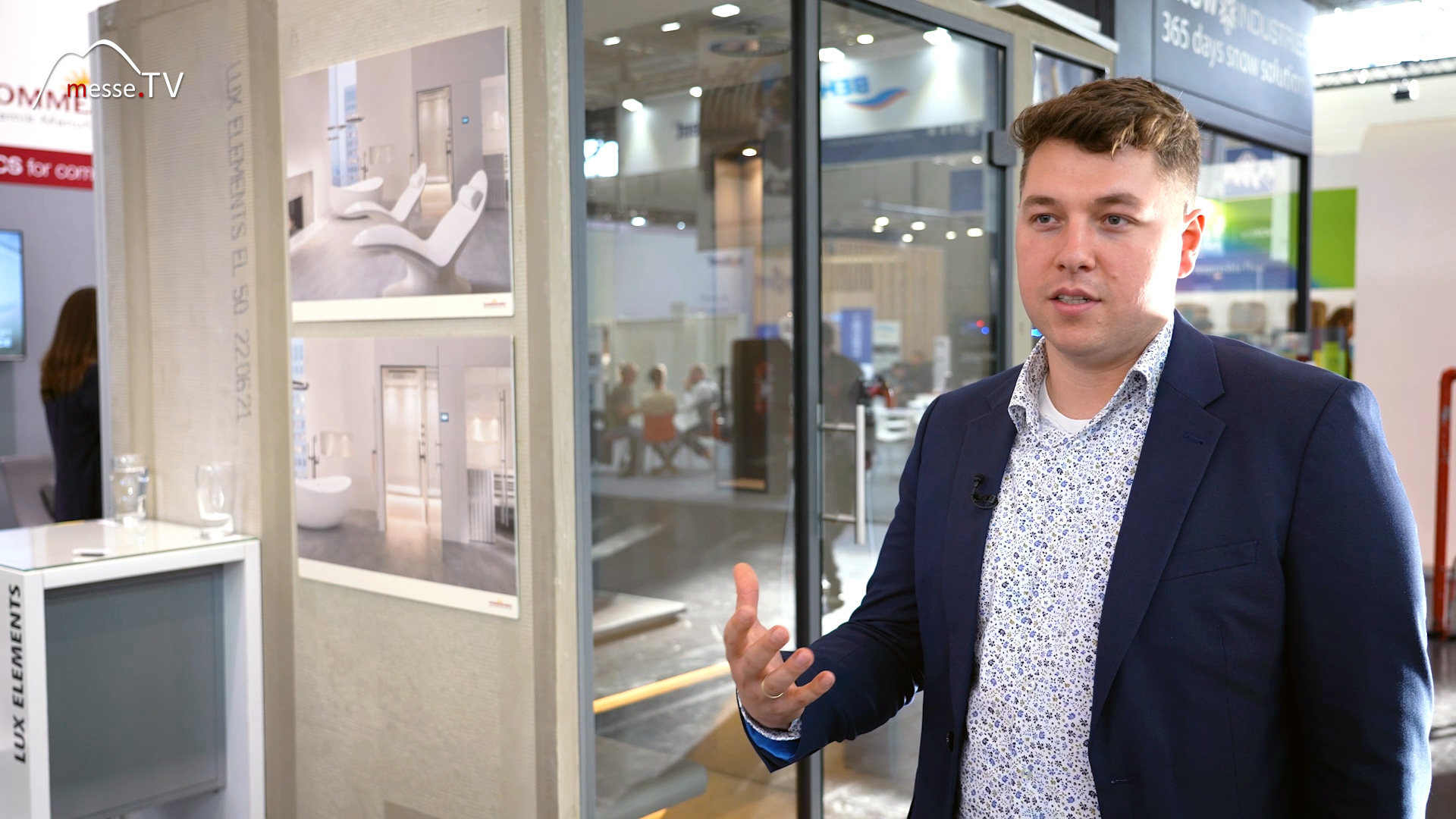
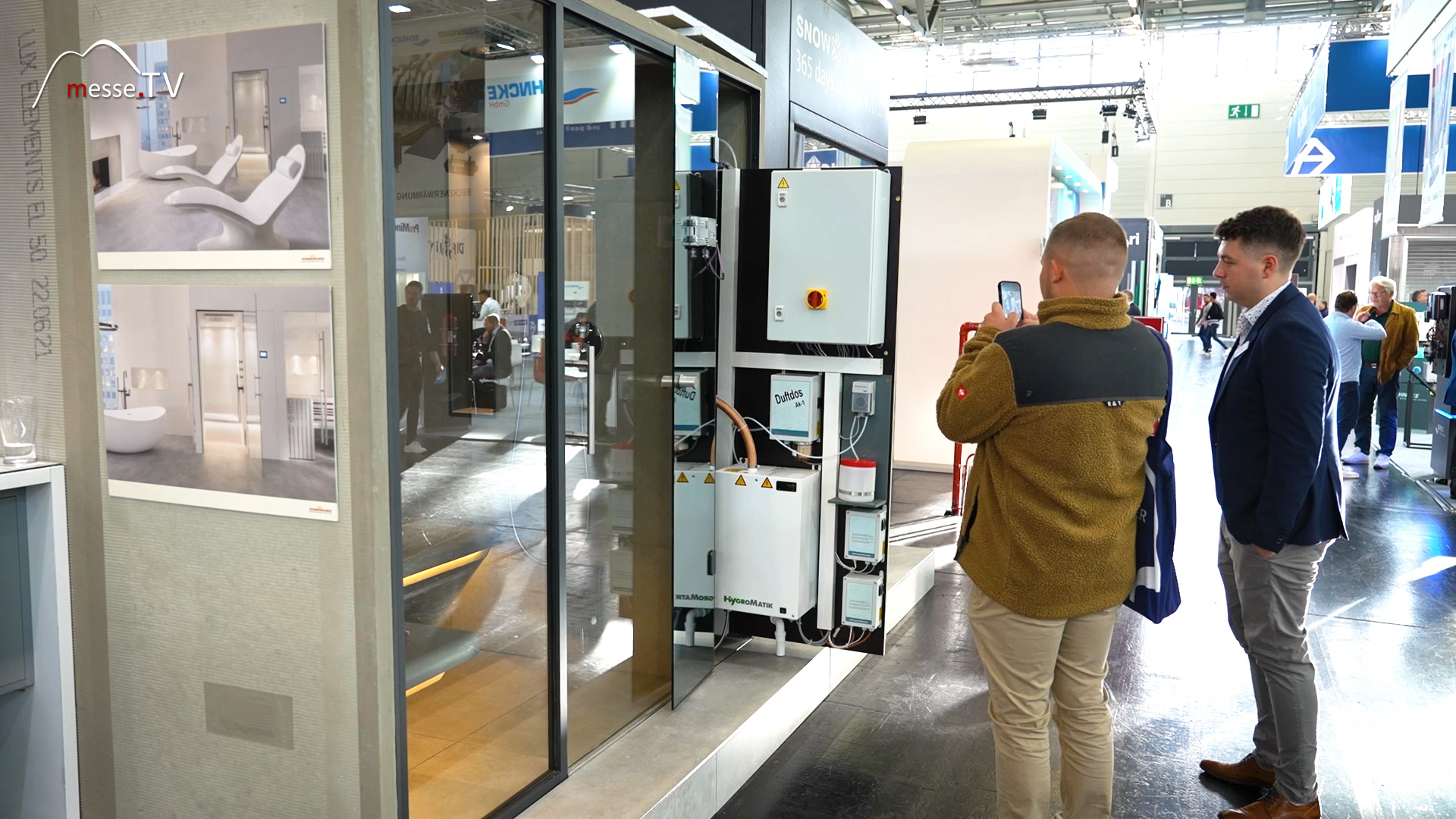
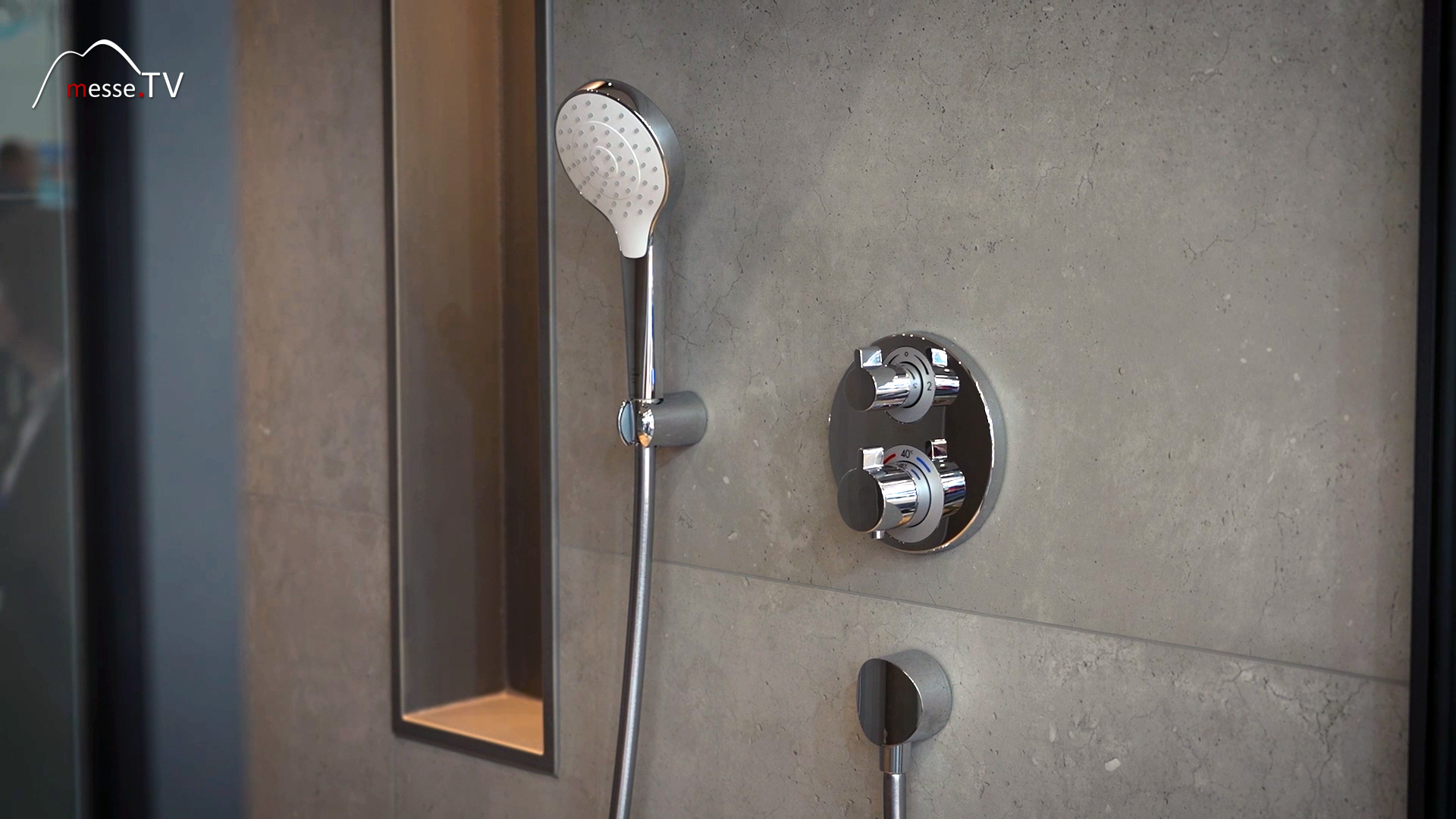
Lux Elements now goes one step further and no longer restricts itself to the structural basis alone. In collaboration with partners, completely coordinated cabin concepts are created in which construction, ceramics, lighting and technology are coordinated with each other. The planning work is thus deliberately decoupled from the work of the craftsman. Fabricators receive a well thought-out system in which dimensions, materials and technical components are already defined. This reduces planning effort, minimizes interfaces and increases the reliability of execution.
- free shaping for cabins and wellness rooms
- multifunctional use of steam bath and hot room
- pre-planned systems with coordinated technology
- Reduction in planning effort for fabricators
- flexible integration into private and commercial spaces
Thermal insulation as functional added value
A key technical aspect is the EPS foam used. This material is also used in classic thermal insulation and brings advantages precisely where wellness rooms are used. When heating up, the heat remains in the room instead of escaping uncontrollably to the outside. The energy is used specifically where it is needed. This not only improves comfort, but also has a lasting effect on energy consumption. Heat losses are reduced, heating-up times are shortened and overall operation is made more efficient.

Target groups between private spa and hotel application
Lux Elements solutions are primarily aimed at the upmarket private sector. Owners who want to expand or redesign their bathroom or their own spa area benefit from the ability to combine several uses in a limited space. At the same time, the hospitality sector plays an important role. Hotel suites or smaller spa areas can be upgraded with such concepts without having to provide large areas. The trend towards private spas, reinforced by changes in usage habits in recent years, is clearly reflected here.
Wellness as a spatial idea, not as a stand-alone product
Lux Elements is clearly positioning itself as a system provider for wellness rooms. The focus is not on the individual product, but on the idea of a flexibly usable, energy-efficient room. Construction, insulation, use and design interlock. Especially in times when private wellness facilities are gaining in importance and space must be used efficiently, this approach shows how technology, materials and planning can be combined to create holistic solutions.
Trade fair reporting Germany - Trade fair knowledge, dates & events


