Aluvision Messesystem: Modulare Aluminiumlösungen für nachhaltigen Messebau
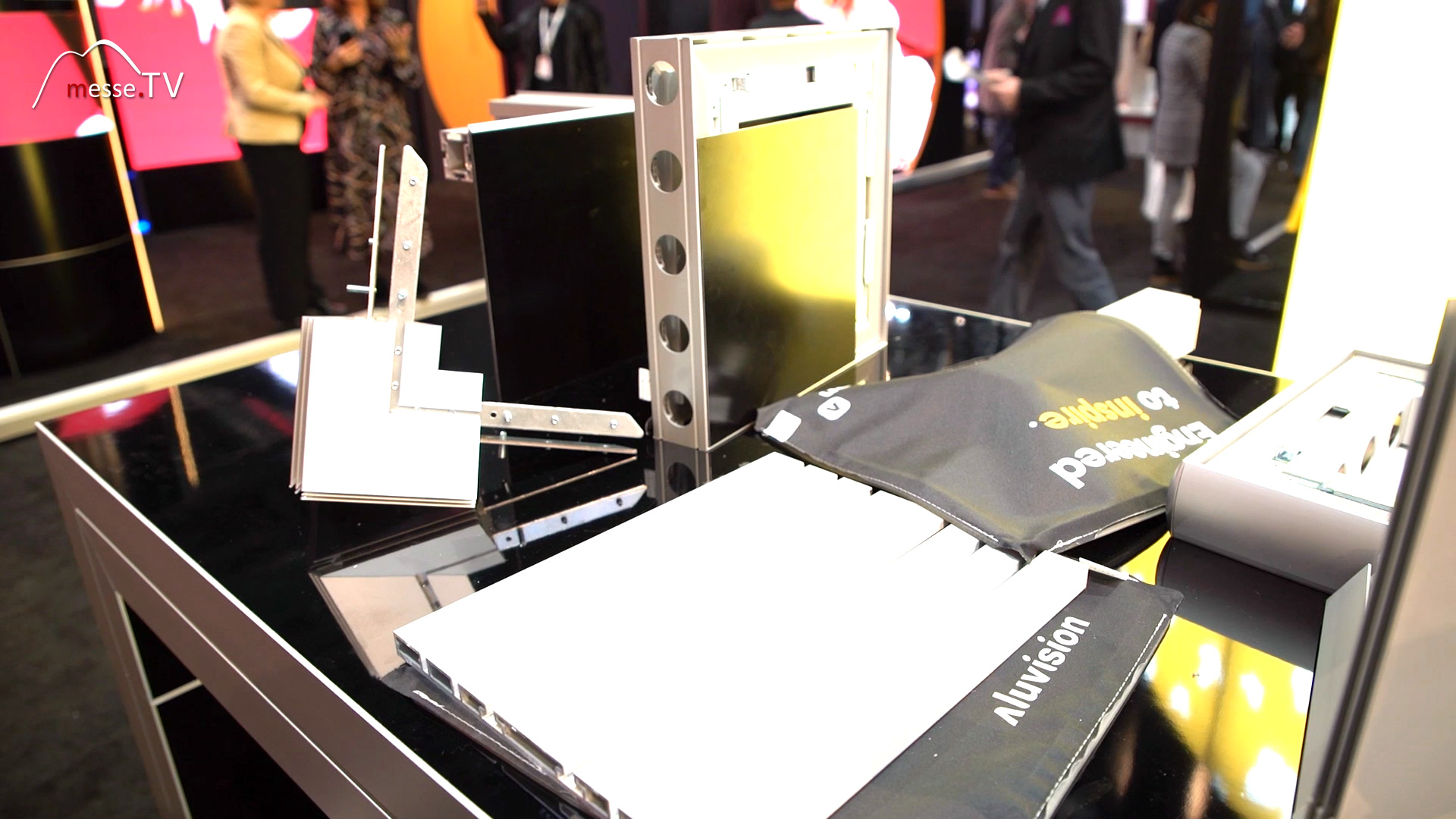
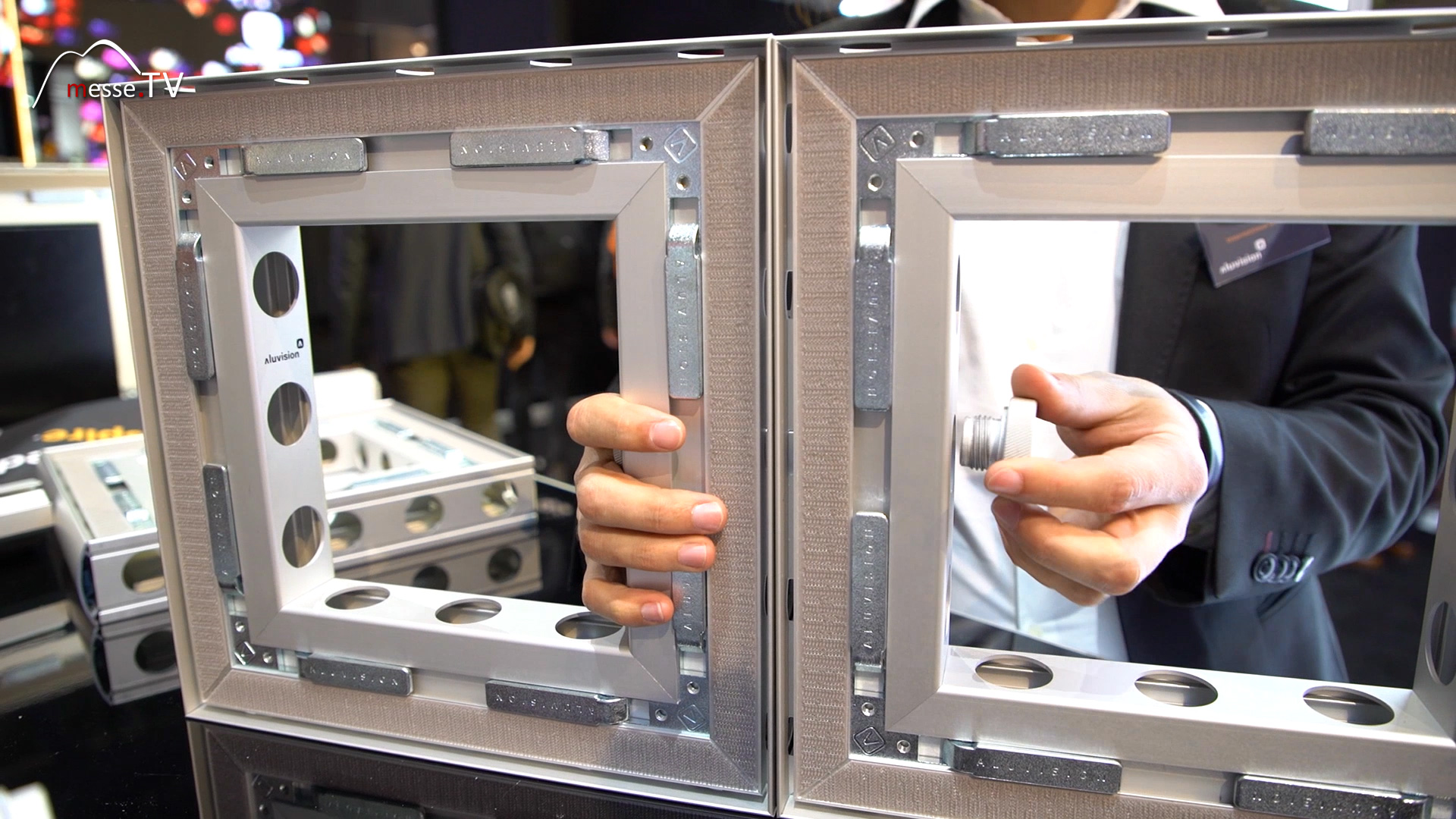
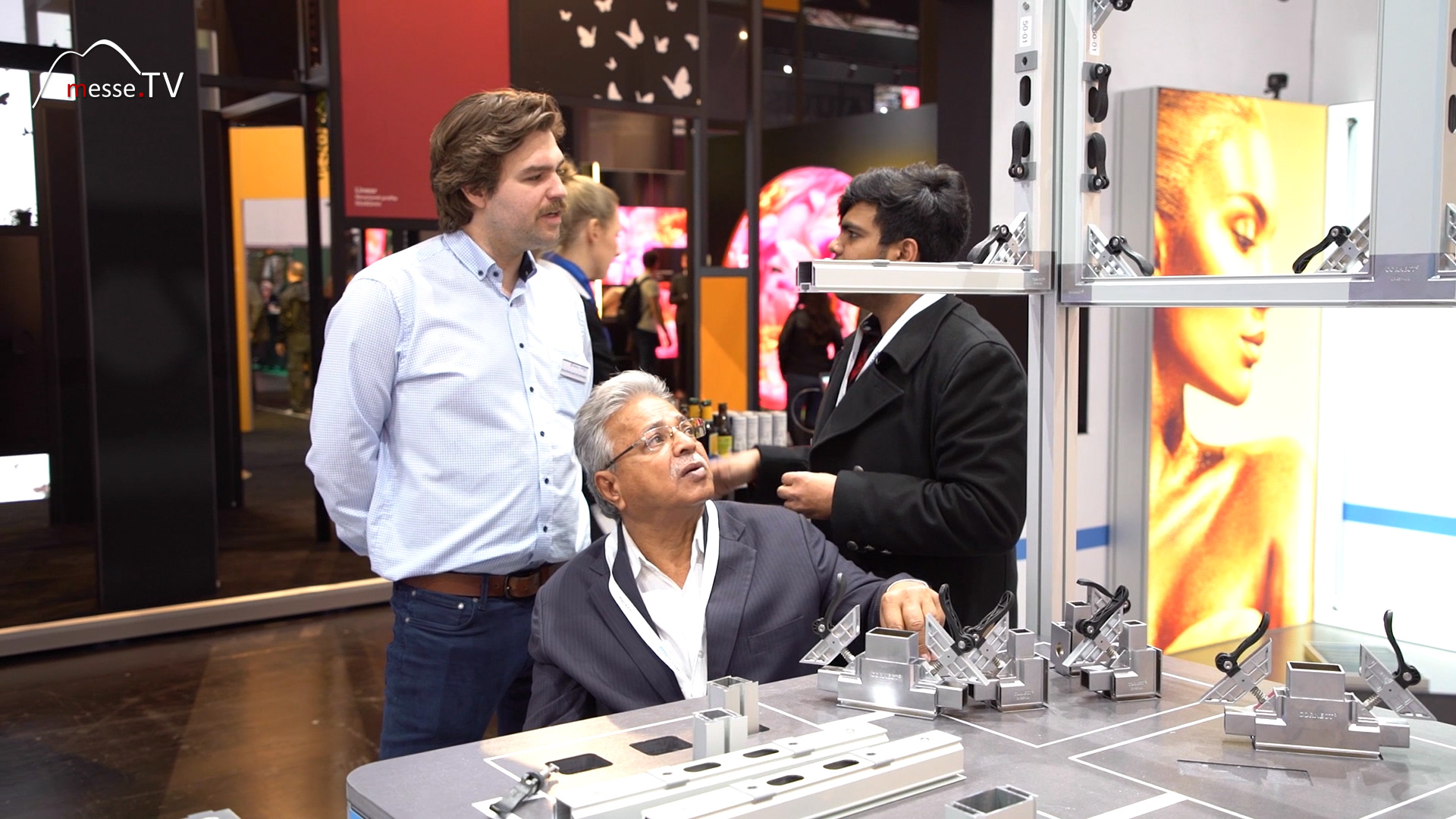
Das Aluvision Messesystem ist aus der praktischen Erfahrung im Messebau entstanden. Die Gründer von Aluvision waren selbst viele Jahre als Messebauer tätig und kannten die alltäglichen Herausforderungen klassischer Standkonstruktionen aus eigener Praxis. Ausgangspunkt war die Erkenntnis, dass es am Markt kein System gab, das Wiederverwendbarkeit, Flexibilität und wirtschaftliche Effizienz sinnvoll miteinander verband. Daraus entwickelte sich die Idee, ein eigenes modulares Messebausystem auf Basis von Aluminium zu konzipieren. Im Zentrum stand dabei von Beginn an die Abkehr vom klassischen Holzmessebau. Temporäre Holzkonstruktionen verursachen nach Veranstaltungen erhebliche Abfallmengen und sind nur eingeschränkt wiederverwendbar. Vor allem auf großen Messegeländen zeigt sich nach dem Abbau oft ein Bild, das weder ökologisch noch ökonomisch zeitgemäß ist. Aluminium als Grundmaterial bot hier einen alternativen Ansatz: langlebig, stabil, mehrfach einsetzbar und vollständig recyclingfähig.
Nachhaltigkeit als konstruktives Prinzip
Nachhaltigkeit wird beim Aluvision Messesystem nicht als Zusatzargument verstanden, sondern als konstruktives Grundprinzip. Die Aluminiumprofile sind so ausgelegt, dass sie über viele Messezyklen hinweg eingesetzt werden können. Anpassungen an neue Standgrößen oder veränderte Gestaltungskonzepte erfolgen nicht durch Neubau, sondern durch Umkonfiguration bestehender Elemente. Damit verschiebt sich der Fokus im Messebau von kurzfristiger Projektlogik hin zu langfristiger Systemplanung. Für Aussteller und Messebauer bedeutet das eine höhere Planungssicherheit, da Investitionen nicht an einzelne Veranstaltungen gebunden sind, sondern über Jahre hinweg genutzt werden können. Gleichzeitig sinkt der Materialeinsatz deutlich, da keine einmaligen Sonderkonstruktionen notwendig sind.
Modulares System für unterschiedliche Materialien
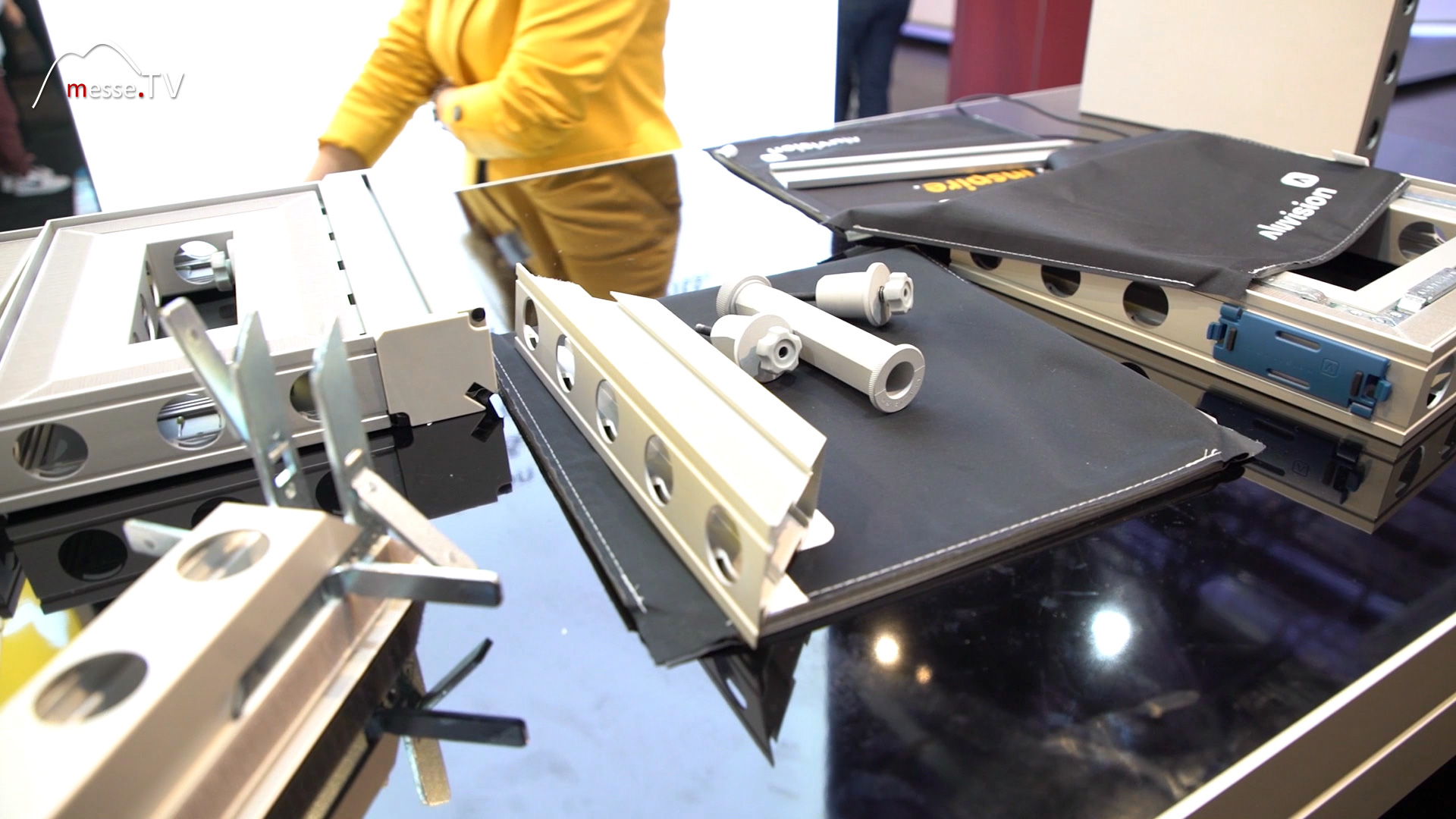
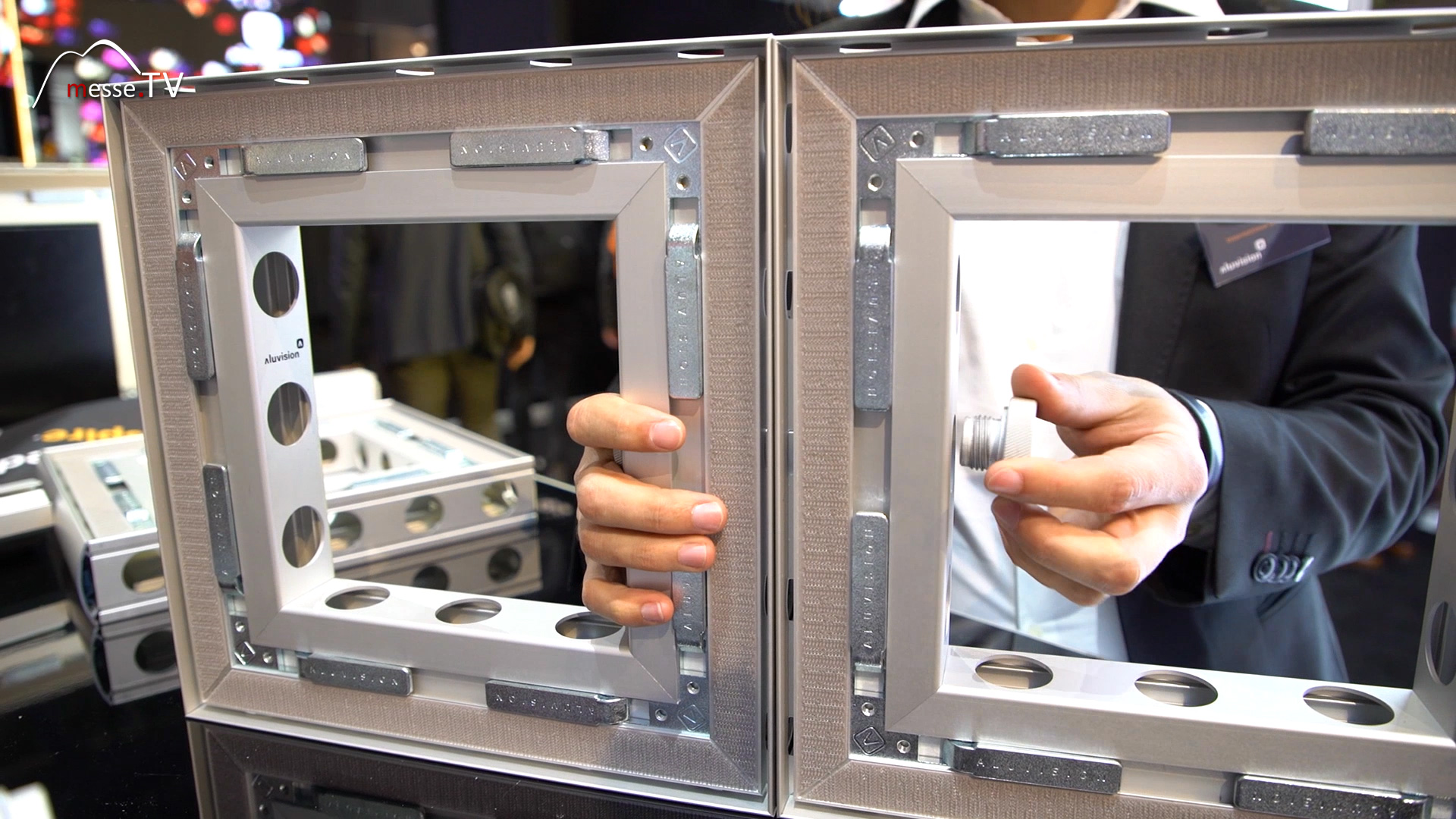
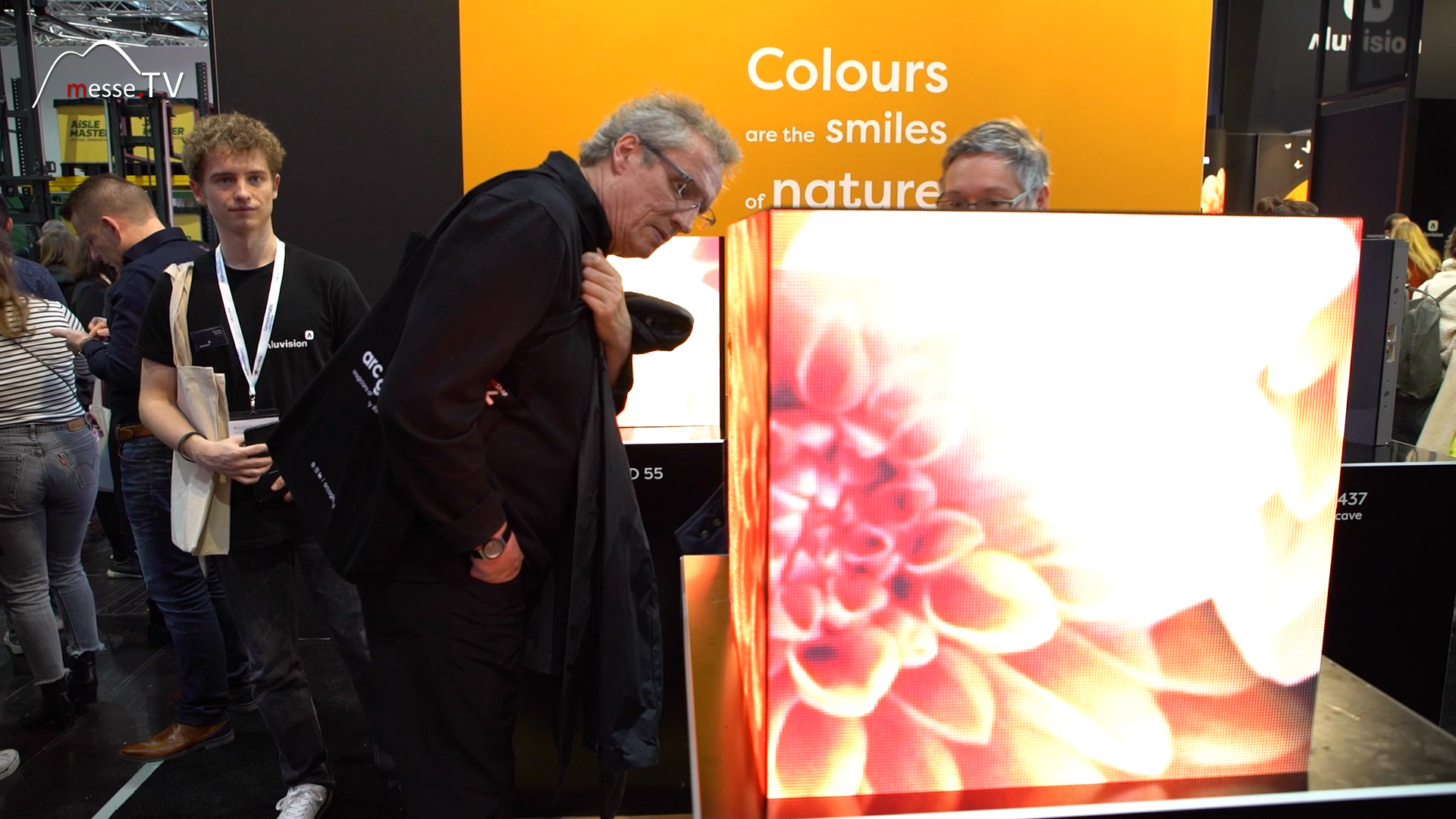
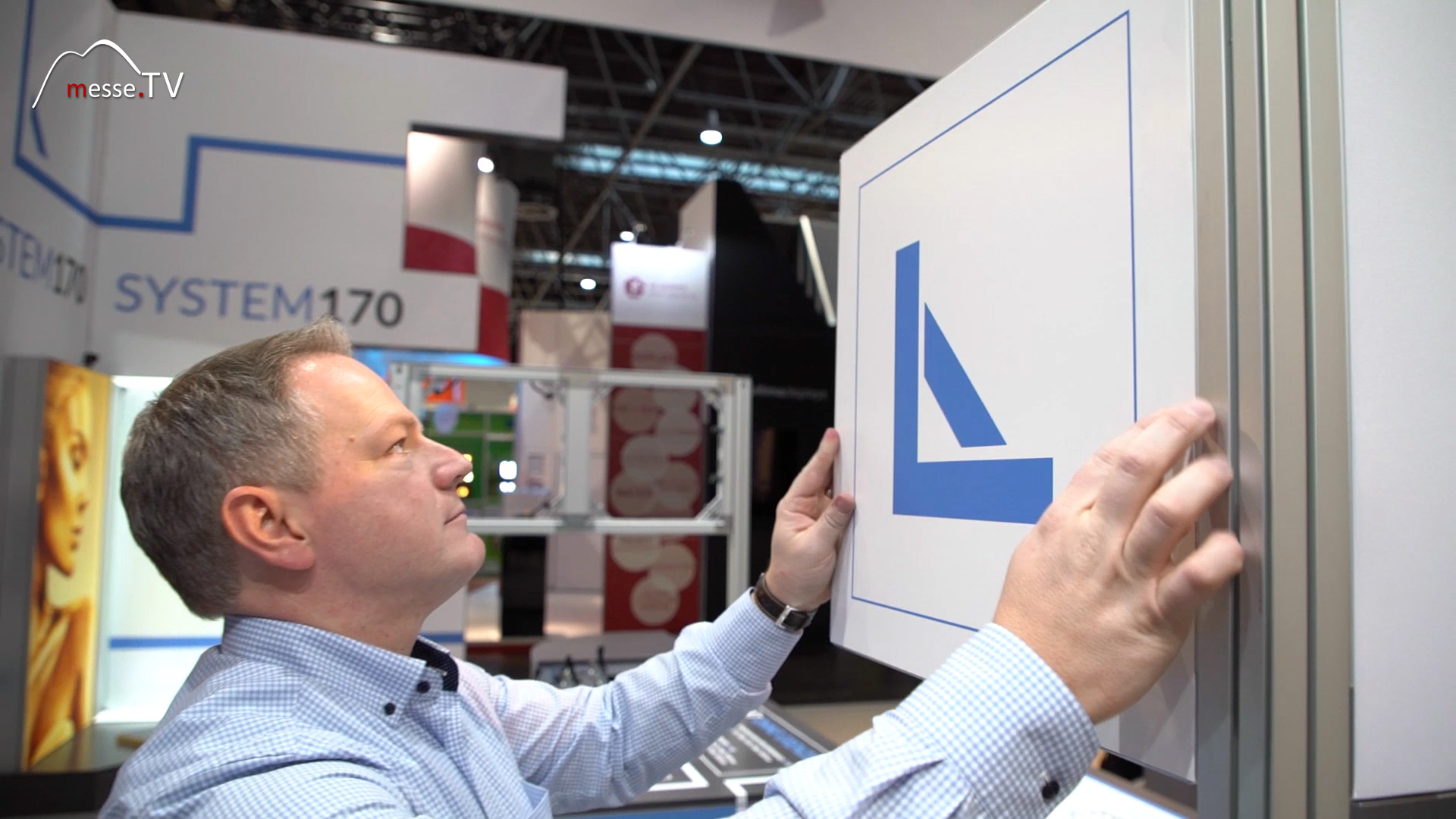
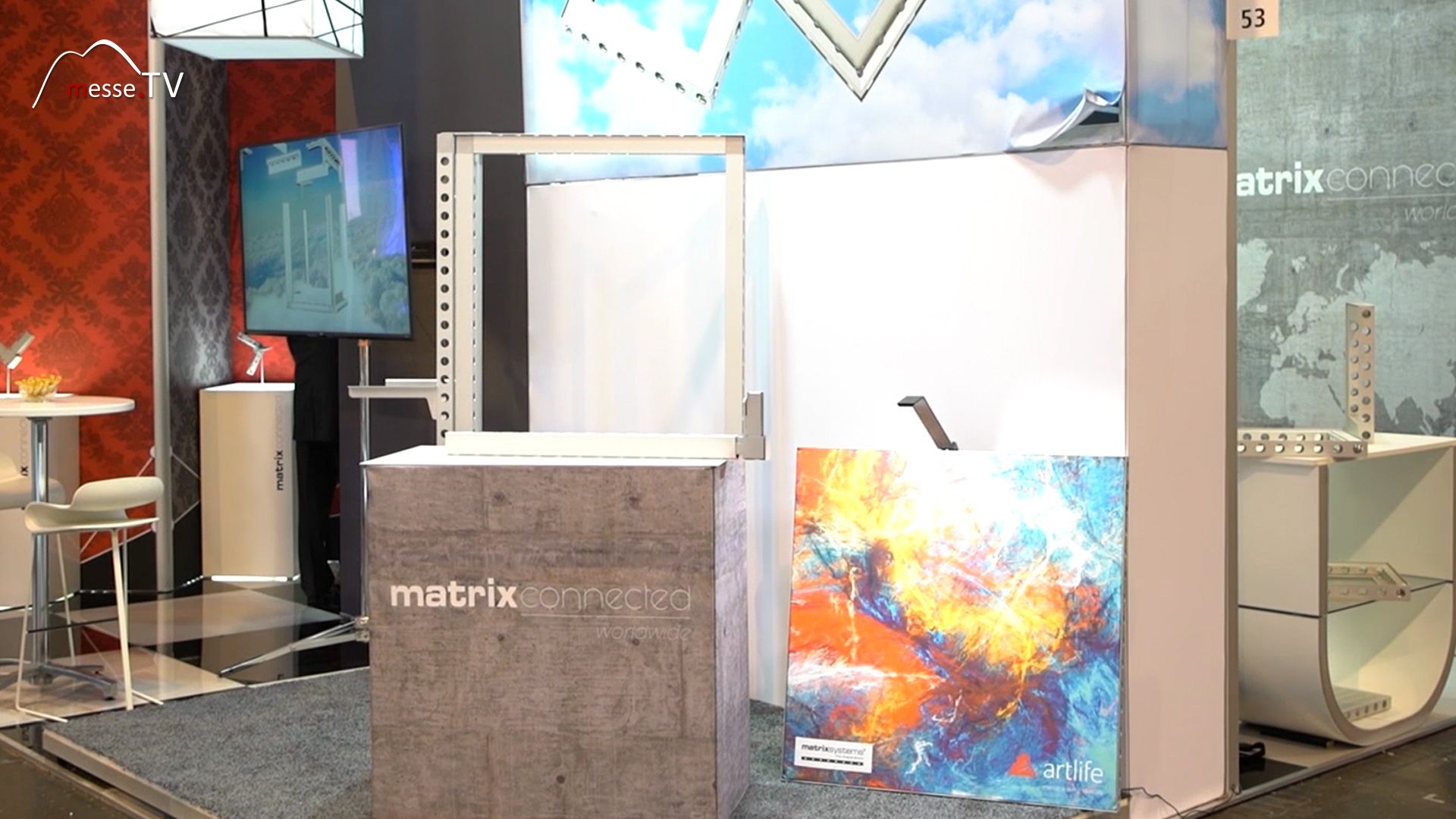
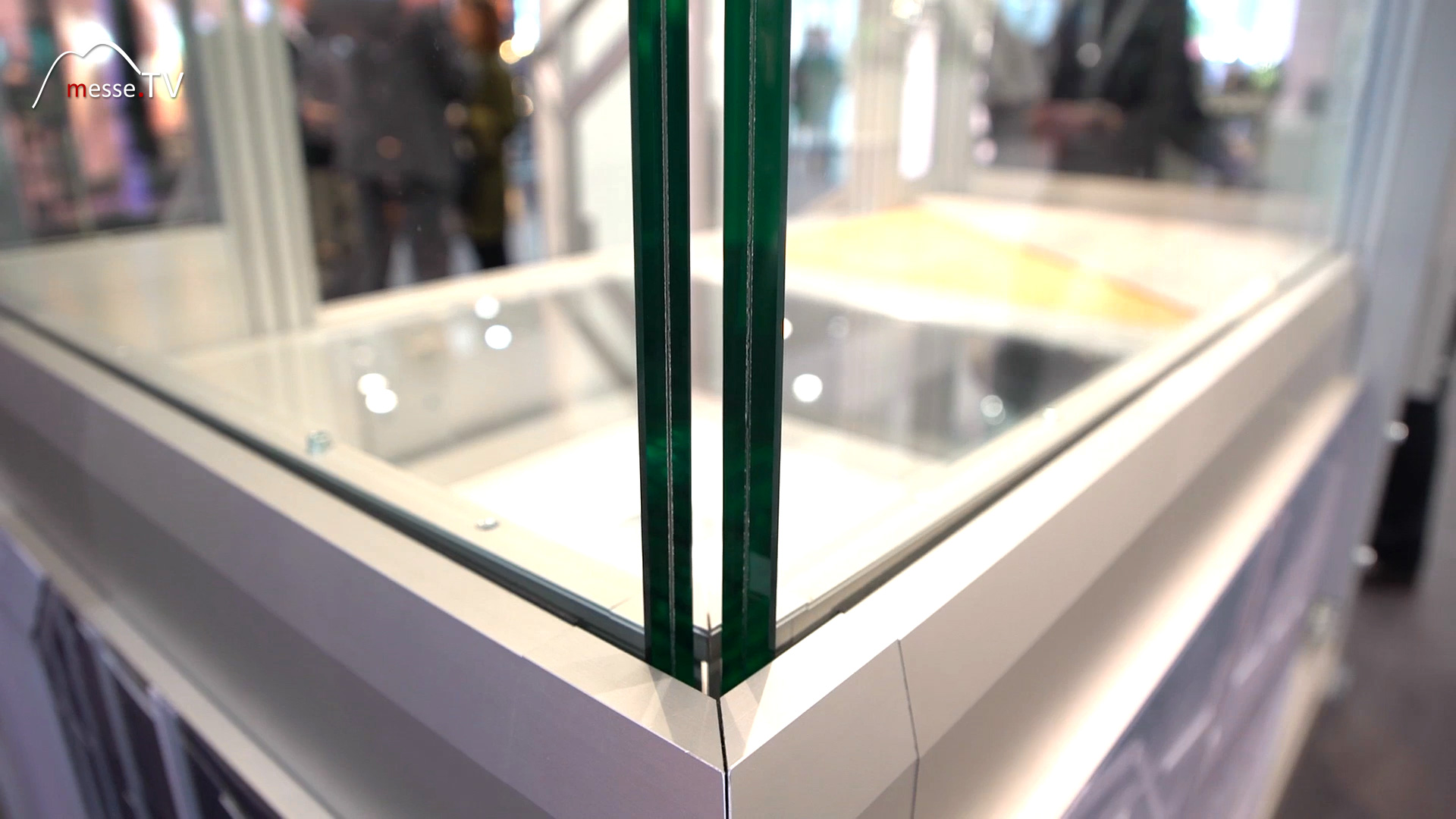
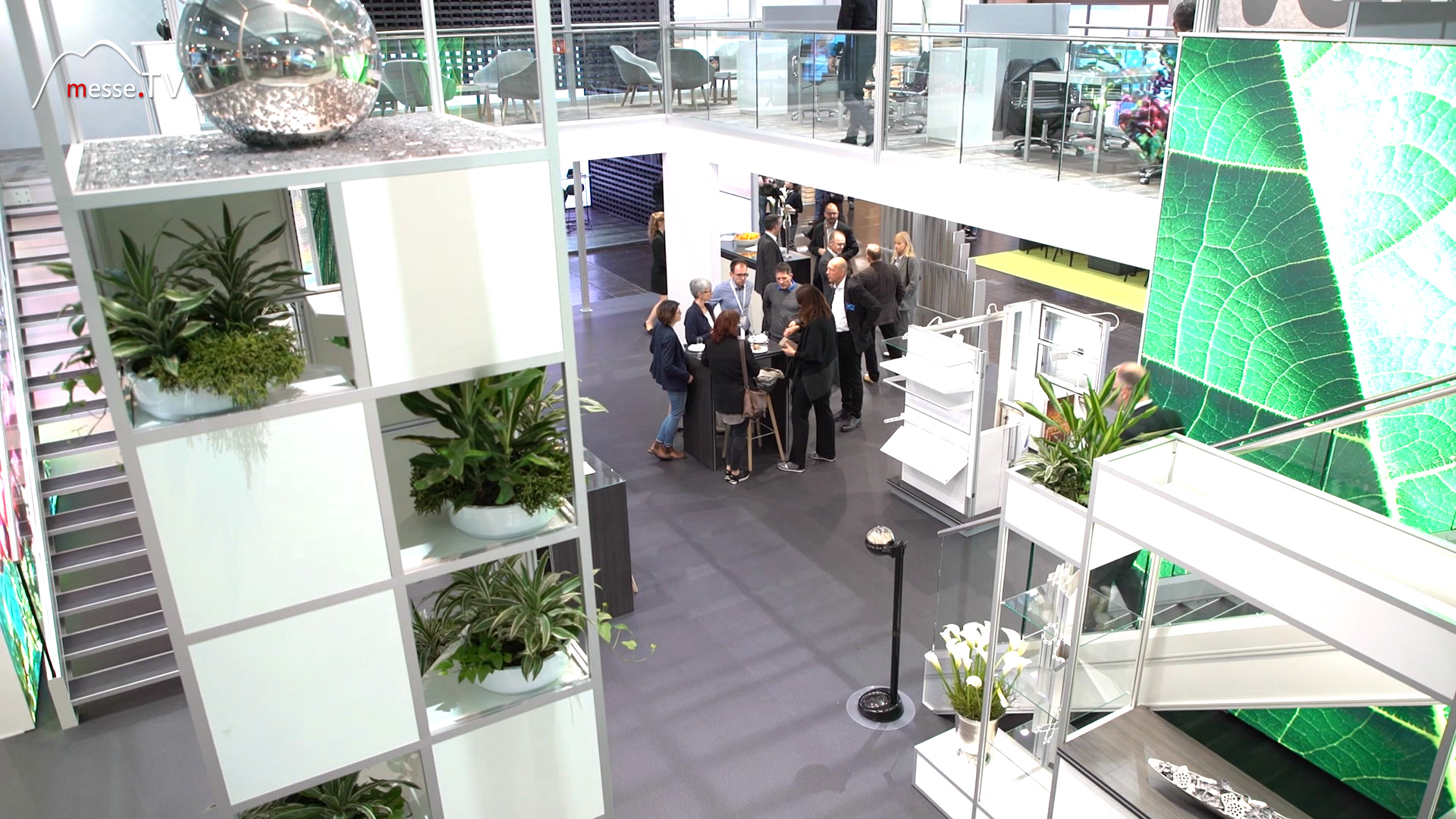
Ein zentrales Merkmal des Aluvision Messesystems ist seine Materialoffenheit. Das Aluminiumrahmensystem dient als tragende Struktur, in die unterschiedlichste Oberflächen integriert werden können. Dazu zählen klassische Plattenmaterialien ebenso wie textile Bespannungen, hinterleuchtete Flächen oder LED-Elemente. Diese Vielseitigkeit erlaubt es, innerhalb eines einzigen Messestands unterschiedliche gestalterische Zonen umzusetzen – etwa ruhige Kommunikationsbereiche, aufmerksamkeitsstarke Präsentationsflächen oder technische Produktzonen. Die Modularität sorgt dafür, dass diese Elemente nicht als separate Systeme nebeneinanderstehen, sondern konstruktiv miteinander verbunden sind. Typische Einsatzmöglichkeiten des Aluvision Messesystems sind unter anderem:
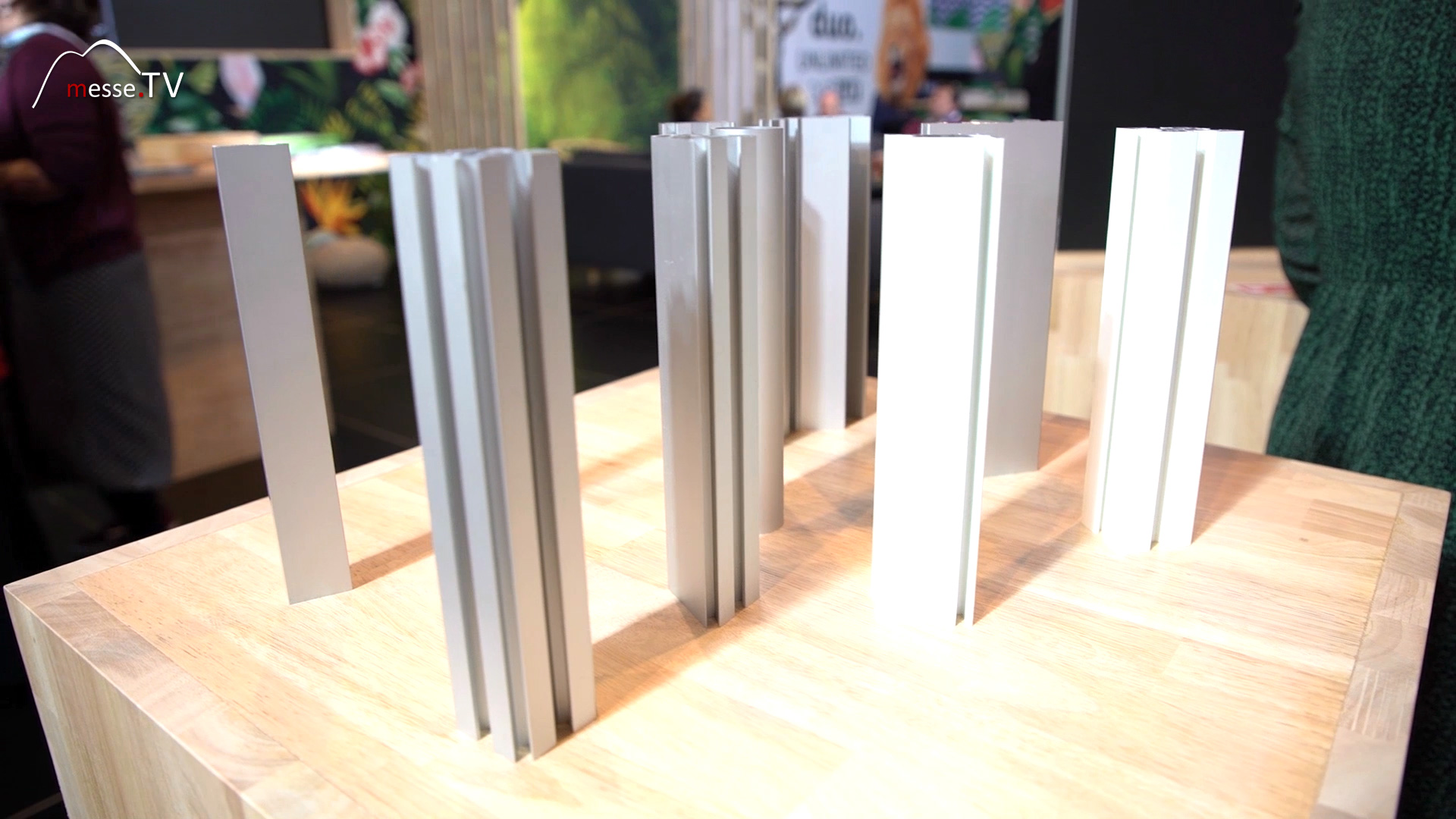
- Tragende Standstrukturen aus Aluminiumprofilen
- Integration von Plattenmaterialien und Grafikflächen
- Textile Bespannungen für wechselnde Markenauftritte
- Hinterleuchtete Rückwände für gleichmäßige Ausleuchtung
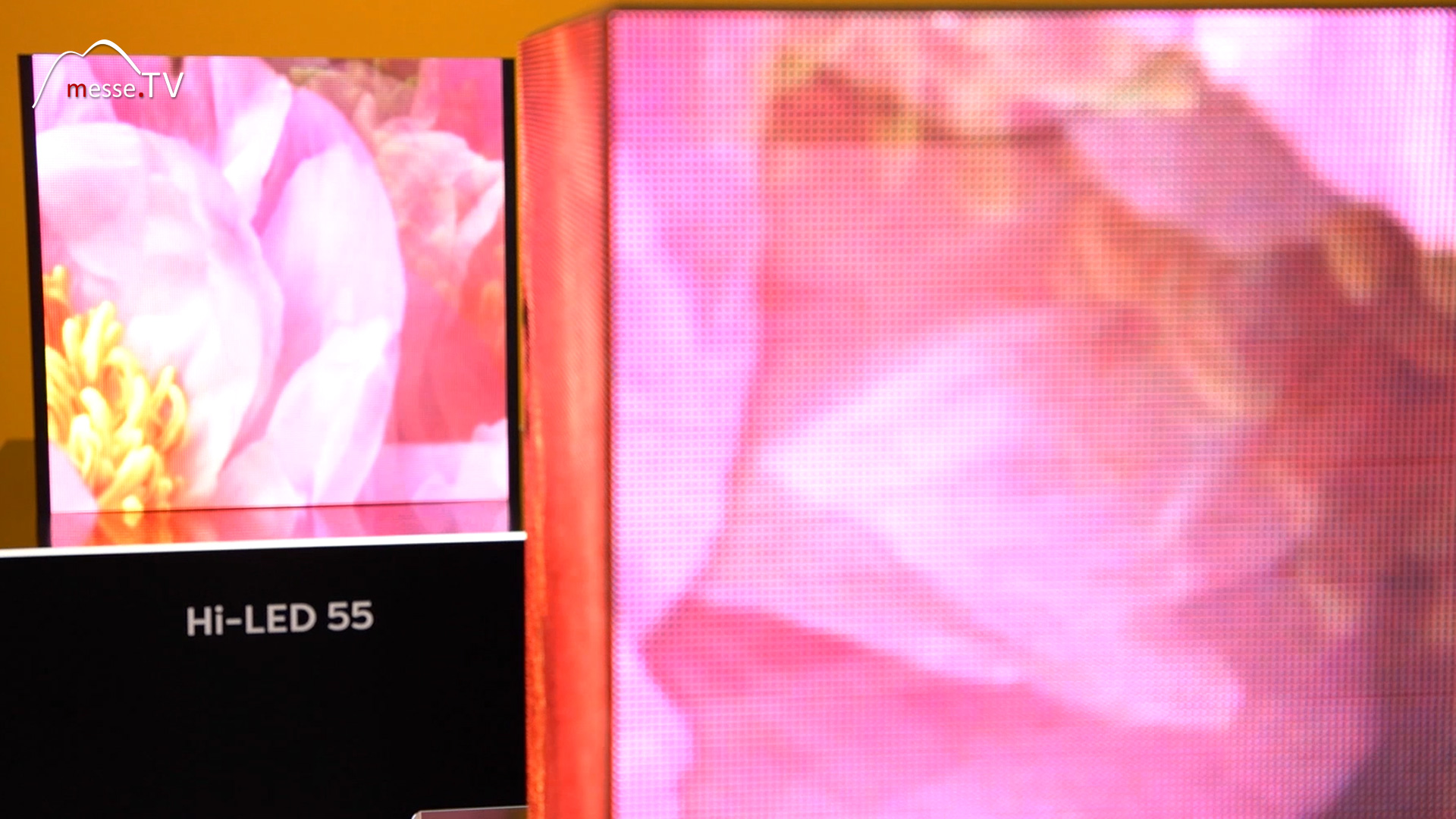
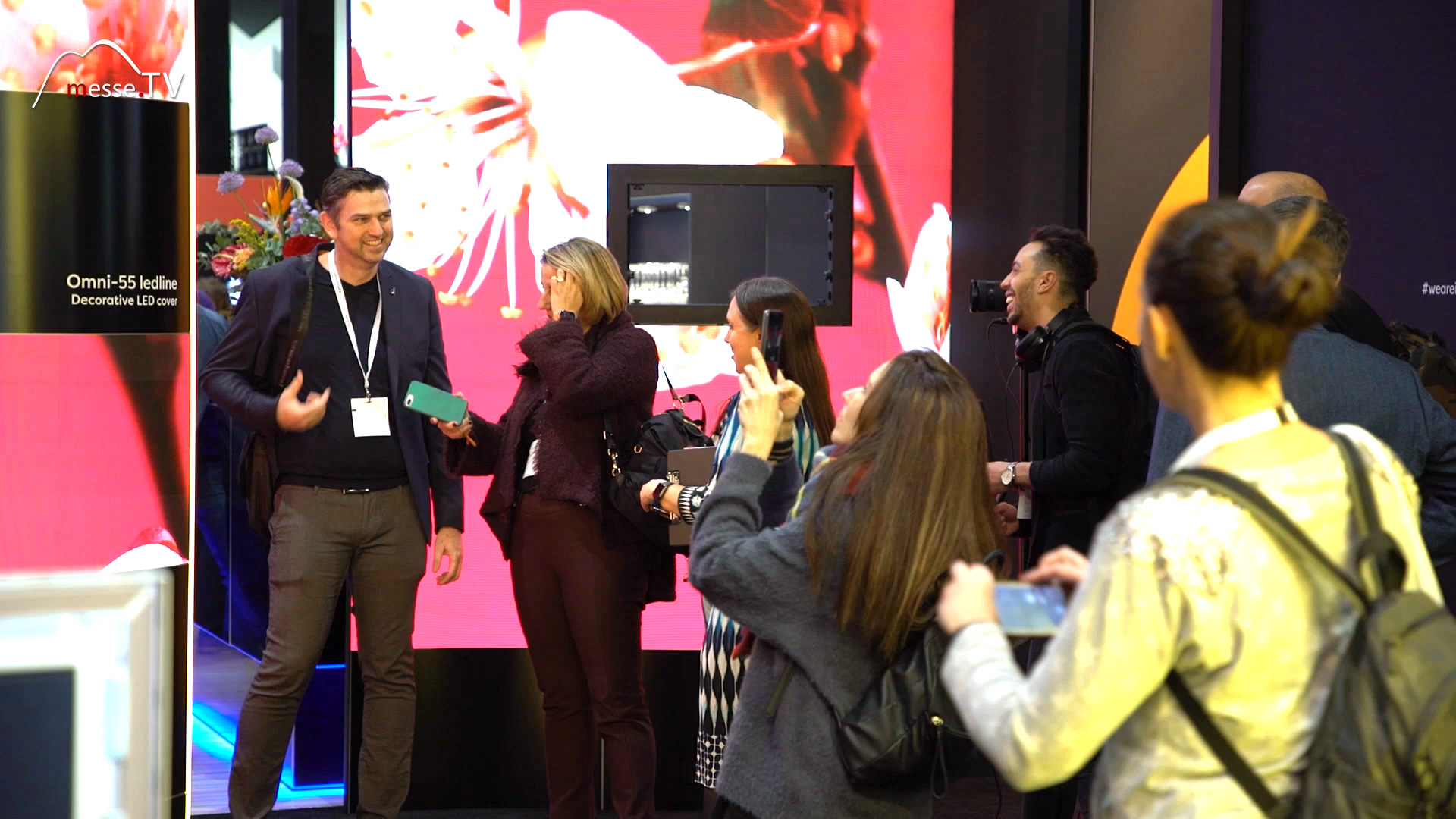
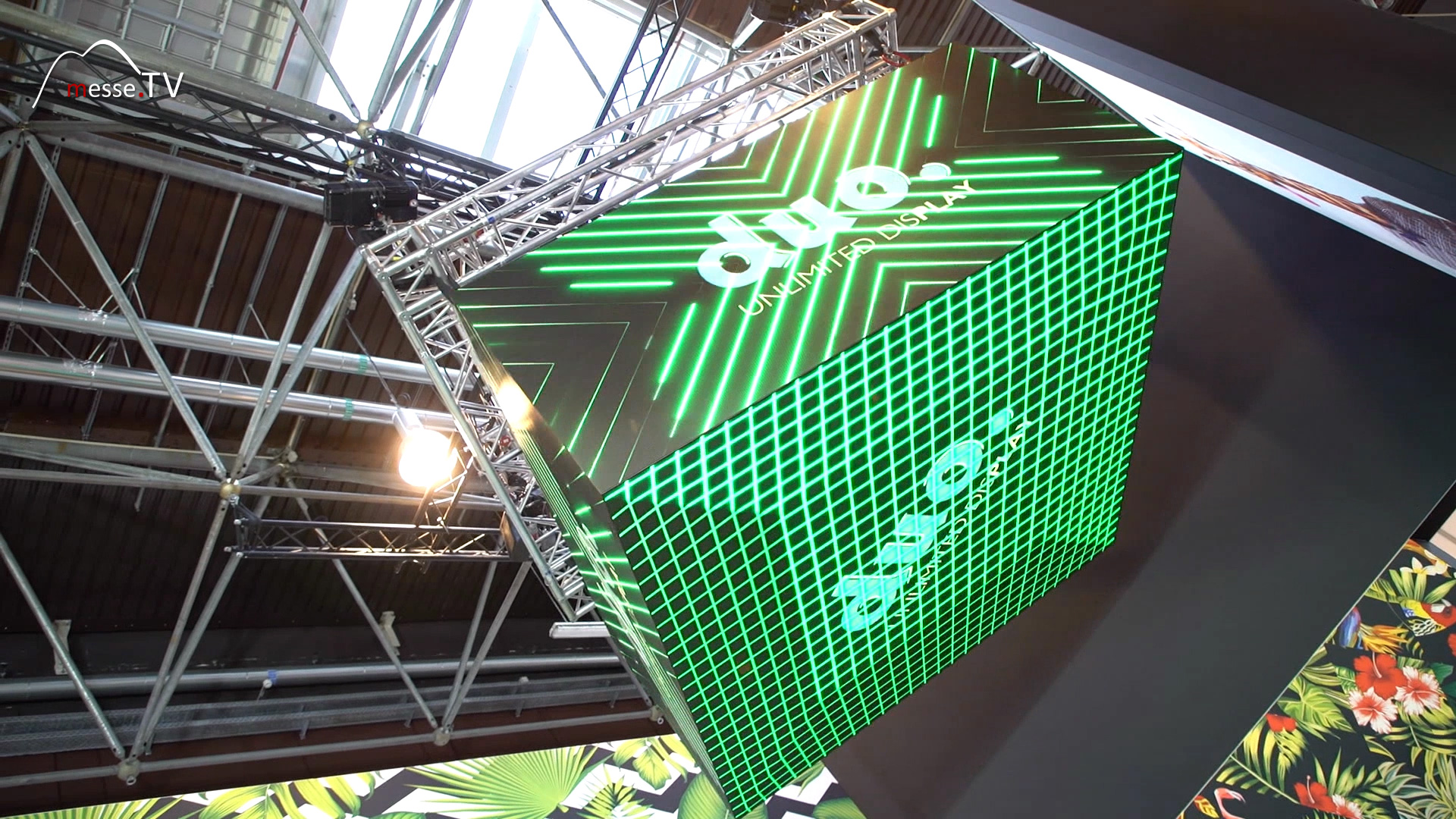
- Einbindung von LED-Modulen und digitalen Präsentationsflächen
Effizienz im Aufbau und Betrieb
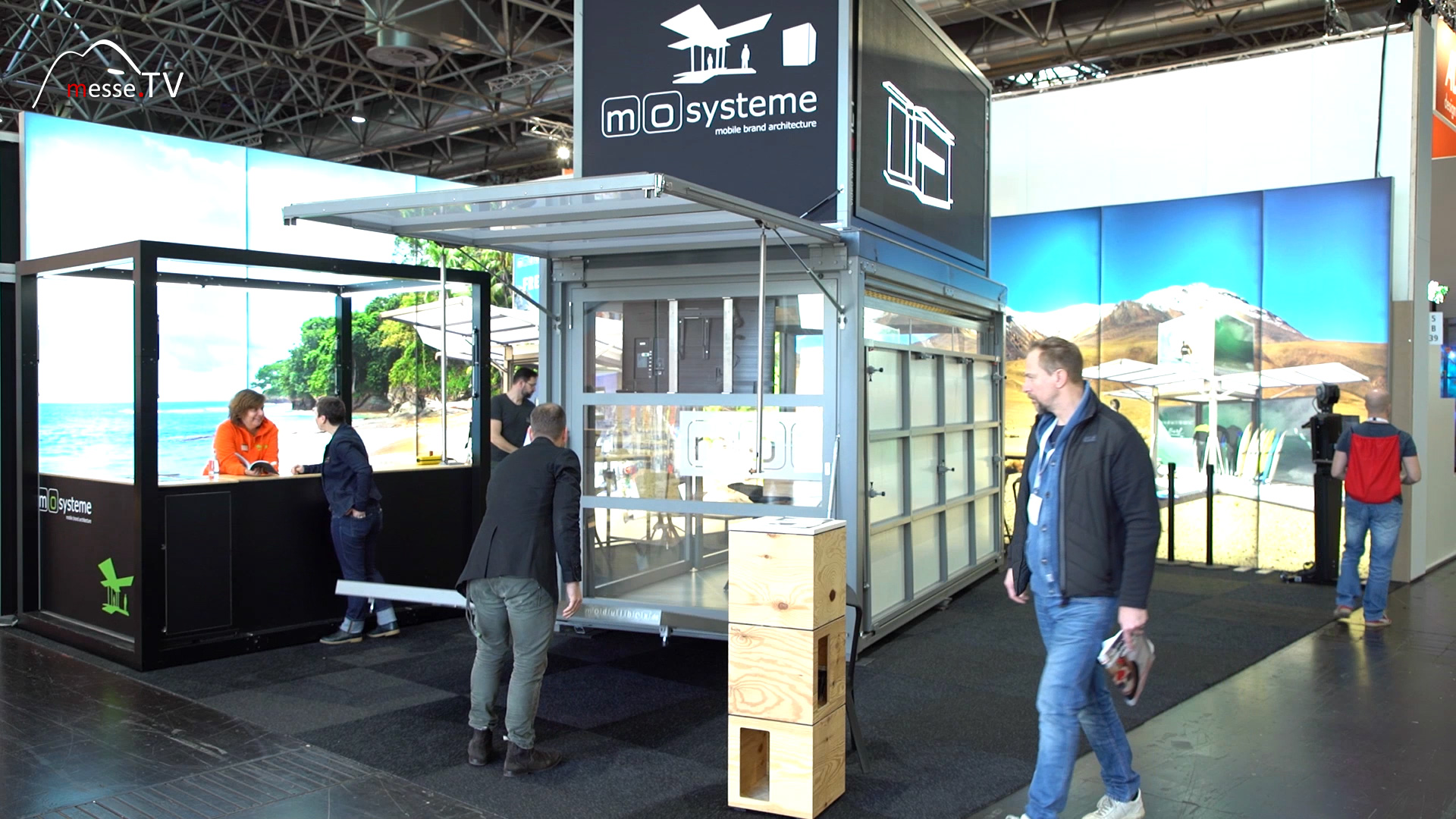
Neben Nachhaltigkeit spielt die Effizienz im Messebetrieb eine entscheidende Rolle. Messestände müssen innerhalb enger Zeitfenster aufgebaut und wieder demontiert werden. Das Aluvision Messesystem ist so konzipiert, dass Montage und Demontage mit vergleichsweise geringem Personalaufwand erfolgen können. Die präzise gefertigten Aluminiumprofile ermöglichen eine hohe Passgenauigkeit, wodurch Nacharbeiten auf der Baustelle minimiert werden. Gleichzeitig reduziert das modulare Prinzip die Fehleranfälligkeit, da wiederkehrende Elemente standardisiert eingesetzt werden. Für Messebauer bedeutet das eine bessere Kalkulierbarkeit von Zeit- und Personaleinsatz. Auch im laufenden Messebetrieb zeigt sich die Systemlogik als Vorteil. Einzelne Elemente lassen sich austauschen oder anpassen, ohne den gesamten Stand umbauen zu müssen. Das ist insbesondere bei internationalen Messeauftritten relevant, bei denen Stände an unterschiedliche Hallenvorgaben angepasst werden müssen.
Wirtschaftlichkeit über mehrere Messezyklen
Aluminium ist in der Anschaffung teurer als einfache Holzkonstruktionen, entfaltet seine wirtschaftlichen Vorteile jedoch über die Nutzungsdauer. Da das Aluvision Messesystem wiederverwendbar ist, verteilen sich die Investitionskosten auf viele Messeauftritte. Gleichzeitig entfallen Kosten für Entsorgung, Neubau und umfangreiche Sonderanfertigungen. Für Aussteller mit regelmäßigem Messekalender ergibt sich daraus ein wirtschaftlich stabiles Modell, das sowohl ökologische als auch betriebswirtschaftliche Aspekte berücksichtigt. Messebau wird damit weniger als einmaliges Projekt verstanden, sondern als langfristig planbares System.
Modulares Denken im zeitgemäßen Messebau
Der Messebau befindet sich im Wandel. Flexibilität, Nachhaltigkeit und digitale Integration sind heute zentrale Anforderungen. Das Aluvision Messesystem ist Ausdruck dieses Wandels, da es nicht auf starre Konstruktionen setzt, sondern auf modulare Bausteine, die sich an wechselnde Anforderungen anpassen lassen. Damit steht das System exemplarisch für eine Entwicklung, bei der Messeauftritte nicht mehr jedes Mal neu erfunden werden müssen, sondern auf einer stabilen, wiederverwendbaren Basis aufbauen. Genau dieser Ansatz prägt zunehmend den professionellen Messebau.
Messe-Berichterstattung bundesweit - Messewissen, Termine & Veranstaltungen


