Robotik Baukasten mit Modulen und Powerbrain Steuerung
von Andreas Bergmeier - 2024-02-14Ein Baukasten, der Kinder früh an Robotik heranführt, steht im Mittelpunkt des Auftritts von Tinkerbots auf der Spielwarenmesse.
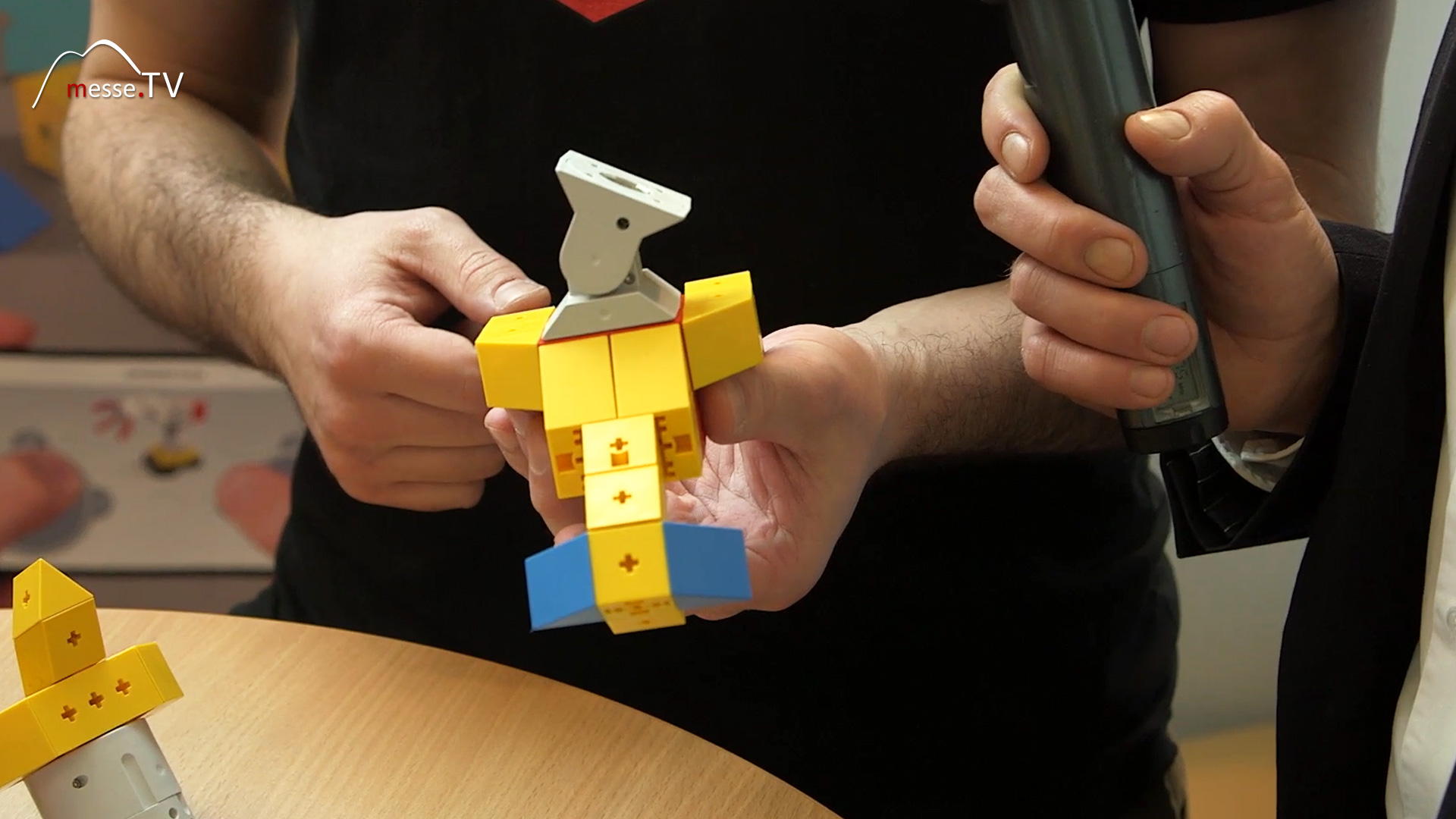
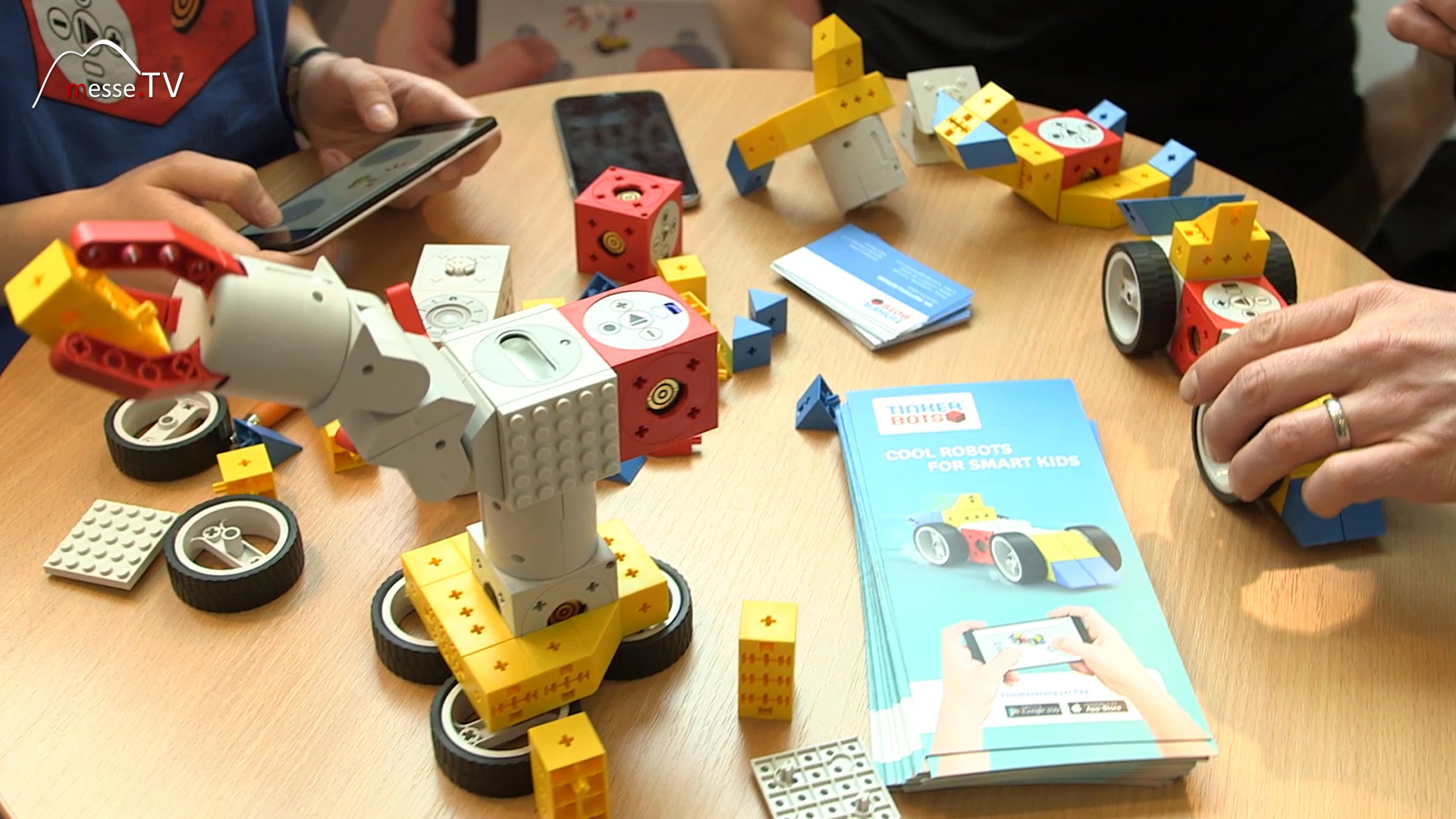
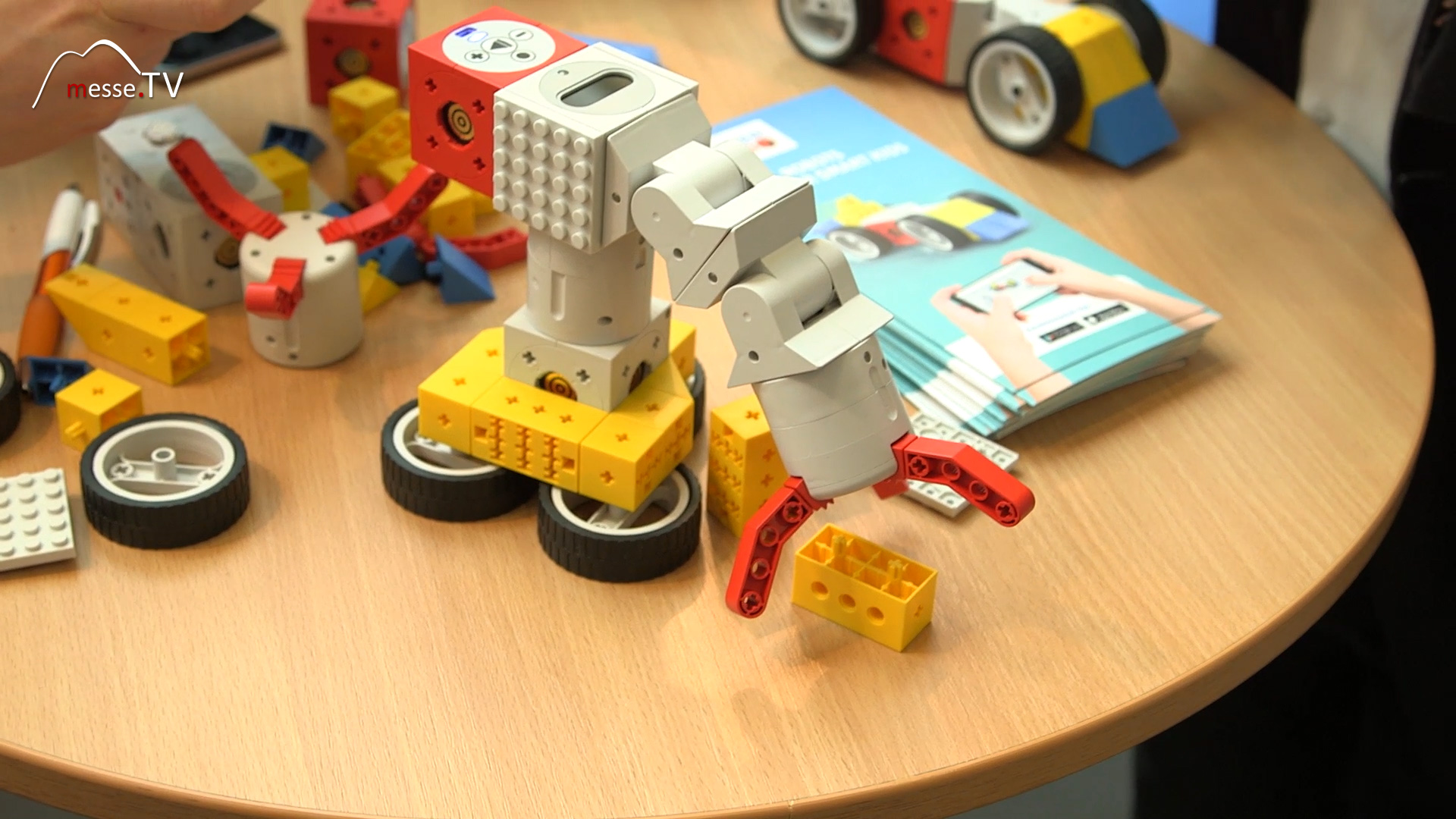
Das System richtet sich an Nutzer ab etwa fünf bis sechs Jahren und verfolgt einen klaren Ansatz: Technik soll nicht über komplexe Programmierung erschlossen werden, sondern über direkte, nachvollziehbare Bewegung. Der Baukasten besteht aus einzelnen Modulen, die jeweils eine definierte Funktion übernehmen. Dazu gehören Gelenke, Drehmechanismen, Motoren oder Greifer. Jedes Element erfüllt eine konkrete Aufgabe und lässt sich mit anderen kombinieren. So entstehen Schritt für Schritt Roboter, Fahrzeuge oder mechanische Konstruktionen, die unmittelbar reagieren.
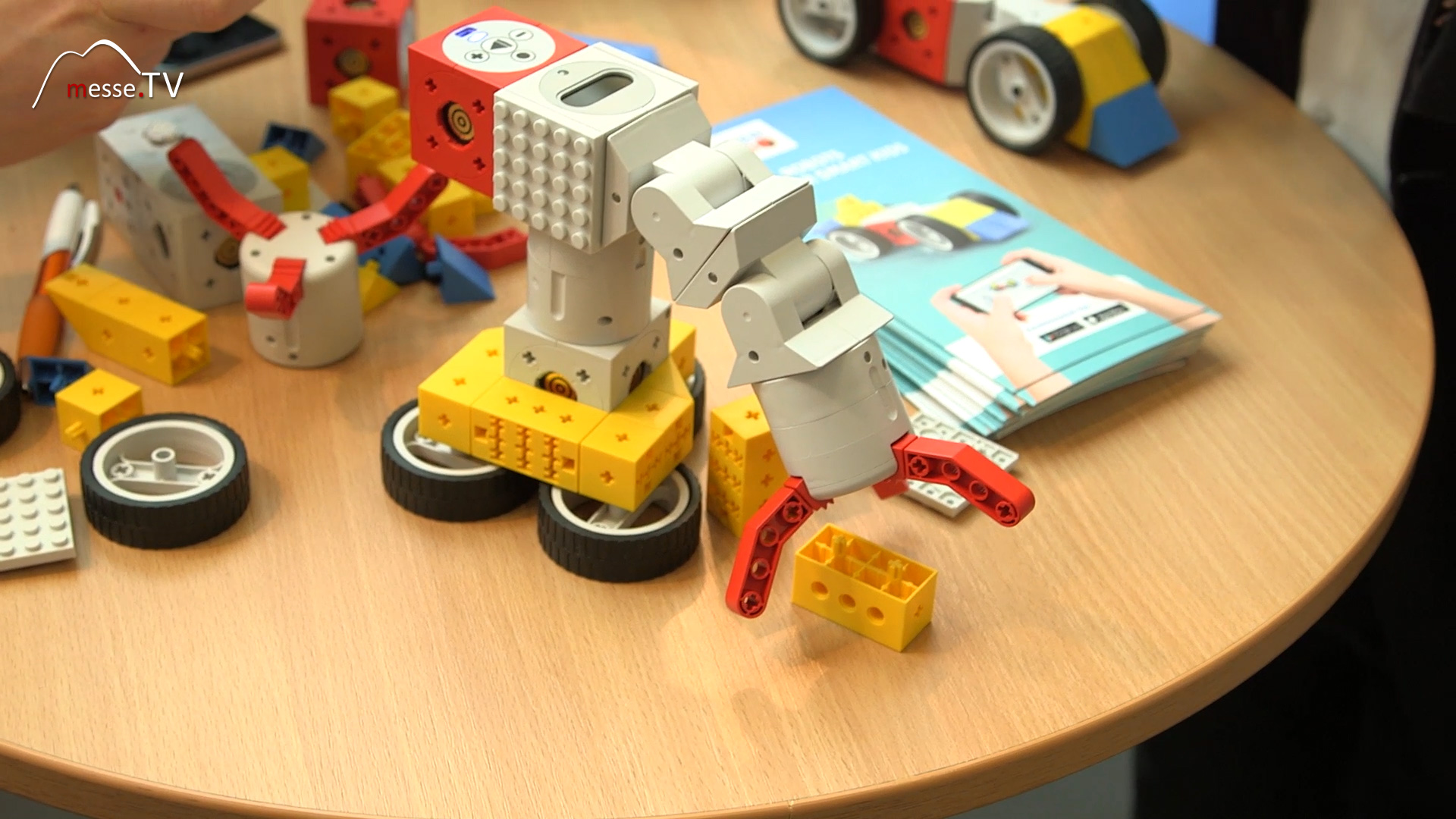
Tinkerbots Baukasten mit Modulen für eigene Roboter
Tinkerbots setzt bewusst auf ein System, das eher an klassische Steckverbindungen erinnert als an komplexe Elektronikbaukästen. Die einzelnen Elemente werden über eine einfache Drehbewegung verbunden. In einer Position sind sie lose, in einer anderen fest fixiert. Dieses Prinzip reduziert die Einstiegshürde deutlich und ermöglicht erste funktionierende Modelle ohne technisches Vorwissen. Die Struktur bleibt dabei übersichtlich: Jedes Modul hat eine klar erkennbare Funktion. Ein Gelenk bewegt sich, ein Motor treibt an, ein Greifer packt zu. Diese Reduktion auf grundlegende Bewegungen macht das System nachvollziehbar und fördert das Verständnis für mechanische Abläufe.
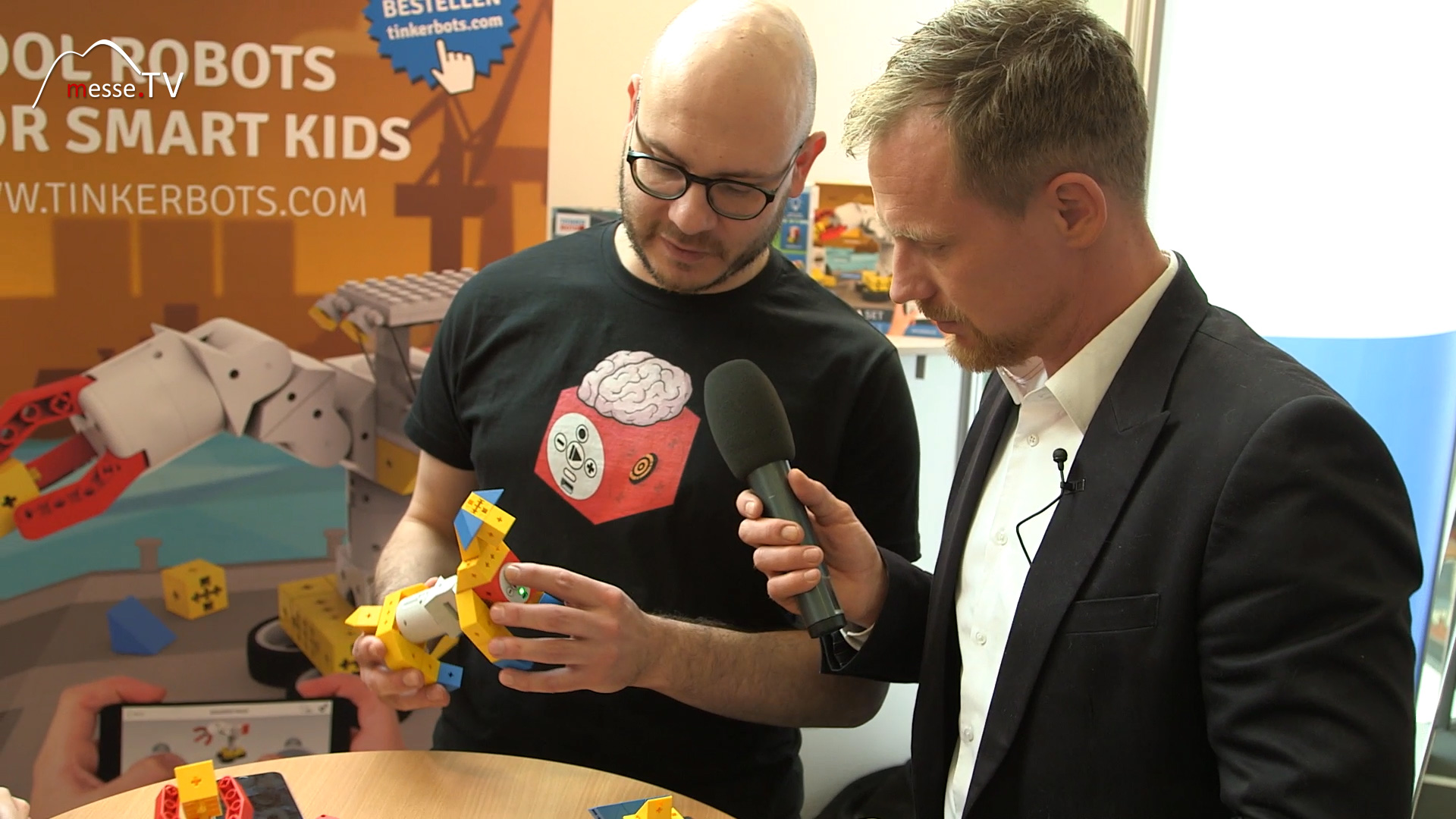
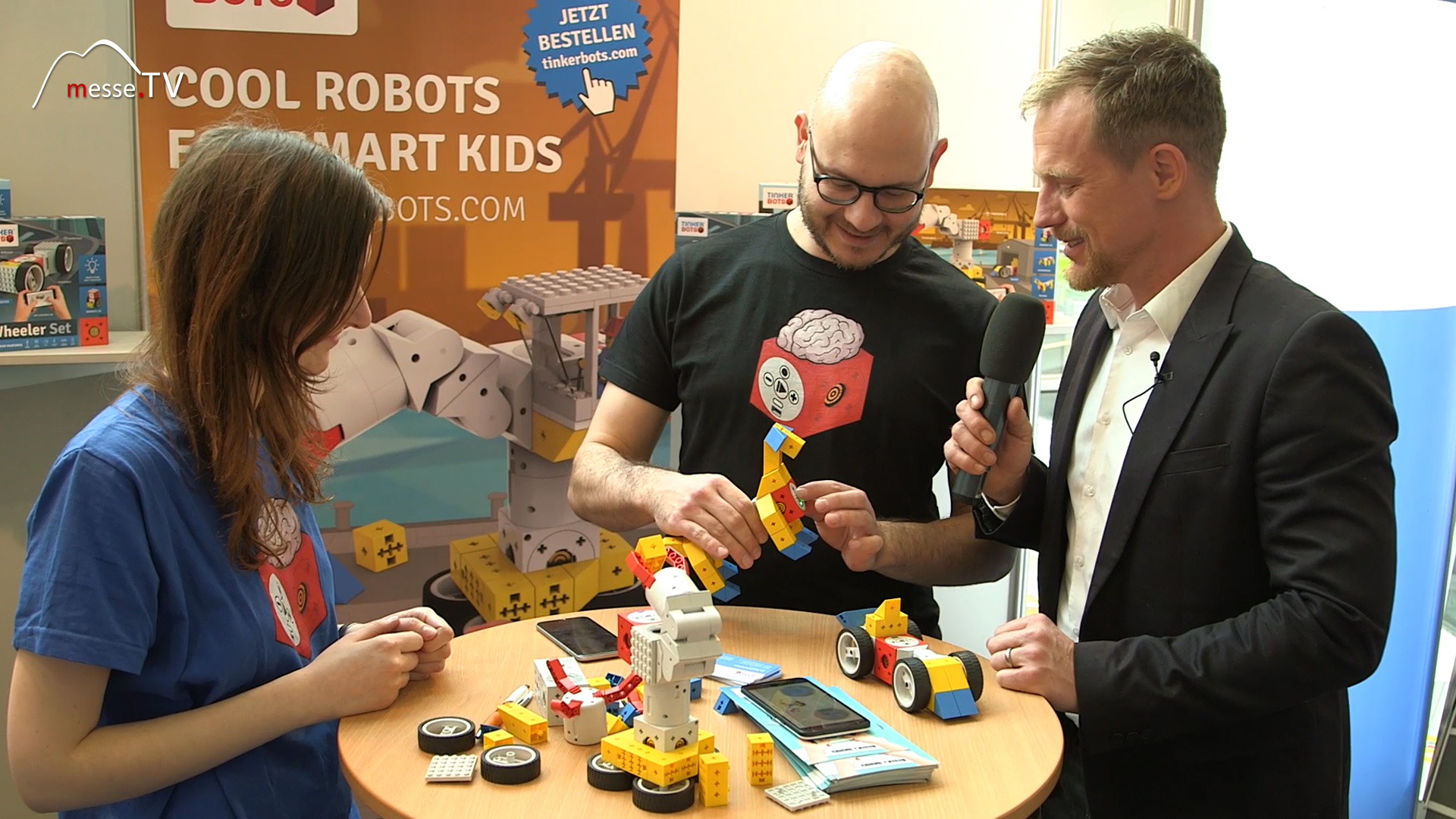
Powerbrain als zentrales Steuerungsmodul im Baukasten
Im Zentrum des Systems steht das sogenannte Powerbrain. Der kompakte Würfel übernimmt mehrere Aufgaben gleichzeitig: Er enthält Akku, Steuerung und die gesamte Elektronik. Ohne dieses Element funktioniert kein aufgebauter Roboter. Sobald ein Bewegungsmodul angeschlossen wird, beginnt das System nach dem Einschalten sofort zu arbeiten. Über einfache Bedienelemente lässt sich die Geschwindigkeit verändern. Diese direkte Reaktion ist entscheidend für das Verständnis – jede Anpassung führt unmittelbar zu einer sichtbaren Bewegung.
Steuerung über Smartphone und Tablet per Bluetooth
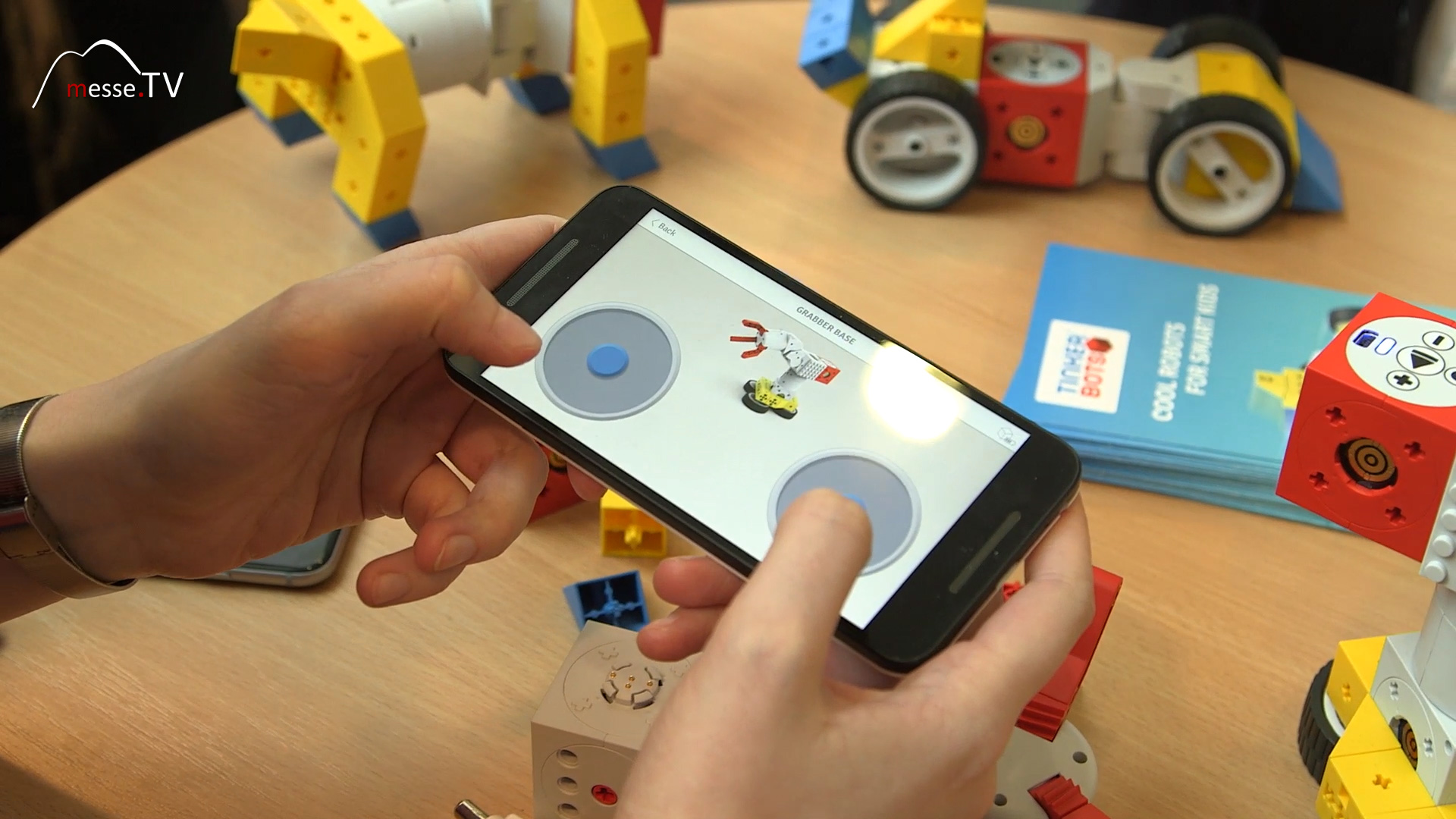
Neben der direkten Bedienung lässt sich der Baukasten auch digital erweitern. Über Bluetooth kann eine Verbindung zu Smartphone oder Tablet hergestellt werden. Eine App stellt verschiedene Steuerungsmöglichkeiten bereit, mit denen sich Bewegungen gezielt auslösen lassen. Über einfache Regler können Nutzer einzelne Funktionen kontrollieren. Ein Greifer öffnet und schließt sich, ein Modul bewegt sich nach oben oder unten. Diese Steuerung erfolgt in Echtzeit und ergänzt das physische Bauen um eine digitale Ebene, ohne das Grundprinzip zu verändern.
Bewegungen speichern und automatisch wiederholen
Ein weiterer Schritt geht über die reine Steuerung hinaus. Der Baukasten ermöglicht es, Bewegungsabläufe aufzuzeichnen und später wieder abzuspielen. Dazu wird eine Aufnahmefunktion direkt am Powerbrain genutzt. Während der Aufnahme werden Bewegungen ausgeführt, die anschließend gespeichert bleiben. Nach dem Start führt das System diese Abfolge selbstständig aus. So entstehen einfache Programme, ohne dass klassische Programmierung notwendig ist. Typische Funktionen des Systems:
- modulare Bausteine mit klaren Bewegungsfunktionen
- Powerbrain als Kombination aus Akku und Steuerung
- direkte Bedienung ohne zusätzliche Geräte
- Bluetooth-Verbindung für erweiterte Steuerung
- Speicherung und Wiederholung von Bewegungen
Einordnung des Baukastens zwischen Spiel und Technik
Der Ansatz zeigt, wie sich technische Inhalte früh vermitteln lassen, ohne zu überfordern. Statt abstrakter Theorie steht beim Baukasten die praktische Erfahrung im Mittelpunkt. Kinder bauen, testen und verändern ihre Konstruktionen direkt. Tinkerbots bewegt sich damit zwischen klassischem Spielzeug und technischem Lernsystem. Die Module sind bewusst einfach gehalten, gleichzeitig bieten sie ausreichend Möglichkeiten für komplexere Konstruktionen. Dadurch wächst der Anspruch mit der Erfahrung. Auffällig ist die Offenheit des Systems. Es gibt keine festen Endpunkte, sondern eine Vielzahl möglicher Lösungen. Genau darin liegt der Reiz: Technik wird nicht nur genutzt, sondern verstanden – Schritt für Schritt, durch eigenes Ausprobieren.

Messe-Berichterstattung bundesweit - Messewissen, Termine & Veranstaltungen


