John Spielwaren Bälle und Lizenzprodukte im Überblick
von Jürgen Groh - 2024-02-14Die Spielwarenmesse bringt regelmäßig Unternehmen zusammen, die sich über Jahrzehnte im Markt etabliert haben. Der Familienbetrieb John gehört zu diesen Konstanten.
Das Unternehmen agiert im Business-to-Business-Bereich, setzt auf ein breites Sortiment und kombiniert klassische Produkte mit einem konsequenten Lizenzgeschäft. Im Gespräch mit der Geschäftsführerin zeigt sich, wie stark sich das Portfolio zwischen Tradition und neuen Impulsen bewegt.
John als Familienbetrieb mit Bälle Kernbereich
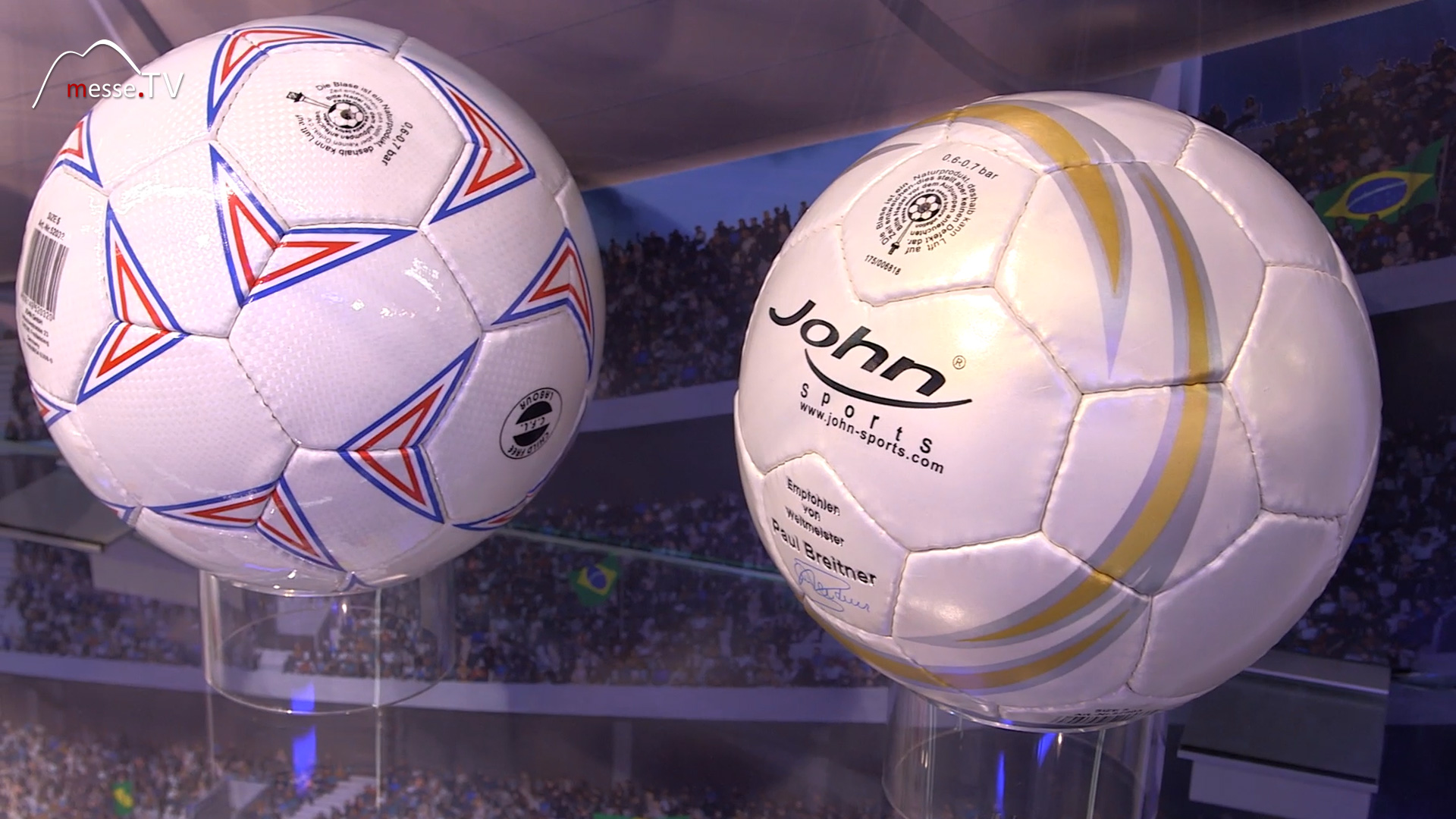
Im Zentrum der Produktstrategie stehen seit Jahrzehnten Bälle. John produziert seit über 50 Jahren Spiel- und Sportbälle und hält bis heute an der Fertigung in Freilassing fest. Rund 100 Mitarbeiter sind dort tätig, ein Großteil der PVC-Bälle wird weiterhin in Deutschland hergestellt. Diese Kontinuität ist ein wesentlicher Bestandteil der Markenidentität. Gleichzeitig reagiert das Unternehmen auf Marktzyklen. Große Turniere wie Europa- oder Weltmeisterschaften führen regelmäßig zu steigender Nachfrage – intern spricht man von „Balljahren“, in denen sich die Umsatzentwicklung deutlich beschleunigt.
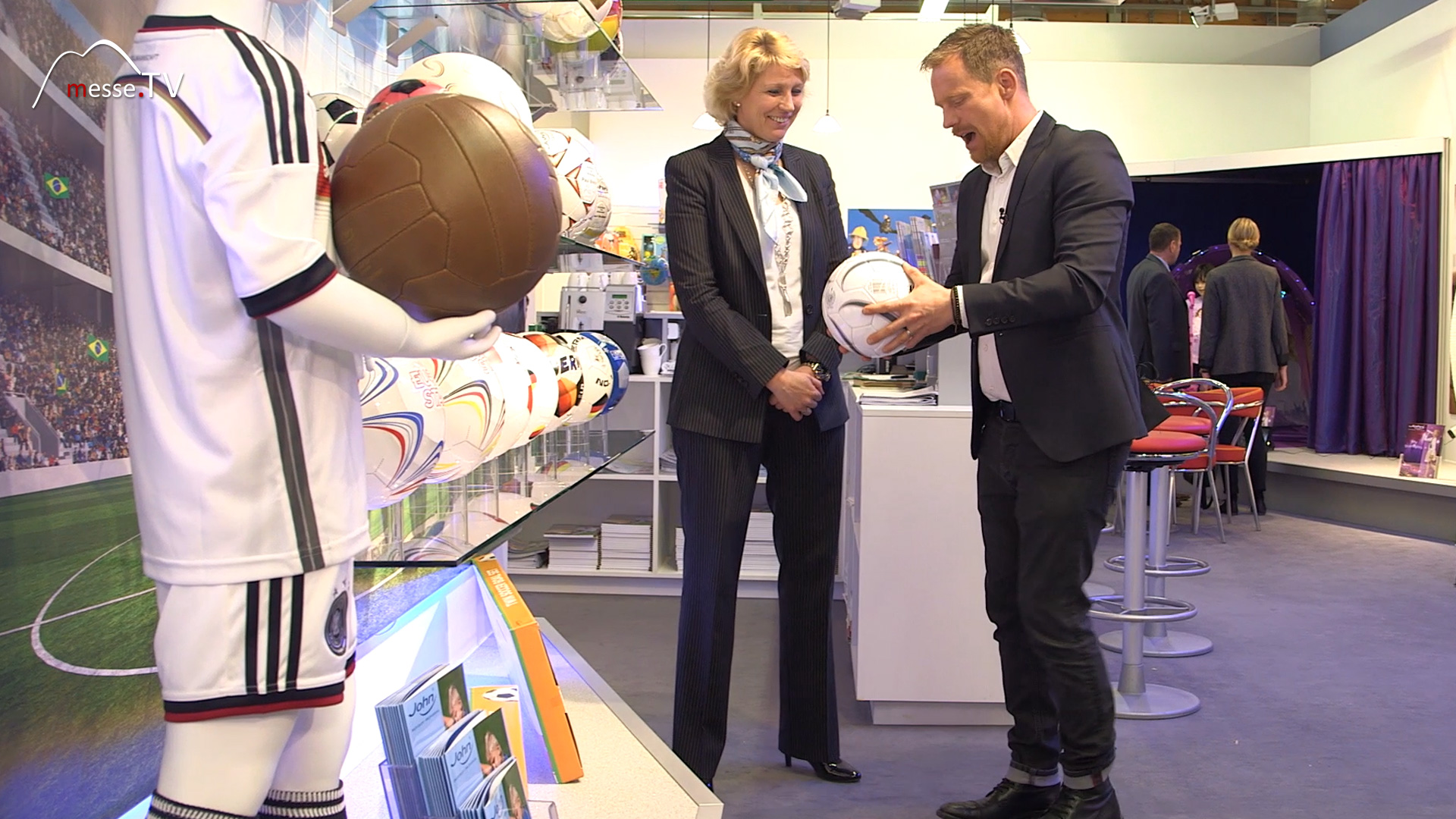
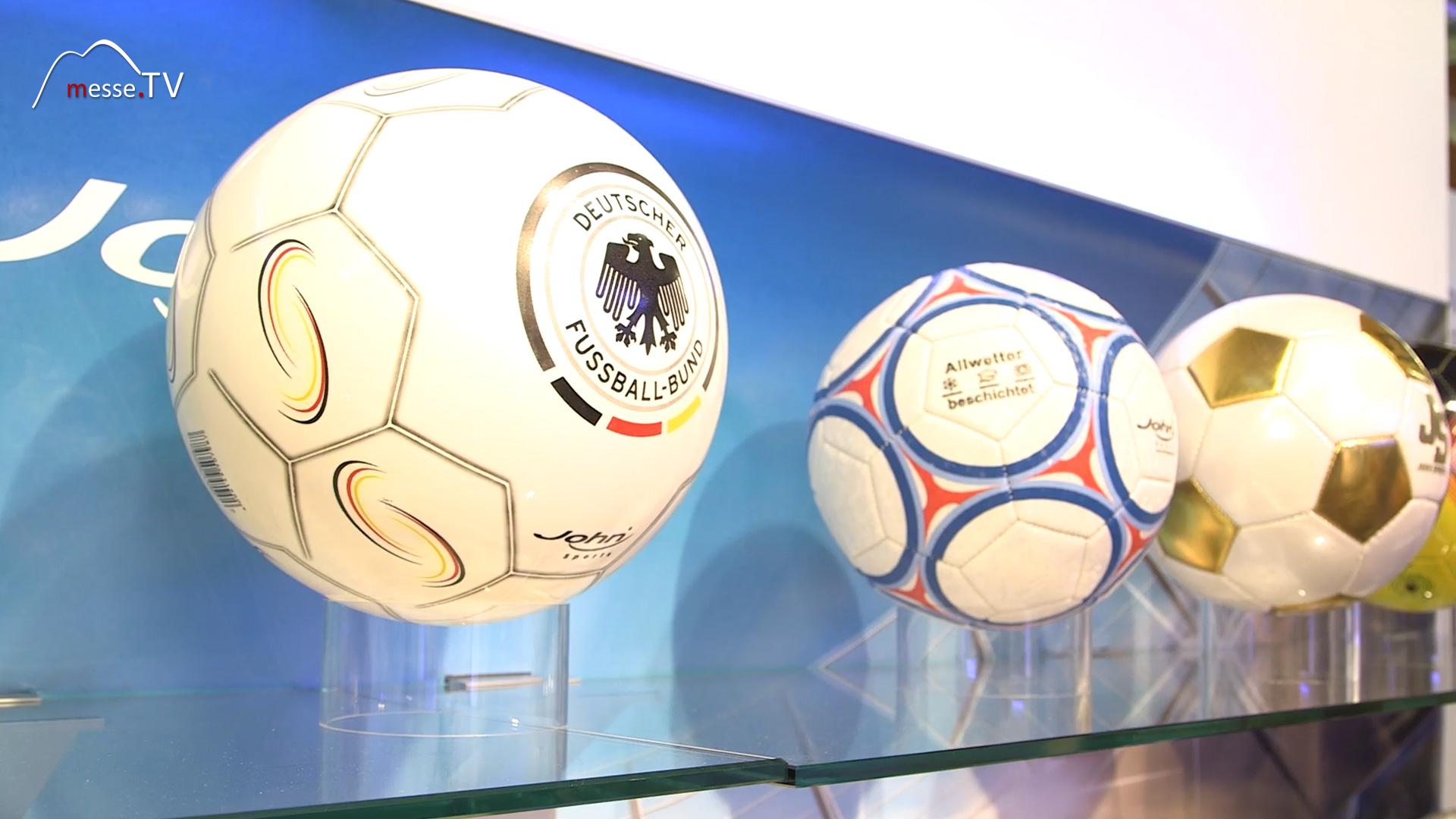
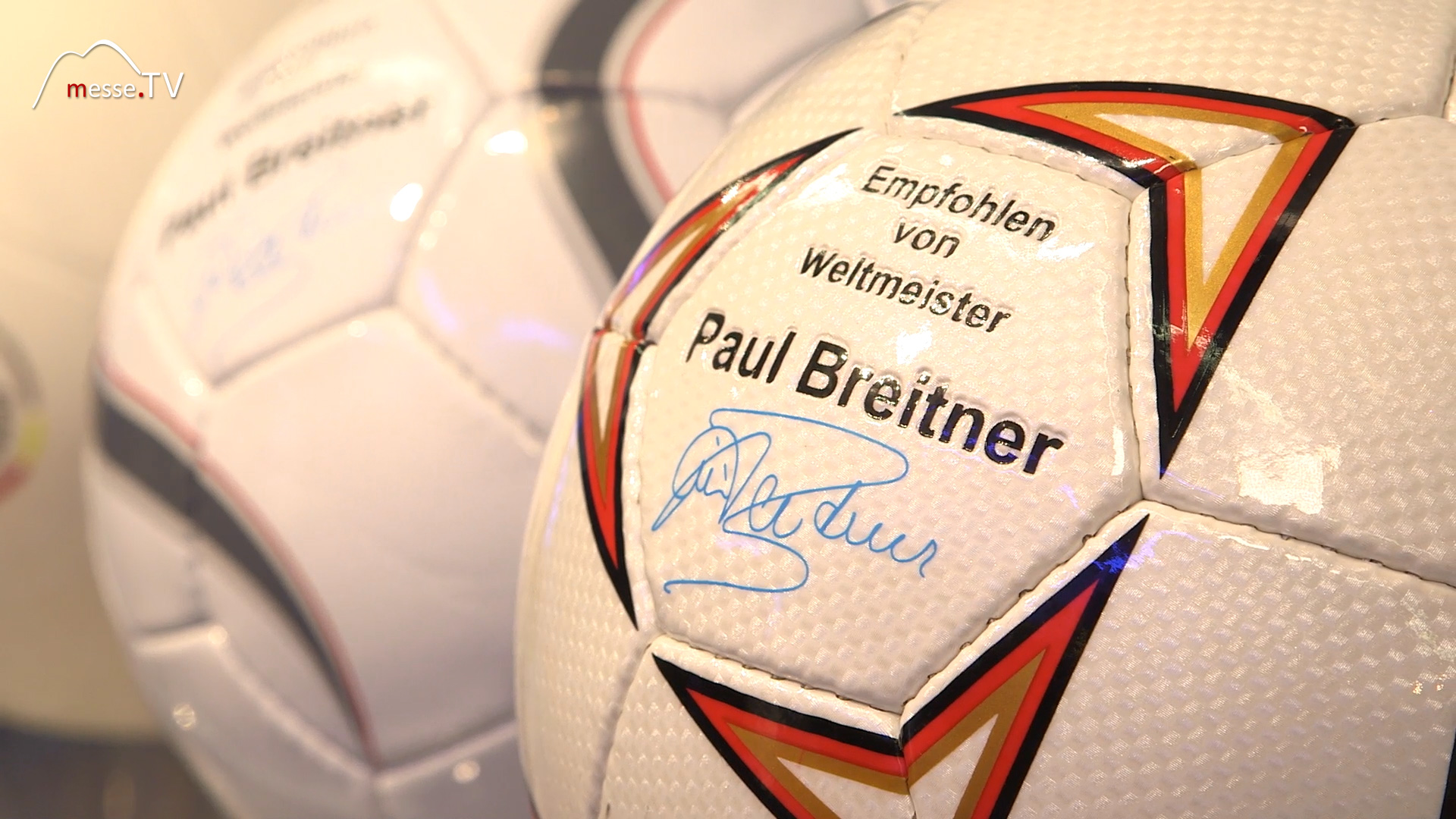
Auch Kooperationen spielen eine Rolle. Die Zusammenarbeit mit Persönlichkeiten wie Paul Breitner ist nicht nur ein Marketinginstrument, sondern Teil der Produktentwicklung. Neue Modelle werden getestet und bewertet, bevor sie in den Markt gehen. Dadurch entsteht eine Verbindung zwischen sportlicher Expertise und Serienprodukt.
Lizenzprodukte von Disney und bekannte Marken im Sortiment
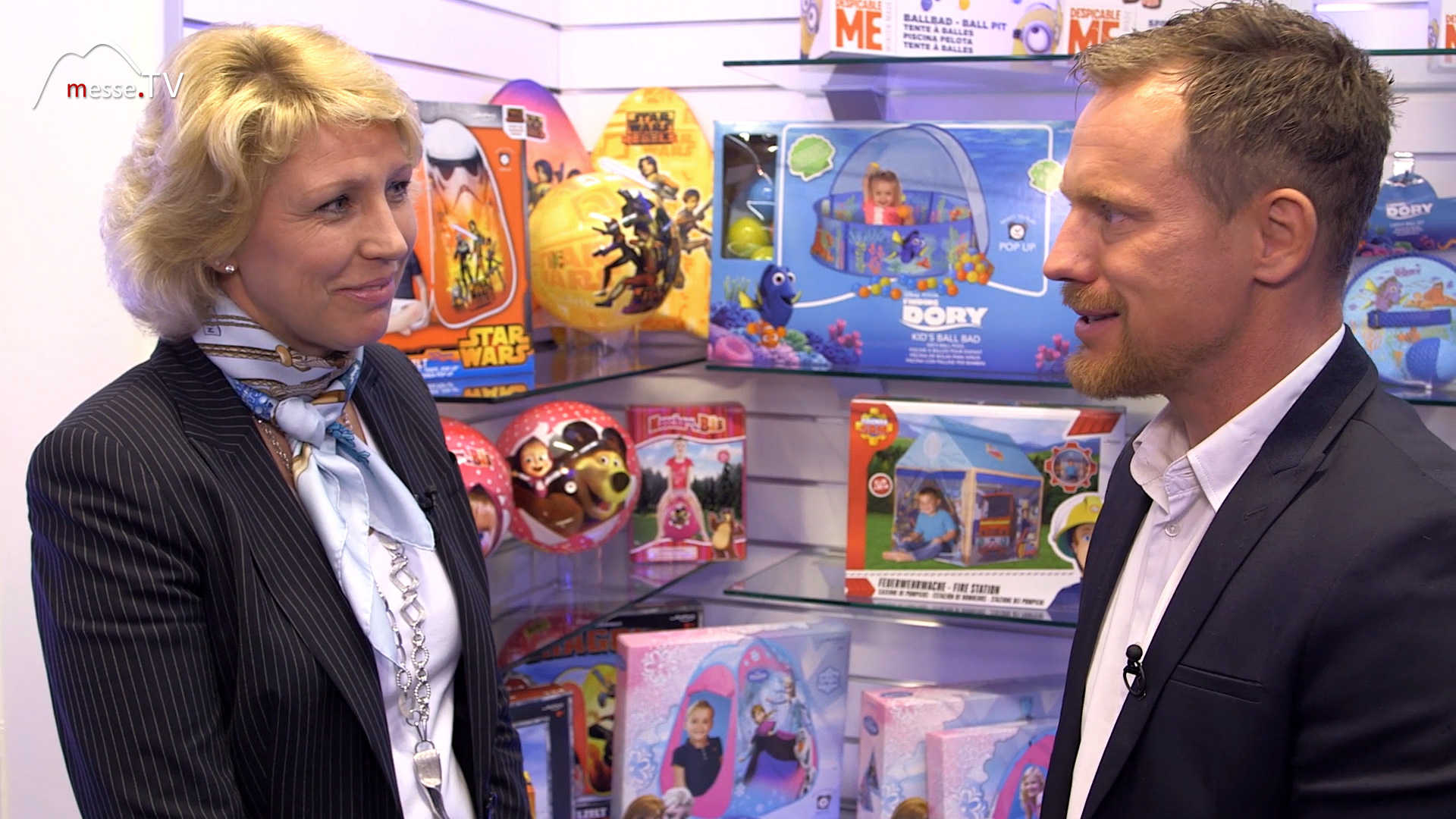
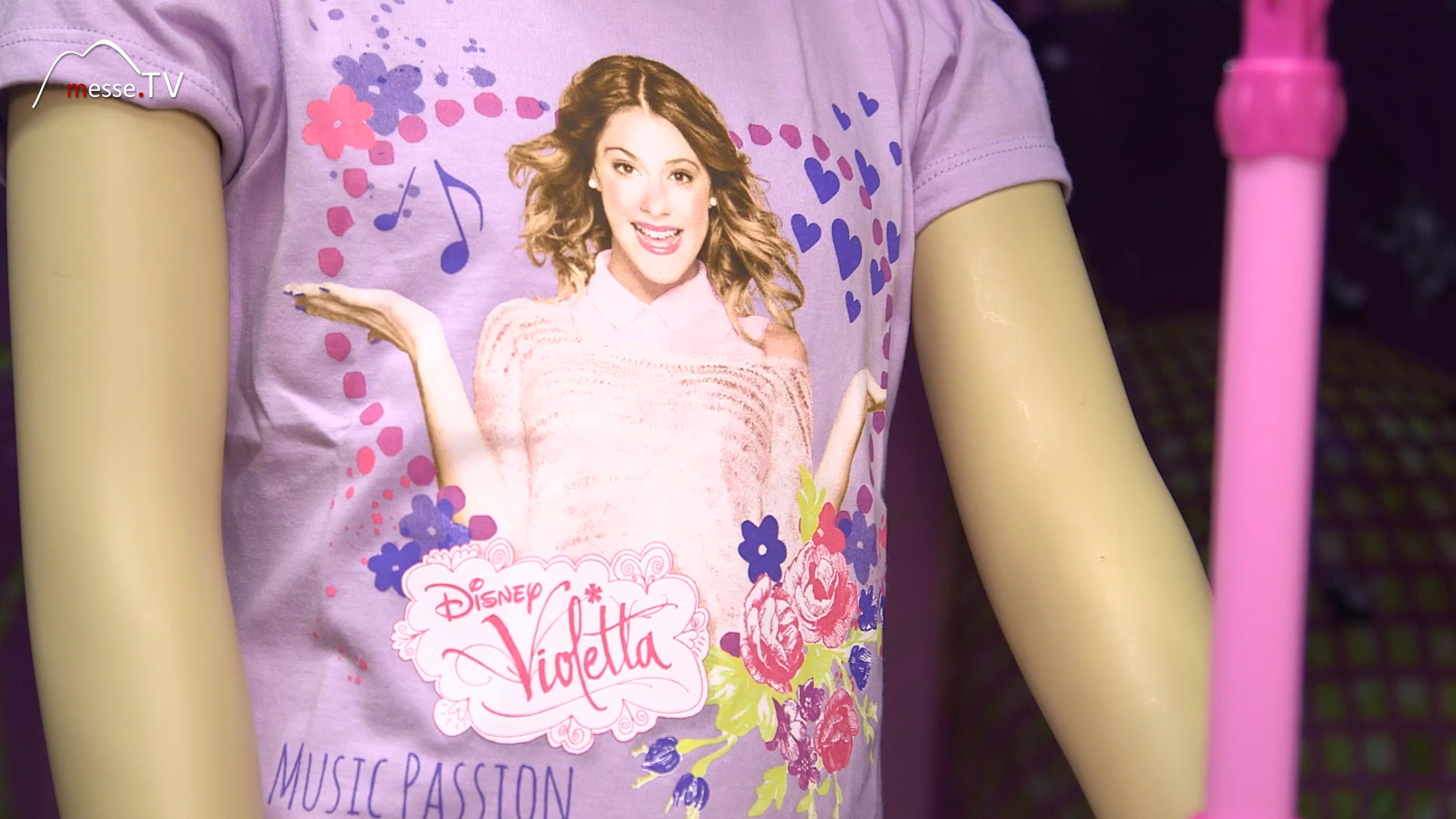
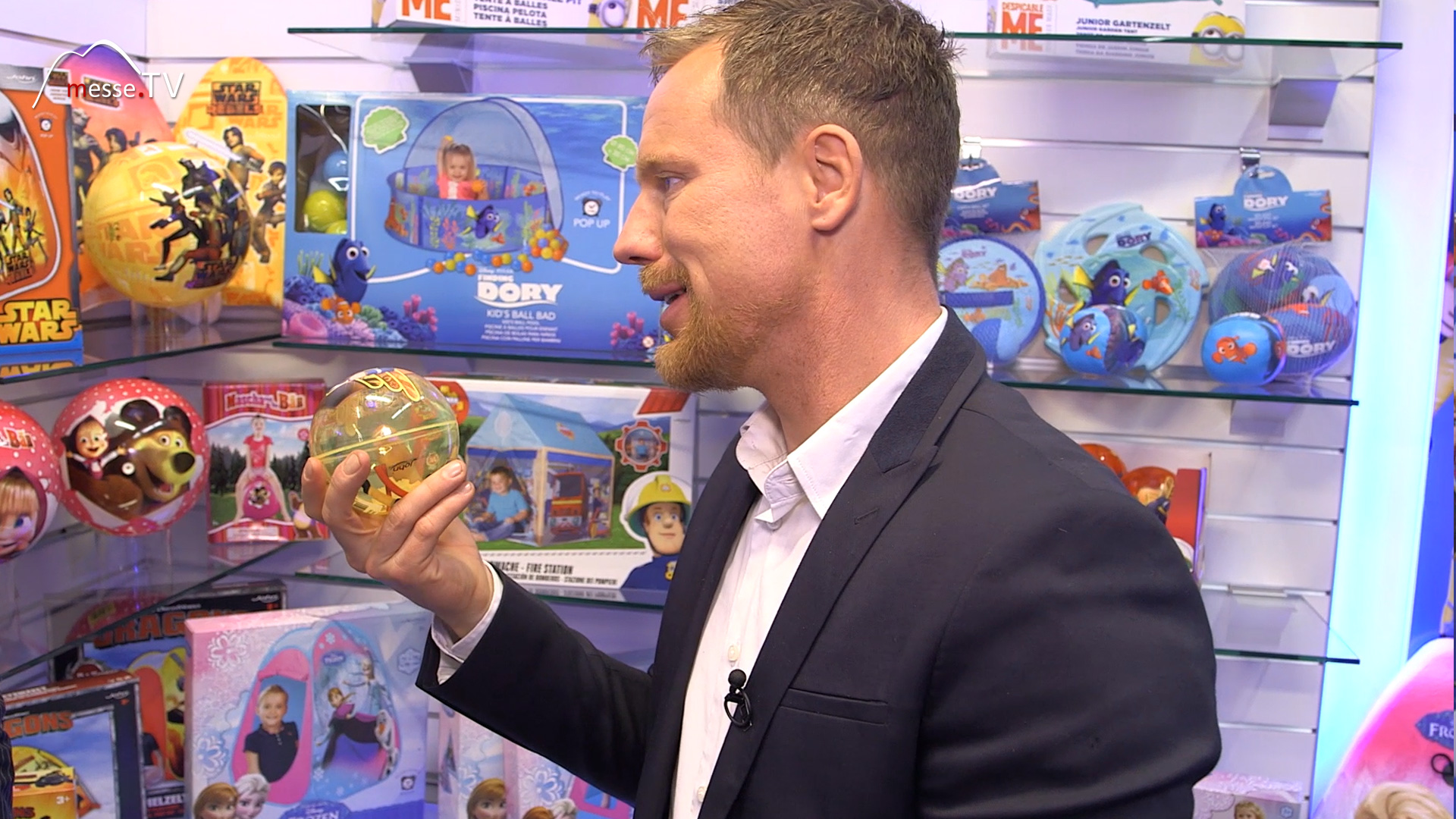
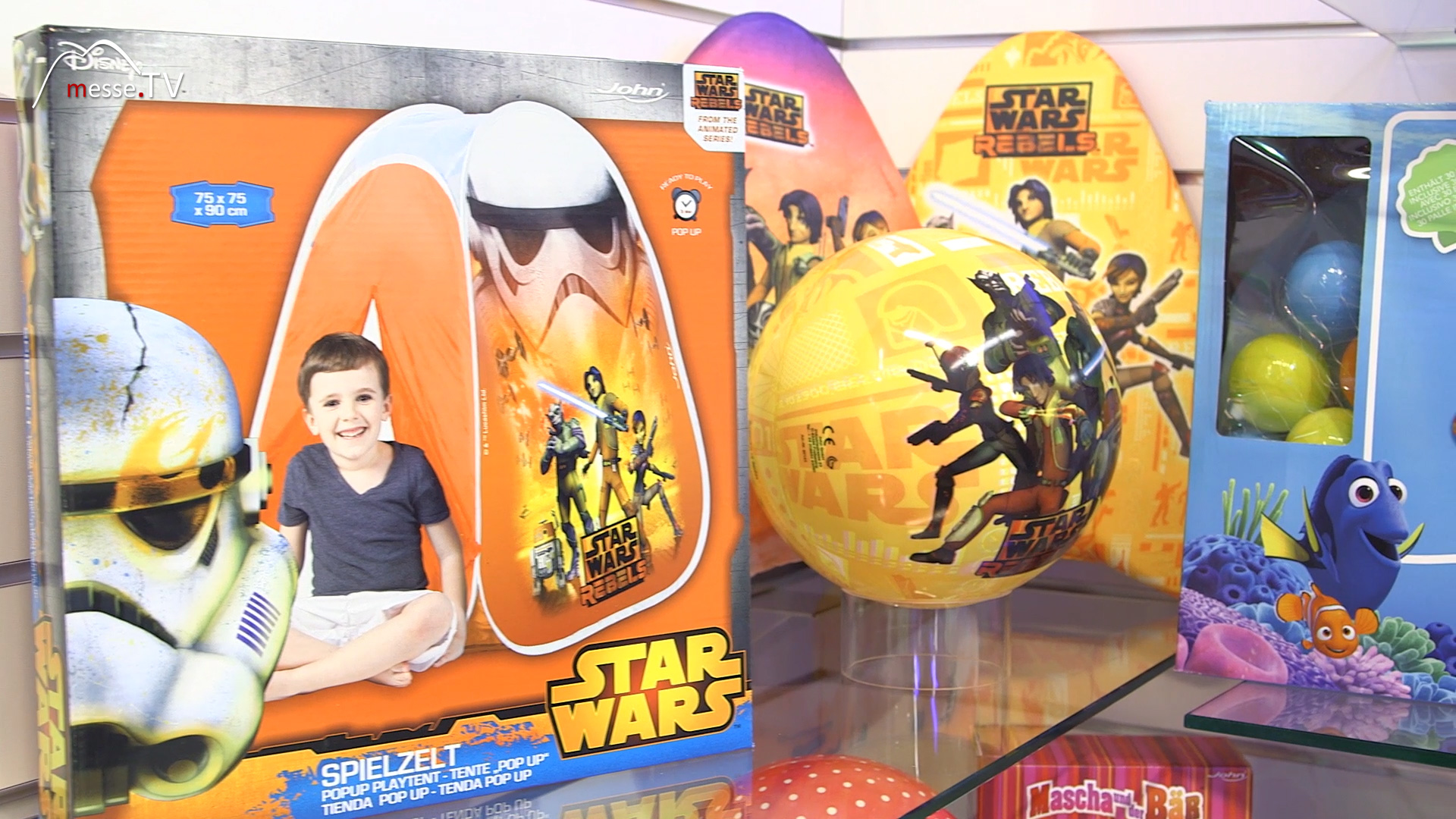
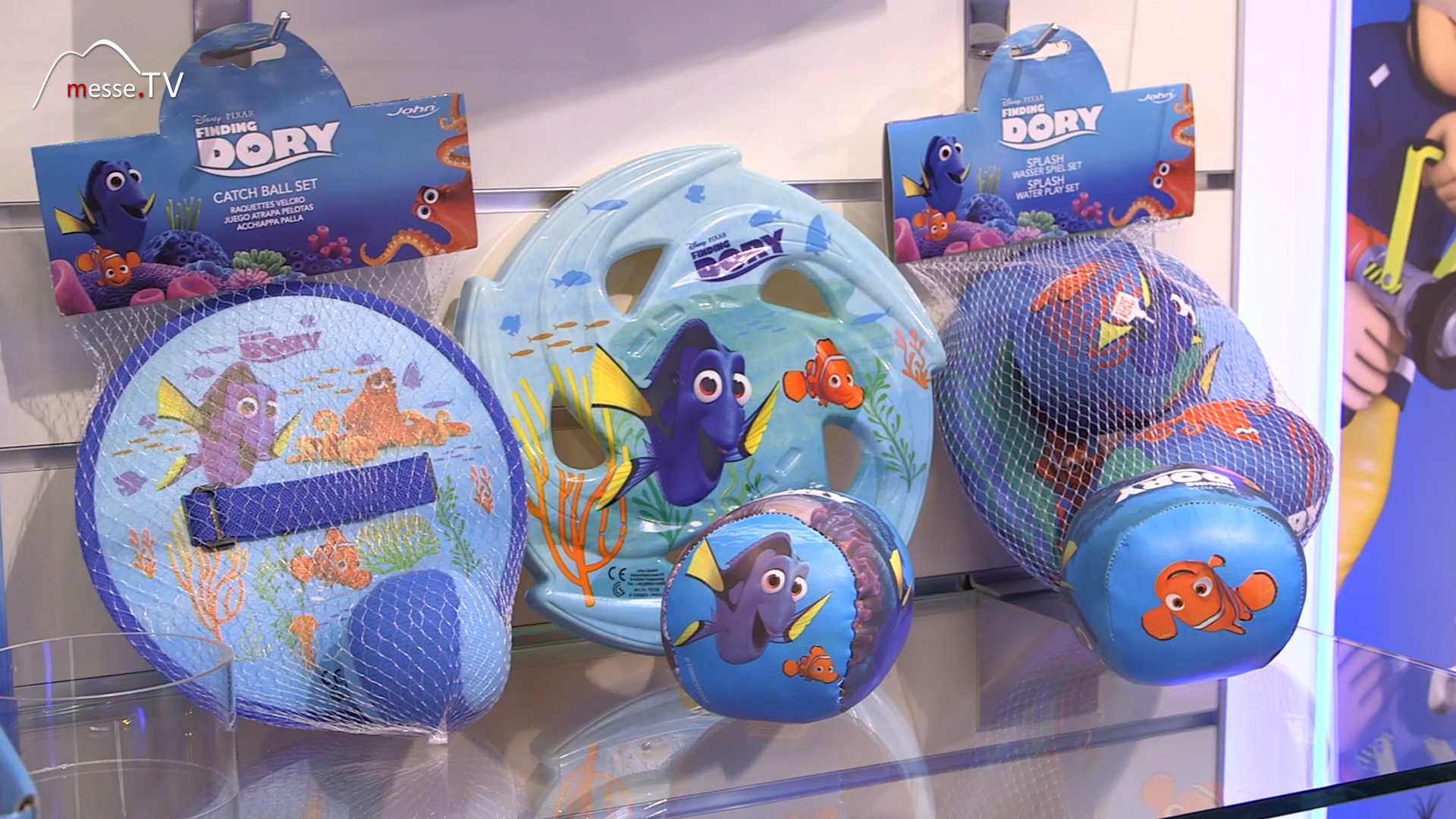
Neben dem klassischen Kerngeschäft hat John das Lizenzsegment konsequent ausgebaut. Der Fokus liegt insbesondere auf Disney, für zentrale Produktbereiche bestehen europaweite Lizenzen. Ergänzt wird das Portfolio durch weitere bekannte Marken wie Feuerwehrmann Sam, Paw Patrol, Mascha und der Bär oder Minions.
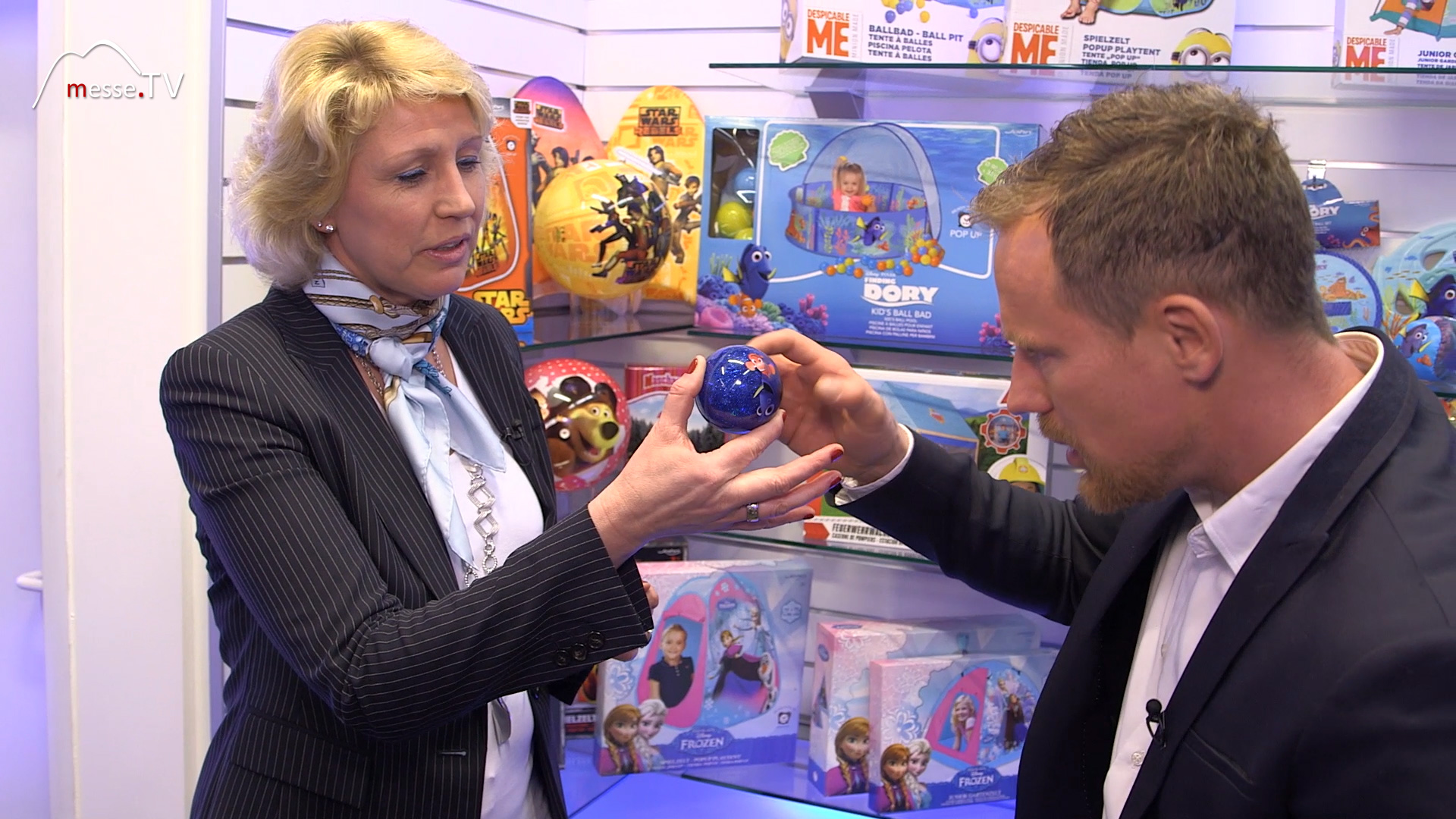
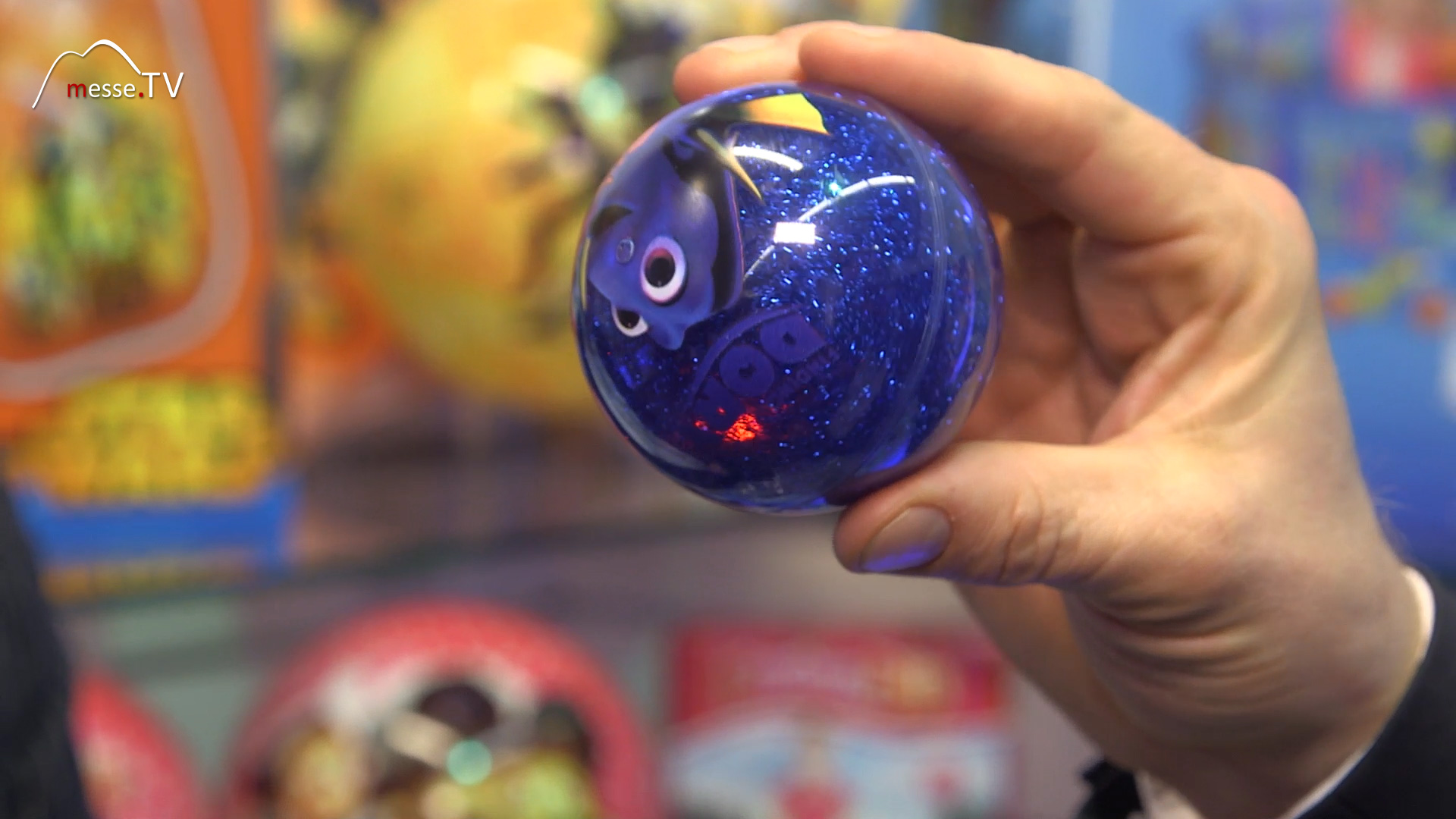
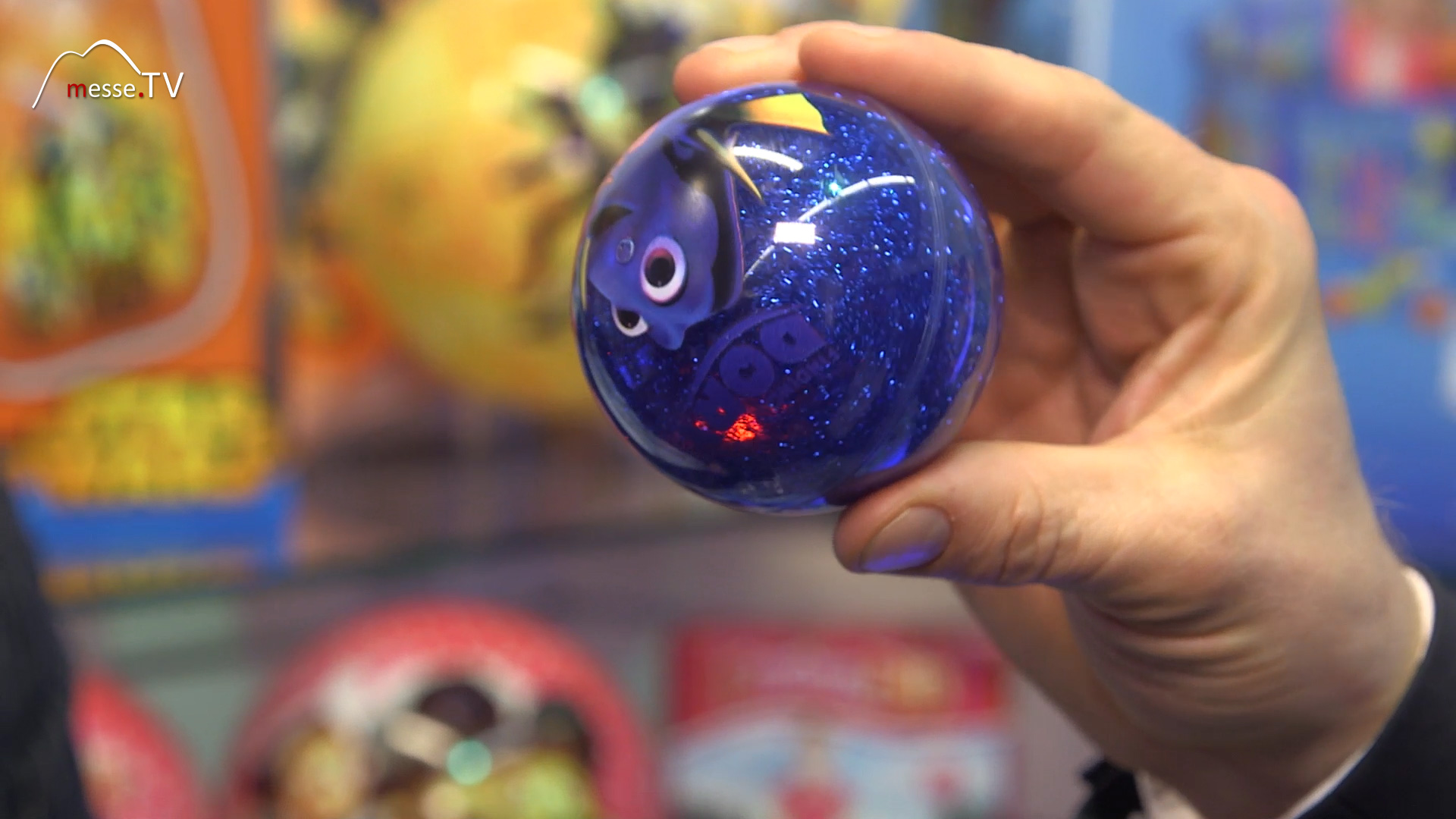
Diese Markenvielfalt zeigt sich vor allem in einfachen, massenfähigen Produkten. Ein Beispiel sind Bälle mit integrierten Effekten: Modelle mit Wasserfüllung, Glitter und Licht setzen auf visuelle Reize, während Varianten mit LED-Technik beim Aufprall blinken oder glitzern. Solche Produkte sind klar auf kurzfristige Aufmerksamkeit ausgelegt und funktionieren im Handel vor allem über Impulskäufe. Die Auswahl der Lizenzen folgt dabei einer klaren Logik: Bekanntheit, Wiedererkennbarkeit und eine starke Präsenz im Kinderzimmer. Marken werden nicht isoliert betrachtet, sondern als Teil eines Gesamtangebots, das unterschiedliche Altersgruppen anspricht.

Licht und Effekte bei Bälle und Spielprodukten
Ein wiederkehrendes Motiv im Sortiment ist die Kombination aus Bewegung und visuellen Effekten. Gerade bei jüngeren Zielgruppen spielen Licht, Glanz und einfache Interaktion eine zentrale Rolle. Produkte müssen unmittelbar verständlich sein und ohne lange Erklärung funktionieren. Typische Eigenschaften im Sortiment sind:
- LED-Lichteffekte bei Bewegung oder Aufprall
- Glitter-Elemente und transparente Materialien
- Wassergefüllte Varianten mit optischer Dynamik
- robuste Bauweise für Innen- und Außeneinsatz
- Lizenzmotive als visuelle Verstärkung
My Starlight Stage mit Disney als neues Produkt
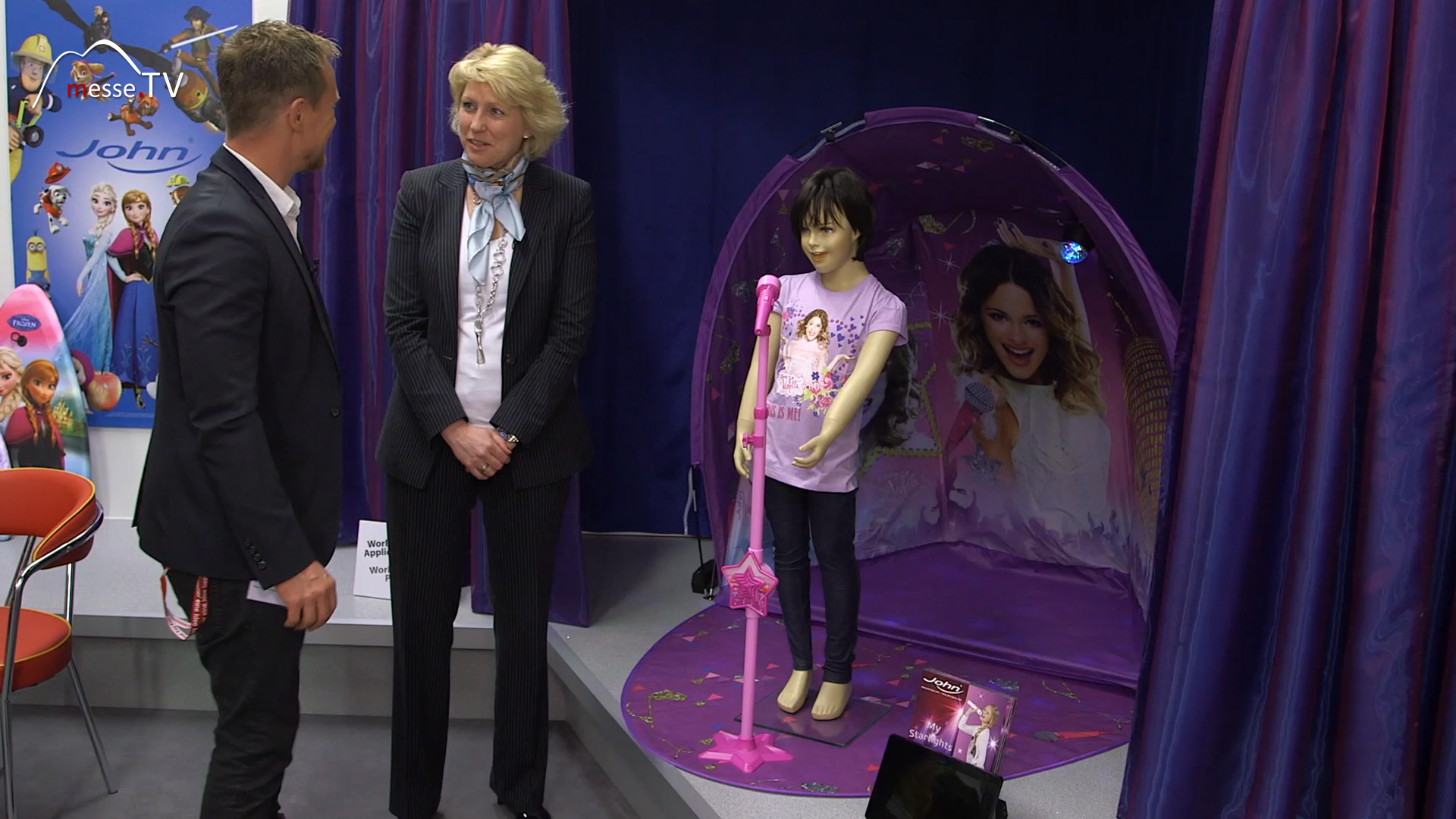
Eine der zentralen Neuheiten ist ein Produkt, das sich deutlich vom bisherigen Sortiment abhebt: die „My Starlight Stage“. Dabei handelt es sich um ein Spielzelt, das als Bühne konzipiert ist. Ausgestattet mit Licht, integrierter Diskokugel und dekorativen Elementen entsteht eine Umgebung, die sich am Pop- und Showerlebnis orientiert. Die thematische Grundlage liefert Disney, konkret die Marke Violetta. Kinder können bekannte Inhalte aus Serien oder Musikformaten im Spiel nachstellen. Das Zelt wird damit nicht nur Rückzugsort, sondern Bühne für Rollenspiele, die stark von medialen Vorbildern geprägt sind. Die Preispositionierung liegt zwischen 49 und 59 Euro. Damit bewegt sich das Produkt in einem Segment, das für viele Haushalte erreichbar bleibt, ohne in den reinen Niedrigpreisbereich zu fallen. Parallel dazu existieren weitere Varianten wie „My Starlight Home“ oder „My Starlight Palace“, die das Grundprinzip variieren.
Sortiment zwischen Tradition und Erweiterung
Das Gesamtbild des Unternehmens ergibt sich aus der Kombination zweier Ansätze. Auf der einen Seite stehen bewährte Produkte wie Bälle, die kontinuierlich weitergeführt werden. Auf der anderen Seite entstehen neue Produktlinien, die stärker auf Erlebnis und Inszenierung setzen.
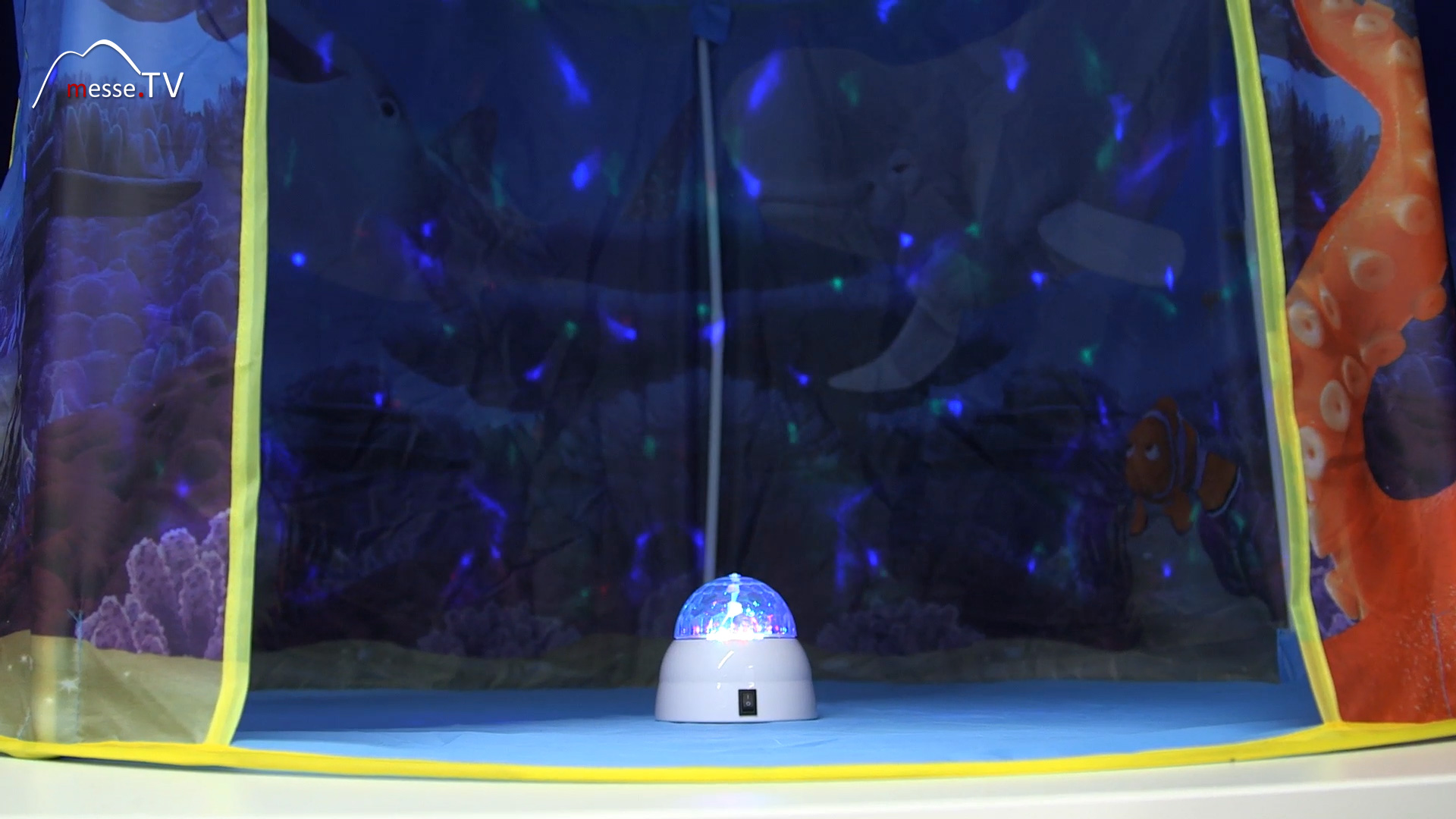
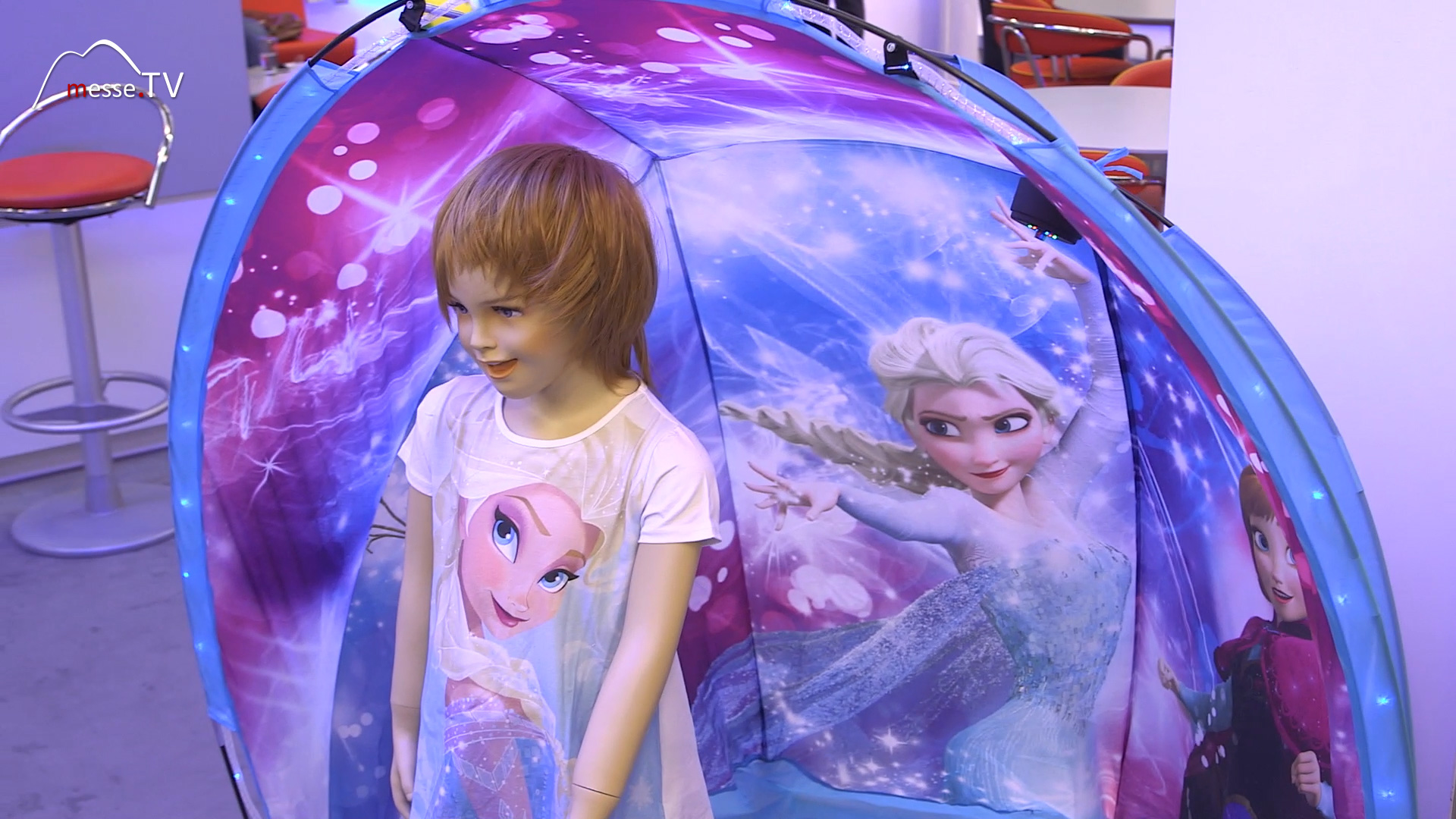
Auffällig ist, dass Innovation nicht primär über technische Komplexität erfolgt. Stattdessen geht es um Erweiterung bestehender Konzepte. Ein Ball wird durch Licht ergänzt, ein Zelt durch Bühne und Sound, ein Lizenzprodukt durch zusätzliche visuelle Effekte. Diese Strategie reduziert Entwicklungsrisiken und ermöglicht gleichzeitig neue Impulse im Sortiment.
Spielwarenmarkt zwischen Lizenzgeschäft und Produktion
Der Auftritt von John auf der Messe zeigt exemplarisch, wie sich der Spielwarenmarkt verändert hat. Klassische Fertigung bleibt relevant, wird jedoch durch Lizenzmodelle und mediale Themen ergänzt. Produkte entstehen nicht mehr nur aus Material und Funktion, sondern zunehmend aus Markenwelten.
Für Hersteller bedeutet das eine doppelte Herausforderung. Einerseits müssen Produktionsprozesse stabil bleiben, andererseits erfordert das Lizenzgeschäft enge Abstimmung mit Rechteinhabern und ein Gespür für Trends. Der Erfolg hängt davon ab, beide Bereiche miteinander zu verbinden. Im Fall von John zeigt sich, dass diese Balance möglich ist. Die Tradition im Bereich Bälle bleibt erhalten, während neue Produkte gezielt auf aktuelle Themen reagieren. Damit positioniert sich das Unternehmen in einem Markt, der sich ständig verändert, aber weiterhin auf vertraute Spielprinzipien zurückgreift.

Messe-Berichterstattung bundesweit - Messewissen, Termine & Veranstaltungen


