Spielwarenmesse Nürnberg als Spiegel des Spielwarenmarkts
von Andreas Bergmeier - 2024-02-14Die Spielwarenmesse in Nürnberg gehört zu den Veranstaltungen, bei denen Größe allein schon eine Aussage ist. Volle Gänge, dichte Gespräche, internationale Aussteller und eine kaum überschaubare Produktvielfalt zeigen, welche Bedeutung die Branche für Handel, Hersteller und Lizenzgeber hat.
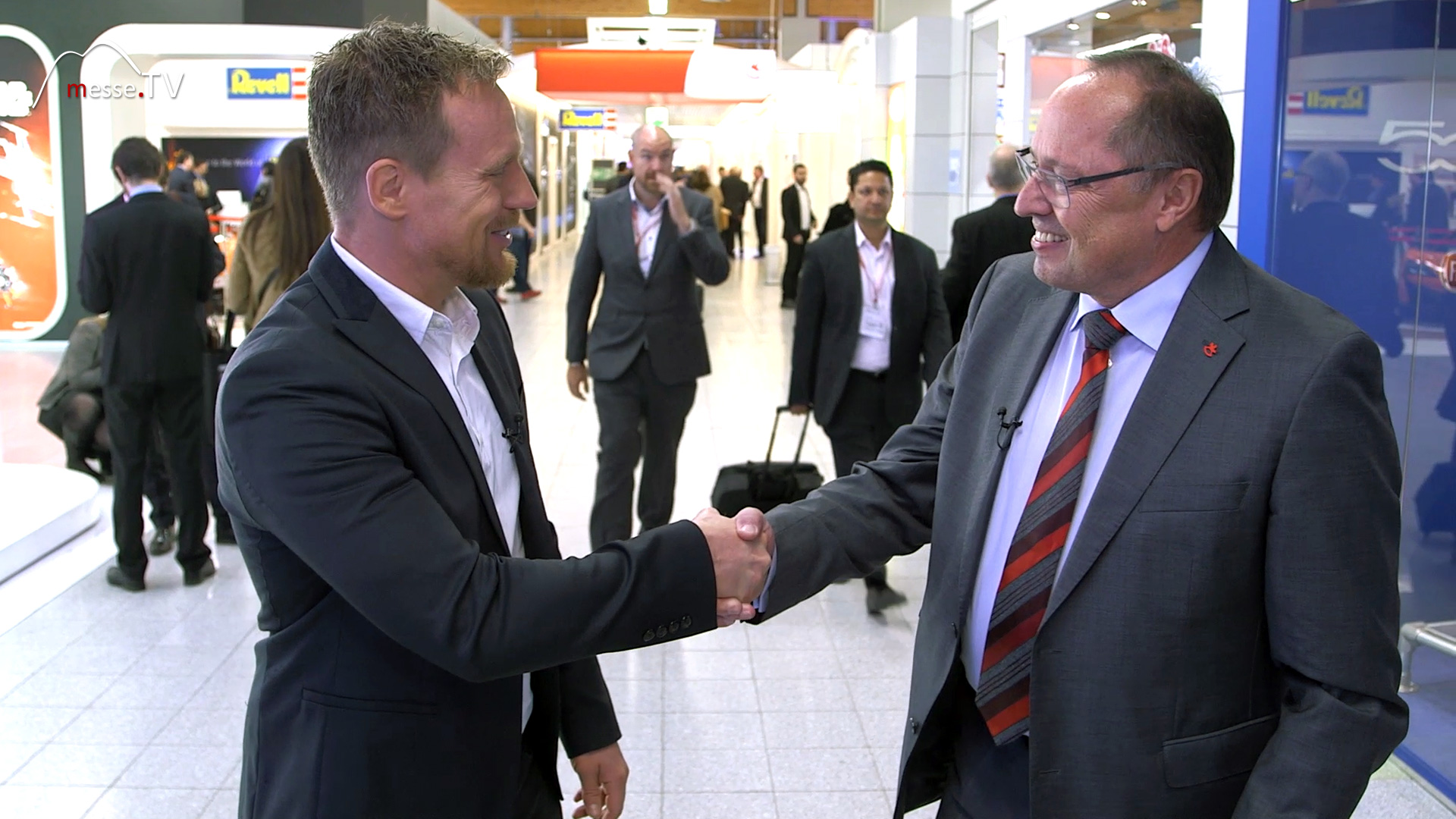
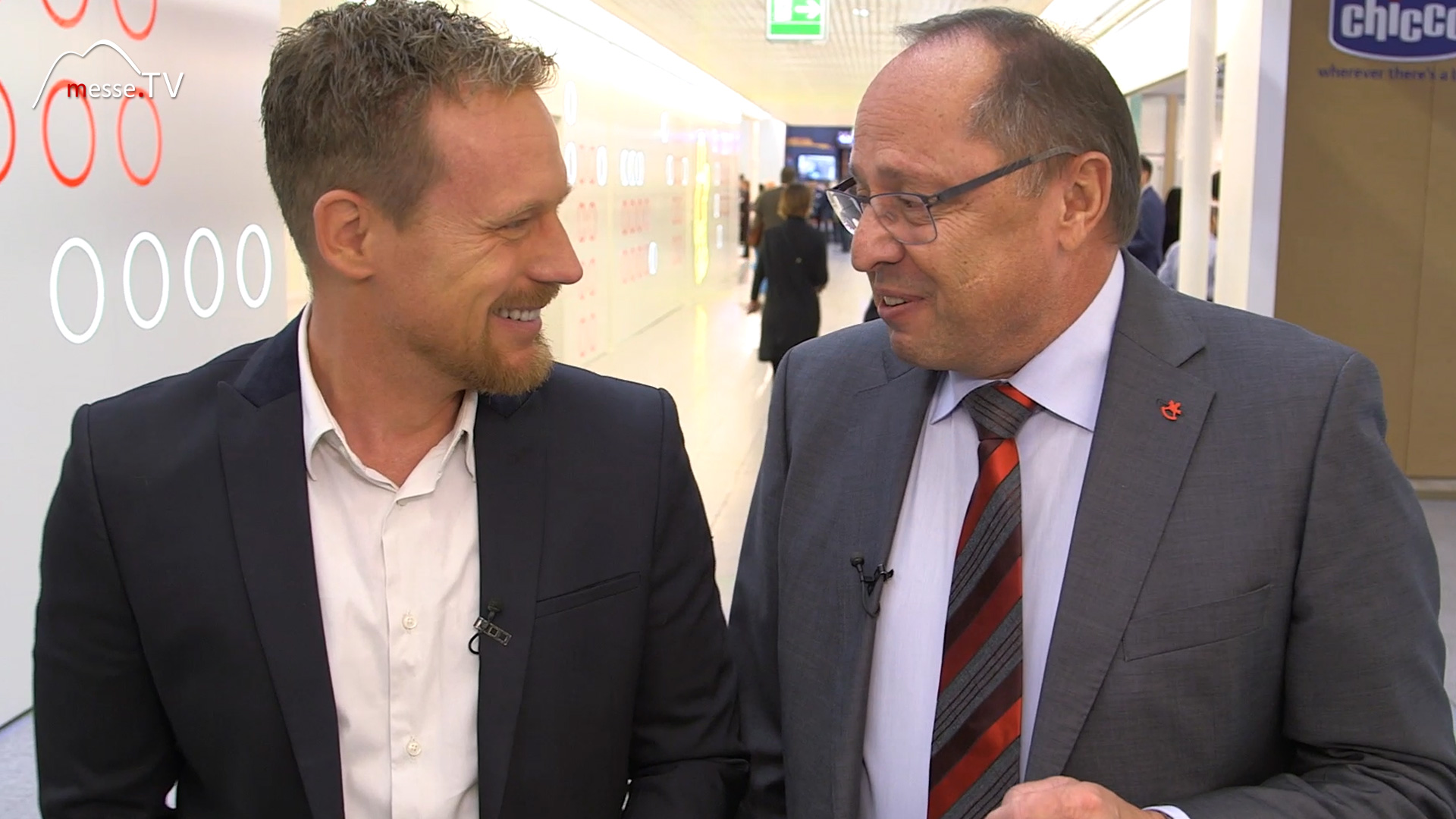
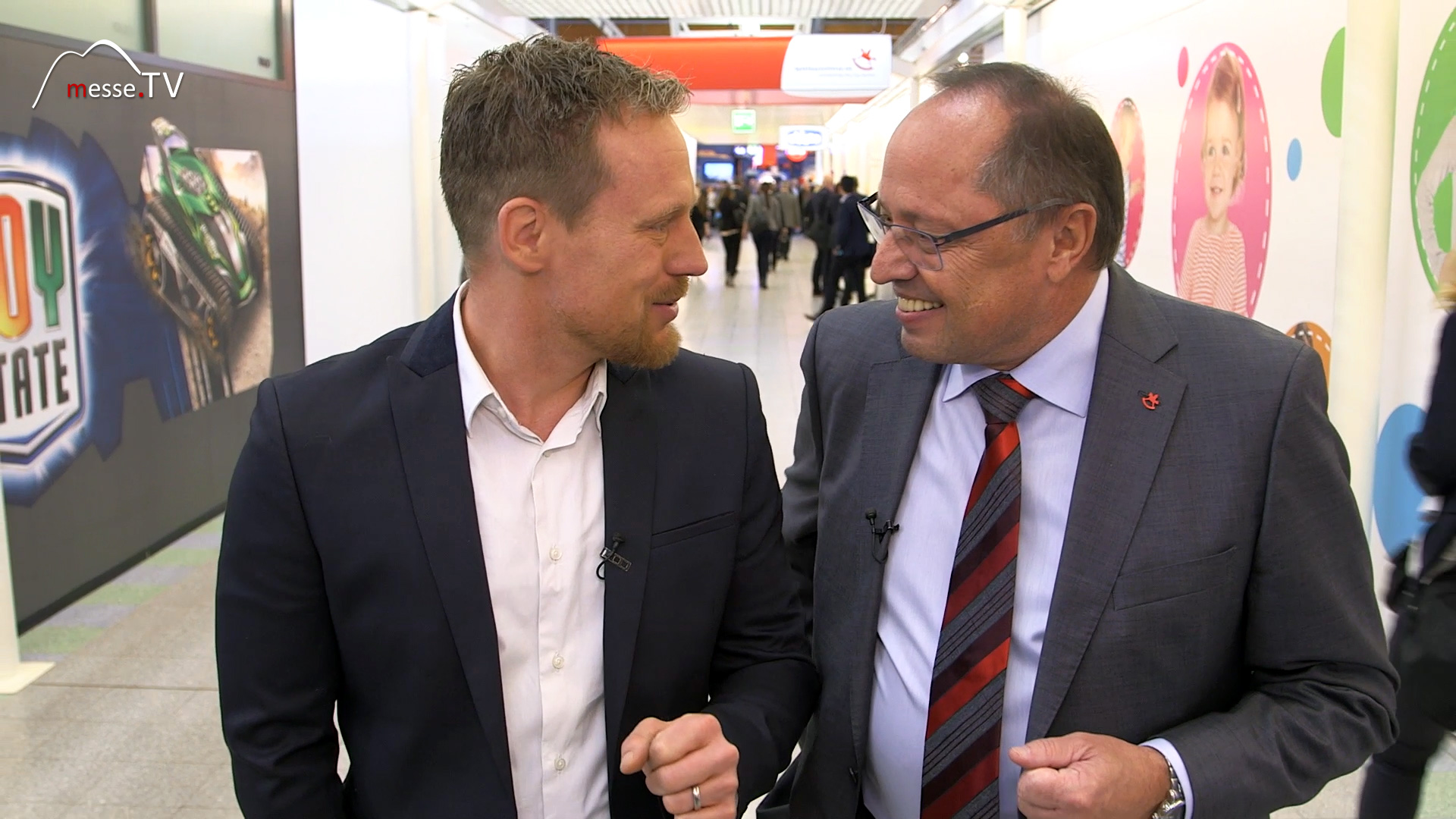
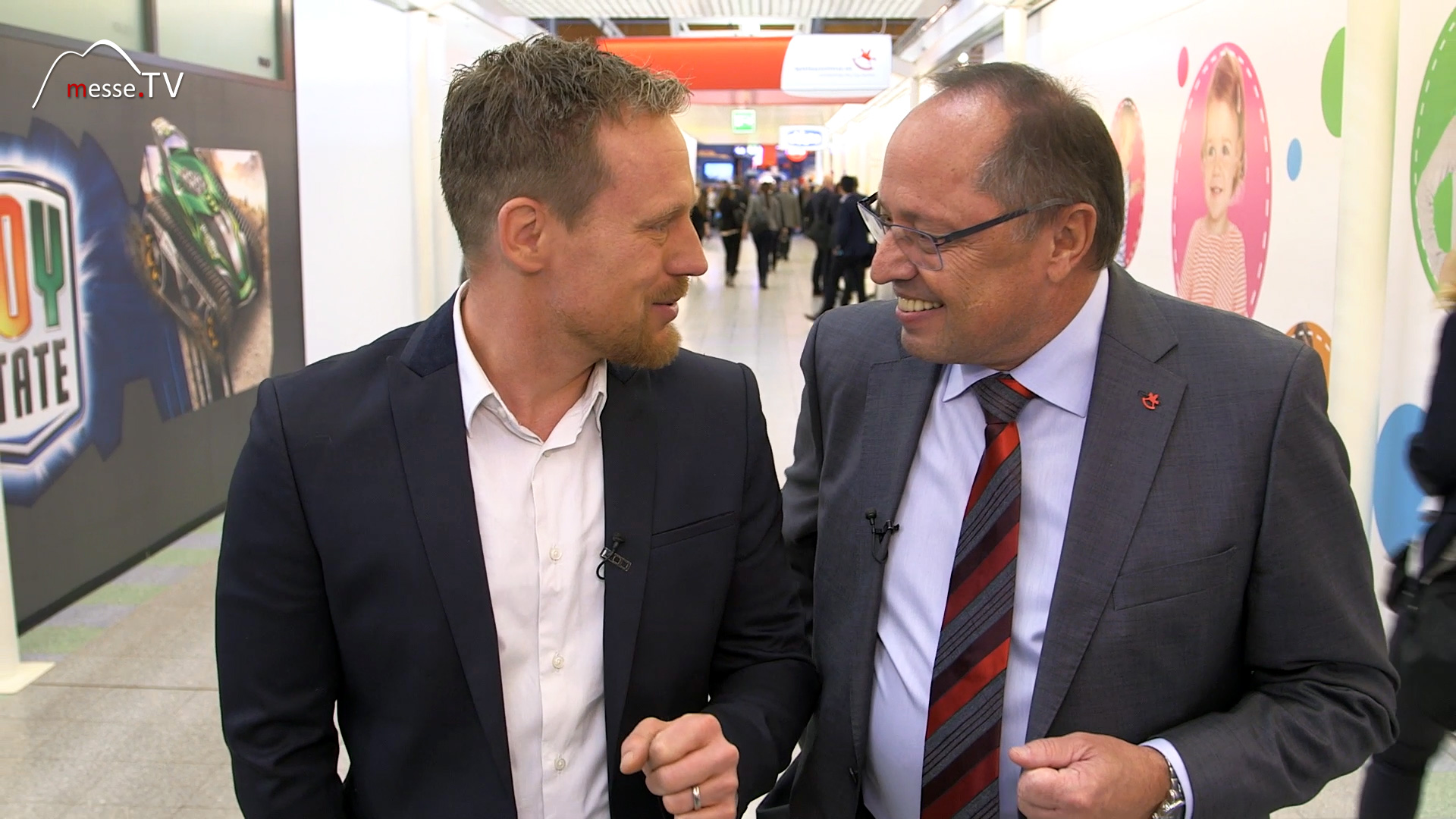
Im Gespräch mit Ernst Kick, dem Vorstandsvorsitzenden der Spielwarenmesse eG, wird deutlich, dass diese Messe nicht nur ein Marktplatz ist, sondern auch ein Frühindikator für Entwicklungen im Spielwarenmarkt. Die Dimensionen sind beachtlich: Rund eine Million Produkte und etwa 75.000 Neuheiten werden auf der Veranstaltung präsentiert. Wer theoretisch jedes einzelne Produkt sehen wollte, hätte nur den Bruchteil einer Sekunde Zeit. Praktisch funktioniert die Messe deshalb anders. Besucher kommen mit klaren Interessen, suchen bestimmte Warengruppen, beobachten Trends oder pflegen bestehende Geschäftsbeziehungen. Genau darin liegt die Stärke einer Fachmesse dieser Größe: Sie bildet die gesamte Bandbreite ab, ohne dass jeder Teilnehmer alles erfassen muss.
Spielwarenmesse eG mit internationalem Messegeschäft
Die Spielwarenmesse eG organisiert nicht nur die Nürnberger Leitveranstaltung. In Nürnberg selbst kommt eine weitere Messe für Papier-, Büro- und Schreibwaren hinzu. Darüber hinaus ist das Unternehmen international aktiv – unter anderem mit Veranstaltungen in Istanbul, Moskau und Mumbai. Ergänzt wird diese Struktur durch Vertriebsbüros in zahlreichen Ländern. Für Aussteller ist diese internationale Vernetzung ein wichtiger Faktor. Wer in Nürnberg präsent ist, kann über die Organisation leichter Zugang zu weiteren Märkten erhalten. Besonders für Unternehmen, die neue Absatzräume erschließen wollen, spielt diese Begleitung über das ganze Jahr eine Rolle. Die Messegesellschaft versteht sich dabei nicht nur als Veranstalter, sondern als Dienstleister für eine globale Branche.
Eine Messe für alle Altersgruppen
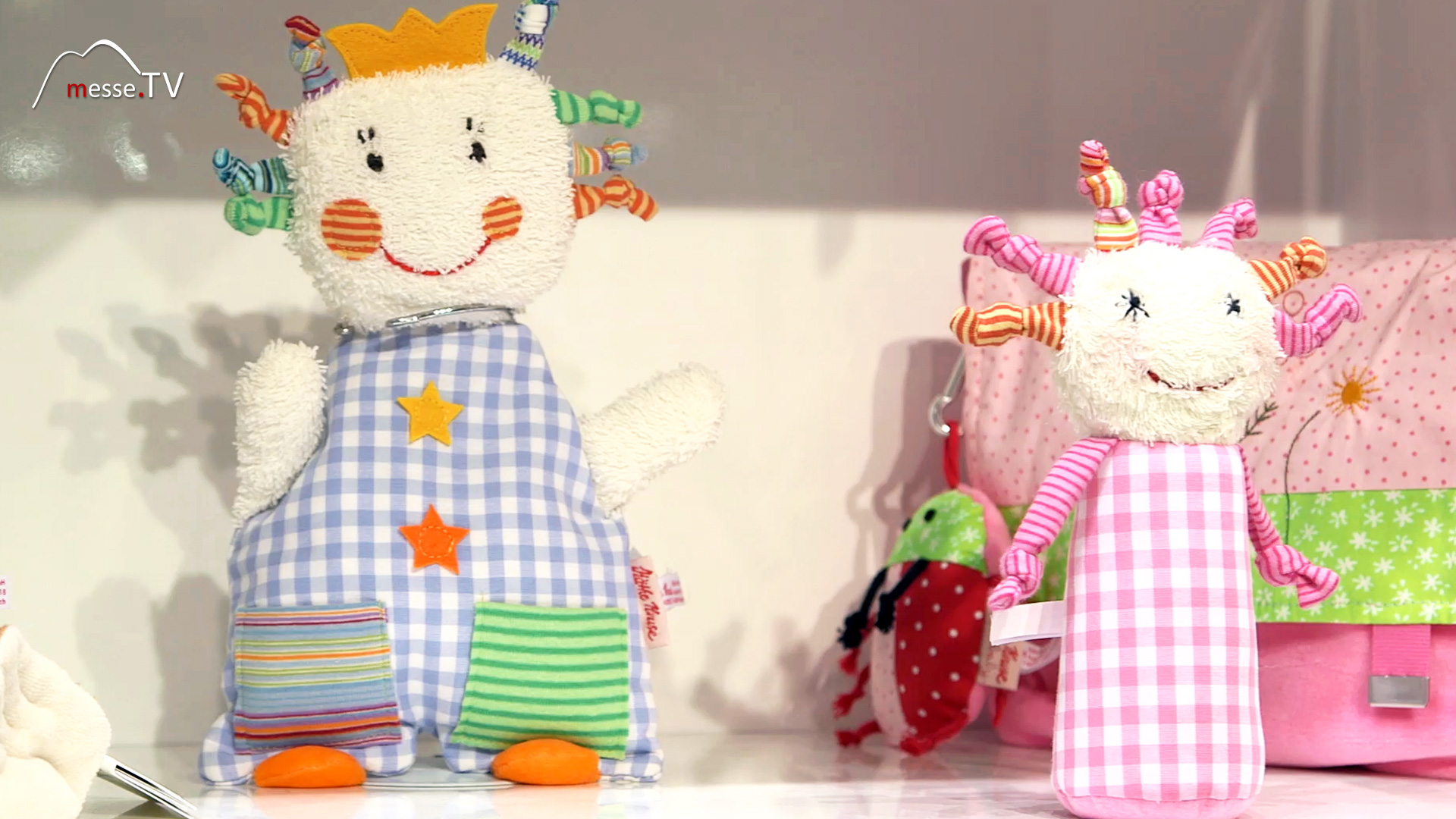
Der Spielwarenmarkt lässt sich nicht auf Kinder reduzieren. Zwar bilden klassische Spielwaren weiterhin das Zentrum, doch viele Bereiche richten sich ebenso an Erwachsene. Modellbau und Modelleisenbahn sind Beispiele für Segmente, die stark von Sammlern, Hobbyisten und technisch interessierten Kunden geprägt sind. Gleichzeitig gibt es eigene Bereiche für Baby- und Kleinkindartikel, edukatives Spielzeug und klassische Spielwaren. Diese breite Aufstellung erklärt, warum die Messe für so viele unterschiedliche Besuchergruppen relevant bleibt. Händler, Einkäufer, Hersteller und Entwickler finden dort nicht nur Produkte, sondern auch Hinweise darauf, wie sich Bedürfnisse verändern.
Smart Toys und klassisches Spielzeug nebeneinander
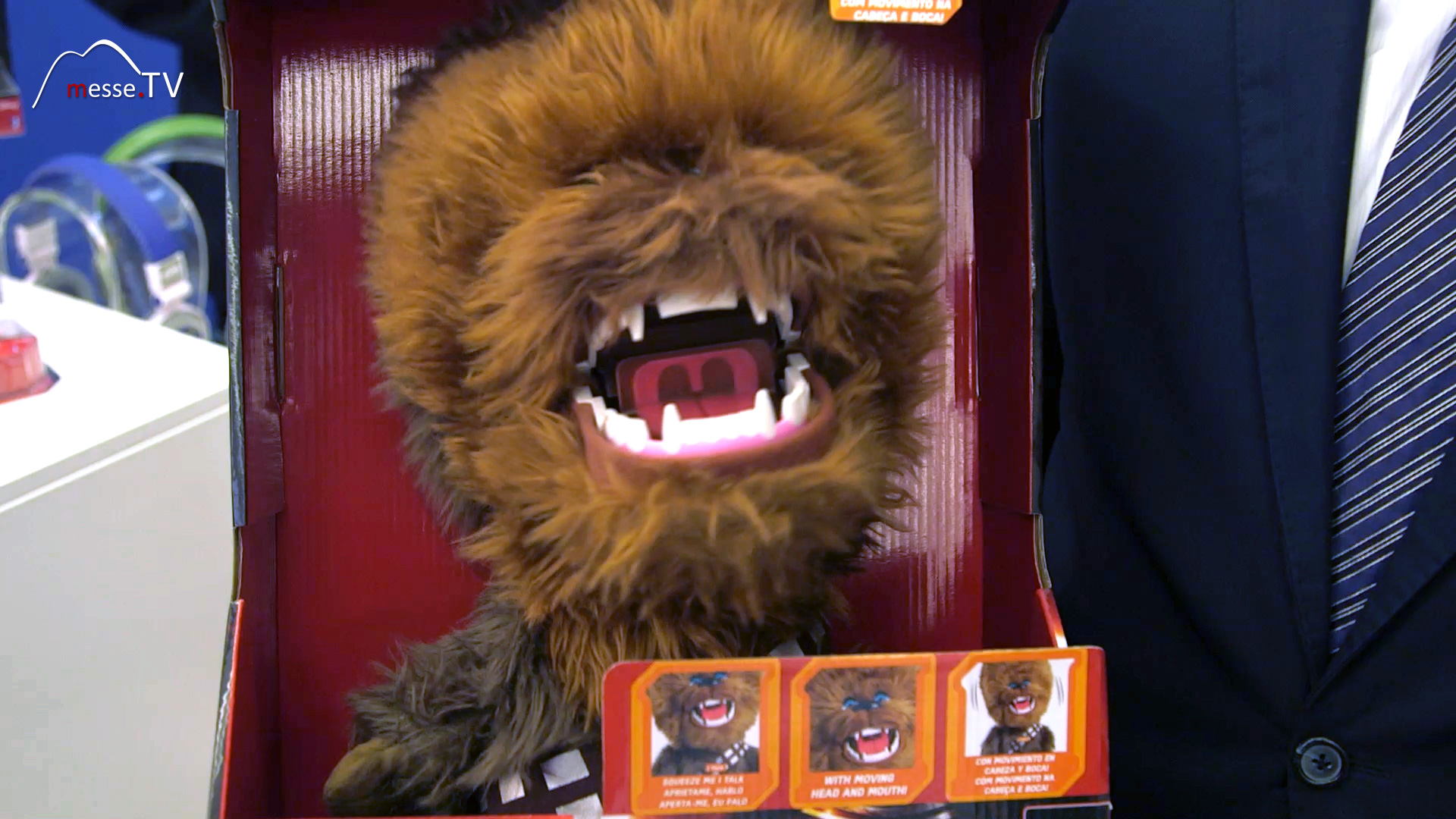
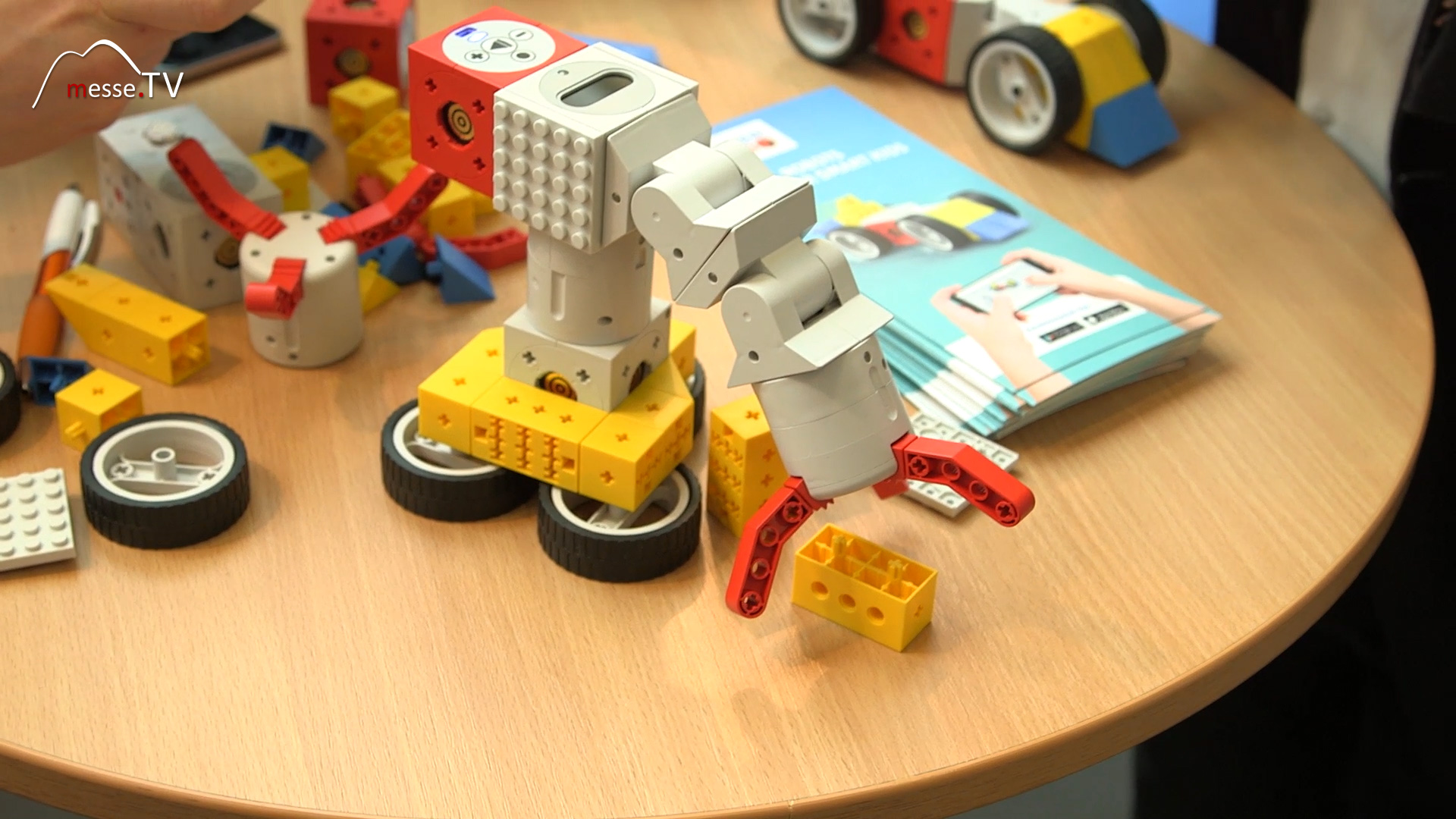
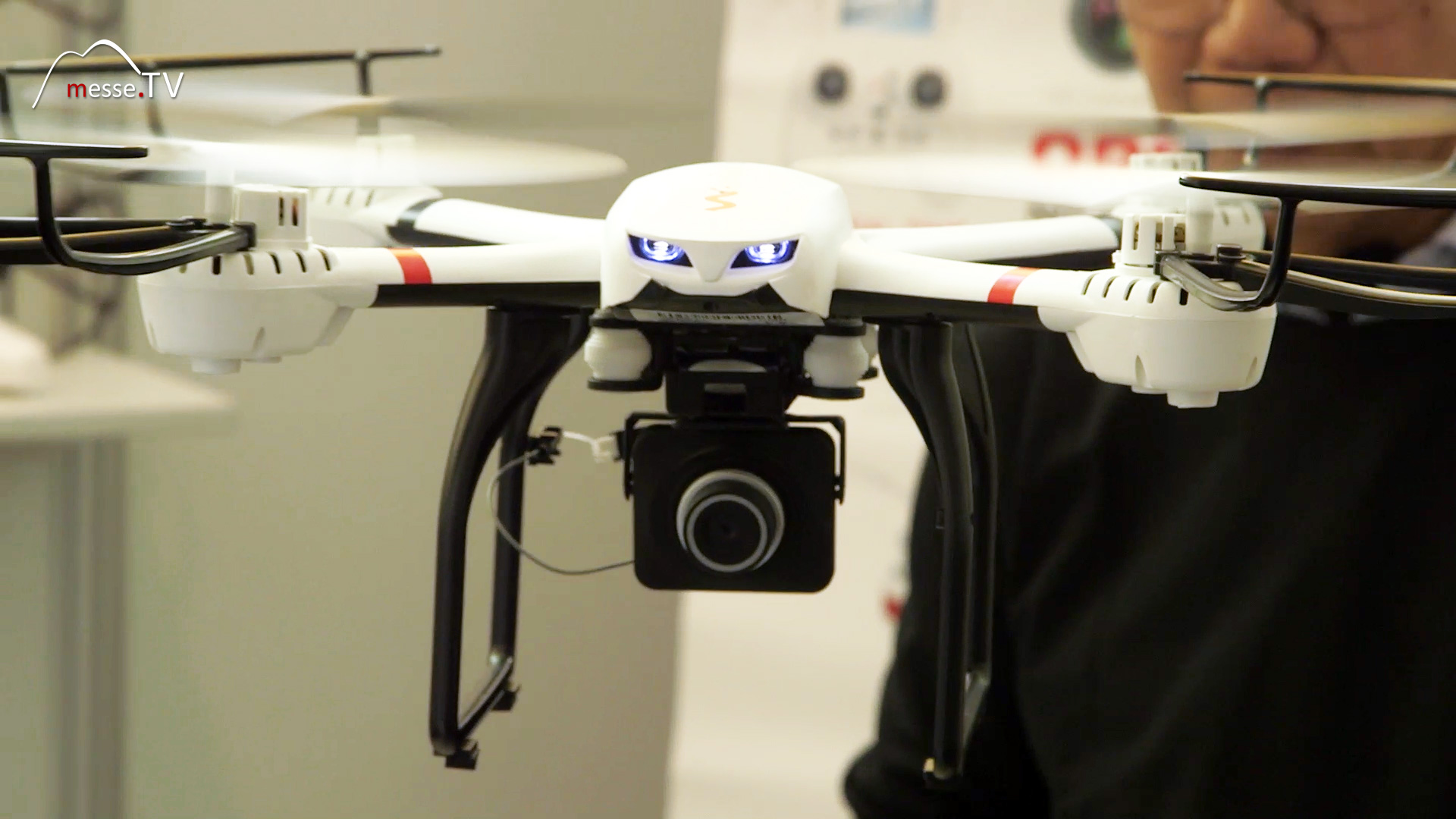
Ein klar erkennbarer Trend ist der wachsende Bereich der Smart Toys. Elektronik und Informationstechnik ziehen zunehmend ins Kinderzimmer ein. Spielzeug wird vernetzter, reagiert stärker auf Eingaben und erweitert klassische Spielmechaniken um digitale Elemente. Gleichzeitig verschwindet das traditionelle Spielzeug nicht. Gerade bei jüngeren Kindern bleiben haptische, einfache und fantasieoffene Spielangebote wichtig. Elektronik kann erst ab einem gewissen Alter sinnvoll eingesetzt werden. Der Markt entwickelt sich daher nicht in Richtung Ersatz, sondern in Richtung Erweiterung. Die wichtigsten Strömungen lassen sich zusammenfassen:
- Smart Toys mit Elektronik und digitalen Funktionen
- klassisches Spielzeug mit Fantasie- und Rollenspielcharakter
- edukative Produkte zur Förderung kognitiver Fähigkeiten
- Designspielzeug für höherwertige Käuferschichten
- Spiele mit Nachhaltigkeit und sozialer Verantwortung als Thema

Train Your Brain, Design und Everyday’s Hero
Zu den vorgestellten Zukunftsthemen gehört Train Your Brain. Gemeint sind Produkte, die kognitive Fähigkeiten früh fördern sollen. Gehirntraining wird damit nicht nur als Lernaufgabe verstanden, sondern als spielerisches Prinzip. Ein zweiter Trend betrifft Design. Hochwertig gestaltetes Spielzeug gewinnt vor allem in Käufergruppen an Bedeutung, die neben Funktion auch Ästhetik und Materialqualität beachten. Design ist dabei kein reines Zusatzmerkmal, sondern Teil der Positionierung. Mit Everyday’s Hero rückt ein weiterer Aspekt in den Vordergrund: Kinder sollen früh an soziale Verantwortung, Nachhaltigkeit und eigenes Handeln herangeführt werden. Spielzeug wird damit auch zum Medium gesellschaftlicher Themen, ohne seinen spielerischen Charakter zu verlieren.
Spielen als Spiegel des Lebens
Ernst Kick beschreibt Spielen als Spiegelbild der Welt. Kinder kopieren das Leben der Erwachsenen, beobachten Verhalten und übertragen es in eigene Spielwelten. Deshalb lässt sich die Zukunft des Spielens nicht losgelöst von gesellschaftlichen Entwicklungen betrachten. Wenn sich Alltag, Technologie, Familienleben oder Konsumverhalten verändern, verändert sich auch das Spielzeug. Diese Offenheit macht Prognosen schwierig, aber gerade deshalb bleibt der Markt dynamisch. Die Spielwarenmesse zeigt nicht nur, was aktuell verkauft wird, sondern auch, welche Fragen die Branche beschäftigen. Zwischen internationalem Geschäft, Smart Toys, klassischem Spiel und neuen pädagogischen Themen bleibt die Veranstaltung ein zentraler Ort, an dem sich der Spielwarenmarkt sortiert. Für Hersteller, Händler und Beobachter bietet sie einen kompakten Blick auf eine Branche, die sich laufend verändert – und trotzdem an einem Grundgedanken festhält: Spielen bleibt ein Teil des Lebens, nicht nur der Kindheit.
Messe-Berichterstattung bundesweit - Messewissen, Termine & Veranstaltungen


