Lego Nexo Knights verbindet Spiel und digitale Welt
von Jürgen Groh - 2024-02-14Die Spielwarenmesse zeigt regelmäßig, wohin sich der Spielwarenmarkt entwickelt. Beim Gespräch mit Lego wird deutlich, dass sich klassische Baukonzepte zunehmend mit digitalen Anwendungen verbinden.
Mit der Produktlinie Nexo Knights setzt das Unternehmen genau an dieser Schnittstelle an – zwischen physischem Spielzeug, App-basierter Erweiterung und einer übergreifenden Medienwelt. Schon der erste Eindruck am Messestand macht klar, dass es nicht mehr nur um einzelne Bausätze geht. Vielmehr wird eine zusammenhängende Spielwelt präsentiert, die verschiedene Ebenen miteinander verknüpft. Die bekannten Steine bleiben die Grundlage, doch sie werden Teil eines größeren Systems, das weit über das reine Bauen hinausgeht.
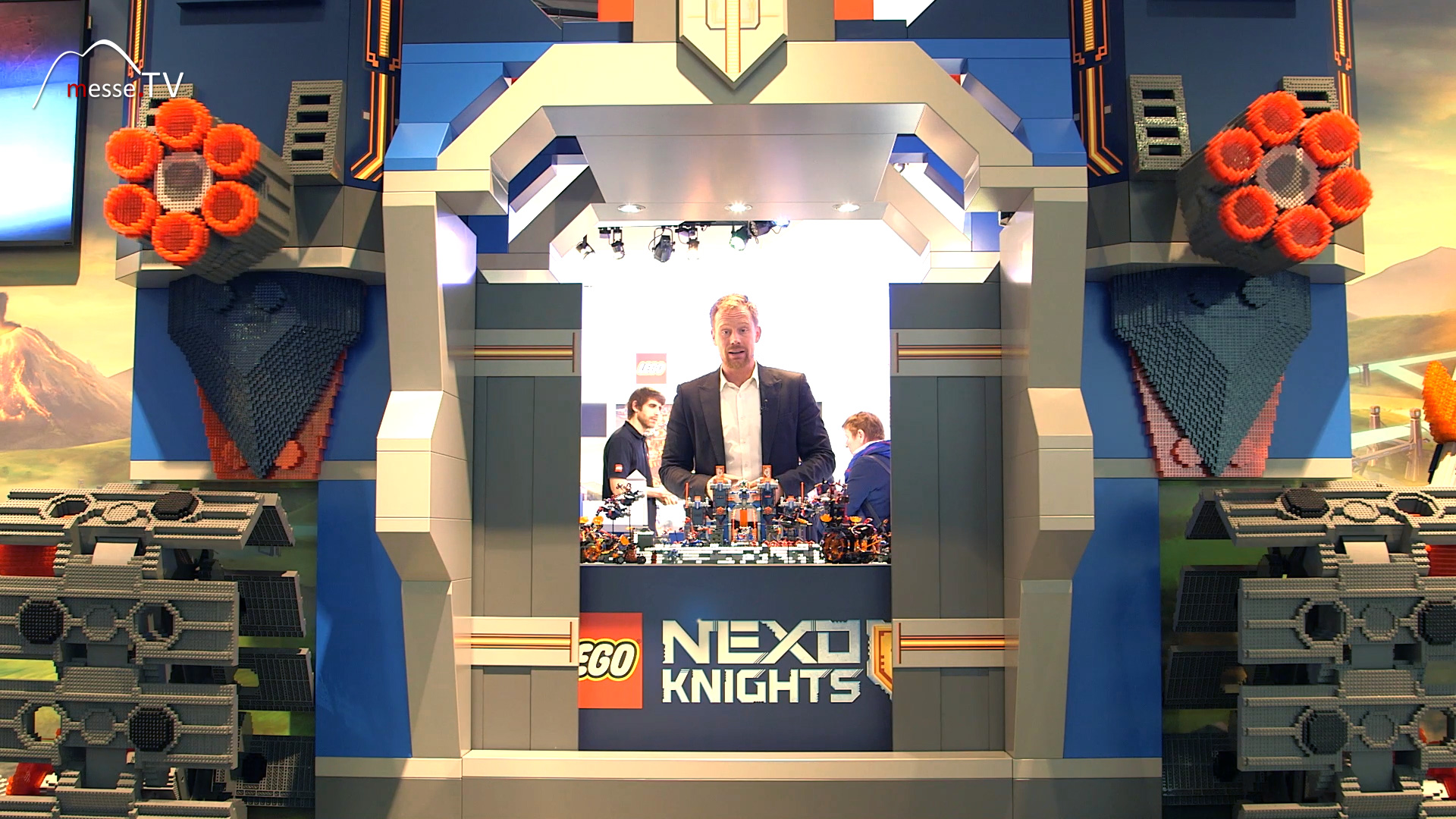
Lego Nexo Knights als neue Produktlinie
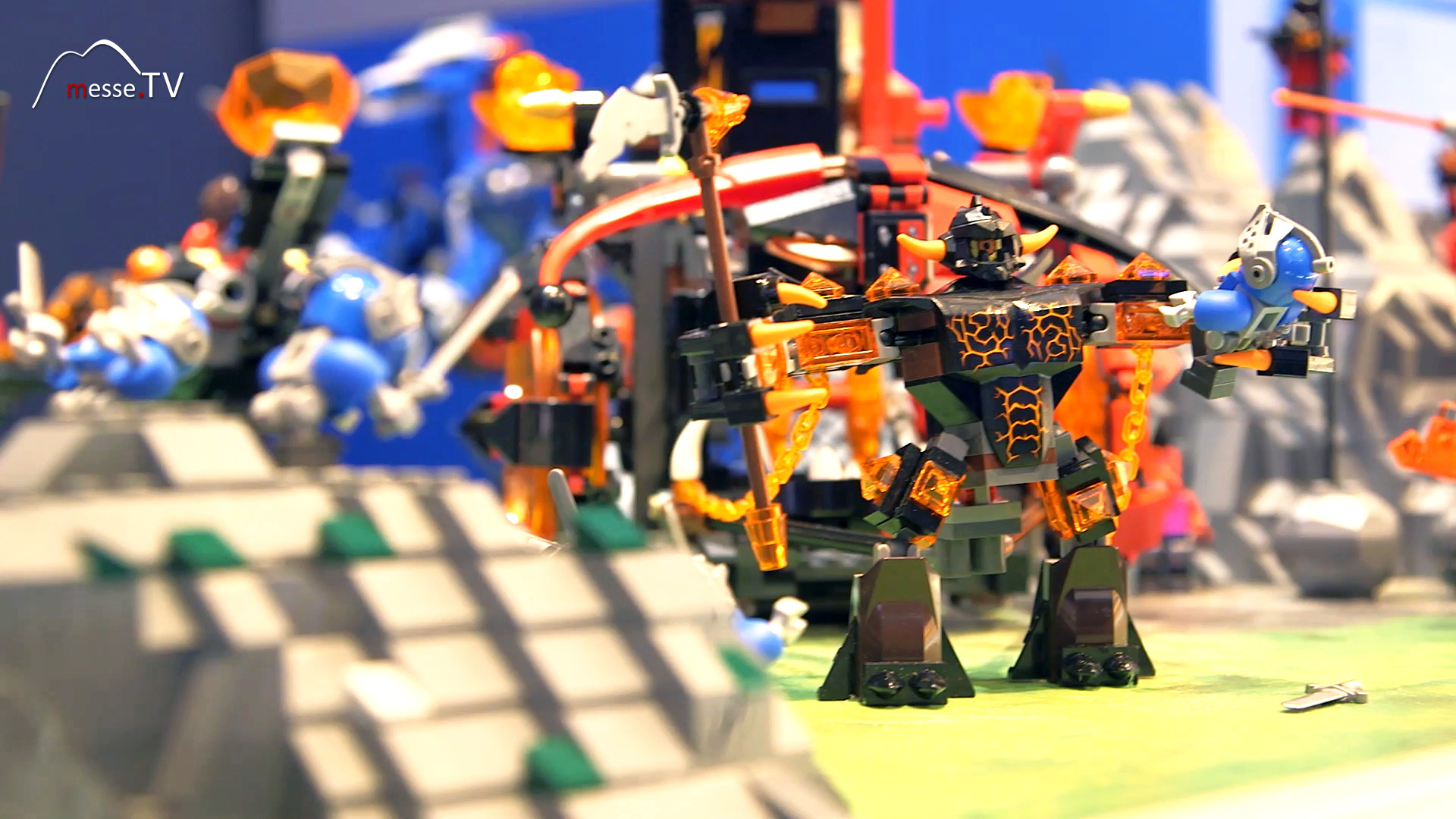
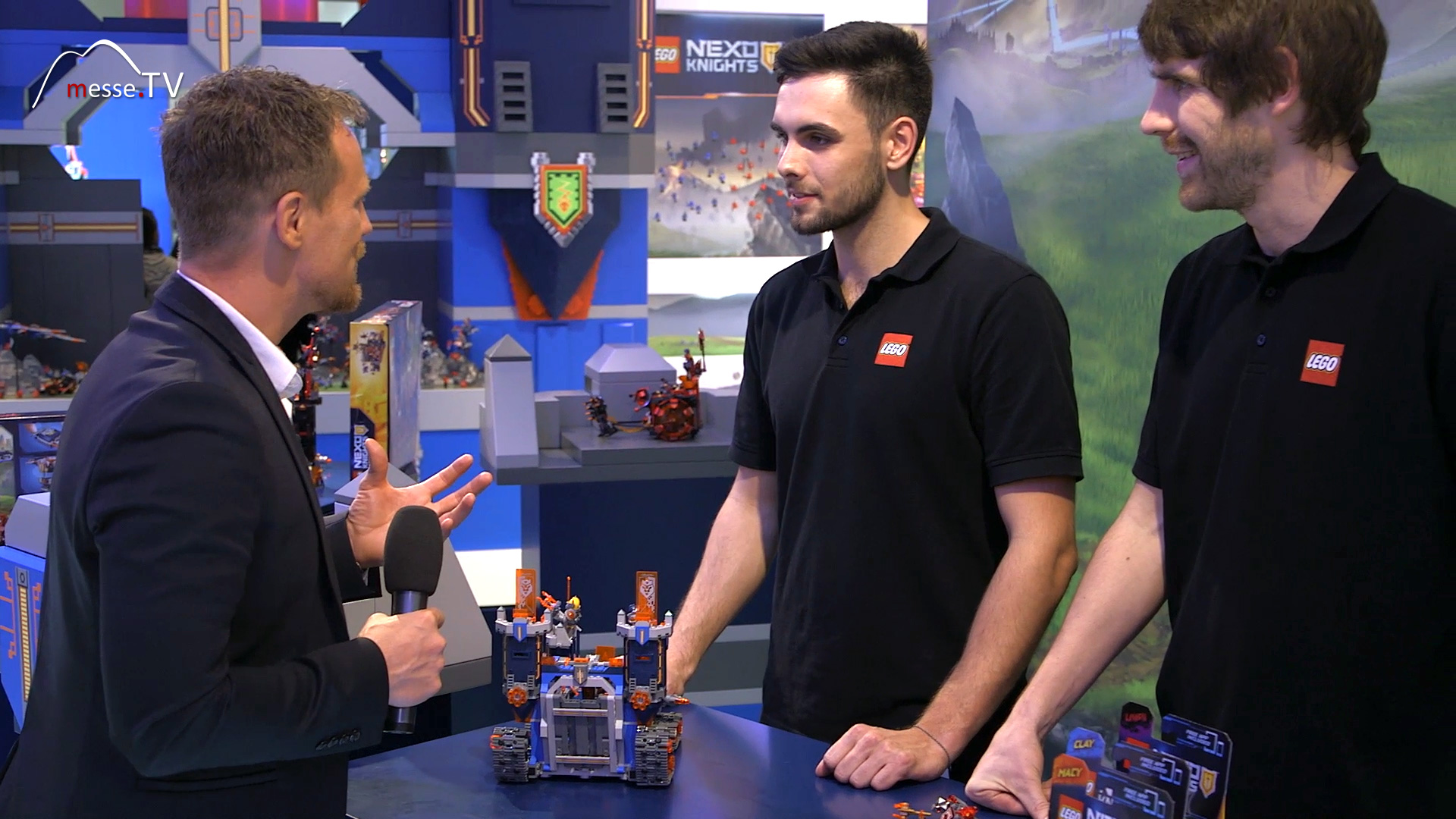
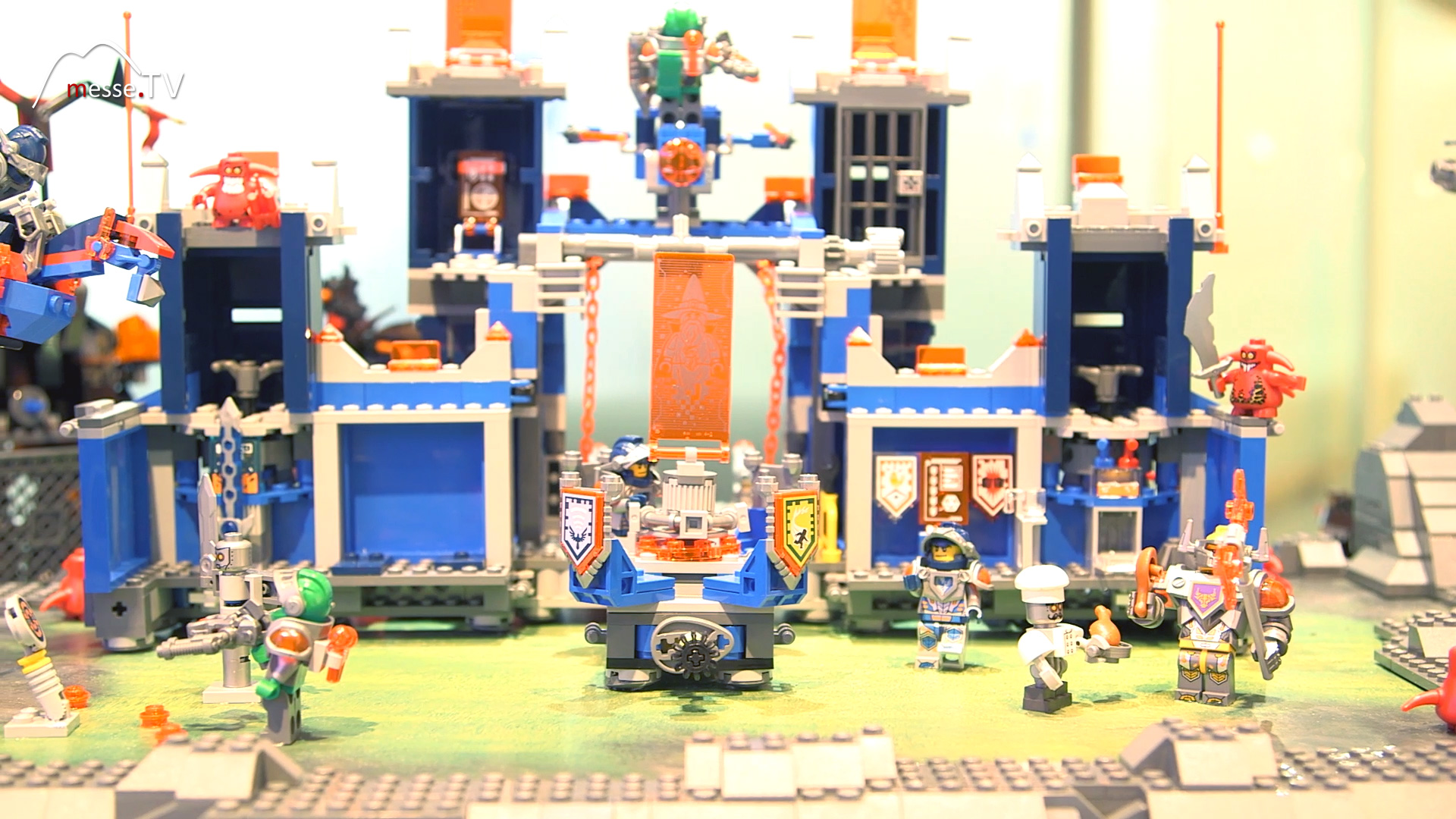
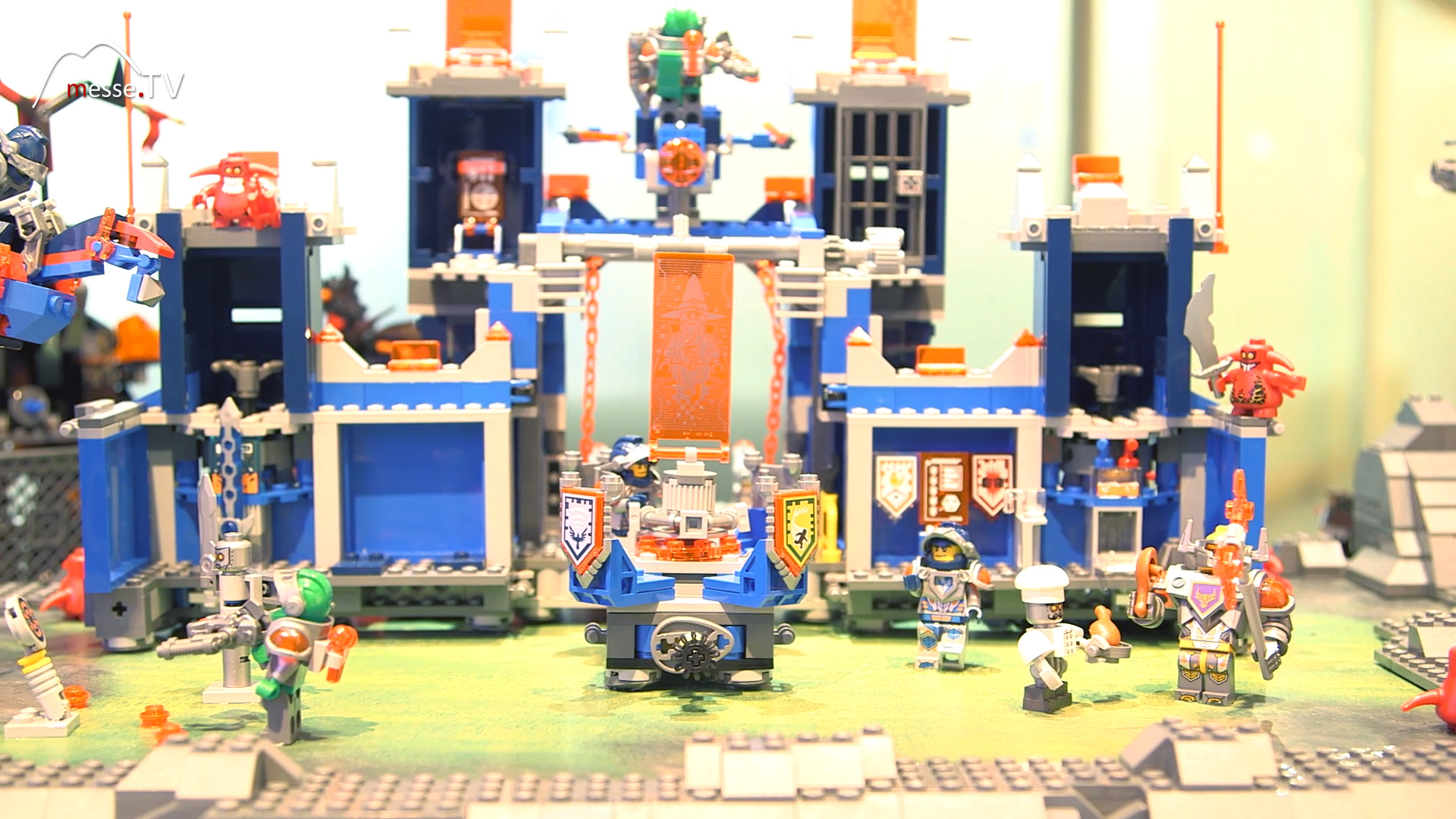
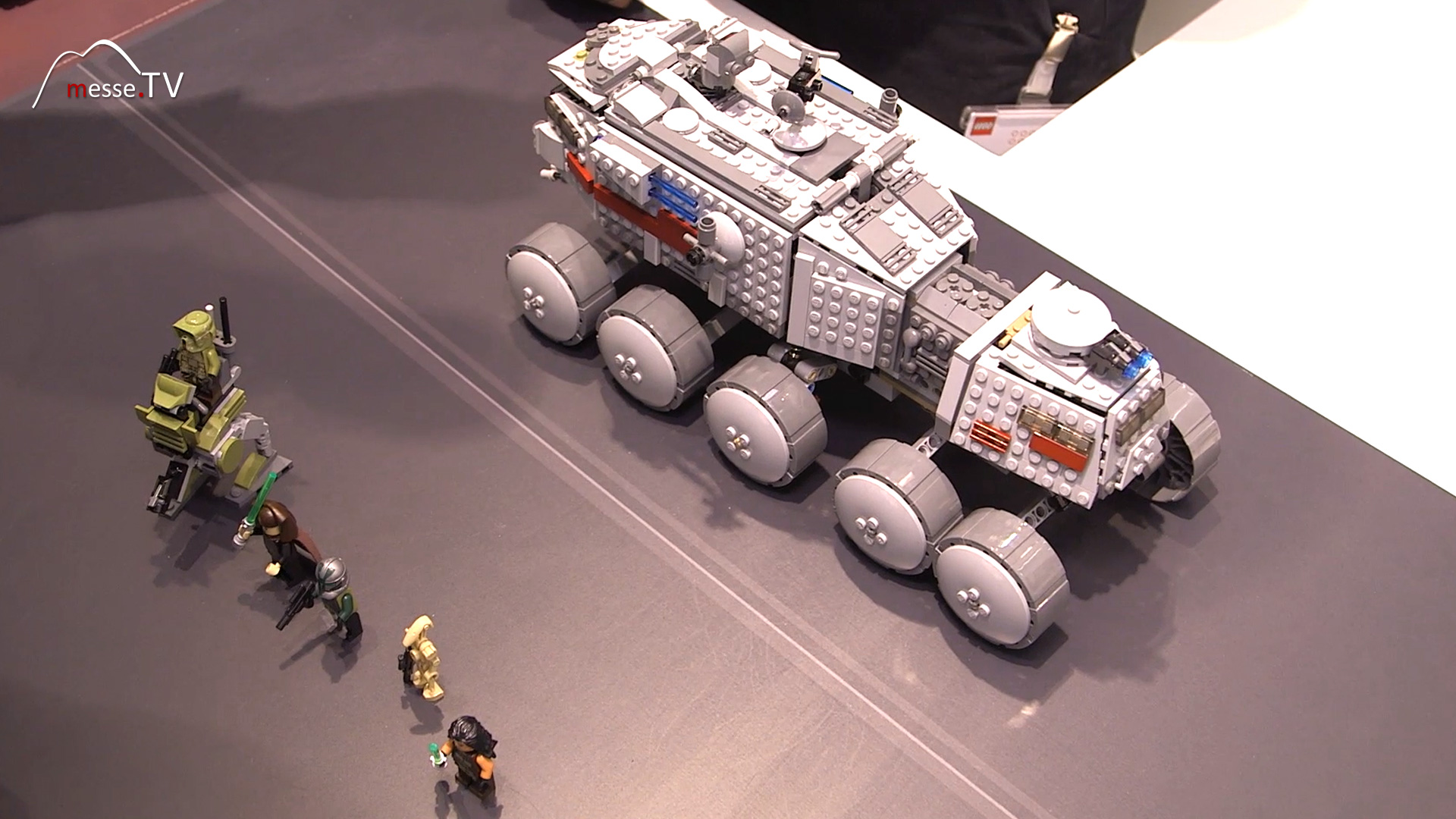
Im Zentrum steht die neue Reihe Nexo Knights. Lego führt damit eine eigenständige Themenwelt ein, die klassische Rittermotive mit futuristischen Elementen kombiniert. Schauplatz ist das Königreich Knighton, das von sogenannten Lavamonstern bedroht wird. Die Aufgabe der Nexo Ritter besteht darin, diese Welt zu verteidigen. Ein zentrales Modell ist das Fortrex – eine rollende Festung, die sich im Spielverlauf in eine stationäre Verteidigungsanlage verwandeln lässt. Die Konstruktion zeigt bereits, wie stark das physische Spiel auf Funktion und Inszenierung ausgelegt ist. Fahrzeuge sind nicht mehr nur Kulisse, sondern Teil eines dynamischen Spielszenarios. Ergänzt wird diese Welt durch Figuren wie den digitalen Zauberer Merlok, der als Bindeglied zwischen realem und virtuellem Spiel fungiert. Genau hier setzt das eigentliche Konzept an.
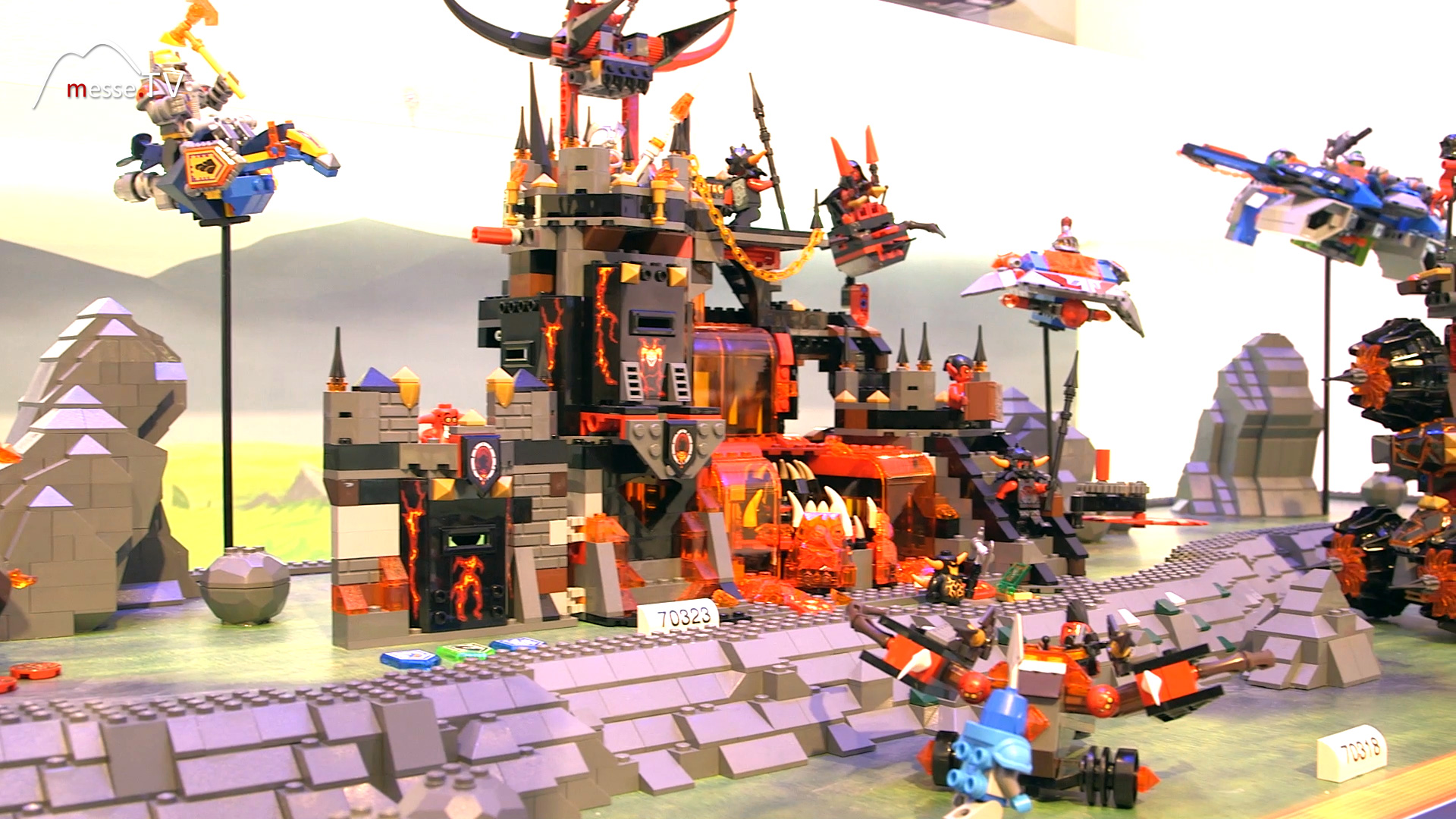
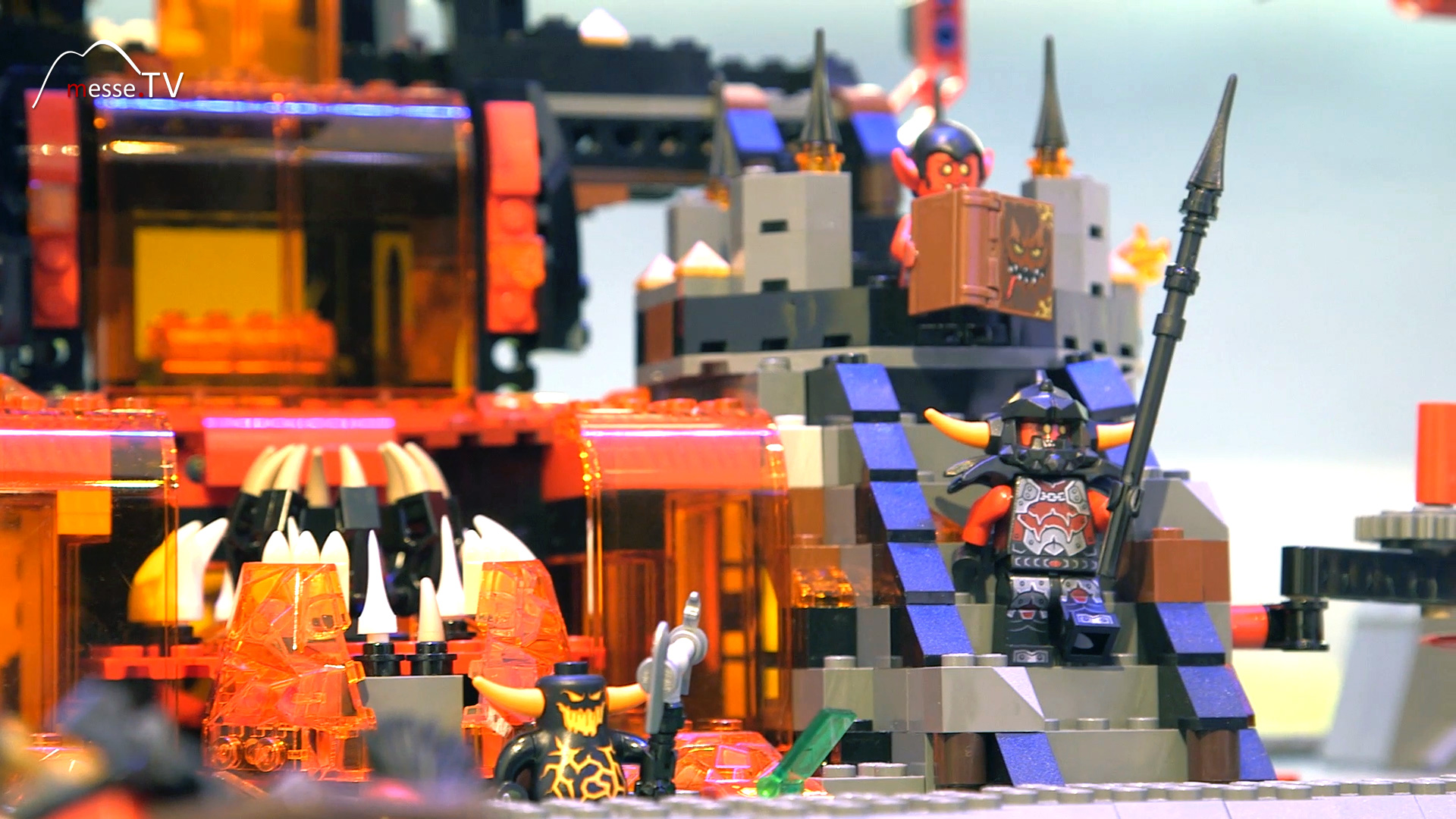
Fortrex und Merlok 2.0 App im Zusammenspiel
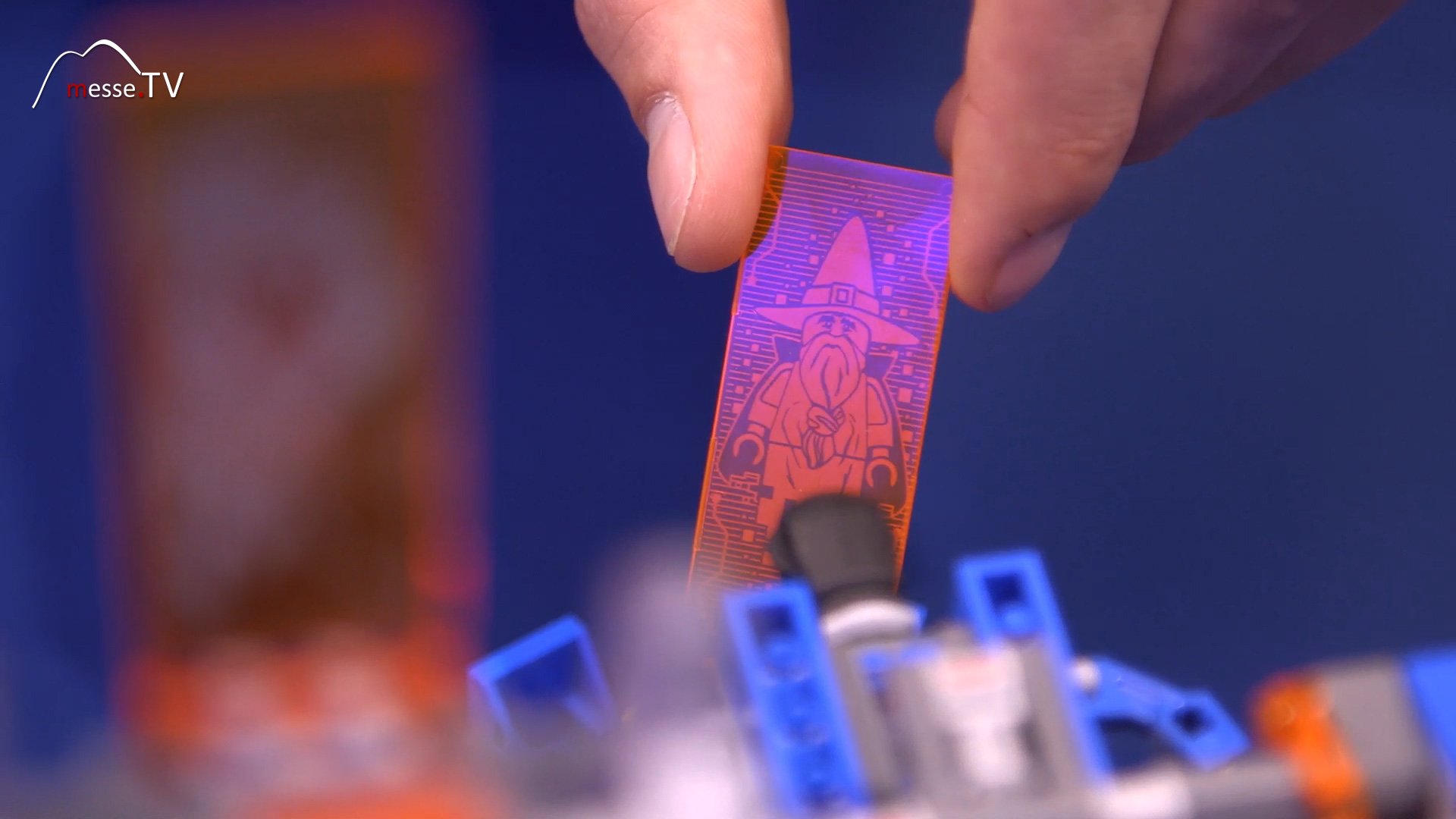
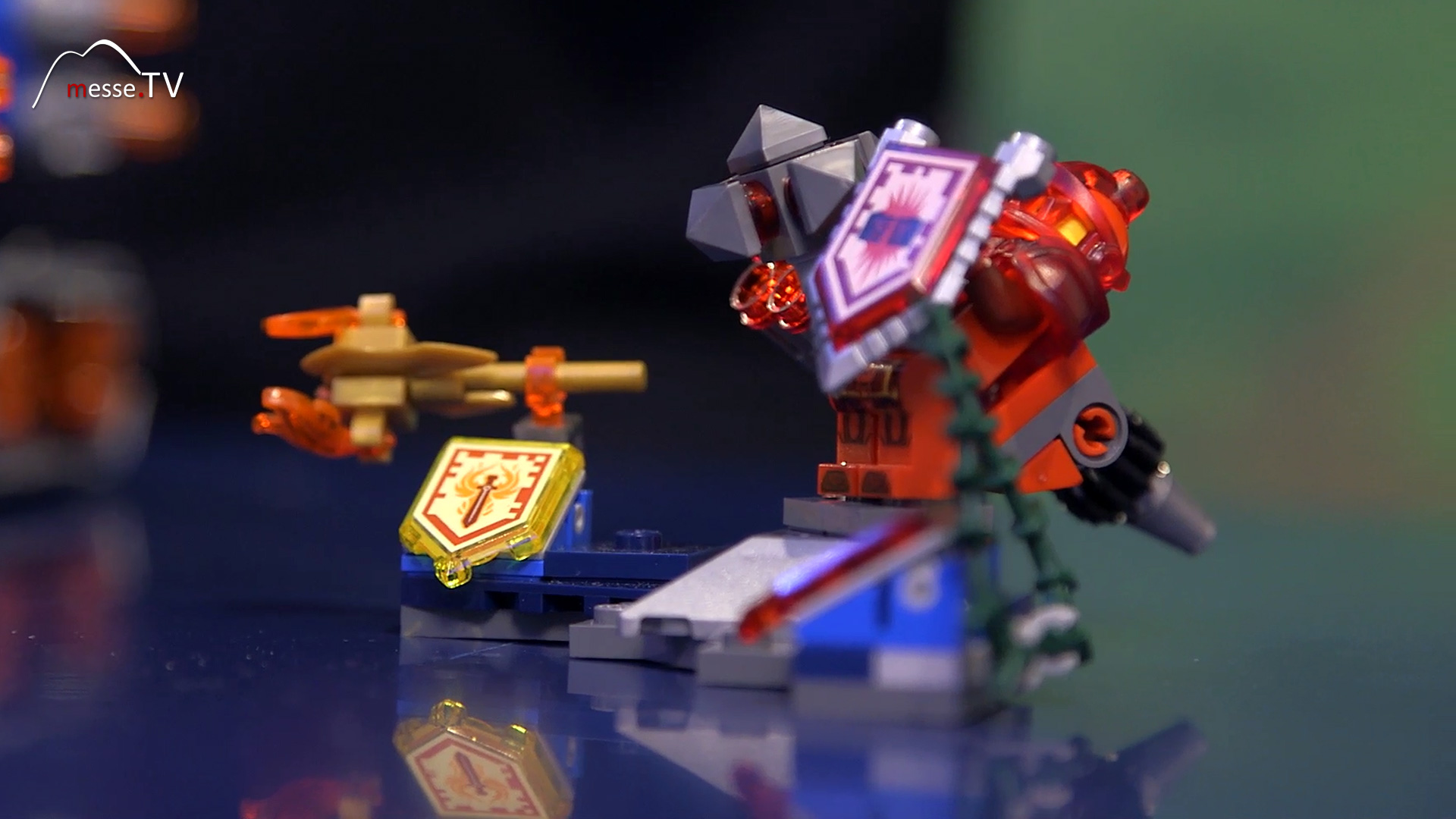
Die Verbindung zwischen physischem und digitalem Spiel erfolgt über die App Merlok 2.0. Sie ist kostenlos verfügbar und bildet die digitale Erweiterung der Nexo Knights Welt. Innerhalb der Anwendung bewegen sich Nutzer durch das Königreich Knighton, erfüllen Missionen und verteidigen die Spielwelt gegen Angreifer. Der entscheidende Punkt liegt in der Verknüpfung mit den realen Sets. Bestimmte Elemente – insbesondere Schilde der Figuren – können über die Kamera des Smartphones gescannt werden. Insgesamt stehen über 100 unterschiedliche Schilde zur Verfügung, die jeweils eigene Fähigkeiten freischalten. Der Ablauf ist einfach, aber wirkungsvoll: Ein physisches Element wird erkannt, die entsprechende Fähigkeit in der App aktiviert und anschließend im Spiel eingesetzt. Dadurch entsteht eine direkte Wechselwirkung zwischen beiden Ebenen. Das System funktioniert in beide Richtungen. Inhalte aus der App finden sich in den Bausätzen wieder, während physische Elemente digitale Funktionen auslösen. Damit entsteht eine konsistente Spielwelt, die nicht zwischen analog und digital trennt, sondern beide Bereiche miteinander verzahnt.
Spielmechanik zwischen Mission und Sammlung
Die Spielstruktur orientiert sich an klassischen Mechaniken, wird aber erweitert. Nutzer erkunden eine digitale Welt, erfüllen Aufgaben und setzen gesammelte Fähigkeiten gezielt ein. Der Sammelaspekt – etwa über unterschiedliche Schilde – spielt dabei eine zentrale Rolle. Diese Kombination aus Erkundung, Sammlung und Einsatz von Fähigkeiten ist aus digitalen Spielen bekannt, wird hier jedoch in ein physisches Produkt integriert. Der Aufbau bleibt dabei überschaubar, sodass auch jüngere Nutzer Zugang finden. Typische Elemente der Spielmechanik sind:
- Erkunden der Spielwelt Knighton in der App
- Erfüllen von Missionen gegen Lavamonster
- Scannen physischer Schilde zur Freischaltung von Kräften
- Speichern und Kombinieren digitaler Fähigkeiten
- Nutzung der Kräfte im Spielverlauf
Verknüpfung mit TV-Serie und Medienwelt
Ein weiterer Baustein ist die Einbindung in eine breitere Medienstrategie. Die Nexo Knights sind nicht nur als Bausätze und App verfügbar, sondern auch Teil einer TV-Serie. Inhalte aus der Serie können wiederum in die App integriert werden, etwa durch das Scannen von Symbolen oder Schilden. Damit entsteht ein geschlossenes System aus mehreren Kanälen. Kinder begegnen der Marke im Fernsehen, setzen Inhalte im Spiel fort und greifen dabei auf reale Produkte zurück. Diese Verzahnung ist ein klarer Schritt in Richtung transmediales Storytelling, bei dem einzelne Elemente nicht isoliert funktionieren, sondern sich gegenseitig ergänzen.

Lego zwischen klassischem Baukasten und digitaler Erweiterung
Die Einführung von Nexo Knights zeigt, wie sich das Selbstverständnis von Lego verändert. Der klassische Baukasten bleibt erhalten, wird aber um digitale Funktionen erweitert. Entscheidend ist, dass die physische Komponente nicht ersetzt wird. Das Bauen bleibt zentraler Bestandteil des Spiels. Gleichzeitig wird deutlich, dass digitale Inhalte neue Möglichkeiten schaffen. Sie erlauben komplexere Spielabläufe, individuelle Fortschritte und eine stärkere Einbindung von Geschichten. Für Lego entsteht daraus die Chance, bestehende Spielkonzepte weiterzuentwickeln, ohne ihre Grundlagen aufzugeben. Die Herausforderung liegt darin, beide Welten sinnvoll zu verbinden. Zu komplexe Systeme könnten jüngere Nutzer überfordern, während zu einfache Anwendungen den digitalen Mehrwert verlieren würden. Nexo Knights zeigt einen Ansatz, der versucht, diese Balance zu halten.
Entwicklung im Kontext des Spielwarenmarkts
Die Produktlinie steht nicht isoliert, sondern ist Teil einer größeren Entwicklung im Markt. Digitale Erweiterungen, App-Anbindungen und medienübergreifende Konzepte gewinnen an Bedeutung. Gleichzeitig bleibt der Bedarf an haptischem Spiel bestehen. Gerade auf der Spielwarenmesse wird sichtbar, dass sich diese beiden Bereiche nicht gegenseitig ausschließen. Vielmehr entstehen neue Konzepte, die beide Ebenen miteinander kombinieren. Lego positioniert sich mit Nexo Knights genau in diesem Feld. Das Beispiel zeigt, wie klassische Marken versuchen, ihre Produkte an veränderte Nutzungsgewohnheiten anzupassen. Kinder wachsen heute selbstverständlich mit digitalen Medien auf. Ein Spielsystem, das diese Realität einbezieht, kann langfristig relevanter bleiben als rein analoge Konzepte. Am Ende bleibt das Grundprinzip erhalten: bauen, spielen, Geschichten erleben. Neu ist, dass diese Geschichten nicht mehr nur auf dem Boden im Kinderzimmer stattfinden, sondern gleichzeitig auf dem Bildschirm weitergeführt werden.

Messe-Berichterstattung bundesweit - Messewissen, Termine & Veranstaltungen


