Selbstbalancierender eBall zwischen Spielgerät und Fahrmaschine
von Andreas Bergmeier - 2024-02-14Auf der Spielwarenmesse in Nürnberg war am Stand von eBall kein fertiges Serienprodukt zu sehen. Stattdessen präsentierte das Unternehmen einen Prototypen, an dem nach eigenen Angaben bereits seit zweieinhalb Jahren gearbeitet wird.
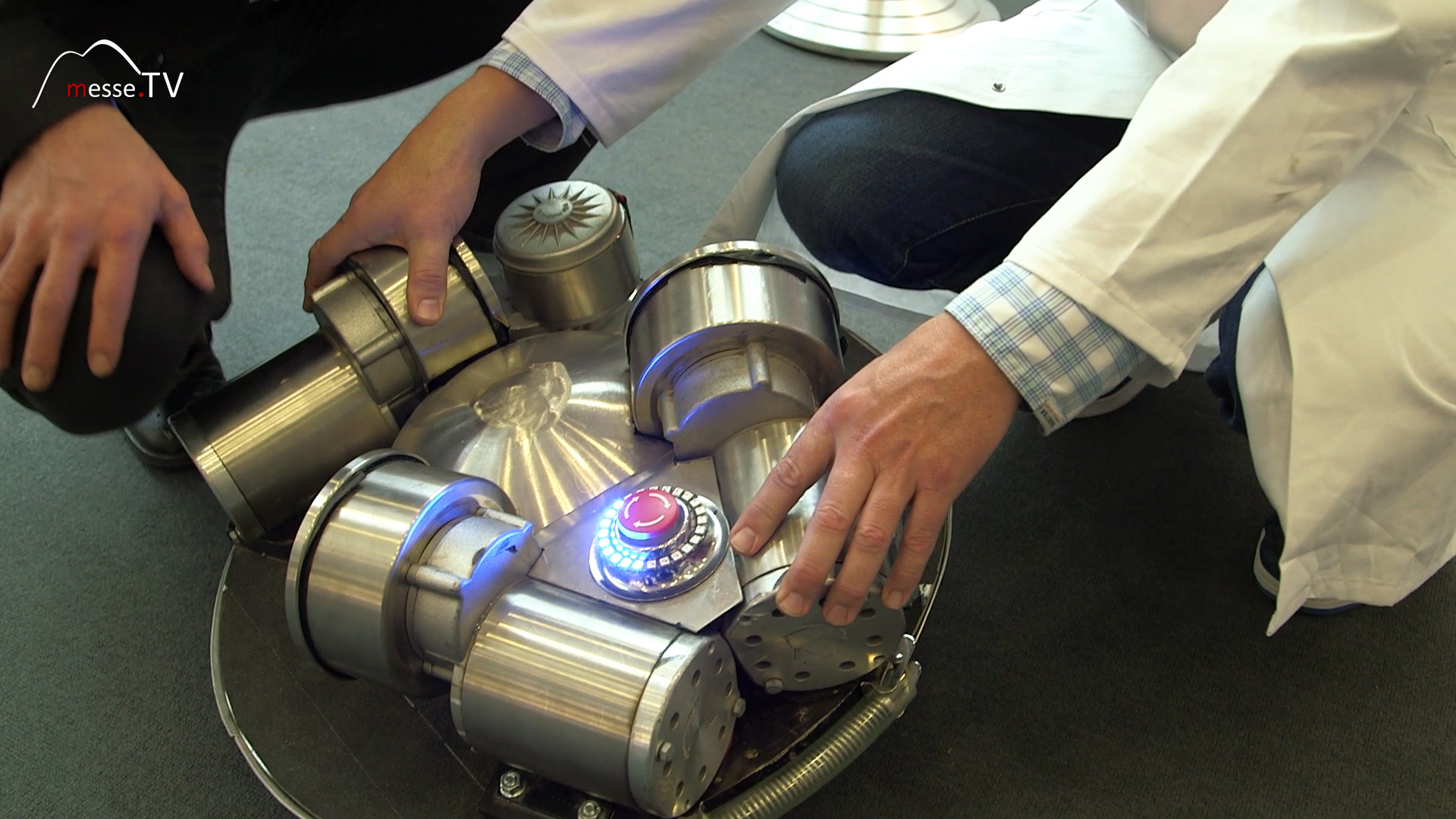
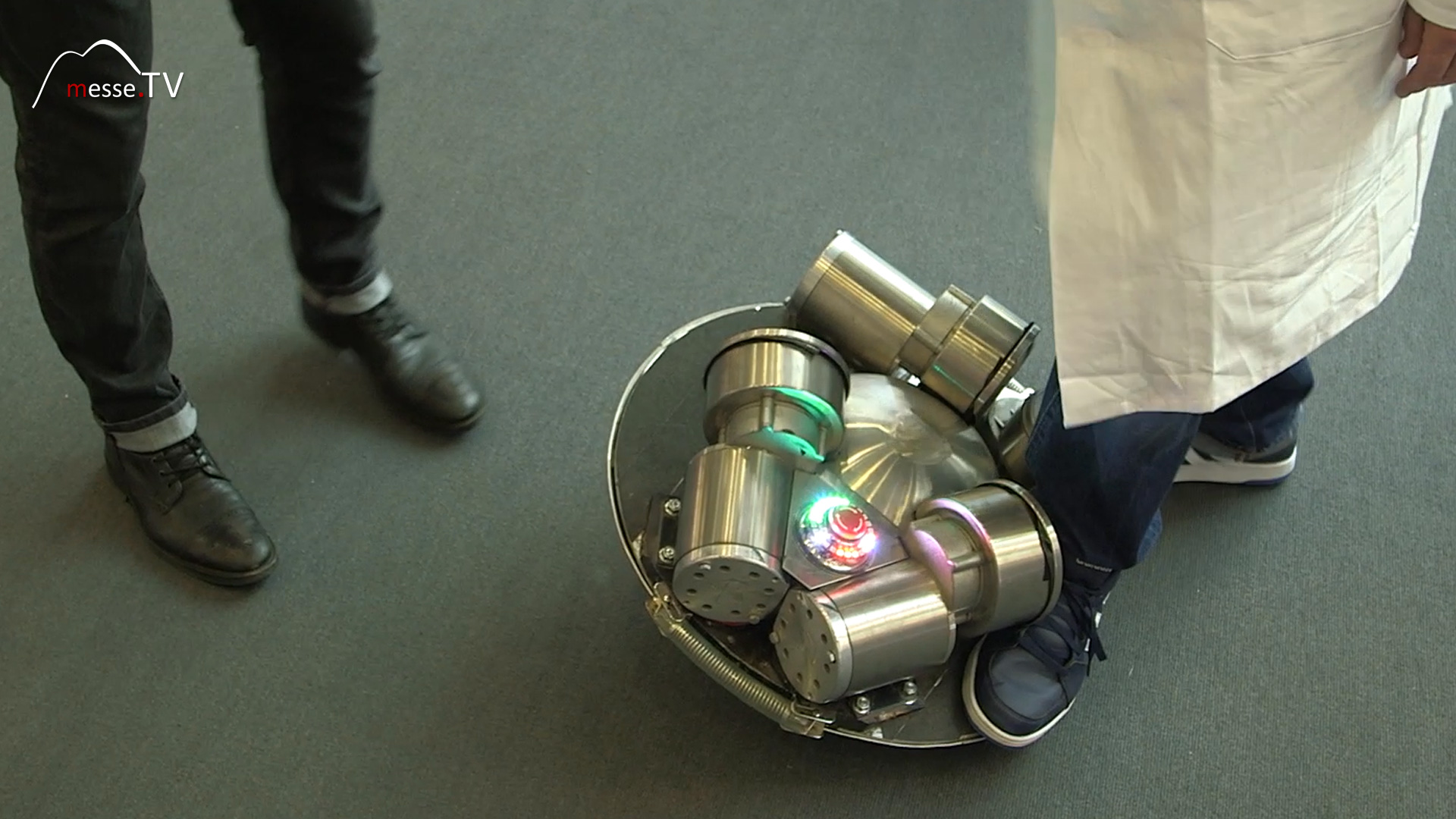
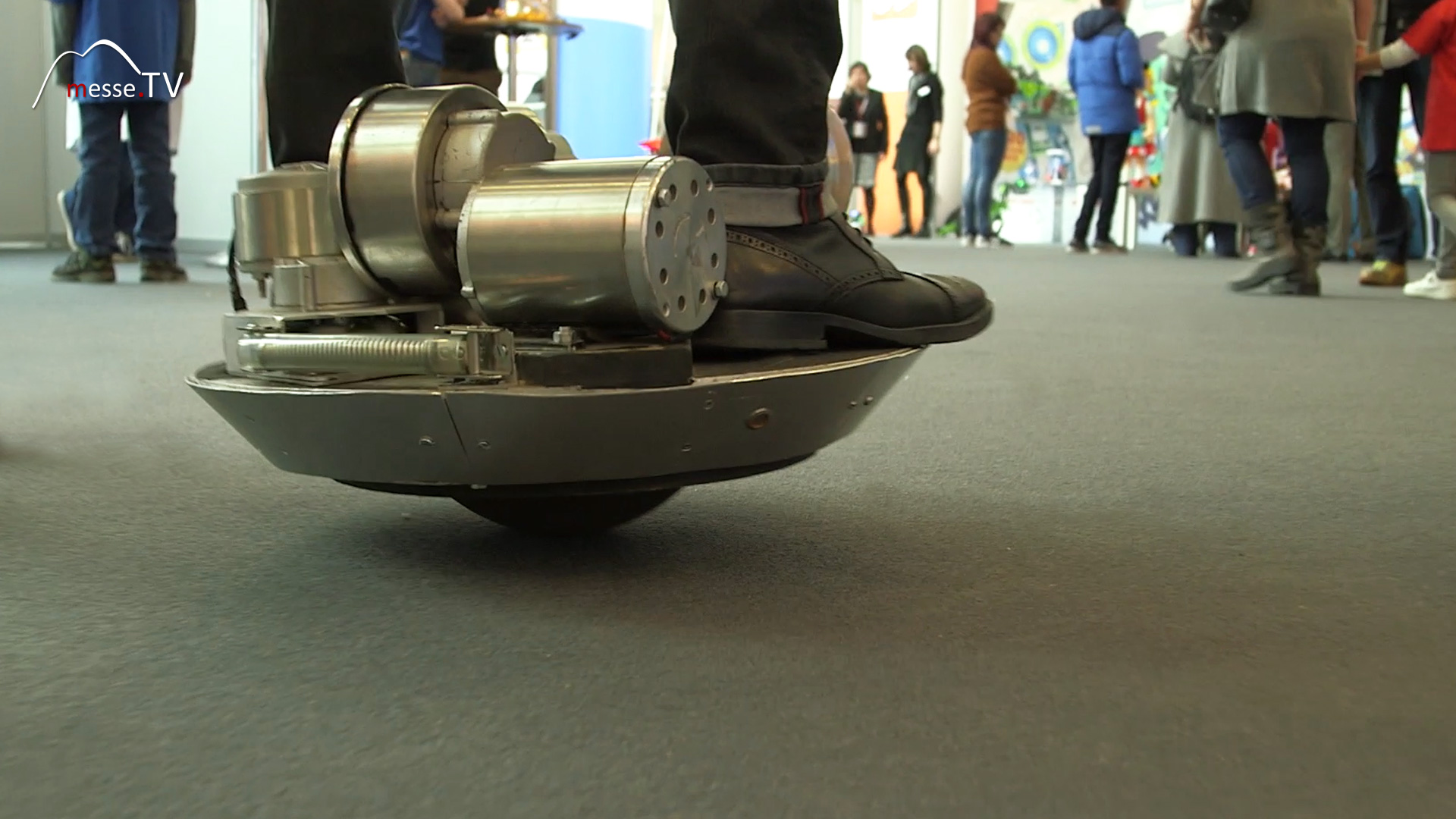
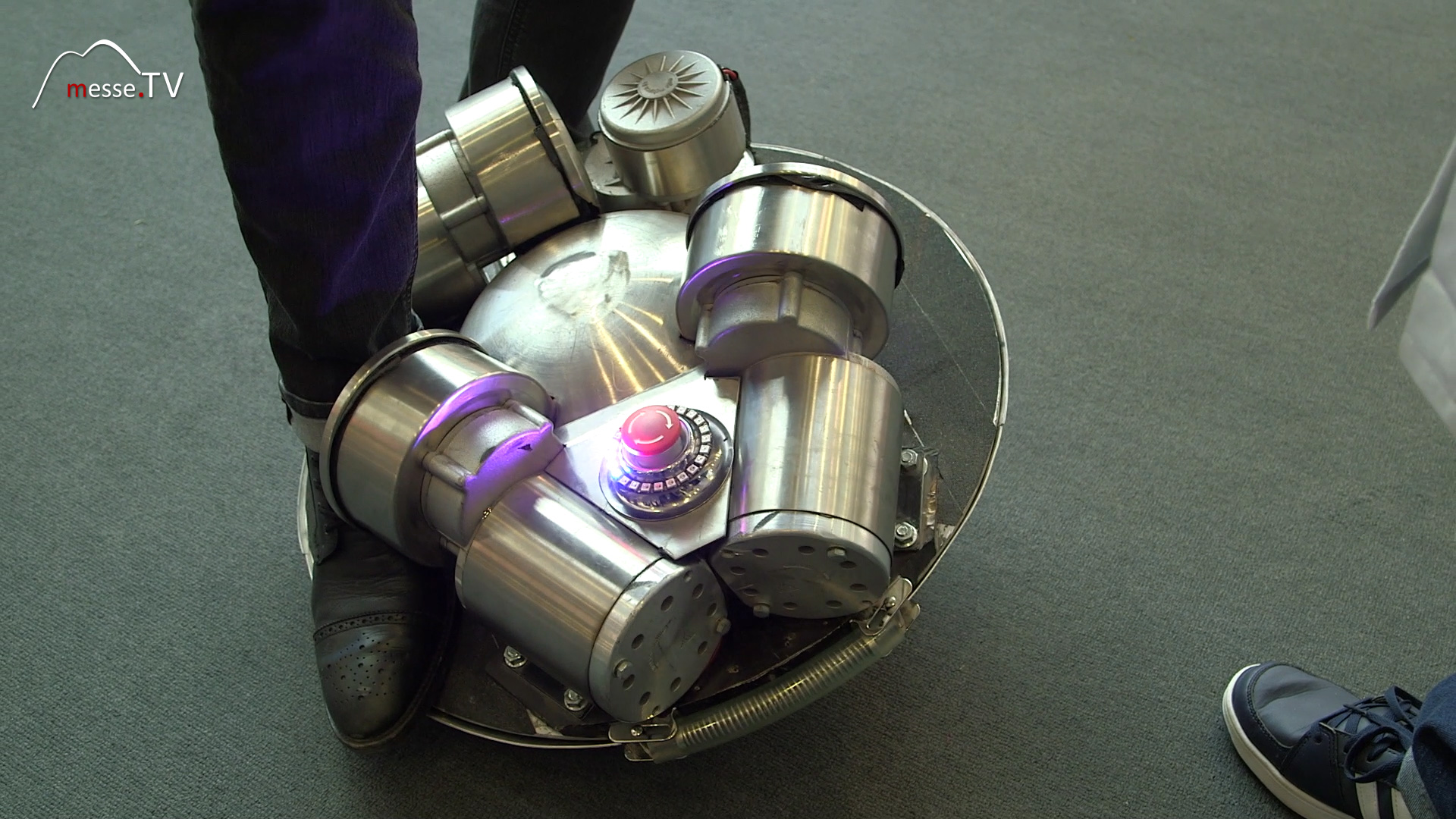
Das Ziel besteht derzeit nicht darin, das System unmittelbar auf den Markt zu bringen. Vielmehr sucht das Team nach einem geeigneten Partner, um die Entwicklung voranzutreiben. Der erste Eindruck wirkt ungewöhnlich: Eine große Kugel bildet die Fahrbasis, darüber befindet sich ein Ring, auf dem der Nutzer steht. Das Konzept erinnert an einen Segway, allerdings ohne Räder und mit deutlich höheren Anforderungen an das Gleichgewicht. Gesteuert wird das System ausschließlich über Gewichtsverlagerung und die Bewegungen des Fahrers.
Wie der eBall das Gleichgewicht hält
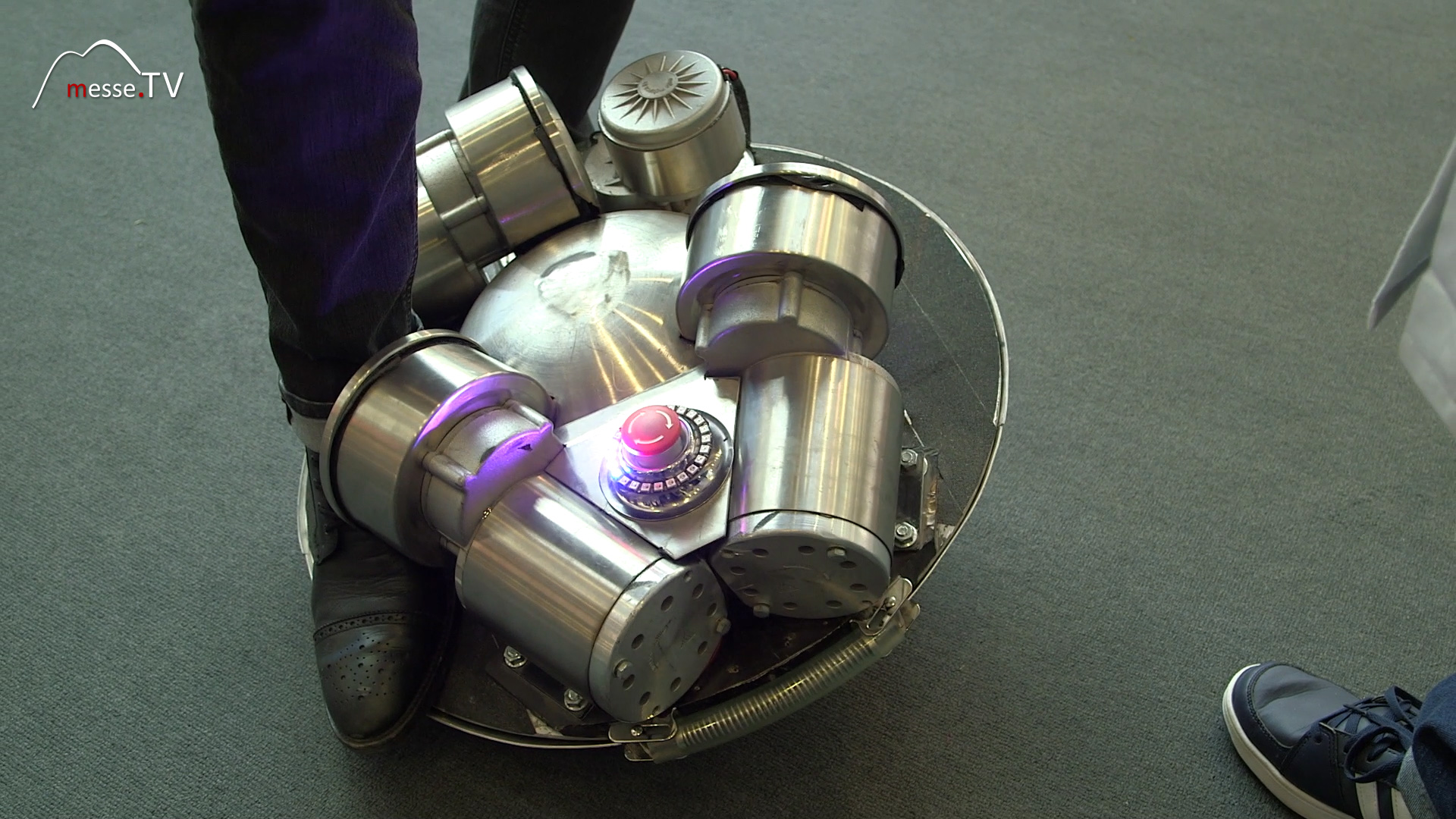
Technisch basiert der eBall auf einem selbstbalancierenden System. Ein Gyroskop erfasst kontinuierlich die Neigung des Rings, auf dem der Nutzer steht. Die gemessenen Daten werden genutzt, um die Motoren anzusteuern, die wiederum die Kugel bewegen. Neigt sich der Fahrer in eine Richtung, berechnet das System, wohin sich die Kugel bewegen muss, um wieder unter den Schwerpunkt zu gelangen. Dadurch entsteht ein permanenter Ausgleichsprozess. Nach Angaben der Entwickler balanciert sich das Fahrzeug grundsätzlich selbst aus. Der Nutzer muss die Balance zwar halten, wird dabei jedoch aktiv von der Technik unterstützt. Das Prinzip ähnelt bekannten selbststabilisierenden Fahrzeugen, ist aufgrund der kugelförmigen Fahrfläche jedoch deutlich komplexer. Während klassische Fahrzeuge nur in bestimmte Richtungen fahren können, erlaubt die Kugel Bewegungen in nahezu alle Richtungen.

Freies Balancieren auf einer Kugel
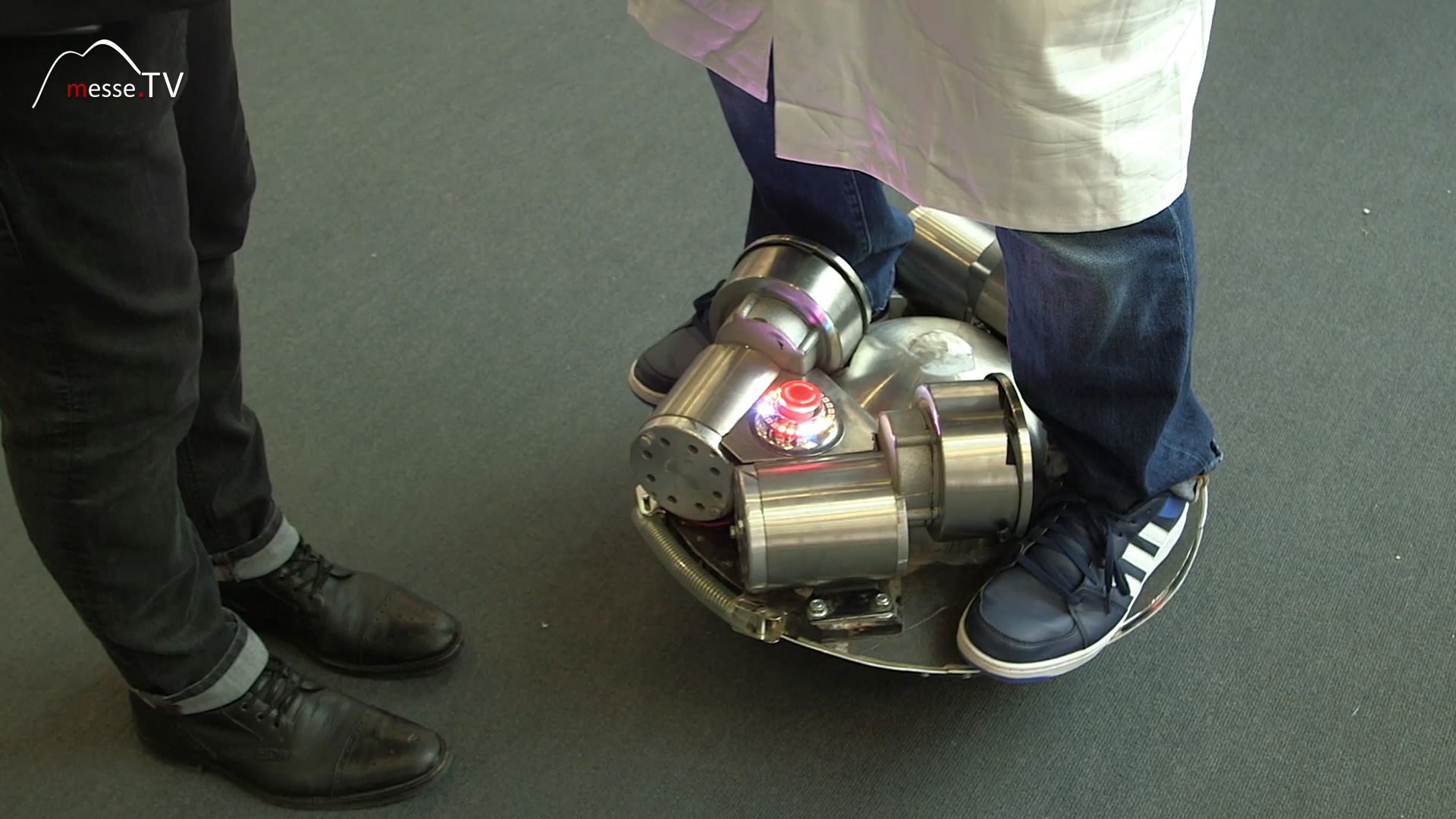
Besonders ungewöhnlich ist die Fahrposition. Der Fahrer steht frei auf der Konstruktion und balanciert auf einer beweglichen Kugel. Laut den Entwicklern sind Geschwindigkeiten von bis zu 20 Stundenkilometern möglich. Die Sicherheitsfrage wurde bei der Vorführung auf der Spielwarenmesse mit einer gewissen Portion Humor beantwortet. Gurte oder Airbags besitzt der Prototyp nicht. Zwar wird noch an einem Lenker gearbeitet, notwendig sei dieser für die grundlegende Funktion jedoch nicht. Gerade diese Mischung aus technischer Unterstützung und eigenem Körpereinsatz macht den Reiz des Systems aus. Wer aufsteigt, befindet sich nicht in einem Fahrzeug im klassischen Sinn, sondern auf einer permanent beweglichen Plattform, die auf jede Gewichtsverlagerung reagiert.
Die ersten Fahrversuche auf dem Prototypen
Der Einstieg erfolgt in mehreren Schritten. Zunächst wird ein Fuß aufgesetzt. Das System erkennt diesen automatisch. Anschließend folgt der zweite Fuß, woraufhin sich die Mechanik aktiviert und die Konstruktion in Bewegung gerät. Mit einem kurzen Impuls wird der eBall in die waagerechte Position gebracht. Danach übernimmt die Stabilisierungselektronik einen Großteil der Ausgleichsarbeit. Dennoch bleibt das Fahren eine Herausforderung. Schon bei den ersten Metern zeigt sich, dass die Theorie einfacher klingt als die Praxis.


Das Fahrgefühl wurde während der Vorführung als Mischung aus Balancieren, Tanzen und kontrolliertem Kontrollverlust beschrieben. Kleine Gewichtsverlagerungen wirken sich unmittelbar auf die Bewegungen der Kugel aus. Dadurch entsteht ein Fahrerlebnis, das sich deutlich von bekannten Fahrzeugkonzepten unterscheidet.
- Selbstbalancierende Kugelplattform
- Steuerung durch Gewichtsverlagerung
- Gyroskop zur Lageerkennung
- Motorische Stabilisierung in Echtzeit
- Geschwindigkeit bis 20 km/h
- Aktueller Entwicklungsstand als Prototyp

Steuerung durch Körperbewegungen
Neben dem Vorwärtsfahren spielt die Körperhaltung eine zentrale Rolle. Durch Verlagerung des Gewichts und Bewegungen des Oberkörpers werden Richtungsänderungen eingeleitet. Dabei zeigt sich, dass die Theorie nicht immer sofort mit der Praxis übereinstimmt. Einige Bewegungsabläufe benötigen offenbar Übung, um präzise umgesetzt werden zu können. Gerade dieser Lernprozess macht einen wesentlichen Teil des Konzepts aus. Anders als bei klassischen Elektrofahrzeugen entsteht keine unmittelbare Trennung zwischen Fahrer und Technik. Jede Bewegung wirkt sich direkt auf das Fahrverhalten aus.
Zwischen Freizeitgerät und Experiment
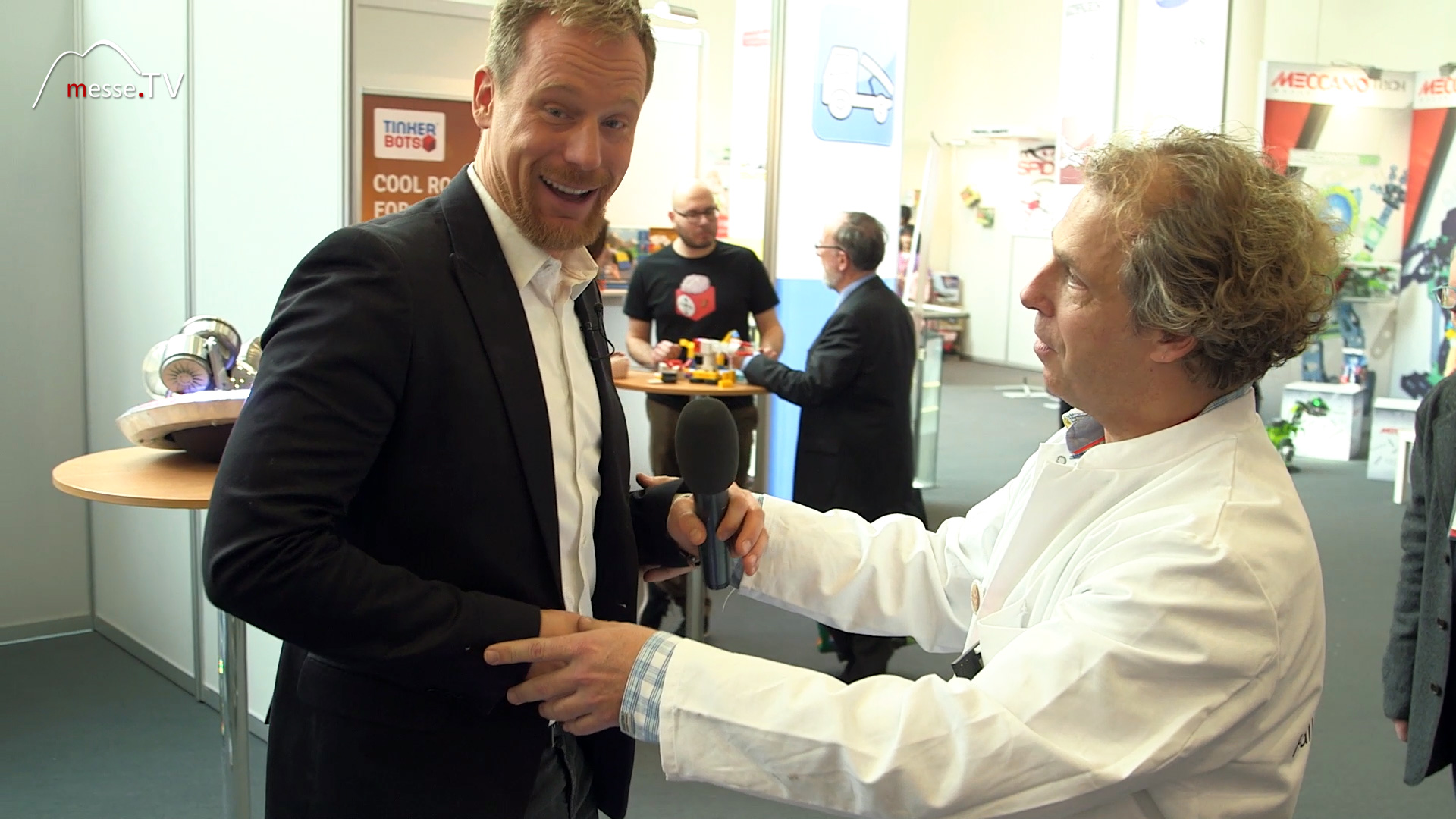
Die Vorführung auf der Spielwarenmesse machte deutlich, dass der eBall derzeit eher als technisches Konzept denn als marktreifes Produkt zu verstehen ist. Gleichzeitig zeigte der Prototyp, welches Potenzial in selbstbalancierenden Fahrplattformen steckt.
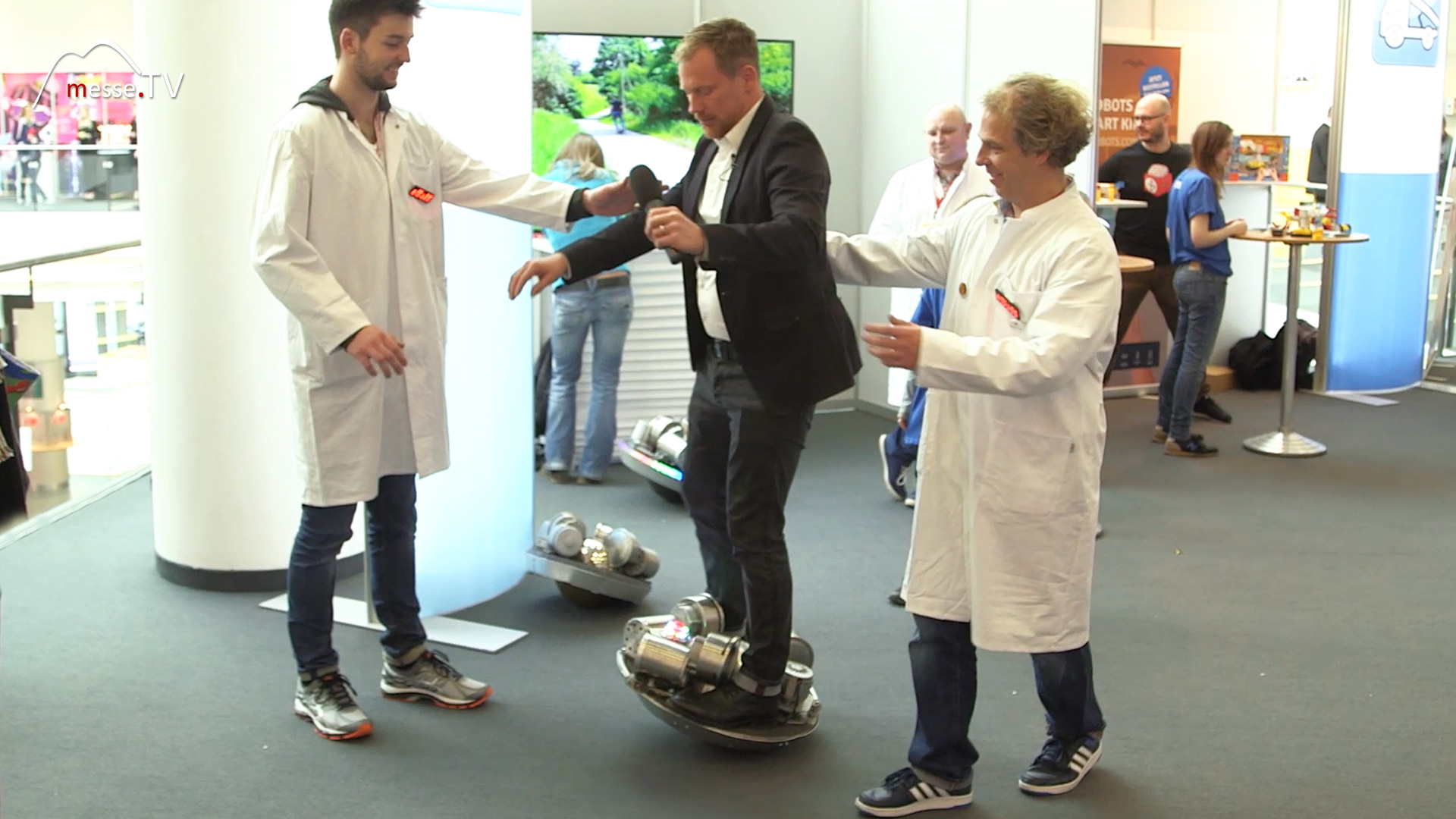
Auffällig war dabei weniger die Geschwindigkeit als die ungewöhnliche Art der Fortbewegung. Das System verbindet Elemente aus Balance-Sport, Fahrgerät und interaktivem Spielzeug. Gerade diese Mischung sorgte während der Demonstration für Aufmerksamkeit. Ob daraus künftig ein Serienprodukt entsteht, hängt nach Angaben von eBall vor allem davon ab, einen geeigneten Entwicklungspartner zu finden.



Messe-Berichterstattung bundesweit - Messewissen, Termine & Veranstaltungen


