Caravanning as a form of travel between freedom, technology and responsibility
Caravanning has long been more than just a holiday option for a small target group. It describes a form of travel in which movement and accommodation coincide: your home travels with you. This is precisely what makes this type of travel so appealing, but also what gives it its special logic. Those who choose caravanning plan differently, use infrastructure differently and move around in spaces that are simultaneously recreational areas, traffic areas and living spaces. Terms such as motorhome, caravan and campervan represent key vehicle concepts that differ significantly in practice and requirements, but essentially convey the same idea: travelling independently without having to rely completely on external structures.
Contributions on the topic of caravanning on Messe.TV
MAHAG: New VW California series for camping fans
The new generation of the VW California offers an impressive range of variants that can be adapted to a wide variety of needs. Whether as a Multivan suitable for everyday use, a co... MAHAG: New VW California series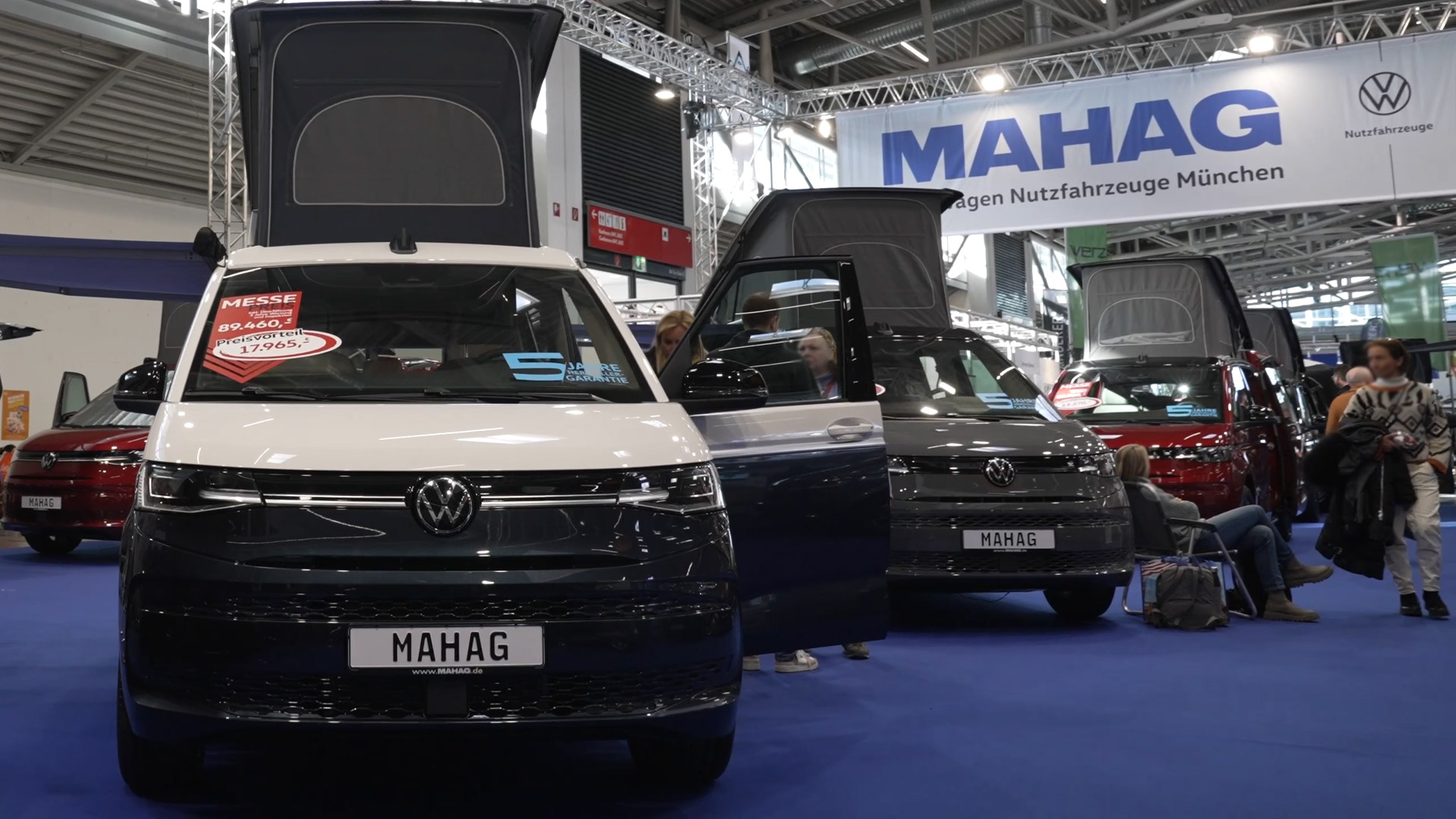
Alb Entry water filter for motorhomes from Alb Filter - f.re.e 2025
When filling the water tank of a motorhome, it can become contaminated with suspended matter, rust or sediment. This can not only impair the water quality, but also increase wear o... Alb Entry water filter for motorhomes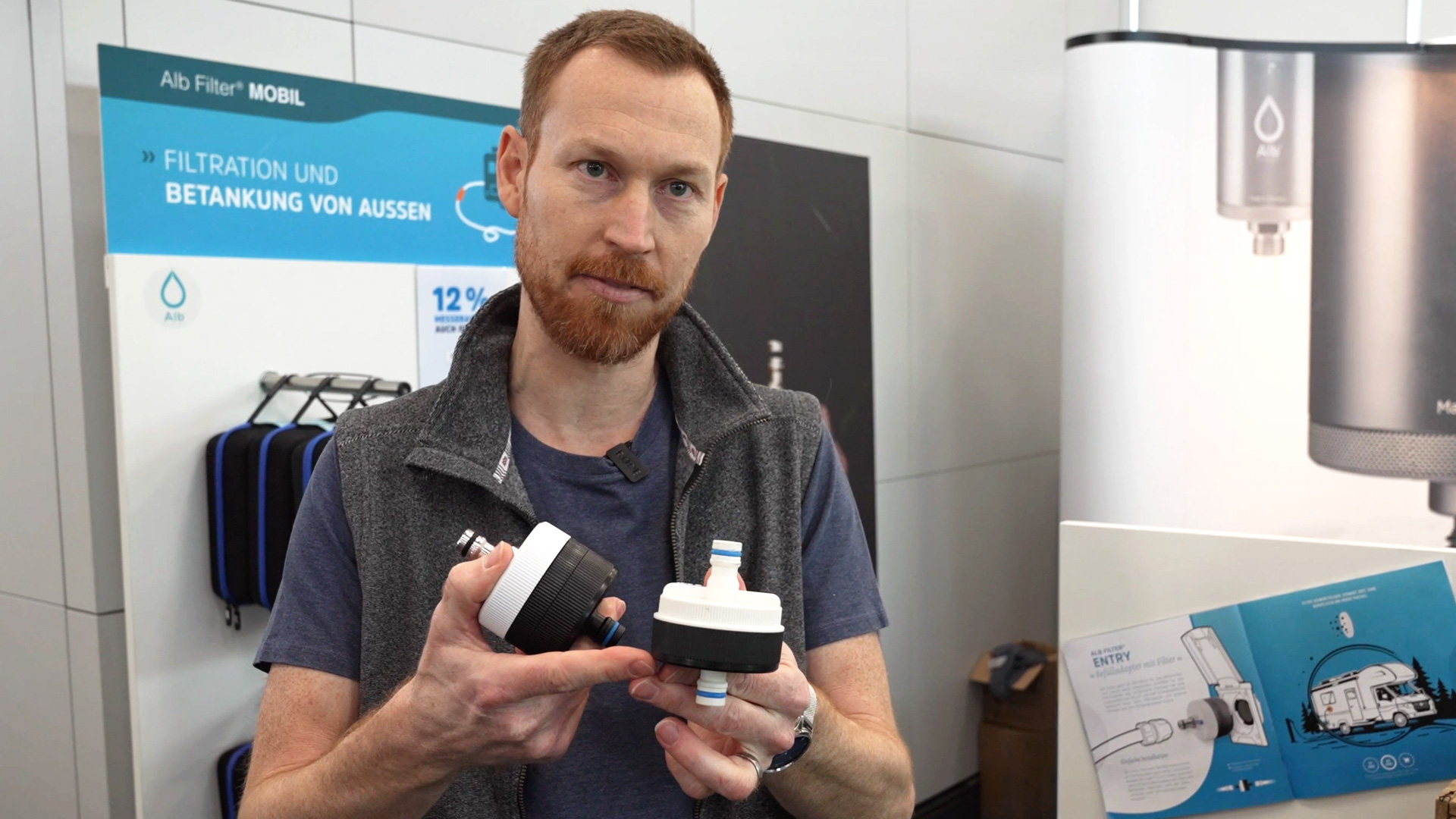
Roadsurfer: Rent, subscribe or buy a camper on Messe.TV
A road trip with your own camper offers maximum freedom - and that's exactly what Roadsurfer makes possible with a wide range of rental and purchase options. In addition to classic... Roadsurfer: Rent a camper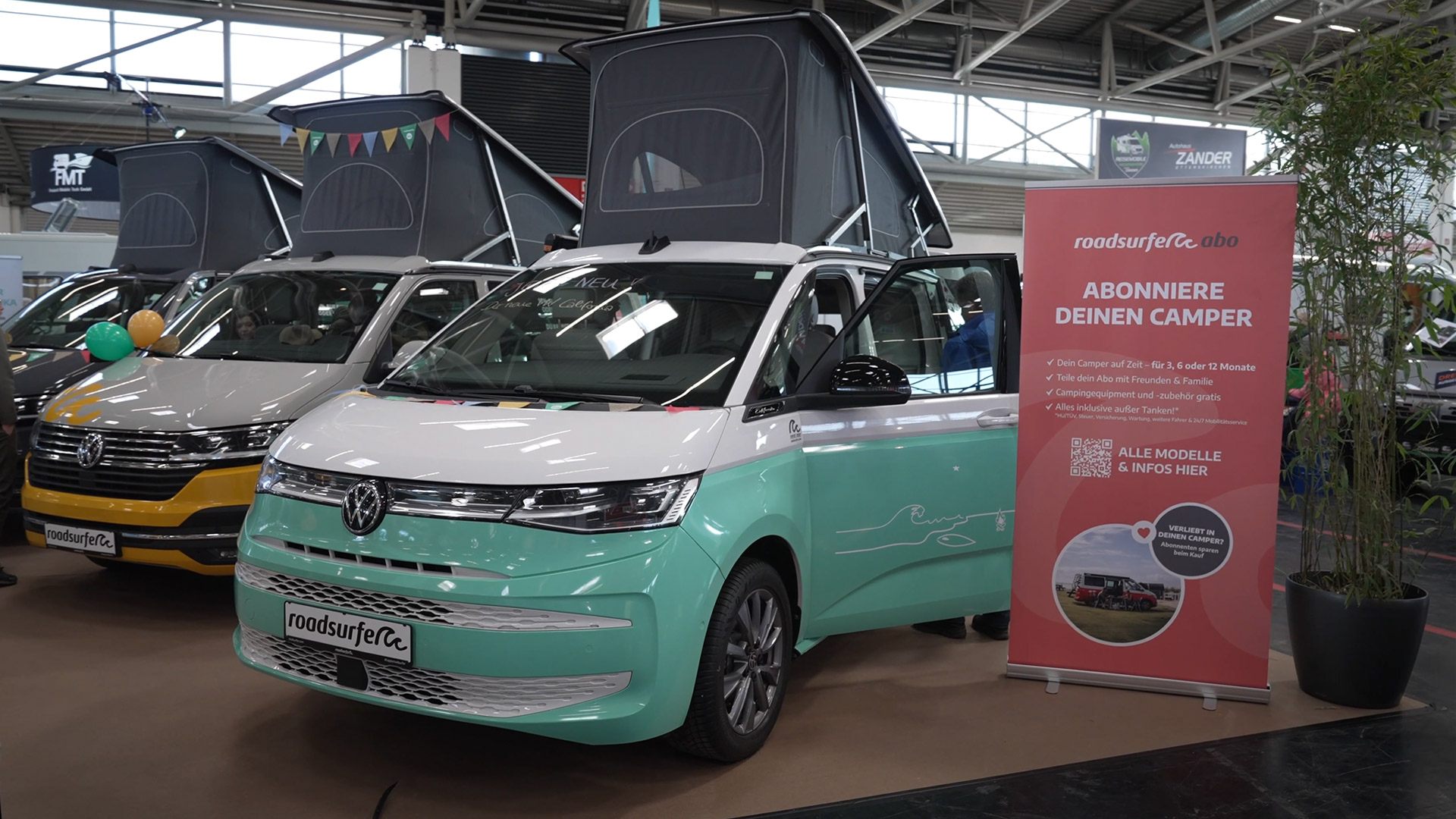
Tischer Camper VW Amarok Beast Edition with drop-down cabin
A versatile motorhome that combines off-road capability with living comfort - the VW Amarok Beast Edition in combination with the Tischer Box 230S sets new standards for drop-down ... Tischer Camper VW Amarok Beast Edition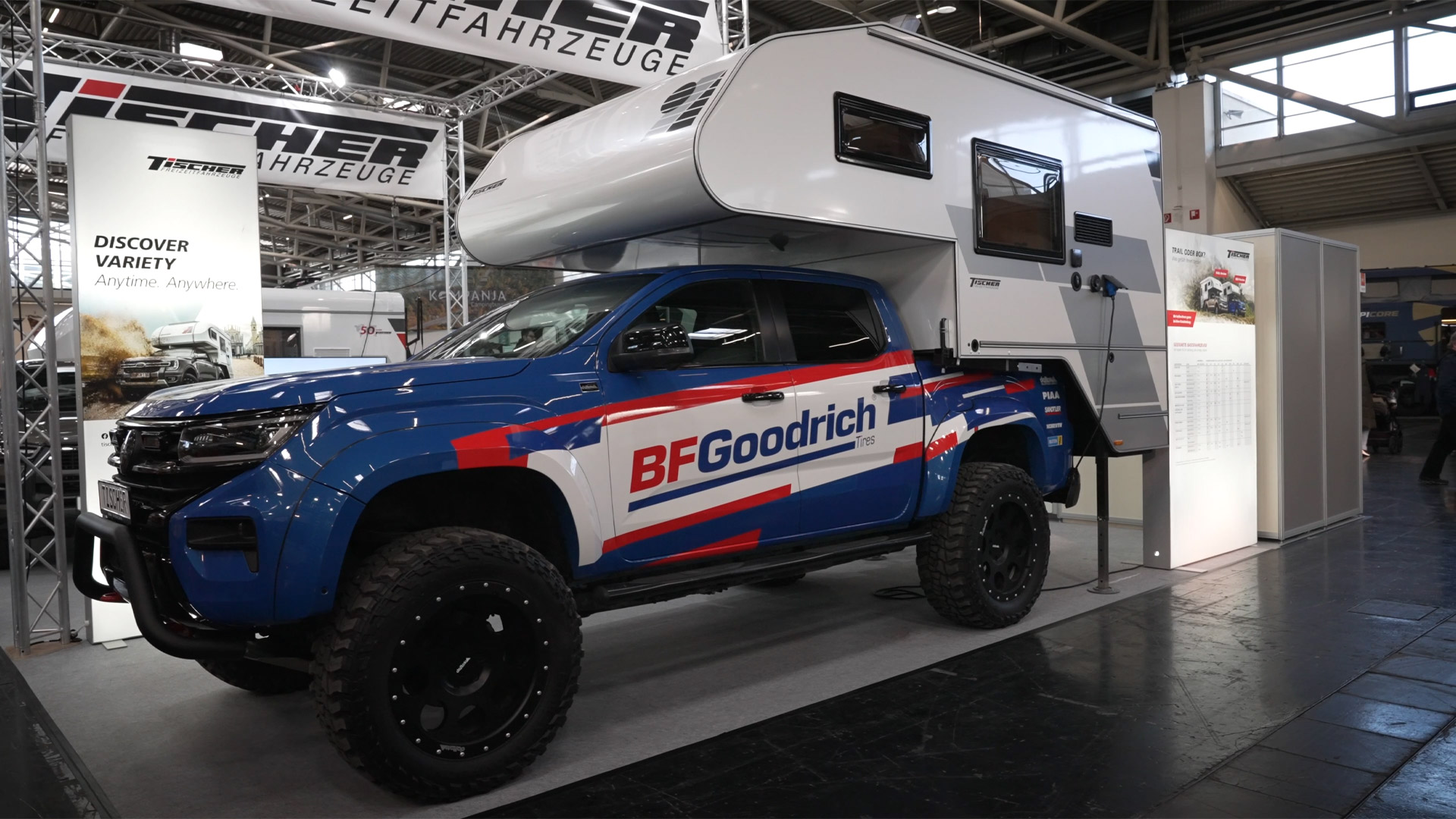
VANYX off-road camper: lightweight, self-sufficiency and comfort
A camper that combines everything - off-road capability, self-sufficient travel and maximum living comfort for four people with a low weight. This concept sets new standards in the... VANYX off-road camper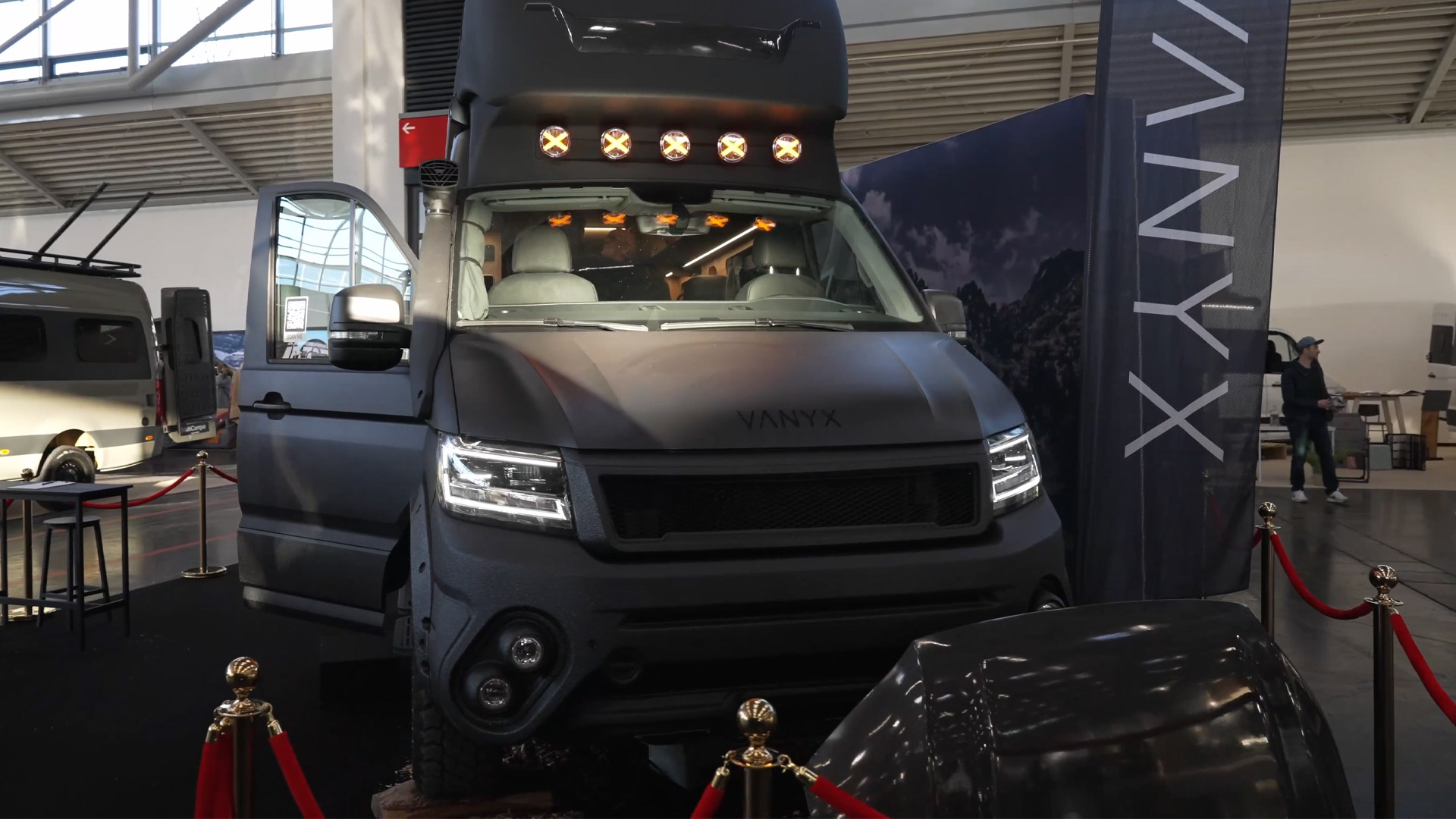
Space-saving power supply for motorhomes from Juicetray
Juicetray rethinks the energy supply in motorhomes. The space-saving system utilizes the unused space under the vehicle, where the spare wheel is normally located, and integrates b... Juicetray: power supply for motorhomes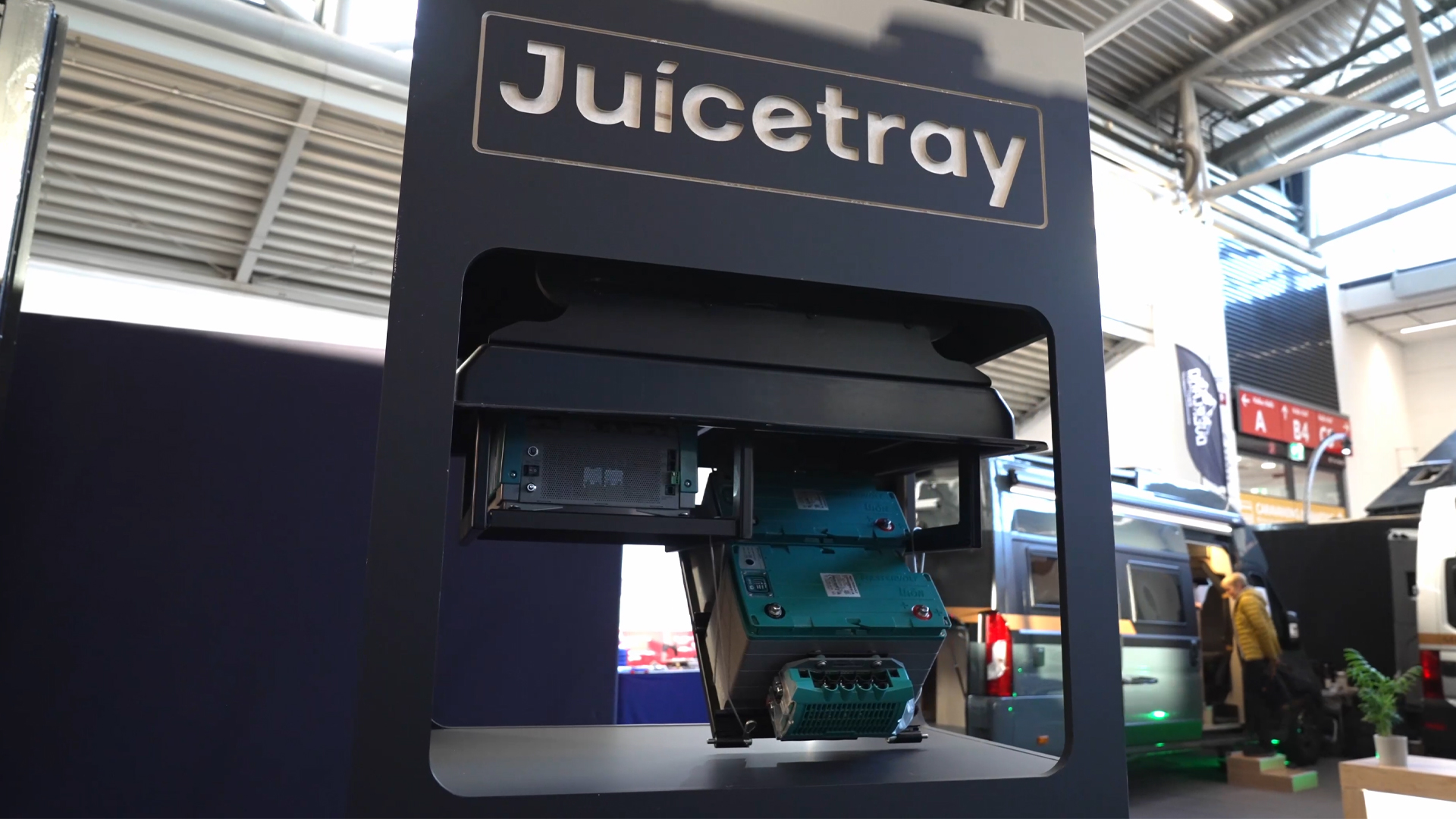
Campervan individually configurable by Offtrack Camper
The Offtrack Vito Expedition combines the versatility of a Mercedes Vito with tailor-made camper extensions. Developed and manufactured in Hamburg, this concept makes it possible t... Offtrack Camper: Campervan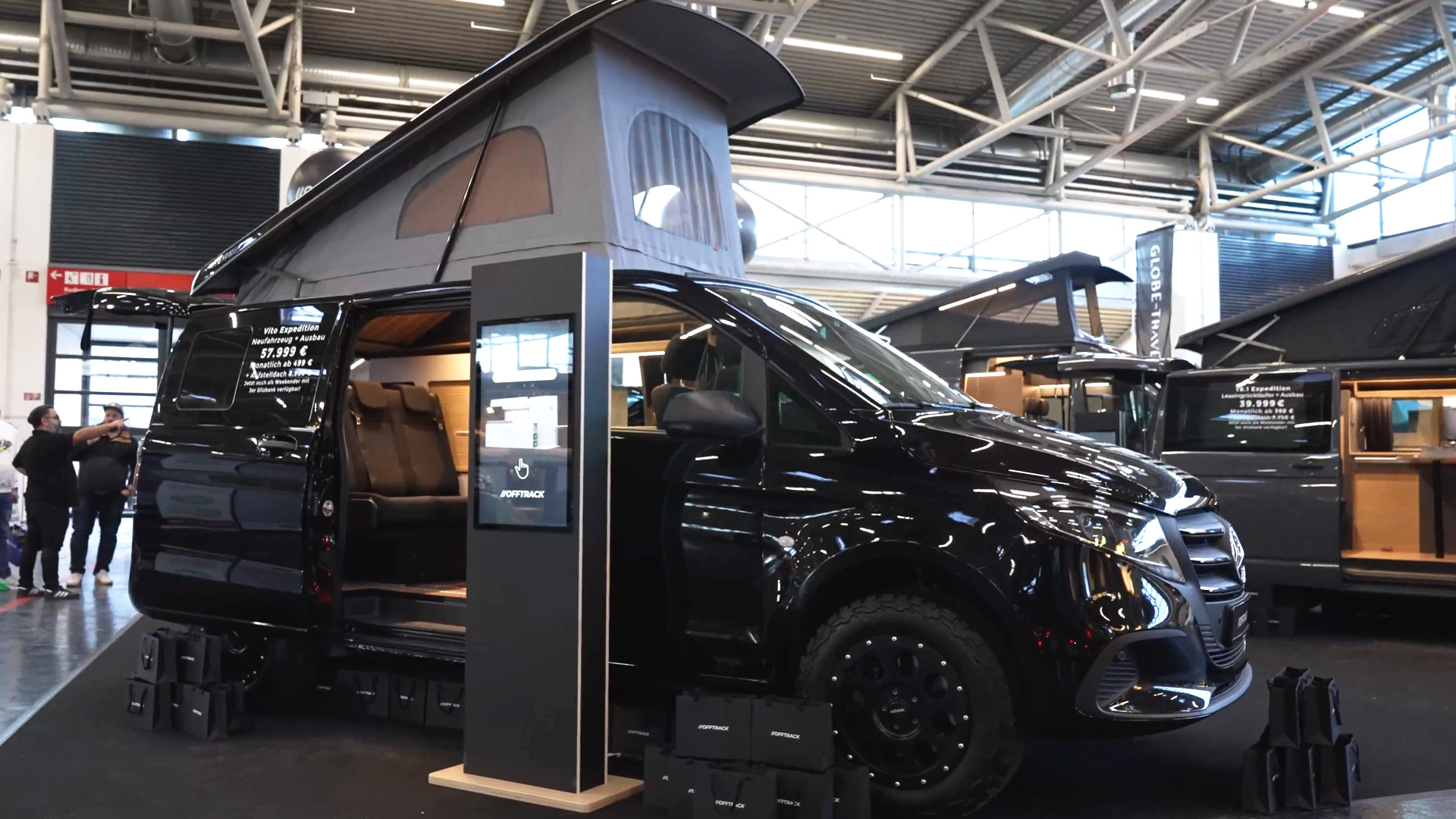
Westfalia: Motorhome Columbus
With the Columbus motorhome, Udo Schauland from Westfalia Caravan is showing us a great motorhome with an electric pop-up roof at the Caravan Salon 2020 in Dusseldorf. A motorhome ... Compact Motorhome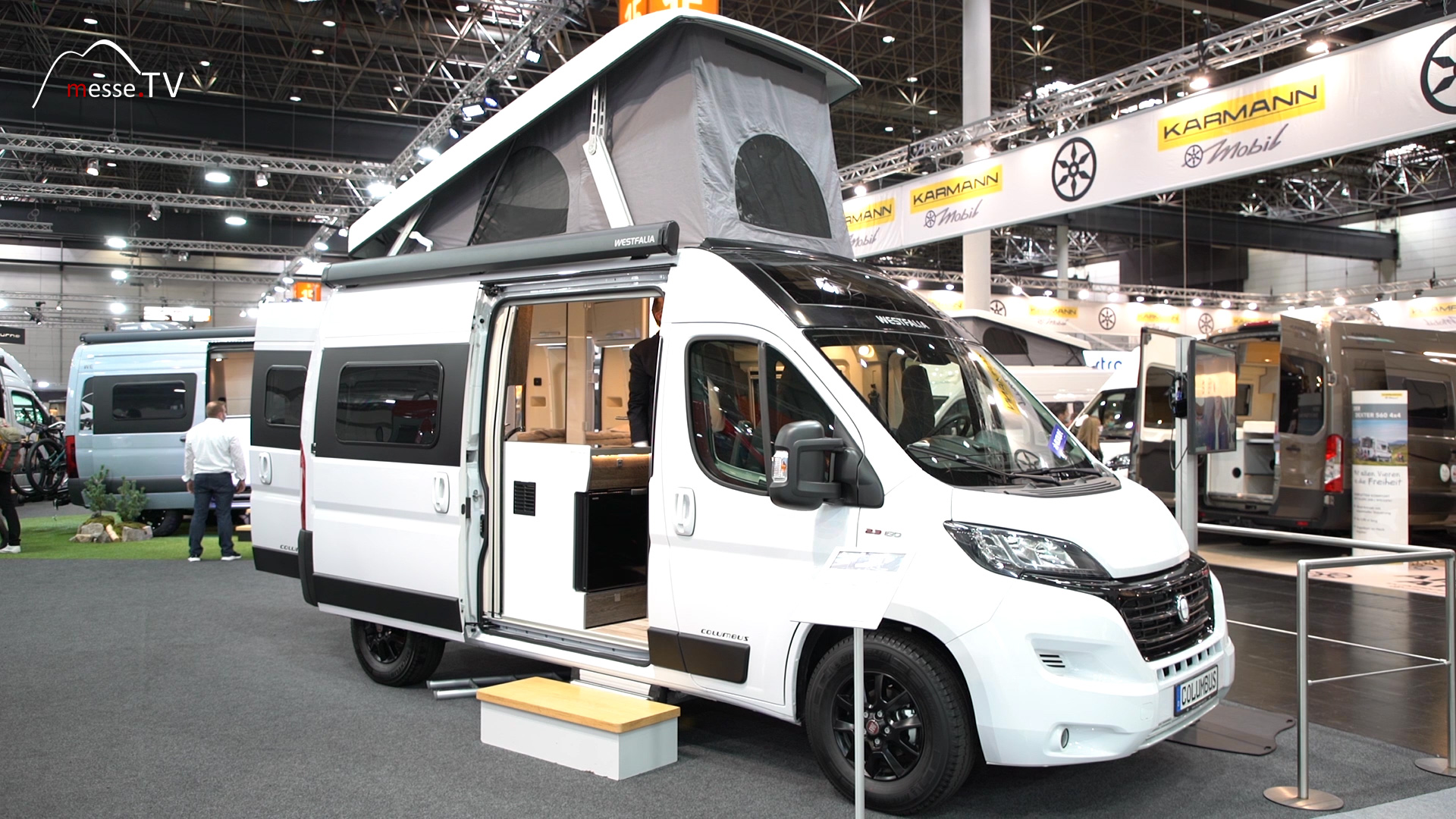
Weinsberg: Caravan CaraCito without gas
We take a closer look at Weinsberg's trade fair innovation at the Caravan Salon in Düsseldorf: the CaraCito caravan. A caravan without gas where you can do everything you need to r... Electric Caravan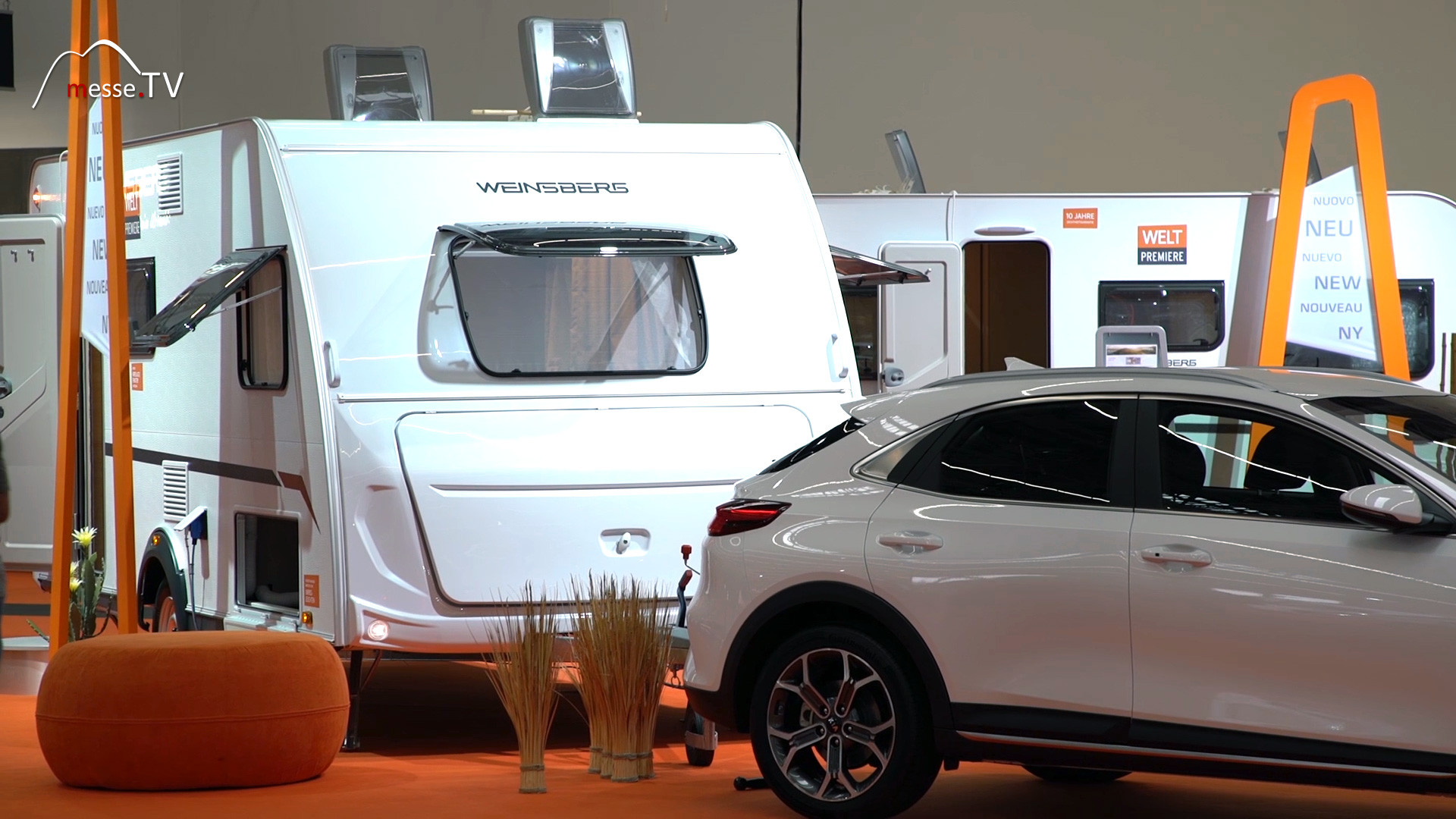
Hobby Caravan: motorhome Alkoven
Hobby Caravan's Alkoven motorhome is aimed primarily at families. The new alcove model is now part of the Ontour series. We visited Hobby Caravan at the Caravan Salon Dusseldorf. T... Motorhome Alkoven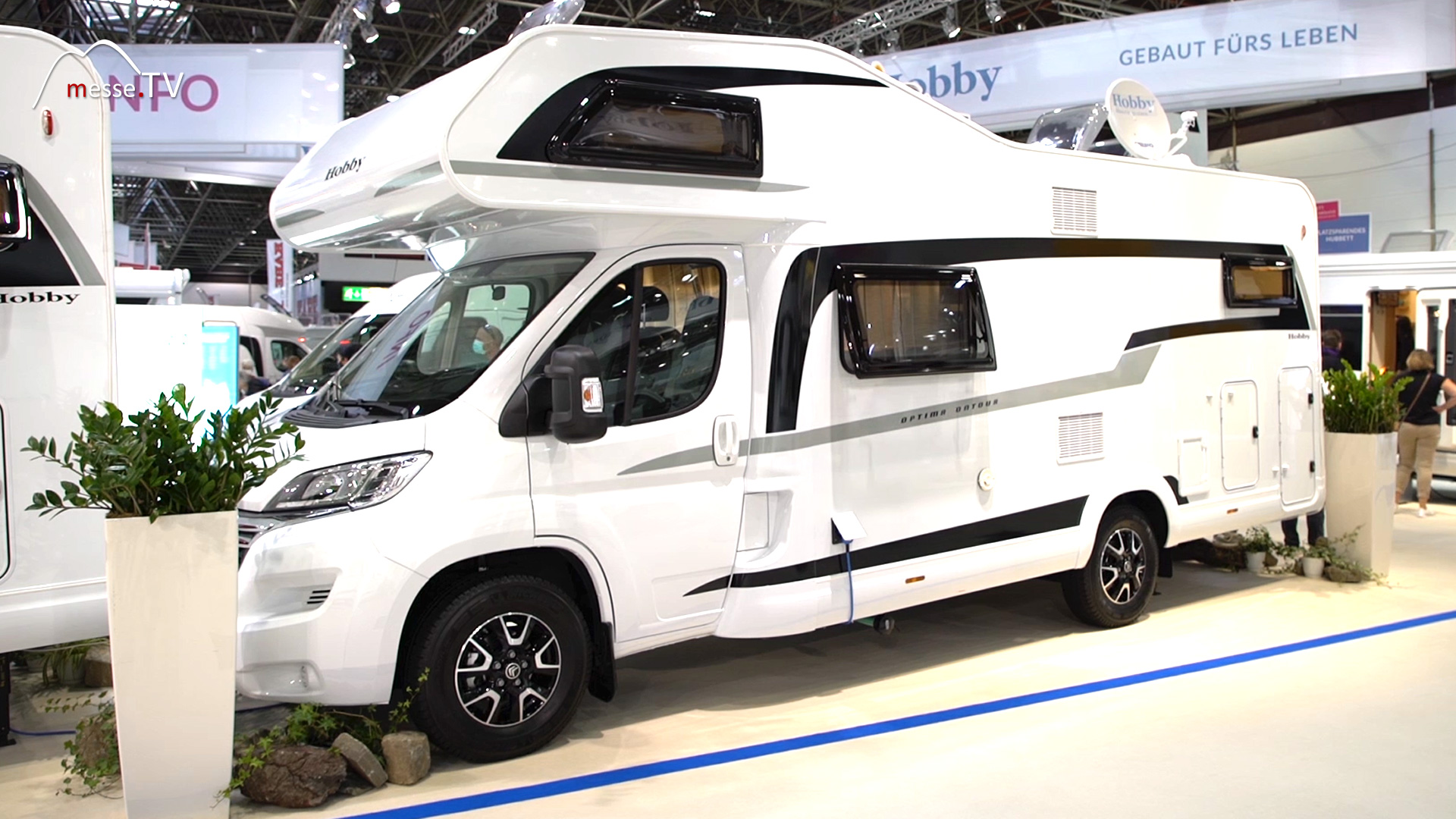
Fendt Caravan Bianco active - Messe.TV
The Fendt Bianco active is the largest caravan from Fendt Caravan. The caravan is very spacious and also offers enough room for large families. It can sleep up to 6 people without ... Fendt Family Model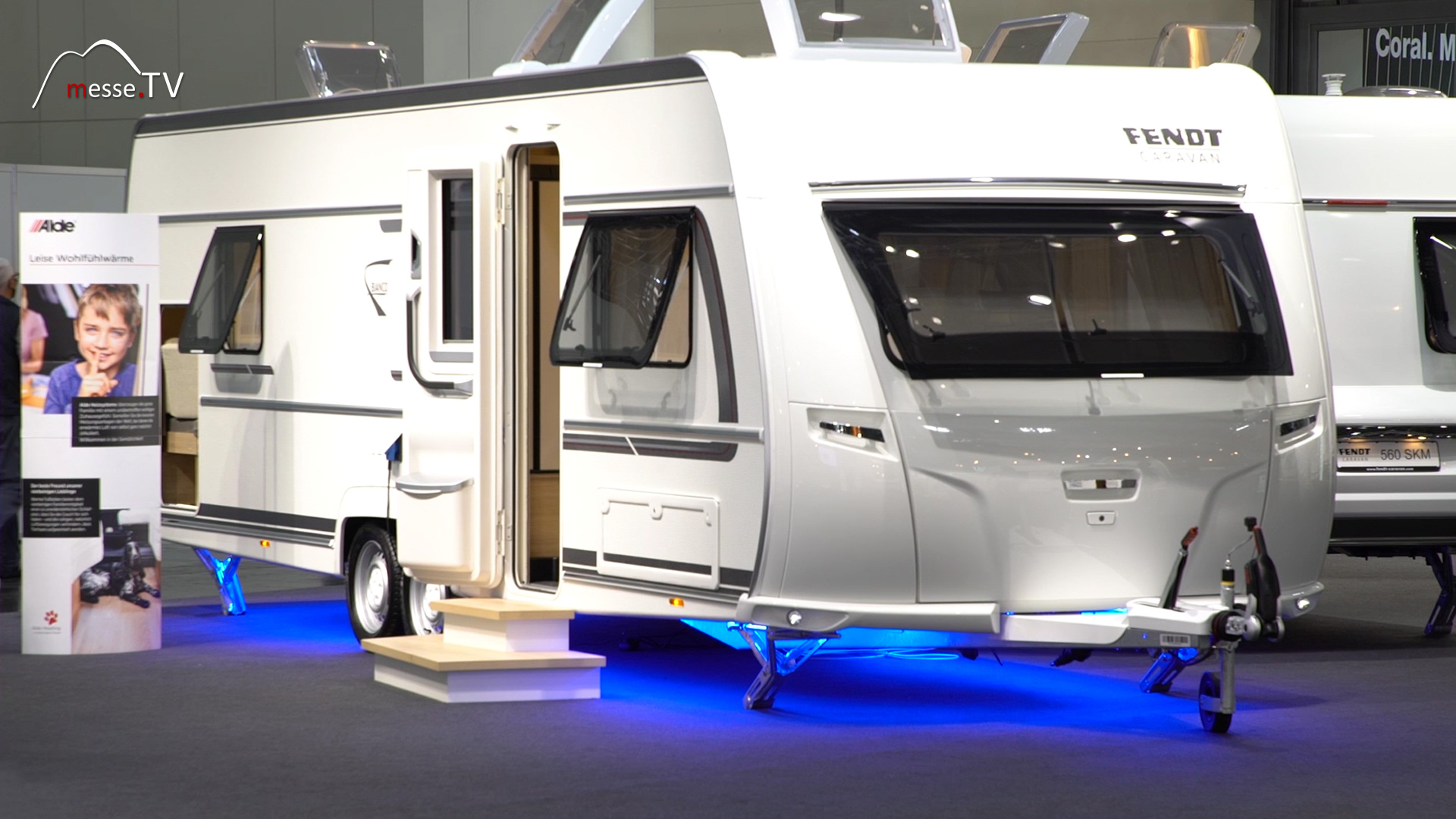
Eila 5 star camping: Suite on wheels
Can camping also be luxury? This is definitely the case when camping with the 5-star suite on wheels from Eila. Here you reside in an impressive 35 square meters of living space. T... Luxury Camping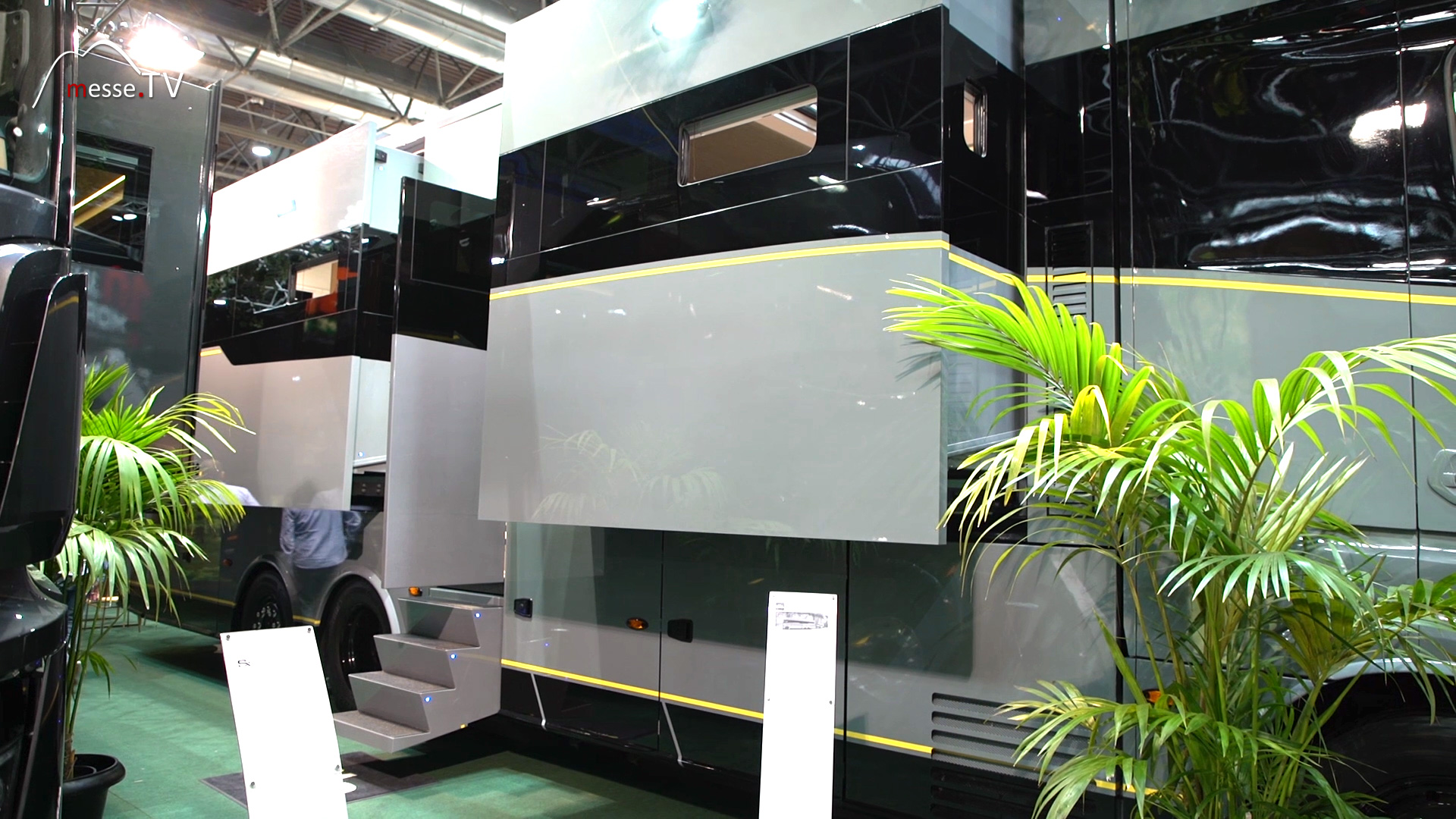
Caravan-Service Neuhaus: Caravan + motorcycle
The caravan that Caravan-Service Neuhaus is showing us at the Caravan Salon 2020 in Düsseldorf will really delight motorcycle enthusiasts. Because the Racing 300 caravan model offe... Caravan + Motorcycle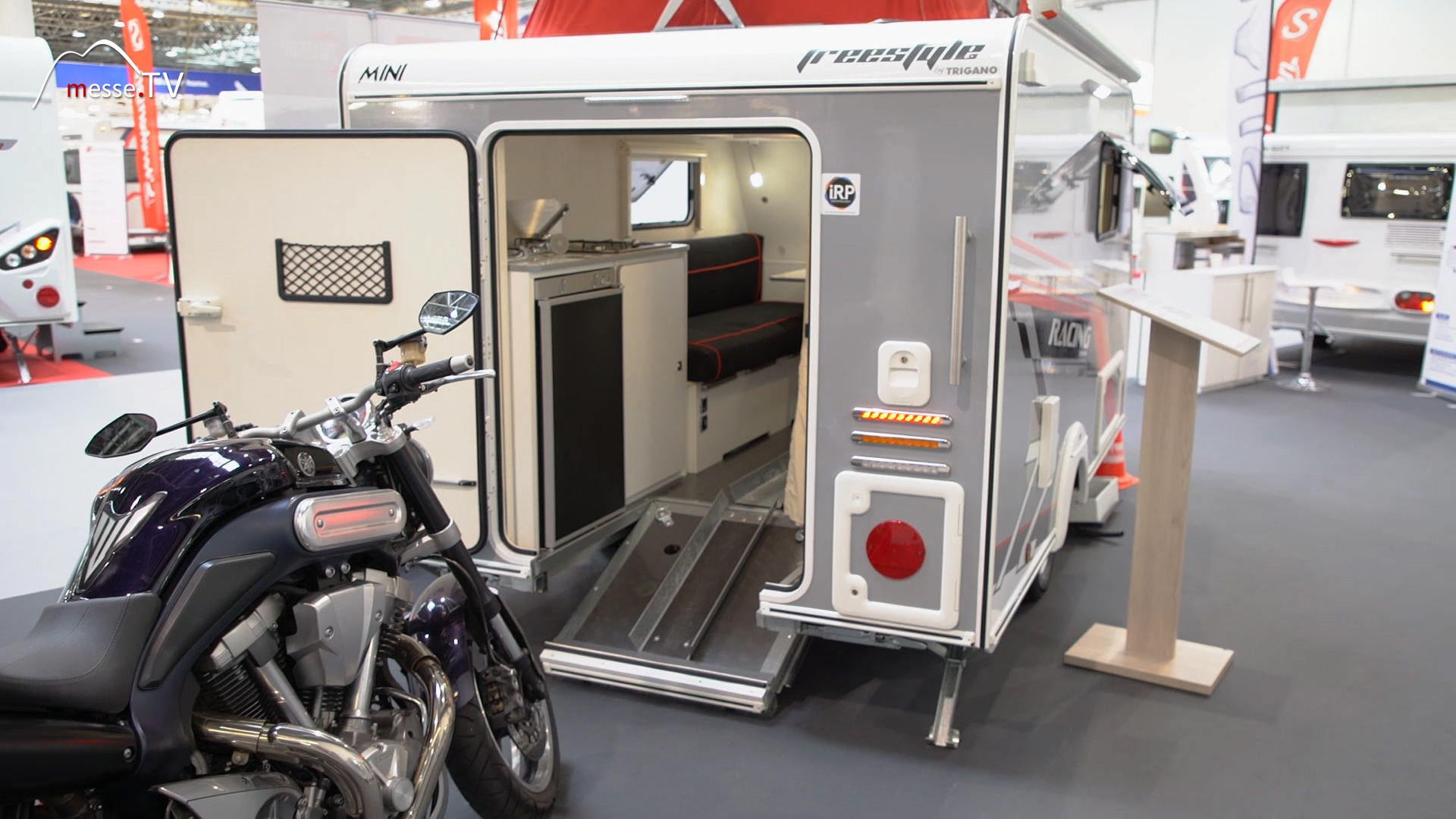
Campwerk: iKamper Roof tent
Simply sleep on the roof of your car while on vacation? It's possible with the iKamper. Among other advantages, the roof tent seems to offer more comfort than pitching a tent on th... iKamper Roof Tent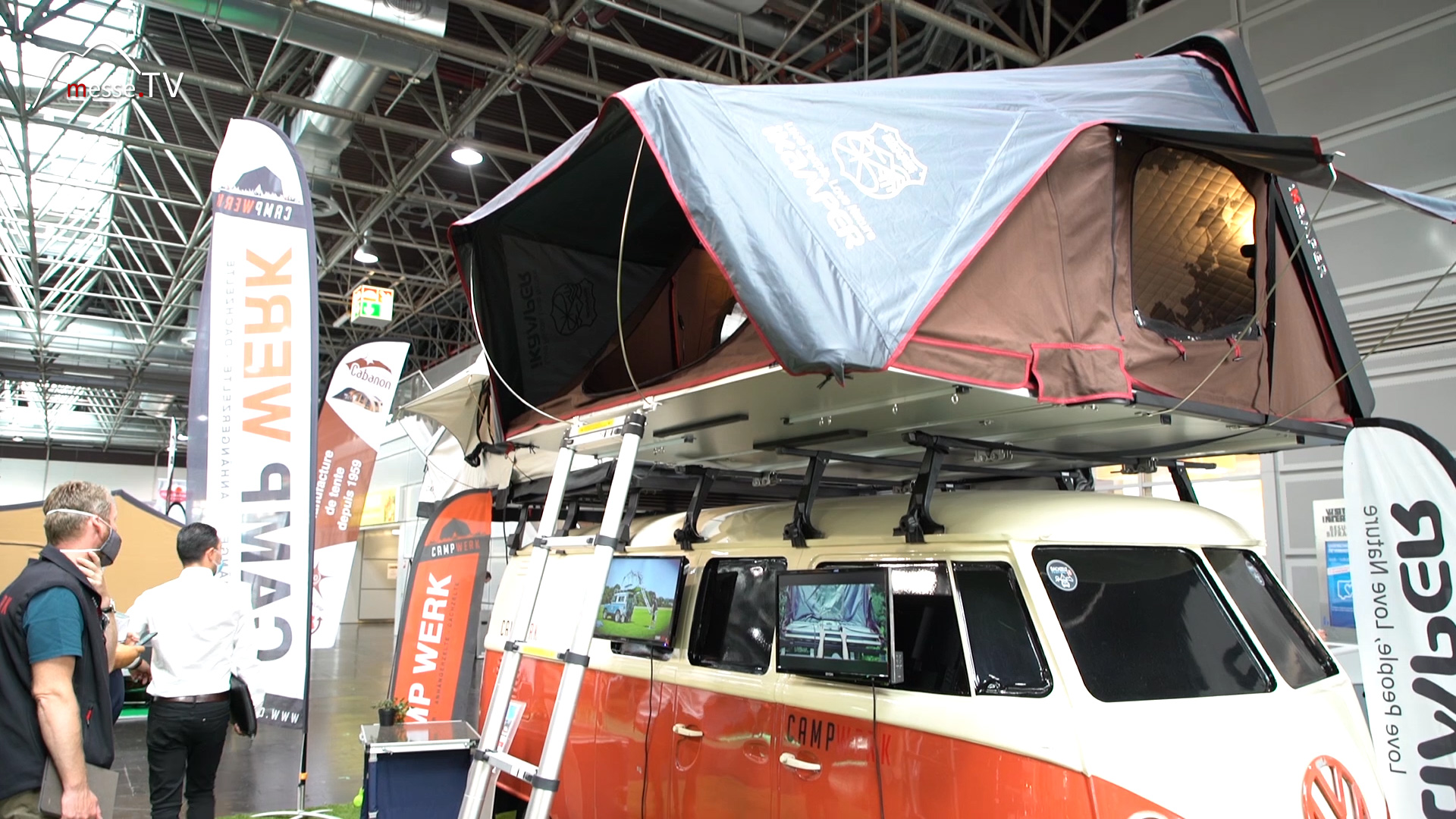
Camping Adventure Papendick: Lifestyle Camper
When it comes to caravans, the bigger the better. But with the Lifestyle Camper, compactness is precisely the concept. Camping Adventure Papendick shows us the compact caravan at t... Compact Camper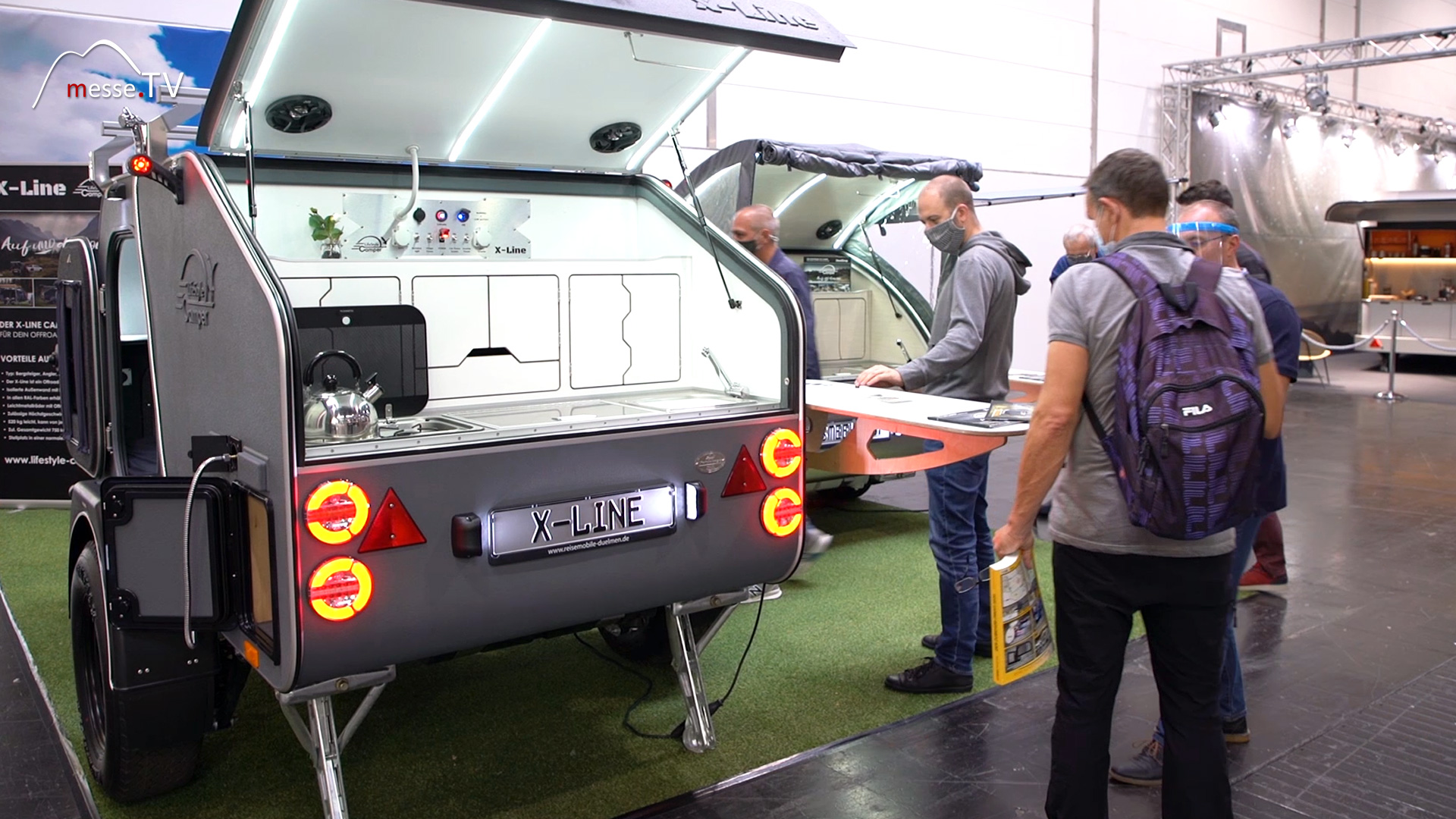
Why caravanning has grown so strongly
The boom in caravanning cannot be explained solely by ‘more leisure time’ or a trend. Caravanning fits in with a society that values flexibility more and seeks security at the same time. Many travellers want to be independent of check-in times, rigid routes and crowded hotel complexes. They want to remain spontaneous and discover new travel routes, but still have a reliable place to retreat to. Caravanning is thus an alternative to standardisation without slipping into complete improvisation. There is also a cultural factor: travel is increasingly seen as part of one's lifestyle. The journey is not just a means to an end, but part of the experience. This attitude finds a suitable format in caravanning – with the caveat that freedom only works if technology and rules are understood. Those who set off without preparation will quickly realise that this form of travel is flexible, but not arbitrary.
Travel: Vehicle concepts and their logic on the road
The choice of vehicle has a greater impact on caravanning than on many other types of travel. A motorhome combines driving and living in one vehicle. This allows for spontaneous stopovers, short stays and a high degree of independence, because everything stays on board. At the same time, the demands on driving experience, space requirements and planning increase, especially in densely trafficked regions or cities. A caravan works on a different principle: living and driving are separated by a towing vehicle pulling the body. This creates a certain amount of mobility at the parking spot because the car can be used without the body. On the other hand, handling is more demanding, for example when manoeuvring, choosing a parking spot or on narrow roads. The campervan often stands for compactness. It is closer to everyday life, is often easier to move and is better suited to mixed travel profiles that also involve city centres, short stopovers or smaller parking spaces. In return, living comfort is more dependent on clever space organisation. In practice, these concepts are not rigid camps: many travellers switch depending on their stage of life, travel duration and budget – and this is precisely where the breadth of caravanning comes into play.
Discover technology, self-sufficiency and the limits of what is possible
Caravanning thrives on self-sufficiency, but self-sufficiency is not a romantic state, but a technical system. Energy, water, heating, cooling, ventilation and waste disposal must function reliably. Modern on-board batteries, solar solutions and control systems make longer downtimes possible, but at the same time, complexity is increasing. Those who use technology must understand it – and those who do not understand it become dependent more quickly than they would like. Maintenance and planning become crucial factors, especially on longer trips. Tyre pressure, payload, gas supply, water hygiene and electrical loads are not details, but safety and comfort issues. At the same time, caravanning technology has become significantly more professional: assistance systems and navigation make driving easier, sensors reduce the risk of damage when manoeuvring, and digital displays make consumption and reserves more transparent. All of this lowers the barrier to entry – but does not replace the responsibility that comes with a large, heavy vehicle.
Parking spaces, campsites and conflicts over space
As caravanning grows, so does the pressure on infrastructure. Parking spaces are scarce in many regions, campsites are full in high season, and local authorities are increasingly responding with regulations because otherwise uncontrolled use leads to conflicts. Public spaces are not designed to serve as permanent overnight accommodation. At the same time, the need is real because travellers do not want to or cannot exclusively use traditional campsites. Infrastructure must therefore be thought of in a differentiated way: Short-term parking spaces for travellers passing through function differently from rest areas with amenities. And what is suitable for a compact vehicle may be impractical or simply impossible for a larger model. Added to this are the interests of local residents, nature conservation and tourism management. Acceptance arises where rules are clear and adhered to – and where local authorities create facilities that guide usage rather than simply suppressing it. Typical elements that determine acceptance in many regions are:
- Clearly designated parking spaces with comprehensible rules
- Functional supply and disposal facilities, without detours or improvisation
- Control of utilisation in hotspots instead of uncontrolled growth
- Consideration for nature zones and residential areas, especially at night
Environmental issues and the bottom line
Caravanning is inevitably part of the environmental debate because vehicles are large, consume energy and take up space. At the same time, the bottom line is not automatically worse than for other forms of travel. Those who travel with several people, stay in one place for longer and avoid changing hotels can relativise emissions and resource consumption. The decisive variable is behaviour: mileage, speed, length of stay, use of infrastructure and handling of waste and waste water. The market is responding with efficiency improvements, lighter materials and new drive concepts. This is relevant, but it is not the whole story. Environmental impact is not only created by the engine, but also by the culture of use. Those who ignore rules and pollute sensitive areas not only harm nature, but also the acceptance of this form of travel as a whole.
Caravanning as part of modern travel culture
Caravanning remains attractive because it offers a freedom that has become rare in traditional tourism: not as a boundless promise, but as a real opportunity to shape one's own experience. Motorhomes, caravans and campervans are not just buzzwords, but clear concepts that serve different needs. The future of this form of travel will depend on how well technology, infrastructure and responsibility come together. If this succeeds, caravanning will remain a model for travelling at your own pace – without overburdening the spaces in which it takes place.
Trade fair reporting Germany - Trade fair knowledge, dates & events


