Banderoliermaschine US-3000 für Verpackung mit Papier
von Jürgen Groh - 2024-10-01Die Banderoliermaschine US-3000 für Verpackung mit Papier steht für einen Ansatz, der Verpackung neu denkt. Statt Produkte vollständig zu umhüllen, werden sie mit einer schmalen Banderole zusammengefasst.
Dieses Prinzip reduziert Materialeinsatz und verändert gleichzeitig die Anforderungen an Technik und Prozesse. Die Begriffe Banderoliermaschine, US-3000, Verpackung und Papier beschreiben dabei nicht nur einzelne Komponenten, sondern ein System, das auf Effizienz und Anpassungsfähigkeit ausgerichtet ist. Im Zentrum steht eine Maschine, die mit unterschiedlichen Materialien arbeiten kann – vor allem Papier, aber auch Folien. Der Trend geht dabei klar in Richtung papierbasierter Lösungen. Genau an dieser Stelle setzt der Hersteller an und positioniert seine Technik als Alternative zu klassischen Verpackungsverfahren.
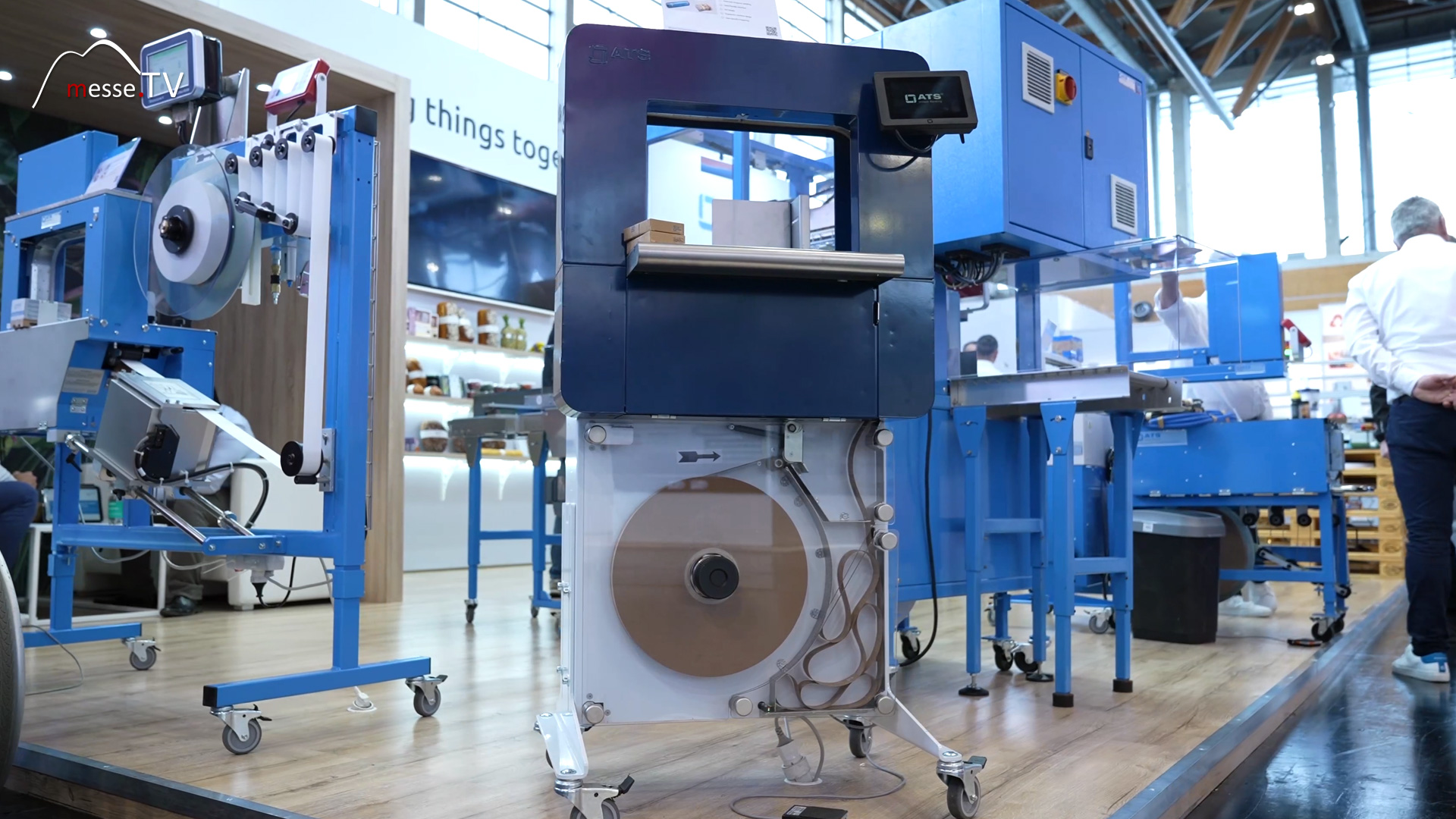
ATS-Tanner Banderoliermaschine US-3000 im Überblick
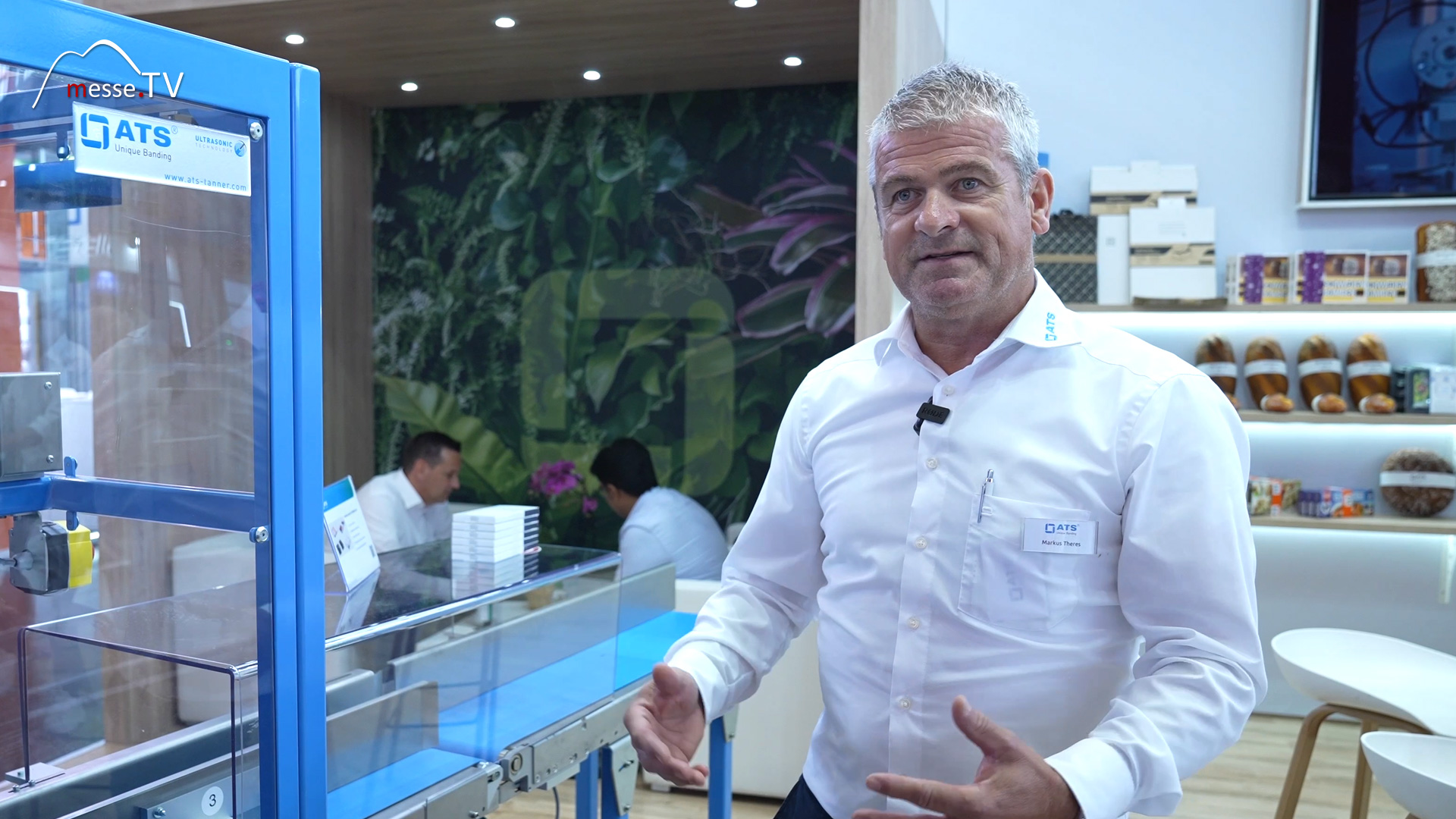
Die US-3000 ist als Einstiegsmodell in die Ultraschalltechnik konzipiert. ATS-Tanner nutzt dabei ein Verfahren, bei dem die Banderole nicht thermisch verschweißt, sondern über Ultraschall verbunden wird. Das ermöglicht präzise Verbindungen bei gleichzeitig geringem Energieeinsatz. Die Maschine arbeitet mit unterschiedlichen Bandbreiten und Formaten. Im gezeigten Aufbau liegt die Bandbreite bei 30 Millimetern, weitere Varianten mit 50 und 60 Millimetern sind verfügbar. Auch bei den Bogengrößen besteht Flexibilität – von kompakten Formaten bis hin zu größeren Anwendungen mit bis zu 500 Millimetern Breite und Höhe. Diese Variabilität ist entscheidend, weil sie die Maschine für unterschiedliche Branchen einsetzbar macht. Sie reicht von kleinen Druckerzeugnissen bis hin zu industriellen Verpackungsaufgaben.
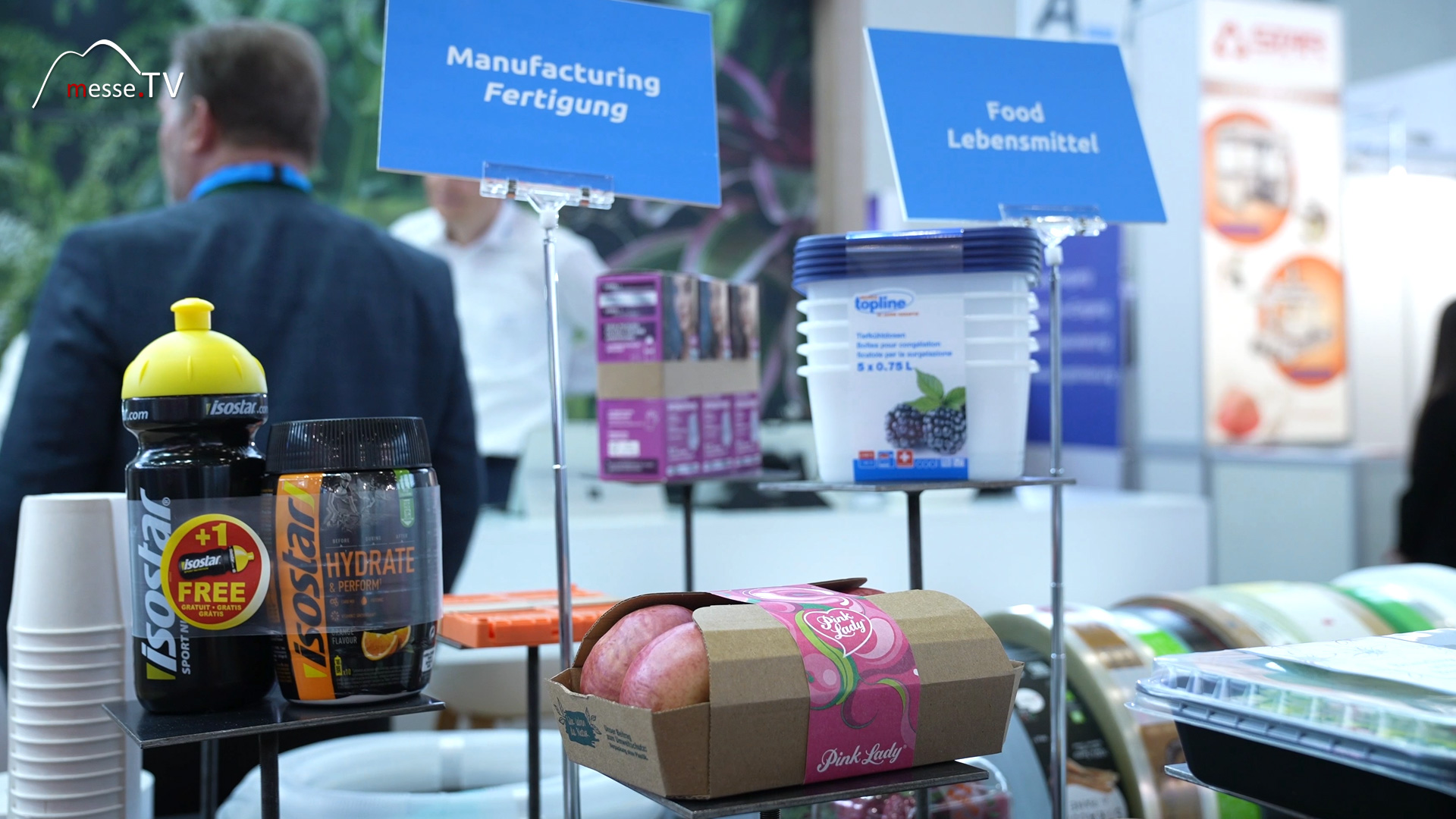
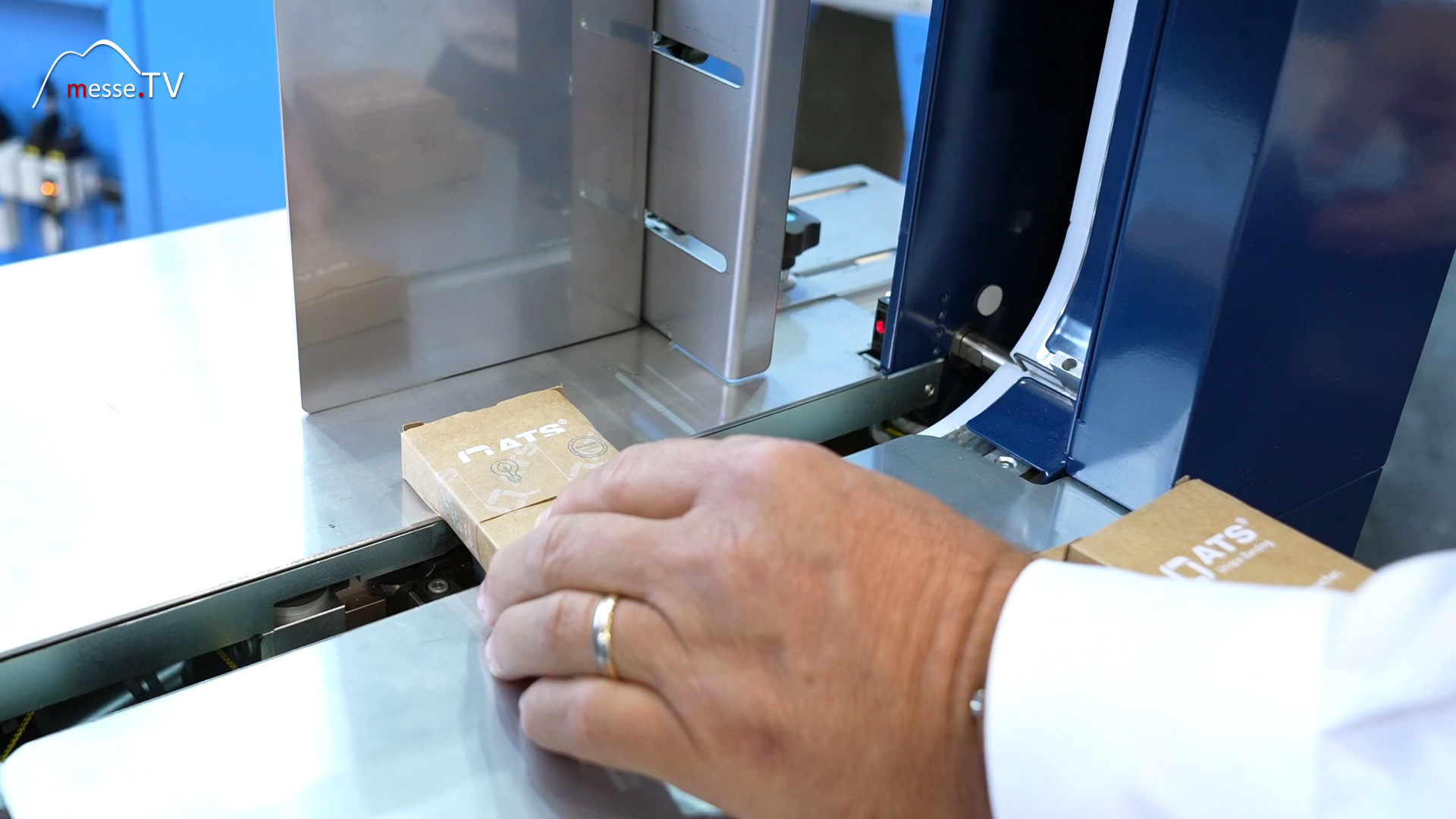
Verpackung mit Papier statt Folie als strategischer Ansatz
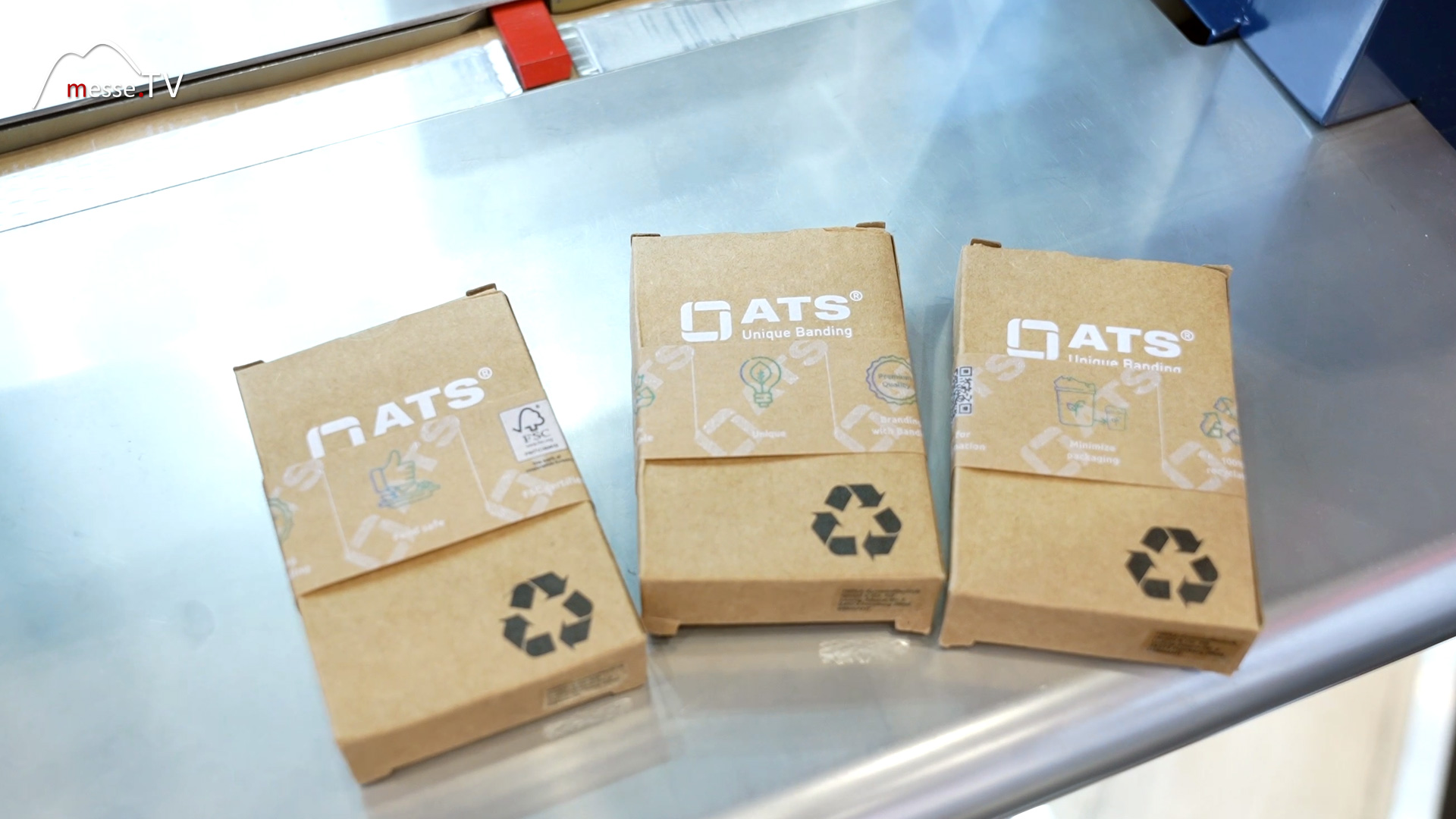
Ein zentraler Aspekt der Entwicklung ist der Materialwechsel. Während klassische Verpackung häufig auf Kunststofffolien basiert, rückt Papier zunehmend in den Vordergrund. ATS-Tanner reagiert darauf mit einem speziell entwickelten Papiermaterial, das einen sehr geringen Fremdstoffanteil aufweist. Das bedeutet konkret: Die Banderole kann gemeinsam mit Papierabfällen entsorgt werden, ohne dass eine aufwendige Trennung notwendig ist. Im Vergleich zu beschichteten Materialien, die häufig im Umlauf sind, vereinfacht das den Recyclingprozess. Gleichzeitig bleibt die Maschine offen für andere Materialien. PE- und PP-Folien können weiterhin eingesetzt werden, etwa wenn spezifische Anforderungen dies erfordern. Auch hier spielt Recyclingfähigkeit eine Rolle, da viele dieser Materialien bereits aus recycelten Rohstoffen bestehen oder wiederverwertbar sind.
Banderolierung von Drucksachen bis Lebensmittel
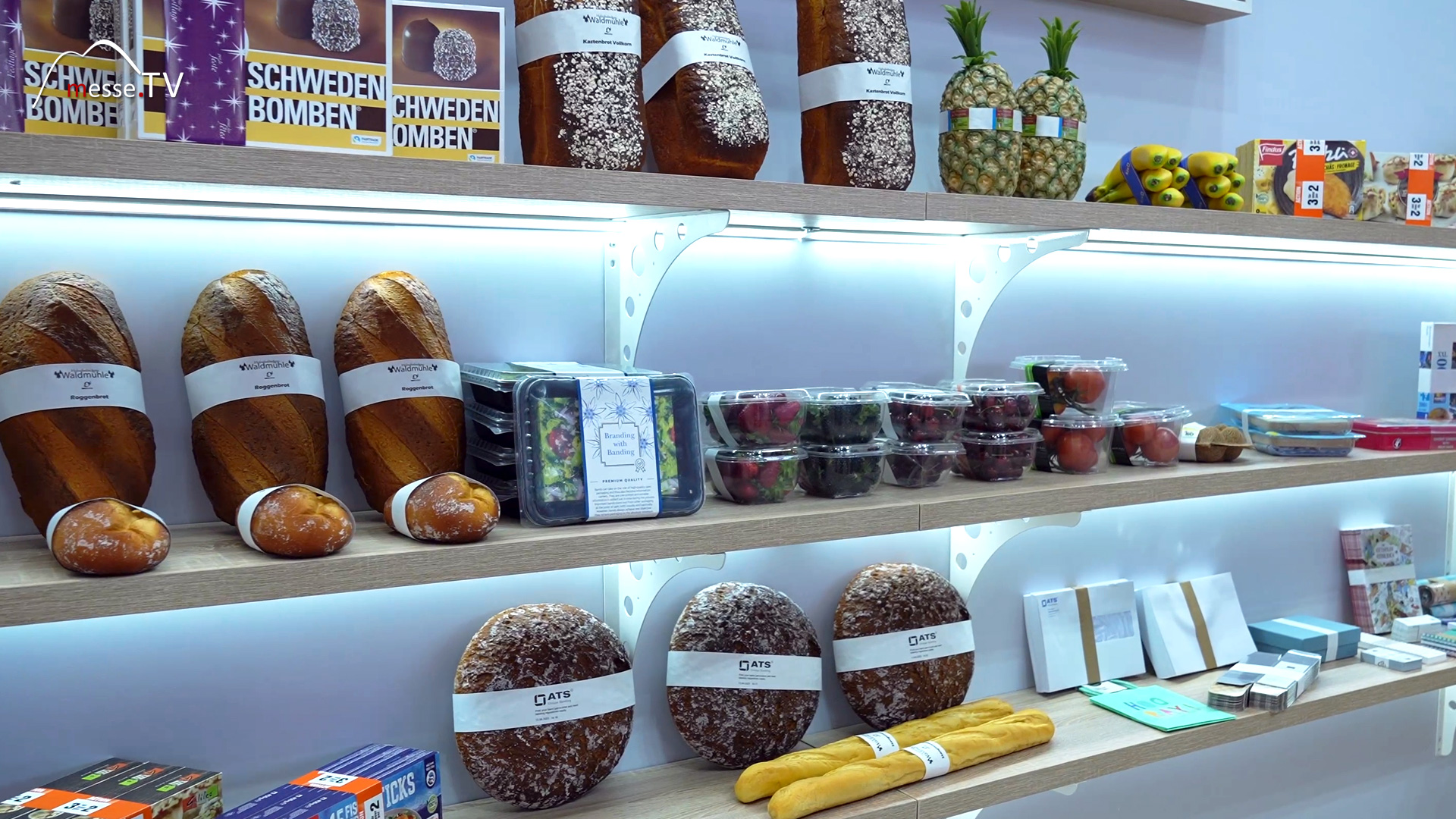
Die Einsatzbereiche der Maschine sind breit gefächert. Die Banderolierung eignet sich überall dort, wo Produkte gebündelt oder gekennzeichnet werden müssen, ohne sie vollständig zu verpacken.
- Druckereien für Flyer, Postkarten oder Visitenkarten
- Pharmaindustrie für Kartonagen und Produktbündel
- Lebensmittelbereich, etwa Gemüse wie Zucchini
- Wäschereien zur Kennzeichnung und Bündelung von Textilien
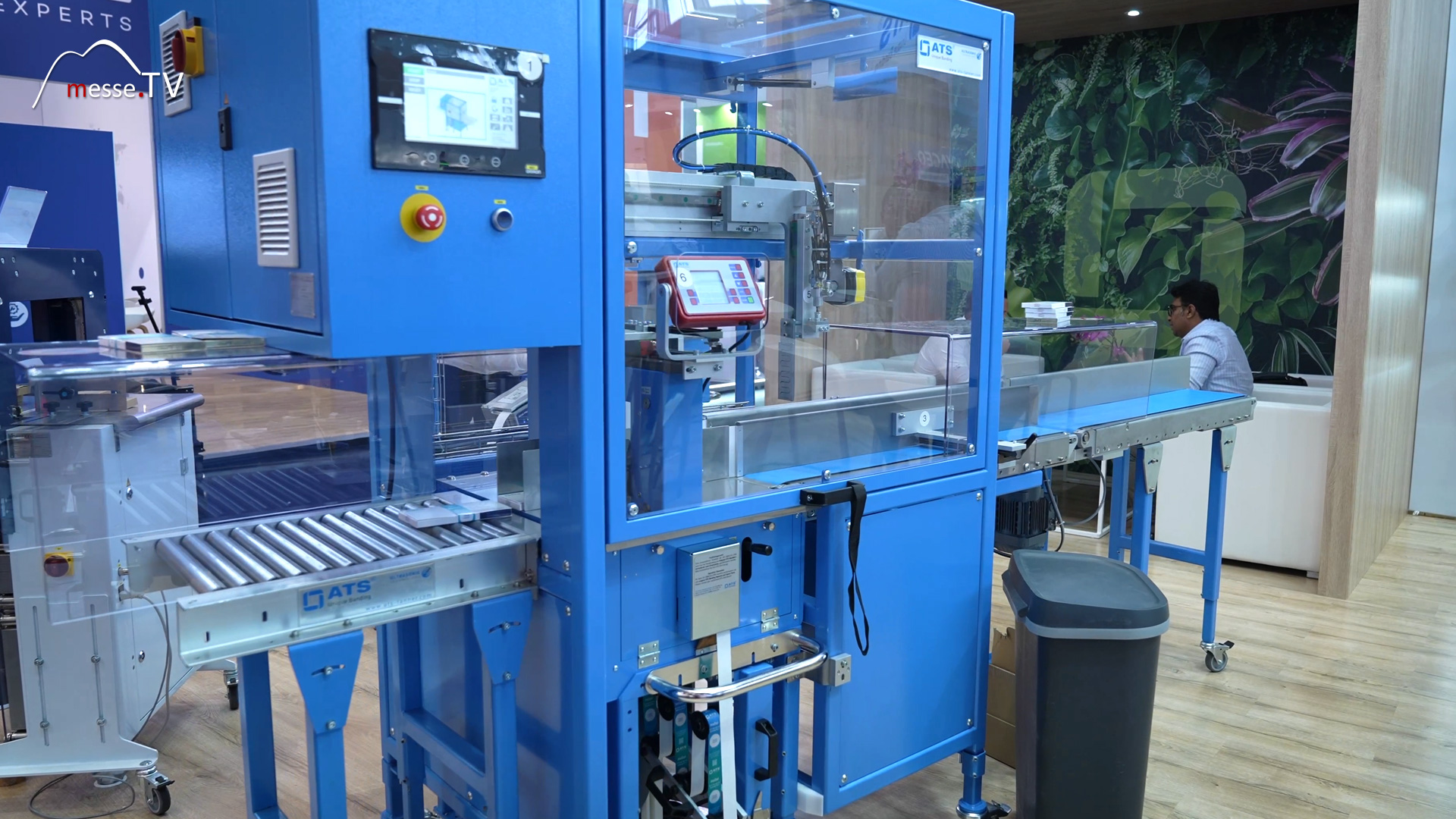
Automatisierte Linie mit Banderoliermaschine und Fördertechnik
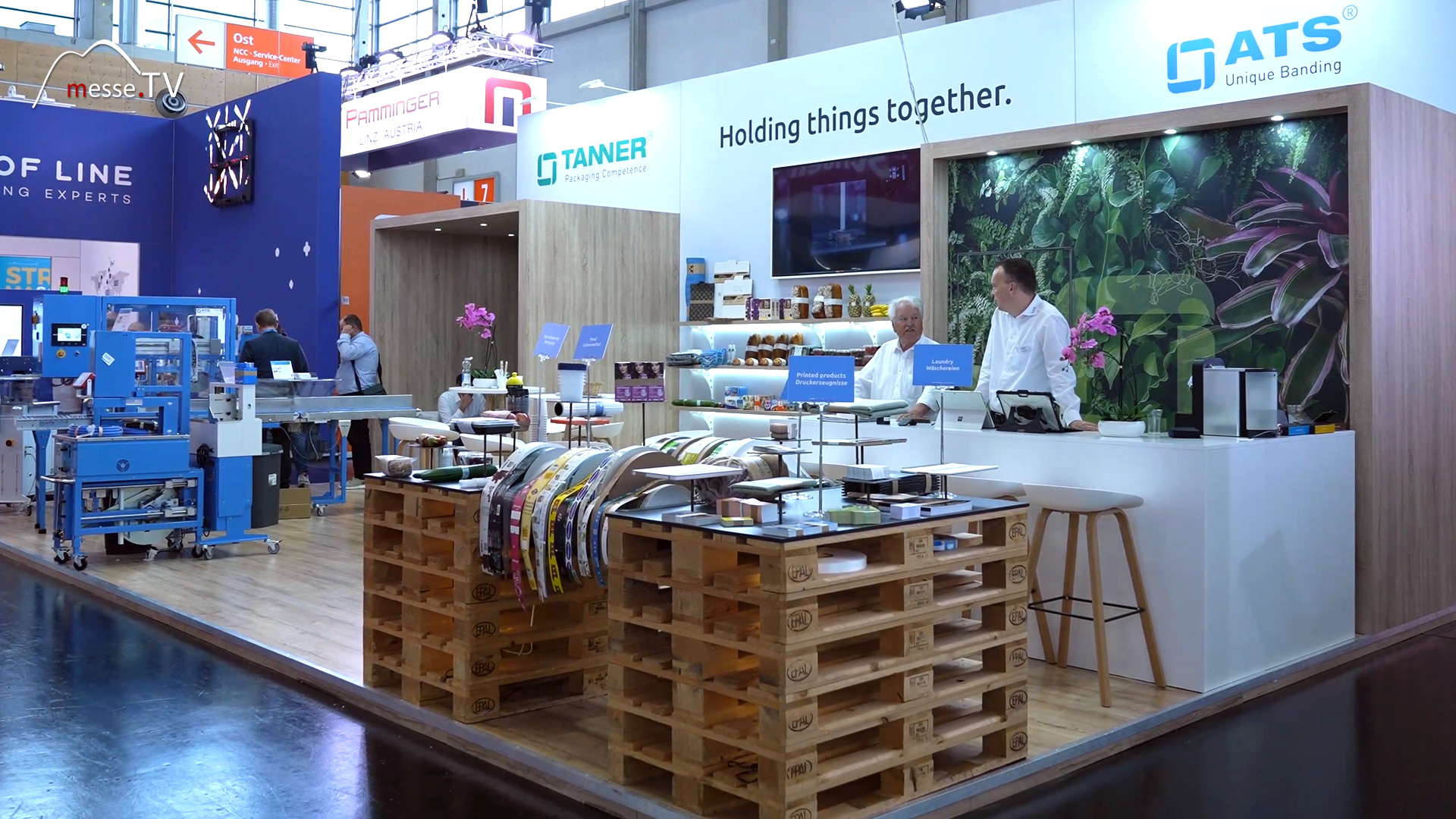
Neben der Tischmaschine existieren auch automatisierte Lösungen. In diesen Anlagen werden Produkte über Förderbänder zugeführt, positioniert und anschließend banderoliert. Ein Servo-Schieber sorgt dafür, dass die Artikel exakt ausgerichtet sind, bevor die Banderole angebracht wird. Das System kann in bestehende Produktionslinien integriert werden. Produkte werden entweder direkt von einer Vormaschine übernommen oder manuell aufgelegt. Die anschließende Verarbeitung erfolgt kontinuierlich und positionsgenau. Ein wichtiger Punkt ist die Möglichkeit, vorgedruckte Banderolen einzusetzen. Damit wird die Verpackung gleichzeitig zum Informationsträger. Produktkennzeichnung, Markenauftritt und Verpackung verschmelzen zu einem Schritt.
Integration von Druck und Verpackung in einem Prozess
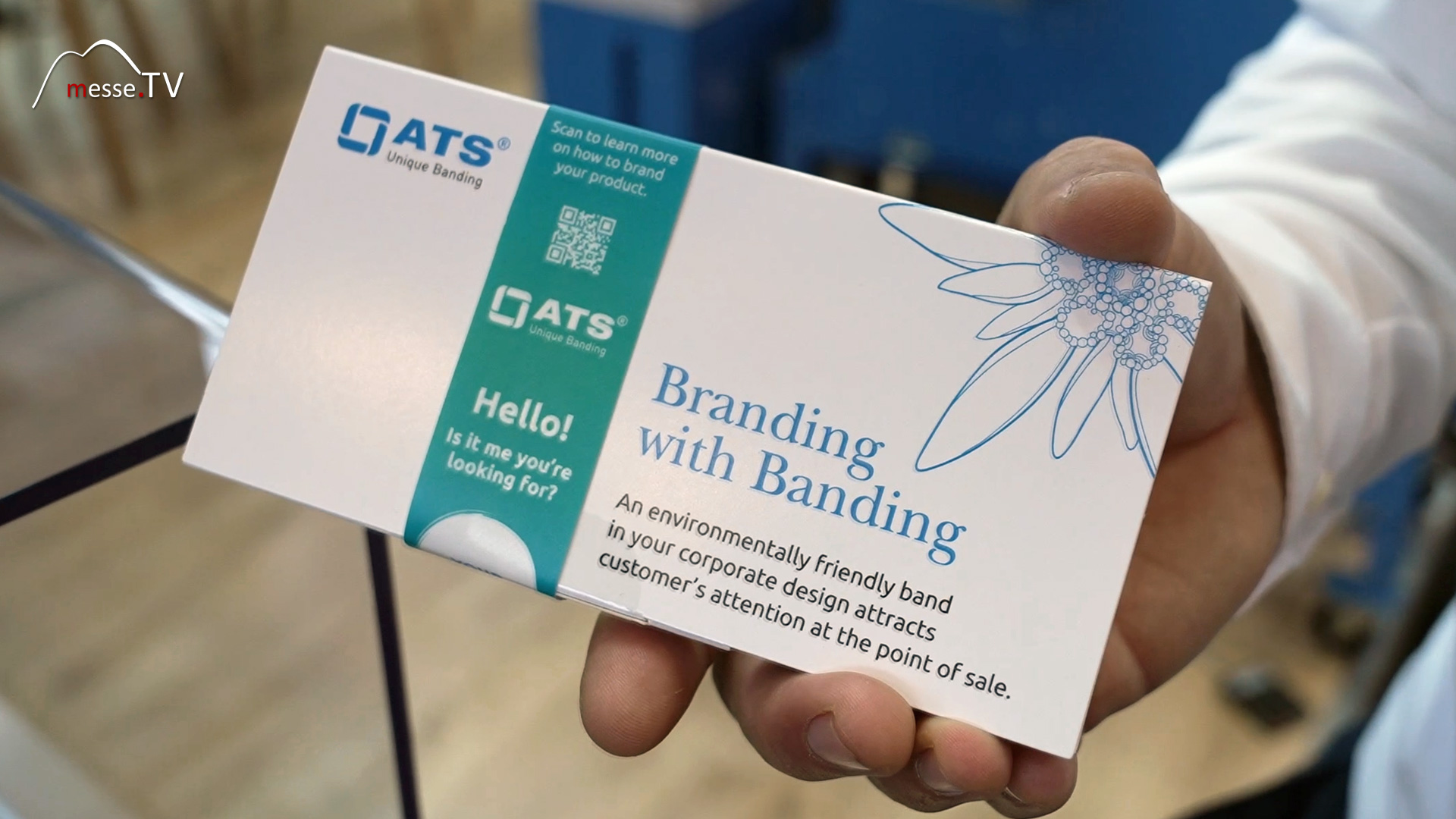
Eine Erweiterung der Anlage besteht in der Integration eines Thermotransferdruckers. Damit lassen sich Inhalte direkt auf die Banderole aufbringen – in Echtzeit während des Verpackungsvorgangs. Dieses Prinzip wird häufig als „Banding with Branding“ beschrieben. Es bedeutet, dass Kennzeichnung und Verpackung nicht mehr getrennt erfolgen müssen. Statt eines nachgelagerten Etikettierschritts entsteht ein kombinierter Prozess. Die Vorteile liegen auf der Hand: weniger Arbeitsschritte, geringerer Platzbedarf und eine höhere Prozessgeschwindigkeit. Gleichzeitig steigt die Flexibilität, da Inhalte kurzfristig angepasst werden können.
Wirtschaftliche Einordnung und technische Positionierung
Mit einem Einstiegspreis von rund 14.000 Euro positioniert sich die US-3000 im unteren Segment professioneller Verpackungstechnik. Sie richtet sich an Unternehmen, die in die Banderolierung einsteigen oder bestehende Prozesse umstellen wollen. ATS-Tanner ergänzt das Portfolio durch weitere Maschinen, etwa Modelle mit thermischem Schweißverfahren. Damit entsteht ein abgestuftes Angebot, das unterschiedliche Anforderungen abdeckt. Auffällig ist, dass die Technik nicht isoliert gedacht wird. Stattdessen steht sie im Kontext kompletter Prozesslösungen – von der Zuführung über die Verarbeitung bis zur Kennzeichnung. Genau darin liegt der Unterschied zu klassischen Einzelmaschinen. Die Banderoliermaschine wird so zu einem Baustein in einer strukturierten Produktionsumgebung, in der Materialeinsatz, Effizienz und Flexibilität zusammen gedacht werden.
Messe-Berichterstattung bundesweit - Messewissen, Termine & Veranstaltungen


