Highlights of Hannover Messe 2017: Innovation and Industry Trends
In 2017, the Hannover Messe set a new visitor record with 225,000 visitors. This largest trade fair for capital goods covers the entire industrial value chain. It is divided into the thematic areas of industrial automation and IT, energy and environmental technologies, industrial supply, production technologies and services, and research and development.
Industrial 3D printing - Proto Labs
Industrial 3D printing is hugely important when it comes to creating functional prototypes. We visited the exhibitor Proto Labs at the Hannover Messe to find out more. Messe.TV presenter Felix Rother was amazed when Managing Director Thomas... Industrial 3D printing - Proto Labs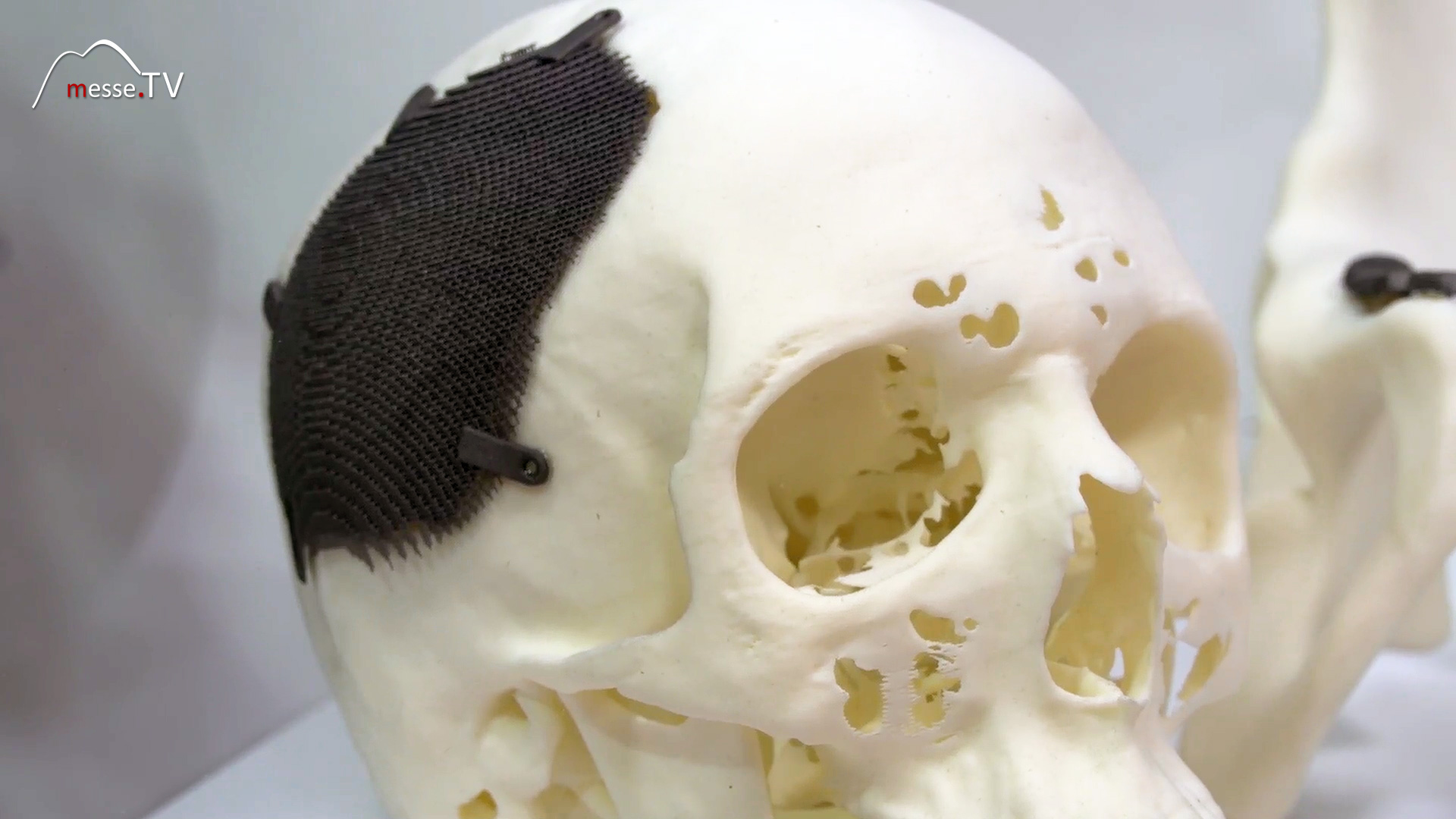
noonee - Chairless Chair
The chairless chair from noonee is certainly a very interesting product for anyone who has to keep changing their workstation during assembly work. There is no chair in the way and yet you have good support when working to protect your back... noonee - Chairless Chair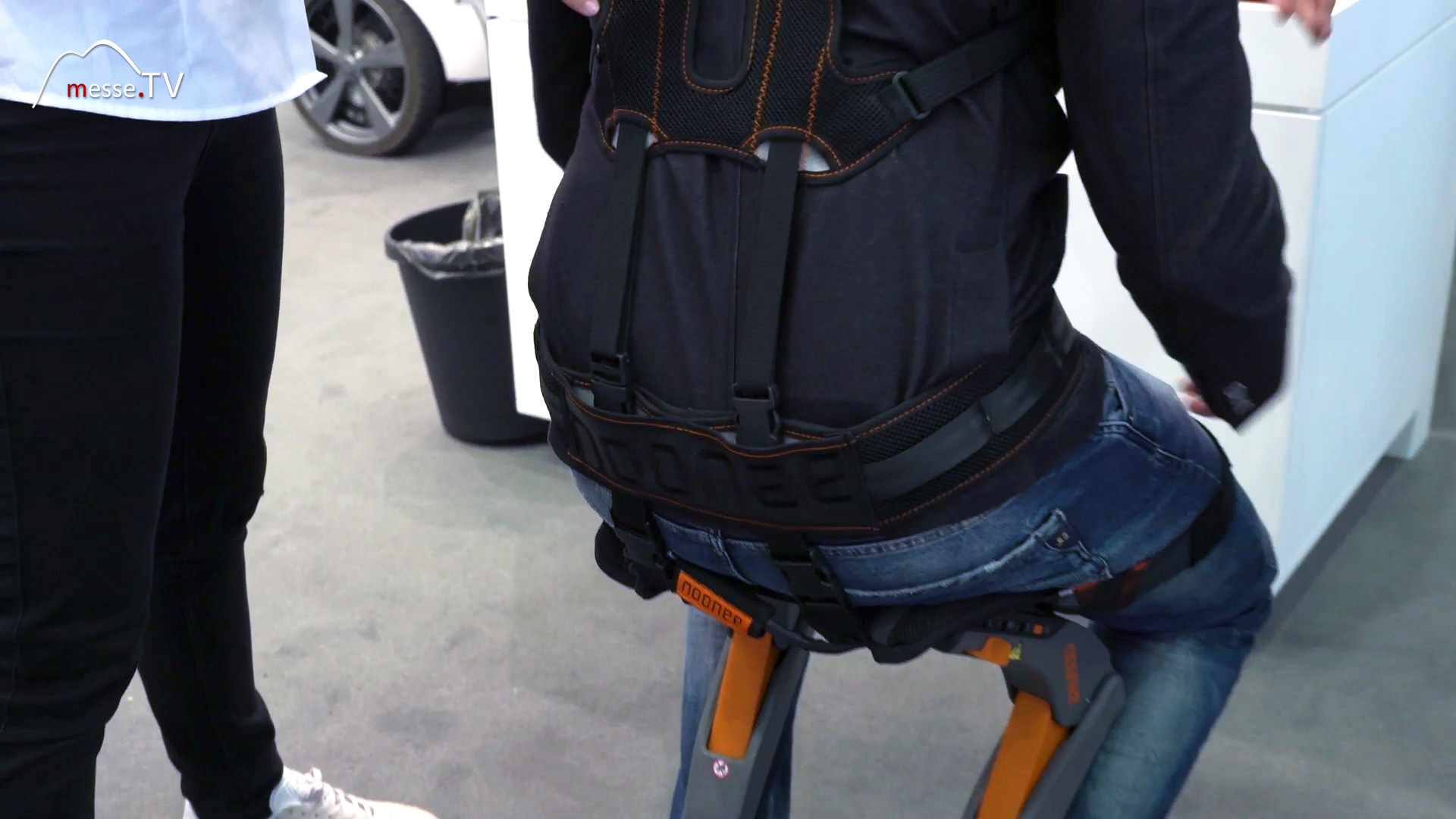
Smart Factory - industry 4.0
Many companies like to talk about Industrie 4.0 - but it often remains very theoretical. The SmartFactoryKL technology initiative is different - here you can see Industrie 4.0 in action. But what exactly is a smart factory or intelligent fa... Smart Factory - industry 4.0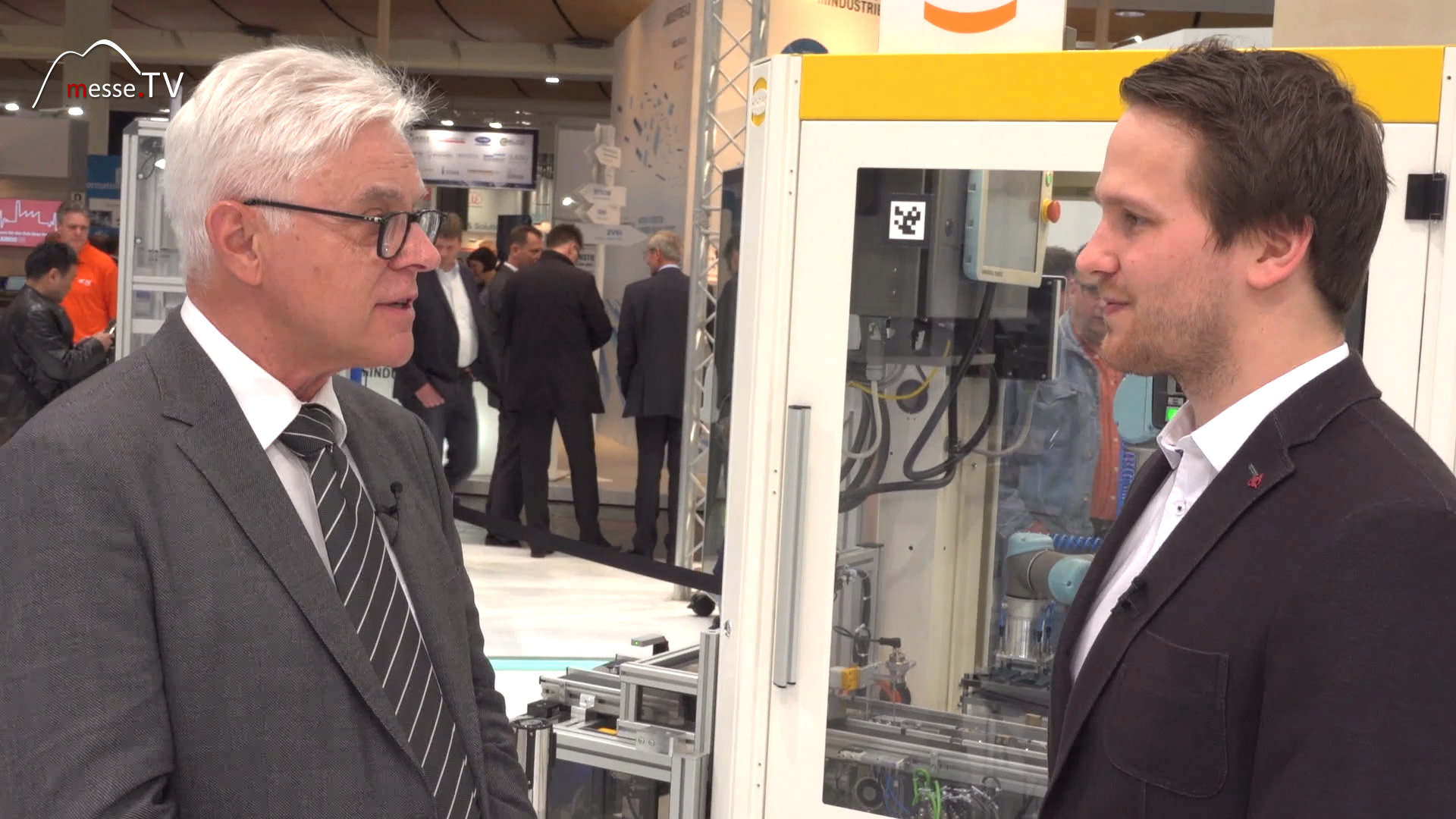
Bosch Rexroth - automation systems
Time Sensitive Networking, or TSN for short, is an important component in an intelligent factory. One of Bosch-Rexroth's strengths is combining existing technologies with new technologies. The derived solutions then flow into the smart fact... Bosch Rexroth - automation systems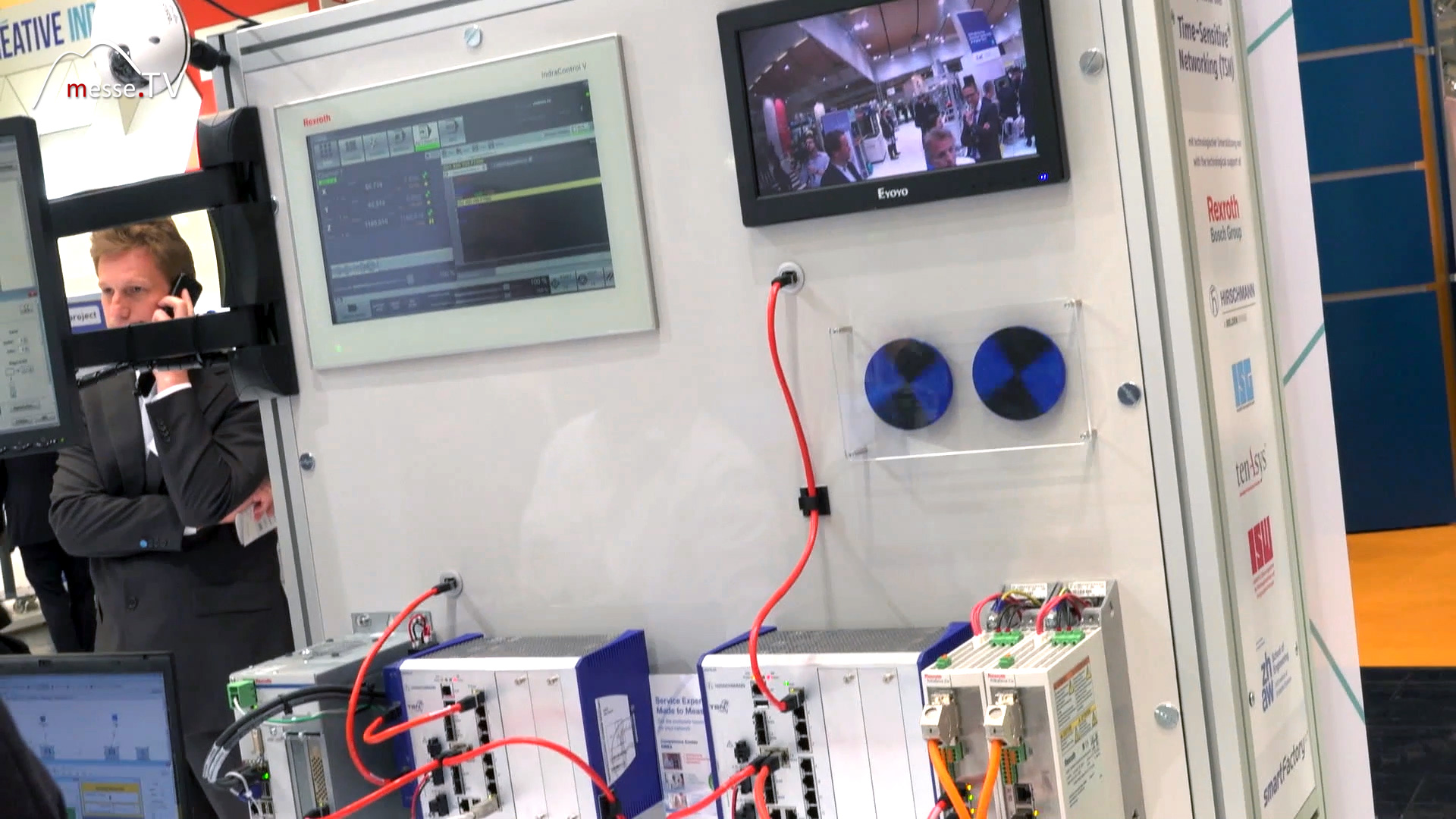
Harting - Connectors + network components
If many modules are to work together, as is the case with the Smarty Factory, then standards are needed. Harting is focusing on Industry 4.0 and is working on testing new technologies and setting standards. Now that many manufacturers have ... Harting - Connectors + network components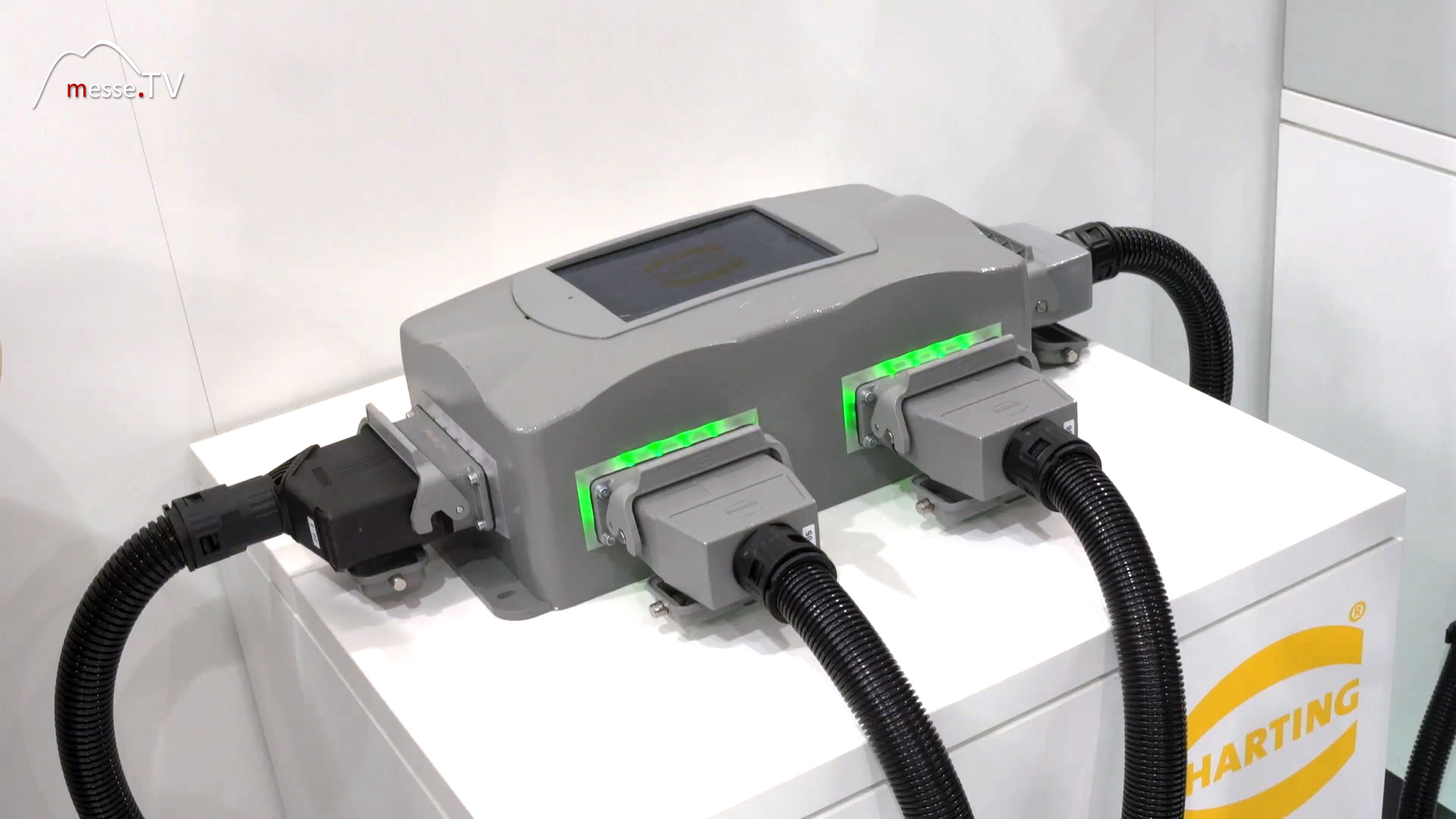
IBM - Security software IoT
Suddenly losing control of the car even though you haven't made a mistake? A horrible idea, but unfortunately quite conceivable. Many people assume that we are talking about autonomous vehicles, but that is not the case. Driver assistance s... IBM - Security software IoT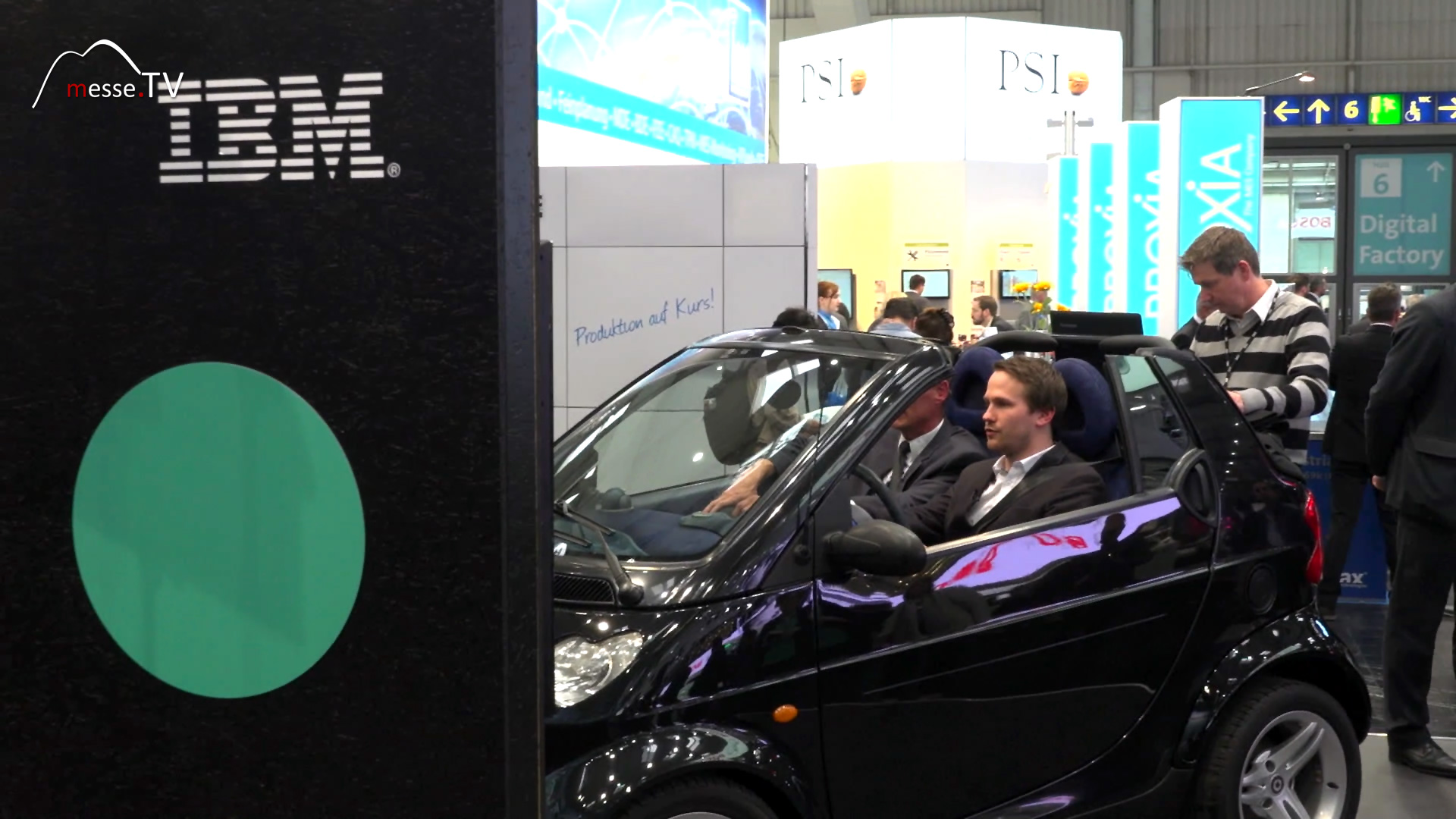
World's largest trade fair for capital goods
Since the first event in 1947, when it was launched as the 1947 Hanover Export Fair, some thematic groups have split off, such as Light + Building, now in Frankfurt, the printing sector with drupa in Düsseldorf and CeBIT, which was held at the same location until 1986. However, these reorganizations did not change its status as the world's largest trade fair for capital goods.
Guiding theme Hannover Messe "Integrated Industry – Creating Value"
The Hannover Messe took place from April 24 - 28, 2017 under the motto "Integrated Industry - Creating Value". Neighboring Poland participated as a partner country with 200 companies and demonstrated its leading position in the field of electromobility. In 2017, the following 7 leading trade fairs took place at the Hannover Messe: Industrial Automation, MDA - Motion, Drive & Automation, Digital Factory, Energy, ComVac, Industrial Supply and Research & Technology. In anticipation of the digital age in companies and energy systems, over 500 application examples for Industry 4.0 were on display. Adaptive robots and technical solutions for the energy transition dominated the scene. Visitors had the chance to learn all about the potential of digitalization and then implement these findings in their own companies.
Focus on collaborative robots and machine learning technologies
Whether cobots (collaborative robots), machine learning technologies, internet-based services or technologies for the energy transition - people are also crucial to the success of Industry 4.0. Training skilled workers in the use of virtual and augmented reality, data glasses and tablets is a prerequisite for more added value. Over 150 start-ups focused on the areas that are so important and necessary for Industry 4.0. They presented storage systems for renewable energy grids, operating systems for augmented reality and small wind turbines for cars and trains in the "Young Tech Enterprises" area, where they came into contact with investors, customers and partners.
World capital of Industry 4.0
With more than 6500 exhibitors from over 70 nations, Hannover Messe 2017 presented itself impressively as the "world capital of Industry 4.0", according to Dr. Jochen Köckler, Member of the Executive Board of Deutsche Messe AG. In summary, he stated "more visitors, more internationality, more solutions".
Trailer for the Hannover Messe 2017
Industry 4.0 as a living reality
At the 2017 Hannover Messe trade fair, the discussion surrounding Industry 4.0 shifted significantly from theory to practice. Instead of abstract concepts, the focus was on concrete implementations, with functioning systems that communicate with each other, evaluate data, and optimize processes in real time.
- Networked production facilities with self-regulating processes
- TSN-based data infrastructures for reliable communication
- Robots that can be flexibly programmed for new tasks
Energy efficiency and system integration as key topics
The energy sector also saw a shift in thinking in 2017: away from isolated solutions and toward integrated system approaches. The trade fair demonstrated how energy generation, storage, distribution, and consumption are increasingly being coordinated in an intelligent manner.
- Modular systems for decentralized energy supply
- Interfaces between industrial manufacturing and energy networks
- Control and optimization through digital platforms
New requirements for qualifications and continuing education
With the introduction of digital systems, the demands on skilled personnel are also growing. Hannover Messe 2017 made it clear that technological progress alone is not enough—it takes people who can understand, operate, and further develop it.
- Virtual training with VR and AR technologies
- Workshops on human-machine interaction
- Models for integrating digital skills into training
Trade fair reporting Germany - Trade fair knowledge, dates & events


