Why mechanical engineering shapes our industrial world
by A. Bergmeier - 2025-12-17
Mechanical engineering is one of those technical disciplines that rarely takes center stage, yet is omnipresent. Hardly any product of everyday life, hardly any industrial process is created without machines, equipment, or mechanical systems. From raw materials to end products, machines work in the background—precisely, reliably, and mostly unnoticed. This inconspicuousness is no coincidence, but rather an expression of an engineering discipline whose goal is to make technology so controllable that it goes unnoticed. Mechanical engineering begins where abstract requirements must be translated into physical reality. It is not just about ideas, but about their feasibility under real conditions. Forces must be absorbed, movements controlled, materials subjected to continuous stress. What works on paper must also work in practice – often for years, in continuous operation, under changing environmental conditions. This proximity to reality continues to shape the industry to this day.
Technology that rarely stands out, yet determines everything
Mechanical engineering is deeply rooted in the structures of modern societies. It enables industrial production, secures supply chains, and creates the technical conditions for mobility, energy supply, and infrastructure. At the same time, it usually remains invisible in everyday life. Machines stand in production halls, plants operate behind closed doors, and processes run automatically. Only when something stops working does technology come into focus. This invisibility is an expression of technical maturity. The goal is not to attract attention, but to achieve stability. Systems should work predictably, processes should remain reproducible, and results should be consistent. The fewer interventions required, the more successful the technical solution. Applications are therefore measured not by spectacular effects, but by reliability. At the same time, this discipline is closely linked to industrial value creation. Machines determine how efficiently production takes place, how flexibly companies can react, and how high the quality of products is. Decisions in the field of mechanical engineering have a direct impact on competitiveness and economic efficiency. This makes mechanical engineering much more than a technical support field—it is a structural foundation of industrial performance.
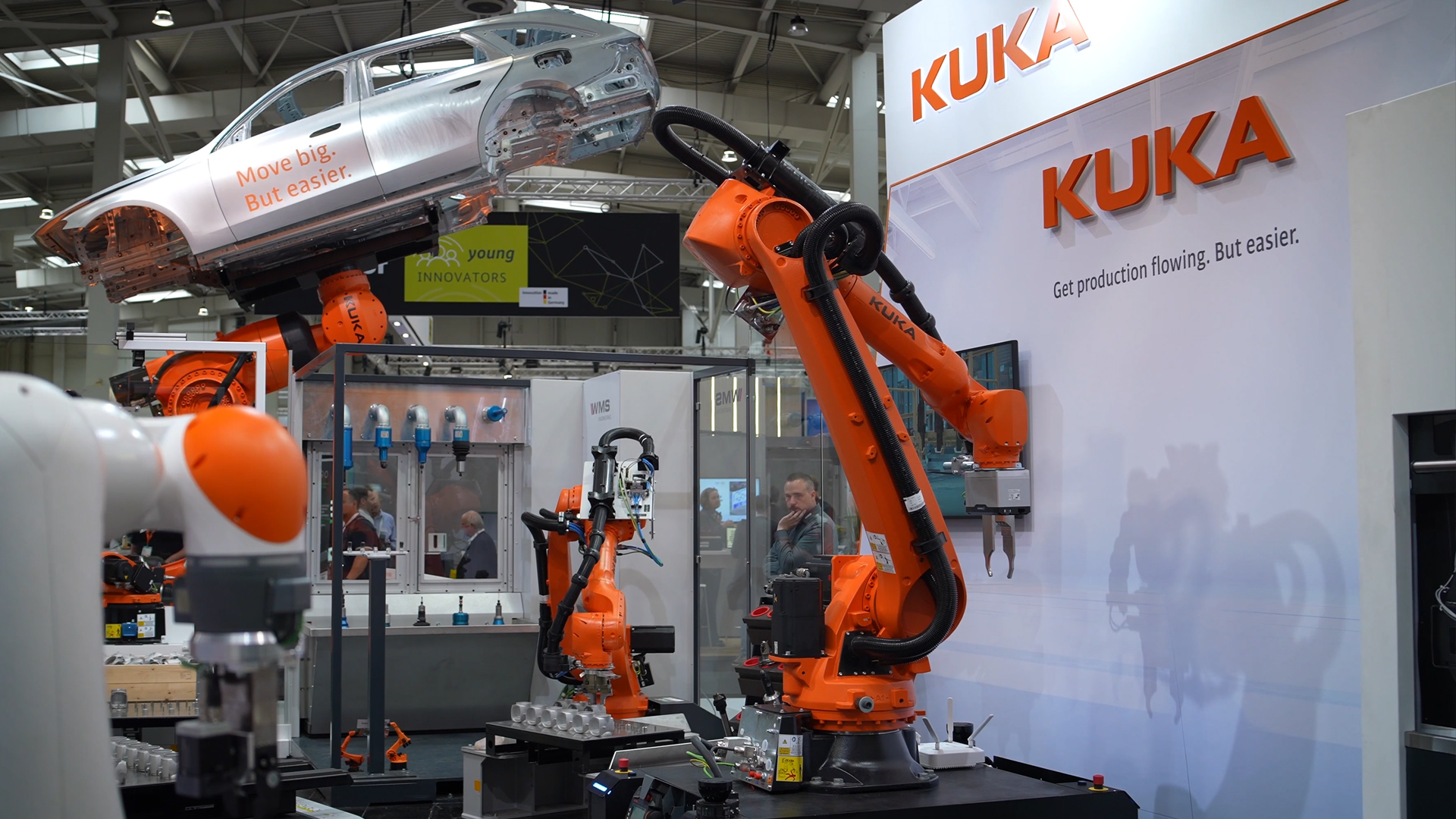
Between natural laws and industrial reality
The field of work is based on physical laws. Mechanics, thermodynamics, fluid mechanics, and materials science provide the theoretical foundations. However, unlike purely scientific disciplines, this work does not end with calculations or models. Mechanical engineering begins where theory meets reality. Components age, materials react to stress, temperature, and the environment. Friction, wear, and tolerances are not marginal phenomena, but central factors. Engineering work therefore consists not only of calculation, but also of weighing up options. What safety reserves are necessary? Which materials are suitable? How can maintenance, accessibility, and service life be taken into account? This responsibility shapes the self-image of mechanical engineering. Mistakes have concrete consequences: downtime, production losses, or safety risks. Standards, testing procedures, and quality assurance are therefore firmly anchored in this discipline. Work is carried out within clearly defined rules—not for bureaucratic purposes, but to ensure reliability.

How mechanical engineering is changing without reinventing itself
Despite its long tradition, this is not a static field. Production requirements are changing, processes are becoming more complex, and systems are becoming more networked. Digitalization and automation have expanded the field of mechanical engineering, but have not replaced it. Mechanical reliability remains the basis, with digital functions building on it. Modern machines are mechatronic systems. Sensors detect conditions, controllers regulate processes, and software evaluates data. Simulations and virtual models make it possible to validate developments earlier and reduce risks. Nevertheless, physical reality remains crucial. Every digital function is linked to components that must absorb forces and execute movements. The change is also evident in the way machines are developed. Decisions are made earlier, variants are evaluated more quickly, and errors are detected earlier. At the same time, experience remains a key factor. Noise, vibrations, and temperature behavior can be calculated—but only fully assessed during operation. Mechanical engineering thus remains an interplay of theory, practice, and experience.
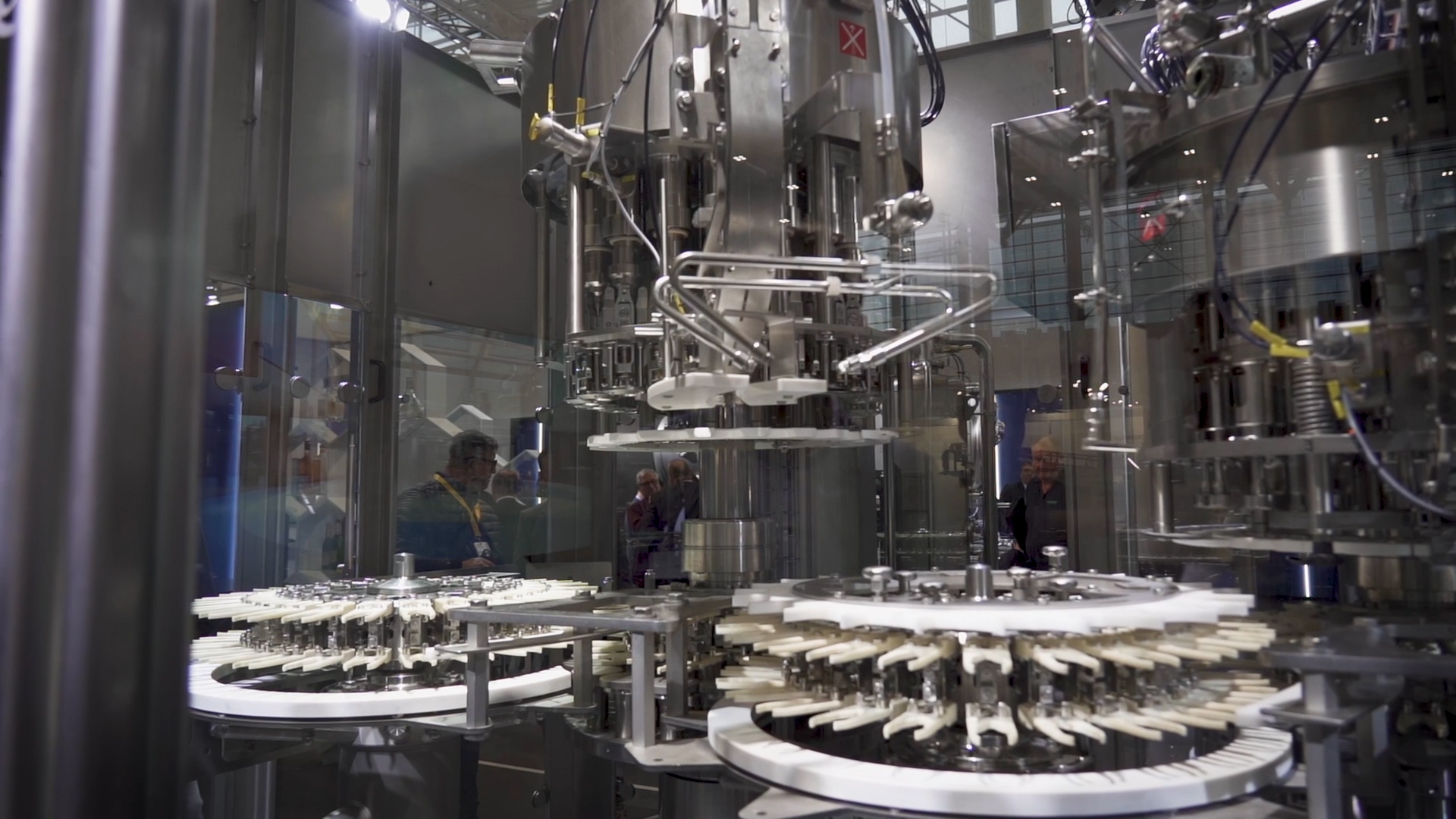
Studying mechanical engineering? Why mechanical engineering is more than just a technical profession
Mechanical engineers not only operate in a technical field, but are also a cultural and economic factor. In many regions, they shape industrial structures, training paths, and employment. Medium-sized companies, specialized suppliers, and engineering firms form networks that pass on knowledge across generations. This continuity is an essential part of the discipline. Machines are not built for short-term trends, but for long-term use. Decisions have an impact for years, sometimes decades. The mechanical engineering industry thinks in terms of life cycles – from development to operation to maintenance. Social issues such as energy efficiency and resource conservation are also firmly anchored in mechanical engineering. Not as abstract targets, but as concrete technical tasks. Efficient drives, durable designs, and optimized processes are the result of precise design, not buzzwords. Sustainability in mechanical engineering is the result of technical diligence. Ultimately, mechanical engineering combines thinking and implementation. It translates requirements into functioning systems, connects the laws of nature with human needs, and ensures that technology is not only developed but also operated reliably. Precisely because it is rarely in the spotlight, it remains indispensable—as the silent foundation of modern industrial societies. A degree in mechanical engineering offers promising prospects, and the courses offered at universities are diverse. As a mechanical engineer, many doors open up not only nationally but also internationally, in many industries—a bachelor's degree is also possible. The topics of automation and digitalization in mechanical engineering are becoming increasingly important.
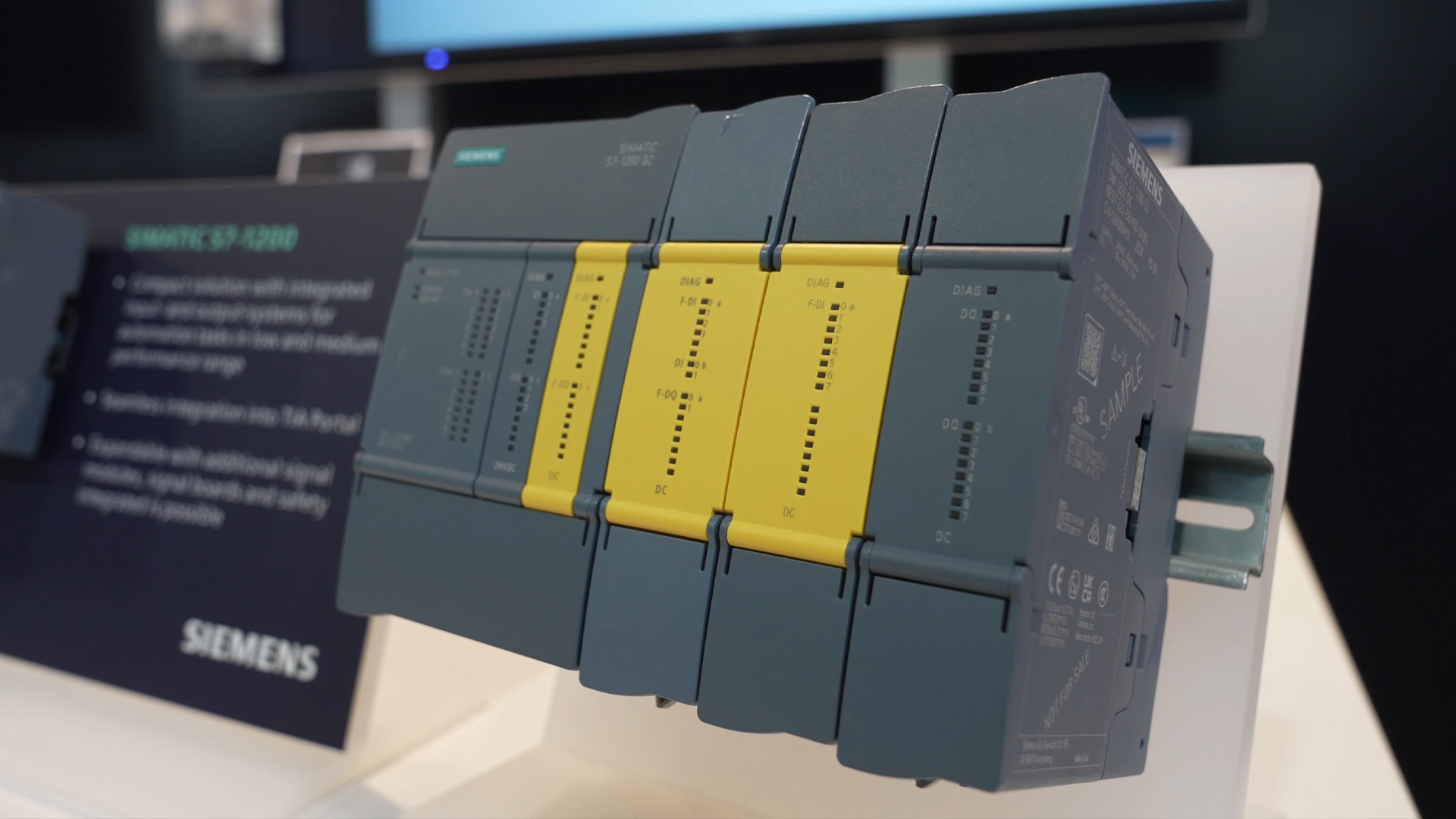
Important mechanical engineering trade fairs in Germany:
Comprehensive mechanical engineering and industrial trade fairs
- HANNOVER MESSE
Leading international trade fair for industry, mechanical engineering, automation, energy, and industrial technologies. - automatica
Trade fair for intelligent automation, robotics, and industrial production solutions. - AMB
International exhibition for metalworking and machine tools. - EMO Hannover
World's leading trade fair for production technology and machine tools.
Automation, robotics, and industrial automation
- all about automation
Regional trade fairs for industrial automation, control technology, and digitalization. - SPS – Smart Production Solutions
International trade fair for industrial automation, control technology, and drive systems.
Machine tools, manufacturing, and production technology
- METAV
Trade fair for machine tools, manufacturing technology, and industrial solutions. - Intec
International trade fair for machine tools, manufacturing, and automation technology. - GrindingHub
Trade fair for grinding technology and precision machining.
Process, plant, and process engineering
- ACHEMA
Leading trade fair for the process industry, process engineering, mechanical and plant engineering. - POWTECH TECHNOPHARM
Trade fair for powder, bulk solids and process technology.
Drive technology, fluid technology and components
- IFAT
Environmental technologies with a strong connection to mechanical and plant engineering. - Hydraulics & pneumatics trade fairs (e.g., integrated into SPS, Hannover Messe, Motek)
Fluid technology is usually represented as part of larger industrial trade fairs.
Industry-related mechanical engineering trade fairs
Trade fair reporting Germany - Trade fair knowledge, dates & events


