News Navigation

News Navigation
Energy is becoming increasingly decentralized, renewable, and digitally controlled. The articles focus on developments in photovoltaics, heat pumps, storage systems, and modern heating technology – and show how supply and efficiency are changing in the building sector.
Heat pump radiators - Kermi
What is a heat pump radiator? That's what we want to find out from Kermi at IFH/Intherm. Kermi, which has been based in Plattling in Lower Bavaria for more than 60 years, originall... Heat pump radiators - Kermi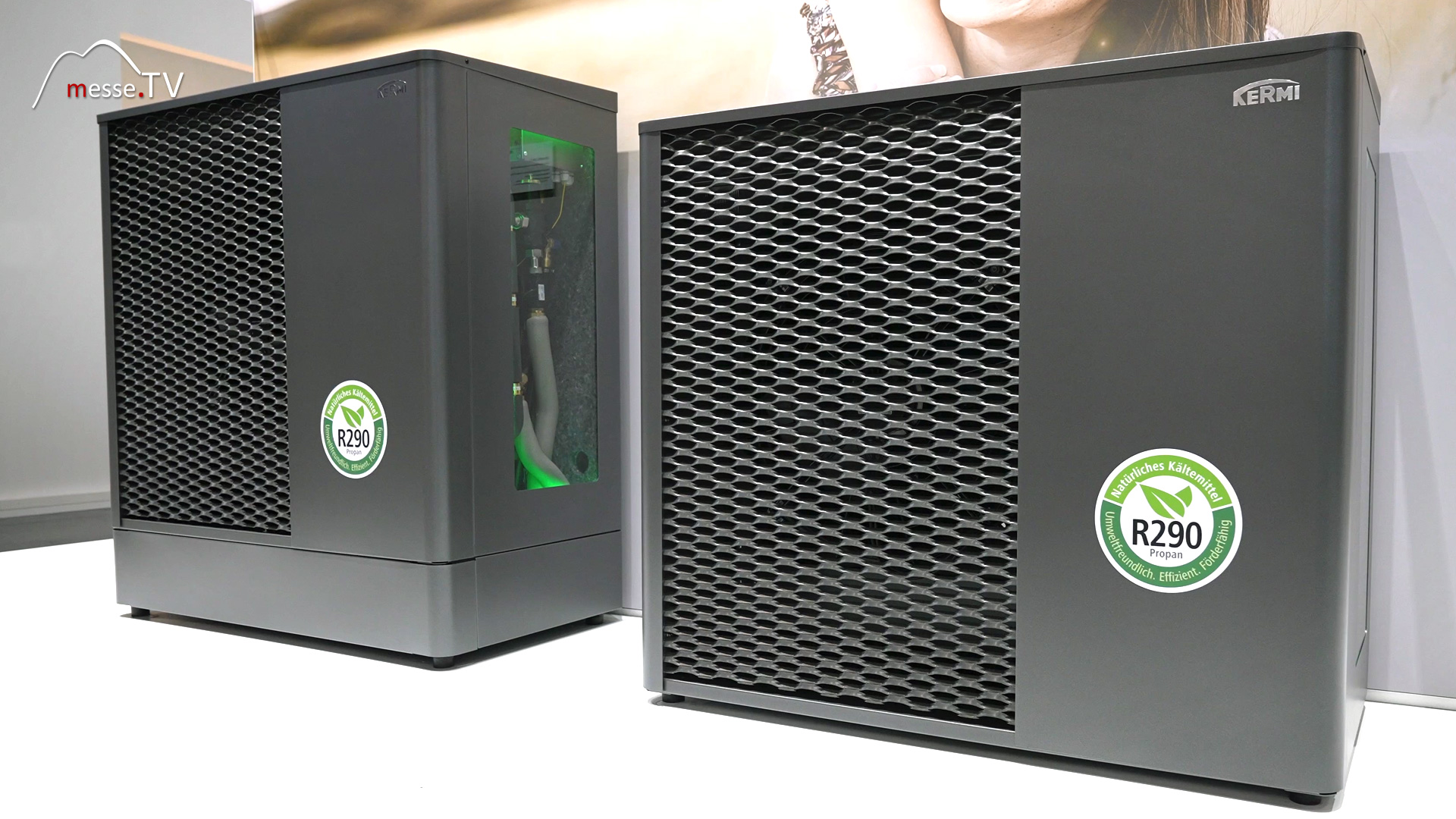
Heat pumps - Panasonic
For some time now, the Japanese company Panasonic, with its European headquarters in Wiesbaden, has been fully established on the German market. Production for air, water and heat ... Heat pumps - Panasonic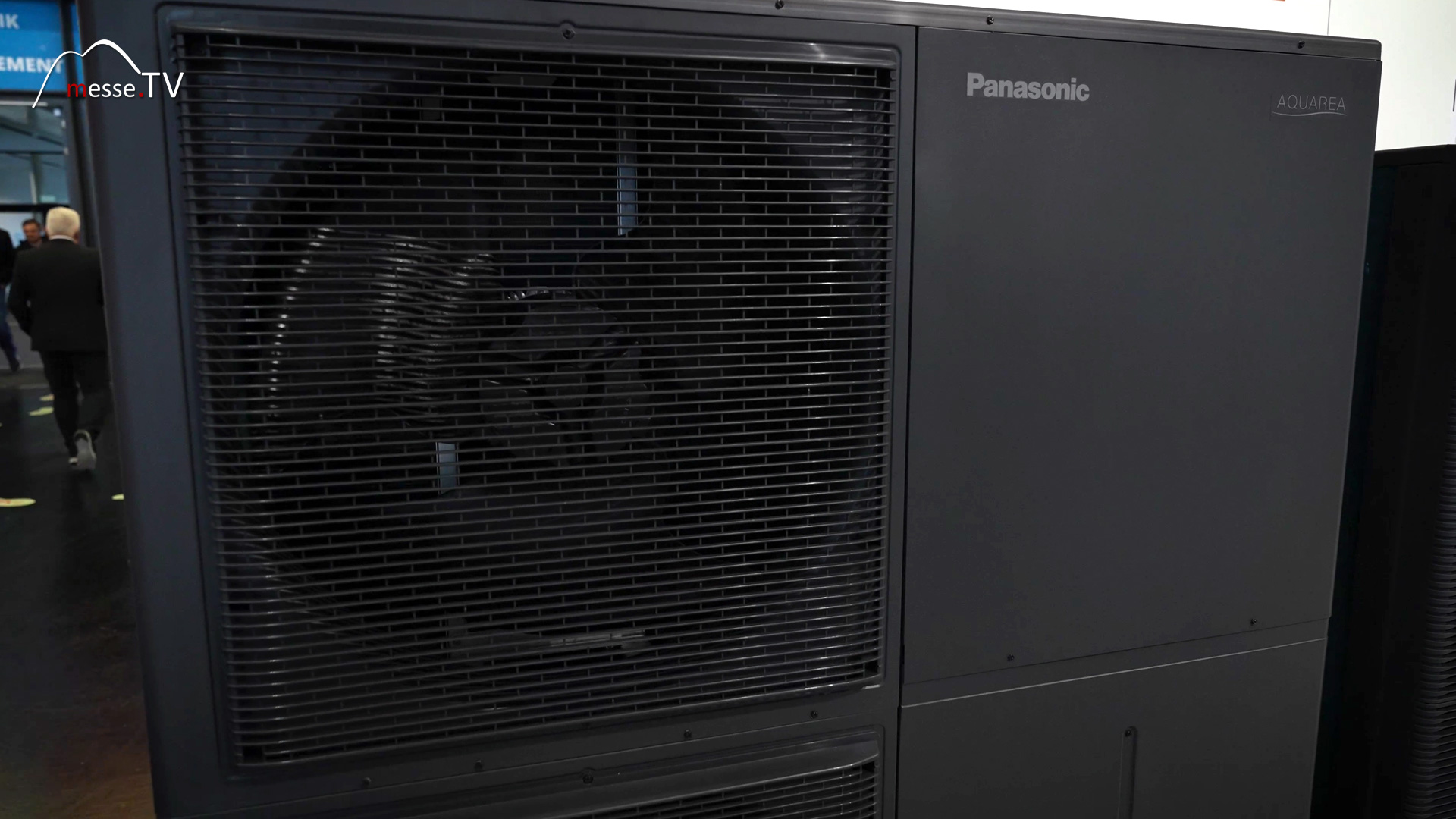
Heat pump & system storage tank - Solarfocus
Solarfocus is an Austrian company based in St. Ulrich near Steyr that specializes in the production of heating solutions such as solar thermal systems, photovoltaic systems, pellet... Heat pump & system storage tank - Solarfocus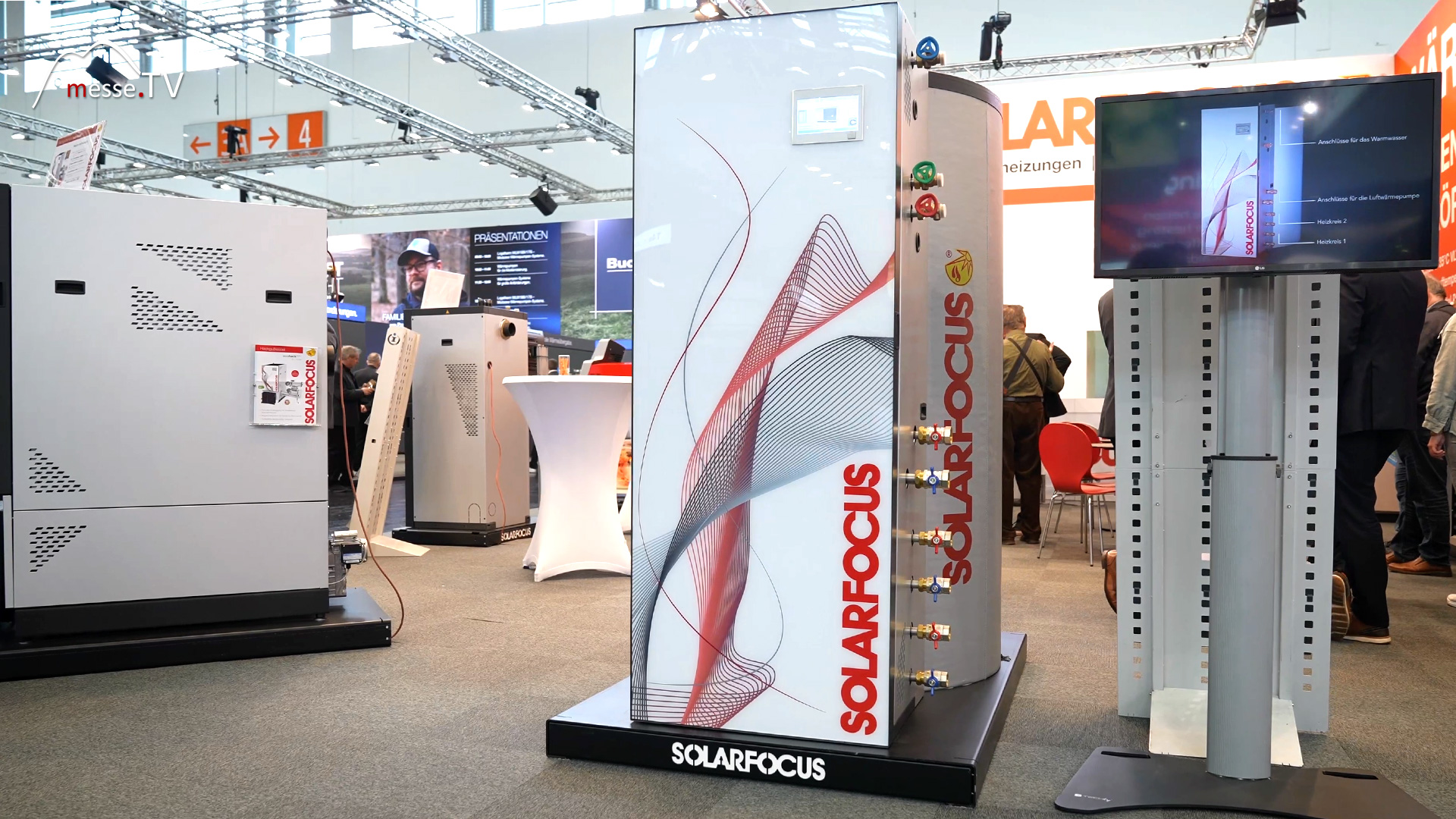
Bosch Home Comfort – hybrid heating systems and heat pumps
The transformation of heating technology is no longer an abstract topic for the future, but is taking place in basements, boiler rooms and utility rooms. For decades, gas boilers a... Bosch Home Comfort heat pumps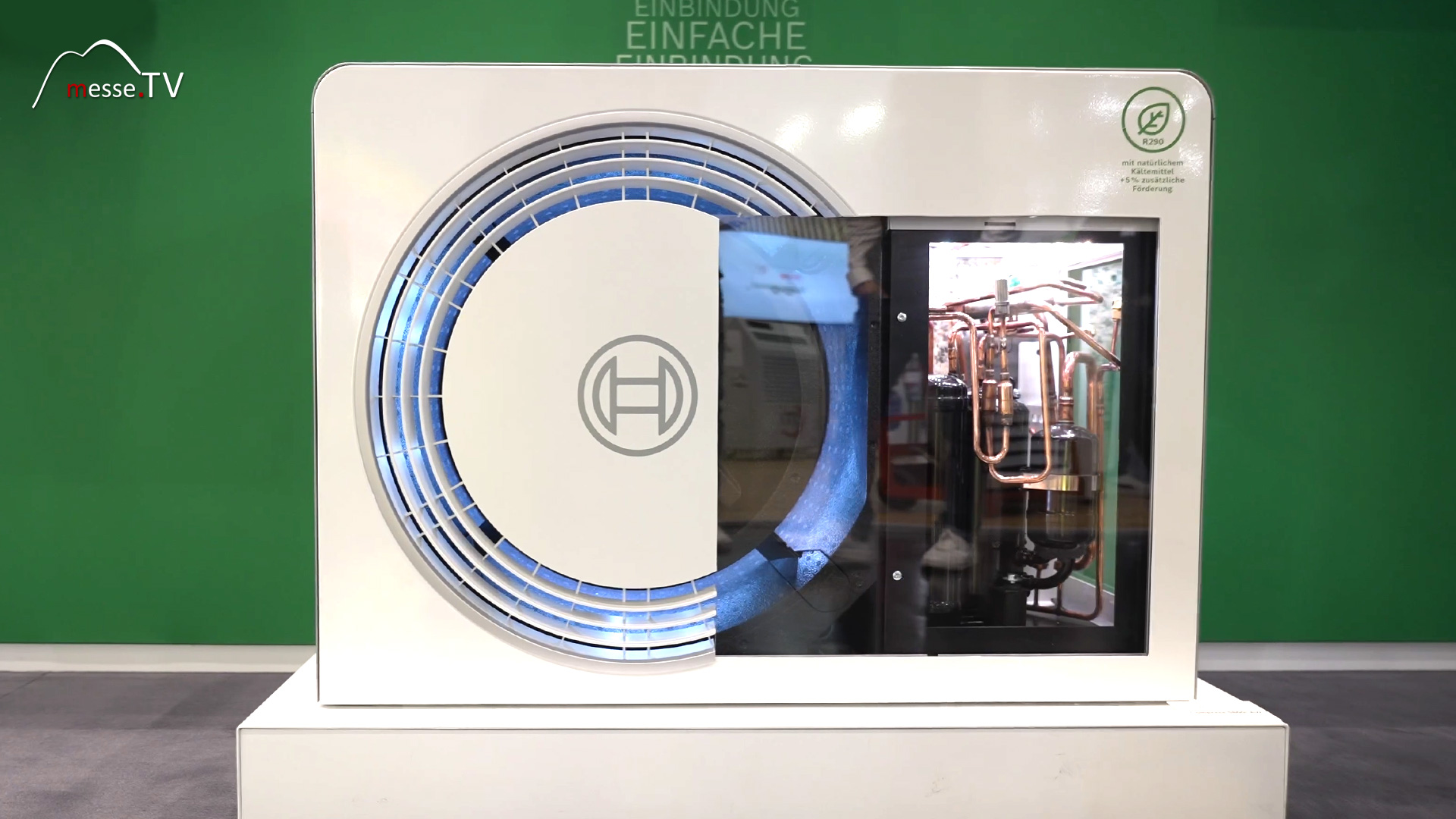
PVT collectors – combining photovoltaics and solar thermal energy
The discussion about renewable energies is often dominated by individual technologies. Photovoltaics stands for electricity, solar thermal energy for heat. In practice, however, it... Solar hybrid technology with PVT modules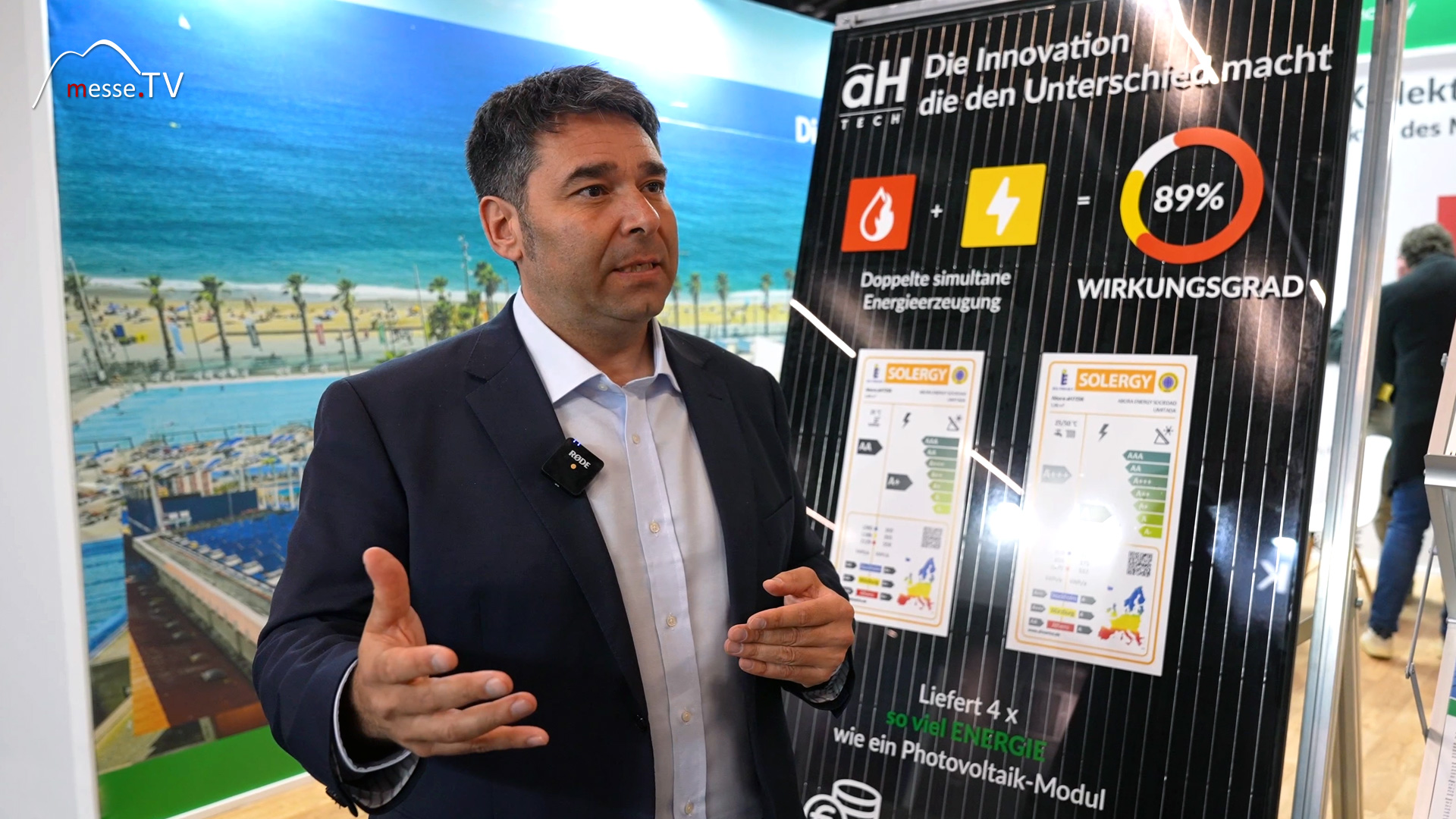
Software-supported heating design for heating engineers
The demands placed on heating engineers and planning companies have increased massively in a short period of time. Heat pumps are replacing fossil fuel systems, subsidy programmes ... Software-supported heating design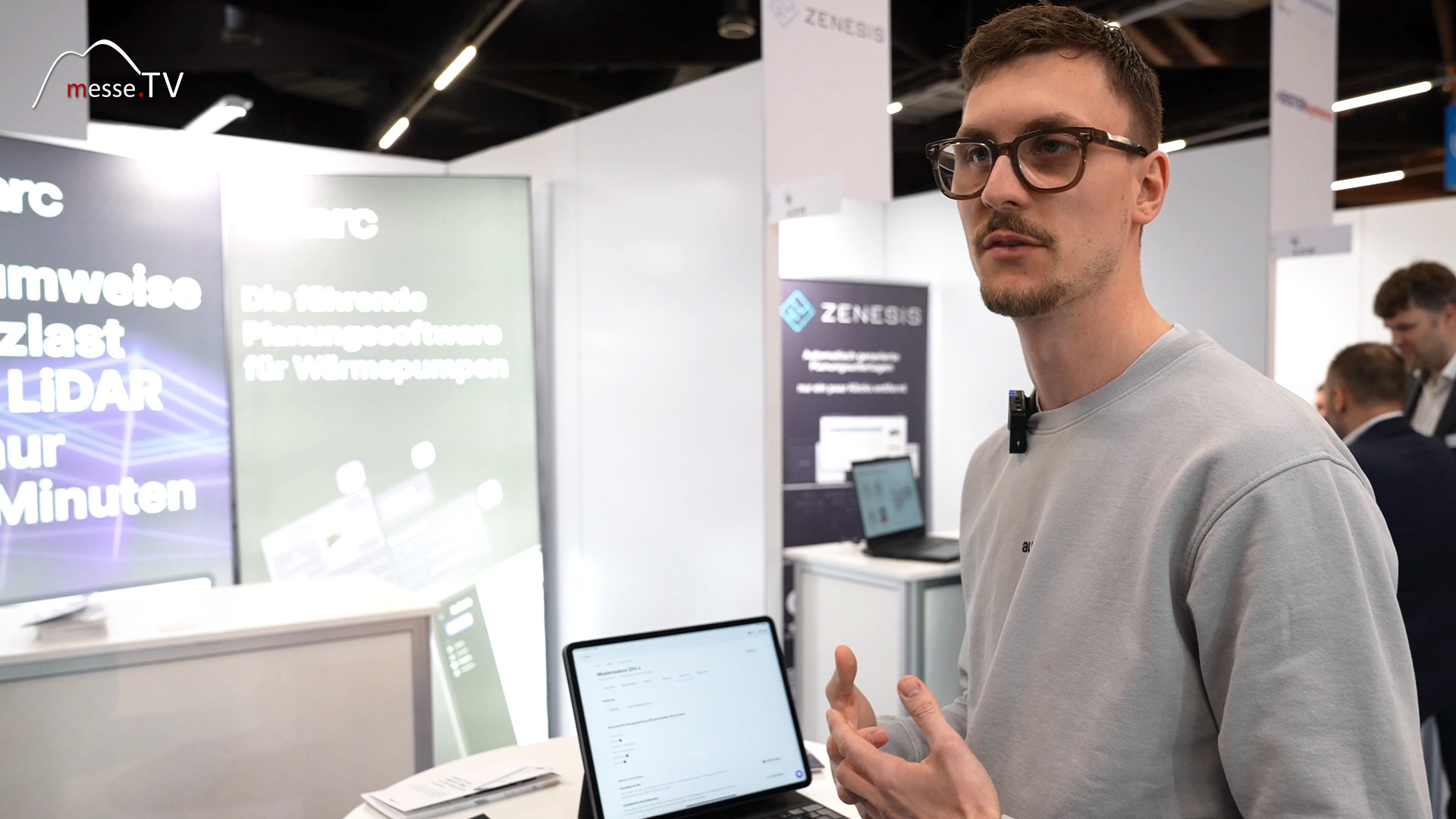
Energy supply is increasingly being organized in a decentralized manner – through photovoltaic systems, battery storage, heat pumps, and digital control systems. Providers such as Solarland Bayern, Svea Solar, and PREFA are demonstrating how residential and commercial units can be made independent of the traditional power grid. Modular energy storage solutions from companies such as Sonnen, VARTA, and TESVOLT also enable the flexible use of renewable sources.
Hydrogen technology is considered one of the key components for a climate-neutral future—not only in transportation, but also in industry and energy production. Companies such as Cellcentric, EKPO Fuel Cell Technologies, Siemens, and Neuman & Esser are working on scalable solutions for electrolysis, storage, and utilization. Logistics also benefits: fuel cells are replacing batteries in forklifts, fleets, and container terminals.
In the building sector, heating systems are continuing to develop in the direction of efficiency, modularity, and sustainability. Manufacturers such as Bosch, Panasonic, Solarfocus, and Weishaupt are focusing on modern heat pumps, supplemented by smart control, energy management, and combinations with photovoltaics. At the same time, biomass remains a stable component of regional heating strategies, for example through suppliers such as Hargassner and Fröling. Innovative concepts are created through:
The energy research area plays a central role when it comes to classifying technological developments and realistically assessing their impact on the environment, economy, and society. The focus is on renewable energies that are used both for electricity generation and for renewable heat. Photovoltaics, wind power, heat pumps, solar thermal energy, and biomass are not isolated topics, but rather a closely interlinked overall system that is increasingly being digitally controlled and optimized. Research institutions, industry, and energy suppliers are working together to make these technologies more efficient, durable, and easier to integrate. An important aspect is the comparison of different systems and applications. While renewable electricity can now be generated competitively in many regions, research is increasingly focusing on coupling the electricity and heating sectors. This shows how crucial storage technologies, smart grids, and load management are for ensuring security of supply while sustainably reducing energy-related emissions. In the building sector in particular, it is clear that only the interaction of generation, storage, and use can fully realize the ecological benefits. The projects and companies presented on Messe.TV reflect this development. They show how research results are gradually being translated into marketable solutions and how new technologies are contributing to more efficient energy use and measurable reductions in emissions. This makes the research sector not only a driver of innovation, but also an important basis for decision-making for politicians, businesses, and users who want to actively shape the transformation of the energy supply.
Trade fair reporting Germany - Trade fair knowledge, dates & events


