Heat pumps—technical developments, areas of application, and system solutions
Heat pumps use environmental energy from the air, ground, or water for heating and hot water production. The articles show technical developments, areas of application, and system solutions for new buildings, renovations, and combined energy systems.
Heat pumps – all articles on the topic

Bosch Home Comfort – hybrid heating systems and heat pumps
The transformation of heating technology is no longer an abstract topic for the future, but is taking place in basements, boiler rooms and utility rooms. For decades, gas boilers a... Bosch Home Comfort heat pumps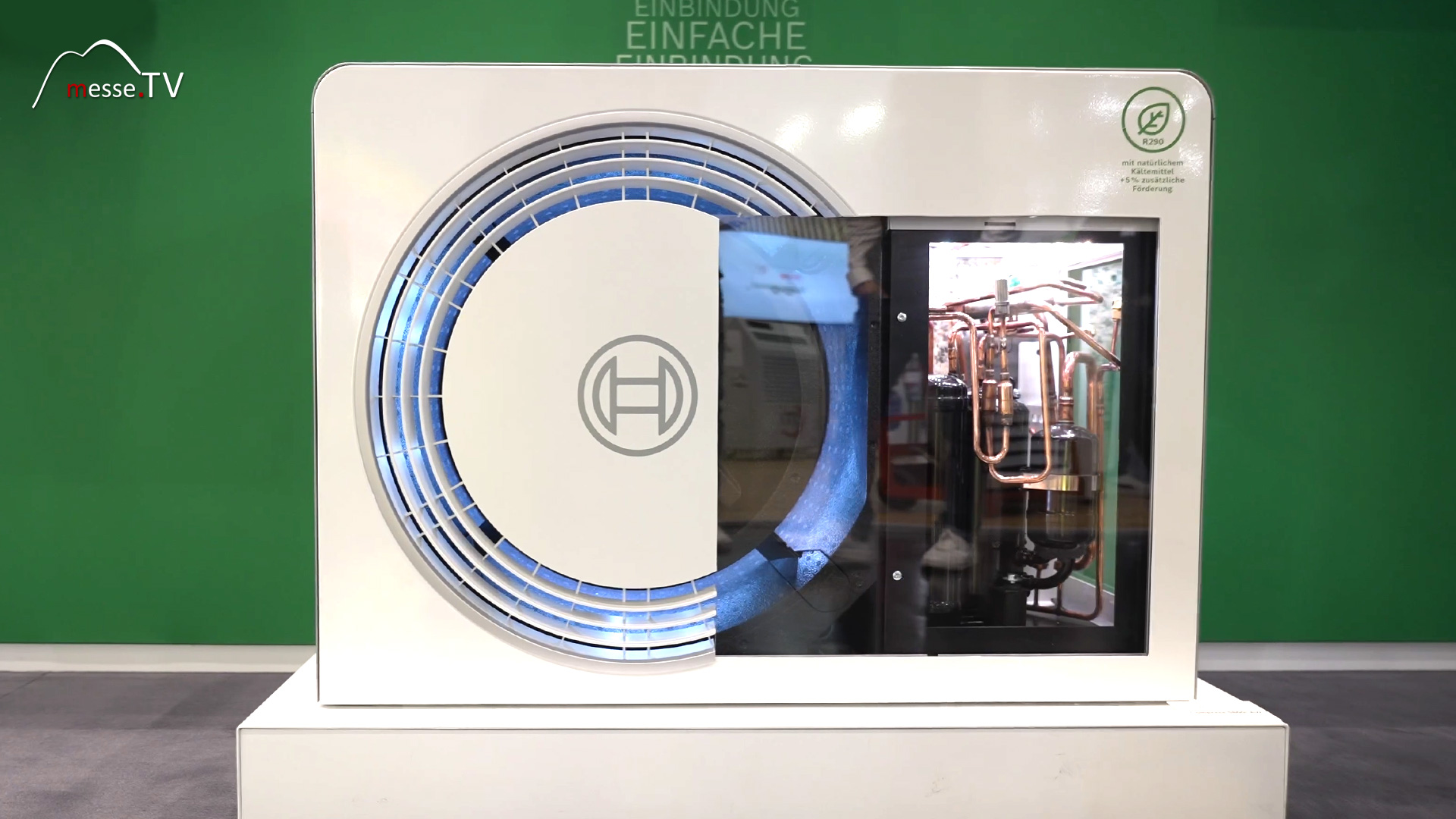
Software-supported heating design for heating engineers
The demands placed on heating engineers and planning companies have increased massively in a short period of time. Heat pumps are replacing fossil fuel systems, subsidy programmes ... Software-supported heating design
How modern heat pumps work
Heat pumps use existing environmental energy from the air, ground, or groundwater and make it usable for heating buildings. A technical cycle raises the low ambient temperature to a level suitable for heating and hot water. The electricity required for this is low compared to the heat generated, which is why heat pumps are considered particularly efficient heating systems. Efficiency depends on several factors, including the heat source, the temperature level of the heating system, and the design of the system. Modern devices are increasingly optimized for low flow temperatures and can be flexibly adapted to different types of buildings.
Areas of application in new construction and renovation
In new buildings, heat pumps are now often an integral part of the energy concept. Well-insulated buildings with surface heating systems offer ideal conditions for efficient operation. The proportion of this technology in new residential and functional buildings is correspondingly high. Heat pumps are also gaining importance in renovation projects. Technical advances now allow them to be used in existing buildings, provided that insulation standards and heating systems are taken into account. Careful planning is crucial, with the building envelope, heating load, and heat distribution all being coordinated.
Combination with photovoltaics and energy storage
The use of heat pumps in combination with photovoltaic systems and energy storage is particularly useful. The self-generated electricity can be used directly to operate the heat pump, which increases self-consumption and reduces grid consumption. Intelligent control allows operating times to be adapted to electricity generation. Energy storage systems also make it possible to use surplus solar power at a later time. This creates a networked overall system that offers both ecological and economic advantages.
Heat pumps as part of hybrid heating systems
In certain applications, heat pumps are deliberately combined with other heat generators. Such hybrid systems are used, for example, when high heating loads only occur temporarily or when existing heating technology is to be replaced gradually. The heat pump takes over the base load operation, while another heat generator covers peak loads. These system solutions offer flexibility and enable renewable energy to be gradually integrated into existing infrastructures.
Significance for long-term heat supply
Heat pumps are considered a key technology for a sustainable heat supply. They reduce the use of fossil fuels and enable greater use of renewable energy sources. At the same time, they can be easily integrated into digital energy management systems. For decision-makers and experts, it is particularly relevant how heat pumps can be embedded in larger energy and supply concepts. This means that they are evolving from a standalone technology to a strategic component of modern building technology.
Heat pump installation: economic efficiency and percentage share in existing buildings
Heat pump installation is no longer just an issue for new buildings, but is also becoming increasingly important in existing buildings. Modern heat pumps are so technically advanced that they can be operated efficiently in many types of buildings. Especially when combined with solar technology, heat pumps create systems that intelligently combine electricity and heat generation and significantly increase the share of renewable energies in overall consumption. Heat pumps in older buildings are now also a realistic option, provided that the building envelope, heating surfaces, and system design are coordinated. In older buildings, the question of costs and installation plays a central role. This is exactly where subsidies come in: heat pump subsidy programs provide a percentage subsidy for investments, which significantly improves cost-effectiveness. The increasing percentage of installed systems in existing buildings shows that heat pumps are increasingly being seen as a viable solution for a variety of applications.
Trade fair reporting Germany - Trade fair knowledge, dates & events


