Messe Wien – Internationaler Messestandort in Österreich
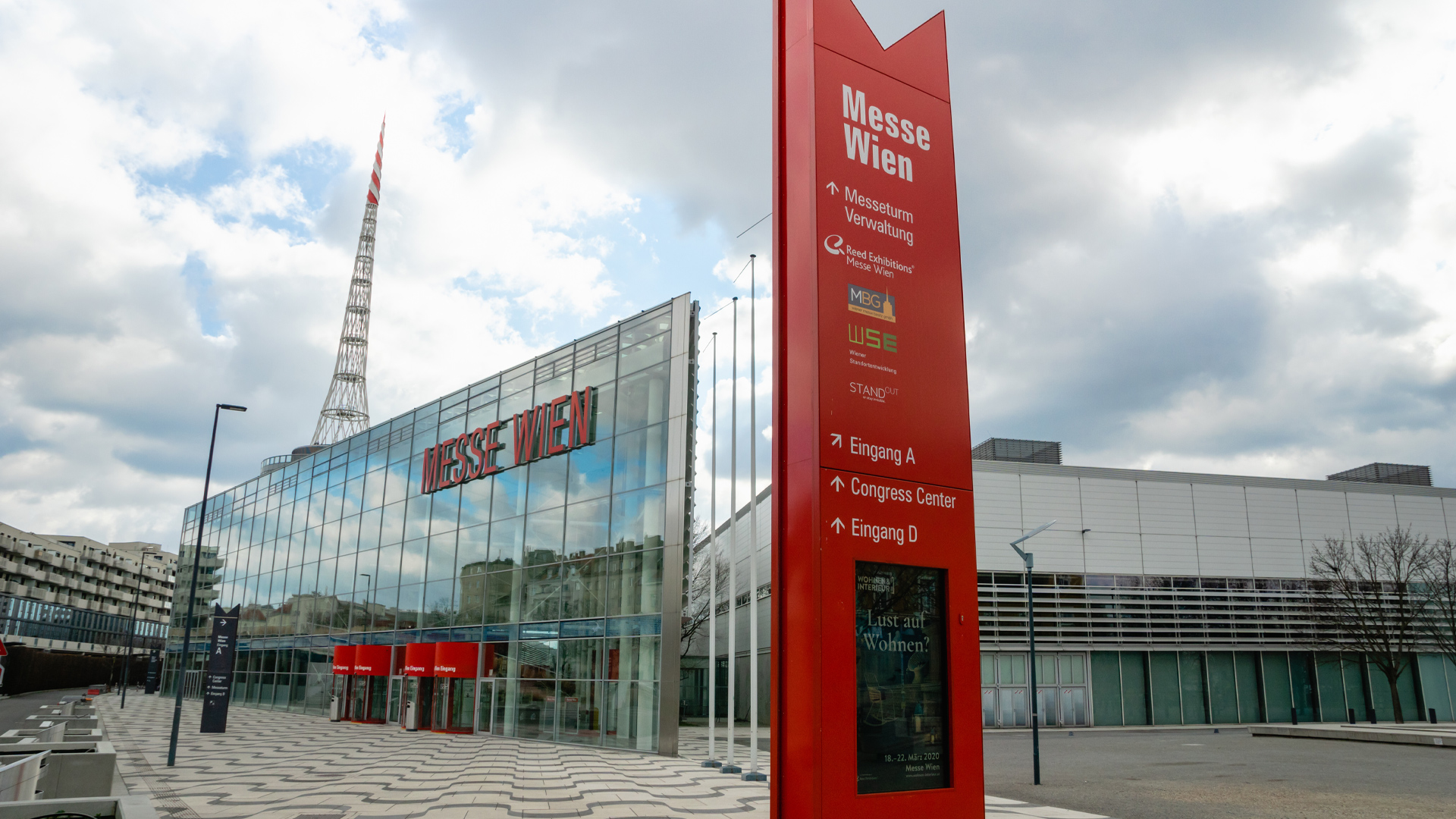
Die Messe Wien ist der zentrale Messe- und Kongressstandort der österreichischen Bundeshauptstadt. In unmittelbarer Nähe zum Prater gelegen, verbindet das Gelände urbane Infrastruktur mit moderner Hallenarchitektur. Betreiberin ist die Wiener Messe und Congress GmbH, während die internationale Vermarktung über die Unternehmensgruppe Reed Exhibitions erfolgt. Der Standort zählt zu den wichtigsten Plattformen für Fachmessen, Publikumsmessen und internationale Kongresse in Österreich. Mit rund 55.000 Quadratmetern Hallenfläche, einem angeschlossenen Kongresszentrum und flexiblen Konferenzbereichen bietet der Standort die strukturellen Voraussetzungen für Veranstaltungen unterschiedlichster Größenordnung. Die direkte Anbindung an das öffentliche Verkehrsnetz, insbesondere die U-Bahn-Linie U2, schafft kurze Wege zwischen Innenstadt, Hotels und Messegelände.
Welche führenden Messen finden auf der Messe Wien statt?
- Buch Wien: Verbrauchermesse für Literatur, Autoren und Verlage
- ECR European Congress of Radiology: Leitkongress für Radiologie und Medizintechnik
- Ferien-Messe Wien: Verbrauchermesse für Tourismus, Reisen und Freizeit
- High End Vienna: Fach- und Verbrauchermesse für hochwertige Audiotechnik
- KOK Austria: Fachmesse für Kachelofenbau und Wohnkeramik
- SMART Automation Austria: Fachmesse für industrielle Automatisierungstechnik
- Viennacontemporary: Publikumsmesse für internationale zeitgenössische Kunst
- WID Wiener Internationale Dentalausstellung: Fachmesse für Zahnmedizin und Dentaltechnik
- WIKAM Internationale Kunstmesse: Publikumsmesse für Kunst und Antiquitäten
- Wohnen & Interieur: Verbrauchermesse für Wohntrends, Design und Garten
Historische Entwicklung und Neubauphase
Der heutige Standort entstand in seiner modernen Form ab 2004. Teile des früheren Messeareals wurden neu strukturiert und durch zeitgemäße Hallen ersetzt. Ziel war es, einen funktionalen, architektonisch klaren Messekomplex zu schaffen, der internationalen Standards entspricht. 2008 wurde das neu gestaltete Gelände vollständig in Betrieb genommen. Die Modernisierung war Teil einer städtischen Entwicklungsstrategie für das Praterareal. Parallel entstanden neue Hotels, Büroflächen und Wohnbauten. Dadurch wurde die Messe Wien nicht isoliert geplant, sondern in ein urbanes Gesamtkonzept eingebunden. Diese Einbettung stärkt die Attraktivität für internationale Veranstalter, die Wert auf Infrastruktur und Umfeld legen.
Hallenstruktur und technische Ausstattung
Das Gelände besteht aus mehreren großflächigen Hallen, die ebenerdig zugänglich und modular kombinierbar sind. Die Hallen A, B, C und D ermöglichen sowohl parallele Fachmessen als auch großformatige Leitveranstaltungen. Ergänzt wird das Angebot durch das Congress Center mit eigenen Plenar- und Konferenzräumen. Kennzeichnende Merkmale des Standorts:
- Großzügige, säulenarme Hallenflächen mit flexibler Teilbarkeit
- Direkte U-Bahn-Anbindung an die Wiener Innenstadt
- Integriertes Congress Center für Kongressformate
- Moderne technische Infrastruktur für Bühnen- und Medientechnik
Branchenprofil und Veranstaltungsportfolio
Das Veranstaltungsportfolio ist thematisch breit aufgestellt. Internationale Fachmessen aus den Bereichen Industrie, Technik, Medizin, Bildung, Energie und Digitalisierung prägen das Profil ebenso wie große Publikumsmessen. Ergänzt werden diese durch Kongresse mit mehreren tausend Teilnehmern. Wichtige Branchensegmente am Standort:
- Industrie- und Technologiemessen
- Medizinische und wissenschaftliche Kongresse
- Tourismus- und Freizeitmessen
- Publikumsmessen mit Konsumfokus
Wirtschaftliche Rolle im österreichischen Messemarkt
Im österreichischen Messegefüge nimmt Wien eine zentrale Position ein. Als Bundeshauptstadt verfügt sie über politische Institutionen, internationale Organisationen und eine hohe Dichte an Unternehmenszentralen. Diese Struktur begünstigt insbesondere Kongressformate mit internationaler Beteiligung. Der Standort profitiert zudem von der Rolle Wiens als Brückenstadt zwischen West- und Osteuropa. Viele internationale Unternehmen nutzen Veranstaltungen hier als Eintrittspunkt in die Märkte Zentral- und Osteuropas. Gleichzeitig fungiert die Stadt als neutraler Treffpunkt für internationale Verbände und Fachorganisationen. Für die lokale Wirtschaft hat der Standort erhebliche Bedeutung. Messen und Kongresse generieren Nachfrage in Hotellerie, Gastronomie, Transportwesen und Veranstaltungsdienstleistung. Die hohe Hotelkapazität im Umfeld ermöglicht auch Großveranstaltungen mit internationalem Publikum.
Internationale Erreichbarkeit und Standortvorteile
Die verkehrliche Anbindung ist ein wesentlicher Standortfaktor. Der Flughafen Wien-Schwechat bietet ein dichtes europäisches Streckennetz sowie interkontinentale Verbindungen. Vom Flughafen aus ist das Gelände über Schnellbahn und U-Bahn gut erreichbar. Innerhalb der Stadt sorgt das öffentliche Verkehrsnetz für kurze Transferzeiten. Im Unterschied zu peripher gelegenen Messeparks ist die Messe Wien städtisch integriert. Restaurants, Hotels und kulturelle Einrichtungen befinden sich in unmittelbarer Nähe. Diese urbane Einbettung erhöht die Aufenthaltsqualität für Aussteller und Besucher.
Messetermine 2026 am Standort Wien
Aktuelle Veranstaltungen - Messekalender Messe Wien 2026
- 14.01.-16.01.2026 KOK Austria
- 15.01.-18.01.2026 Ferien-Messe Wien
- 28.02.-08.03.2026 WIKAM Internationale Kunstmesse
- 04.03.-08.03.2026 ECR European Congress of Radiology
- 11.03.-15.03.2026 Wohnen & Interieur
- 08.05.-09.05.2026 WID Wiener Internationale Dentalausstellung
- 04.06.-07.06.2026 High End Vienna
- 18.09.-20.09.2026 Viennacontemporary
- 25.11-29.11.2026 Buch Wien
- 11.05.-13.05.2027 SMART Automation Austria
Positionierung im internationalen Kontext
Im internationalen Vergleich ist der Standort kein Flächenriese wie einige deutsche Messeplätze. Seine Stärke liegt vielmehr in der Kombination aus moderner Infrastruktur, politischem Umfeld und internationaler Vernetzung. Besonders für Kongresse, medizinische Fachveranstaltungen und technologieorientierte Formate bietet Wien stabile Rahmenbedingungen. Die Messe Wien steht damit für einen urbanen, international ausgerichteten Messestandort mit klarer struktureller Funktion im österreichischen Markt. Ihre Rolle ist weniger spektakulär inszeniert als vielmehr organisatorisch präzise und wirtschaftlich verankert. Gerade diese nüchterne Professionalität macht den Standort für internationale Veranstalter planbar und verlässlich.
Messe-Berichterstattung bundesweit - Messewissen, Termine & Veranstaltungen


