Volkswagen: Innovationen und Fahrzeuge von VW
Volkswagen, meist kurz VW genannt, gehört zu den prägendsten Automobilherstellern der Welt. Das Unternehmen mit Sitz in Wolfsburg steht seit Jahrzehnten für bezahlbare Mobilität, technische Zuverlässigkeit und eine industrielle Fertigung auf hohem Niveau. Vom Volumenmodell bis hin zu technologisch anspruchsvollen Fahrzeugen deckt Volkswagen ein breites Spektrum ab und richtet sich an Privatkunden ebenso wie an gewerbliche Nutzer. In den vergangenen Jahren befindet sich die Marke in einem tiefgreifenden Transformationsprozess, der Elektromobilität, Software und neue Mobilitätskonzepte in den Mittelpunkt stellt. Dabei versteht sich Volkswagen nicht nur als Fahrzeughersteller, sondern zunehmend als Anbieter integrierter Mobilitätslösungen, die Technik, digitale Dienste und Nachhaltigkeit miteinander verbinden.
Vom Käfer zur globalen Industrieikone
Die Geschichte von Volkswagen beginnt in den späten 1930er-Jahren mit dem Ziel, ein erschwingliches Automobil für breite Bevölkerungsschichten zu entwickeln. Nach dem Zweiten Weltkrieg wurde dieses Konzept mit dem VW Käfer Realität. Das Fahrzeug entwickelte sich weltweit zu einem Symbol für Zuverlässigkeit und Massenmobilität und legte den Grundstein für den internationalen Erfolg des Unternehmens. Mit dem wirtschaftlichen Aufschwung in Deutschland und der zunehmenden Motorisierung wuchs auch Volkswagen stetig. Modelle wie der Golf, der Passat oder später der Polo prägten ganze Fahrzeuggenerationen und etablierten VW als feste Größe im globalen Automobilmarkt. Parallel dazu entwickelte sich der Konzern durch Beteiligungen und Übernahmen zu einem der größten Automobilverbünde weltweit.
Breites Modellportfolio und technologische Entwicklung
Volkswagen deckt heute nahezu alle relevanten Fahrzeugsegmente ab. Vom kompakten Stadtauto über Familienfahrzeuge bis hin zu Transportern und Nutzfahrzeugen reicht das Angebot. Besonders im Volumensegment setzt VW auf eine Kombination aus bewährter Technik, kontinuierlicher Weiterentwicklung und industrieller Skalierung. Zentrale Merkmale der aktuellen Modellpalette sind:
- klassische Pkw-Modelle mit Fokus auf Effizienz und Alltagstauglichkeit
- Elektrofahrzeuge der ID.-Familie als eigenständige Modellreihe
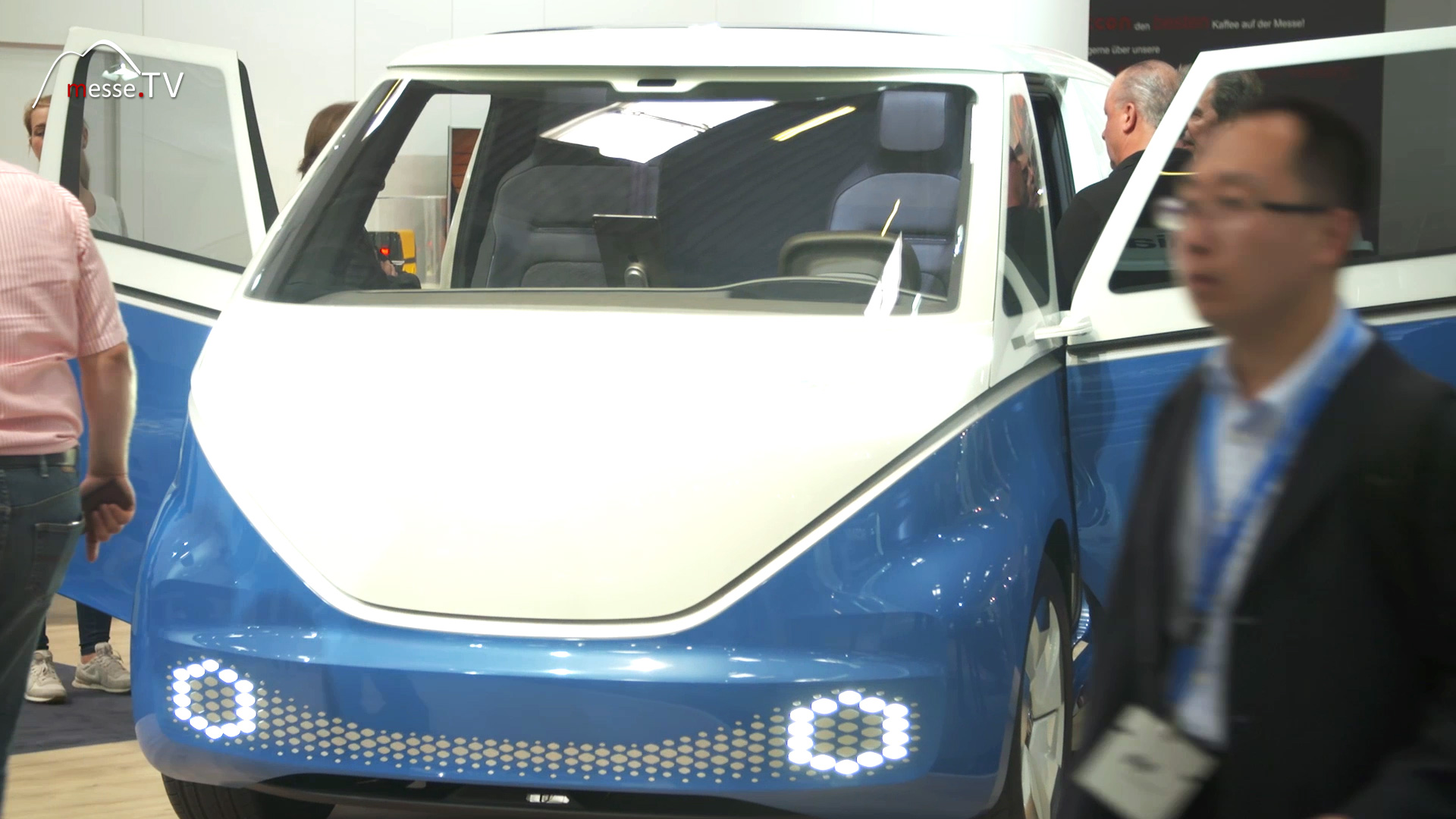
- Nutzfahrzeuge für Logistik, Handwerk und Personenbeförderung
- digitale Assistenzsysteme und vernetzte Fahrzeugfunktionen
Beiträge zu VW auf Messe.TV
Autonomes Fahren bei VW Nutzfahrzeuge
Autonomes Fahren gilt seit Jahren als eines der großen Zukunftsthemen der Automobilindustrie. Zwischen visionären Ankündigungen, Teststrecken und real... VW: Autonomes Fahren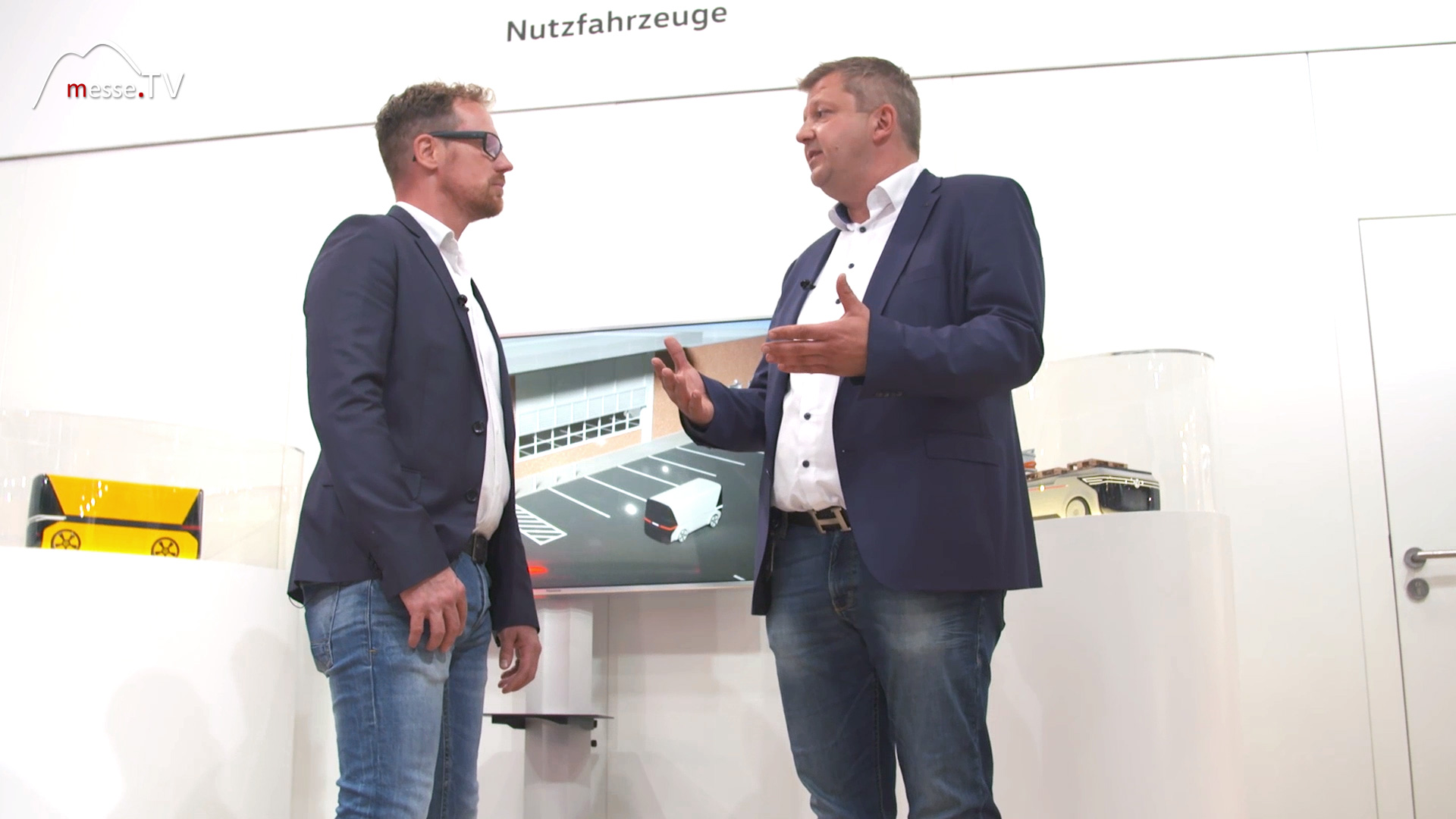
Elektromobilität für die letzte Meile bei VW Nutzfahrzeuge
Elektromobilität ist bei VW Nutzfahrzeuge längst kein abstraktes Zukunftsversprechen mehr, sondern ein konkretes Arbeitsfeld mit klar definierten Eins... VW I.D. Buzz Cargo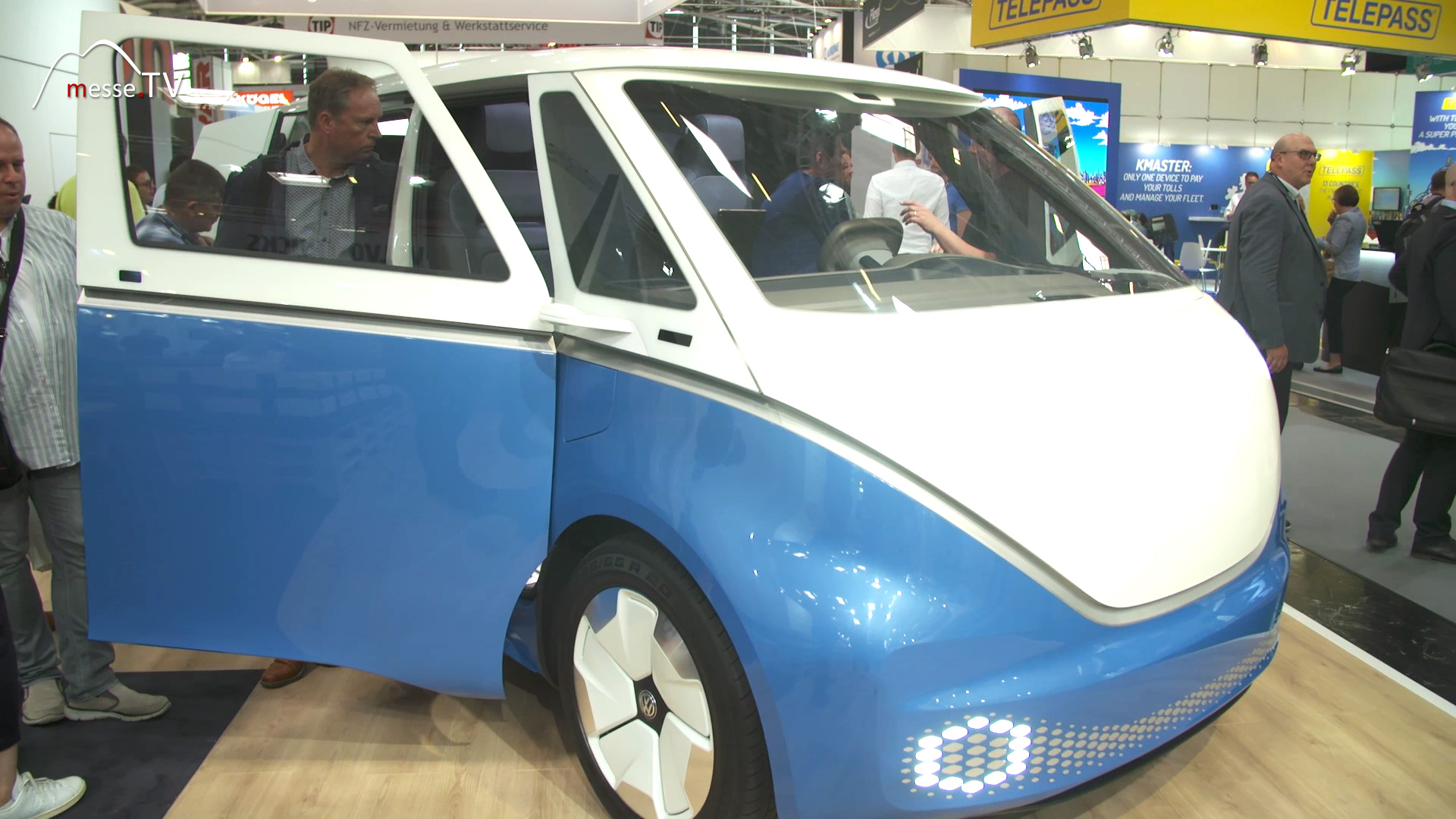
Elektromobilität, Software und neue Mobilitätskonzepte
Ein zentrales Zukunftsfeld für Volkswagen ist die Elektromobilität. Der Konzern investiert massiv in Batterietechnologie, Ladeinfrastruktur und eigene Plattformen für elektrische Fahrzeuge. Ziel ist es, Elektromobilität für breite Zielgruppen zugänglich zu machen und gleichzeitig Skaleneffekte in der Produktion zu nutzen. Parallel dazu gewinnt Software eine immer größere Bedeutung. Volkswagen arbeitet daran, Fahrzeuge stärker zu vernetzen, Funktionen über Updates bereitzustellen und digitale Dienste in das Nutzungserlebnis zu integrieren. Fahrerassistenzsysteme, automatisierte Fahrfunktionen und intelligente Infotainmentsysteme werden schrittweise weiterentwickelt und in neue Modelle integriert. Auch Mobilitätsdienste spielen eine wachsende Rolle. Carsharing, Flottenlösungen und digitale Serviceangebote ergänzen das klassische Fahrzeuggeschäft und sollen neue Nutzergruppen ansprechen.
Nachhaltigkeit als strategische Leitlinie
Volkswagen verfolgt mit seiner Nachhaltigkeitsstrategie langfristige Ziele, die weit über einzelne Modelle hinausgehen. Dazu gehören CO₂-reduzierte Produktionsprozesse, der verstärkte Einsatz erneuerbarer Energien in den Werken sowie transparente Lieferketten. Der Konzern strebt an, den gesamten Lebenszyklus seiner Fahrzeuge – von der Rohstoffgewinnung bis zum Recycling – nachhaltiger zu gestalten. Ein zentraler Baustein ist die schrittweise Umstellung auf elektrische Antriebe und die Reduzierung von Emissionen im Betrieb. Gleichzeitig arbeitet Volkswagen an Konzepten zur Wiederverwertung von Batterien und Materialien, um Ressourcen zu schonen und Kreislaufwirtschaft zu fördern.
Rolle im internationalen Automobilmarkt
Volkswagen ist heute ein global agierender Industriekonzern mit Produktionsstandorten und Märkten auf nahezu allen Kontinenten. Die Marke VW selbst nimmt dabei eine Schlüsselrolle ein, da sie als Volumenhersteller Innovationen in große Stückzahlen überführt. Diese Fähigkeit, technologische Veränderungen industriell umzusetzen, prägt die Position von Volkswagen im internationalen Wettbewerb. Mit der Verbindung aus Tradition, technischer Weiterentwicklung und einem klaren Fokus auf Transformation bleibt Volkswagen ein zentraler Akteur im Wandel der globalen Mobilität.
Messe-Berichterstattung bundesweit - Messewissen, Termine & Veranstaltungen


