Interforst Munich – Trade Fair for Forestry and Wood Industry
Interforst Munich is one of the established trade events for forestry and timber utilization in German-speaking countries. It is aimed at a professional audience involved in forest management, the use of wood as a raw material, and technical and organizational solutions for forestry operations. Munich has established itself as an important meeting place for national and international players in the industry.
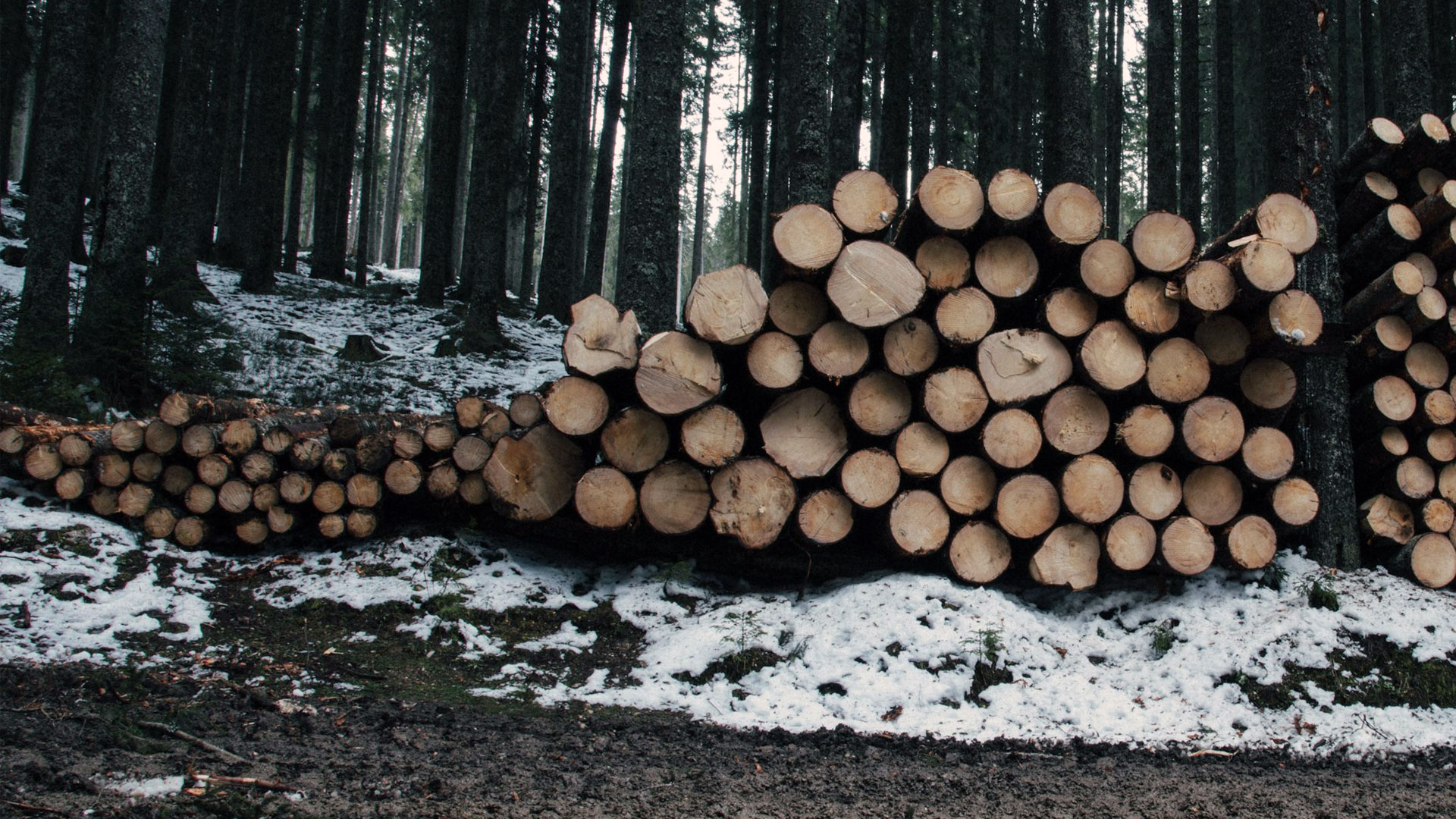
Unlike general trade fairs aimed at the general public, this event is clearly positioned as a specialist event. It sees itself as a working trade fair that focuses on specific applications, processes, and systems. The content presented is geared toward the real requirements of forestry, economic conditions, and the long-term goals of responsible timber management.
Technology and machinery for practical forestry use
A central element is the presentation of modern forestry technology. Machines and systems for timber harvesting, skidding, transport, and further processing are on display, tailored to different operating conditions. Factors such as off-road capability, soil protection, occupational safety, and efficiency play a decisive role. Technical developments in the forestry sector are closely linked to increasing demands for productivity and precision. Today's machines must be flexible in their application while also taking ecological requirements into account. Accordingly, the focus is on solutions that enable adapted working methods and reduce interference with the forest floor. The range is complemented by tools, attachments, and special technology for specific areas of application. Typical topics in this area are:
- Machines and equipment for timber harvesting and skidding
- Technology for soil-conserving work in the forest
- Solutions for increasing occupational safety
Digitalization and organization in forestry
In addition to traditional machine technology, digitalization is becoming increasingly important. Digital tools support companies in planning, documenting, and controlling work processes. Software solutions provide a better overview of stocks, machine use, and logistical processes. This allows resources to be used more efficiently and decisions to be made on a more informed basis. The networking of machines is also playing an increasingly important role. Data-based systems provide information on utilization, maintenance requirements, and fuel consumption. These developments are helping to make forestry operations more transparent and economical without losing sight of ecological aspects. At the same time, it is clear that digital systems are not seen as a replacement for practical experience in the forest, but rather as a complement to it. The professional exchange of ideas about sensible applications and the limits of digitalization is therefore an integral part of the trade fair concept.
Sustainable forest management and climate adaptation
Forestry faces long-term challenges. Climate change, extreme weather events, and pest infestations are affecting the stability of many forest stands. Accordingly, the topic of sustainable management is receiving a lot of attention. Concepts that make forests more resilient while enabling economic use are being discussed. One focus is on the management of mixed stands, the selection of suitable tree species, and the adaptation of harvesting methods. Technical solutions are always considered in the context of ecological objectives. The aim is to design interventions in such a way that the forest can fulfill its functions as a habitat, source of raw materials, and climate factor in the long term. Wood as a renewable raw material plays a central role in this context. Its efficient use and further processing are closely linked to issues of sustainability and shape the content of the event at the Munich Trade fair exhibition center.
Expert audience and industry-specific exchange
The trade fair is aimed at forestry operations, forest owners, service providers, municipal institutions, and representatives of the timber industry. In addition, there are experts from research, education, and administration. This composition creates a platform for exchange between practice, technology, and strategic planning. Accompanying lectures and discussion formats take up current developments and classify them in a technical manner. The focus is less on abstract concepts and more on concrete experiences from everyday forestry work. Direct dialogue between users and suppliers makes it possible to clearly formulate requirements and further develop solutions. The topics covered in these discussions range from economic issues and occupational safety to long-term forest management strategies. The added value comes from the combination of practical experience and technical classification.
Classification within the forestry and timber industry
Interforst has positioned itself as a specialized trade fair that focuses on the forest as a working and economic space. It covers the entire process chain—from management and harvesting to the use of wood as a raw material. This highlights how closely technical innovation, ecological responsibility, and economic reality are linked. It is precisely this factual, practical orientation that makes the event relevant for trade visitors. It offers guidance in a field that is constantly evolving and at the same time strongly influenced by natural conditions. The trade fair thus plays an important role within the German and European forestry and timber industry. Further information can be found on the organizer's website.: www.interforst.com
Trade fair reporting Germany - Trade fair knowledge, dates & events


