News Navigation

News Navigation
Health is a central component of social development. Whether technical innovations, therapeutic approaches, or new care concepts – the contributions address topics that shape medical practice and healthcare.
Healthcare in a changing society - AOK
According to the AOK, healthcare is closely linked to nursing, political control, and the question of social responsibility. The underlying discussion clearly shows how closely the... Healthcare in transition
Digital care assistance system for incontinence and movement
Everyday care in inpatient facilities is characterized by scarce resources and high time pressure. At the same time, the demands on quality, documentation, and individual care are ... Digital care assistance system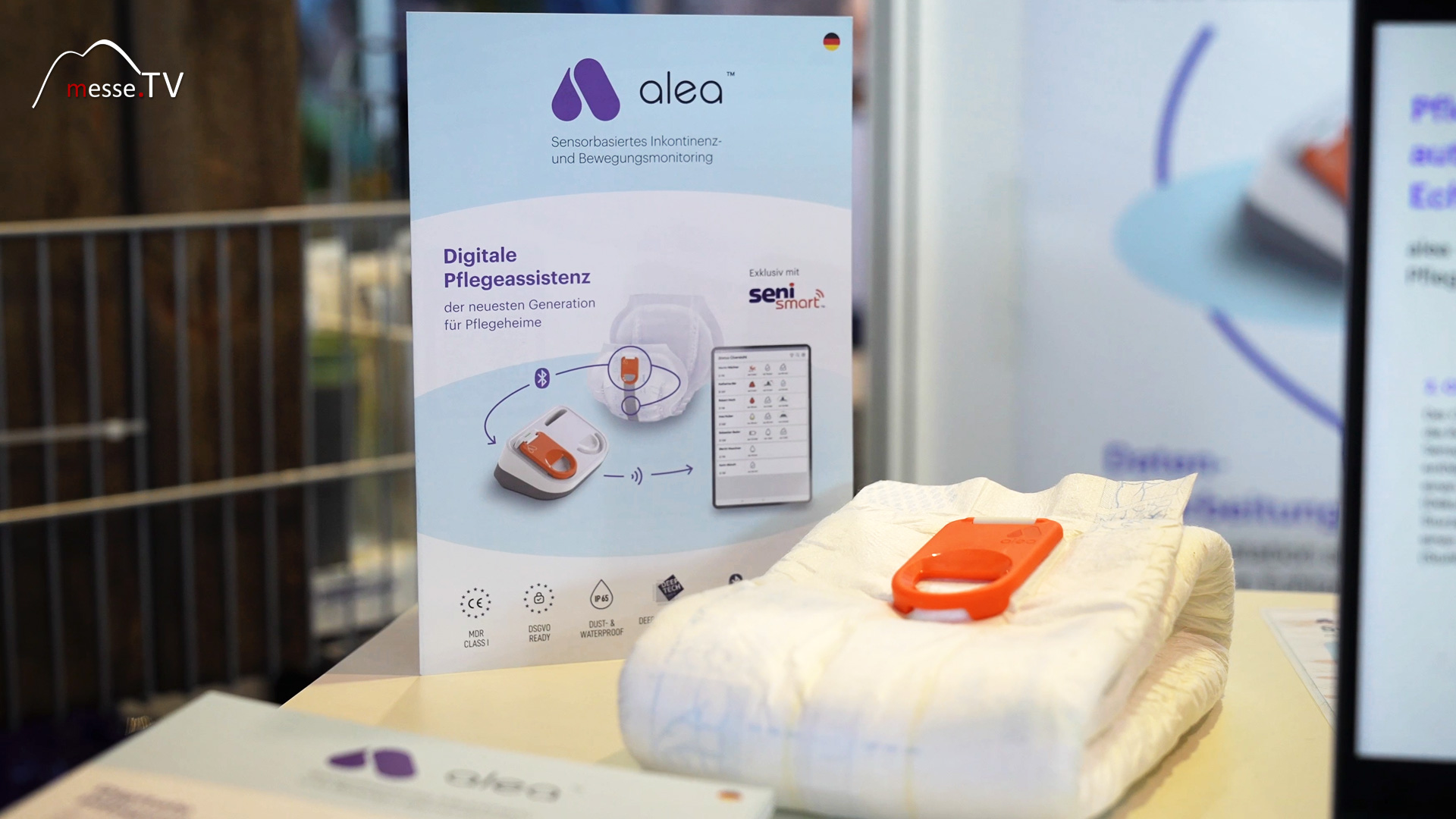
Contactless monitoring – TH International
Demographic developments are presenting similar challenges for care and healthcare worldwide. At the same time, there is a growing need for technologies that provide support withou... Contactless monitoring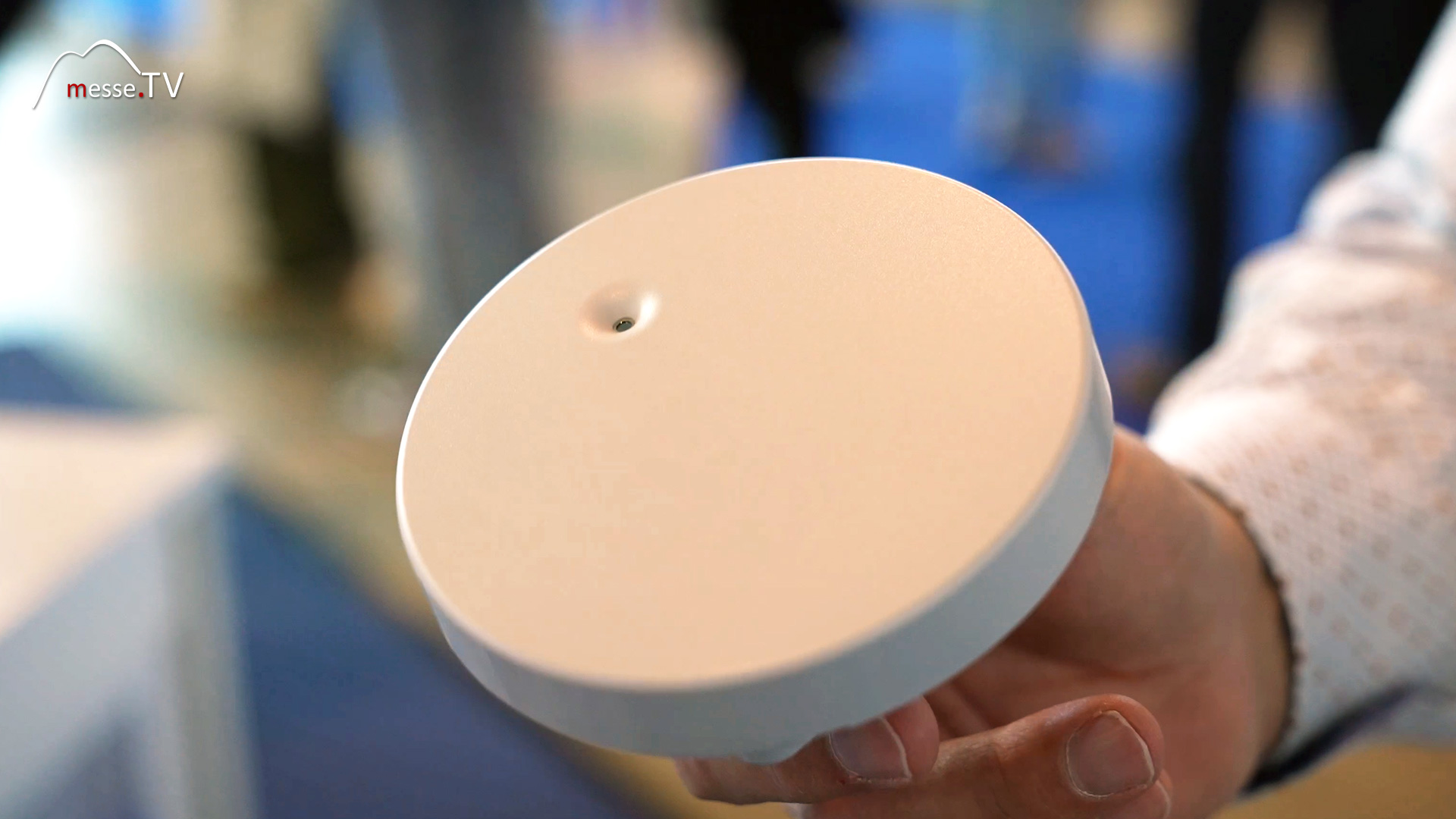
AssistX – mobile call system for home care
Safety is a key issue in home care. When people in need of care live alone or with little direct supervision, it must be possible to call for help reliably in an emergency. At the ... Call system for home care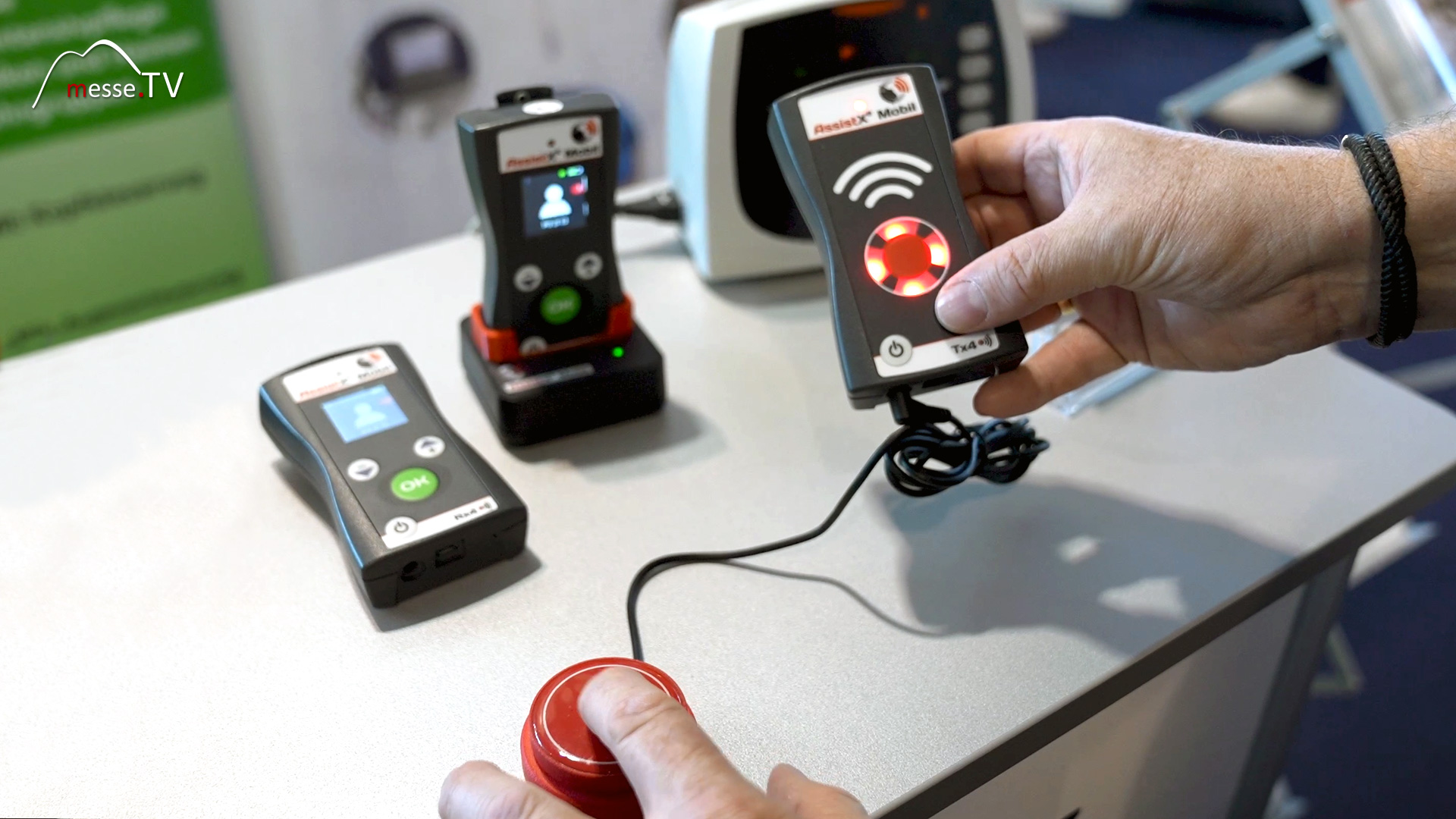
Modern medical technology is developing rapidly—from imaging procedures and minimally invasive systems to implants with integrated sensor technology. At trade fairs, companies present solutions that make diagnostics and therapy more precise and less invasive for patients. Compact, energy-efficient systems for mobile or home use are in particularly high demand.
Digitalization is not only changing processes in hospitals, but also the way nursing and therapy are conceived. From voice-controlled nursing documentation to assistance systems for everyday life, software solutions are playing an increasingly important role in reducing workloads, ensuring safety, and promoting prevention.
In the field of therapy, the focus is increasingly on holistic rehabilitation. Whether after an accident, for chronic illnesses, or for long-term prevention, innovative training systems, intelligent exoskeletons, and interactive tools are opening up new perspectives for those affected and for healthcare professionals.
The way we deal with illnesses is changing noticeably as a result of technological developments that are bringing prevention, diagnosis, and therapy closer together. Digital innovations are making an important contribution to public health because they make medical knowledge available more quickly, make care processes more efficient, and enable new forms of support. Whether in clinics, care facilities, or in the home environment, digital systems are increasingly being used where traditional structures reach their limits. A key aspect is the early detection of health risks. Networked sensor technology, AI-supported evaluation of medical data, and digital documentation systems help to identify abnormalities more quickly and initiate targeted assistance. Especially in the case of chronic diseases or in follow-up care after surgical procedures, digital applications enable continuous monitoring without patients having to be permanently on site. This stabilizes treatment processes and reduces unnecessary stress for medical staff. At the same time, digital solutions empower patients to take responsibility for their own health. Applications for therapy support, telemedical consultations, and assistive systems in everyday life help people to better manage their illnesses and actively participate in their own healthcare. In combination with medical expertise, this creates a healthcare approach that takes individual needs into account while supporting overall public health goals. The contributions presented on Messe.TV show how digital innovations are driving this change in concrete terms – in a practical, comprehensible way and with clear benefits for patients, caregivers, and healthcare systems.
Trade fair reporting Germany - Trade fair knowledge, dates & events


