Trade fairs: a success story for sales with a historical tradition
by B. Velonavy - 2026-01-20Germany is known worldwide as the land of trade fairs. Every year, millions of people from all over the world are drawn to the countless events that take place here. From trade fairs aimed exclusively at trade visitors to consumer fairs that attract a broad audience, the trade fair culture in Germany has a long tradition and plays a central role in the global economy. Trade fairs are a success story for sales.
Origin and history of trade fairs
The roots of trade fairs go back a long way in history. As early as the Middle Ages, markets and trade fairs were central meeting places for traders and merchants to exchange goods and conclude business deals. One of the oldest trade fairs in the world, the Leipzig Trade Fair, was first mentioned in the 12th century. Then, as now, the trade fair was a place where supply and demand could meet, innovations could be presented and international business relationships could be cultivated. With industrialisation in the 19th century, trade fairs continued to develop. They became increasingly specialised and began to focus on specific industries. The first international trade fair took place in London in 1851, the so-called ‘Great Exhibition’, which served as a model for many later trade fairs. In Germany, trade fair culture experienced a new upswing after the Second World War, when the country began to establish itself as a leading trade fair location worldwide.
Trade fairs: a meeting place for industry
Trade fairs are events that are primarily aimed at a specialist audience. Experts, specialists and industry insiders meet here to exchange information about the latest developments, products and technologies. These trade fairs play a decisive role in the further development of industries, as they not only serve as a platform for product sales, but also as a place for the exchange of knowledge and experience.
Some of the best-known trade fairs in Germany
- Hannover Messe: The world's largest industrial fair, held annually in Hannover. It covers a wide range of industries, including automation, IT, energy and environmental technology.
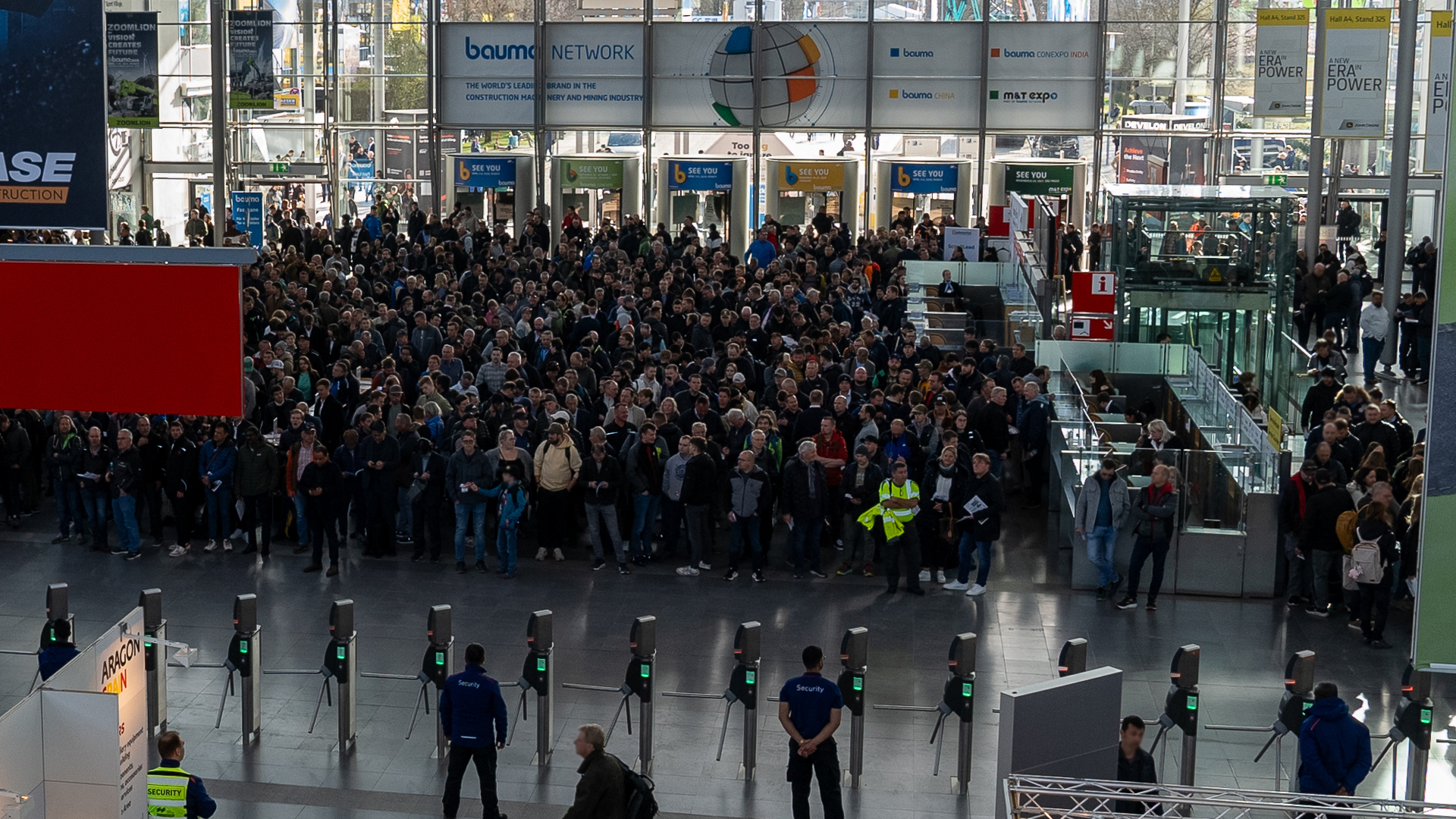
- Bauma: The world's leading trade fair for construction and building material machinery, construction vehicles and construction equipment, held in Munich.
- Medica: The largest trade fair for medical products and technologies, held annually in Düsseldorf.
Consumer fairs: The direct line to the customer
In contrast to trade fairs, consumer fairs are aimed at a broad audience. The focus here is not only on concluding business deals, but above all on direct interaction with the end customer. These fairs cover a wide range of topics and offer visitors the opportunity to try out and purchase products directly.
Some well-known consumer fairs in Germany
- International Green Week: One of the largest fairs for food, agriculture and horticulture, held annually in Berlin.
- Frankfurt Book Fair: One of the most important fairs for literature and books, attracting not only trade visitors but also many interested readers.
- Boot Düsseldorf: The world's largest boat and water sports fair, presenting a wide range of leisure activities on, at and in the water.
The 10 most important trade fair venues in Germany
Germany is a global leader when it comes to trade fair venues. Here are the ten most important locations that attract millions of visitors and exhibitors every year:
- Messe Frankfurt
As one of the largest trade fair venues in the world, Frankfurt hosts events such as the Frankfurt Book Fair and the International Motor Show (IAA). - Hannover Exhibition Centre
The largest trade fair venue in the world, known for the Hannover Messe and Agritechnica, the world's largest trade fair for agricultural technology. - Munich Trade Fair
This venue hosts leading trade fairs such as Bauma (construction machinery), IFAT (environmental technology) and Electronica (electronics), as well as regional trade fairs such as f.re.e (travel & leisure). - Messe Düsseldorf
Known for leading international trade fairs such as Medica, the world's largest medical trade fair, Boot Düsseldorf, the largest water sports trade fair, and Caravan Salon Düsseldorf. - Messe Berlin
Venue for major trade fairs such as the International Radio Exhibition (IFA), International Green Week and ITB Berlin, the world's largest tourism trade fair. - Cologne Trade Fair (Koelnmesse)
Home to important trade fairs such as Anuga, the world's largest trade fair for food and beverages, and gamescom, the largest trade fair for interactive entertainment. - Messe Stuttgart
Venue for trade fairs such as CMT (Caravan, Motor, Tourism), the largest public trade fair for tourism and leisure, and LogiMAT, a leading trade fair for intralogistics. - Leipzig Trade Fair
One of the oldest trade fairs in Germany, known for the Leipzig Book Fair, OTWorld (orthopaedics) and denkmal (monument preservation). - Nuremberg Exhibition Centre (NürnbergMesse)
This is where major trade fairs such as the International Toy Fair, BioFach – the world's leading trade fair for organic food – and embedded world (trade fair for embedded systems) take place. - Essen Exhibition Centre
Known for Techno-Classica, one of the largest trade fairs for classic vehicles, and IPM Essen, the world's leading trade fair for horticulture.
Trade fair reporting Germany - Trade fair knowledge, dates & events


