Messe Bern as an event location of national importance
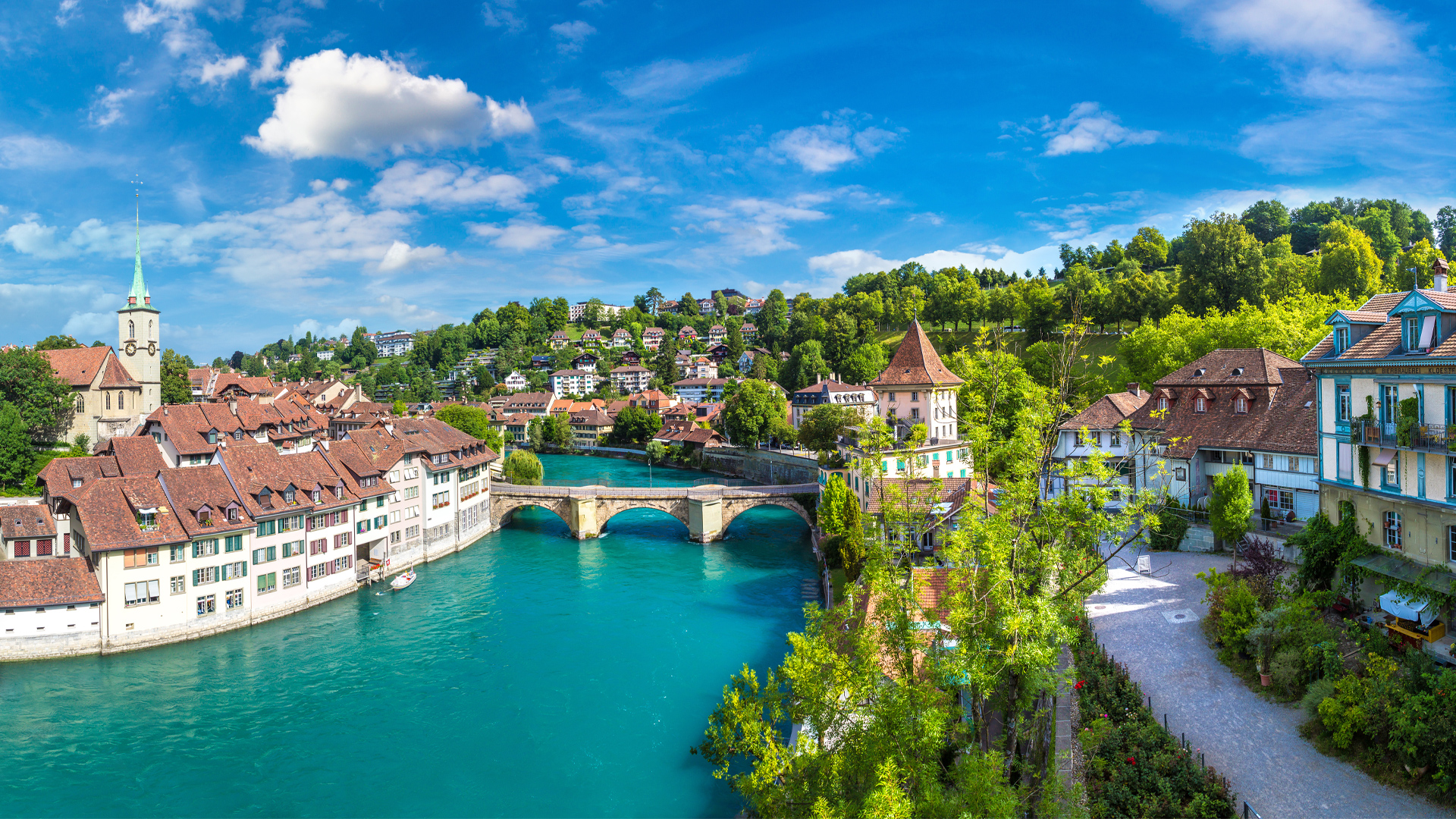
The Bern exhibition centre is one of Switzerland's most influential event venues. Located in the immediate vicinity of the capital, it brings together trade fairs, public events, congresses and cultural formats on a site that has grown over decades. Its role goes beyond that of a mere exhibition venue: it is an economic driver, a platform for innovation and a meeting place for a wide variety of industries.
Which leading trade fairs take place at Bern Exhibition Centre?
- BEA – Public Exhibition, Agriculture
- BLE.CH – Sheet Metal Working, Metal Technology
- Bern Holiday Exhibition – Travel, Tourism
- INNOTEQ – manufacturing technology, mechanical engineering
- ORNARIS – consumer goods, design
- SINDEX – automation, industry
- Suisse Caravan Salon – caravanning, recreational vehicles
- Suisse Public – municipal technology, infrastructure
- Swiss Cyber Security Days – Cyber Security, IT
- swiss interior expo – Interior Design, Design
Historical development and structural change
The site's origins date back to the mid-20th century. What was initially conceived as a classic exhibition centre gradually developed into a multifunctional event venue. As the trade fair industry changed, so did the requirements: flexible hall concepts, modern technology and variable seating and space solutions gained in importance. The Bern Exhibition Centre responded to these developments with continuous investment in infrastructure and architecture. Today, the site represents a structural change that can be observed throughout the European trade fair market. Traditional trade fairs have become less common, while specialist conferences, hybrid formats and cross-industry platforms are on the rise. The Bern location has actively shaped this transition and positioned itself as a versatile event centre.
Space concept and structural dimensions
The site comprises several hall complexes with large indoor areas and additional outdoor spaces. The halls are designed so that they can be used for both large-scale public trade fairs and specialised professional events. Different room heights, variable partition walls and modern technical infrastructure enable flexible usage scenarios. The offering is complemented by a modern event hall designed for concerts, shows or larger congresses. This expands the profile of the location beyond the classic trade fair business. The Bern exhibition centre thus covers a spectrum ranging from industrial trade fairs to major cultural events. The most important infrastructural features can be summarised as follows:
- Several exhibition halls with variable interior spaces
- Spacious outdoor areas for open-air formats and additional space
- Modern event hall for concerts, conferences and hybrid events
- Technical equipment for trade fair construction, media production and live streaming
- Logistics zones with direct access for assembly and dismantling
Industry focus and event formats
The programme reflects the diversity of the Swiss economy. Trade fairs on topics such as construction, industry, agriculture, health, leisure and consumer goods are held regularly. In addition, public fairs with regional roots play an important role. They combine information, sales and entertainment and attract visitors from across the catchment area. Congresses and corporate events have also gained in importance in recent years. Companies use the location for product presentations, annual events and international conferences. Thanks to its proximity to political institutions and associations, the Bern exhibition centre is also suitable for industry-specific conferences with a national focus. The range of formats includes, among others:
- Trade fairs with international participation
- Public fairs with a regional focus
- Congresses and scientific conferences
- Cultural events and concerts
- Corporate events and networking events
Transport links and location advantages
A decisive location factor is good accessibility. The site is located close to major transport routes and is well connected by both private and public transport. Its proximity to Bern railway station makes it easy to reach from all parts of the country. In addition, parking spaces are available in the immediate vicinity. For international guests, connections via Switzerland's major airports are relevant. From there, there are direct rail connections to the capital region. This transport integration increases the attractiveness of the location for international trade events.
Economic significance for the region and industry
The Bern exhibition centre acts as an economic multiplier. Events generate overnight stays, catering sales and additional demand in the service sector. Hotels, transport companies and local businesses benefit directly from major events. At the same time, the location serves as a marketplace for innovations and business deals. Trade fairs in particular offer companies a platform to present products, establish partnerships and discuss market trends. In times of increasing digitalisation, physical events retain their importance because they enable personal encounters. The location in Bern thus contributes to the competitiveness of various industries.
Strategic development and future prospects
Like other European trade fair venues, this location also faces structural challenges. Digital formats, changing travel behaviour and increasing sustainability requirements influence the planning of events. Operators are responding to this by investing in energy-efficient building technology, flexible room concepts and digital infrastructure. The Bern exhibition centre is increasingly positioning itself as an integrated event campus that combines analogue and digital elements. Livestreaming options, modular space planning and sustainable operating concepts are gaining in importance. The aim is to ensure that the location remains attractive in the long term for both traditional trade fair organisers and new event formats. In a national comparison, the site is one of the most important event centres outside the largest cities. Its strength lies in its combination of a central location, versatile infrastructure and established regional roots. For business, culture and society, the location in Bern thus continues to provide a stable platform for exchange and business.
Trade fair reporting Germany - Trade fair knowledge, dates & events


