Trade fairs as a stabilizing factor for the German economy
by B. Velonavy - 2026-01-10The economic situation in Germany remains challenging. High energy prices, cautious investment, and international uncertainties continue to shape the landscape in many industries. At the same time, however, it is clear that the German economy is gradually adapting to new conditions. Companies are investing in a more targeted manner, focusing more strongly on innovation, and seeking new sales markets. The outlook is therefore less dominated by crisis rhetoric and increasingly by the question of where sustainable growth impulses can be generated.
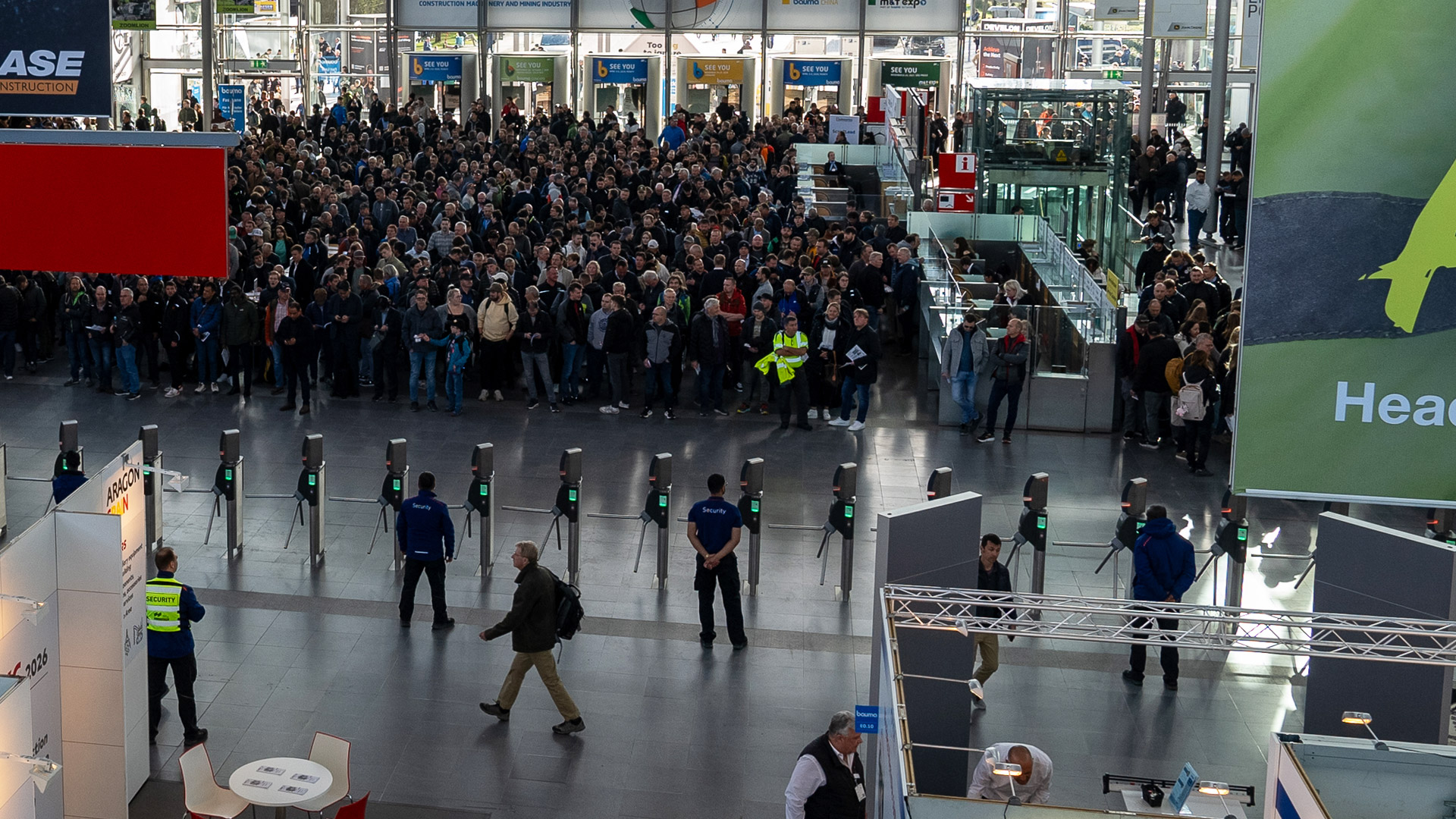
A key factor in this context is the trade fair industry. Especially in phases of economic reorientation, personal encounters, market transparency, and international visibility are becoming increasingly important. Trade fairs are not only showcases for products and technologies, but also places where economic relationships are established and deepened. Germany plays a special role as a trade fair location – both nationally and internationally.
Trade fair industry of enormous importance for the economy and industry
The importance of the industry was once again emphasized at the beginning of the year by AUMA, the Association of the German Trade Fair Industry. A recent study by the economic research institute Prognos shows that the trade fair industry generates economic effects of around 30 billion euros every year and secures around 280,000 jobs nationwide. In addition, there are considerable tax revenues for the federal, state, and local governments. These figures make it clear that trade fairs are not a marginal issue, but a key industry. Their impact extends far beyond the exhibition halls – into industry, small and medium-sized businesses, skilled trades, services, and tourism. Regions with strong trade fair venues benefit in several ways: through additional value creation, international visibility, and long-term location loyalty of companies.
Why Germany remains so strong internationally as a trade fair location
Germany occupies an exceptional position in international comparison. A large proportion of the world's leading trade fairs take place here, and a significant number of exhibitors and trade visitors travel from abroad. This international mix is a decisive competitive advantage. For export-oriented companies, trade fairs are often the most efficient way to open up new markets and meet business partners in person. For small and medium-sized enterprises in particular, trade fair appearances are often the first step in establishing international business relationships. Products are not only presented, but also explained, discussed, and further developed. The fairgrounds thus functions as a hub for global value chains—an aspect that is becoming increasingly important in times of economic uncertainty.
Positive signals for the 2026 trade fair year
A look at the current key figures also gives cause for cautious optimism. Initial projections show that the past trade fair year saw growth again in terms of exhibitors, stand space, and visitor numbers. Several hundred events are planned nationwide for the current year, spread across numerous trade fair venues between the North Sea and Lake Constance. Trade fair cities with a high density of events are benefiting particularly from this development. The start of the new trade fair year is deliberately setting an example. The year begins early and visibly with the leading European trade fair for promotional products and merchandising. Every trade fair generates its own headlines – not only for the industry itself, but also for the regional economy and international markets.
Framework conditions as a location issue
At the same time, it remains clear that Germany's leading position as a trade fair location is not a foregone conclusion. Issues such as modern transport and digital infrastructure, efficient visa procedures for international guests, and practical regulations determine how competitive the trade fair location will remain in the long term. The trade fair industry depends on functioning framework conditions in order to fully develop its role as an economic driver.
Outlook: Trade fairs as a catalyst for change
Overall, it is clear that trade fairs in Germany are much more than temporary events. They are platforms for innovation, market development, and dialogue. In a phase of economic adjustment, they provide orientation, create trust, and enable concrete business deals to be concluded. The optimistic outlook is not based on wishful thinking, but on robust structures and international demand. The trade fair industry thus remains an important anchor of stability—for companies, regions, and the business location as a whole. And it will continue to make headlines that reflect economic momentum in the future.
Trade fair reporting Germany - Trade fair knowledge, dates & events


