transport logistic 2025 conference programme sets clear priorities
by A. Bergmeier - 2025-05-08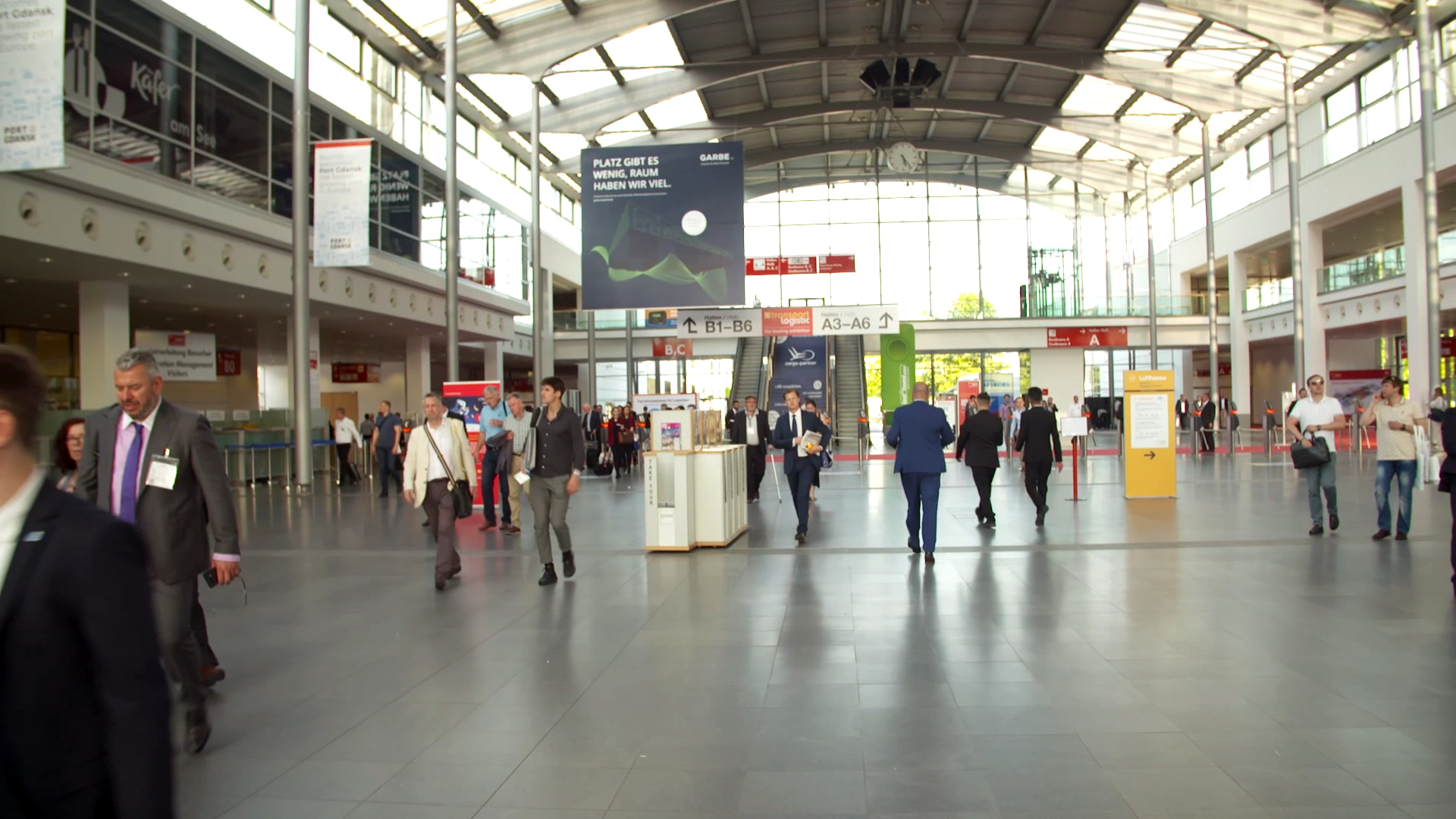
With its extensive conference programme, transport logistic 2025 underlines its claim to be the leading international platform for logistics, mobility and supply chain management. From 2 to 5 June, the exhibition centre in Munich will become a meeting place for decision-makers, experts and thought leaders from business, politics and science. Over 150 specialist events on four stages and at numerous exhibitor stands will address current challenges and future topics in the industry. The focus will be on digitalisation, transformation, ESG issues and the increasing shortage of skilled workers. transport logistic 2025 clearly shows that trade fairs are no longer just places for product presentations. Rather, they serve as platforms for discussion and orientation where strategic issues are negotiated. The topics range from geopolitical risks and new cooperation models to technological innovations along the entire supply chain.
Digital transformation as a recurring theme
A central focus of the programme is on the digitalisation of logistics processes. Numerous panels and presentations will discuss how digital solutions can increase efficiency, create transparency and enhance resilience. Representatives from leading companies such as IKEA, Rhenus Logistics, DP World and Hapag-Lloyd will provide practical insights into how digital platforms, data-based control and automation are being used in various segments of logistics. Digitalisation will not be viewed in isolation, but always in conjunction with organisational and strategic issues. Topics such as cybersecurity, data sovereignty and interoperability will play a central role. Studies and practical reports show that digital transformation can only be successful if it is accompanied by appropriate training measures and a clear strategic orientation.
Campus Plaza, Exhibitor Stage and air cargo Europe as thematic highlights
Following its successful premiere, Campus Plaza in Hall A3 is entering its second round and will serve as the content centre of the trade fair. On all four days of the fair, topics such as artificial intelligence, cybersecurity, ESG and employer attractiveness will be examined from different perspectives. The compact structure provides a quick overview of complex topics and promotes exchange between different disciplines. The programme will be complemented by the Exhibitor Stage in Hall B5 and contributions at more than 30 exhibition stands. Companies use these formats to present innovative practical examples, start-up pitches and concrete application scenarios. The outdoor area will also be integrated into the programme, including a locomotive christening by the ÖBB Rail Cargo Group, which underlines the importance of rail freight transport within multimodal logistics concepts. The integrated air cargo Europe occupies Halls A1 and A2 of the Messe München exhibition centre and sets its own content accents. Several panel discussions will focus on topics such as sustainability, artificial intelligence and dealing with so-called greenhushing accusations. The presentation of the World Air Cargo Awards on the evening of 3 June will be one of the highlights of the supporting programme.
ESG and sustainability as structural factors
ESG topics will be a recurring theme throughout the entire conference programme at transport logistic 2025. Sustainability will be understood not only as an ecological challenge, but also as an economic and social one. Panels will address low-emission transport management, alternative drive concepts and the role of combined modes of transport. There will be a special focus on how companies can credibly implement and communicate ESG requirements. Both regulatory frameworks and voluntary initiatives will be discussed. The Open Logistics Foundation will contribute with panels on open-source approaches to zero-emission logistics and show how collaborative solutions can help accelerate sustainable transformation.
Skills shortage and the changing world of work
On the last day of the trade fair, the focus will shift to the skills shortage. The logistics industry faces the challenge of attracting and retaining qualified personnel in the long term. Panels on employer branding, new working time models and the role of women in logistics will highlight different approaches to increasing the attractiveness of the industry. Universities, associations and companies will discuss how training, further education and career paths need to be rethought. Demographic change and the changing expectations of young professionals make it clear that technological innovation alone is not enough. Rather, holistic strategies are needed that take equal account of working conditions, corporate culture and meaning.
International platform for exchange and orientation
The conference programme for transport logistic 2025 is included in the ticket price for transport logistic 2025. All content will be simultaneously translated and will be available in both German and English. This underlines the trade fair's international appeal and makes it accessible to a global audience of experts. With the breadth and depth of its programme, transport logistic 2025 is positioning itself as a central platform for strategic exchange. Digitalisation, ESG and the shortage of skilled workers will not be treated in isolation, but analysed in terms of their interplay. The trade fair thus offers guidance in an increasingly complex market environment and highlights the topics that will shape the logistics industry in the coming years.
Trade fair reporting Germany - Trade fair knowledge, dates & events


