Pinterest: Visuelle Inspiration, Suche und digitales Marketing
Pinterest ist eine visuelle Such- und Inspirationsplattform, die weltweit von Privatnutzern, Kreativen und Unternehmen eingesetzt wird. Im Unterschied zu klassischen sozialen Netzwerken steht nicht die Kommunikation im Vordergrund, sondern das gezielte Finden, Speichern und Strukturieren von Ideen. Pinterest wird vor allem genutzt, um Projekte zu planen, Trends zu entdecken und visuelle Inhalte thematisch zu organisieren – von Wohnen und Mode über Rezepte bis hin zu Marketing- und Business-Ideen.

Gründung und ursprüngliche Idee
Pinterest wurde 2010 von Ben Silbermann, Paul Sciarra und Evan Sharp in San Francisco gegründet. Die Grundidee war es, eine digitale Umgebung zu schaffen, in der Menschen ihre Interessen visuell sammeln und ordnen können. Inspiriert von klassischen Pinnwänden entstand eine Plattform, auf der Inhalte nicht flüchtig konsumiert, sondern langfristig gespeichert und weiterentwickelt werden. Diese Herangehensweise unterschied Pinterest früh von anderen Plattformen und legte den Grundstein für das starke Wachstum in den folgenden Jahren.
Entwicklung zur globalen Inspirationsplattform
Nach dem Start entwickelte sich Pinterest rasch zu einer international genutzten Plattform. Besonders in den Bereichen Lifestyle, Design, DIY, Reisen und Food gewann Pinterest schnell an Bedeutung. Die Plattform wurde kontinuierlich weiterentwickelt und wandelte sich von einem reinen Sammeltool zu einer leistungsfähigen visuellen Suchmaschine. Heute nutzen Menschen Pinterest gezielt zur Recherche, zur Vorbereitung von Kaufentscheidungen und zur Inspiration für konkrete Vorhaben – sowohl im privaten als auch im beruflichen Kontext.
Beiträge zu Pinterest auf Messe.TV
Automatisierung im Performance Marketing mit Pinterest
Pinterest ist eine visuelle Entdeckungsplattform, auf der Nutzer weltweit Ideen für Projekte, Hobbys und Interessen sammeln und teilen können. Mit übe... Pinterest: Performance Marketing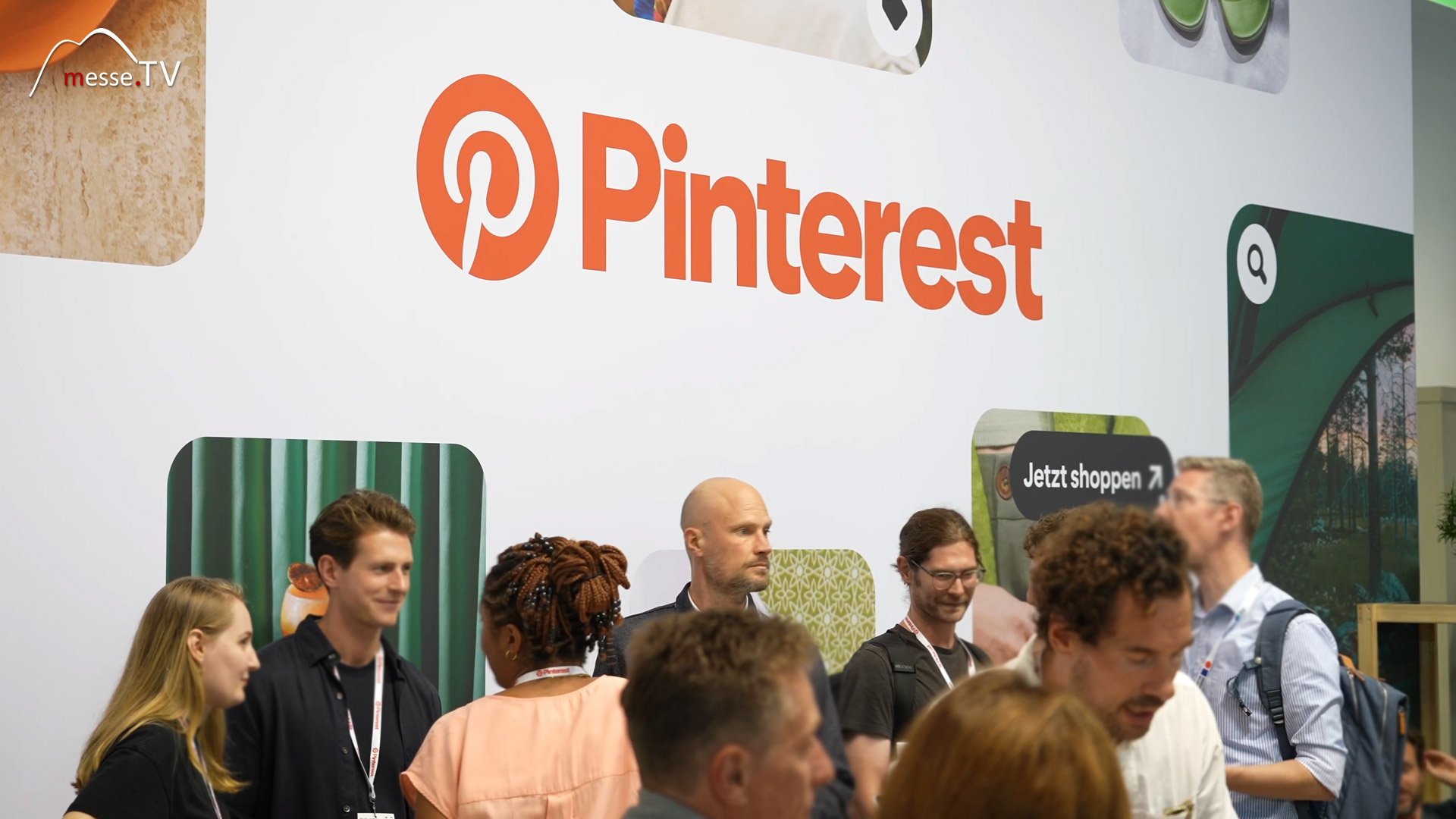
Funktionsprinzip und Nutzererlebnis
Im Zentrum von Pinterest stehen sogenannte Pins, also Bilder, Videos oder Grafiken, die mit Links und Beschreibungen versehen sind. Diese Inhalte werden auf Pinnwänden thematisch sortiert und lassen sich jederzeit wiederfinden. Ein algorithmisch gesteuerter Feed sorgt dafür, dass Nutzer Inhalte sehen, die zu ihren Interessen passen. Anders als bei zeitlich getriebenen Feeds bleibt relevanter Content dauerhaft sichtbar und kann über Monate oder Jahre hinweg Reichweite erzielen.
Zentrale Funktionen und Einsatzbereiche
Pinterest kombiniert Inspiration, Suche und Planung in einer einzigen Plattform. Besonders relevant ist die langfristige Nutzbarkeit von Inhalten, die nicht an Aktualität verlieren.
- Virtuelle Pinnwände zur Organisation von Ideen und Projekten
- Visuelle Suche mit bildbasierten Empfehlungen
- Personalisierte Feeds auf Basis von Interessen
- Shopping-Funktionen mit direkter Produktverknüpfung
- Analyse- und Kampagnentools für Unternehmen
Pinterest im Marketing und E-Commerce
Für Unternehmen hat sich Pinterest zu einem festen Bestandteil im digitalen Marketing entwickelt. Die Plattform wird genutzt, um Markenwelten aufzubauen, Produkte visuell zu inszenieren und Nutzer früh im Entscheidungsprozess zu erreichen. Besonders im Performance Marketing spielt Pinterest eine wachsende Rolle, da Nutzer häufig mit konkreter Kauf- oder Projektabsicht suchen. Durch Formate wie Promoted Pins, Shopping Ads und Produktkataloge lässt sich Reichweite gezielt in Conversions überführen.
Datengetriebene Personalisierung und Technologie
Pinterest investiert kontinuierlich in künstliche Intelligenz und maschinelles Lernen, um Inhalte präziser auszuspielen. Die visuelle Suche ermöglicht es Nutzern, ähnliche Inhalte auf Basis von Bildern zu finden, ohne konkrete Suchbegriffe eingeben zu müssen. Für Unternehmen bieten Analysefunktionen detaillierte Einblicke in Reichweite, Interaktionen und Nutzerverhalten. Dadurch wird Pinterest zu einer datenbasierten Plattform, die Kreativität und Technologie eng miteinander verbindet.
Gesellschaftlicher Anspruch und Plattformkultur
Pinterest positioniert sich bewusst als positive und konstruktive Plattform. Im Fokus stehen Inspiration, Planung und persönlicher Fortschritt statt kurzfristiger Aufmerksamkeit. Inhalte zu Nachhaltigkeit, Inklusion und verantwortungsvollem Konsum werden aktiv gefördert. Gleichzeitig achtet Pinterest auf transparente Werberichtlinien und einen respektvollen Umgang innerhalb der Community.
Bedeutung im digitalen Ökosystem
Pinterest nimmt heute eine Sonderstellung zwischen Suchmaschine, Social Media und Inspirationsplattform ein. Die Kombination aus langlebigem Content, visueller Suche und kommerzieller Relevanz macht die Plattform besonders für langfristige Strategien attraktiv. Mit ihrem klaren Fokus auf Ideen, Planung und visuelle Orientierung bleibt Pinterest ein wichtiger Akteur im digitalen Marketing, im E-Commerce und in der kreativen Online-Nutzung.
Messe-Berichterstattung bundesweit - Messewissen, Termine & Veranstaltungen


