Garmin: Precision technology for navigation, sports, and professional applications
Garmin has established itself worldwide as one of the most important providers of GPS-based technology. The brand stands for reliable navigation solutions, powerful wearables, and specialized systems that are used in both everyday and professional applications. Whether in sports, aviation, on the water, or in outdoor activities, Garmin products are designed to provide accurate data and make complex information understandable and usable.
From GPS pioneer to global technology brand
Garmin was founded in 1989 by Gary Burrell and Min Kao in the USA. In the early days, the company focused on GPS navigation for aviation and maritime applications, areas where accuracy and reliability are critical to safety. This early focus on professional applications had a lasting impact on the brand's technical standards. With the increasing spread of satellite-based navigation in the 1990s, Garmin gradually expanded its portfolio. Portable navigation devices for outdoor applications, navigation systems for vehicles, and later fitness and sports watches made the technology accessible to new target groups. A specialized supplier thus developed into an international technology group with a strong end-customer business and, at the same time, deep roots in the professional sector.
Wide range of products for different fields of application
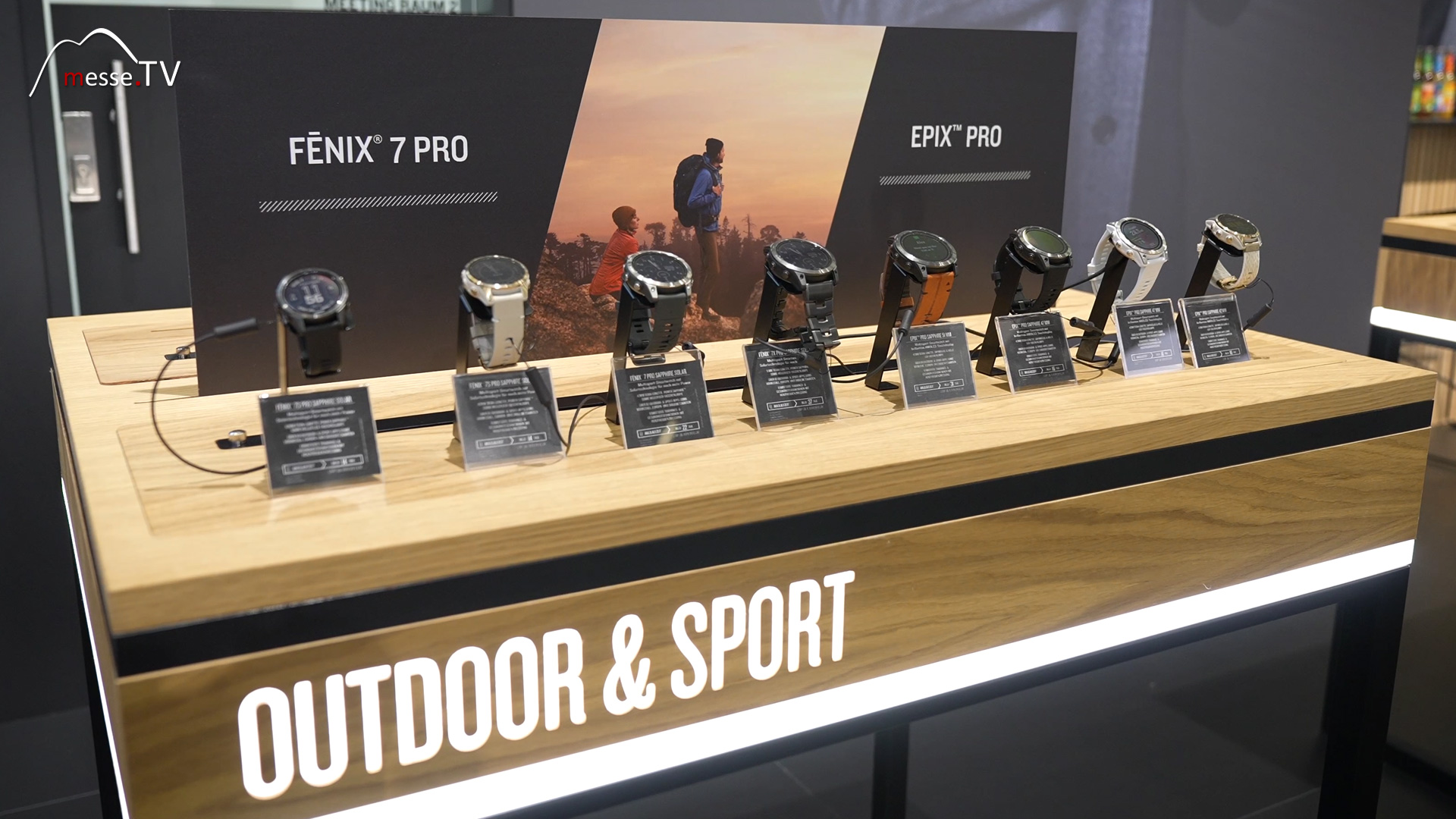
Garmin's current product portfolio is deliberately broad. A central pillar is wearables and sports watches that record and evaluate training data, health values, and position information. These devices are aimed at both ambitious recreational athletes and professionals who want to analyze their performance in a targeted manner. At the same time, Garmin remains active in traditional navigation markets and develops solutions for outdoor, marine, aviation, and automotive applications. The most important product areas include:
- GPS watches and wearables for running, endurance and outdoor sports
- Navigation devices for hiking, cycling and expeditions
- Marine electronics for navigation, sonar and boat control
- Avionics systems for civil and private aviation
- Vehicle navigation and integrated mobility solutions
Articles about Garmin on Messe.TV
Smart watches from Garmin
The world-famous US company Garmin, which has been operating worldwide since 1989 and has its operational headquarters in Olathe, Kansas, and its Germ... Smart watches, Garmin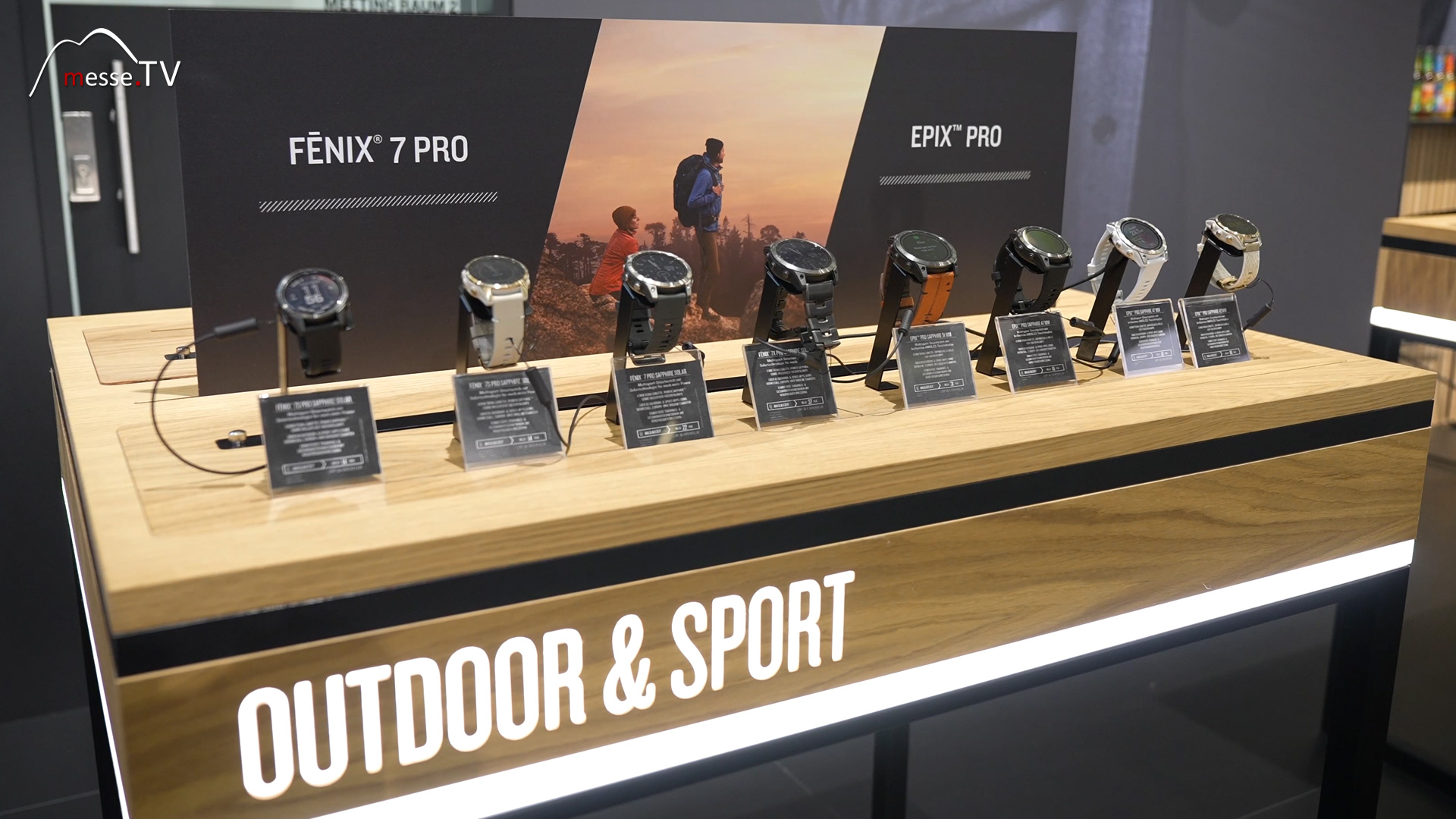
Data analysis, training, and health functions
Garmin has positioned itself as a data-driven brand in the sports and fitness sector. Wearables not only record basic values such as distance or speed, but also analyze training load, recovery, and performance development. Many functions aim to reveal correlations and enable users to realistically assess their training status. Health functions are also playing an increasingly important role. These include sleep analysis, heart rate measurements, and stress indicators. The approach is less medical and more preventive and performance-oriented. Garmin sees these functions as a supplement to an active lifestyle, not as a substitute for medical diagnostics.
Professional systems for safety-critical applications
In addition to its end-customer business, Garmin remains strongly anchored in the professional environment. In aviation in particular, the company is considered one of the most important suppliers of modern avionics systems. Cockpit displays, navigation, and communication solutions are used in aircraft worldwide and are continuously being further developed. Garmin systems are also used in professional applications in the maritime sector, for example in commercial shipping and rescue services. This proximity to safety-critical fields of application influences the entire product development process. Aspects such as reliability, clear operating concepts, and long-term software maintenance are high priorities at Garmin—even for consumer products.
Technological development and long-term orientation
Garmin continuously invests in research and development to adapt its systems to new requirements. Topics such as energy efficiency, durable hardware, and the integration of new sensor technologies play a central role in this. At the same time, the company pursues a comparatively independent strategy by developing many key technologies in-house. With this combination of technical depth, broad application orientation, and long-term product thinking, Garmin remains a key player in the field of navigation and wearable technology – both for ambitious individual users and for professional applications.
Trade fair reporting Germany - Trade fair knowledge, dates & events


