Erlus: Roofing systems combining craftsmanship, material expertise, and construction practice
Erlus is one of the most traditional manufacturers of roof tiles and chimney systems in Germany. The company stands for mineral building materials that are designed for durability, functionality, and high resistance. Erlus products are used in both new construction and renovation and are particularly in demand where roof systems have to withstand permanently high climatic stresses.
Development of a specialized building materials manufacturer
Erlus was founded in 1842 in Neufahrn in Lower Bavaria. At a time when brick production was still very much a craft, the company gradually developed into an industrial manufacturer of ceramic roofing materials. Over generations, expertise in working with clay, firing processes, and shaping was built up, which still forms the basis of product development today. With the increasing industrialization of the construction industry, the focus shifted from individual products to integrated roofing systems. Erlus responded to this development by continuously expanding its product range and adapting to new building physics requirements. The close alignment with German standards and climatic conditions shaped the technical orientation early on.
Erlus in the trade fair and specialist context
Erlus is regularly represented at construction and trade fairs, where the focus is on roofing systems, material solutions, and technical details. At trade fairs, the company primarily addresses planners, architects, roofers, and construction companies. Rather than short-term trends, it presents long-term solutions for different roof shapes and pitches. This context is relevant for editorial consideration, as it shows how strongly roofing materials are influenced by standards, energy requirements, and climatic changes. Erlus positions itself as a manufacturer that continuously adapts its products to changing conditions.
Articles about Erlus on Messe.TV
Ceramic roof tiles from ERLUS
ERLUS has been producing roof tiles in Ergoldsbach in Lower Bavaria since 1842. In 1904, the company became a stock corporation with sites in Regensbu... Ceramic roof tiles from ERLUS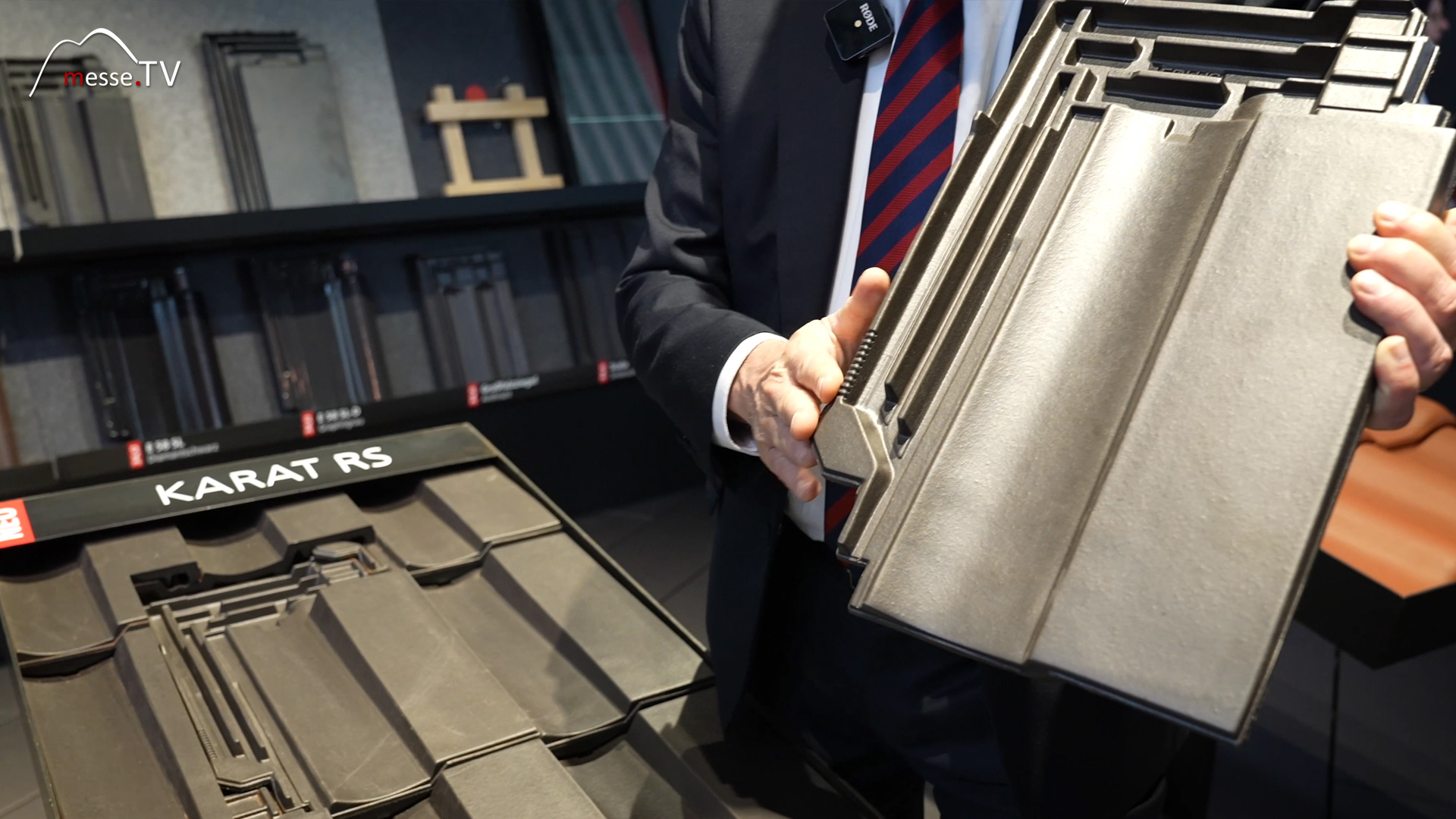
Roof tiles as a central product area
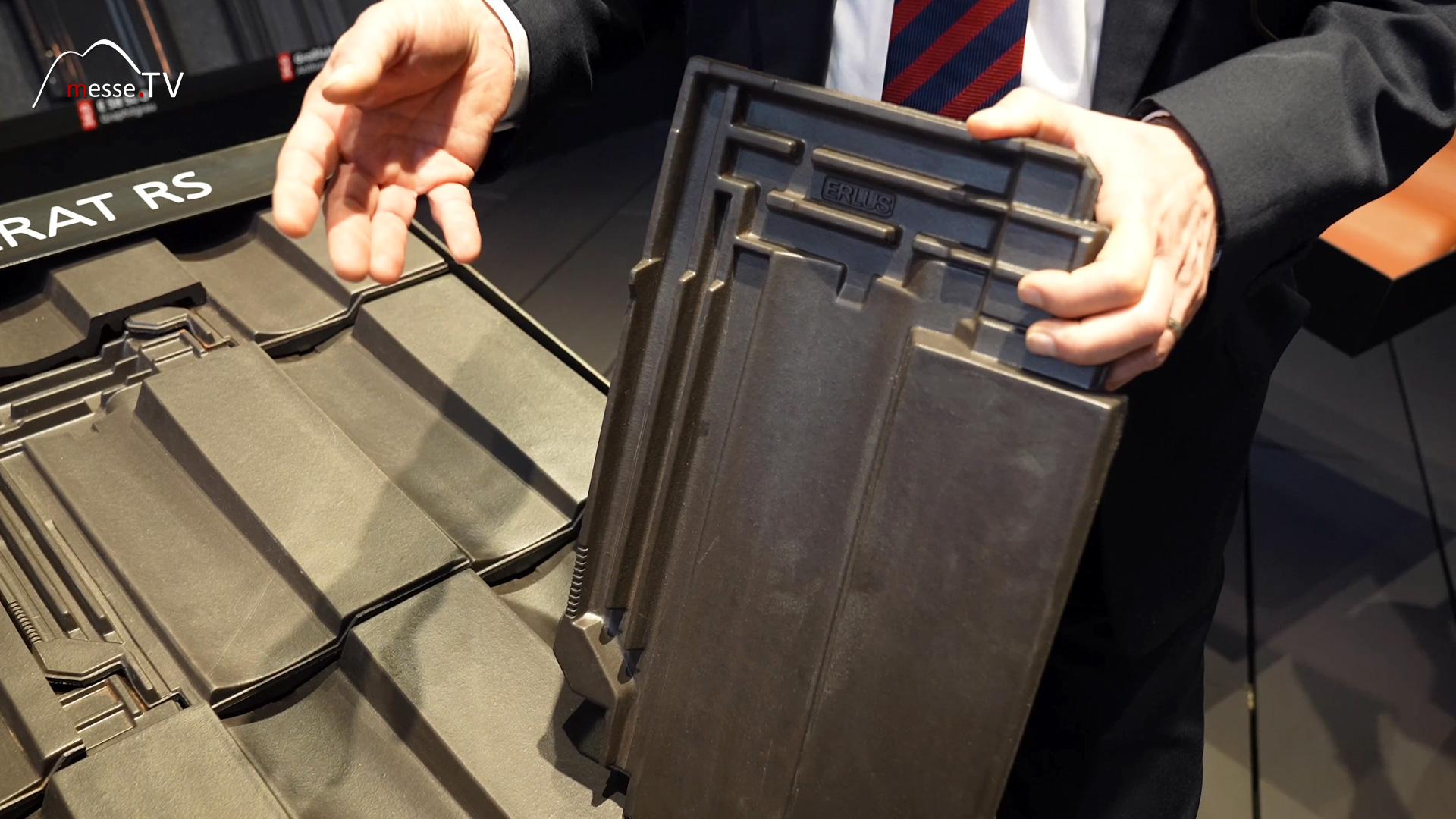
The core of Erlus' product portfolio is ceramic roof tiles, which are available in various shapes, colors, and surfaces. This diversity allows them to be used in a wide range of architectural contexts, from classic single-family homes to complex roof landscapes in commercial construction. In addition to design, technical performance plays a central role. The tiles are designed for high frost resistance, low water absorption, and a long service life. This makes them particularly suitable for regions with extreme temperature fluctuations and high precipitation.
System solutions for roofs
Erlus does not view roof tiles as an isolated product, but as part of a functional overall system. In addition to tiles, the company offers components that are crucial for the technical function and energy efficiency of a roof. The product and system range includes, among other things:
- Ceramic roof tiles for different roof pitches
- Chimney systems for various heating technologies
- Ventilation systems for controlled roof ventilation
- System accessories for connections, penetrations, and details
- Solutions for new construction and energy-efficient renovation
Chimney and ventilation technology in transition
In addition to roof tiles, Erlus has established itself as a supplier of modern chimney systems. These are designed for different energy sources and heating systems and take into account current safety and efficiency requirements. With the increasing importance of energy-efficient buildings, controlled ventilation of attic spaces is also becoming more relevant. Erlus develops solutions for this that can be discreetly integrated into the roof design while also fulfilling structural functions. From a journalistic perspective, this demonstrates the growing importance of technical details in roof construction.
Sustainability and material responsibility
A key feature of the company's strategy is the use of natural raw materials. Clay and ceramics form the basis of the products and enable durable building materials with low maintenance requirements. Erlus also invests in energy-efficient production processes and works continuously to reduce energy consumption in manufacturing. Sustainability is not viewed in isolation, but is linked to product quality and service life. A durable roofing system contributes to the long-term conservation of resources and reduces the need for repairs or replacement.
Positioning in the German construction market
In the German market, Erlus occupies a position that is strongly characterized by specialization and material expertise. The company combines traditional craftsmanship with industrial production and technical development. From a journalistic perspective, Erlus is an example of a building materials manufacturer that does not rely on short-term trends, but on proven materials, standard-compliant solutions, and long-term functionality. The brand shows how traditional roofing materials can be adapted to modern requirements without losing their fundamental character.
Trade fair reporting Germany - Trade fair knowledge, dates & events


