Adidas: Leading manufacturer of sportswear and sports shoes
Adidas is one of the defining brands in the international sporting goods industry. The company is known worldwide for its sportswear, sports shoes, and accessories, and for decades has been navigating the tension between competitive sports, everyday use, and fashion relevance. The brand combines functional requirements with design standards and continuously responds to social and technological developments in the sports environment.

From shoe manufacturer to global brand
The history of Adidas begins in Herzogenaurach, where Adolf Dassler founded the company in 1949. However, its roots go back further: Adolf and Rudolf Dassler were already producing sports shoes together in the 1920s. After the brothers split up, two independent brands emerged, Adidas and Puma, which continue to shape the global sports market to this day. Adidas gained international attention in particular by equipping the German national soccer team at the 1954 World Cup. The use of screw-in studs is considered an early example of how technical innovations can influence athletic performance. In the following decades, the company developed into one of the most important suppliers in international elite and popular sports.
Brand presence in the context of sports and events
Adidas is regularly present at international sporting events, industry events, and selected trade fairs. These appearances are not primarily intended for classic product advertising, but rather to position the brand in larger contexts such as exercise, training, competition, and sports culture. Products are often shown in the context of their use—for example, through test areas, sports demonstrations, or interactive formats. This presence is particularly relevant for editorial platforms because it allows conclusions to be drawn about strategic priorities. It reveals which sports, target groups, or technologies are currently in focus and how the brand positions itself between performance and lifestyle.
Articles about Adidas on Messe.TV
AFP: Adidas Padel Courts - ISPO Munich 2024
AFP Courts is a leading manufacturer of adidas padel courts and offers a comprehensive service for a holistic padel experience. With over 20 years of ... AFP: Adidas Padel Courts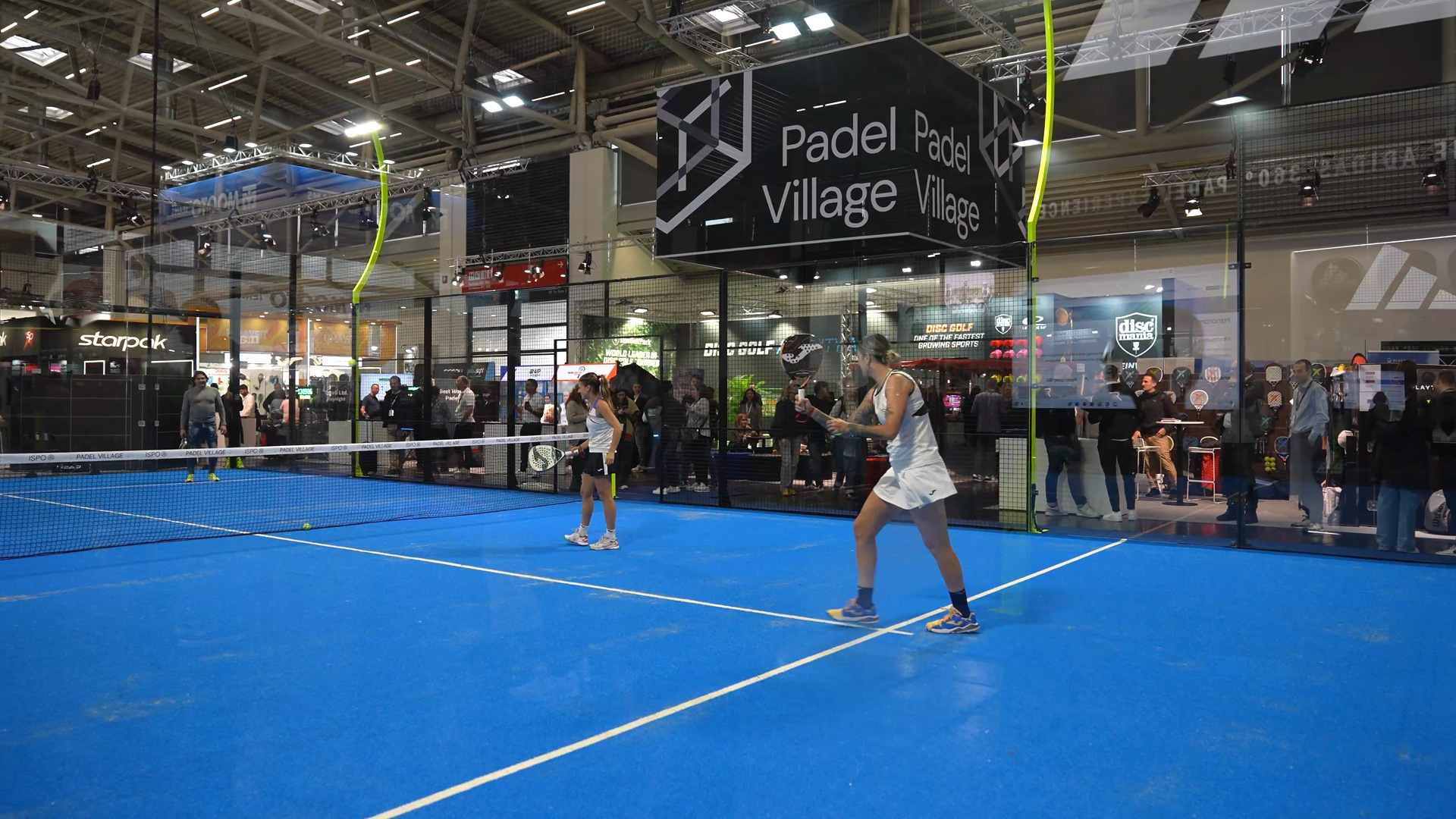
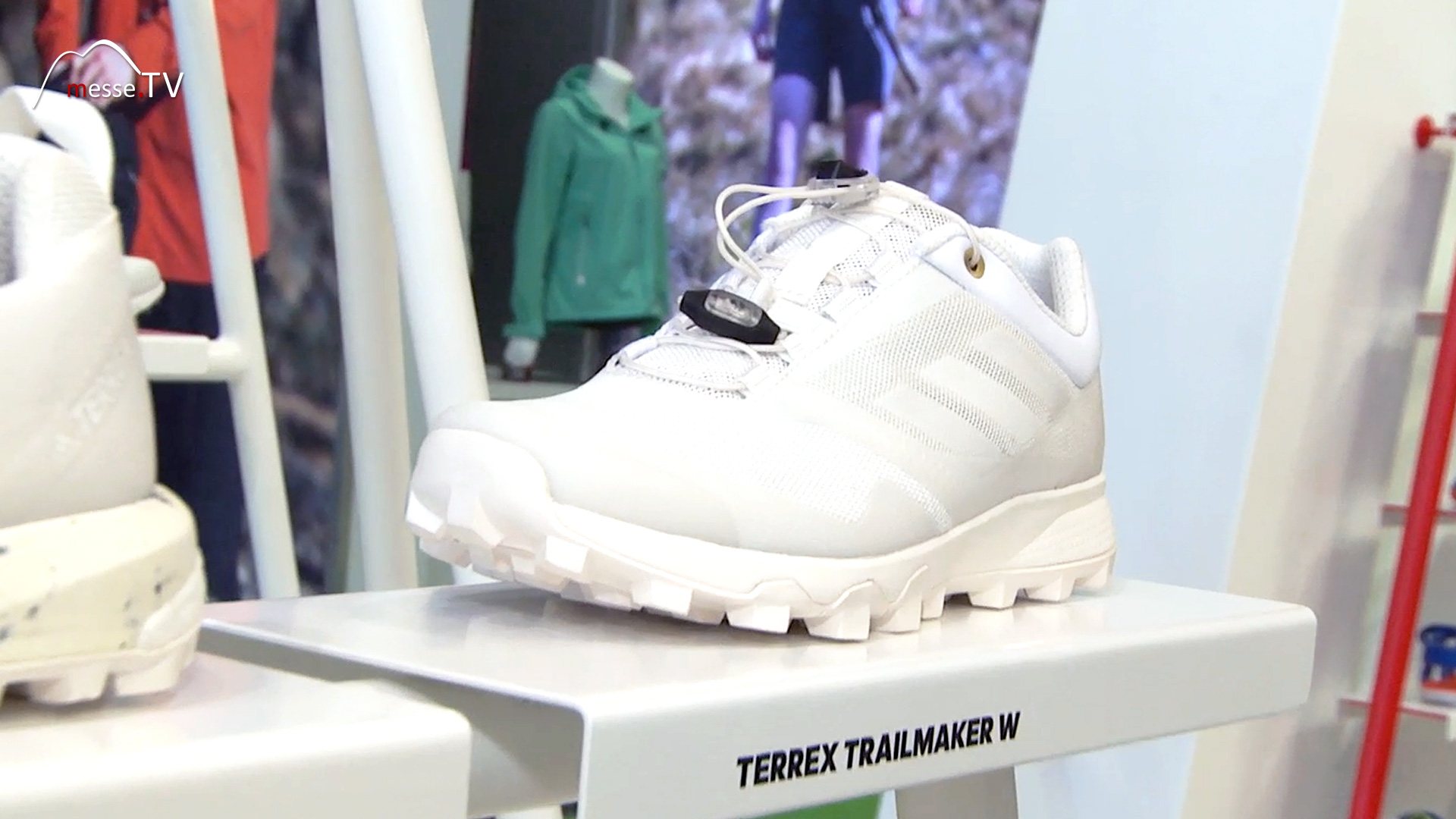
Adidas Terrex - White trail running shoes
White shoes for trail running? What was Adidas thinking? At first glance, you really wonder how they came up with the idea of designing sports shoes f... Adidas Terrex - White trail running shoes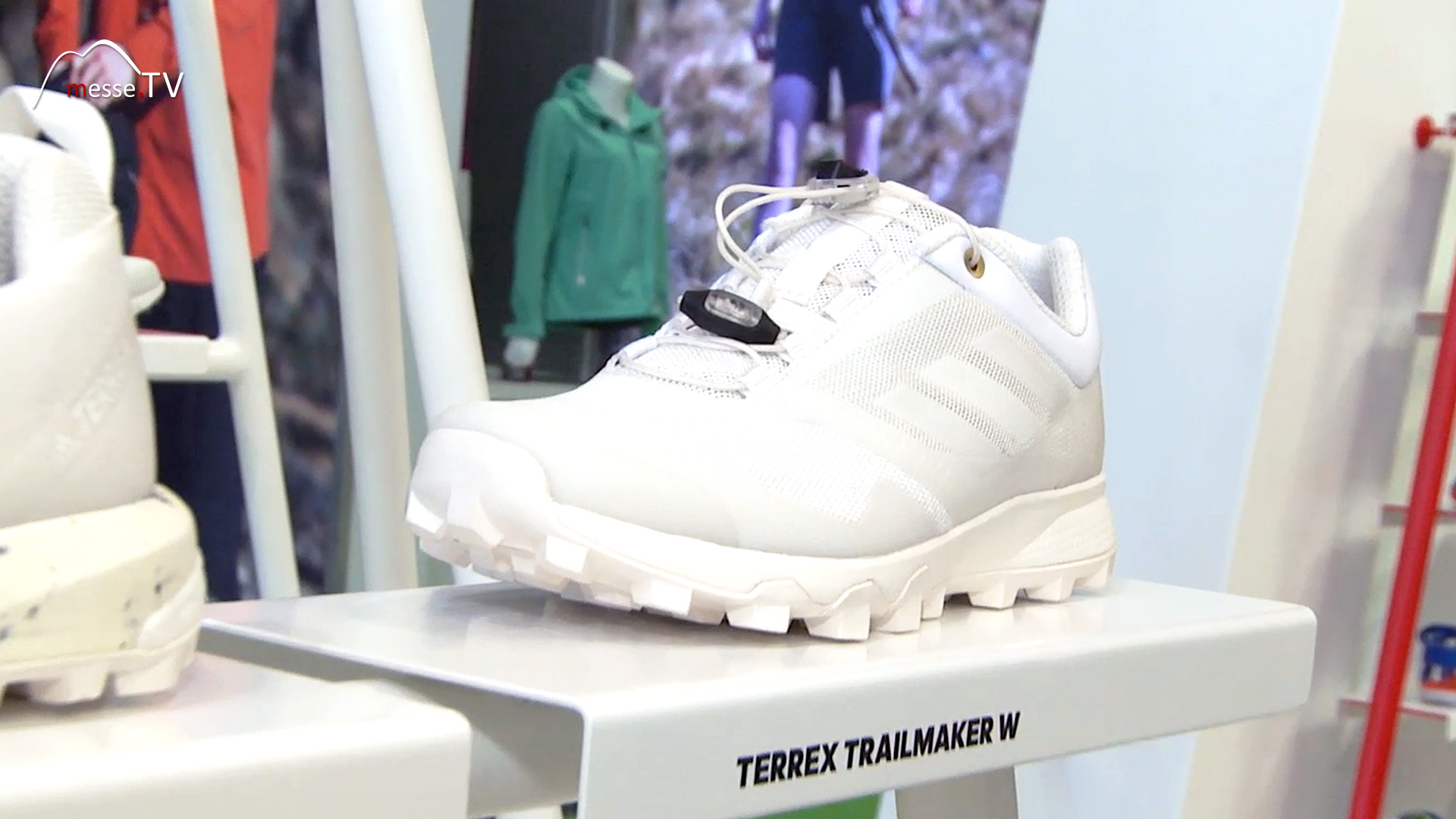
Technological development and material expertise
A key feature of Adidas is the continuous development of materials and manufacturing processes. This is less about individual products and more about technological platforms that are used across multiple collections. Cushioning systems, textile structures, and upper materials are constantly being optimized and adapted to different areas of application. Development often takes place in close consultation with athletes, development departments, and external partners. Findings from professional sports are incorporated, as are requirements from outdoor applications or everyday urban life. Typical focal points of this development work include:
- Material research for weight reduction and durability
- Optimization of cushioning and energy return systems
- Adaptable fits for different loads
- Quality assurance in global production structures
Between competitive sports and everyday culture
In addition to classic competitive sports, Adidas has also been firmly established in the lifestyle segment for many years. Sportswear and shoes have long been part of everyday urban culture. Collaborations with designers, artists, and athletes are helping to increasingly intertwine athletic functionality and fashion aspects. This development is not a short-term trend, but rather an expression of changing usage habits. Sporting goods are no longer purchased exclusively for training or competition, but also as an expression of personal attitude and lifestyle.
Sustainability as a long-term task
As a global company, Adidas faces the challenge of combining environmental responsibility with complex supply chains. Sustainability must therefore be understood as an ongoing process that encompasses material selection, production, and logistics. The increased use of recycled materials, the reduction of emissions, and more transparent supply chains are key issues that the company has been addressing for years. From a journalistic perspective, the most relevant aspect is how these issues are classified: Which measures are established across the industry, where does Adidas set its own priorities, and which challenges remain? It is precisely this differentiation that makes brand pages informative and reliable – beyond self-promotion.
Trade fair reporting Germany - Trade fair knowledge, dates & events


