Wine
Wine is more than just a drink—it tells stories of origin, craftsmanship, and taste. This section focuses on products, concepts, and personalities.
Wine – all articles on German wineries
back to Industries / Lifestyle
Organic winery Keber Kollinger from the Palatinate
The special thing about the Kleber Kolling winery from Sommerloch on the Nahe has been its organic focus for 10 years. At ProWein 2024, Mr. Jonathan Kolling explains to us that in ... Keber Kollinger organic winery, Palatinate wine-growing region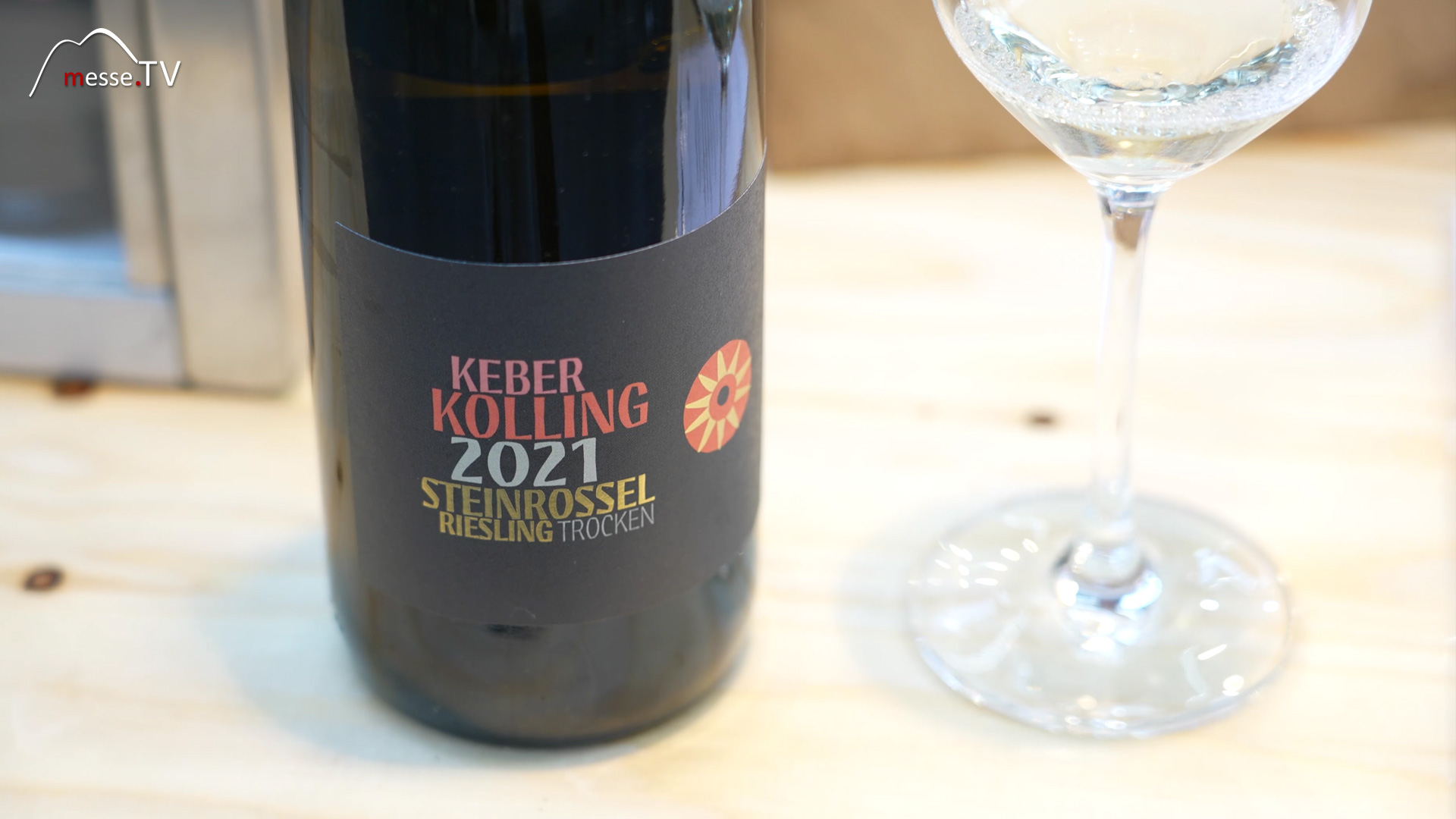
Deidesheim Winegrowers' Association Palatinate region
The Deidesheim winegrowers' association is the oldest cooperative in the Palatinate. The Deidesheim vineyards represent the best sites in the Palatinate. They have outstanding Ries... Deidesheim Winegrowers' Association, Palatinate winegrowing region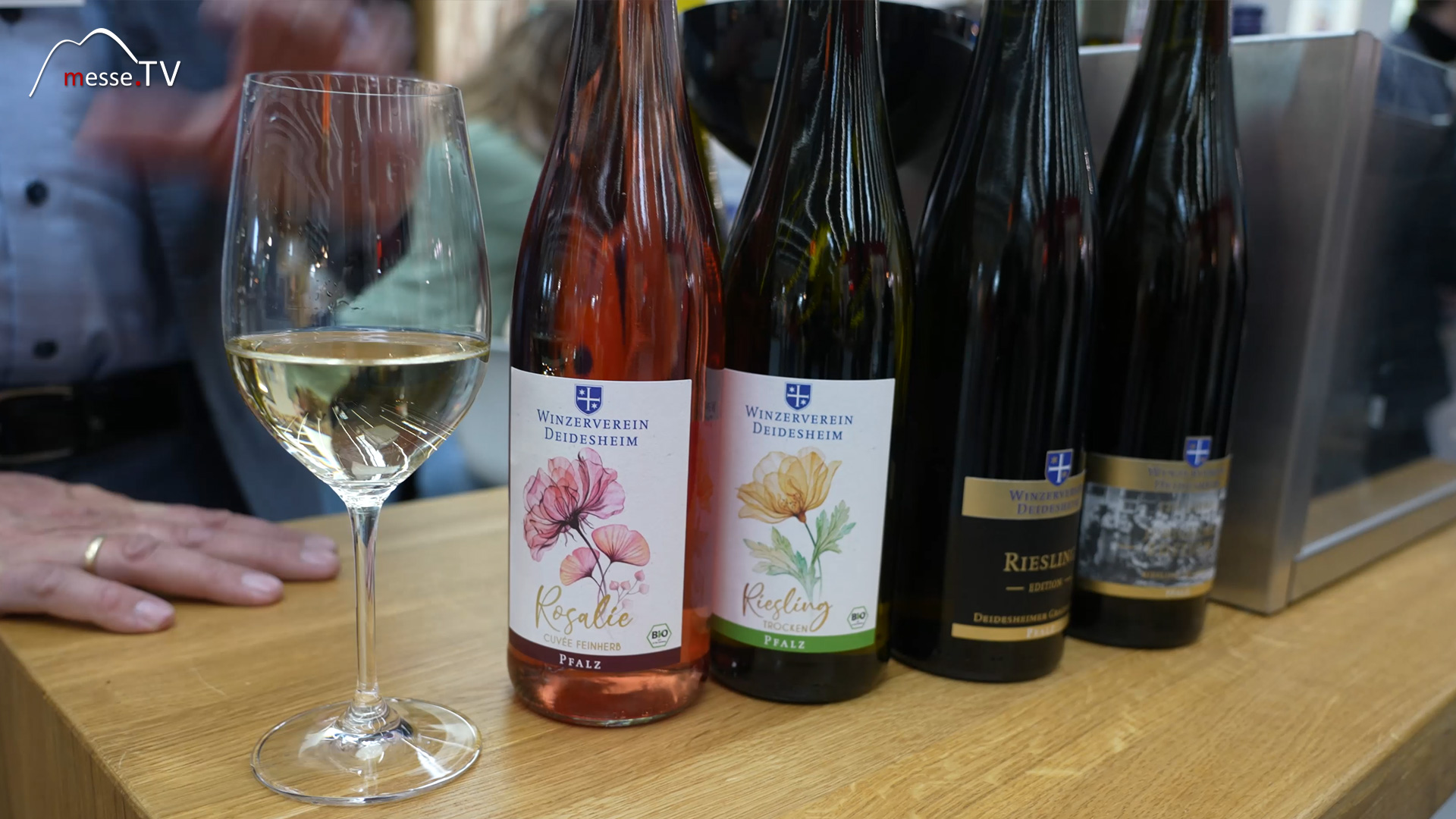
Winegrowers Bischoffingen – ProWein 2024
How does a winegrowers' cooperative work? At ProWein 2024, the managing director of the Bischoffinger Winzerecke winery in the Kaiserstuhl region of Baden, Mr. Thomas Weiler, intro... Bischoffingen Winegrowers' Cooperative, Baden wine-growing region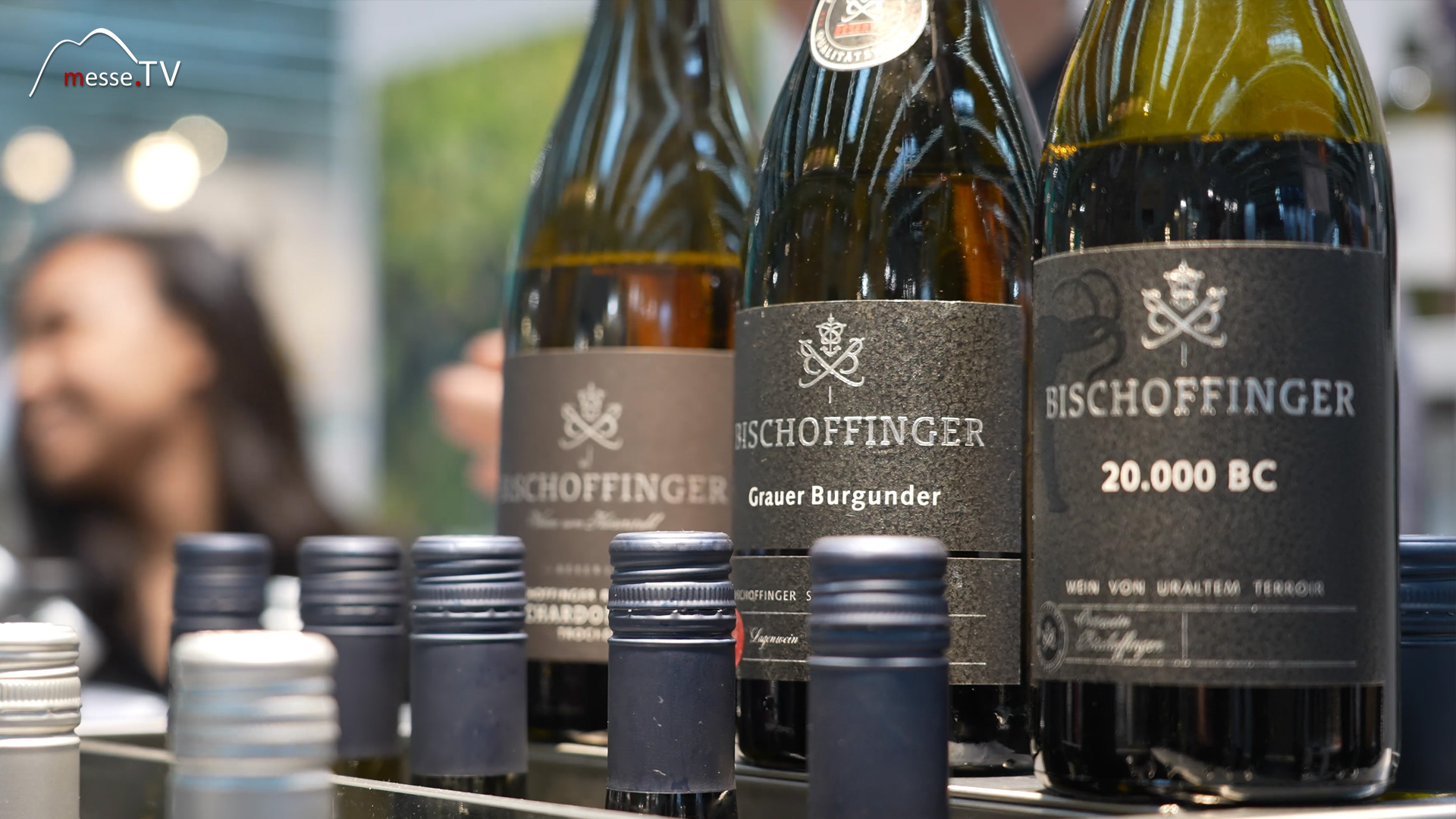
Winery Dr. Hinkel from Rheinhessen
The Dr. Hinkel winery in Framersheim, Rheinhessen, is now in its 18th generation. At ProWein 2024, the young winemaker Peter Hinkel presents the long-established family business in... Dr. Hinkel Winery, Rheinhessen wine-growing region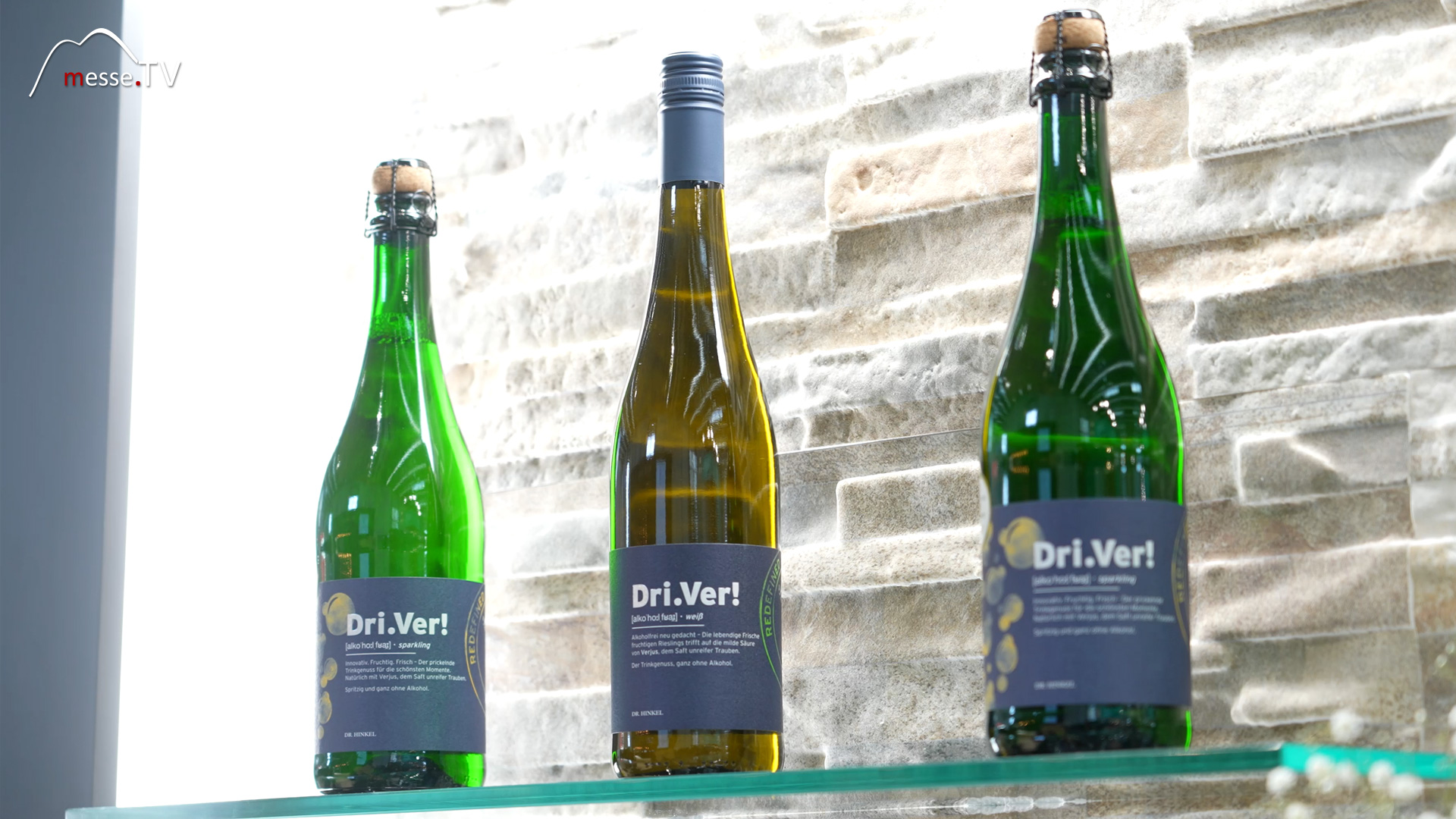
Eppelmann Winery from Rheinhessen
Winemaker Christian Eppelmann and his sister are the 5th generation to join the winery. They want to continue the family business, the work of their ancestors, and also break new g... Eppelmann Winery, Rheinhessen wine-growing region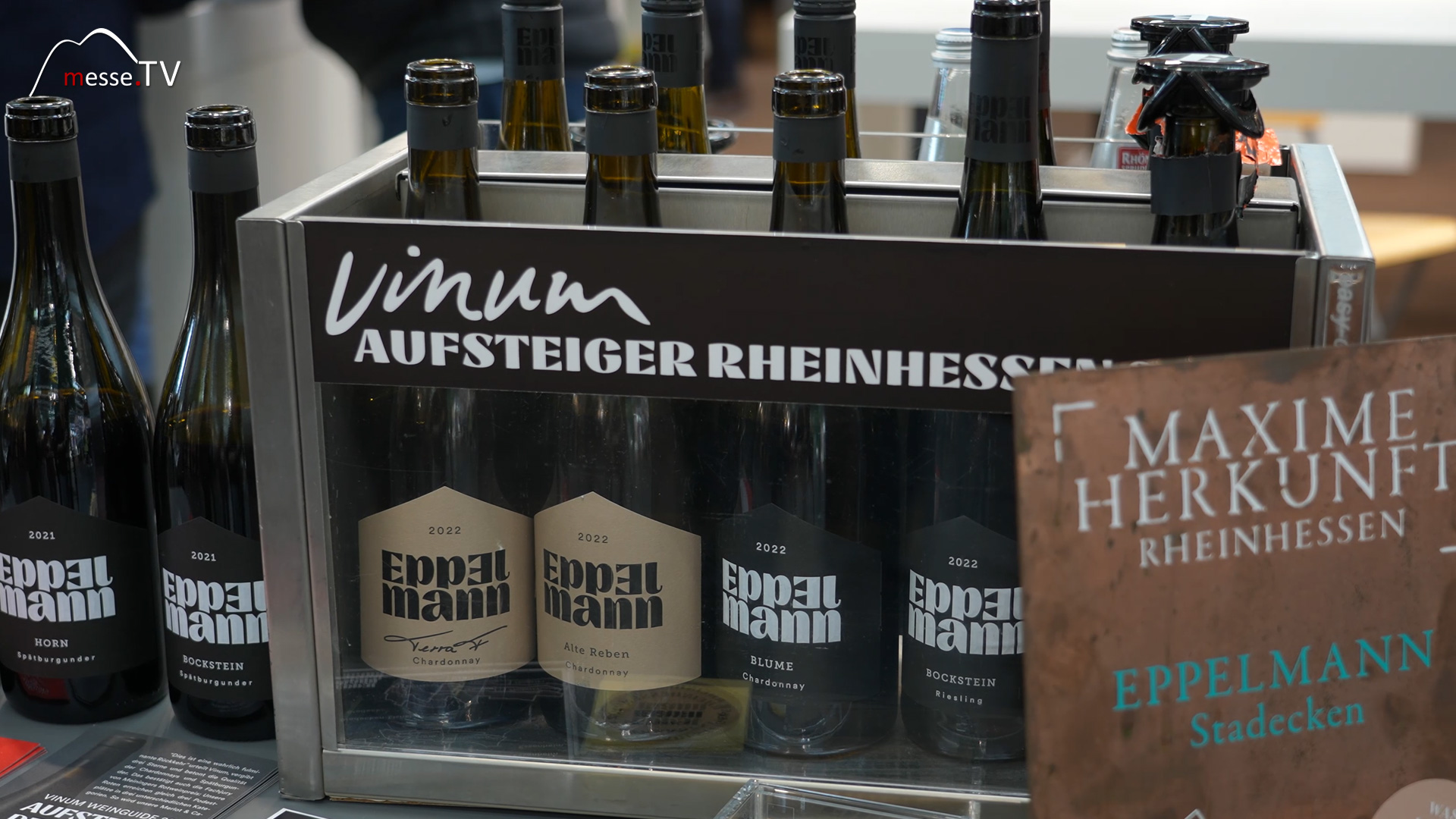
Kerpen Winery on the Moselle
At the stand of the Kerpen winery from the beautiful village of Wehlen on the Middle Moselle, senior boss Mr. Martin Kerpen welcomes us personally. He recently handed over the fami... Kerpen winery, Mosel wine-growing region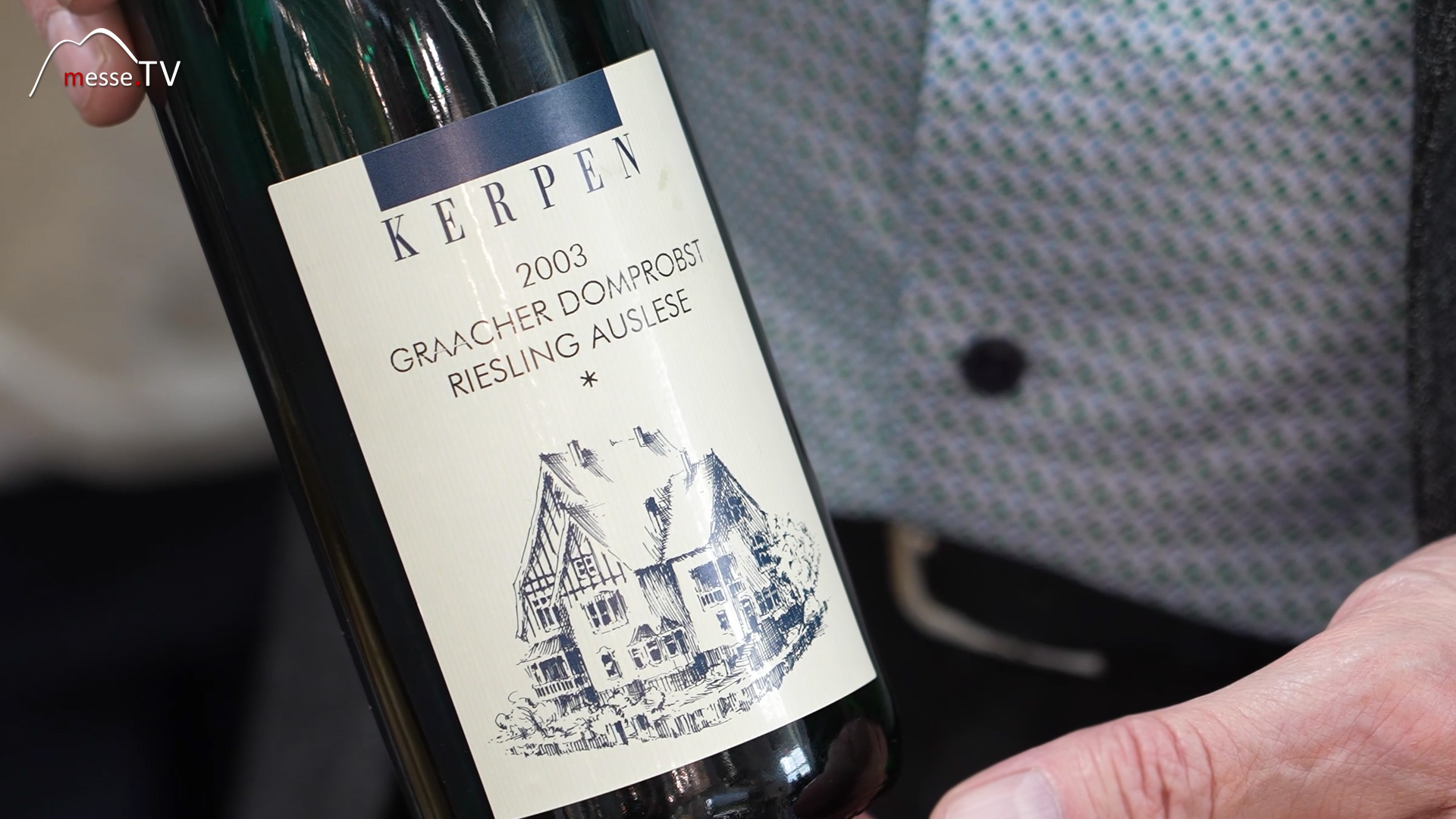
Winery Peter Stolleis from the Palatinate
At ProWein 2024 in Düsseldorf, we meet winemaker Hans Christoph Stolleis, who took over the traditional Peter Stolleis winery in Gimmeldingen in the Palatinate from his parents two... Peter Stolleis Winery, Palatinate wine-growing region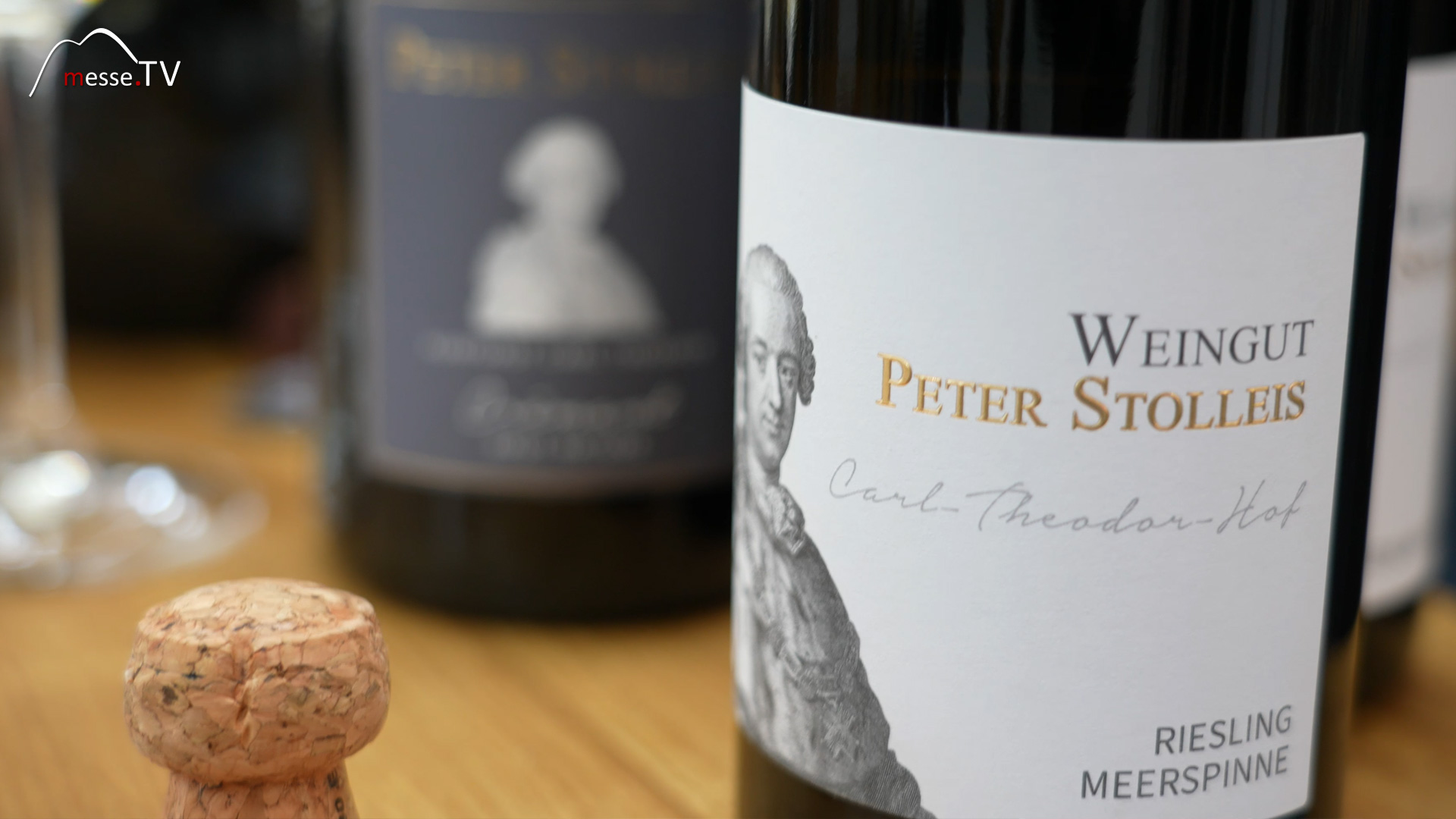
Vollmer Winery from the Palatinate
For over 50 years, the traditional Vollmer winery has been located in the heart of the sunny Palatinate in Ellerstadt, close to the Wine Route, in beautiful locations. Agriculture ... Vollmer Winery, Palatinate wine-growing region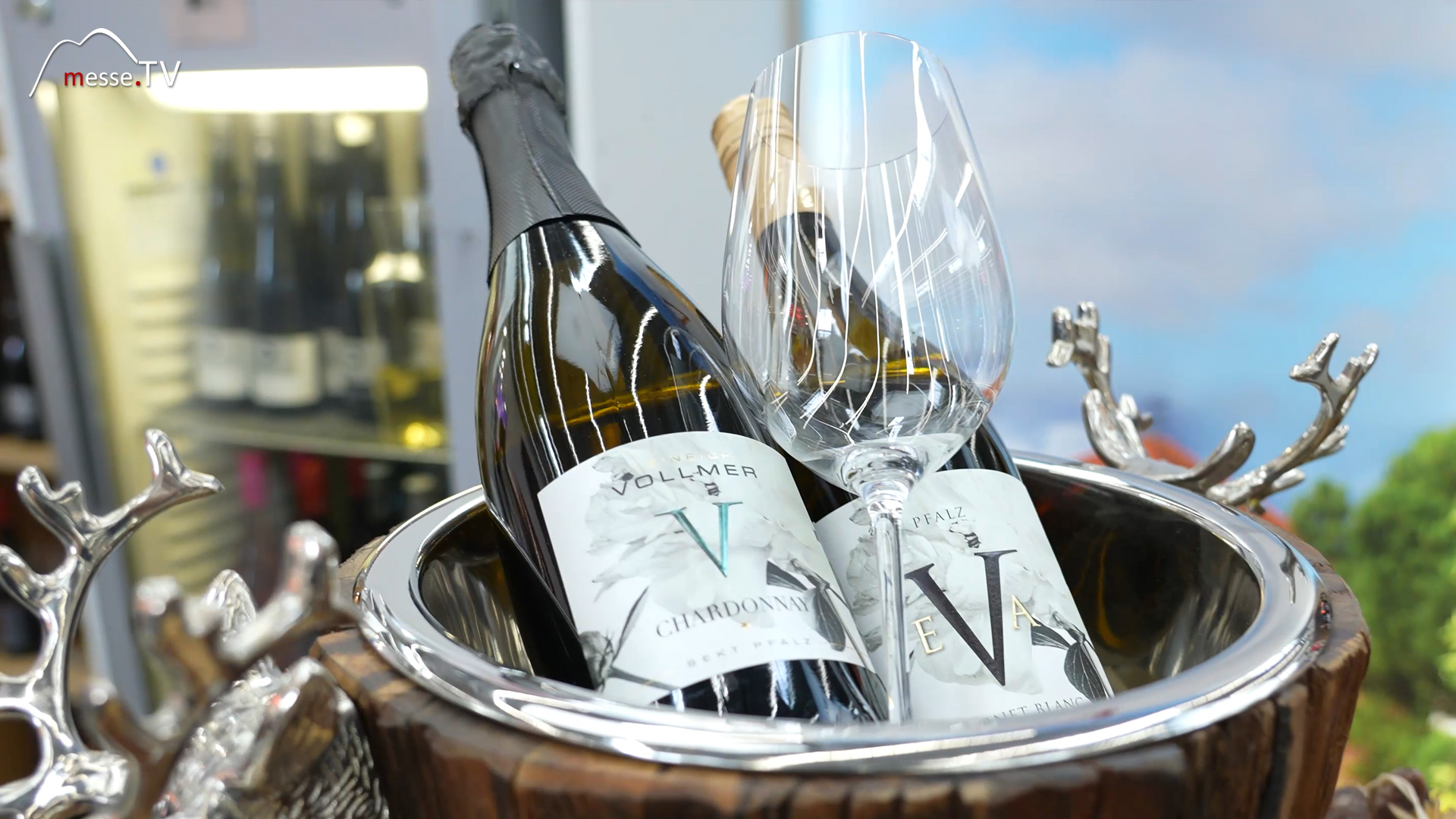
Winery Walz from Baden
Almost everyone loves a good wine. Comedian and parodist Max Giermann has also discovered and deepened his love of wine. As a result, he and his friend Thomas Walz will be able to ... Walz Winery, Baden wine-growing region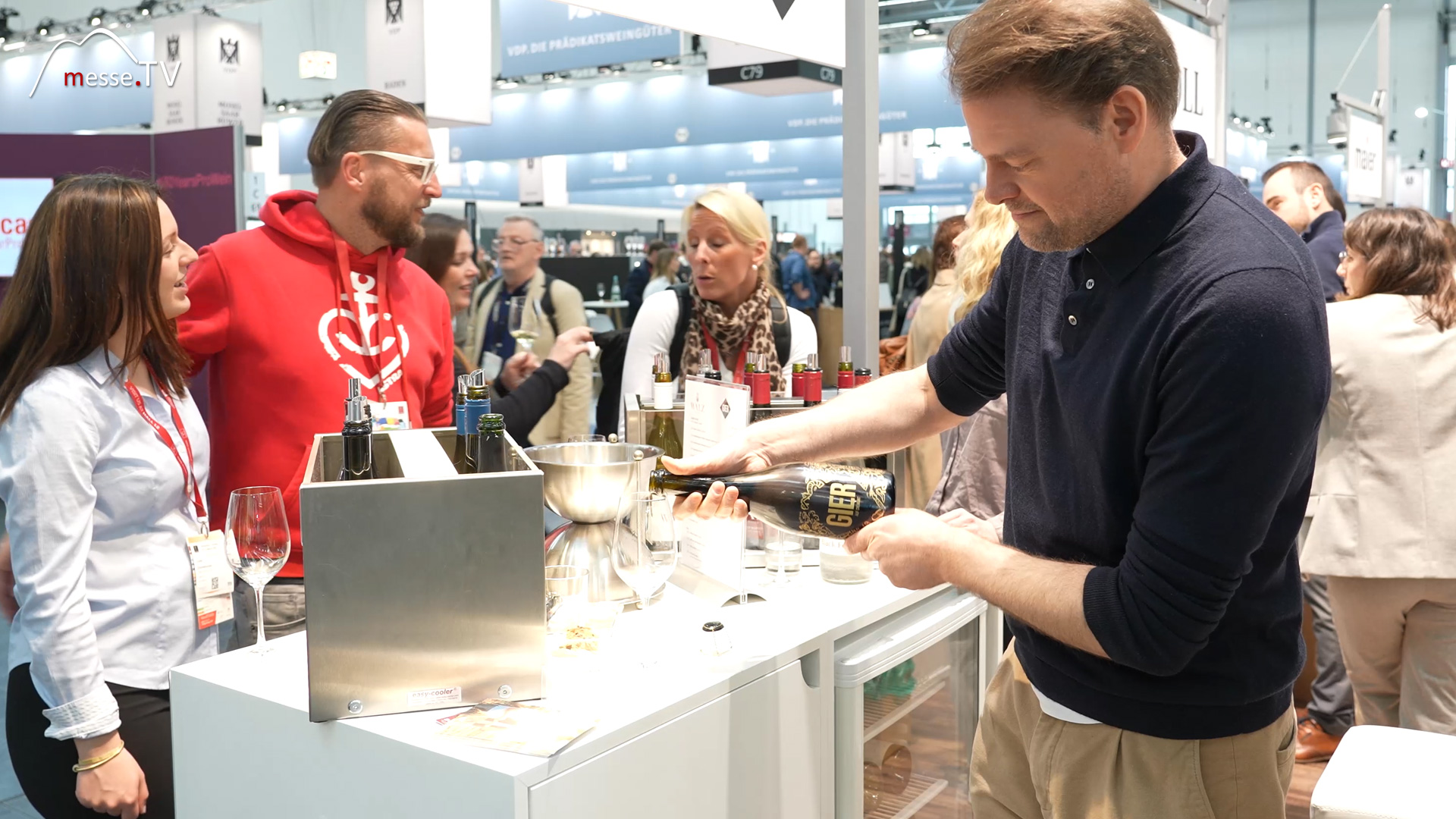
Organic winery Bernhard from Rheinhessen
The Bernhard family winery in Wolfsheim is located on the border region between Nahe and Rheinhessen. This combines the advantages of both viticulture regions for the 27-hectare Be... Organic winery Bernhard from Rheinhessen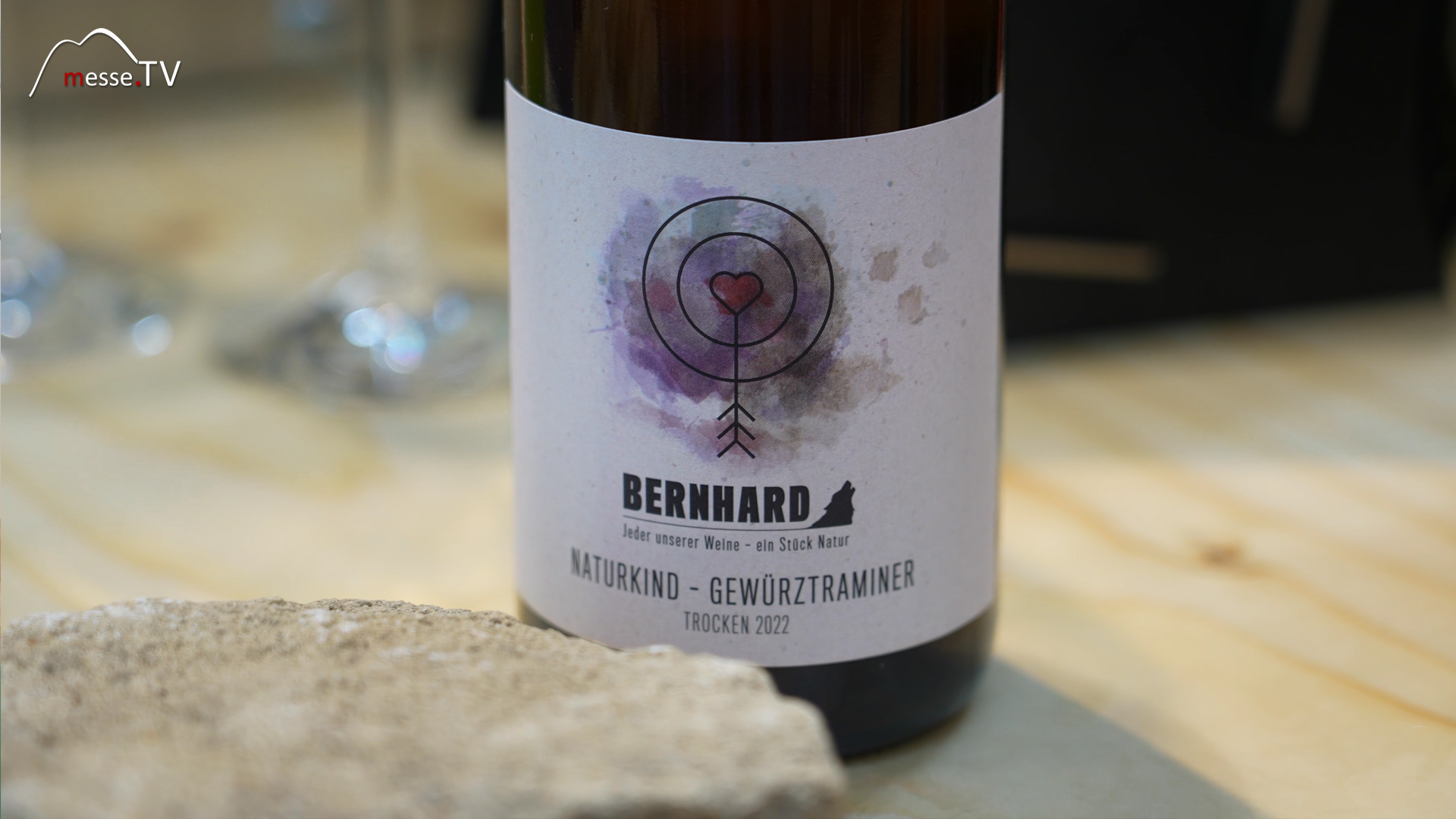
Winery Adams Wein from Rheinhessen
The ADAMS winery from Ingelheim in Rheinhessen stands for Burgundy wines. This grape variety thrives particularly well on the extremely calcareous soils of the Ingelheim vineyards.... Winery Adams Wein from Rheinhessen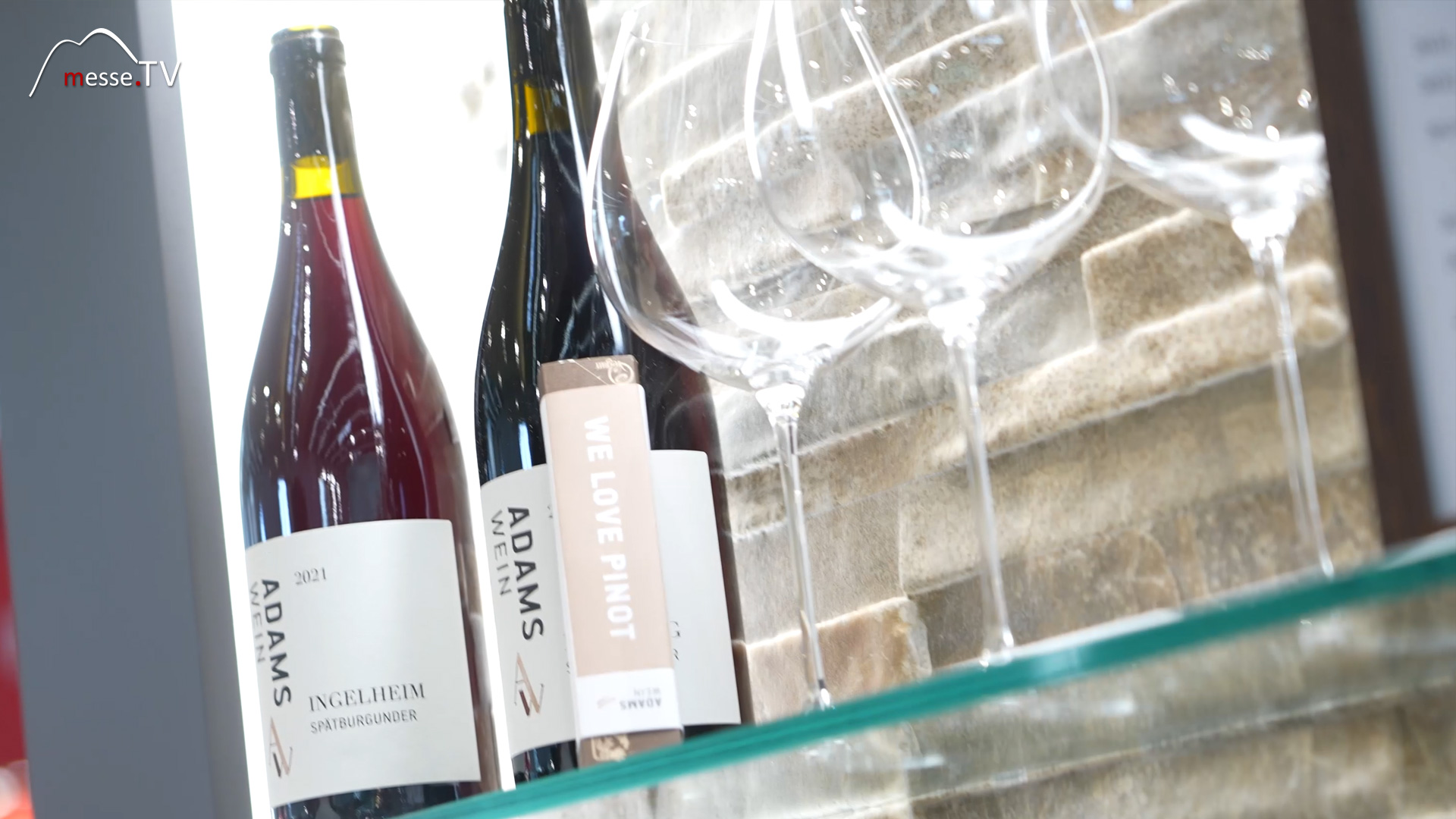
Winery Claes Schmitt Erben on the Moselle
The small Claes Schmitt Erben winery in Trittenheim on the Moselle produces fine wines from steep vineyards with a high proportion of Riesling. The classic family business is commi... Winery Claes Schmitt Erben on the Moselle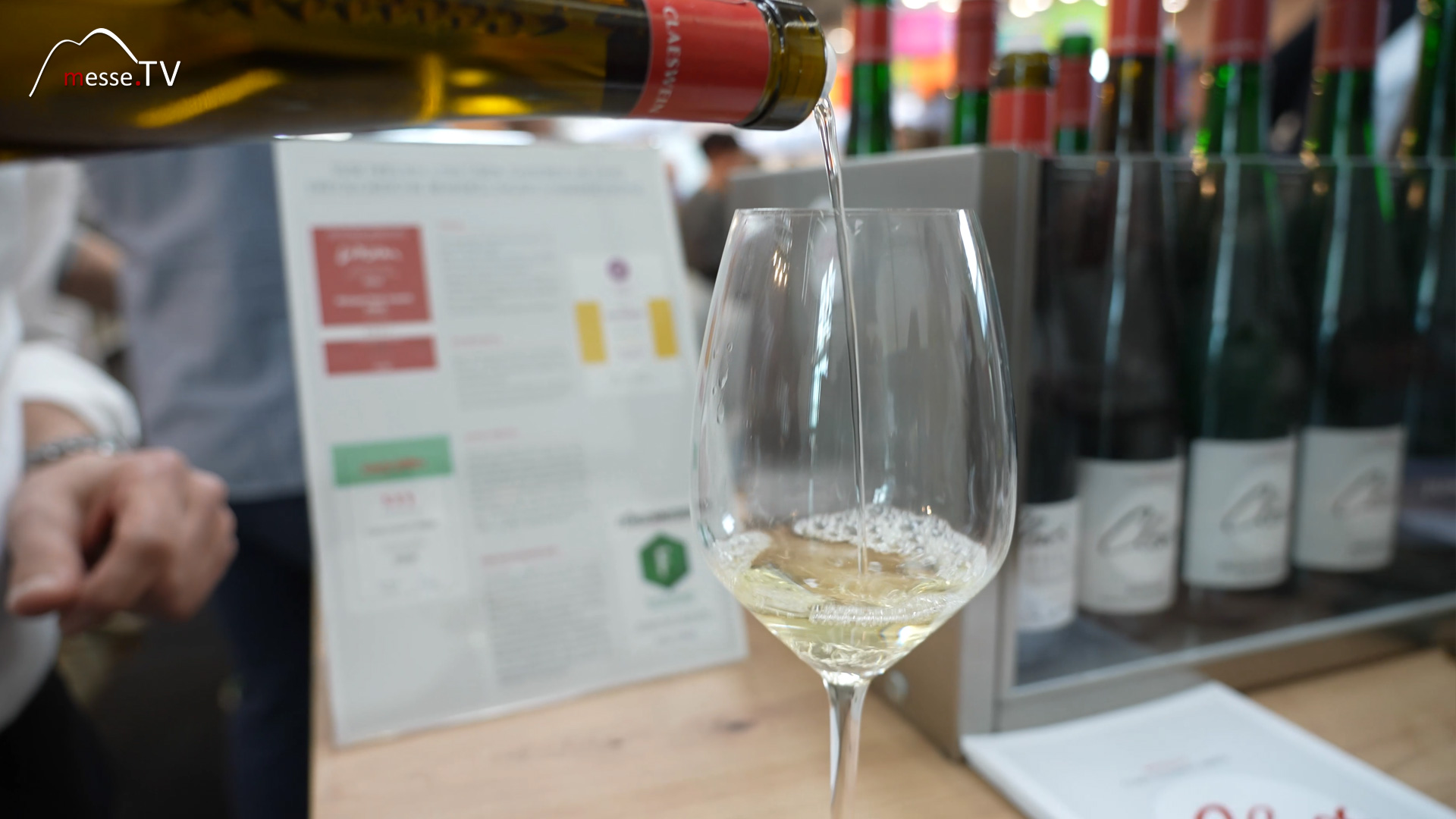
Tradition and family history in German viticulture
Many German wineries look back on a long family tradition. Intergenerational knowledge, regional roots, and artisanal care characterize the wines presented on Messe.TV. The wineries show how tradition can be preserved while at the same time setting new trends—whether through modern cellar technology or fresh label design.
- Family-run wineries in their fifth to eighteenth generation
- Combining classic craftsmanship with contemporary approaches
- Conscious continuation of regional grape varieties and locations
Organic cultivation and sustainable concepts
Sustainability has long since arrived in viticulture – many wineries rely on organic cultivation, refrain from using herbicides, and value closed nutrient cycles. At ProWein and in video reports on Messe.TV, organic winegrowers provide insights into their everyday lives, their motivation, and the challenges they face in organic viticulture.
- Organic-certified wineries with many years of experience
- Wines from fungus-resistant grape varieties (PiWis)
- Gentle soil cultivation and biodiversity in the vineyards
Diversity of wine regions – terroir as a flavor characteristic
The wineries featured are spread across the most important German wine-growing regions – from the Mosel to Baden. Each region has its own special characteristics, whether in terms of soil, microclimate, or topography. Messe.TV shows how winemakers use these characteristics to produce wines with strong personalities.
- Moselle: Steep-slope Rieslings with fine minerality
- Rheinhessen: Calcareous soils, Burgundy expertise
- Palatinate and Baden: Sun-drenched sites with aromatic richness
Wine and personality – portraits and conversations
Behind every wine is a person with attitude, experience, and vision. Messe.TV introduces these personalities: young career changers, tradition-conscious successors, or creative minds who are giving winegrowing new impetus. Their stories give the product a face – beyond the bottle.
- Interviews with winemakers from different regions
- Insights into family businesses, cooperatives, and young labels
- Personal approaches to taste, grape varieties, and marketing
Cooperatives and collaborations in transition
In addition to individual businesses, winegrowers' cooperatives are also an integral part of the German wine market. Messe.TV reports on successful models of collaborative production – from the Kaiserstuhl region to the Palatinate. Modern cooperatives focus on quality, clear branding, and transparent structures.
- Traditional winegrowers' associations with a new self-image
- Regional alliances to improve quality
- Cooperative brand development with high market penetration
Trade fair reporting Germany - Trade fair knowledge, dates & events


