Internationale Grüne Woche Berlin – Weltleitmesse für Ernährung, Landwirtschaft und Gartenbau
Die Internationale Grüne Woche (IGW) in Berlin zählt zu den bekanntesten und traditionsreichsten Messen Deutschlands – und ist zugleich weltweit einzigartig in ihrer thematischen Bandbreite.
Eine traditionsreiche Messe im Zeichen von Genuss, Nachhaltigkeit und globalem Austausch
Seit ihrer Premiere im Jahr 1926 bringt sie jedes Jahr Produzent, Händler, Politikerund Verbraucher zusammen, um sich über die Themen Ernährung, Landwirtschaft und Gartenbau auszutauschen. Heute ist sie die Weltleitmesse für Ernährung, Landwirtschaft und Gartenbau und geht weit über eine reine Verbraucherschau hinaus. Mehr als 1.800 Aussteller aus über 70 Ländern präsentieren auf dem Berliner Messegelände regionale Spezialitäten, landwirtschaftliche Innovationen, nachhaltige Anbaumethoden, agrarpolitische Debatten und Gartenideen für Stadt und Land. Damit verbindet die Grüne Woche Tradition und Fortschritt – auf fachlicher, gesellschaftlicher und kulinarischer Ebene.
Erlebniswelt Ernährung – Vielfalt zum Anfassen und Verkosten
Ein Herzstück der Grünen Woche ist der große Ausstellungsbereich für Lebensmittel und Genusskultur. Hier präsentieren sich Länder, Bundesländer, Erzeugerverbände, Manufakturen und Lebensmittelhersteller mit regionalen und internationalen Spezialitäten. Besucher:innen haben die Möglichkeit, Produkte zu verkosten, Rezepte zu entdecken, Produktionsweisen kennenzulernen und in direkten Austausch mit den Aussteller:innen zu treten. Von bayerischer Wurst über sizilianisches Olivenöl bis hin zu Bio-Tee aus Sri Lanka – die IGW zeigt die globale Vielfalt der Lebensmittelproduktion und verdeutlicht zugleich deren kulturelle, wirtschaftliche und ökologische Bedeutung. Auch Themen wie faire Lieferketten, Bio-Zertifizierung, Foodtrends oder nachhaltige Verpackung werden hier anschaulich vermittelt. Wer sich für weitere bedeutende Fachmessen in der Hauptstadt interessiert, findet auf der Messe Berlin eine fundierte Übersicht über alle wichtigen Veranstaltungen in der Region.
Landwirtschaft und Tierhaltung – Zukunftsfragen im Fokus
Neben der Produktvielfalt steht die Landwirtschaft im Zentrum der Messe. In speziellen Hallen wird gezeigt, wie moderne Landwirtschaft funktioniert – von Ackerbau und Viehzucht über Landtechnik bis hin zur digitalen Betriebsführung. Maschinenhersteller, Verbände und Agrarunternehmen zeigen aktuelle Techniktrends, innovative Züchtungsmethoden, Umweltstandards und Lösungen für den Klimaschutz in der Agrarwirtschaft. Ein beliebter Publikumsmagnet ist traditionell die Tierhalle, in der Rinder, Schafe, Pferde, Schweine und Geflügel präsentiert werden. Hier erleben Besucher:innen nicht nur die Tierarten hautnah, sondern erfahren auch viel über artgerechte Haltung, Fütterung, Tiergesundheit und Zucht.
Politik und Gesellschaft im Dialog – das „Agrarpolitische Spitzentreffen“
Ein besonderes Merkmal der Grünen Woche ist ihre politische Relevanz. Jedes Jahr findet im Rahmen der Messe das sogenannte „Global Forum for Food and Agriculture (GFFA)“ statt – ein internationaler agrarpolitischer Gipfel, an dem Agrarminister:innen aus aller Welt sowie Vertreter:innen von NGOs, Wissenschaft und Wirtschaft teilnehmen. Themen wie Welternährung, Klimaanpassung in der Landwirtschaft, Tierwohl oder Ernährungssicherheit stehen dabei im Mittelpunkt. Auch deutsche Akteur:innen aus Politik, Verbänden und Zivilgesellschaft nutzen die IGW für Debatten, Pressegespräche und Fachforen. Dadurch wird die Messe nicht nur zur Schaufläche, sondern auch zur Bühne für Entscheidungen, Positionierungen und Impulse.
Gartenbau, Urban Gardening und grüne Innovationen
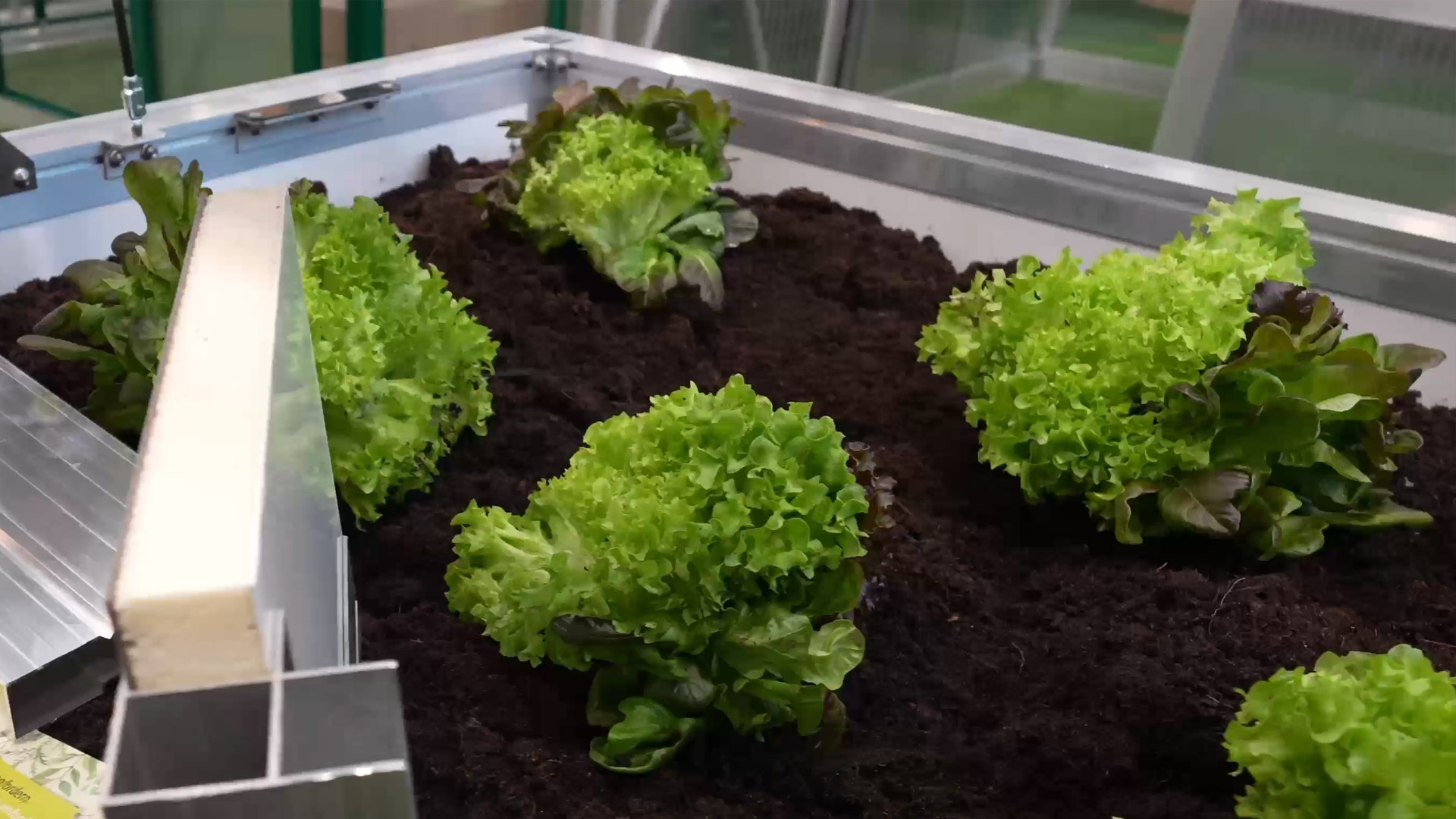
Ein weiterer Schwerpunkt der Messe ist der Gartenbau. Neben klassischen Themen wie Zierpflanzen, Landschaftsarchitektur oder Gartengeräten widmet sich die IGW zunehmend auch urbanen Konzepten: Vertical Gardening, grüne Dächer, essbare Städte und klimaangepasste Bepflanzung stehen ebenso auf dem Programm wie nachhaltige Bewässerungssysteme und torffreie Erden. Dieser Bereich spricht sowohl Privatgärtner:innen als auch Kommunen und Landschaftsplaner:innen an und zeigt, wie grüne Infrastruktur zur Lebensqualität und Klimaanpassung beitragen kann – gerade in wachsenden Städten.
Bildung, Nachwuchsförderung und Erlebnisangebote
Die Grüne Woche versteht sich auch als Bildungsmesse. Für Schüler:innen, Auszubildende und Studierende gibt es spezielle Führungen, Lernmodule und Veranstaltungen, die Einblicke in Berufe und Studiengänge rund um Ernährung, Landwirtschaft und Umwelt ermöglichen. Die Initiative „ErlebnisBauernhof“ etwa bietet eine interaktive Lernlandschaft, in der Kinder den Weg vom Feld bis zum Teller nachvollziehen können. Neben den Fachthemen bietet die Messe viele familienfreundliche Angebote: Kochshows, Mitmachaktionen, Live-Vorführungen und Themengärten machen die IGW zu einem Erlebnis für alle Altersgruppen.
Berlin als Drehscheibe für Ernährung, Handel und Agrarpolitik
Als Austragungsort spielt Berlin eine zentrale Rolle für das Profil der Messe. Die Nähe zur Bundespolitik, die internationale Anbindung sowie die Offenheit der Stadt für kulturelle und kulinarische Vielfalt machen die Grüne Woche hier besonders lebendig. Nicht zuletzt profitiert die Messe von der kulturellen Neugier ihres Publikums – viele Berliner:innen besuchen die IGW jedes Jahr erneut, aber auch Fachbesucher:innen aus ganz Deutschland und darüber hinaus finden hier eine Plattform, die Austausch, Genuss und Weiterbildung verbindet.
Fazit: Die Grüne Woche als Spiegel globaler Agrar- und Ernährungsthemen
Die Internationale Grüne Woche in Berlin ist weit mehr als eine Verbrauchermesse. Sie ist ein Schaufenster für die Zukunft unserer Ernährung, ein Treffpunkt für politische und wirtschaftliche Entscheidungsträger:innen und ein Ort, an dem Landwirtschaft und Gesellschaft miteinander ins Gespräch kommen. Wer sich für die Zusammenhänge von Genuss, Verantwortung und globalen Ressourcen interessiert, wird hier umfassend informiert – und inspiriert. Weitere Informationen zur Veranstaltung finden Sie unter www.gruenewoche.de
Messe-Berichterstattung bundesweit - Messewissen, Termine & Veranstaltungen


