Blechexpo Stuttgart Trade fair for sheet metal working
Blechexpo Stuttgart is a specialized trade fair dedicated entirely to industrial sheet metal working. It is aimed at trade visitors from the fields of production, design, work preparation, and management who are involved in the processing of sheet metal, tubes, and profiles. The Stuttgart location is closely linked to the industrial heartland of southern Germany and is synonymous with mechanical engineering, the automotive industry, and metalworking companies with a high level of vertical integration.
The focus is on technologies that are used along the entire process chain. Instead of isolated product presentations, the emphasis is on interrelationships: from the raw material to forming and cutting processes to automation, quality assurance, and integrated production lines. The technical focus is clearly industrial and is aimed at users with specific investment and optimization questions.
Messe.TV Beiträge zur Blechexpo
Sheet metal processing as an industrial process chain
Today, sheet metal processing involves much more than individual processing steps. Solutions for cutting, punching, forming, bending, and joining will be on display, supplemented by systems for handling and transport. The focus is on reproducible quality, process reliability, and economical series production. Modern cutting technologies play a central role here. Laser, plasma, and water jet systems are considered in the context of different material thicknesses and materials. These are complemented by presses, bending machines, and forming technology designed for precision and high repeat accuracy. The solutions presented are based on real production conditions and requirements from industries such as vehicle manufacturing, the supply industry, and plant engineering. Typical topics in this area are:
- Cutting and separating technology for sheet metal and profiles
- Forming and bending processes for series production
- Tools and systems for process stability
Automation, robotics, and networked production
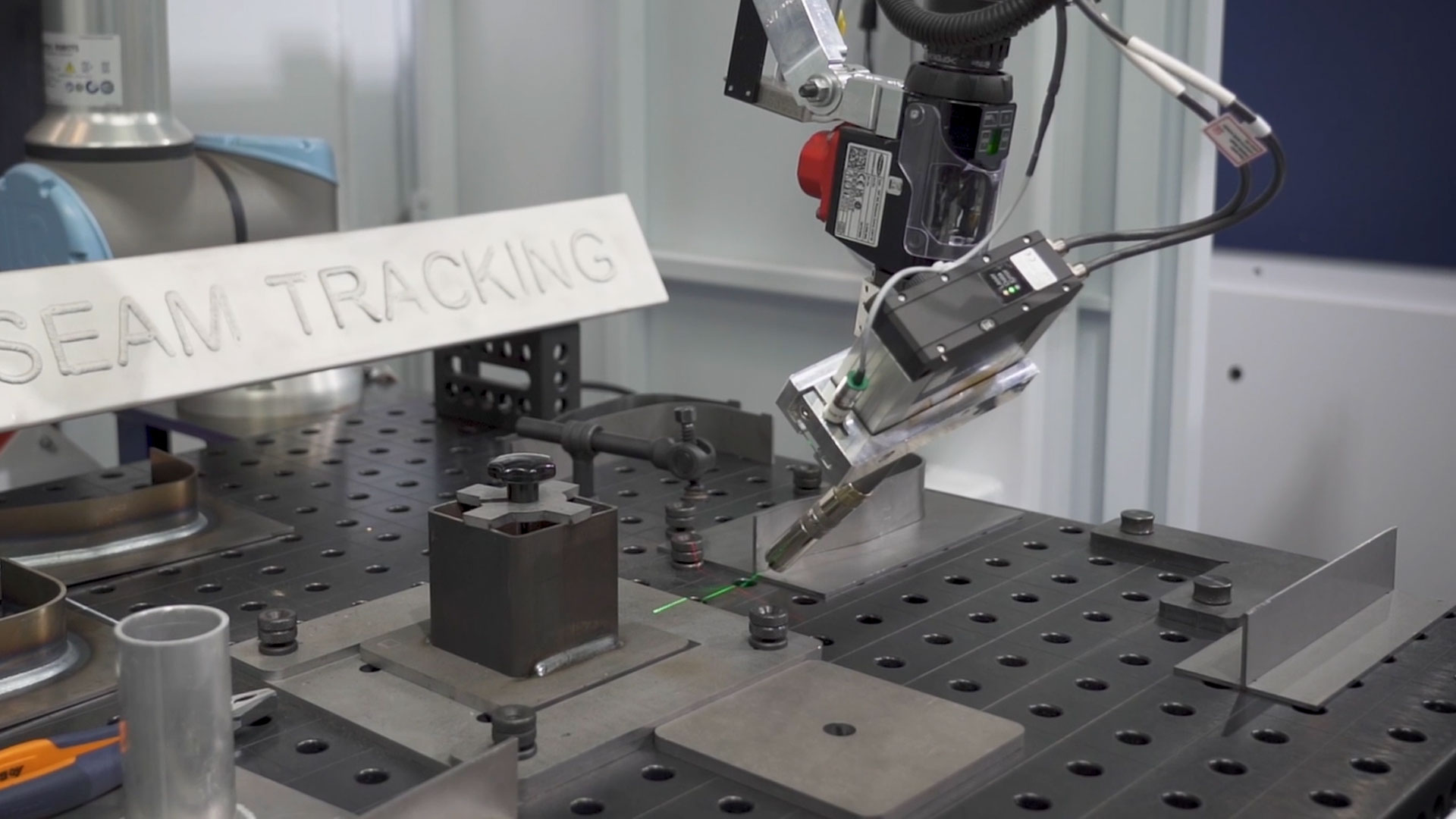
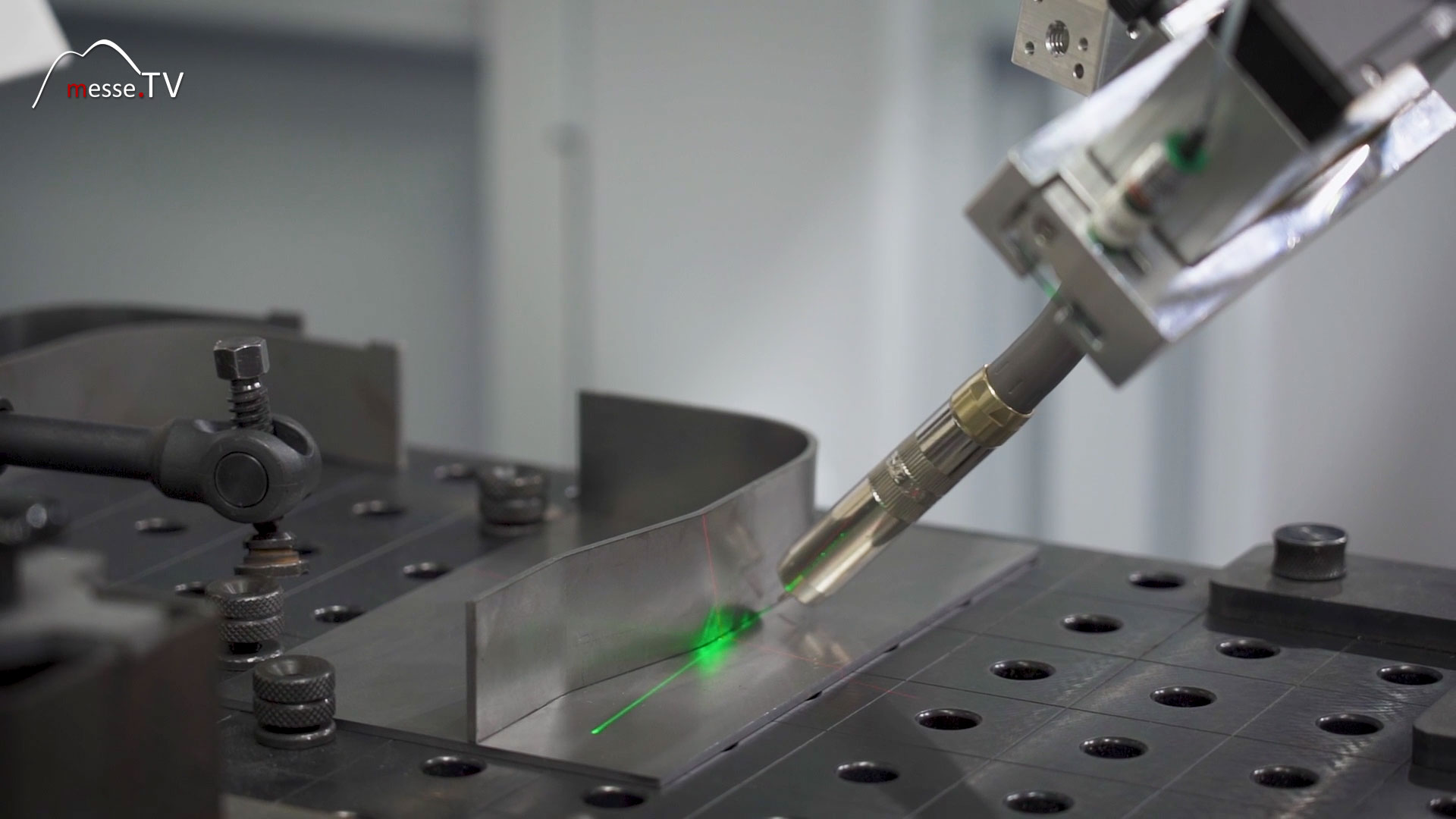
Another focus is on automation. Today, robot-assisted systems not only handle sheet metal parts, but are also increasingly integrated into machining processes. Automatic loading and unloading systems, flexible cells, and networked production modules help to reduce throughput times and deploy personnel in a targeted manner. The combination of machines, software, and sensor technology enables more precise control of production. Production data is collected, evaluated, and used for optimization. This is less about abstract digitization concepts and more about concrete applications: stable processes, lower scrap rates, and transparent workflows. Interfaces between machines from different manufacturers also play a role in this context. Open systems and standardized communication are increasingly seen as prerequisites for cost-effective automation.
Materials, quality, and efficiency
In addition to machines and systems, materials and quality aspects are coming into focus. Different sheet metal materials each have their own requirements in terms of processing and tool technology. Solutions that respond to these differences and ensure consistent quality will be on display. Quality assurance is closely linked to efficiency. Measuring and testing systems are integrated directly into production processes in order to detect deviations at an early stage. This reduces rework and supports stable series production. At the same time, energy efficiency and resource conservation are becoming increasingly relevant criteria in investment decisions.
Trade audience and professional exchange
The trade fair appeals to a clearly defined audience. This includes production managers, technical managers, purchasers, and developers from metalworking companies. This is complemented by suppliers of machines, tools, software, and automation solutions. This composition promotes an exchange that is oriented toward specific industrial requirements. Accompanying specialist forums and discussions at the stands serve less to promote the companies themselves than to clarify technical details. The focus is on questions relating to the integration of new technologies, the modernization of existing plants, and adaptation to changing market conditions. Typical topics of discussion include:
- Experience from series production
- Evaluation of new manufacturing concepts
- Economic aspects of investments
Classification in the industrial environment
Blechexpo has established itself as a trade fair that covers the entire spectrum of industrial sheet metal processing. It combines mechanical engineering, automation, and materials expertise into a clearly structured overall picture. This clearly shows how closely technical innovation and economic efficiency are linked. For companies, the event offers guidance in a dynamic environment characterized by increasing quality requirements, cost pressure, and technological advancement. Its factual, application-oriented focus makes it a fixed date for trade visitors who want to develop production processes not theoretically, but practically. Further information about the event can be found at www.blechexpo-messe.de
Trade fair reporting Germany - Trade fair knowledge, dates & events


