Bicycles between everyday life, technology and new mobility culture
Bicycles have evolved from simple means of transport to a central element of modern mobility. Long considered a supplement to the car or a piece of sports equipment, today it increasingly represents an independent approach to organising travel, thinking about cities and integrating exercise into everyday life. Between practical use, technical development and social change, the bicycle plays a role that goes far beyond leisure or fitness. It is a means of transport, an attitude and an infrastructural challenge all at once.
Contributions on the topic of bicycles on Messe.TV
VARIO longtail cargo bike - Centurion
Centurion offers a range of cargo bikes that are characterized by their robustness and versatility. These bikes are ideal for transporting heavy loads and are suitable for both pri... Longtail cargo bike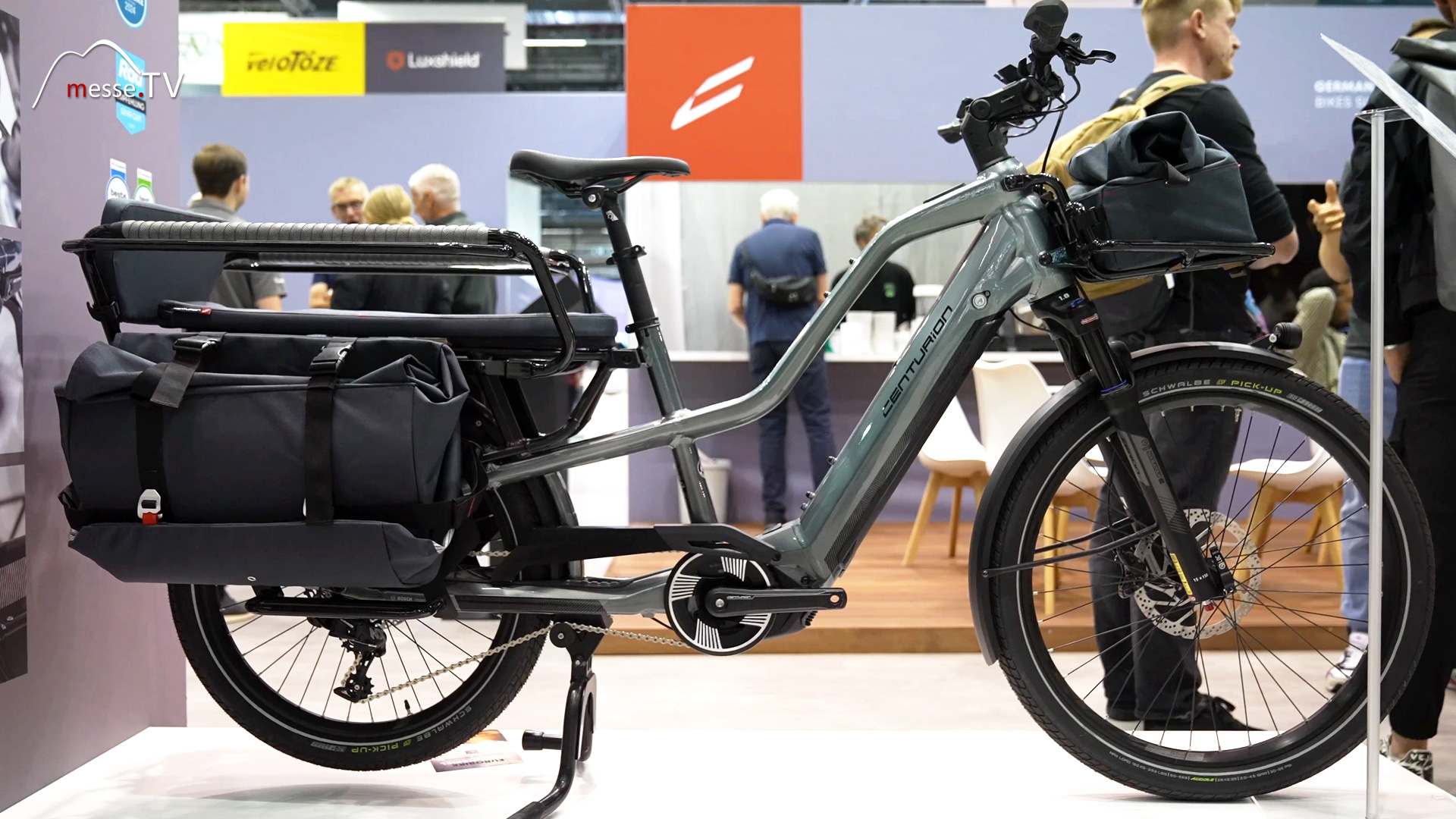
Transporting loads by bike - Bergamont
Bergamont is a German bicycle manufacturer with a wide range of bicycles and e-bikes designed for both urban and adventurous rides. With the motto "Everything but everyday life", B... Transporting loads by bike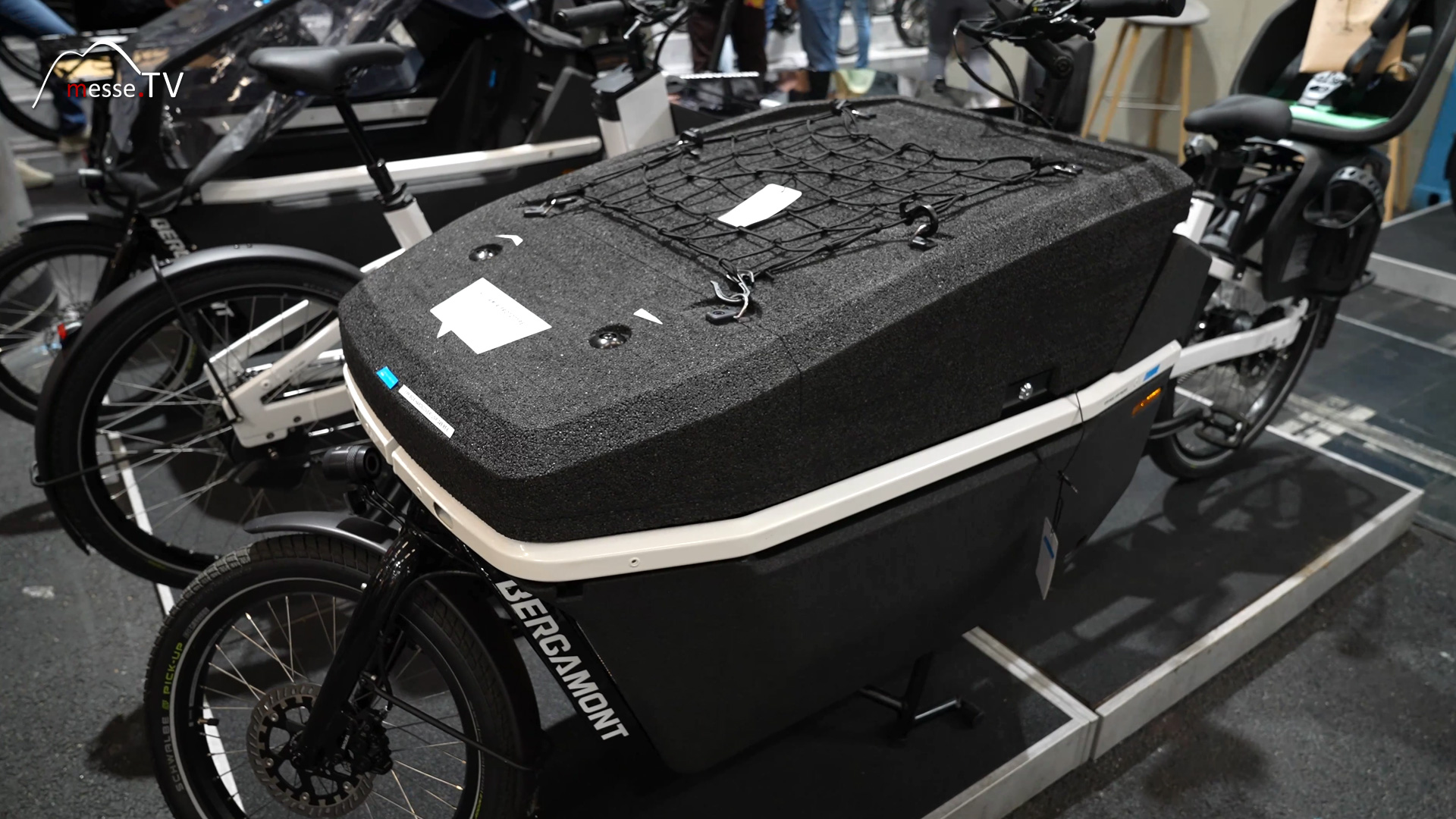

Citybike system for everyday use and transport with accessories
Bicycles for everyday use often face a fundamental conflict of objectives. They should be light, compact and comfortable to ride - but at the same time they should also be able to ... Bike configuration according to life situation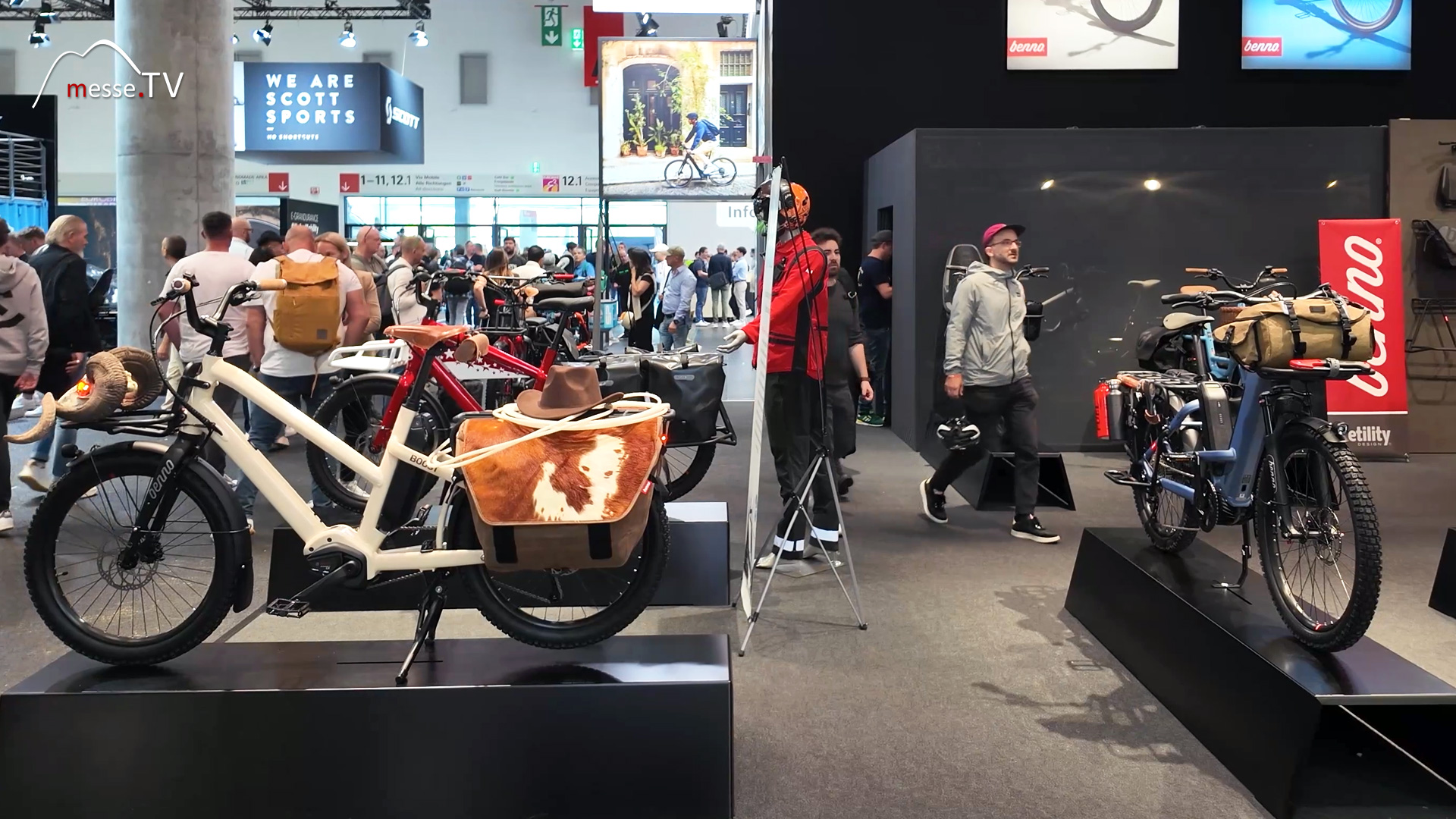
Foldable cargo bike brings more flexibility to everyday life
Cargo bikes are seen as a practical alternative to cars - but at the same time they have clear limitations in everyday life. Size and weight in particular often make transport, par... Cargo bike as a practical alternative to the car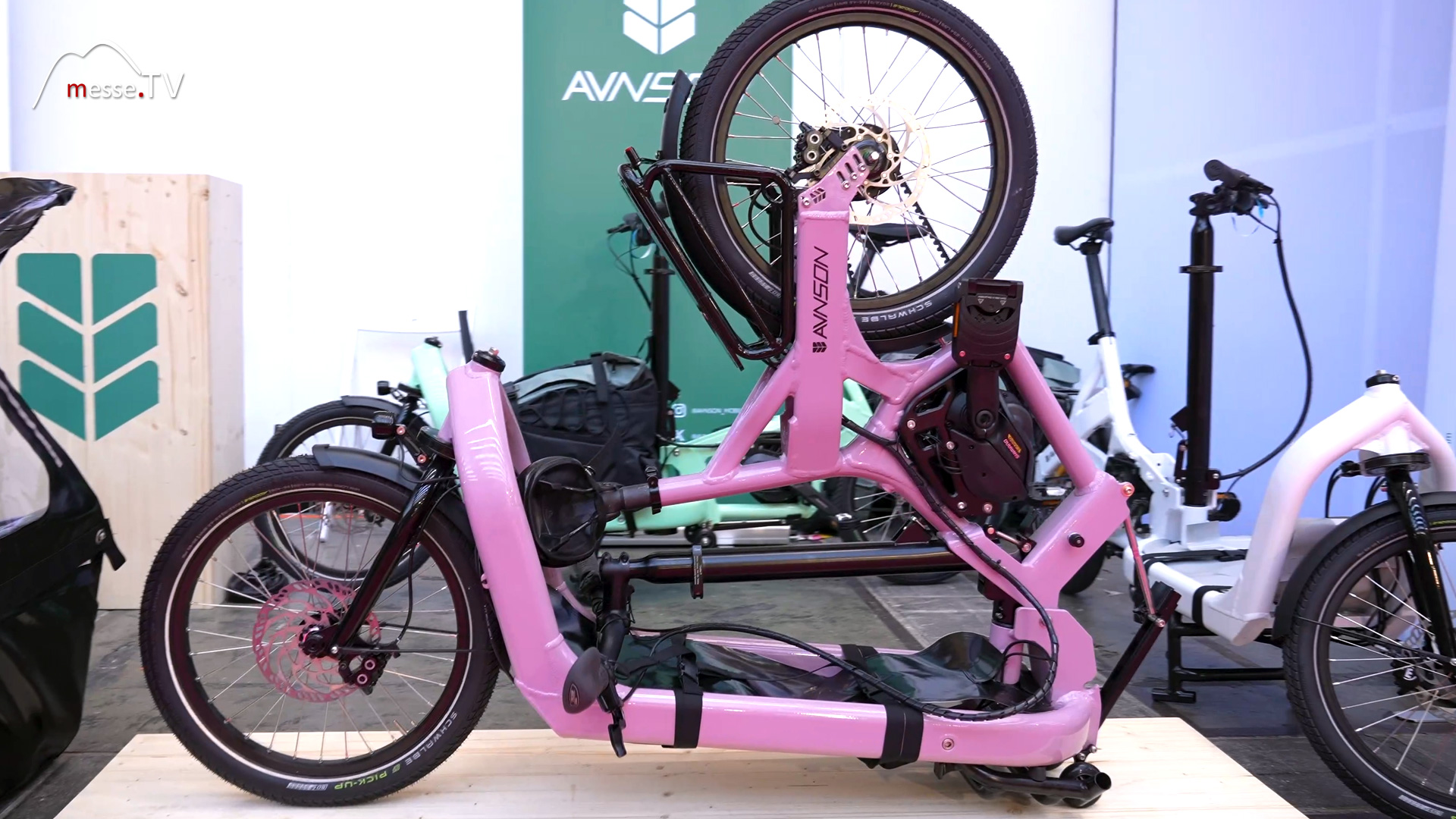
Folding bike 20 inch wide range of use and riding comfort
Folding bikes are traditionally regarded as a compromise solution between mobility and compactness. Small wheels, limited riding comfort and a rather urban range of use have long c... Between mobility and compactness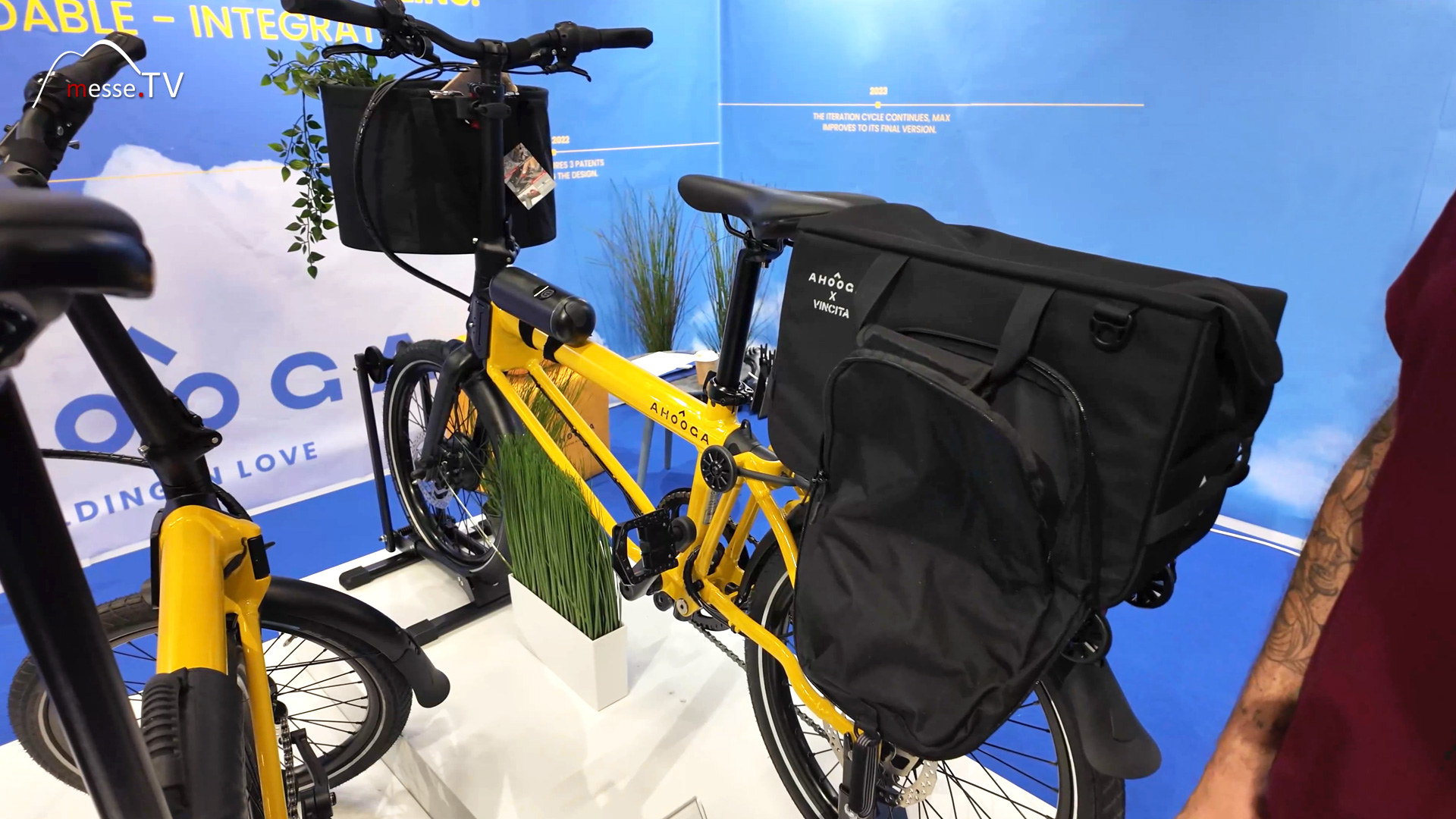
Urban e-bike Speeddrive - Centurion
Centurion is a renowned German bicycle manufacturer that has been producing high-quality bicycles since 1976. The company offers a wide range of mountain bikes, cross and urban bik... Speeddrive urban e-bike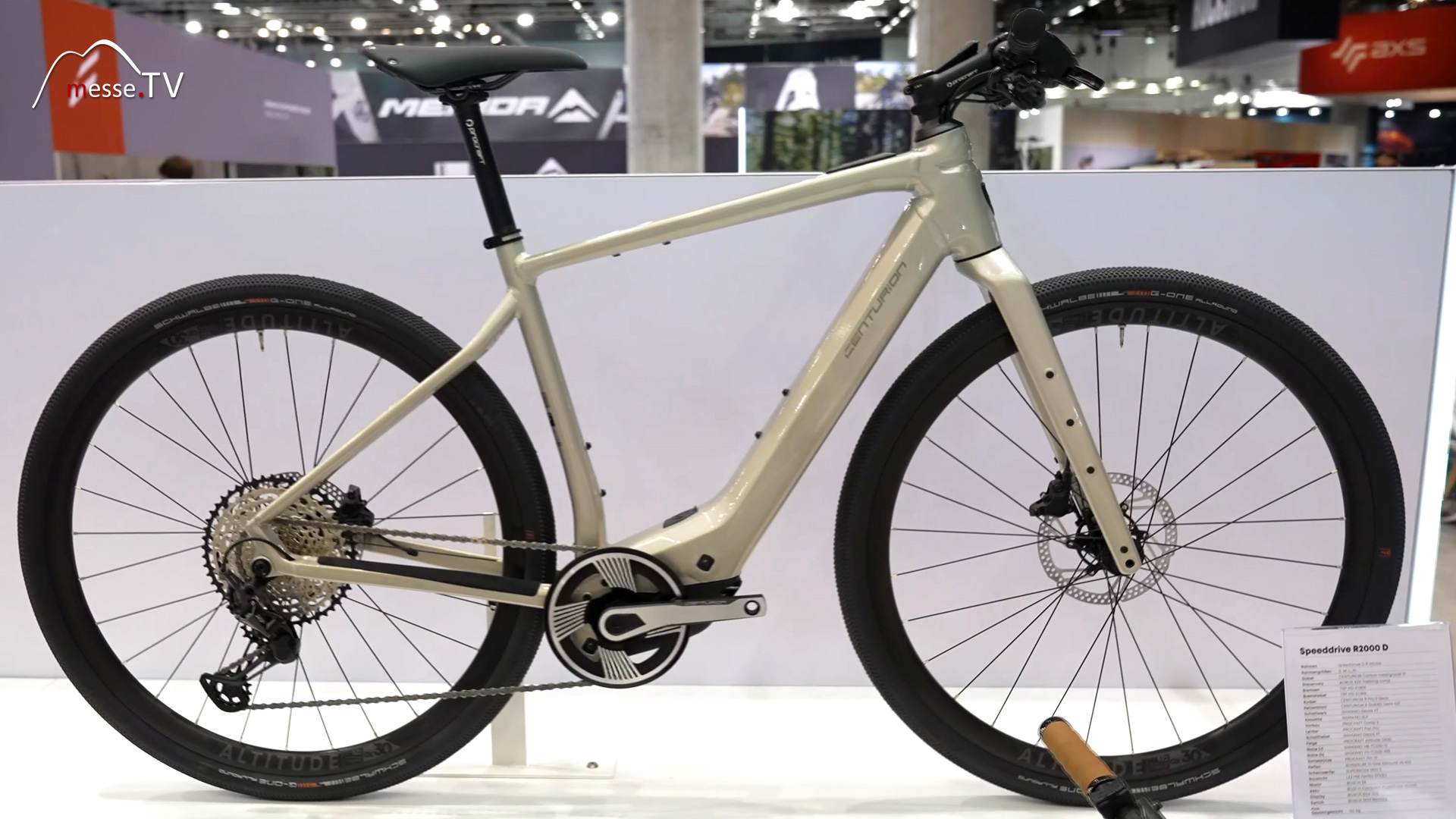
Foldable electric bikes - Eovolt
Eovolt offers compact and foldable e-bikes that are ideal for urban use and transportation on public transport. The e-bikes are characterized by their low weight, easy handling and... Foldable electric bikes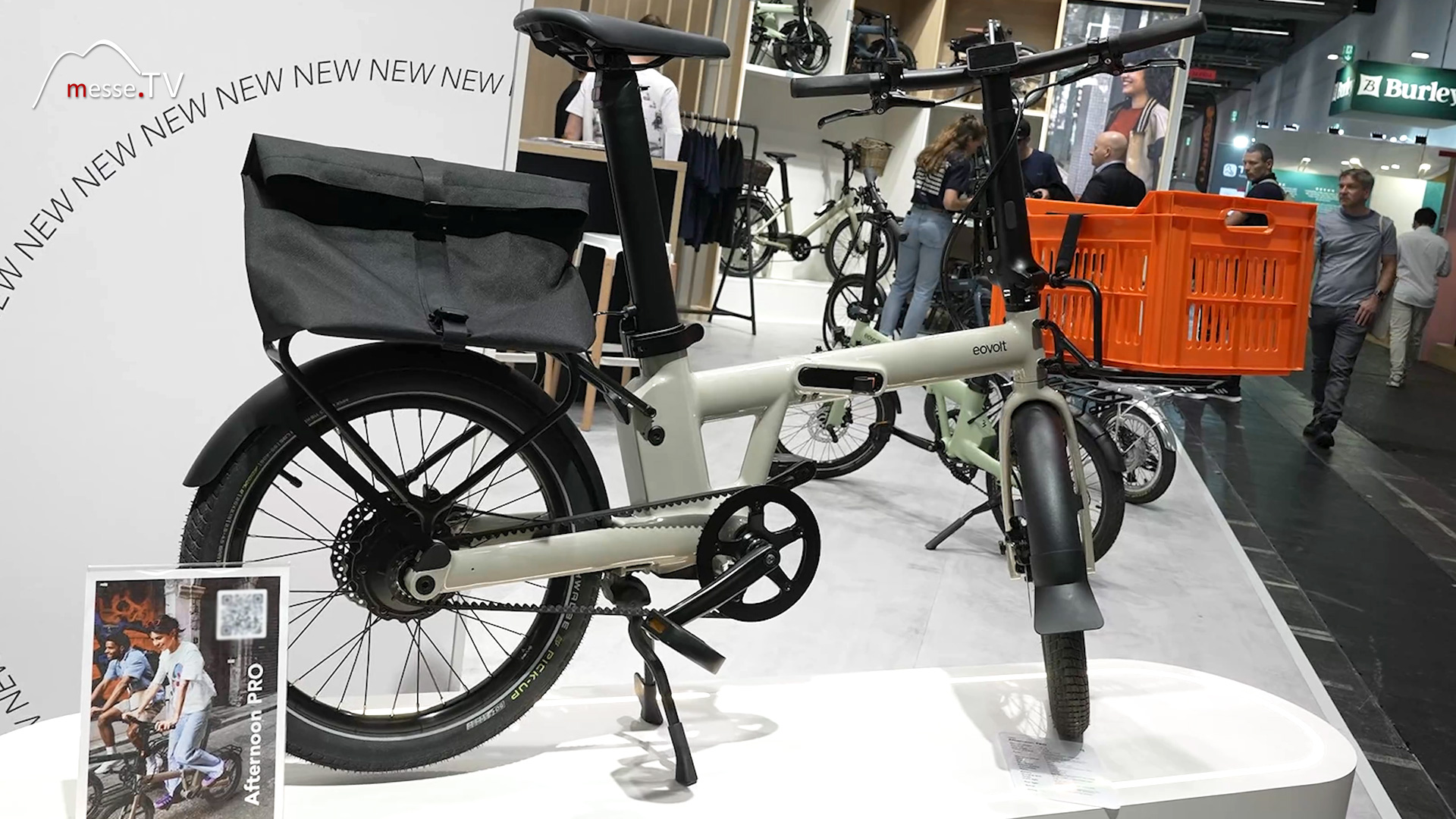
E-bike novelties Premio - Pegasus Bikes
Pegasus offers a wide range of bicycles and e-bikes that are characterized by high quality and reliability. Their models are suitable for various purposes, including city, trekking... Premio e-bike innovations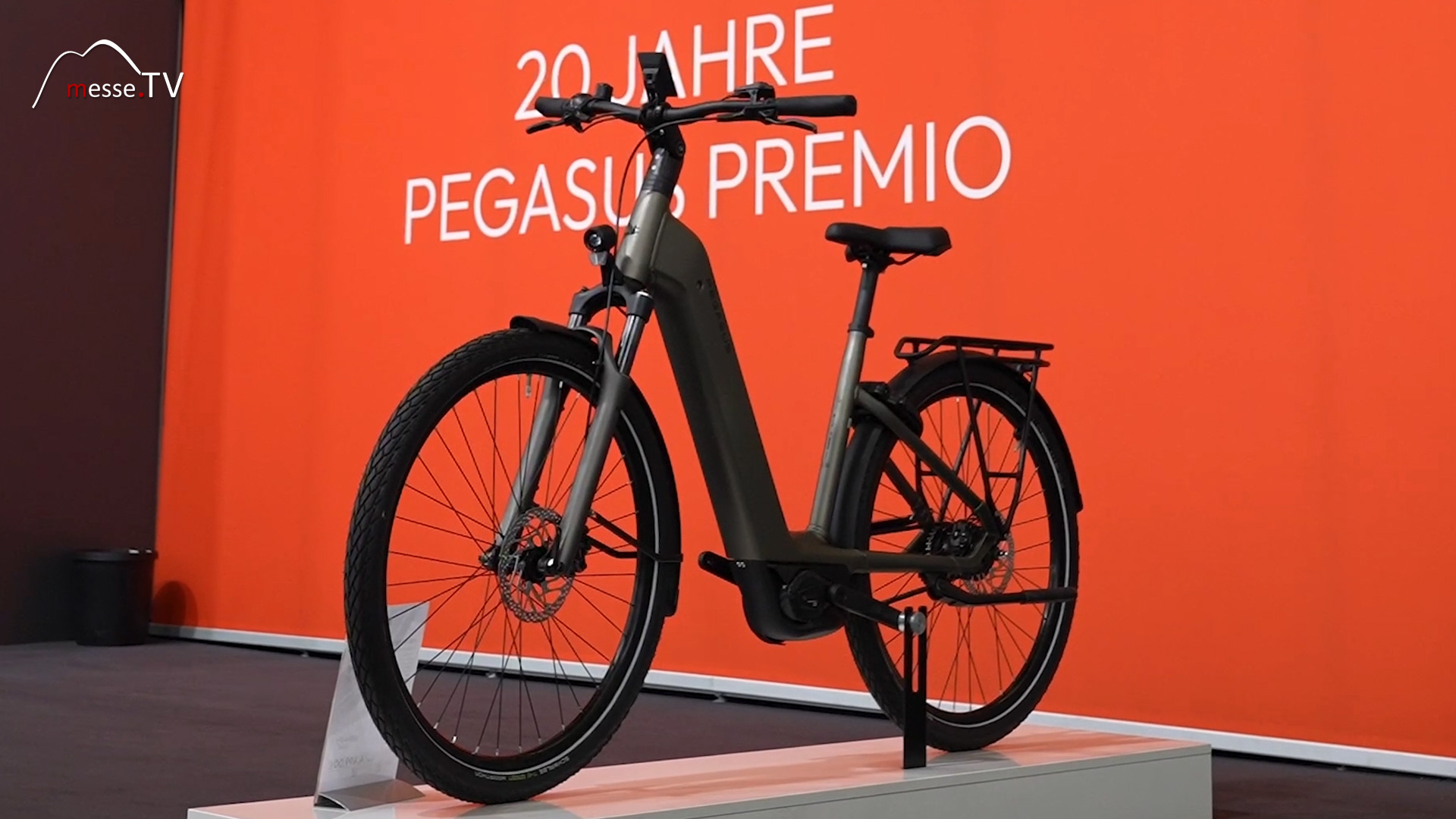
E-bike lightweight Futura SL I-12 - HERCULES
Hercules Bikes offers a wide range of bicycles and e-bikes for different needs, including e-trekking, e-mountain bike and e-city models. The company places great emphasis on modern... Lightweight Futura SL I-12 e-bike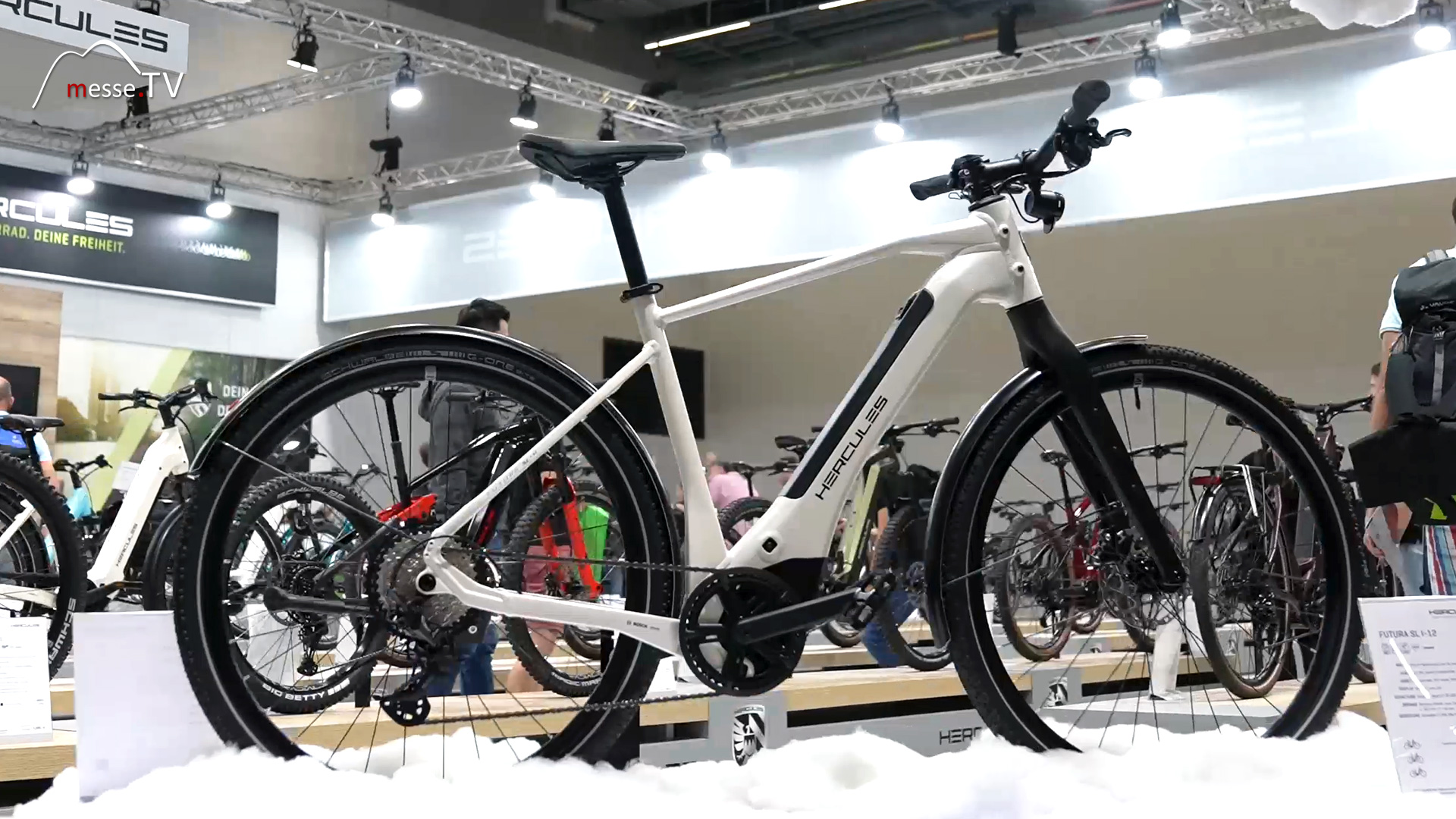
Bicycles in everyday life
In everyday life, bicycles are a reliable tool for many people. Commuting to work, running short errands or travelling to school can be done efficiently and predictably. Especially in urban areas, the bicycle is ideal where other modes of transport reach their limits – especially with the right accessories. Traffic jams, searching for parking spaces and short distances are arguments in favour of a mode of transport that requires little space and works independently of timetables. At the same time, bicycles remain heavily dependent on external conditions. Weather, route planning and safety have a significant impact on their use. People who cycle regularly adapt their daily routines, plan their journeys more carefully and develop habits. The bicycle is therefore not a neutral means of transport, but one that changes behaviour and perception. It makes distances tangible and time experiential, rather than abstract.
Technical developments and new types of bicycles
Technical developments have significantly changed the bicycle in recent years. Materials have become lighter and more stable, gears more precise, brakes more powerful. Above all, however, the range of bicycle types has expanded. The classic everyday bicycle is no longer the only option. Cargo bikes, folding bikes, gravel bikes, trekking bikes and city concepts cover a wide variety of requirements. Depending on their intended use, the bikes have different wheel sizes. The triumph of the e-bike has been particularly influential. Electric assistance lowers physical barriers, extends ranges and makes the bicycle attractive to new target groups. Hills, headwinds and longer distances are no longer daunting. At the same time, the character of cycling is changing. Technology is becoming more prominent, maintenance and costs are rising, and the ‘bicycle’ is becoming more like motorised transport in some respects. This development is ambivalent. On the one hand, the importance of the bicycle as a serious alternative in transport is growing. On the other hand, new demands are being placed on infrastructure, regulation and user competence. Speed, weight and mixed traffic are noticeably changing the dynamics on cycle paths and roads.
Infrastructure as a key issue
The role of the bicycle depends crucially on the existing infrastructure. Without safe, continuous paths, its use remains limited to a few target groups. Cycling competes for space, especially in cities where space is limited. This shows that promoting cycling is less a question of individual motivation than one of political and planning priorities. Cycle paths, parking facilities and safe crossings determine whether the bicycle is used as an everyday means of transport or remains a niche product. Half-hearted solutions lead to uncertainty and conflicts. Where infrastructure is clearly designed, acceptance among all road users increases. The bicycle is then no longer perceived as a disruptive factor, but as an equal part of traffic. Typical requirements for a functioning infrastructure can be summarised as follows:
- Continuous, clearly recognisable cycle paths without abrupt interruptions
- Safe guidance at intersections and junctions
- Sufficient parking facilities in public spaces
- Clear separation or clear regulations in mixed traffic
Social change and new expectations
This efficient means of transport is closely linked to social change. Health, environmental awareness and quality of life play a greater role than in the past. Cycling is not only seen as a means of transport, but also as a contribution to a more active lifestyle. At the same time, there is a growing expectation that mobility should be quiet, space-saving and as low-emission as possible. These expectations clash with existing structures that have long been designed for motorised traffic. This makes the bicycle a political issue. It raises questions about the distribution of public space and conflicts between comfort, speed and sustainability. The debate is often emotional because it directly affects the everyday lives of many people. However, the bicycle is not a panacea. It is not suitable for every route, every life situation or every region. Especially in rural areas, alternatives remain limited. Nevertheless, it is clear that where the conditions are right, the bicycle is taking over routes that were previously taken for granted by car.
Economy, market and new usage patterns
The bicycle has also gained economic importance. Manufacturers, suppliers and service providers are responding to growing demand with new models, services and business models. Leasing offers, repair services and digital networking are changing the way the product is used. The bicycle is less likely to be bought and forgotten, but rather used, maintained and integrated into systems. At the same time, usage is becoming more differentiated. Commuters have different requirements than recreational cyclists, and families have different requirements than sports-oriented users. This diversity makes it difficult to make general statements. It is not a uniform product, but a collective term for very different concepts.
Bikes between individuality and public space
Bicycle mobility always moves in the area of tension between individual decision-making and public space. Those who cycle use infrastructure, influence traffic flows and interact with others. Consideration, knowledge of the rules and experience are therefore key factors. Conflicts arise less from the mode of transport itself than from unclear rules and a lack of coordination. Acceptance arises where use is understandable and safe. Cycling benefits from clear structures, but loses support when expectations are disappointed. The quality of integration determines whether it is perceived as a solution or a problem.
The bicycle as part of future mobility
The bicycle will continue to play an important role in the future, but not in isolation. Its strength lies in its combination with other modes of transport and its adaptability to different contexts. Technical development, social change and infrastructural decisions are intertwined. Between everyday life, technology and a new mobility culture, the bicycle is asserting its place, not as an ideological symbol, but as a practical tool. Its future depends less on trends than on the willingness to rethink spaces and enable meaningful use. Where this succeeds, the bicycle will remain a permanent part of modern mobility.
Trade fair reporting Germany - Trade fair knowledge, dates & events


