Jewellery trends 2026: sparkle is not dead
by F. Zuber - 2026-02-27Jewellery has not had an easy time in recent years. Between fast fashion, influencer hype and ever-changing microtrends, much of it seemed interchangeable, bland and surprisingly unimportant. But it is precisely this fatigue that seems to be triggering a counter-reaction in 2026. Jewellery is being taken seriously again – not in a heavy or elitist way, but in a conscious way. The new jewellery trends are less about status and more about attitude, less about luxury and more about meaning. What is striking is that it is not about more, but about clearer. About shapes, materials and decisions that want to say something. Those who wear jewellery in 2026 rarely do so by chance.
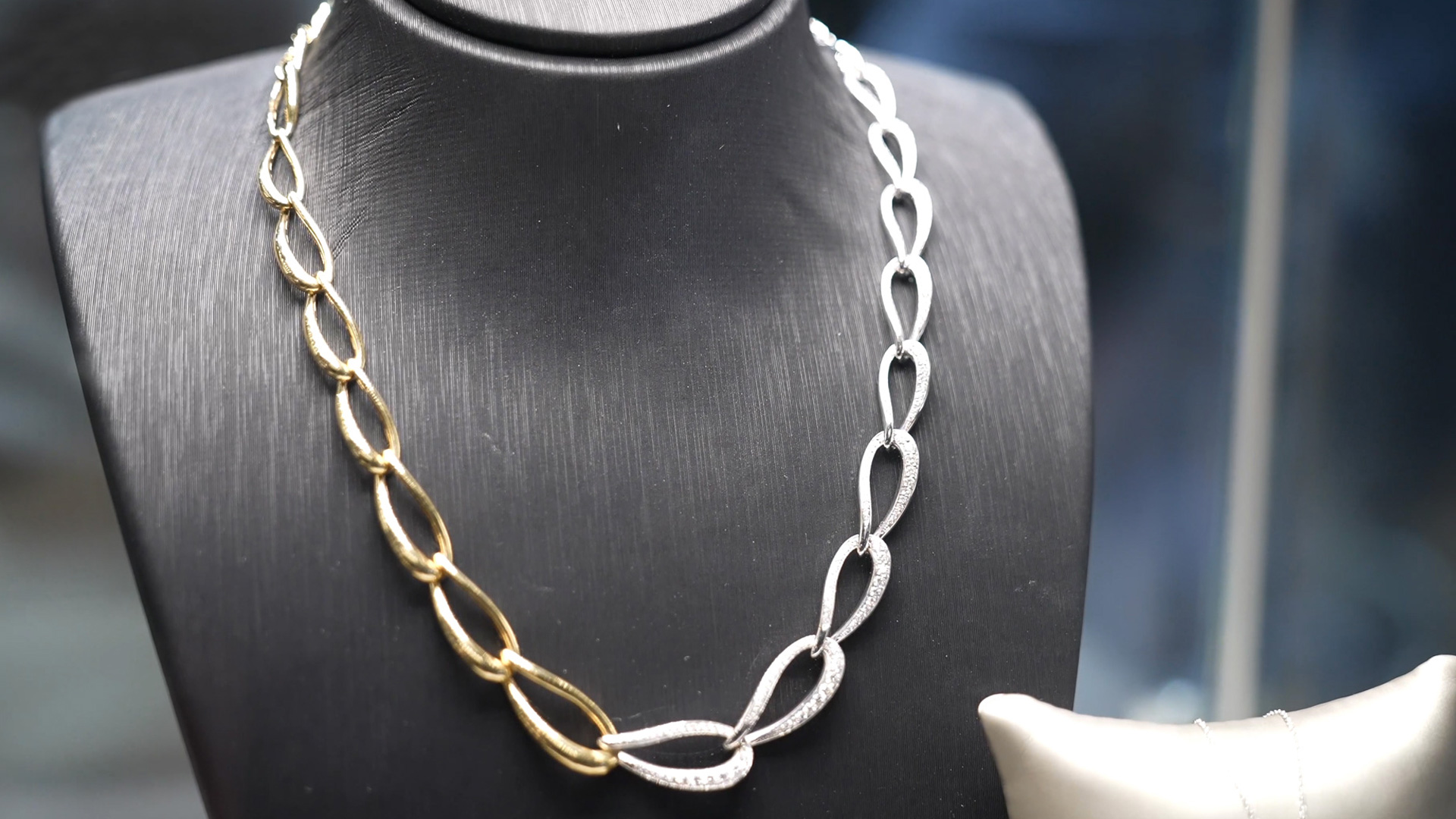
Statement jewellery 2026: being loud without shouting
Statement jewellery remains a theme, but it appears more mature. Next year's oversized necklaces, rings and earrings will not scream for attention. They will simply be there. Sculptural, sometimes bulky, often surprisingly calm. The shapes are more reminiscent of architecture or object art than classic jewellery. Typical of this trend is a new seriousness:
- Shapes are reduced, but not banal
- Proportions are large but controlled
- Surfaces appear deliberately chosen, not decorative
Sustainable jewellery: from argument to matter of course
The ecological standard has been set. Period. In 2026, no one will seriously discuss whether jewellery should be sustainable, but only how well it implements it. Recycled precious metals, transparent supply chains, alternative stones. The creative development is exciting. Many of the most interesting designs are emerging where ecological responsibility meets formal ambition. Recycled gold is deliberately made visible. Lab-grown stones are used not as substitutes, but as an aesthetic choice. Sustainability thus becomes quiet – and that is precisely why it is credible.
Pearl jewellery reimagined: imperfection as a stylistic device
Pearls have finally bid farewell to their dusty image. In 2026, they are anything but demure. They can be crooked, different sizes, rough on the surface. Symmetry is considered optional, perfection a cause for suspicion. It becomes particularly interesting when pearls meet materials that were previously considered incompatible: coarse chains, matt metals, almost technical settings. The result is jewellery that appears soft but not pleasing. Elegant without being dapper. The pearl as a character piece – who would have thought that a few years ago?
Unisex jewellery: when categories lose their meaning
The classic distinction between women's and men's jewellery continues to lose relevance. In 2026, many collections will focus on unisex designs that are not neutral but deliberately open. Rings, necklaces and bangles are based on shape, material and comfort – not gender codes. Jewellery is becoming more personal, not more political.
Materials with character: texture beats high gloss
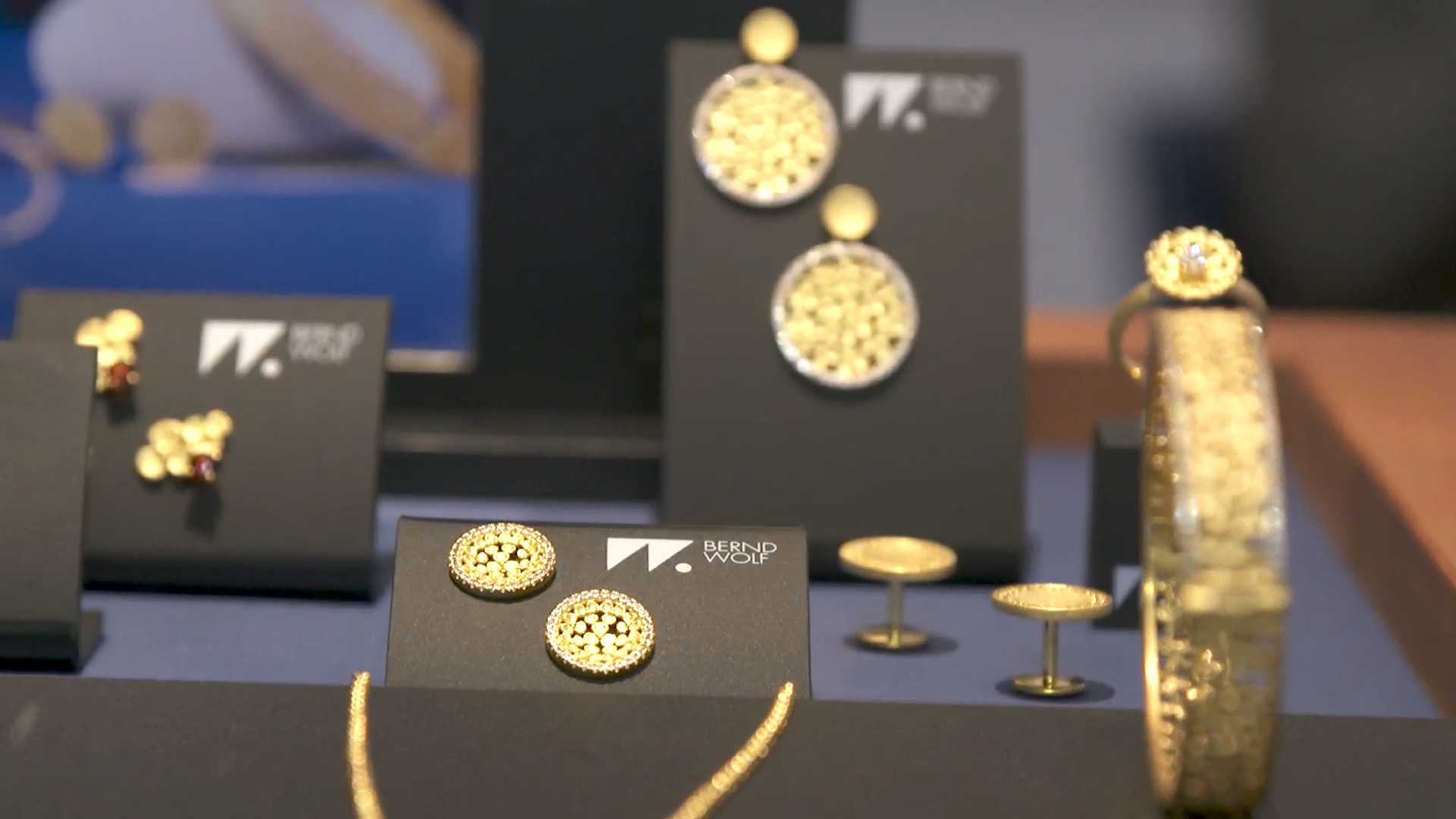
High gloss has long been the measure of all things. In 2026, the focus will shift to surfaces that are allowed to show signs of wear. Brushed, matted, oxidised – materials tell the story of their workmanship, not their perfection. In addition to precious metals, other materials are also gaining in importance:
- Ceramics with a technical look
- Glass with controlled inclusions
- Material mixes that deliberately create contrasts
Modular jewellery: versatility instead of excess
A remarkably quiet trend is modularity. Jewellery that can be changed responds to a new relationship with ownership. Fewer pieces, more possibilities. Necklaces that can be rearranged. Rings that work with different elements. Earrings that don't dictate how they want to be worn. This is not a technical gimmick trend, but a cultural one. Jewellery is no longer understood as a finished object, but as a companion. And companions are allowed to change.
Colour 2026: accent instead of explosion
In 2026, colour will increasingly be thought of as intrinsic to the material. Yellow gold, rose gold, white gold, platinum. What is new is how consistently these metals are juxtaposed. Anodised titanium is particularly exciting. Here, colour is not applied, but is created by electrochemical oxidation directly on the surface of the metal. The result is intense shades of blue, violet or grey with technical precision.
Craftsmanship can be visible
In an age of perfect reproducibility, there is a growing longing for authenticity. Jewellery in 2026 does not hide its craftsmanship. Solder joints can be visible, edges minimally irregular, surfaces not industrially smooth. These details tell of time, work and decision-making. This trend is not a step backwards, but a conscious counter-movement to perfect interchangeability. Conclusion: jewellery with attitude instead of postural damage The jewellery trends of 2026 are not a radical change, but a clear shift. Away from quick effects, towards meaning. Jewellery is once again becoming an expression of personality, not of trends. Those who wear jewellery in 2026 will not choose the most eye-catching pieces, but the most appropriate ones. This is precisely where its new power lies – and perhaps also its new sparkle.
Trade fair reporting Germany - Trade fair knowledge, dates & events


