Home training, gym and outdoor sports for sustainable fitness
by F. Zuber - 2026-01-28Same goals, three ways: home training, gym or outdoor exercise place very different demands on the body and mind in winter. Between convenience, social control and mental resilience, it quickly becomes clear which form of training really suits your everyday life. Often, the best solution is not either/or, but a clever mix.
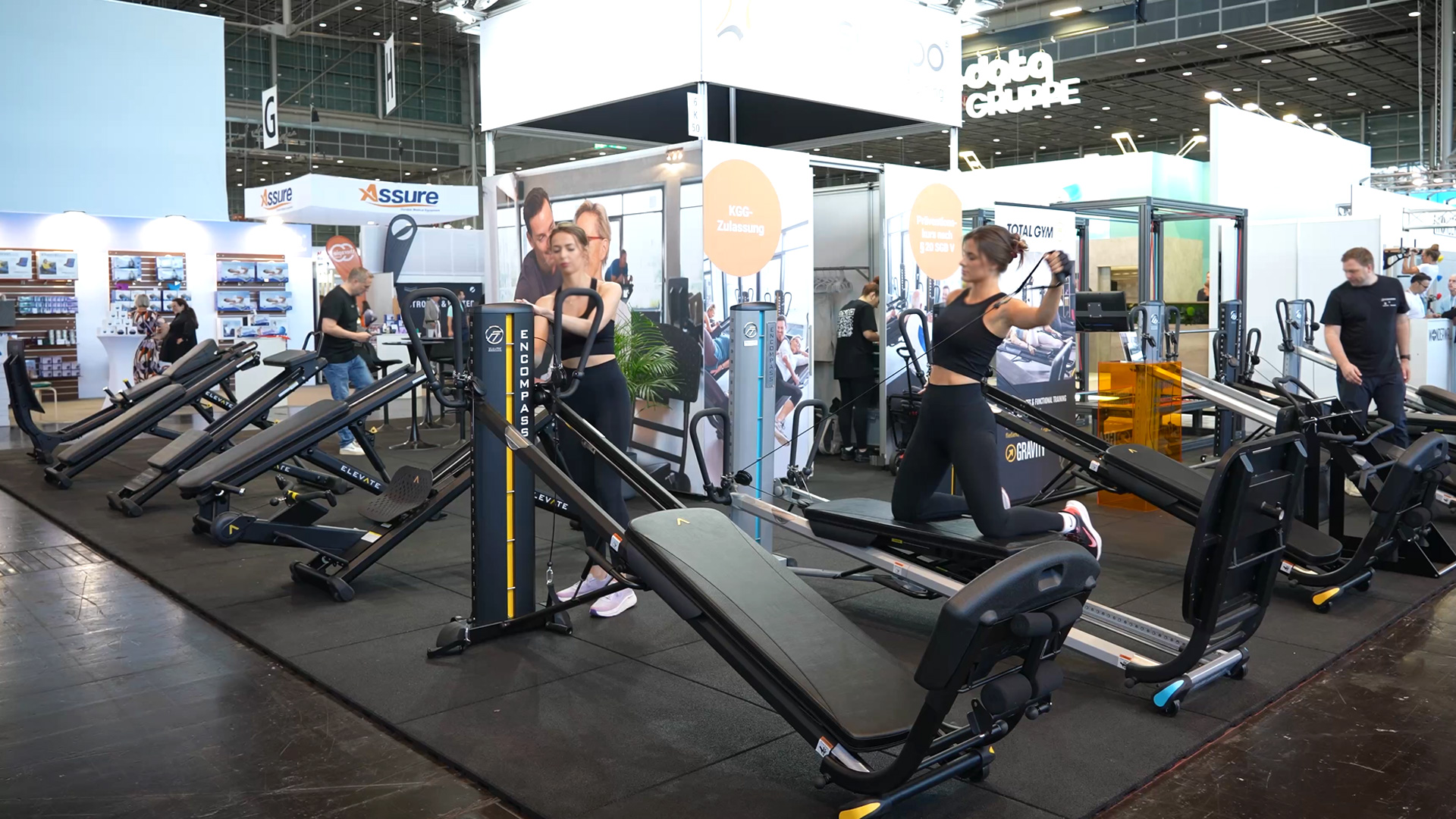
Home fitness equipment – practical, quiet, brutally honest
Home fitness equipment has been experiencing an upswing for years, especially in the winter months. Treadmills, ergometers, rowing machines and multifunctional strength stations allow you to train regardless of the weather, time of day or opening hours. The advantages are obvious:
- Training is possible at any time, ideally with short, regular bursts of exercise
- No time lost travelling or waiting
- Flexibility for people with limited time
- Muscle building
- Motivation must be generated entirely by yourself
- Monotony if training plans are lacking, variety in fitness equipment
- Equipment tends to become very stable coat racks
Gym – social control with heating cost bonus
In winter, the gym offers something that is often missing at home: atmosphere. Warmth, light, professional and varied fitness equipment, other people who are also trying to achieve their goals. Just knowing that someone at reception knows your name increases your commitment. At the same time, the environment has a motivating effect – even if you only wanted to warm up briefly and then end up staying longer. Typical advantages:
- Large selection of equipment and training methods
- Pure strength training is more controlled, with individual weights
- Correct execution on the equipment for targeted muscle building
- Professional support
- Social presence increases the inhibition threshold for cancelling
- Travelling in the dark and cold
- Crowded gyms at peak times
- Monthly fees even when you take a break from training
- Motivation depends heavily on your personal rhythm
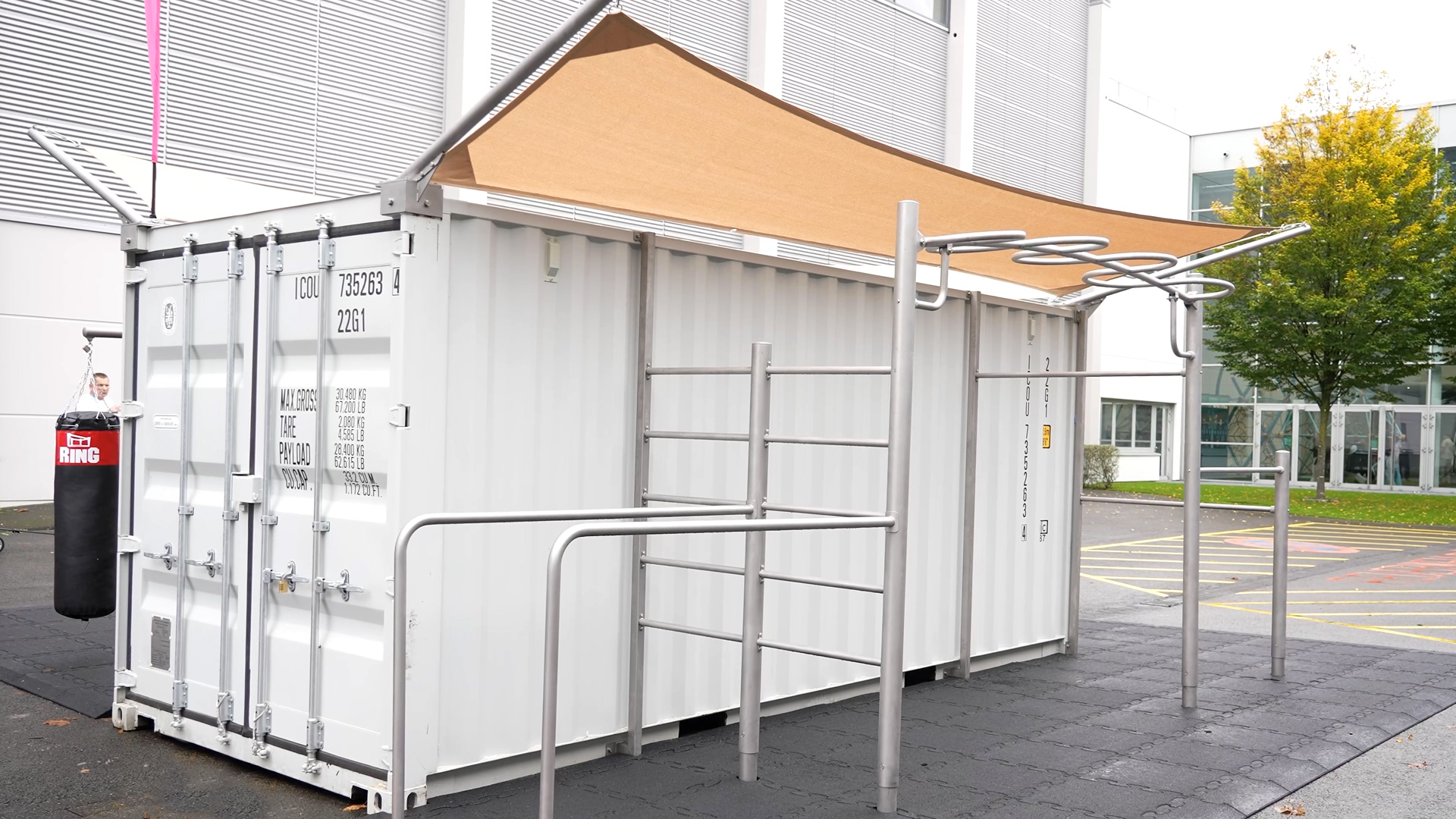
Outdoor sports – winter training requires mental resilience
Exercising in the fresh air loses its appeal in winter, but it does have its own advantages. Running, walking or functional training outdoors not only strengthens the body, but also has a positive effect on mood and the immune system. Daylight, even when the sky is cloudy, can help counteract winter lethargy. The body reacts to the cold by increasing its energy consumption. Simply maintaining body temperature burns additional calories. Outdoor sports in winter have a bad reputation, often unjustifiably so. Yes, it's cold. Yes, it's sometimes wet. But that's exactly what makes it so appealing. Exercising in the fresh air is different from training indoors. It requires more attention, better preparation and a feel for your own body. Physiologically, muscles do not react worse to cold, but rather more sensitively to clean exertion. What matters:
- Functional clothing instead of fashionable experiments
- Longer warm-up, lower intensity
- Conscious breathing, as cold air irritates the respiratory tract
- Adaptation to the ground and visibility conditions
- Even exertion instead of changes in pace
- Daylight has a mood-lifting effect
- Fresh air strengthens the immune system
- Mental resilience increases
- Exercise feels more conscious
- More realistic self-assessment
- Less dependence on motivation
- High adaptation stimulus for the cardiovascular system
- Additional energy consumption due to cold weather
- Positive effects on the immune system and psyche
Hybrid forms instead of either/or
For many people, the most sensible solution is not a single form of training. Winter requires flexibility. Sometimes at home, sometimes in the gym, sometimes outdoors – depending on the weather, time and energy levels. This mixture reduces pressure and increases the likelihood of staying active in the first place. The following have proven successful:
- Short sessions during the week
- Longer, relaxed exercise at the weekend
- Alternating between strength and endurance
- Planning with flexibility instead of a rigid weekly schedule
Contributions on exercise and sport on Messe.TV
Trade fair reporting Germany - Trade fair knowledge, dates & events


