LEGO: Kreative Bauwelten für Kinder und Erwachsene
LEGO zählt zu den bekanntesten Spielwarenmarken weltweit und steht seit Jahrzehnten für ein Baukastensystem, das Kreativität, Lernen und Spiel miteinander verbindet. Die charakteristischen Klemmbausteine sind generationenübergreifend im Einsatz und haben sich längst von klassischem Kinderspielzeug zu einem Medium für Design, Technik und kreativen Ausdruck entwickelt. LEGO spricht heute bewusst ein breites Publikum an – von Kindern im Vorschulalter bis hin zu erwachsenen Fans, Sammlern und Technikinteressierten.
Von der Werkstatt in Billund zur globalen Marke
Gegründet wurde LEGO im Jahr 1932 von Ole Kirk Christiansen im dänischen Billund. In den Anfangsjahren fertigte das Unternehmen Holzspielzeug, bevor in der Nachkriegszeit der Schritt zu Kunststoffprodukten erfolgte. Die entscheidende Weichenstellung folgte mit der Entwicklung und Patentierung des heute bekannten Klemmbaustein-Systems, dessen technisches Prinzip bis heute unverändert funktioniert. Diese Systemtreue ist einer der zentralen Gründe für den nachhaltigen Erfolg der Marke, da Bausteine aus unterschiedlichen Jahrzehnten miteinander kompatibel bleiben. Im Laufe der Zeit entwickelte sich LEGO von einem reinen Spielwarenhersteller zu einem international agierenden Unternehmen mit eigenen Freizeitparks, Medienangeboten und digitalen Plattformen. Trotz dieser Expansion blieb der Kern der Marke erhalten: das freie, kreative Bauen als Grundlage des Spielerlebnisses.
Produktwelten zwischen Spiel, Technik und Popkultur
Das heutige LEGO-Sortiment ist thematisch stark ausdifferenziert und reicht von einfachen Sets für junge Kinder bis hin zu komplexen Modellen mit tausenden Einzelteilen. Neben klassischen Themenwelten haben sich insbesondere technisch orientierte und lizenzbasierte Reihen etabliert, die neue Zielgruppen ansprechen und das Bauen in andere Kontexte überführen. Typische Produktbereiche sind unter anderem:
- klassische Bauwelten für freies und fantasieorientiertes Spielen
- technikorientierte Sets mit Getrieben, Motoren und Steuerungselementen
- lizenzierte Themenwelten aus Film, Fernsehen und Popkultur
- pädagogische Lernsysteme für Schulen und Bildungseinrichtungen
Beiträge zu LEGO auf Messe.TV
Lego City mit Vulkan Expedition und Duplo mit erster Baby Spielfigur
Auf der Spielwarenmesse in Nürnberg präsentierte Lego seine Themenwelten traditionell auf einer der größten Ausstellungsflächen der Veranstaltung. Lego Highlights Polizei und Vulkan Expedition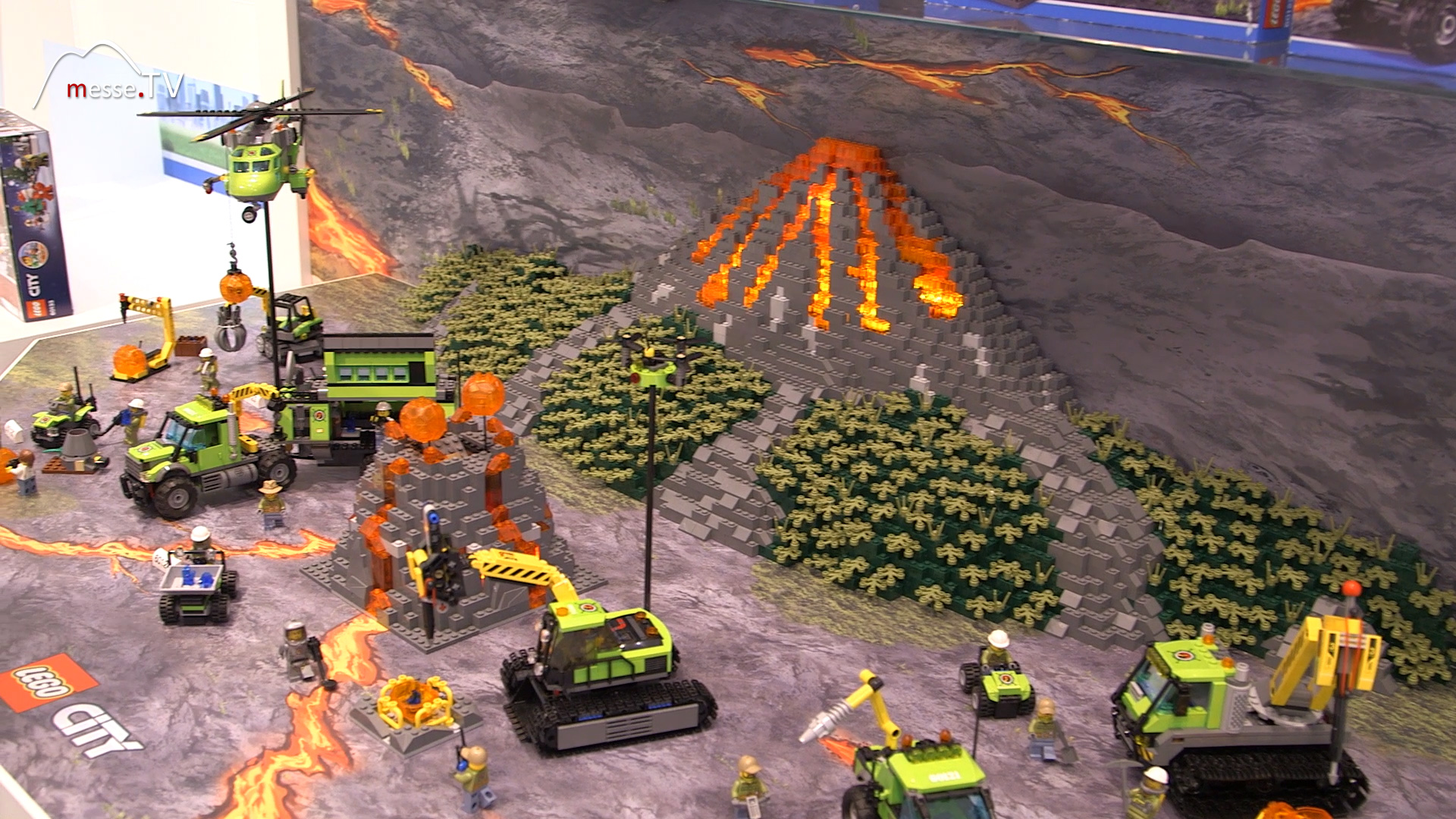
Lego Nexo Knights verbindet Spiel mit digitaler App
Die Spielwarenmesse zeigt regelmäßig, wohin sich der Spielwarenmarkt entwickelt. Beim Gespräch mit Lego wird deutlich, dass sich klassische Baukonzept... Lego zwischen physischem und digitalem Spiel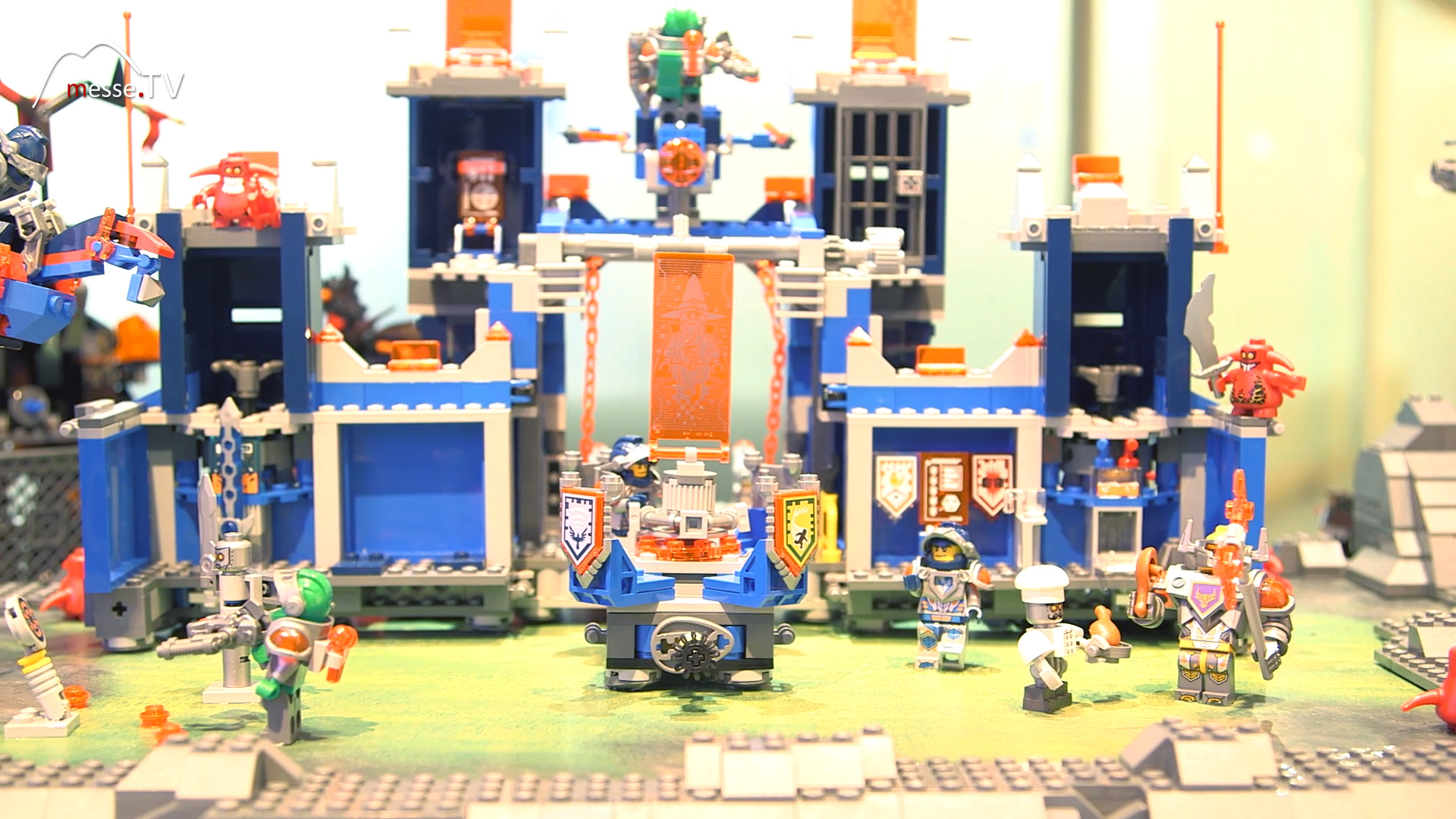
Lego Star Wars Modelle und Sets mit Funktionen
Star Wars gehört auf der Spielwarenmesse zu den auffälligsten Lizenzthemen. Bei Lego ist das jedoch kein kurzfristiger Trend, sondern seit Jahren ein ... Das Erwachen der Macht im Kinderzimmer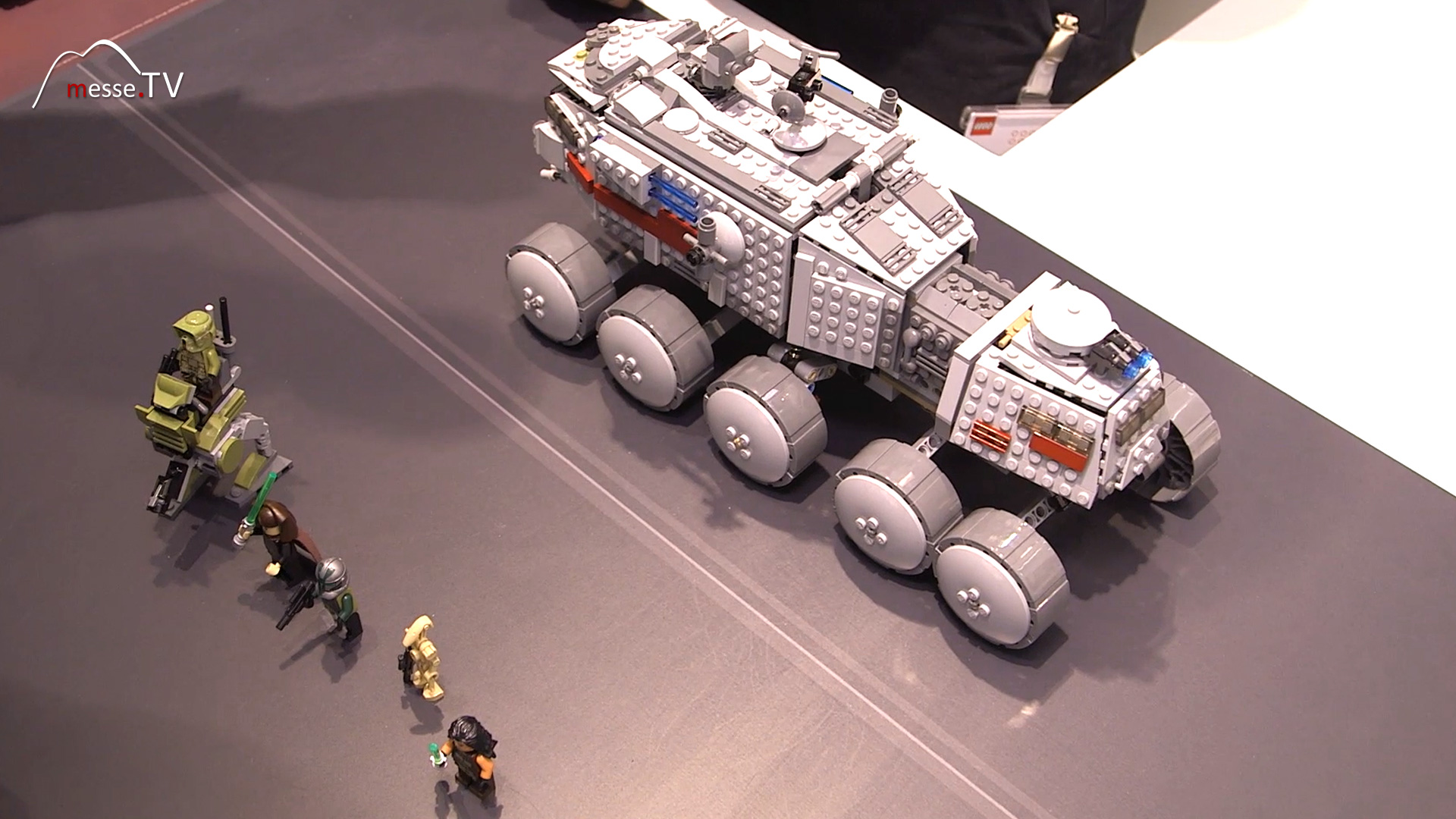
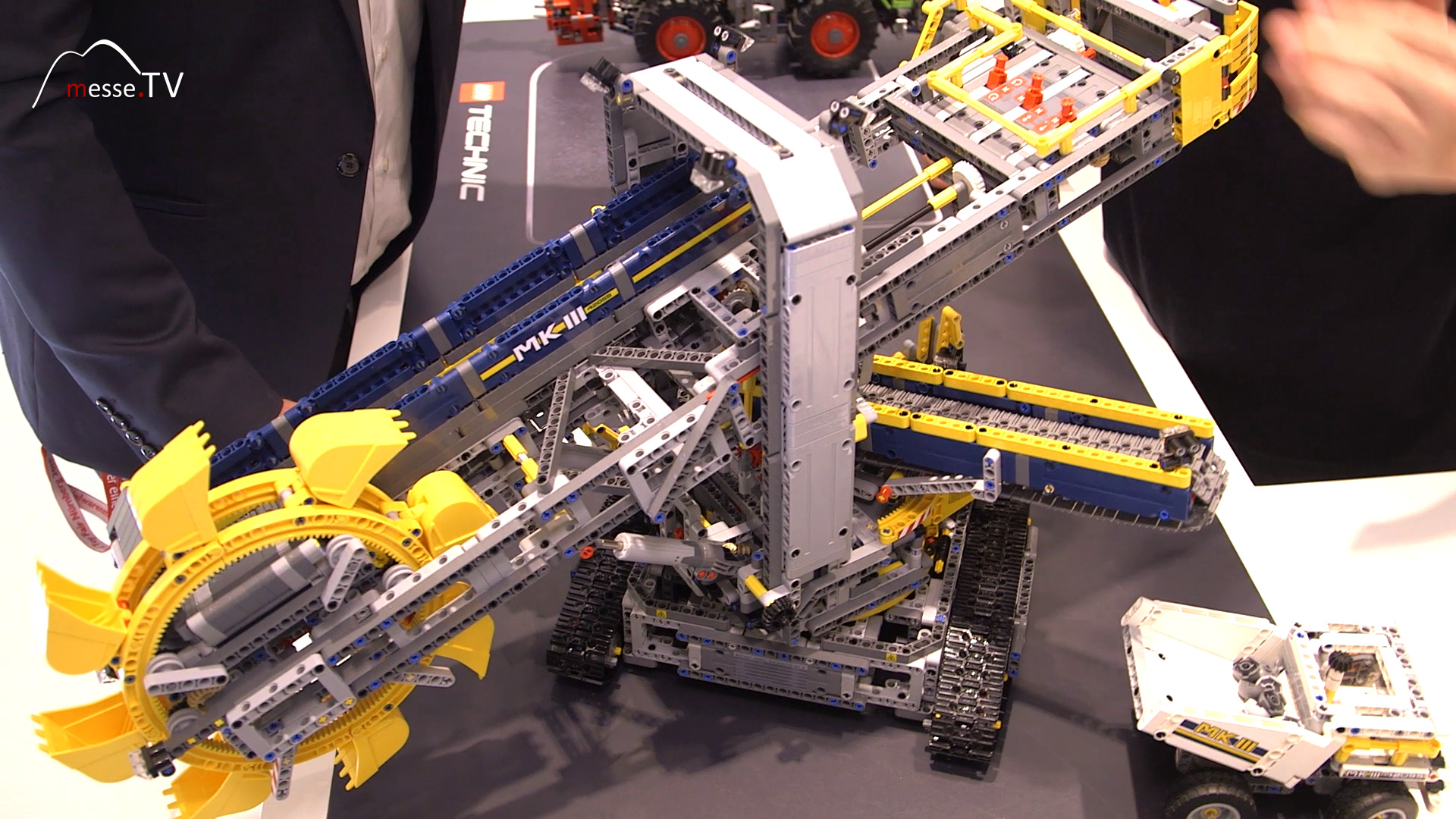
Lego Technic Schaufelradbagger Modell mit Funktionen
Lego Technic richtet sich offiziell vor allem an Kinder und Jugendliche zwischen sieben und 16 Jahren. Gleichzeitig ist die Reihe längst auch für älte... Baukasten mit 3.927 Teilen - Konstruktion, Mechanik und Geduld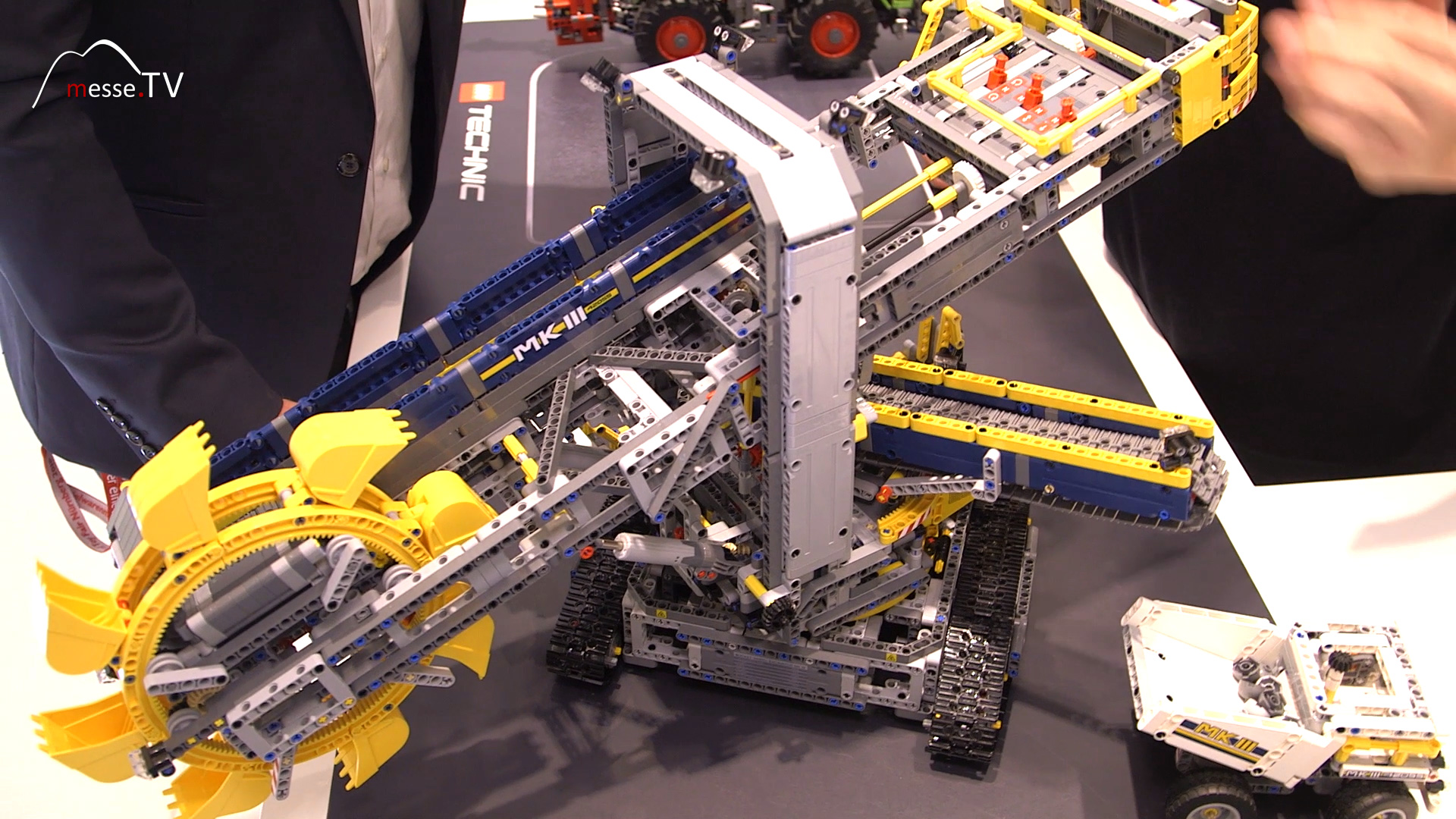
Smart Toys: Bauen, Programmieren, Spielen - LEGO BOOST
LEGO geht mit der Zeit und macht seine berühmten Bausteine programmierbar. Mit LEGO BOOST verbindet das Unternehmen klassisches Bauen mit der digitale... Smart Toys: Bauen, Programmieren, Spielen - LEGO BOOST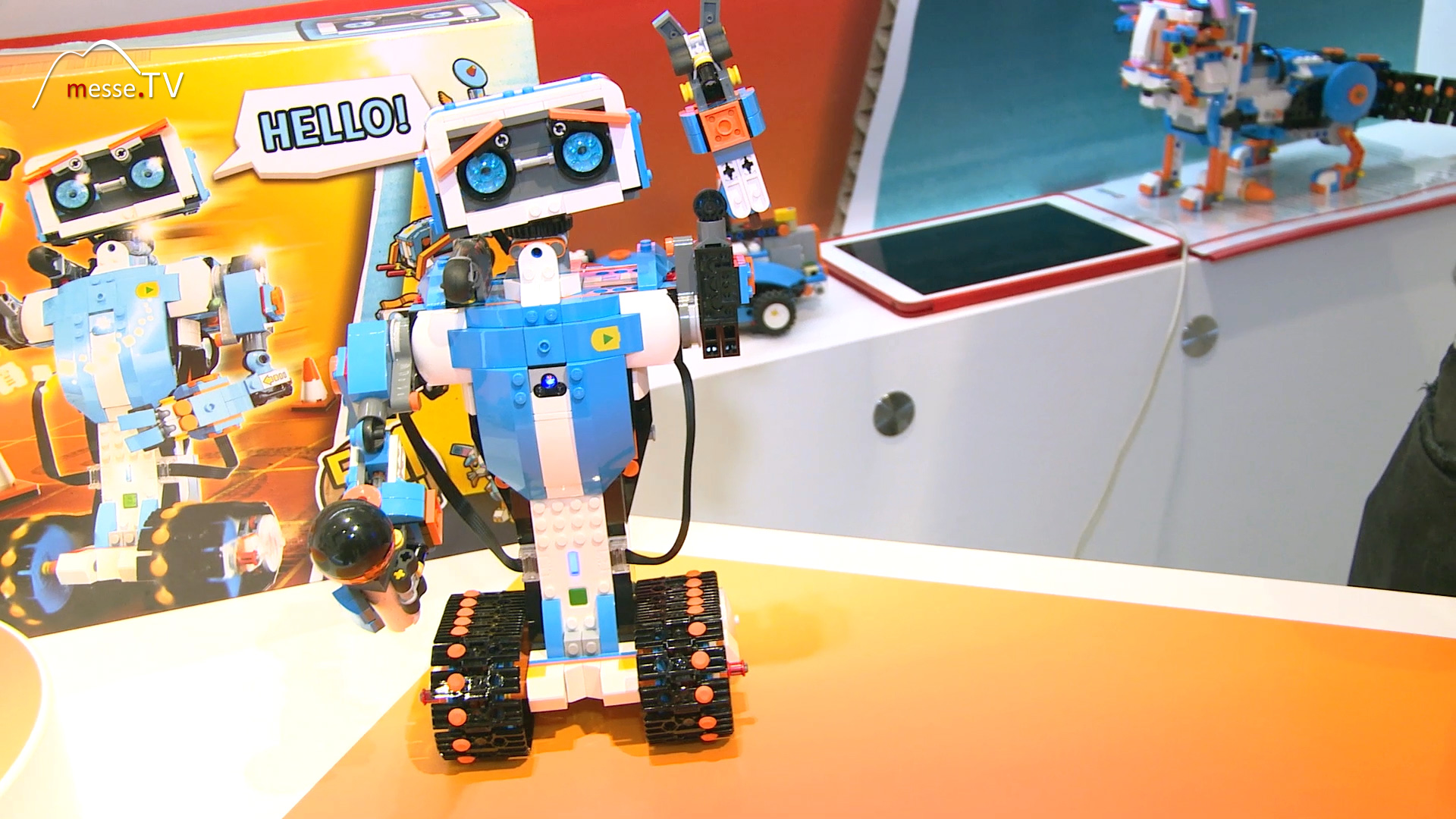
Vulkan Expedition von LEGO City
Die Lego City Vulkan Expedition entführt kleine Entdecker in eine Welt voller geheimnisvoller Abenteuer. Mit detailreichen Sets können Kinder eine fas... Vulkan Expedition von LEGO City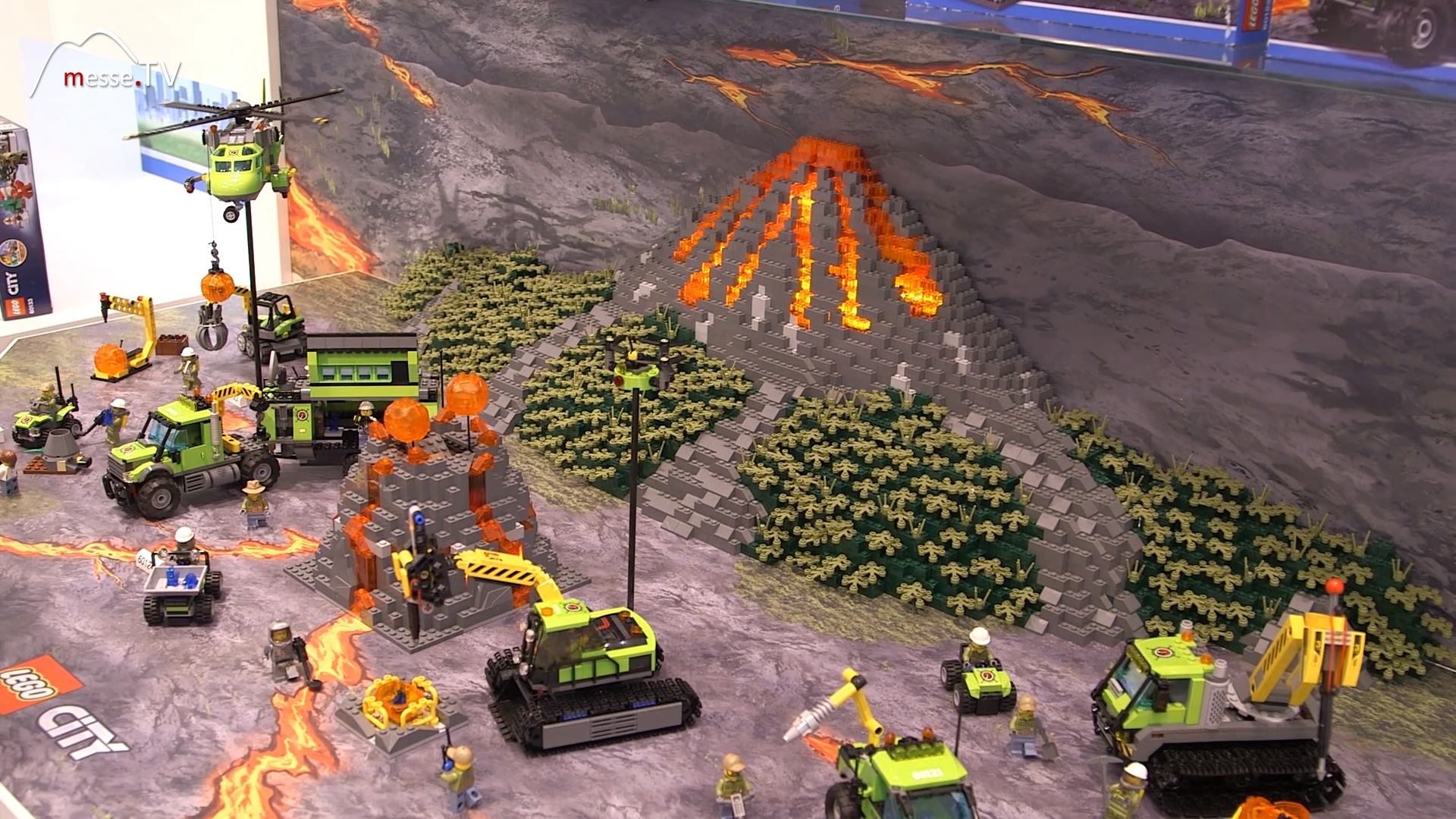
Feuerwache und Polizeistation von LEGO City
In der Lego City Feuerwache und Polizeistation werden Kinder zu echten Helden ihrer eigenen Geschichten. Die Feuerwache ermöglicht aufregende Rettungs... Feuerwache und Polizeistation von LEGO City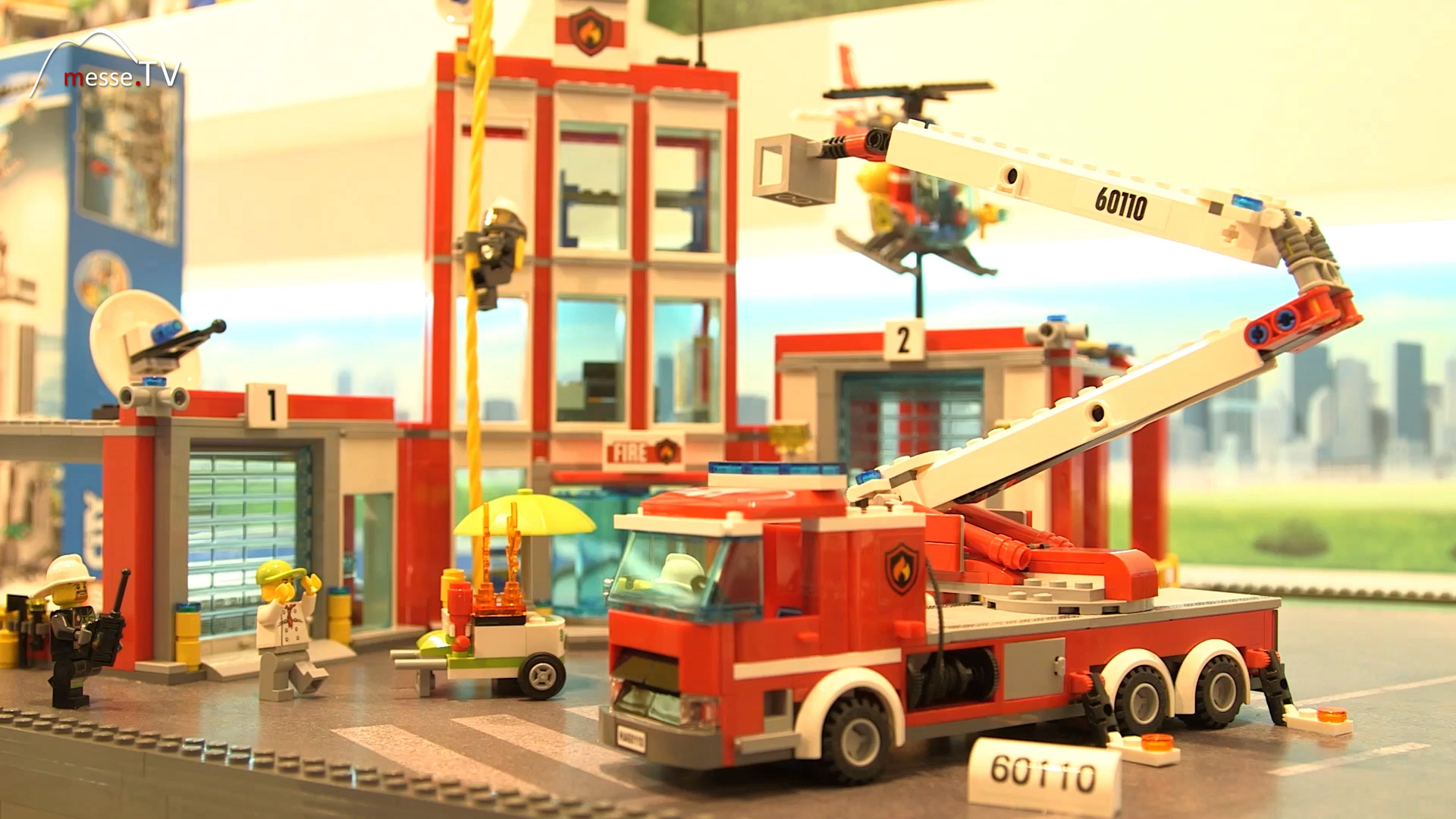
LEGO City Neuheiten 2016
Lego City soll einen Raum schaffen in dem die kühnsten Träume kleiner Baumeister(innen) Wirklichkeit werden. Die umfangreiche Palette von Lego City Se... LEGO City Neuheiten 2016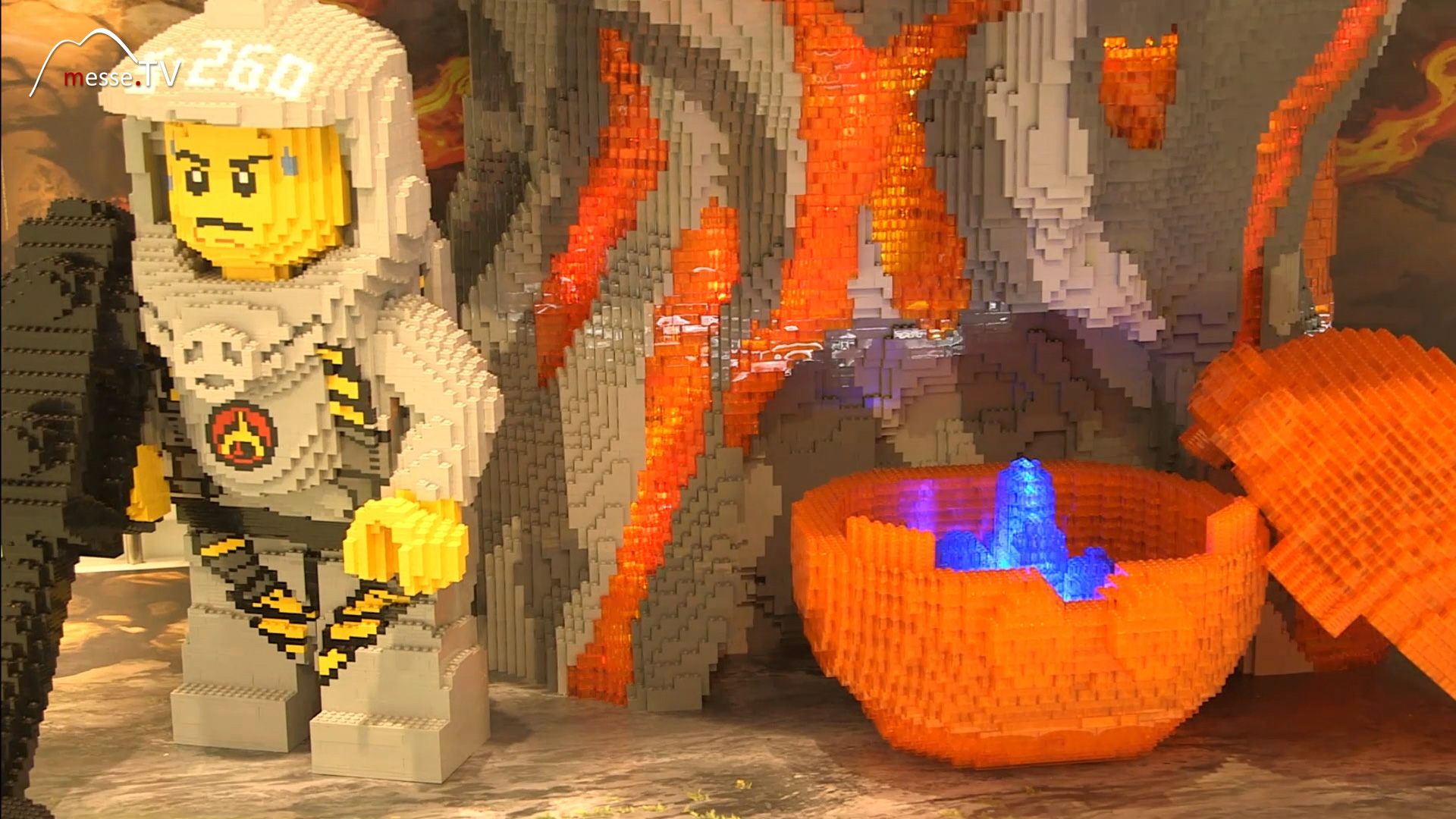
Baby Spielfigur von LEGO City
Die LEGO City Baby Spielfigur ist eine bezaubernde Miniaturdarstellung eines Babys, die die Fantasie der jungen Baumeister beflügelt. Mit liebevollen ... Baby Spielfigur von LEGO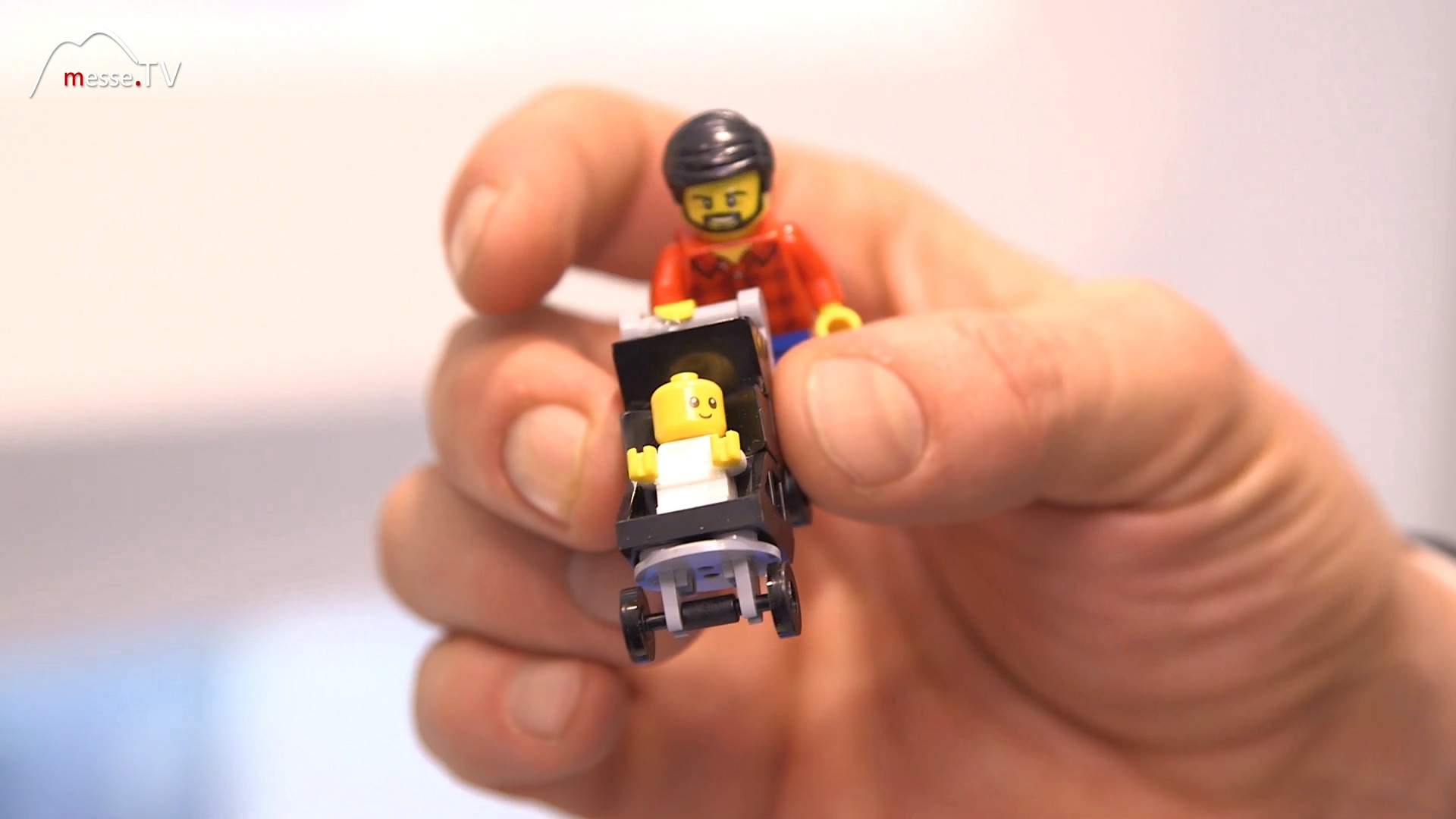
Nachhaltigkeit, Bildung und gesellschaftliche Verantwortung
LEGO investiert seit Jahren intensiv in die Entwicklung nachhaltiger Materialien und Produktionsprozesse. Ziel ist es, die Abhängigkeit von fossilen Rohstoffen zu reduzieren und langfristig alternative Kunststoffe einzusetzen, ohne dabei die bekannten Materialeigenschaften der Bausteine zu verändern. Parallel dazu engagiert sich das Unternehmen im Bildungsbereich und fördert Programme, die kreatives und technisches Lernen unterstützen. Durch diese Verbindung aus wirtschaftlichem Erfolg, pädagogischem Anspruch und ökologischem Verantwortungsbewusstsein bleibt LEGO eine der prägenden Marken der internationalen Spielwarenindustrie. Die Marke steht nicht nur für Spielzeug, sondern für ein offenes System, das Kreativität, Lernen und kulturelle Einflüsse über Generationen hinweg miteinander verknüpft.
Messe-Berichterstattung bundesweit - Messewissen, Termine & Veranstaltungen


