News Navigation

News Navigation
The latest developments in the construction sector: articles on trends, technologies and innovative solutions for all aspects of construction.
Data Modul - Display Solutions
Messe.TV presenter Klas Bömecke visits the DATA MODUL stand at embedded world in Nuremberg. The company will be presenting innovations in the "Display Solutions" area. Industrial u... Innovative display solutions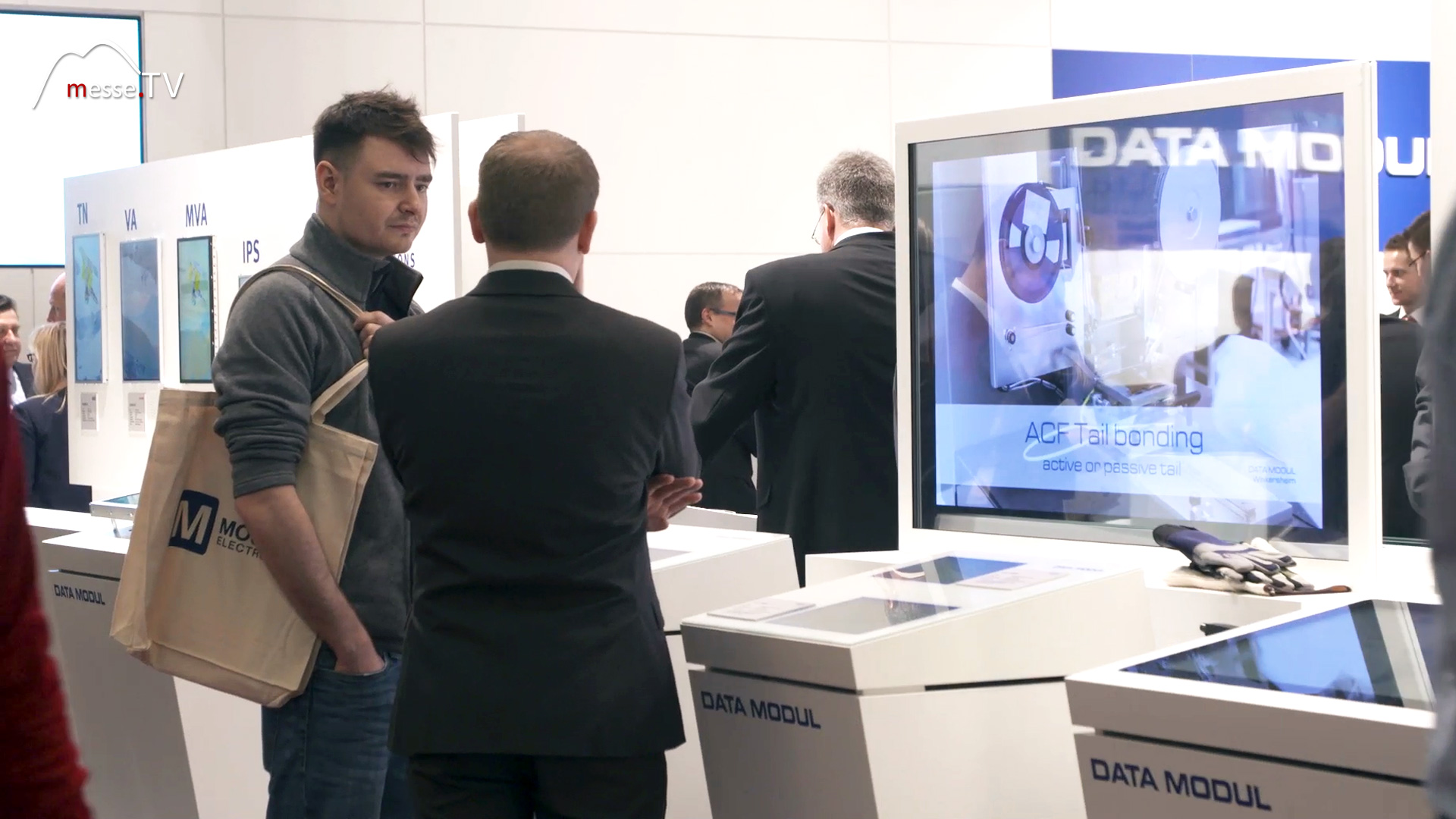
MicroSys Electronics - embedded system solutions
From individual modules to certified complete systems, customers can rely on a competent partner at MicroSys Electronics to meet their individual needs - that's what we learned in ... Embedded system solutions
Mentor Graphics - Industrial IoT
Technical Marketing Engineer Ricardo Anguiano explaining the IoT offerings of Mentor Graphics. He introduces an Industrial IoT Gateway with a temperature sensor feeding back to a N... Industrial IoT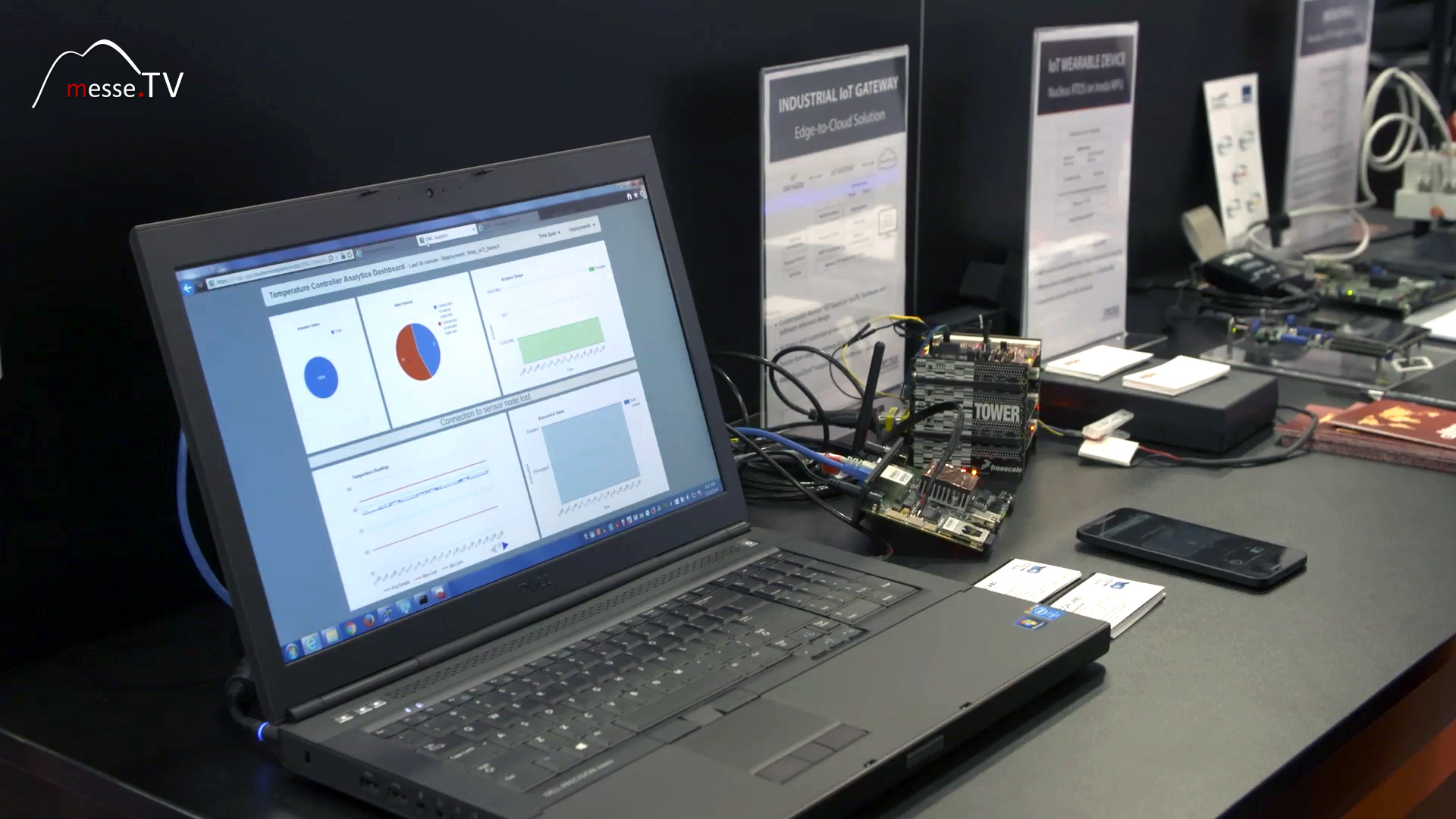
Blue Box - iSystem analysis and function and error checking
A small bug can have serious consequences - for example in an embedded system for a pacemaker or an airbag. iSystem AG offers specified solutions so that developers can see in adva... Blue Box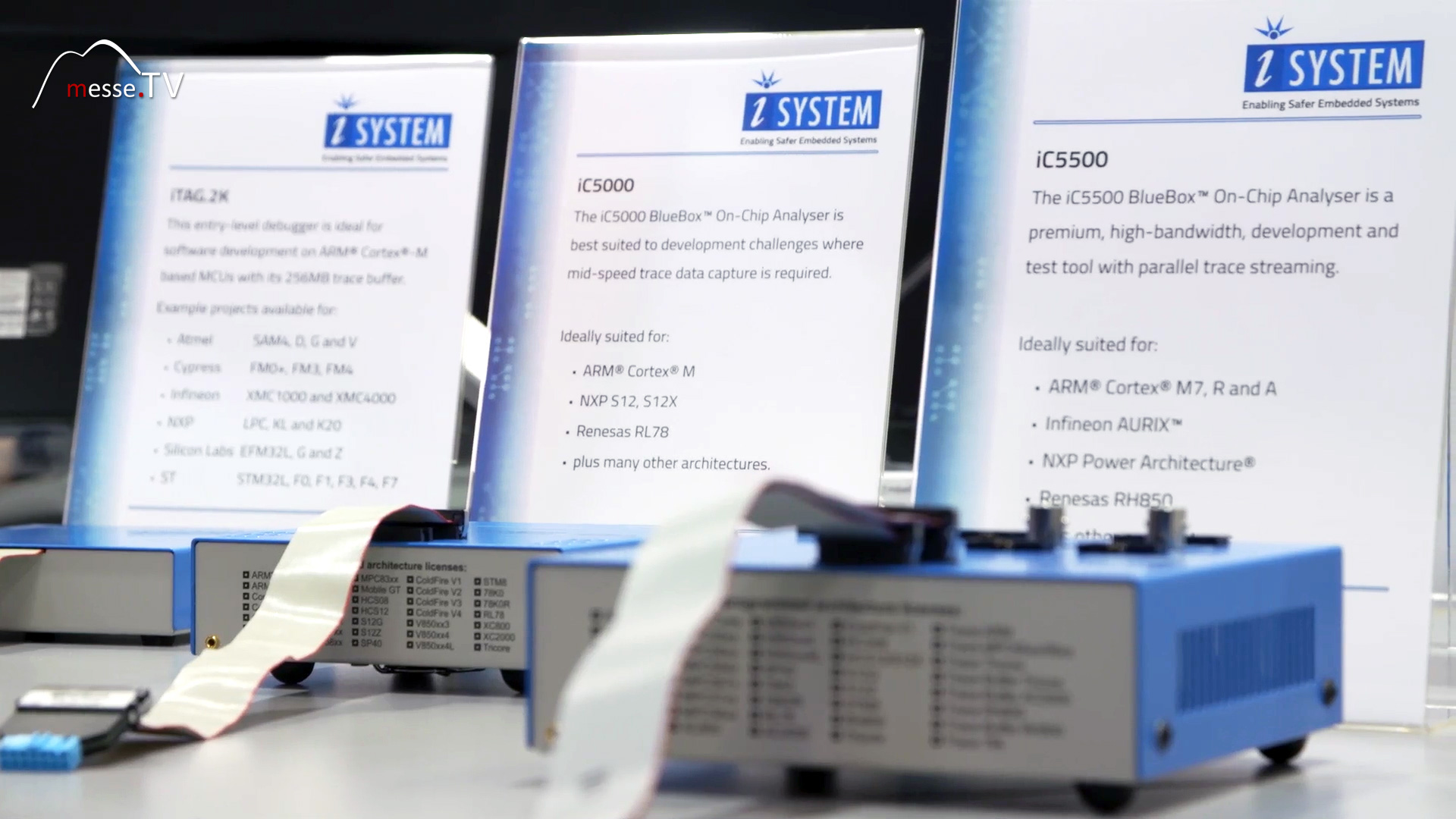
Schleißheimer: Software and hardware development
The development of software and hardware is Schleißheimer's daily business. The company offers a great deal of experience and expertise, particularly in the field of work machines,... Schleißheimer: Software and hardware development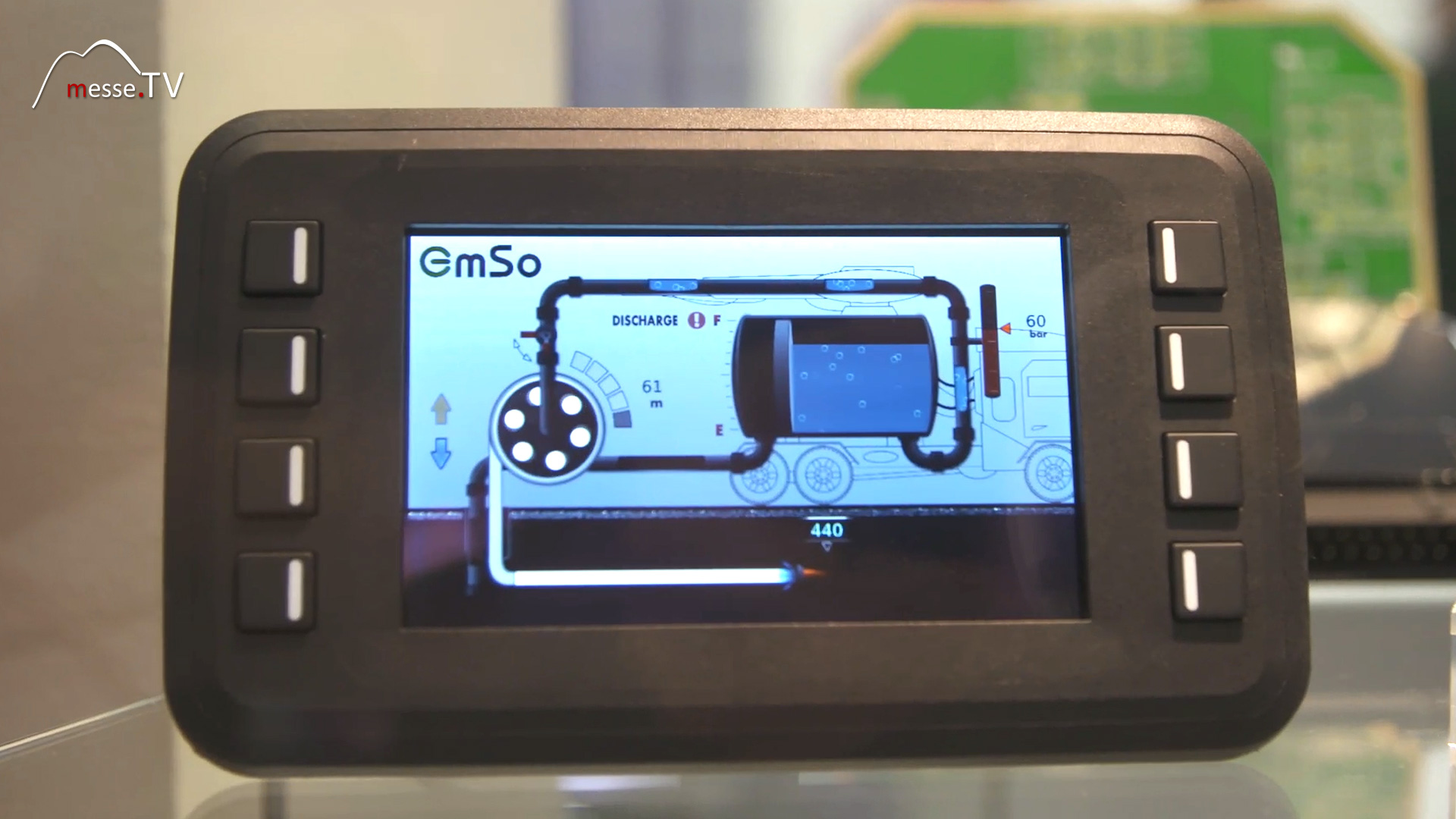
CIB - Software for the building materials industry
The Computer Institut Bamberg (CIB) has been developing software for the construction materials industry for more than 30 years. At bauma 2016, the company is presenting a mobile v... Software for the building materials industry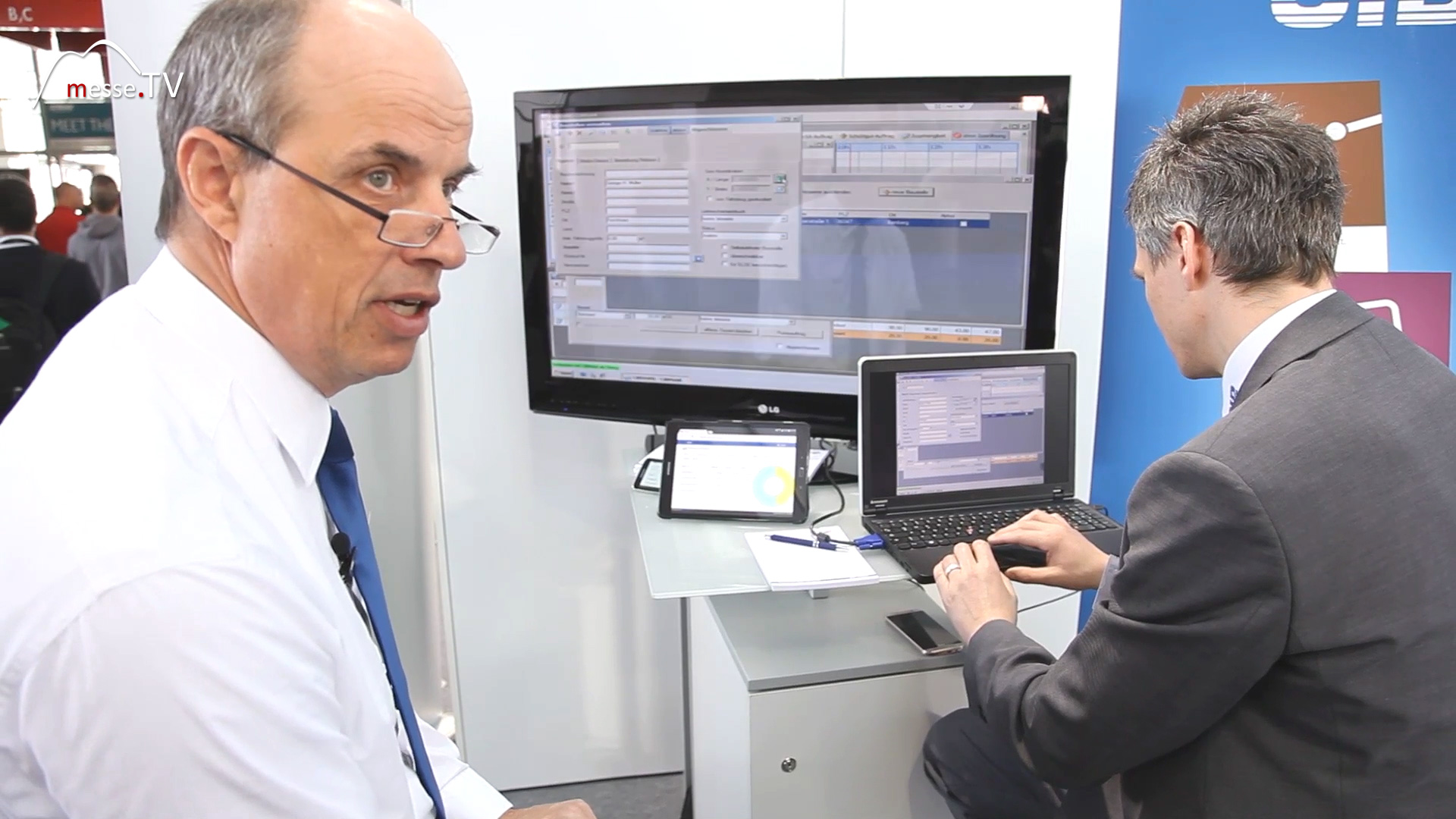
Initions OPHEO – bauma 2016
Good organization is not only important, but indispensable when planning construction sites. OPHEO transport management and telematics from Initions AG offers an interesting soluti... Transport management and telematics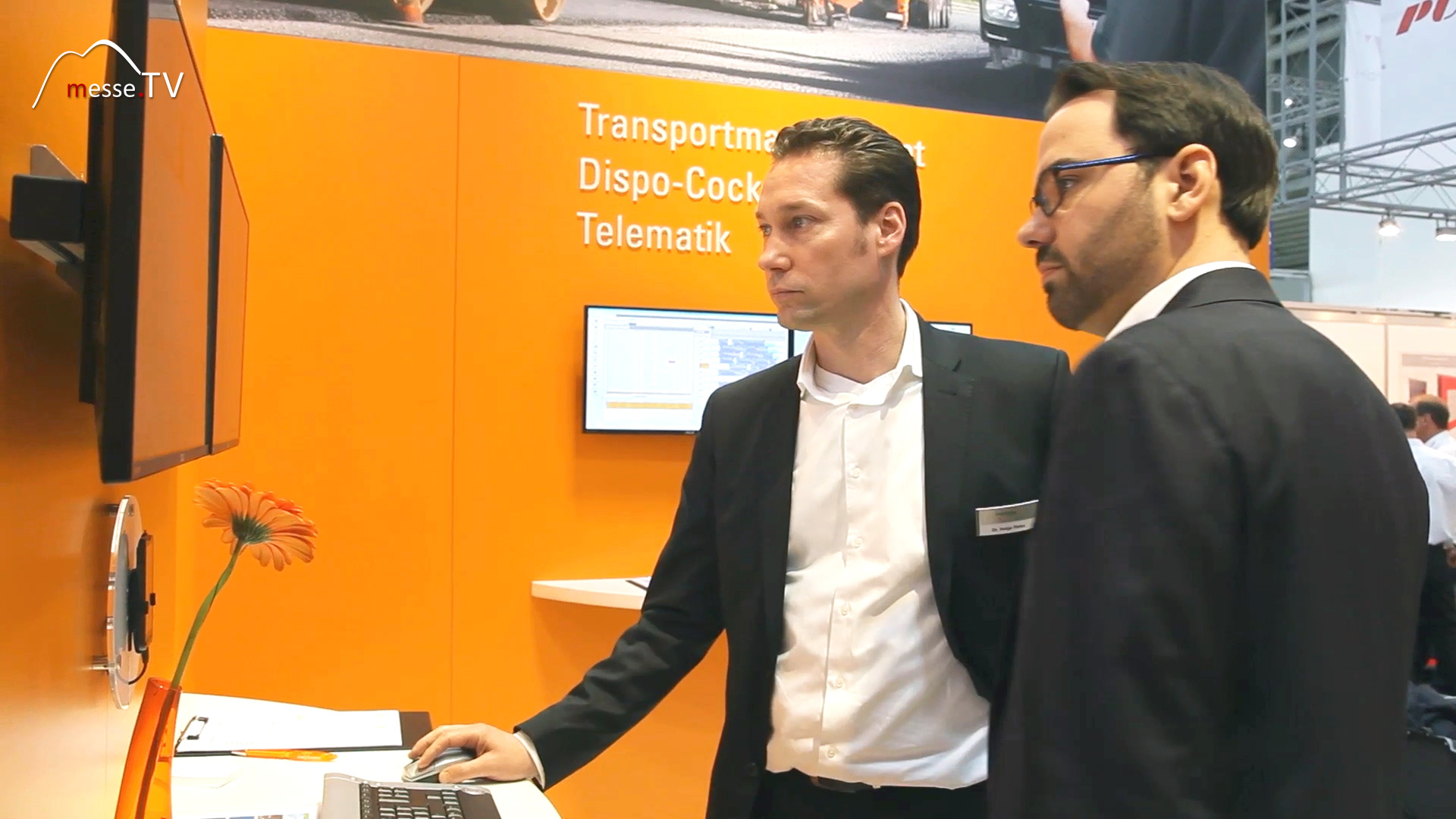
The term digitalization has long since come to mean more than just the introduction of new software or automated processes. The digital economy is about profound structural changes in which digital data becomes a key production factor. Companies are faced with the task of not only collecting data, but also evaluating it in a meaningful way, networking it, and translating it into operational decisions. This is precisely where digital transformation comes in: it is changing value chains, organizational structures, and business models alike – gradually, but with a lasting effect. This development is often referred to as the digital revolution because it is affecting almost all industries at the same time. Whether in industry, construction, agriculture, or trade, new forms of collaboration between humans, machines, and software are emerging everywhere. The opportunities offered by digital communication play a central role in this: networked systems enable companies to control processes across locations, make knowledge available more quickly, and address customer needs more precisely. At the same time, there is a growing need for clear strategies to ensure data quality, IT security, and transparency. For companies, digitalization is thus becoming a permanent strategic task. Government funding, research programs, and cross-industry initiatives support this change, but they do not replace the need for companies to invest in their own expertise, infrastructure, and organizational development. The examples presented on Messe.TV show that digital transformation is successful when technology is not viewed in isolation, but as a tool for solving real problems, increasing efficiency, and building long-term competitiveness.
Digitalization is effective when it improves specific work processes—not when it is used merely as a buzzword. Numerous companies are demonstrating how smart technologies work in practice: from autonomous robots for vegetable cultivation to automated spraying systems in agriculture to AI-supported construction site logistics. Examples of digitalization with direct practical relevance:
AI applications are no longer a topic for the future. On platforms such as DMEXCO and electronica, providers such as IBM iX, Shopware, and CoreMedia demonstrate how AI is used in content management, customer research, and B2B commerce. Agentic AI—i.e., autonomous, proactive systems—is particularly shaping new approaches in digital marketing and company-wide workflows. The focus is on:
Whether sensor systems, machine learning, or embedded software – digitalization often begins at the technical level, but has an impact on higher-level processes. Manufacturers such as STMicroelectronics, Elmos, and Infineon supply the hardware basis for smart devices, while providers such as Schleißheimer and MicroSys are working on integrated solutions that are used in safety-critical areas such as automotive and medical technology. Digitalization is particularly visible where it restructures infrastructure:
Trade fair reporting Germany - Trade fair knowledge, dates & events


