Operating a whirlpool in winter
by F. Zuber - 2025-12-18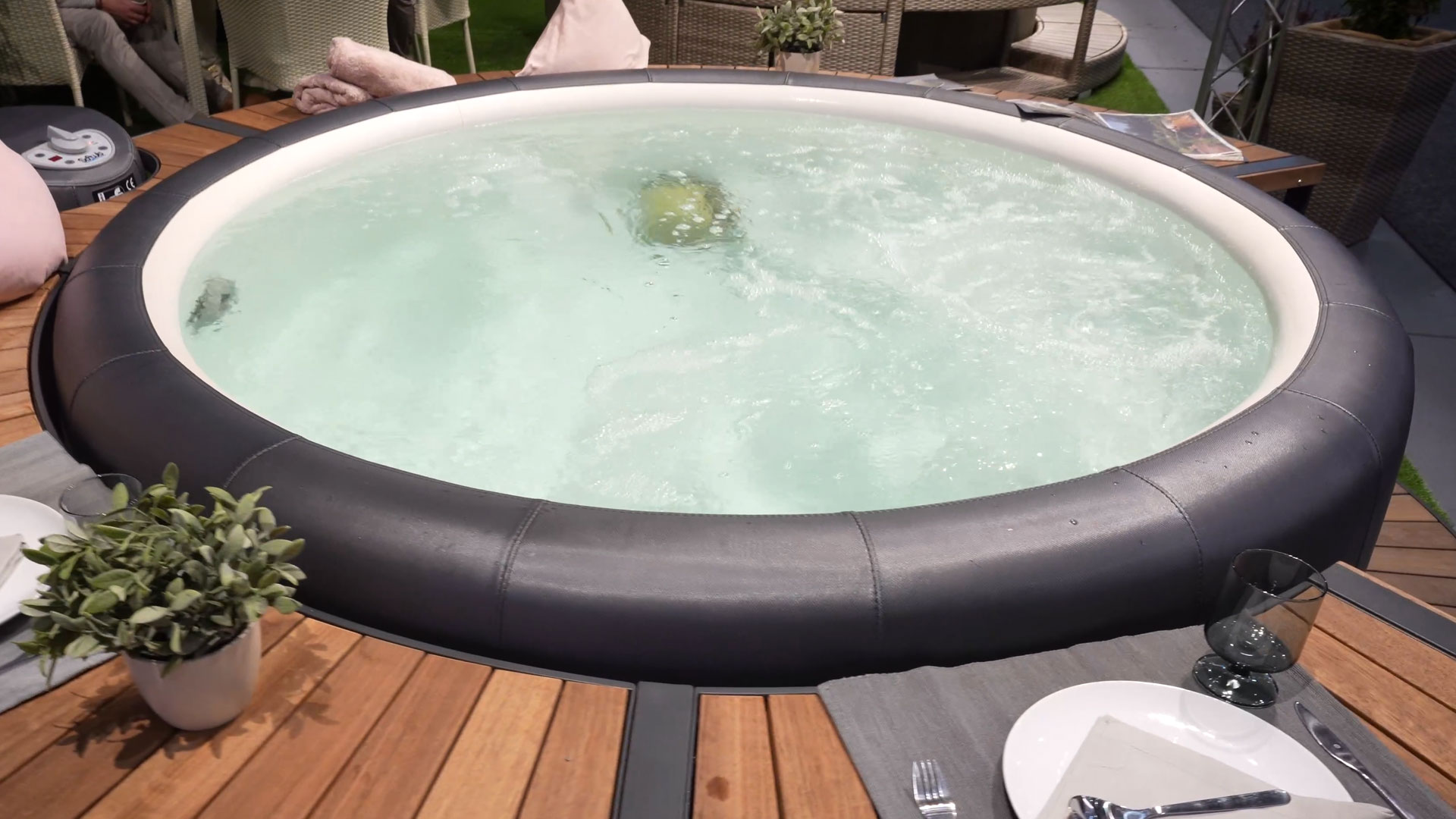

What could be nicer than taking a cozy, warm bath in these icy temperatures? Even nicer is the idea of a whirlpool on the terrace. Or when it snows, watching the snowflakes fall in the garden while I enjoy the bubbles. With all this daydreaming, I first had to find out whether it's even energy-efficient to keep a hot tub warm at sub-zero temperatures.
Where is energy actually consumed in winter?
Heating the hot tub only when it is in use is uneconomical and unecological. The target temperature is kept constant over many hours and days. This is why the construction method is crucial. Every uninsulated surface, every open technical room and every poorly closing cover means that generated heat is lost and must be actively reheated. This means that it must be well insulated all around, from the cover to the walls and pipes.
Technology that heats up well
How can the hot tub stay comfortably warm when the ground freezes without devouring huge amounts of electricity? The answer is to run the circulation pump and use its waste heat for heating. There are manufacturers such as Softub or HotSpring who have integrated this technology into their whirlpools.
Heat recovery through closed system design
If the heater, pump and control unit are located in a compact unit that is integrated directly into the insulated body, the waste heat generated remains in the system and stabilizes the water temperature. This results in fewer heating cycles and efficient continuous operation even at sub-zero temperatures. Of course, the size of the hot tub is also crucial. But a smaller model like the one from Softub converts to approx. 5 kWh per day. It is good if there is an insulating layer several centimeters thick, for example made of Styrudor, between the floor and the hot tub.
Keep the heat in the water with a few tricks
It is clear that as soon as the cover is open, a lot of heat is lost through the open water surface. It is an advantage if you place it sheltered from the wind or if it has a higher wind-protected side, for example where the seats are located. This protects your back, the water cools down less and the view remains unobstructed. And if you keep the water clean, the filter pump will need to run less. Also a cost factor!
What to do if you don't use the whirlpool tub for a long time in winter?
Then there is the frost protection function at 10-15 degrees, which prevents the water from freezing in the pipe, pump and pool at sub-zero temperatures and damaging them. If it is very cold, permanent sub-zero temperatures are not acceptable for inflatable whirlpools. The insulation and the material are not designed for this. My idea for this is a permanently installed shell hot tub - because wintertime is hot tub time - and this in a nice wooden enclosure standing on my patio, with a shelf for drinks or my towels. Not too far from the door, with a non-slip footpath, good floor lighting and plenty of unobstructed views of nature.
Seasonal use of the whirlpool
My personal preference for the water temperature is 40 degrees or slightly above. Most people like it a few degrees cooler than I do, but I find the warmth very soothing. In the summer months, I stay modest and don't heat it, but use it to cool off in between or not at all, and leave it empty and covered during this time. So nothing stands in the way of wellness at home.
Trade fair reporting Germany - Trade fair knowledge, dates & events


