Dallas as a trade fair location in the southern United States
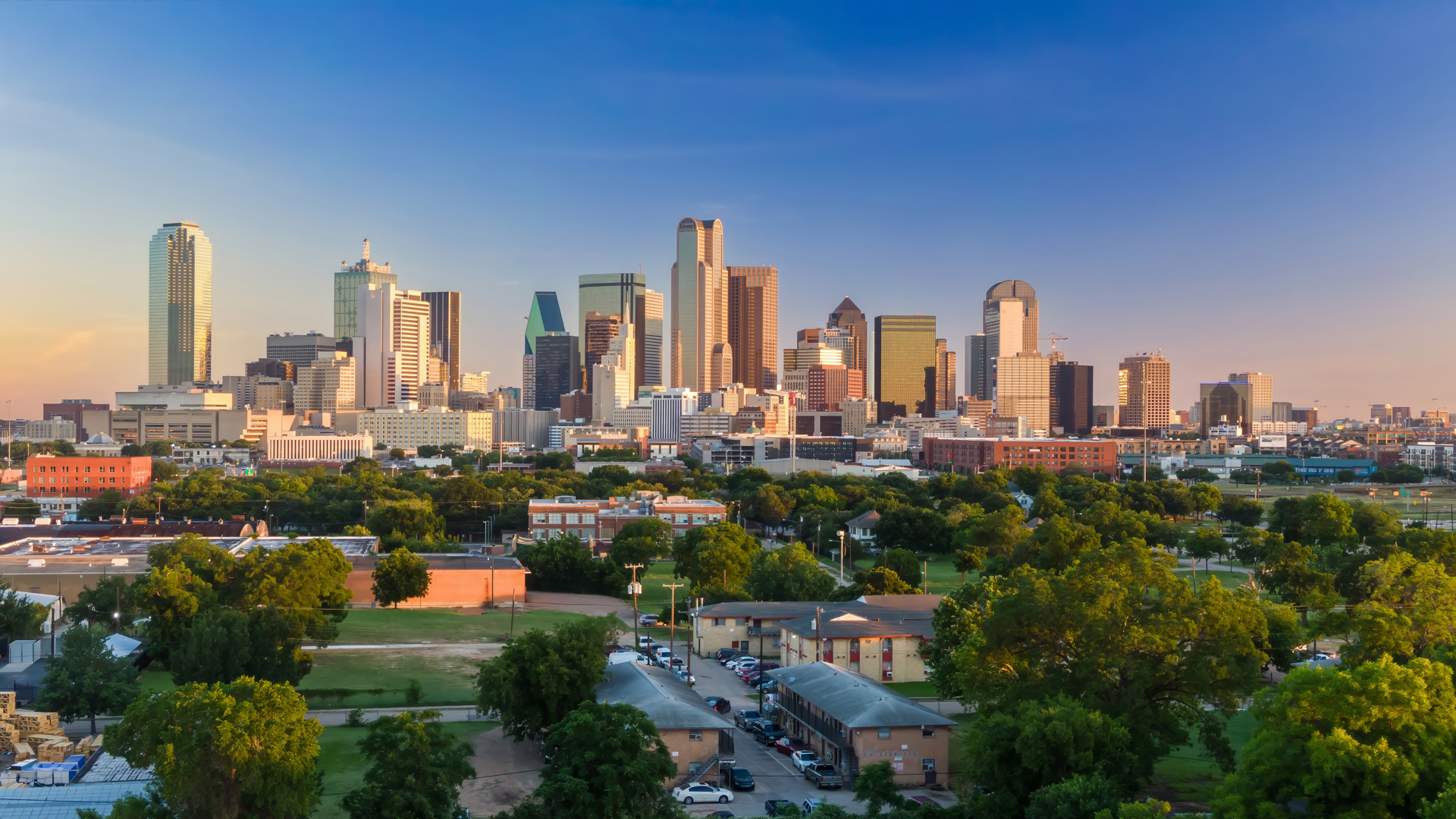
As a trade fair location in the southern United States, Dallas stands for economic dynamism, trade orientation and infrastructural efficiency. The Dallas–Fort Worth metropolitan area is one of the fastest-growing economic locations in the United States. This dynamism also has a lasting impact on the role of the trade fair location. Texas is characterised by energy, construction, logistics, trade and, increasingly, technology. Dallas acts as a central hub within this system. International flight connections via Dallas/Fort Worth International Airport and a dense motorway network ensure national and global accessibility. For event organisers, this means short distances to important sales markets in the south and south-west of the USA.
Infrastructure and exhibition grounds in Dallas
The Kay Bailey Hutchison Convention Centre forms the infrastructural centre of the Dallas exhibition centre. The facility is located in the city centre and offers large, flexible hall spaces and extensive conference capacities. The architecture is functional, designed for volume and suitable for industrial and trade-oriented events. A special feature of the location is the Dallas Market Centre. Unlike traditional temporary exhibition venues, it functions as a permanent trade centre with showrooms. Here, companies from the interior design, fashion, giftware and lighting sectors present their collections all year round. Several times a year, these structures are supplemented by large order markets. The exhibition venue is characterised by:
- Large convention centre with modular hall structure
- Permanent showroom infrastructure in the Market Centre
- High hotel capacity in the city centre area
- Strong logistical connections for exhibitors
Economic structure as a driver of the trade fair profile
Dallas is deeply embedded in the economic development of Texas. The energy sector plays a central role, as do construction, real estate development and utility infrastructure. At the same time, the technology sector is growing steadily. This industry structure is reflected in the event profile. Trade fairs for energy infrastructure, construction products, roofing technology and utility networks find an economically relevant environment here. Wholesale markets for furniture, home accessories and fashion are also firmly established. Compared to locations dominated by tourism, Dallas is strongly transaction-oriented. Many events serve specific order processes or contract conclusions. The trade fair venue thus functions as a market platform with an immediate economic impact.
Regional significance in the southern United States
Dallas plays a key role in the south. Companies from Texas, Oklahoma, Louisiana and other neighbouring states use the city as a centre for trade and networking. The region has a high density of companies, especially small and medium-sized enterprises. For organisers, this creates a stable catchment area with trade visitors who have high purchasing power. The economic strength of the state of Texas also ensures a willingness to invest in construction, energy and infrastructure. The entrepreneurial culture of the region is characteristic. Decisions are often made pragmatically and in line with market requirements. This also has an impact on trade fairs: events are organised efficiently and clearly focused on business results.
Trade, energy and construction as leitmotifs
Dallas, as a trade fair venue in the southern United States, is not a glamorous show location, but a work-oriented centre for trade and industry. The focus is on:
- Wholesale and order markets
- Energy and utilities
- Construction and building technology
- Fashion and interior design trade
Strategic position in the national trade fair landscape
Dallas occupies a unique position within the US trade fair landscape. Chicago stands for industrial tradition, Las Vegas for international appeal, and New York City for brand impact. Dallas, on the other hand, stands for business-oriented trade platforms in the south. The combination of a large convention centre, permanent market centre and fast-growing region gives the location stability. Events benefit from a clearly defined target group from the retail, construction and energy sectors. As a trade fair location in the southern United States, Dallas is a location that focuses less on symbolic staging and more on economic functionality. It is precisely this sobriety that makes it a reliable platform for many industries.
Which leading trade fairs take place at the Dallas Exhibition Centre?
- CAMX: Comprehensive trade fair for composite materials and innovative materials.
- Dallas Apparel & Accessories Market: Leading trade platform for fashion and accessories in the south-west.
- Dallas Total Home & Gift Market: Major trade fair for home décor and gift items.
- MRO Americas: Most important trade fair for maintenance, repair and overhaul in aviation.
- Powergen International: Leading global trade fair for the power generation industry.
Trade fair reporting Germany - Trade fair knowledge, dates & events


