Weishaupt: Heizsysteme und Energieeffizienz
Weishaupt ist ein deutscher Hersteller von Heizsystemen, Brennern und Energieerzeugungsanlagen mit Sitz in Schwendi. Seit seiner Gründung 1932 steht das Familienunternehmen für Qualität, Effizienz und Nachhaltigkeit in der Energietechnik. Mit innovativen Lösungen für fossile und erneuerbare Energien zählt Weishaupt zu den führenden Anbietern in der Heizungsbranche.
Weishaupt: Effiziente Lösungen für Heizung, Energie und Automatisierung
Die Geschichte von Weishaupt: Tradition und technologische Kompetenz
Weishaupt wurde 1932 von Max Weishaupt in Schwendi, Deutschland, gegründet und ist heute eines der führenden Unternehmen in der Heiztechnik und Energieautomation. Das Unternehmen begann mit der Produktion von Brennern und erweiterte sein Angebot im Laufe der Jahrzehnte um innovative Heizsysteme, Solartechnologien und Automationslösungen. Mit Sitz in Deutschland und einem weltweiten Vertriebsnetz hat Weishaupt seine Position als technologische und qualitativ hochwertige Marke gefestigt. Das Unternehmen bleibt auch heute familiengeführt und setzt auf Innovation, Zuverlässigkeit und nachhaltige Lösungen.
Beiträge zu Weishaupt auf Messe.TV
Produkte: Brenner, Heizsysteme und Energiemanagement
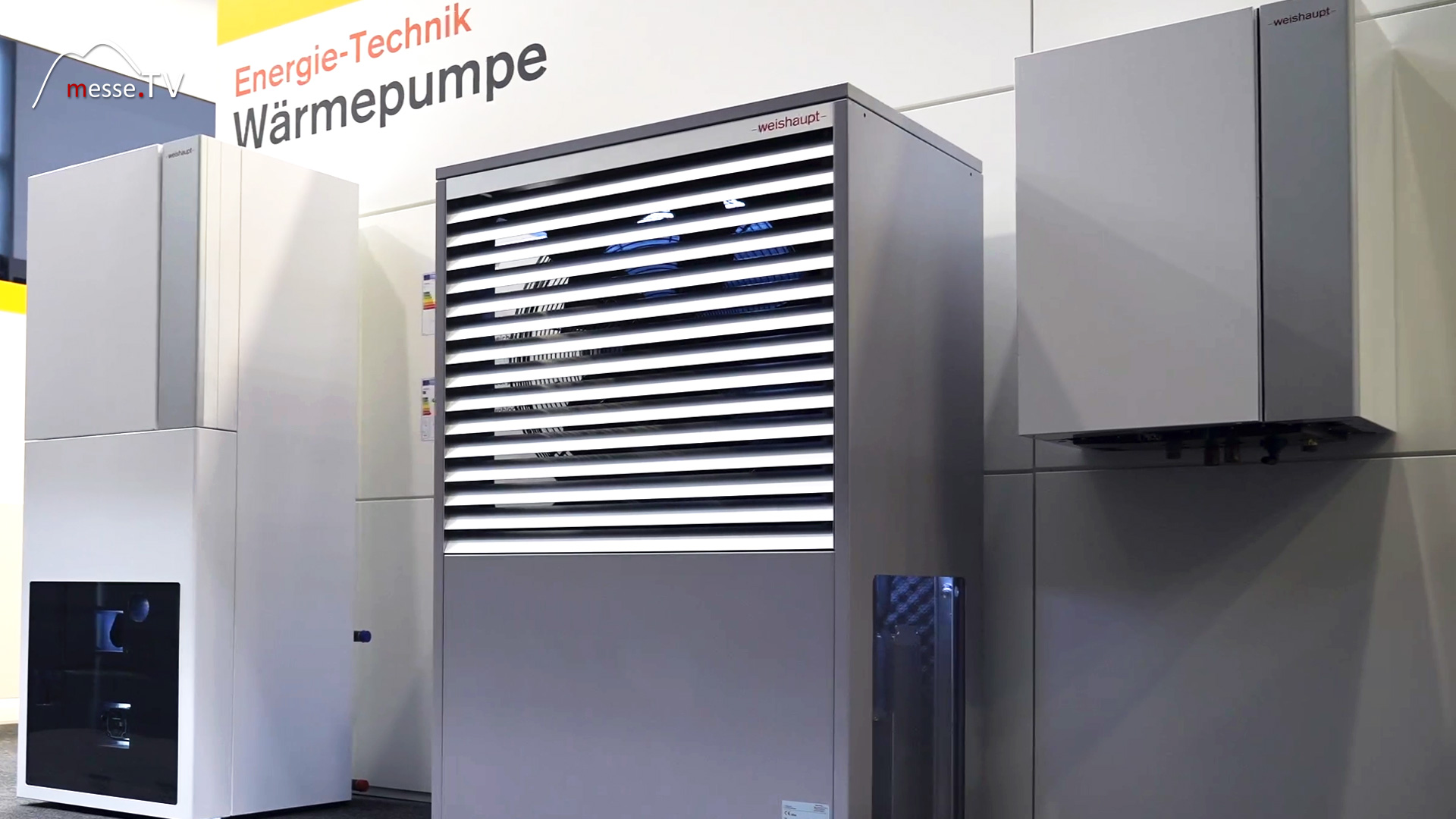
Das Portfolio von Weishaupt umfasst moderne Brennertechnologie, energieeffiziente Heizsysteme und fortschrittliche Systeme zur Energieautomatisierung. Besonders bekannt ist das Unternehmen für seine Gas- und Öl-Brenner, die für ihre hohe Effizienz und Langlebigkeit geschätzt werden. Darüber hinaus bietet Weishaupt Wärmepumpen, Solarsysteme und Hybridsysteme, die erneuerbare Energien optimal integrieren. Ergänzt wird das Angebot durch intelligente Steuerungssysteme, die eine präzise und energieeffiziente Regelung von Heiz- und Lüftungsanlagen ermöglichen. Die Produkte von Weishaupt sind auf höchste Effizienz und minimalen Energieverbrauch ausgelegt.
Wärmepumpen und Systemlösungen für unterschiedliche Gebäudetypen
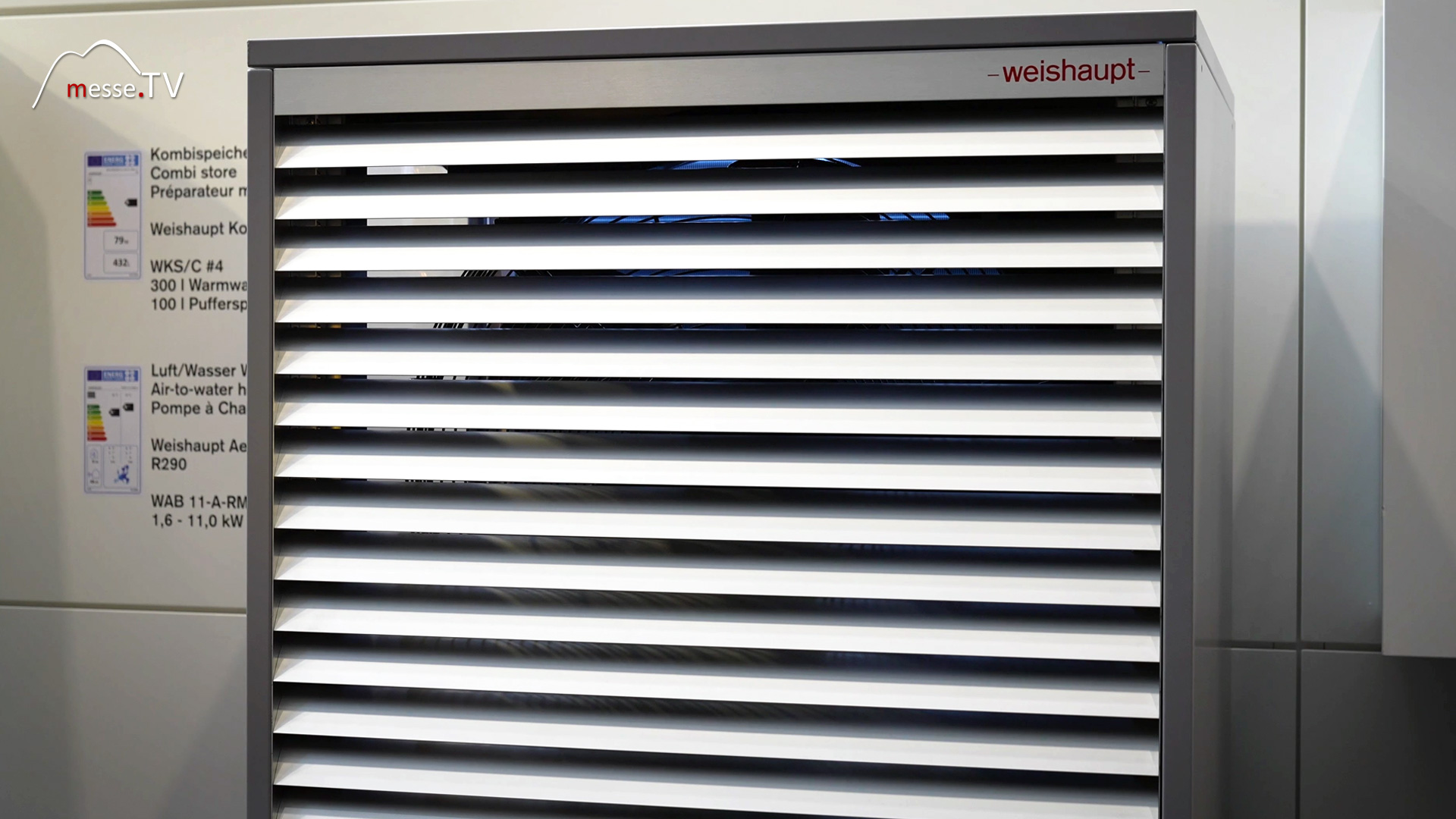
Ein zentraler Baustein im aktuellen Portfolio sind Wärmepumpensysteme, die sowohl im Neubau als auch in der energetischen Sanierung eingesetzt werden. Je nach Gebäudestruktur, Dämmstandard und Wärmebedarf kommen unterschiedliche Systemkonzepte zum Einsatz, etwa Luft-Wasser- oder Sole-Wasser-Lösungen. Dabei steht weniger das Einzelgerät im Vordergrund als vielmehr das Zusammenspiel aller Komponenten im Gesamtsystem. Besonders relevant ist die Möglichkeit, Wärmepumpen mit bestehenden Heizsystemen zu kombinieren. In hybriden Anlagen arbeiten erneuerbare und konventionelle Wärmeerzeuger bedarfsgerecht zusammen. So lassen sich Effizienz, Versorgungssicherheit und Wirtschaftlichkeit auch bei komplexen Rahmenbedingungen sinnvoll miteinander verbinden.
- Luft-Wasser- und Sole-Wasser-Wärmepumpen für Neubau und Bestand
- Hybridsysteme zur Kombination erneuerbarer und klassischer Wärmeerzeuger
- Anpassung an unterschiedliche Heizflächen und Vorlauftemperaturen
- Integration in bestehende Heiz- und Energiestrukturen
Messe-Berichterstattung bundesweit - Messewissen, Termine & Veranstaltungen


