GORE-TEX: Funktionsmaterialien für extreme Bedingungen und hohe Anforderungen
GORE-TEX ist weltweit als Synonym für wasserdichte, winddichte und zugleich atmungsaktive Materialien etabliert. Die Marke steht nicht für ein einzelnes Produkt, sondern für eine Technologieplattform, die in unterschiedlichsten Anwendungen zum Einsatz kommt. Besonders bekannt ist GORE-TEX aus dem Outdoor- und Sportbereich, wo die Membranen in Jacken, Hosen, Schuhen und Handschuhen verarbeitet werden. Gleichzeitig reicht das Einsatzspektrum weit über Bekleidung hinaus und umfasst auch technische Anwendungen in Industrie, Medizin und Mobilität.
Von der Materialentdeckung zur Technologieplattform
Die Grundlage der GORE-TEX Technologie entstand Ende der 1960er-Jahre. Entwickelt wurde sie von Robert W. Gore, der das Potenzial von expandiertem Polytetrafluorethylen erkannte. Dieses Material, kurz ePTFE, zeichnet sich durch eine mikroporöse Struktur aus, die flüssiges Wasser zuverlässig abhält, Wasserdampf jedoch entweichen lässt. Damit wurde ein zentrales Problem funktionaler Kleidung gelöst: Schutz vor Nässe ohne den Wärmestau klassischer, vollständig dichter Materialien. Die Technologie ist eng mit dem Unternehmen W. L. Gore & Associates verbunden, das bereits 1958 in den USA gegründet wurde. GORE-TEX entwickelte sich innerhalb dieses Unternehmens zur bekanntesten Marke und wurde kontinuierlich weiterentwickelt. Statt die Membran selbst als Endprodukt zu vermarkten, setzte Gore früh auf ein Partnerschaftsmodell mit Bekleidungs- und Ausrüstungsherstellern, die die Materialien in eigene Produkte integrieren.
Funktionsprinzip und Leistungsversprechen
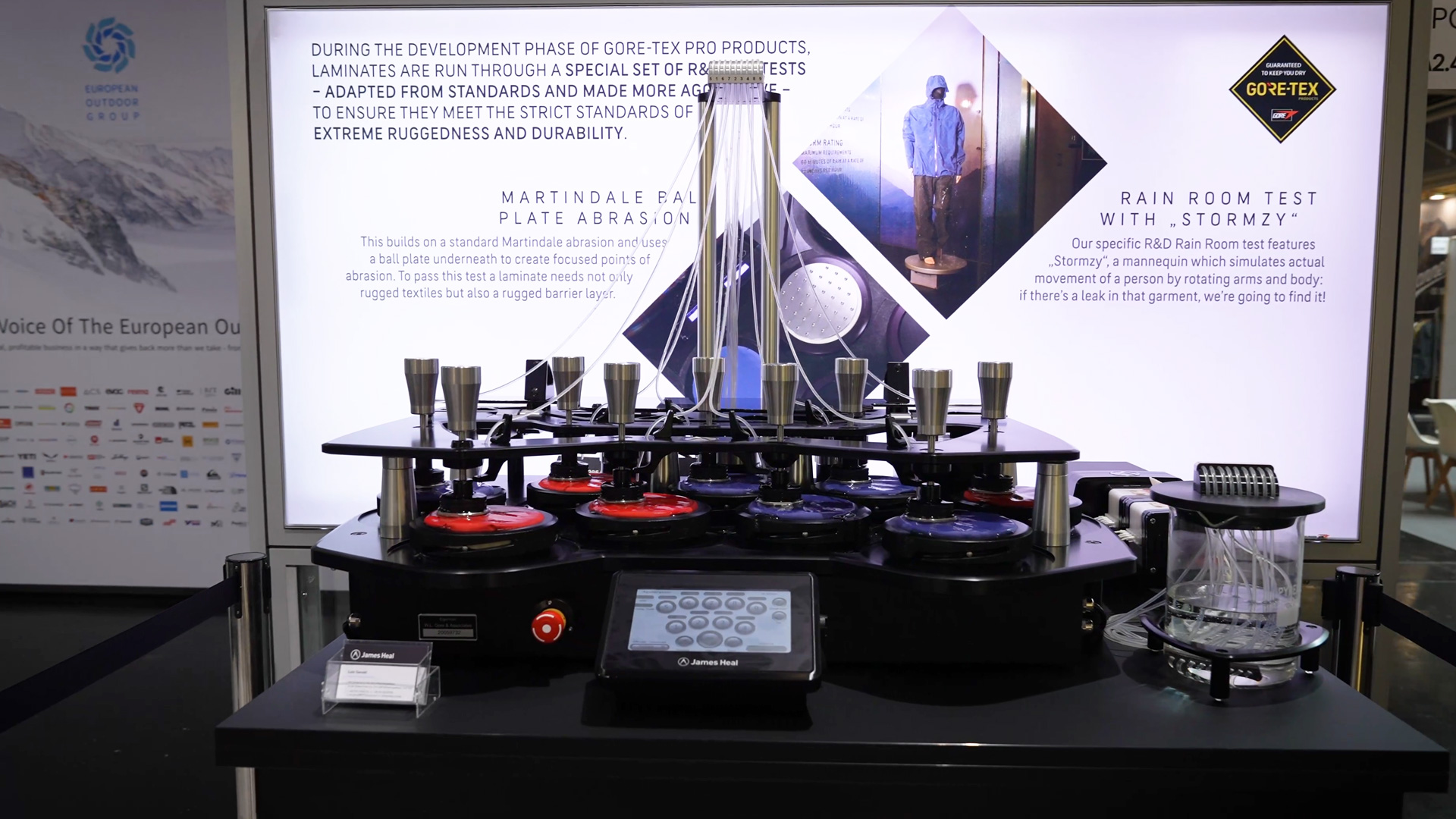
Das Funktionsprinzip von GORE-TEX basiert auf der besonderen Struktur der Membran. Milliarden mikroskopisch kleiner Poren sind so dimensioniert, dass sie kleiner als ein Wassertropfen, aber größer als ein Wasserdampfmolekül sind. Dadurch bleibt Regen außen, während Schweiß in Form von Dampf nach außen transportiert werden kann. Ergänzt wird die Membran in der Regel durch mehrlagige Laminatkonstruktionen, die Schutz, Stabilität und Tragekomfort kombinieren. GORE-TEX ist dabei weniger ein modisches Element als ein technisches Leistungsversprechen. Produkte mit dieser Technologie sollen auch unter widrigen Bedingungen zuverlässig funktionieren. Um dieses Versprechen abzusichern, unterzieht Gore die Materialien und fertigen Produkte umfangreichen Tests. Dazu gehören unter anderem Belastungs-, Abrieb- und Alterungstests sowie Prüfungen zur Wasserdichtigkeit und Atmungsaktivität. Erst wenn diese Kriterien erfüllt sind, dürfen Produkte das GORE-TEX Label tragen.
Beiträge zu Gore-Tex auf Messe.TV
Gore-Tex setzt auf Nachhaltigkeit in der Produktion
Nachhaltigkeit ist in der Textilindustrie längst kein Zusatzthema mehr, sondern ein strategischer Kernbereich. Gore-Tex verfolgt dabei einen Ansatz, d... Nachhaltigkeit in der Textilindustrie
GORE-TEX PRO Material-Innovation - widerstandsfähigste Textiltechnologie
GORE-TEX ist bekannt für innovative Membrantechnologie, die Outdoor-Bekleidung und Schuhe wasserdicht, winddicht und zugleich atmungsaktiv macht. Die ... GORE-TEX PRO Material-Innovation
Shakedry Technologie - Gore-Tex
Jeder, der gerne läuft oder Rad fährt, kennt das Problem: Plötzlicher Regen kann das Training unangenehm machen. Gore-Tex hat mit Shakedry eine bahnbr... Shakedry Technologie - Gore-Tex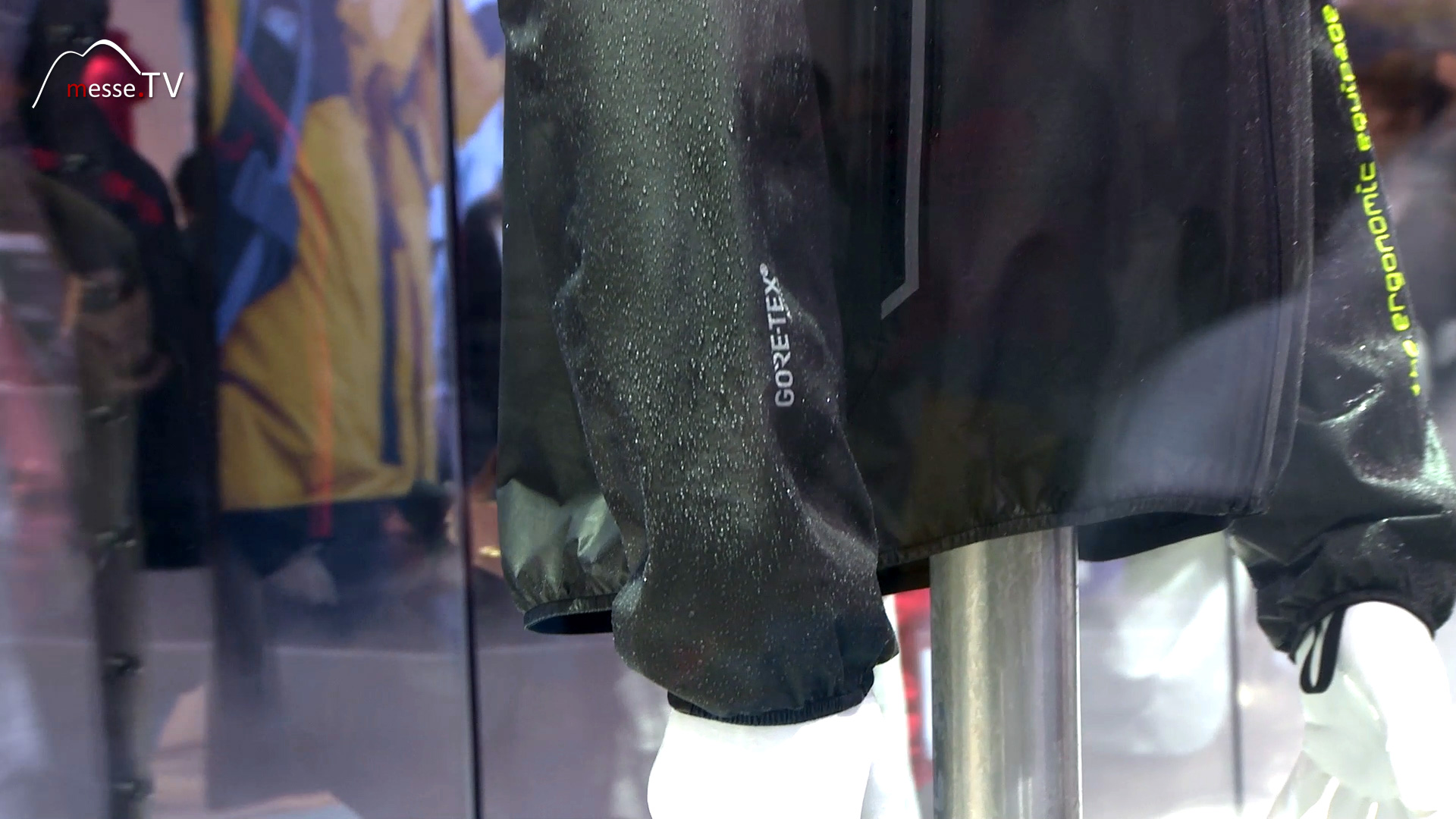
Einsatzbereiche von Outdoor bis Industrie
Der bekannteste Einsatzbereich von GORE-TEX liegt in der Outdoor-Bekleidung. Hier werden die Materialien in Jacken, Hosen, Handschuhen und Schuhen verwendet, die bei Regen, Wind und Kälte schützen sollen. Je nach Anwendungsprofil existieren unterschiedliche Materialvarianten, die etwa auf geringes Gewicht, hohe Robustheit oder maximale Atmungsaktivität ausgelegt sind. Darüber hinaus kommt GORE-TEX auch in anderen Bereichen zum Einsatz:
- Funktionsschuhe und Arbeitsschuhe mit dauerhaftem Nässeschutz
- Medizinische Produkte wie Implantatmaterialien oder Schutztextilien
- Industrielle Filter- und Dichtungslösungen
- Anwendungen in der Automobil- und Luftfahrtindustrie
- Spezialbekleidung für Einsatzkräfte und extreme Arbeitsumgebungen
Zusammenarbeit mit Marken und Qualitätskontrolle
Ein zentrales Element der GORE-TEX Strategie ist die enge Zusammenarbeit mit Markenherstellern. Gore liefert nicht nur Material, sondern definiert auch klare Verarbeitungs- und Qualitätsstandards. Partnerunternehmen müssen diese Standards einhalten, um das GORE-TEX Label nutzen zu dürfen. Dadurch soll sichergestellt werden, dass nicht nur die Membran, sondern das gesamte Produkt den Anforderungen entspricht. Diese Form der Qualitätssicherung unterscheidet GORE-TEX von vielen anderen Materialanbietern. Für Endkunden entsteht dadurch ein hohes Maß an Vertrauen, da das Label für geprüfte Funktionalität steht, unabhängig vom jeweiligen Hersteller des Endprodukts.
Nachhaltigkeit und Weiterentwicklung
In den vergangenen Jahren hat das Thema Nachhaltigkeit zunehmend an Bedeutung gewonnen. Auch GORE-TEX arbeitet an der Weiterentwicklung seiner Materialien, um Umweltbelastungen zu reduzieren. Dazu zählen unter anderem langlebigere Konstruktionen, die eine längere Nutzungsdauer ermöglichen, sowie neue Materialkonzepte mit reduziertem Einsatz kritischer Substanzen. Ziel ist es, die funktionalen Eigenschaften zu erhalten und gleichzeitig ökologische Anforderungen stärker zu berücksichtigen. Parallel dazu investiert das Unternehmen kontinuierlich in Forschung und Entwicklung, um neue Einsatzfelder zu erschließen und bestehende Technologien weiter zu optimieren. Dabei geht es weniger um kurzfristige Trends als um langfristige Materiallösungen, die über viele Jahre hinweg zuverlässig funktionieren.
Bedeutung für Markt und Anwender
GORE-TEX hat den Markt für Funktionsbekleidung und technische Textilien nachhaltig geprägt. Die Technologie setzte früh einen Standard, an dem sich andere Materialien messen lassen müssen. Für Anwender bedeutet das vor allem Planungssicherheit: Wer sich für Produkte mit GORE-TEX entscheidet, erwartet verlässlichen Wetterschutz, hohen Tragekomfort und eine lange Lebensdauer. Durch die Kombination aus Materialforschung, strenger Qualitätskontrolle und partnerschaftlichem Geschäftsmodell bleibt GORE-TEX eine der prägendsten Technologien im Bereich funktionaler Textilien und darüber hinaus.
Messe-Berichterstattung bundesweit - Messewissen, Termine & Veranstaltungen


