Gilnhammer: Modular room systems and lightweight solutions for temporary architecture
Today, Gilnhammer is primarily known for modular wall systems and room solutions that are used in trade fair construction, exhibitions, museums, and public institutions. The company specializes in lightweight constructions that are flexible, reusable, and resource-efficient. The focus is not on classic toolmaking, but on the development of intelligent room systems that can be quickly assembled, variably configured, and used for many years. Gilnhammer thus positions itself as a system provider for temporary architecture and functional room concepts.
From craftsmanship origins to specialization in lightweight construction
Gilnhammer's roots date back to the 1970s. As a family-run company, Gilnhammer initially began with craft-based manufacturing processes and developed step by step. Over the years, the focus shifted increasingly to constructive solutions for interiors, with an emphasis on flexibility, precision, and reusability. This development ran parallel to changing requirements in trade fair and exhibition construction. Temporary structures were no longer supposed to be merely functional, but also had to meet design requirements, be quick to assemble and dismantle, and at the same time comply with sustainability criteria. Gilnhammer responded early on to these requirements and developed modular systems that significantly expand classic trade fair construction concepts.
Modular wall systems as a central product area
The core of the portfolio consists of lightweight modular wall systems. These systems often consist of sturdy paper honeycomb cores combined with durable cover layers. The result is large-format elements that offer high stability despite their low weight. The modules can be assembled and disassembled without the need for complex tools and can be adapted to different room sizes and usage scenarios. A key feature of Gilnhammer systems is their versatility. They serve not only as classic exhibition walls, but also as freestanding room boxes, meeting rooms, or temporary retreats in open environments. Gilnhammer thus addresses areas of application that go far beyond classic exhibition stand construction, such as museums, events, educational institutions, or corporate headquarters. Typical areas of application for the systems include:
- Trade fair and exhibition stands with variable geometry
- Temporary meeting and conference rooms
- Room-in-room solutions for open working environments
- Exhibition architecture in museums and galleries
- Mobile room solutions for public institutions
Articles about Gilnhammer on Messe.TV
G40 Quick Exhibition System - Gilnhammer
The Gilnhammer exhibition system and Gilnhammer wall systems are consistently geared towards professional applications in trade fair and exhibition co... Wood Lightweight Walls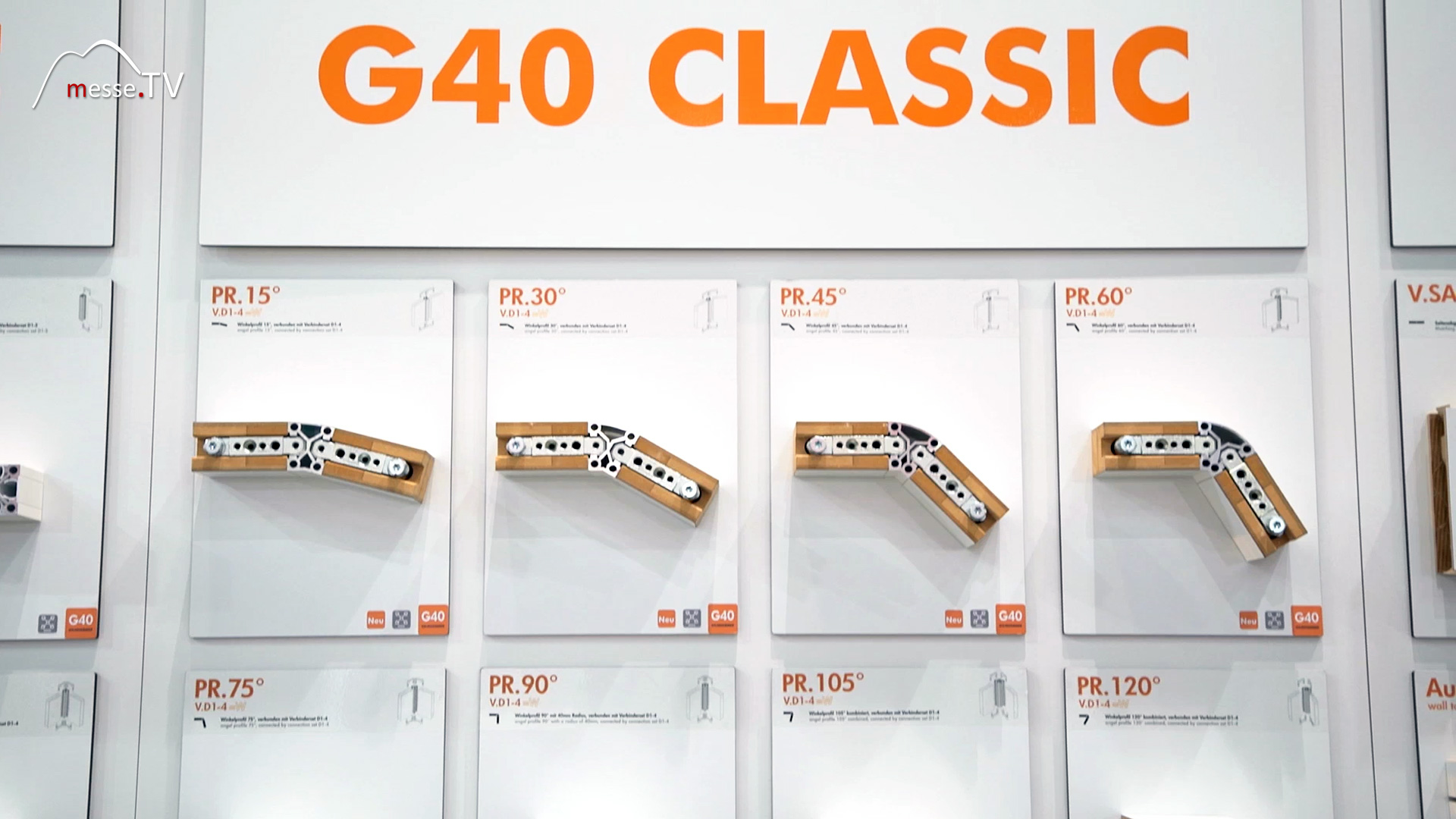
Gilnhammer trade fair system: lightweight wall systems
The Gilnhammer G40 Quick exhibition system is deliberately designed to be a simple system for small and medium-sized trade fair and exhibition appeara... Wall System G40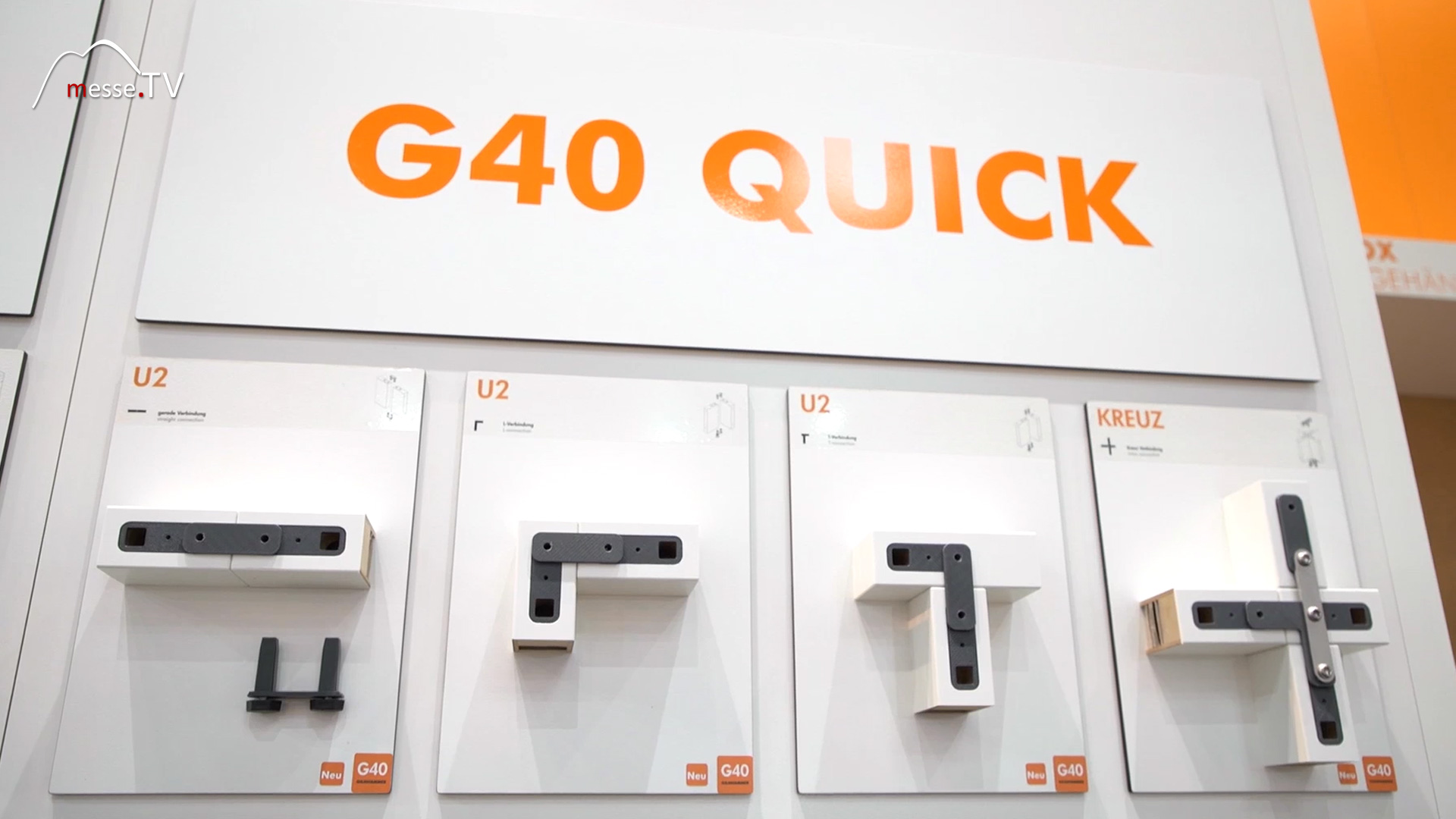
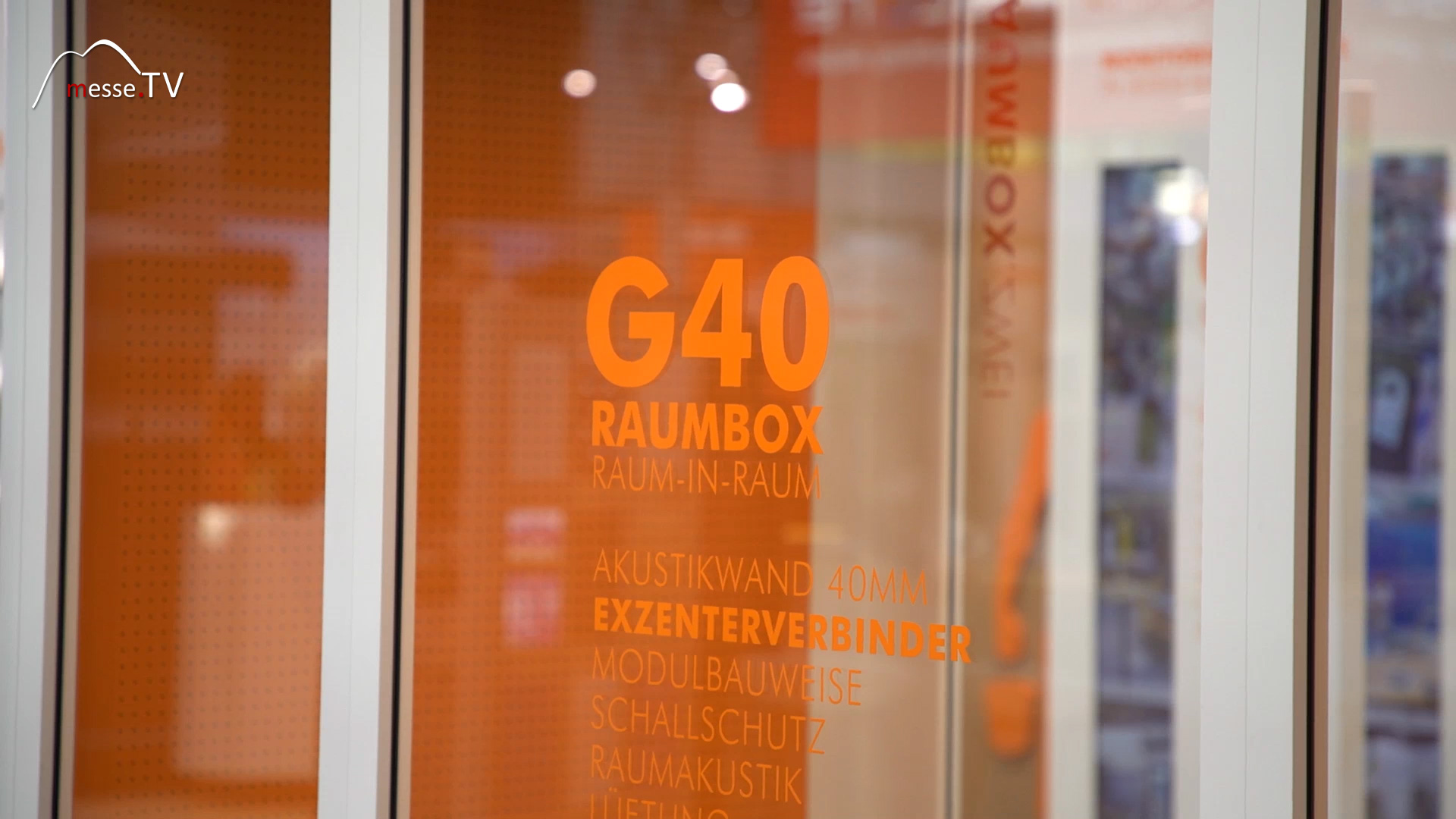
Gilnhammer: Raumbox room-in-room system
The Gilnhammer Raumbox is a modular room-in-room system that was developed from the existing G40 Classic system. The starting point was the specific r... Meeting Box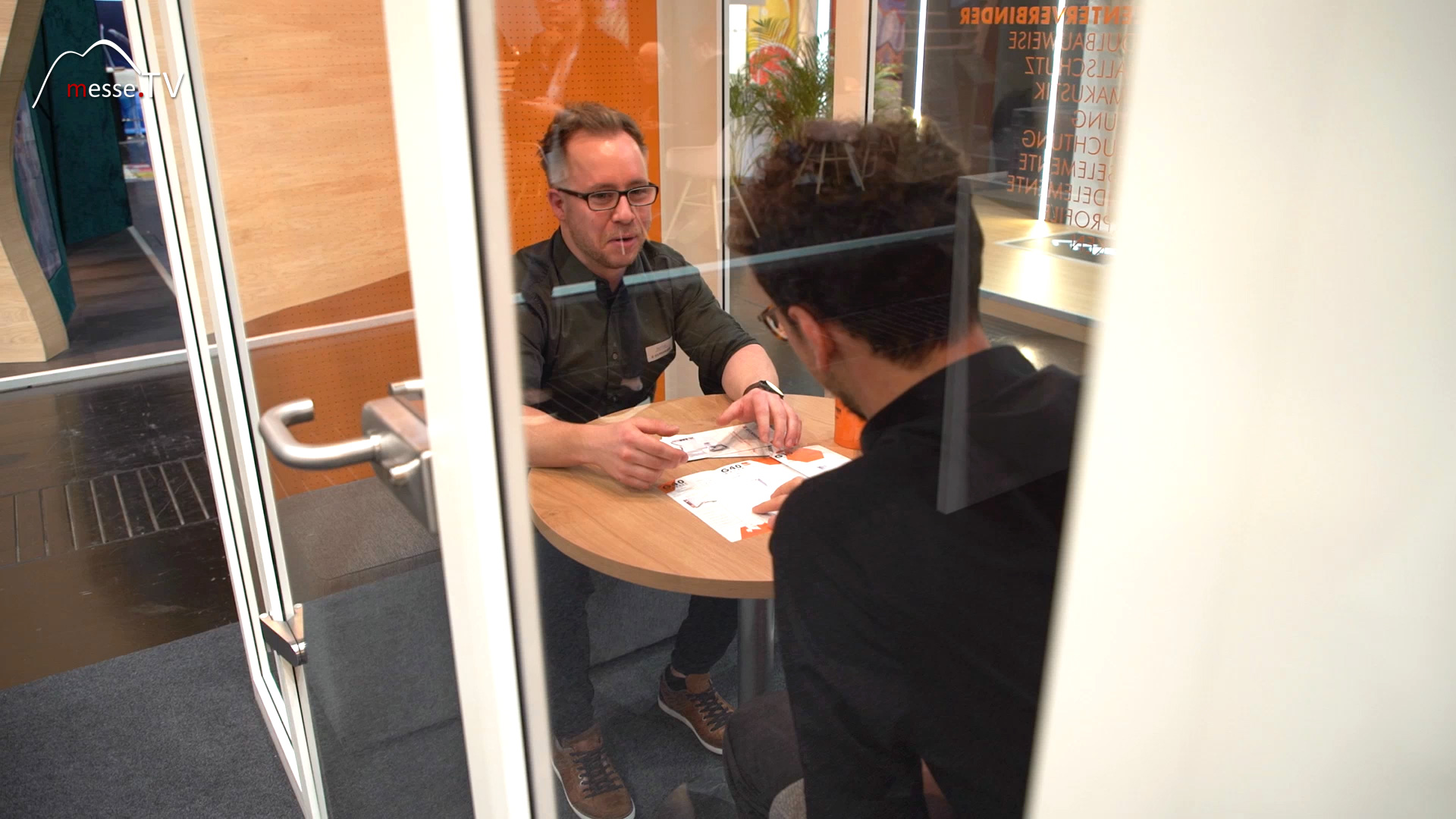
Functionality, design, and reusability
In addition to the structural aspects, Gilnhammer attaches great importance to design and surface quality. The systems are designed so that they can be individually customized, printed, or coated. This allows brand identities, guidance systems, or exhibition concepts to be integrated directly into the architecture. At the same time, the modules remain neutral enough to be used multiple times and adapted for different projects. A key advantage is reusability. Unlike conventional trade fair constructions, which are often only used once, Gilnhammer systems are designed for long-term use. This reduces material consumption, storage costs, and logistical effort. For many users, this aspect is playing an increasingly important role, as sustainability is also gaining importance in temporary construction.
Sustainability as a design principle
At Gilnhammer, sustainability is not just a marketing issue, but part of the technical concept. The use of paper honeycomb as the core material enables high material efficiency and good recyclability. In addition, there are durable connecting elements and modular concepts that allow repairs and replacement of individual components without having to replace entire systems. Transportation also benefits from the lightweight construction approach. Low weight and compact packaging reduce the energy required for logistics and facilitate international use. In practice, these design decisions not only offer ecological advantages, but also make economic sense.
Market positioning and future development
Gilnhammer has carved out a clearly defined niche with its modular lightweight construction systems. The company operates at the interface between architecture, design, and technology and targets professional users who need flexible and durable space solutions. The combination of technical precision, functional design, and sustainable materials clearly sets Gilnhammer apart from traditional trade fair constructors and furniture manufacturers. With the growing demand for temporary, adaptive space concepts—for example, in hybrid working environments or for changing event formats—the business model remains highly relevant. Gilnhammer is continuously developing its systems, positioning itself as a reliable partner for modular space solutions that combine functionality, design, and sustainability.
Trade fair reporting Germany - Trade fair knowledge, dates & events


